
Raw vegetables bring plenty of goodness, but a little heat can help your body use some nutrients more easily. Cooking softens tough plant walls and can lower compounds that block mineral absorption.
The benefits depend on the vegetable and cooking method, so these kitchen tips focus on getting more from your food without cooking away everything good.
1. Carrots: Unlock Their Orange Goodness
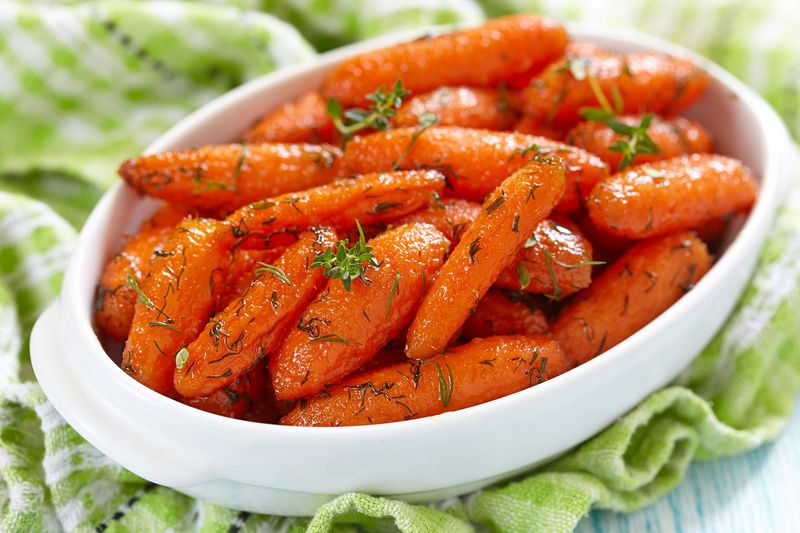
A little heat helps that familiar orange crunch deliver more usable beta-carotene. Your body turns this plant pigment into vitamin A, which supports vision and immune health.
Cooking softens carrot cell walls, making the pigment easier to absorb.
Steam or roast carrots until tender, then add a small splash of olive oil. The fat helps absorption, too.
Scrub the skins rather than peeling heavily, and avoid boiling small pieces for ages in lots of water.
2. Tomatoes: Let the Sauce Simmer

Your pasta sauce has a nutrition trick up its sleeve. Heat breaks open tomato cells, helping release lycopene, the red pigment that acts as an antioxidant.
Adding a little olive oil can improve how well your body absorbs it.
Simmer chopped tomatoes into sauce, soup, or stew for an easy boost. Cooking does reduce some vitamin C, so raw tomatoes still deserve a place on your plate.
Neither version needs to replace the other completely.
3. Spinach: A Smaller Pile With Plenty Inside
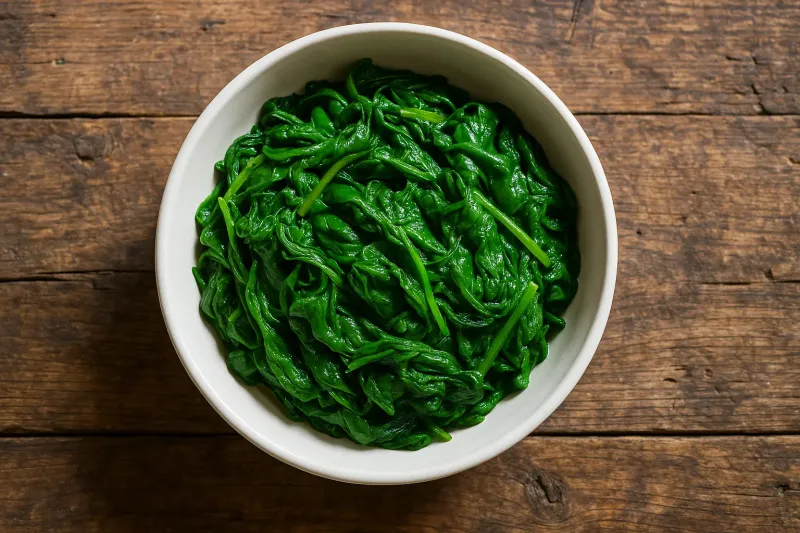
Watch a mountain of leaves shrink into a few spoonfuls. That smaller serving makes it easier to eat more spinach, including its vitamin K and carotenoids.
Boiling can also reduce oxalates, compounds that bind calcium and limit its absorption.
For lower oxalates, briefly boil the leaves and discard the water. For everyday meals, steaming is another useful option.
Remember that cooking does not create extra minerals, and some vitamins escape into water during the process.
4. Asparagus: Tender Spears, Easier Access
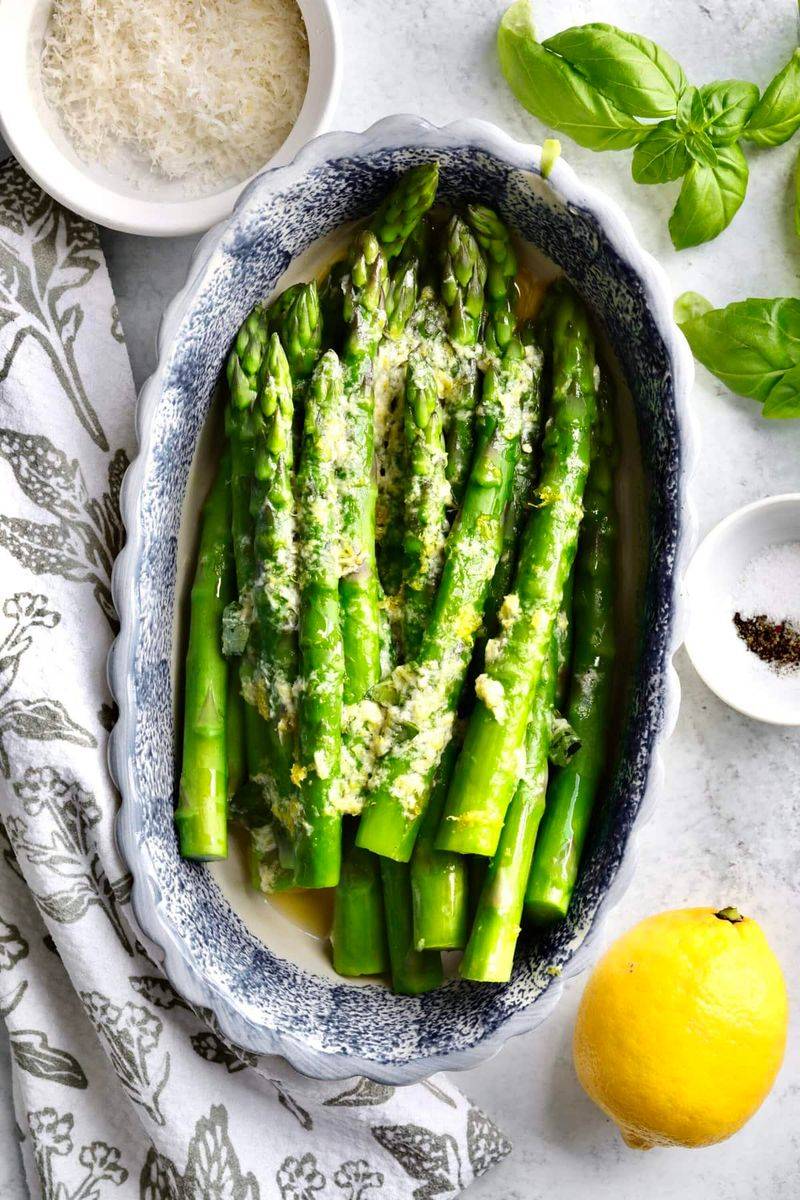
Those crisp green spears hide nutrients behind sturdy plant walls. Cooking softens those walls and may improve access to certain antioxidants, including carotenoids.
Some studies also find greater antioxidant activity after cooking, although results depend on the method used.
Steam asparagus just until the stalks bend easily but keep their bright color. Finish with lemon and a little oil.
Long boiling can send folate and vitamin C into the water, so keep cooking time short.
5. Broccoli: Give It a Gentle Steam
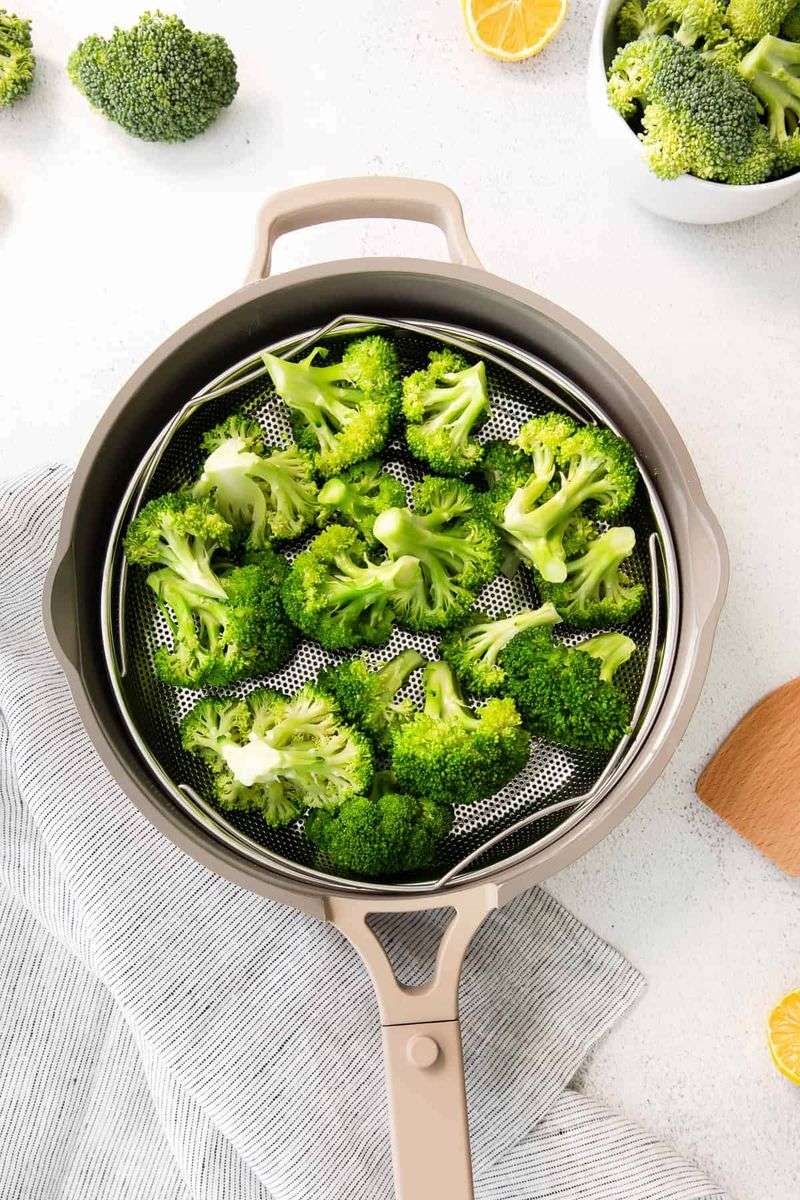
Bright green beats army green when broccoli hits the stove. Brief steaming softens its structure while generally preserving more vitamin C and glucosinolates than boiling.
Heat may also help release carotenoids that support eye health.
Keep florets slightly firm rather than mushy. Heavy cooking can damage the enzyme needed to make sulforaphane, a compound researchers study for health benefits.
A sprinkle of mustard powder after cooking can supply a similar enzyme and help that conversion.
6. Mushrooms: Brown Them for More Than Flavor
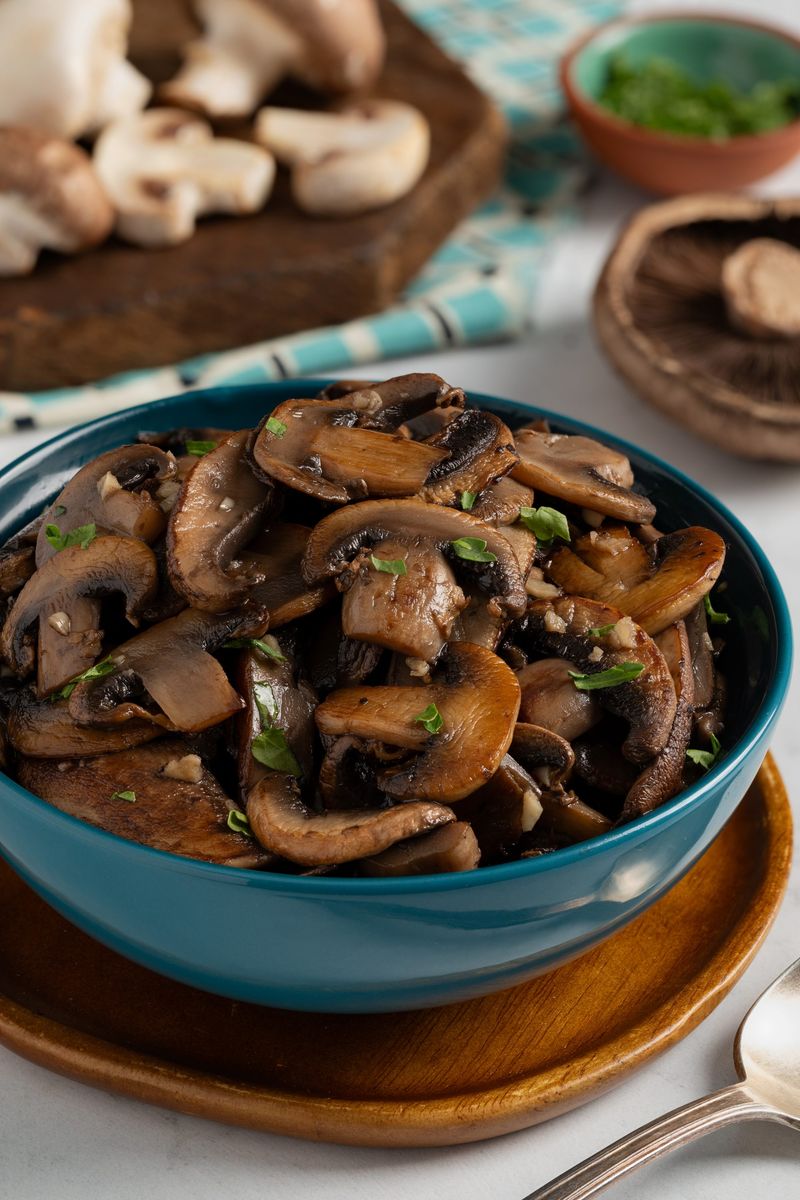
A hot skillet turns earthy mushrooms into a savory topping. Although fungi are not technically vegetables, they earn a kitchen spot here.
Cooking softens their tough cell walls and can improve access to some nutrients; antioxidant changes vary by mushroom and method.
Try a quick sauté with a modest amount of oil, or microwave them with little added water. Mushrooms supply B vitamins, but cooking is not a proven way to boost memory or cognition.
7. Kale: Soften the Leaves, Keep the Color
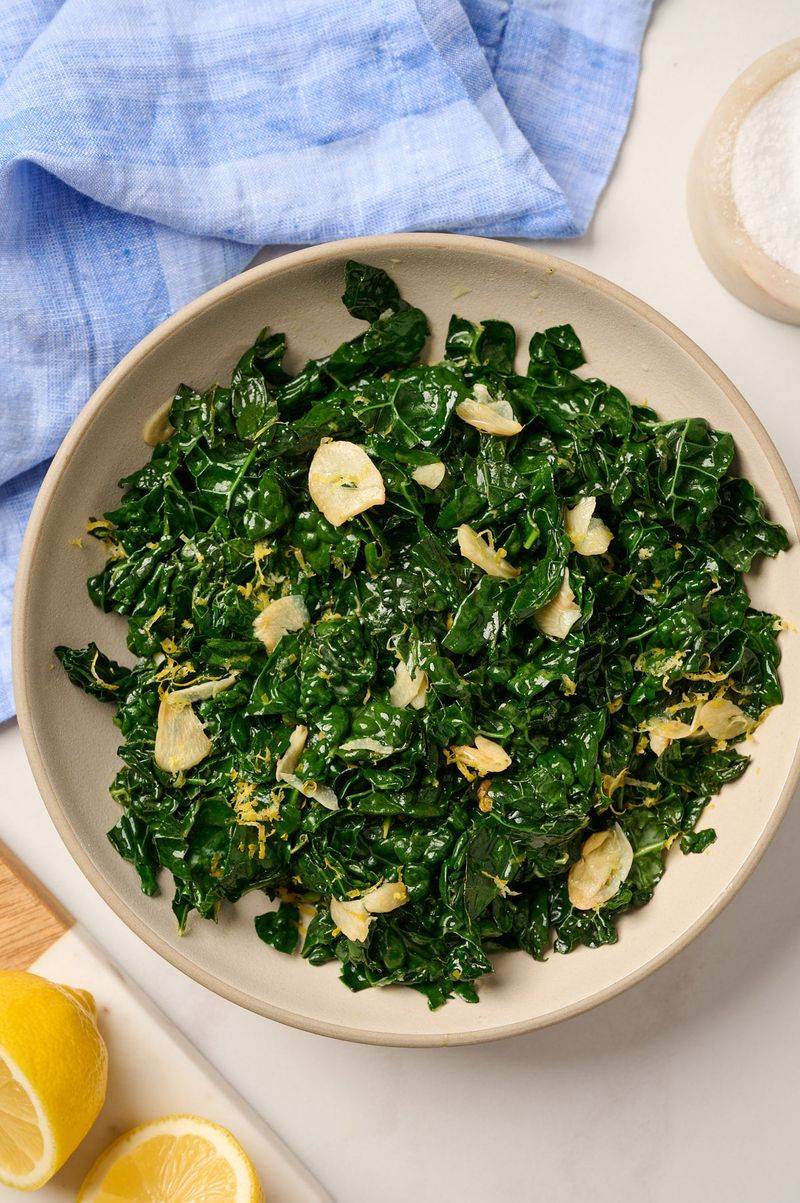
Tough leaves can make a salad feel like a workout. A quick steam softens kale and may help release carotenoids such as lutein and beta-carotene.
Because the leaves shrink, a cooked cup also holds more kale than a raw cup.
Add a little oil to support carotenoid absorption, then season with garlic or lemon. Avoid cooking until dull and limp.
Most people do not need to fear raw kale or avoid it for thyroid health.
8. Sweet Potatoes: Make That Orange Center Count

Inside that humble skin sits a bright source of beta-carotene. Cooking makes sweet potatoes easier to digest and helps release this pigment for absorption.
A small amount of fat at the same meal helps your body use it.
Bake, steam, or boil until tender, and keep the skin when practical for extra fiber. Cooling cooked sweet potatoes may increase resistant starch, but the effect varies.
That does not make large portions free of blood sugar effects.
9. Pumpkin: Spoon Up Some Golden Comfort
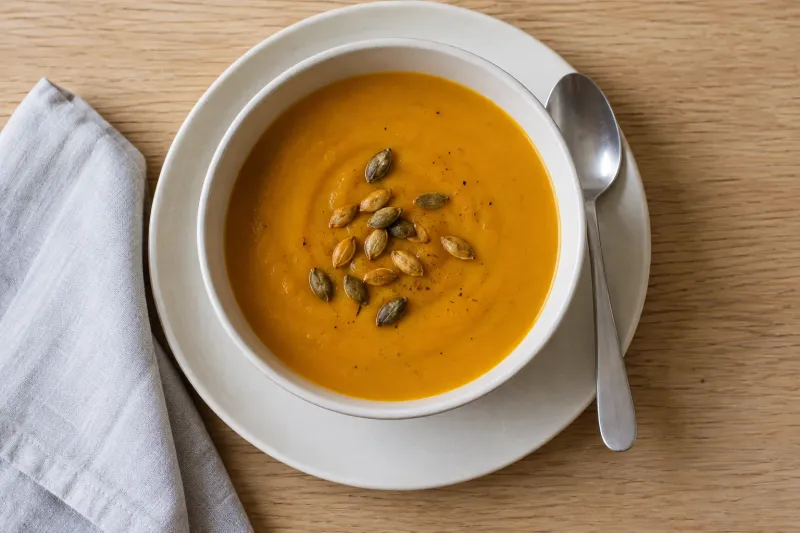
A warm bowl of pumpkin soup brings more than cozy flavor. Heat softens pumpkin flesh, helping free beta-carotene from its plant structure.
Your body can turn that pigment into vitamin A for normal vision and immune function.
Roast wedges or simmer chunks until soft, then blend with beans or broth. Plain canned pumpkin works well, too.
Add a little healthy fat, but skip claims that pumpkin replaces sunscreen. Eating it cannot protect skin like sunscreen does.
10. Green Beans: Keep a Little Snap
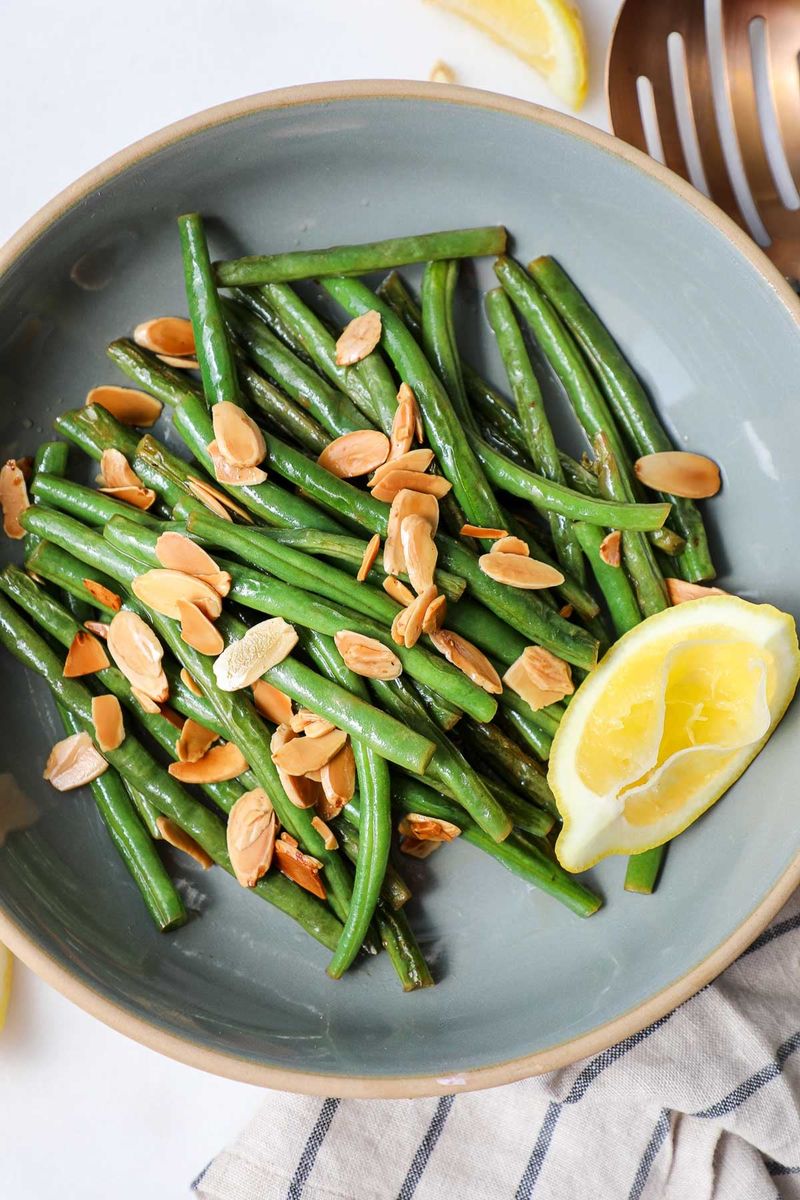
Nobody needs a serving of limp, gray beans. Light cooking softens green beans and may raise measured antioxidant activity, depending on the method.
It can also make their firm texture easier to chew and digest.
Steam briefly or microwave with a spoonful of water, stopping while they still have some snap. Toss with chopped nuts or olive oil for flavor.
Cooking can reduce vitamin C, so longer is not automatically better for nutrition or taste.
11. Brussels Sprouts: Handle Their Plant Compounds Carefully
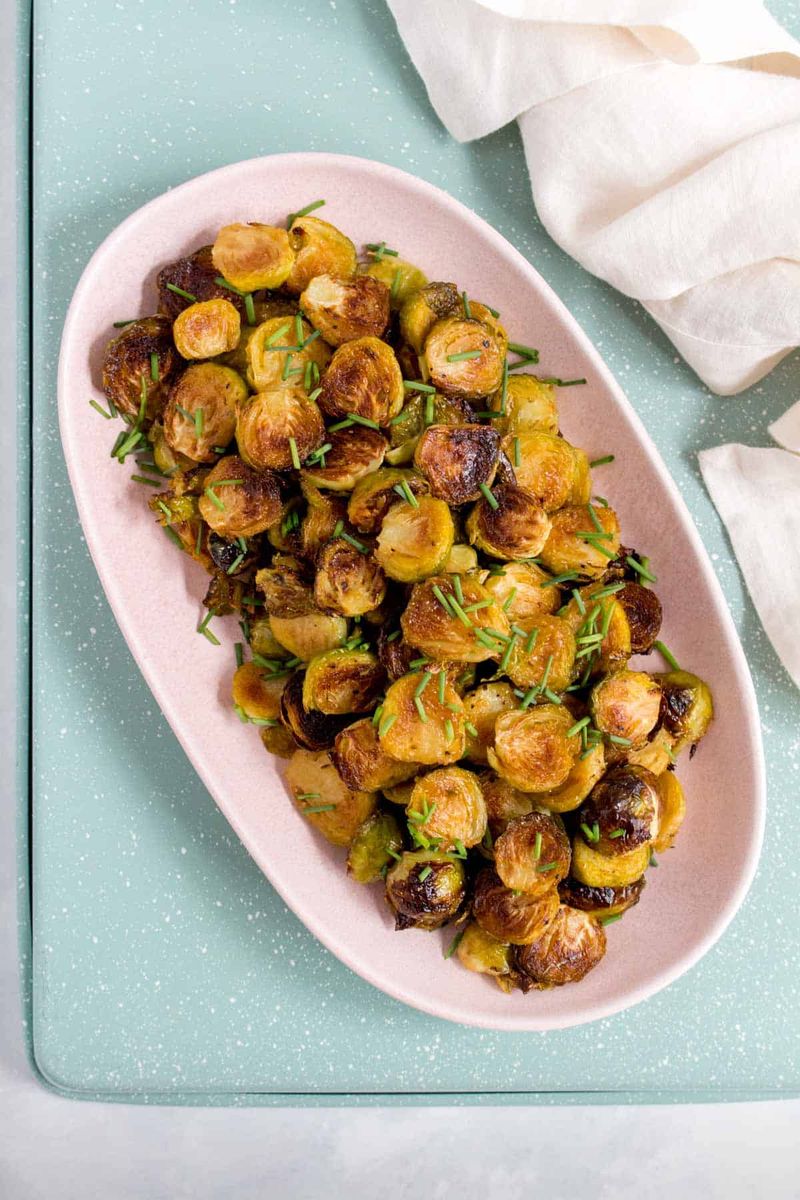
Little cabbage cousins come with a complex chemistry set. Brussels sprouts contain glucosinolates, which can form compounds studied for possible health benefits.
Cooking affects both these compounds and the enzymes that change them, so more heat is not always better.
Choose brief steaming or a quick roast rather than prolonged boiling. Cut sprouts evenly so they cook together.
Serve with mustard for flavor and helpful enzymes, without treating any single vegetable as a cancer prevention guarantee.
12. Cauliflower: Cook for Comfort, Not Miracle Claims
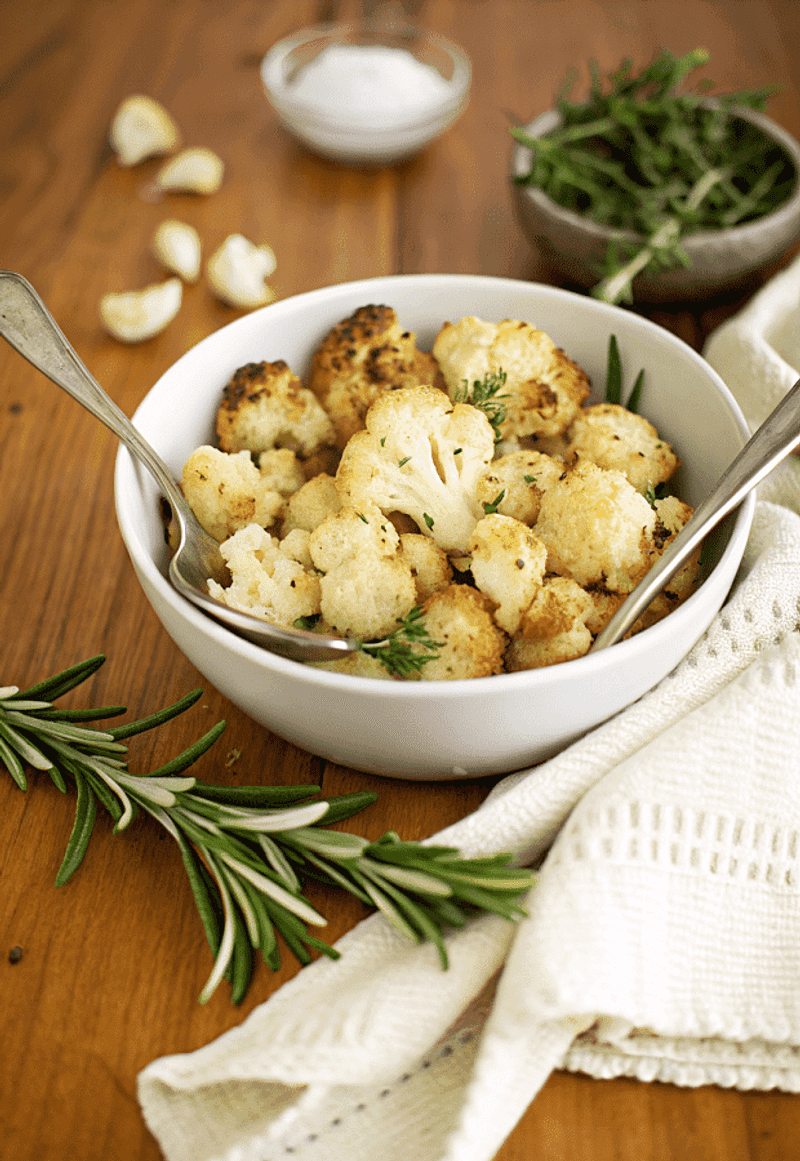
For some stomachs, tender florets are friendlier than raw crunch. Cooking cauliflower softens its structure and may improve access to certain plant compounds.
However, it can also reduce vitamin C and glucosinolates, so calling every cooked serving more nutritious would be misleading.
Steam until just tender, or roast briefly for deeper flavor. Use a little oil and herbs instead of a heavy coating.
If boiling, save the liquid for soup to keep some nutrients that escaped.
13. Cabbage: A Quick Sauté Goes a Long Way

That sturdy head can become dinner in minutes. Heat softens cabbage leaves, making them easier to chew and potentially helping release some nutrients.
Still, raw cabbage provides valuable vitamin C, and cooking does not improve every part of its nutrition.
Slice thinly and sauté quickly with a splash of water. Stop before the leaves turn mushy or develop a strong smell.
For soup, enjoy the broth too, since water can carry away some vitamins during cooking.
14. Beets: Choose the Method That Fits Your Needs
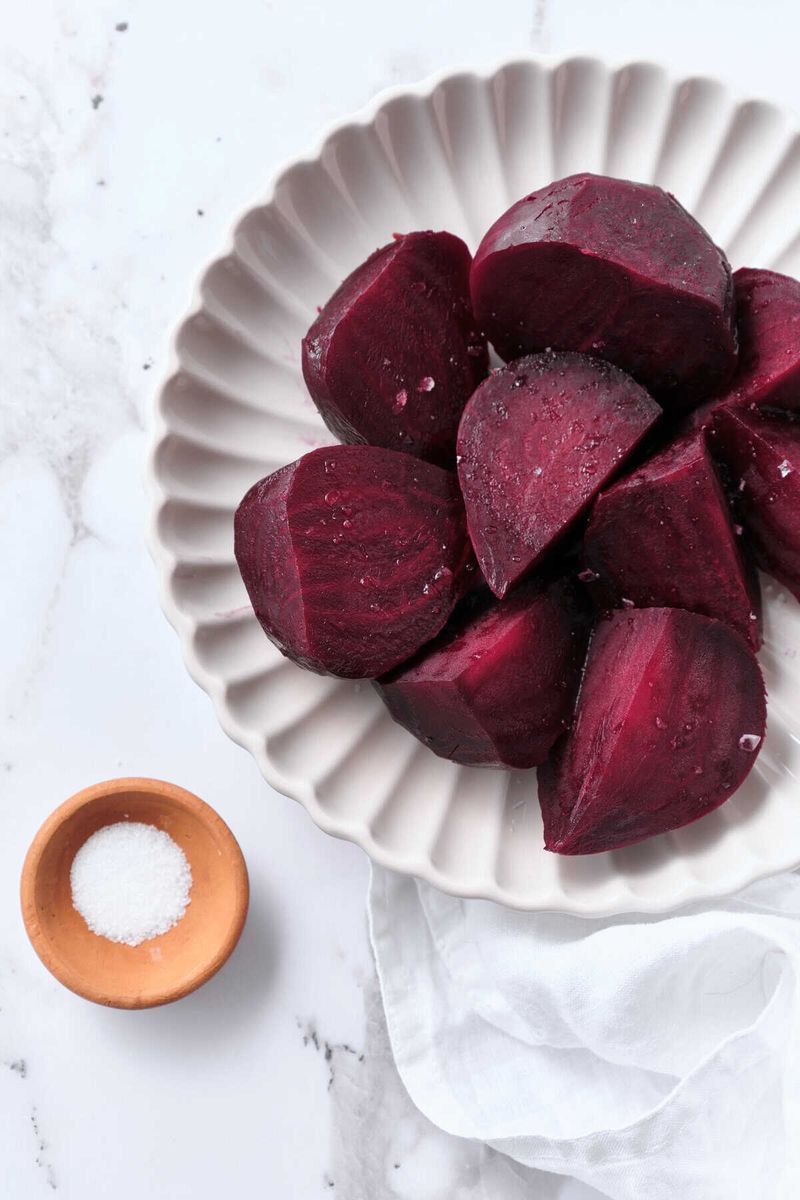
Ruby roots bring color, fiber, and naturally occurring nitrates. Boiling beets and discarding the water can lower some soluble oxalates, which may matter for people prone to certain kidney stones.
Roasting does not remove oxalates in the same way.
Cook until tender, then slice into salads or grain bowls. Heat can reduce folate and some pigments, so there are tradeoffs.
If you have kidney stones, ask your clinician about portions and your overall calcium intake first.