
A great rock song can turn a private feeling into something a whole crowd sings together. Behind those songs are writers who found fresh ways to tell stories, build melodies, and break musical rules.
Their ideas still shape the music we hear today. From early rock pioneers to bold experimenters, these artists and songwriting teams offer plenty of reasons to listen closely.
1. John Lennon and Paul McCartney: A Partnership That Changed Pop
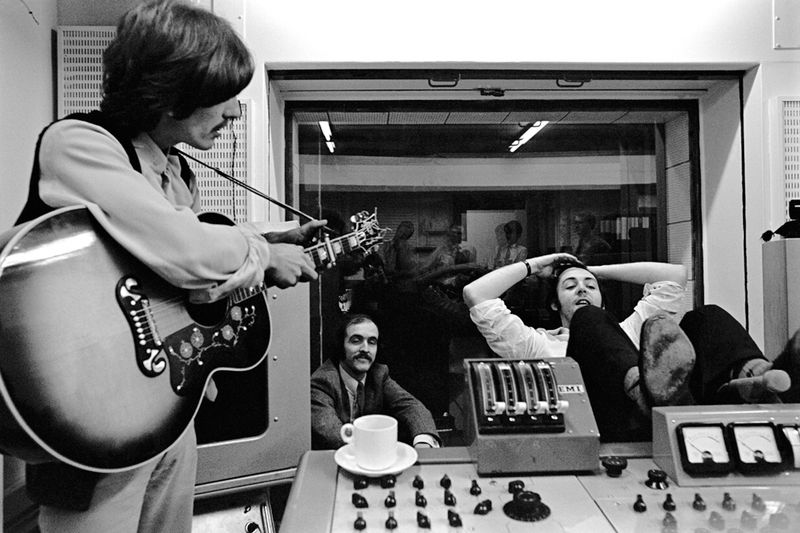
Two friends from Liverpool helped turn catchy pop songs into a playground for bold ideas. Writing together and separately, John Lennon and Paul McCartney filled the Beatles catalog with unforgettable melodies, sharp observations, and surprising sounds.
Compare the direct joy of I Want to Hold Your Hand with the layered world of A Day in the Life. Their growth shows how curiosity, teamwork, and a willingness to experiment can keep songwriting fresh across many styles.
2. Bob Dylan: Poetry With an Electric Edge
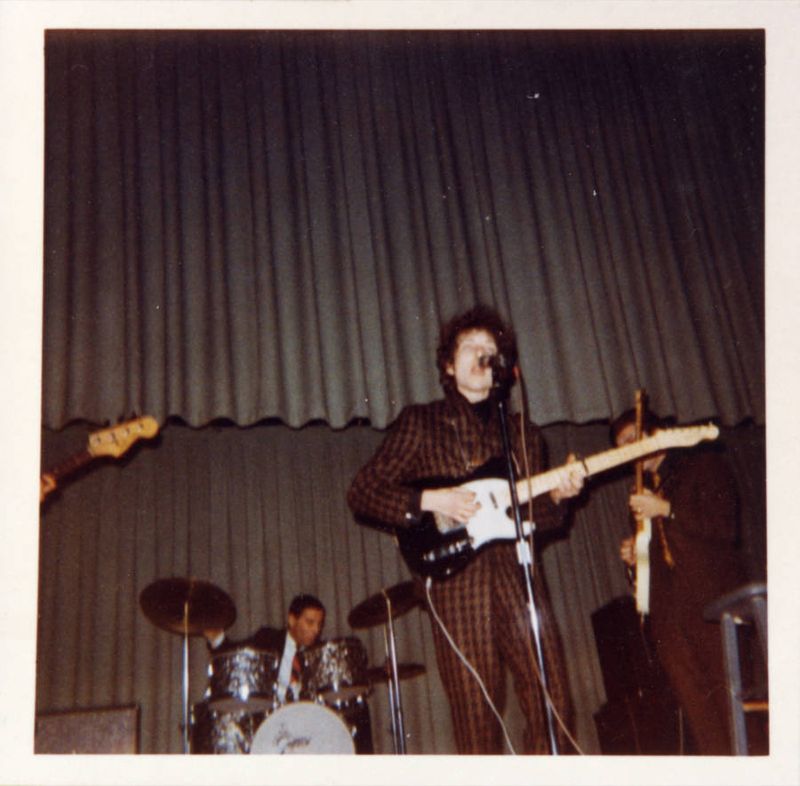
A song could ask hard questions and still shake a concert hall. Bob Dylan proved that by bringing vivid characters, strange images, and social concerns from folk music into electric rock.
Like a Rolling Stone stretches a personal challenge into a sweeping anthem. Try following its words without the music, then listen again.
You can hear how rhythm and phrasing give his writing an extra bite that plain text cannot fully capture on its own.
3. Chuck Berry: Everyday Stories at Full Speed

Cars, school, crushes, and big dreams became exciting rock stories in Chuck Berry’s hands. His clear details made listeners feel they knew the people racing through his songs.
Johnny B. Goode pairs a memorable guitar opening with a tale about musical ambition.
Maybellene adds speed and trouble. Listen for how his words bounce with the beat; Berry helped establish a storytelling style that later rock bands borrowed, reshaped, and carried to audiences around the world.
4. Little Richard: Songs That Refused to Sit Still
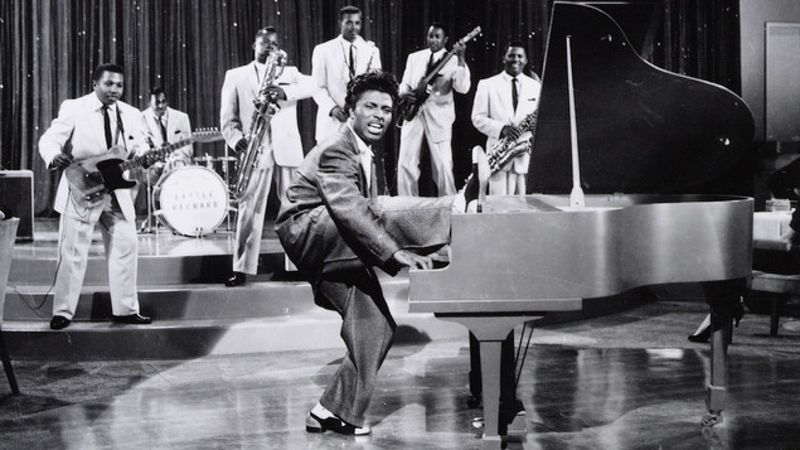
Good luck sitting still when Tutti Frutti starts. Little Richard brought pounding piano, wild vocal bursts, and gospel energy into songs that helped define early rock and roll.
He shared songwriting credits on classics including Long Tall Sally, proving that a strong hook can be both simple and explosive. Notice how repeated sounds invite everyone to join in.
His records taught future performers, including Paul McCartney, how excitement itself could become a powerful musical tool.
5. Brian Wilson: Building a World of Sound
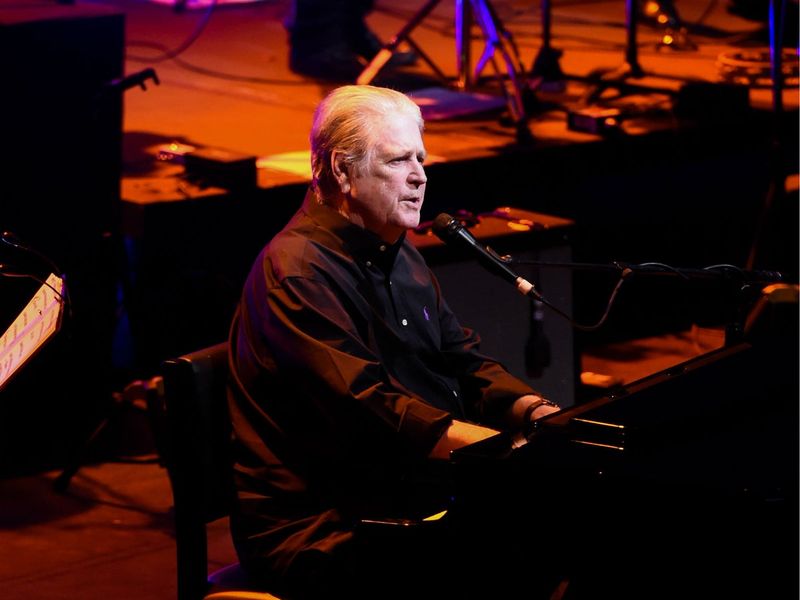
Behind the sunny Beach Boys sound lived a restless musical imagination. Brian Wilson combined rich harmonies, unusual instruments, and tender melodies to give pop and rock a deeper emotional range.
On Pet Sounds, songs such as God Only Knows make careful arranging feel natural and warm. Listen through headphones and follow one background part at a time.
Small details reveal how Wilson treated the recording studio as a place to build whole worlds of feeling.
6. Mick Jagger and Keith Richards: Riffs With Attitude
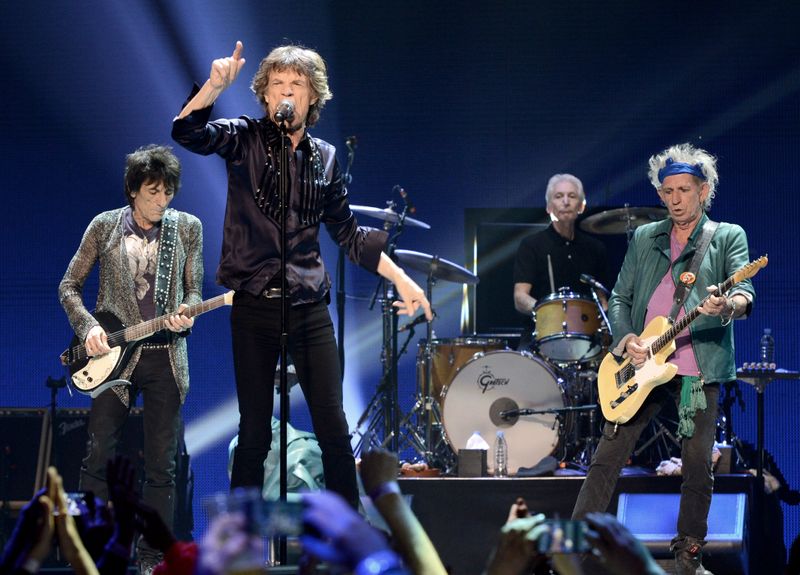
Sometimes a guitar riff says plenty before the singer arrives. Mick Jagger and Keith Richards built Rolling Stones songs around that kind of instant impact, mixing blues roots with sharp attitude.
Satisfaction turns frustration into a hook almost anyone can recognize. Gimme Shelter creates a darker mood, with fear hanging over its urgent sound.
Compare those tracks to hear how the partnership used rhythm, voice, and atmosphere to express very different sides of rock music.
7. Carole King: Big Feelings in Plain Words
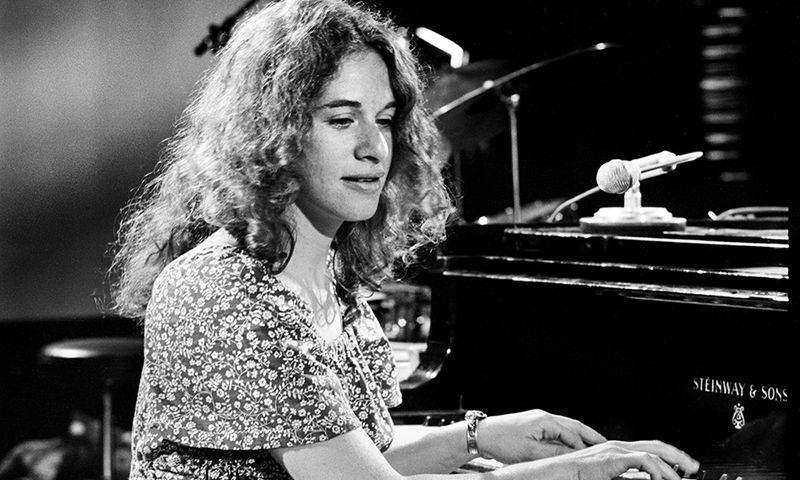
A piano and an honest feeling can fill a room. Carole King made that clear on Tapestry, after already writing major hits with lyricist Gerry Goffin for other singers.
Her melodies feel welcoming, even when the emotions are complicated. You’ve Got a Friend offers comfort without fancy language or dramatic tricks.
For a useful listening exercise, compare King’s version with James Taylor’s recording and notice how the same songwriting supports two distinct, deeply personal performances.
8. Bruce Springsteen: Ordinary Lives, Powerful Stories

Factory shifts and hometown streets can carry the weight of great drama. Bruce Springsteen writes about working people whose hopes often run up against money troubles, duty, and disappointment.
Born to Run reaches for escape, while The River looks at dreams narrowed by adult life. Pay attention to the concrete details: a car, a job, a familiar place.
Those ordinary objects help his characters feel real, giving large social themes a deeply human scale throughout.
9. Pete Townshend: Turning Albums Into Stories
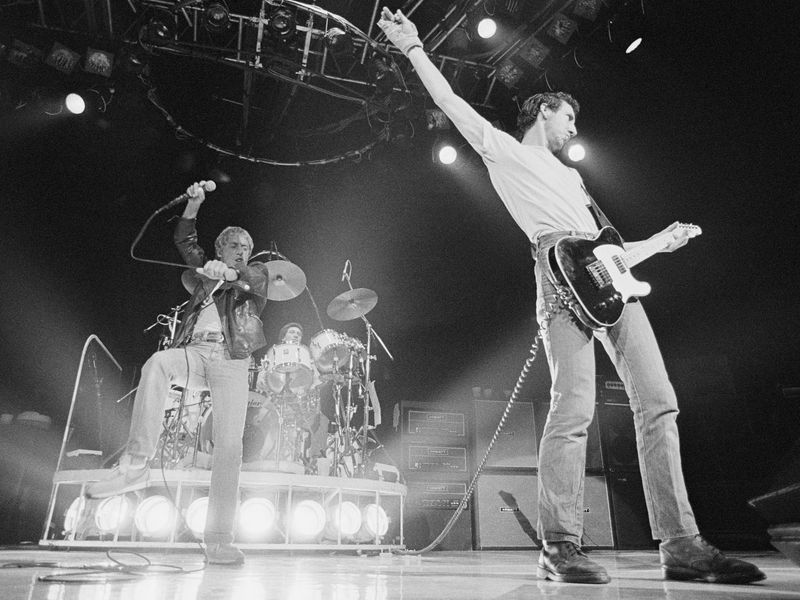
Teenage confusion rarely sounds polite in the Who’s music. Pete Townshend gave it crashing chords, pointed questions, and songs that could connect into much larger stories.
Tommy and Quadrophenia helped expand the possibilities of the rock opera. Yet My Generation shows he could make a forceful statement in just one track.
Start there, then try a complete album to hear how returning musical ideas and connected characters create meaning beyond a collection of separate songs.
10. Freddie Mercury: Making Room for the Unexpected
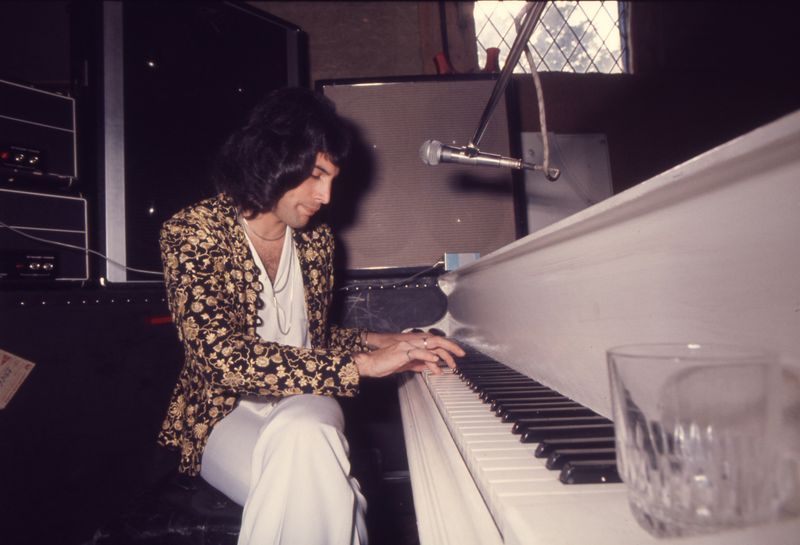
Why should a rock song follow only one path? Freddie Mercury wrote Bohemian Rhapsody with quiet piano, layered voices, heavy guitar, and sudden changes that somehow fit together.
His Queen songs could also be playful, tender, or built for huge crowds, as Don’t Stop Me Now and We Are the Champions show. Follow the shifts in mood rather than expecting a standard pattern.
Mercury’s writing rewards open ears and a taste for musical theatrical surprises.
11. Joni Mitchell: Honesty Beyond Easy Answers
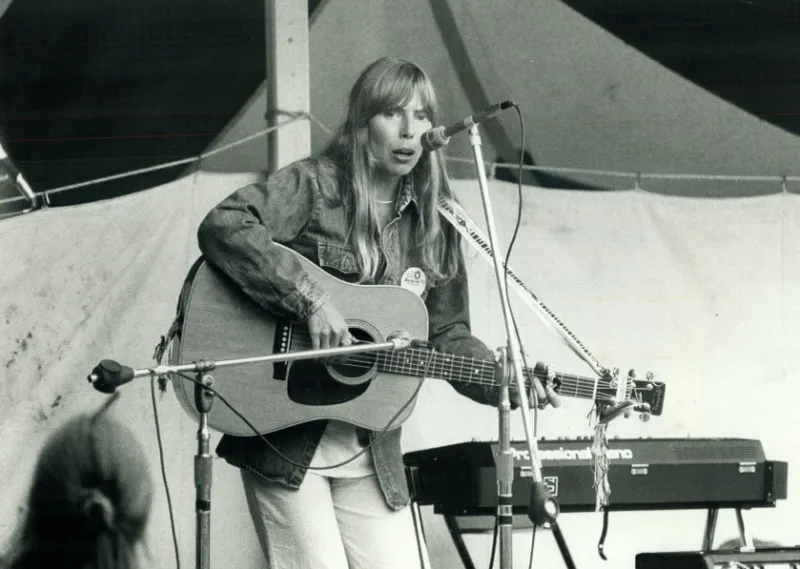
Few writers make private thoughts feel as clear and complex as Joni Mitchell does. Her songs explore love, freedom, regret, and changing views without forcing every feeling into an easy answer.
Blue offers a strong starting point, while her unusual guitar tunings create sounds that support her words. Listen to A Case of You and notice its specific images.
Her influence reaches across folk, rock, and jazz, encouraging writers to trust their own distinctive voices.
12. Prince: Crossing Musical Borders
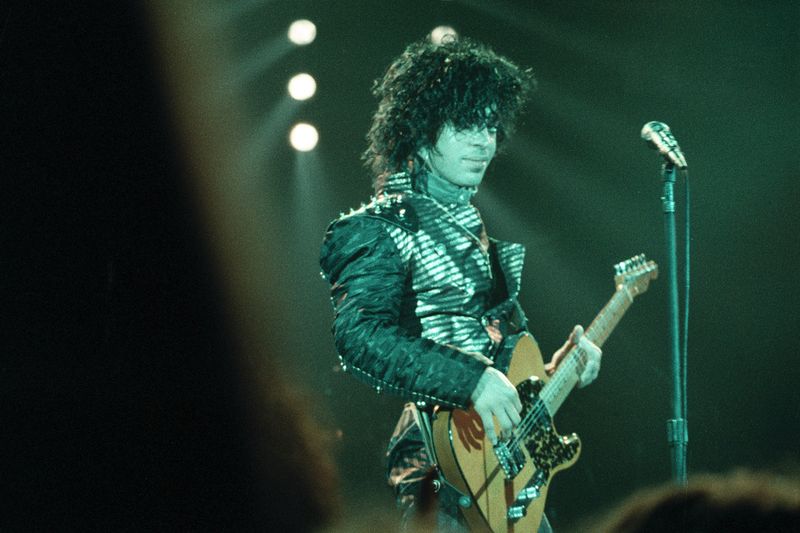
Musical borders seemed more like suggestions to Prince. He moved between rock, funk, pop, and soul, often playing many instruments on his recordings and shaping the sound himself.
Purple Rain builds emotion through patient pacing, while When Doves Cry shows how unusual production choices can strengthen a song. It famously leaves out a bass line.
Compare their textures to hear how strong songwriting does not require the same set of instruments or rules every time.
13. David Bowie: New Characters, New Sounds
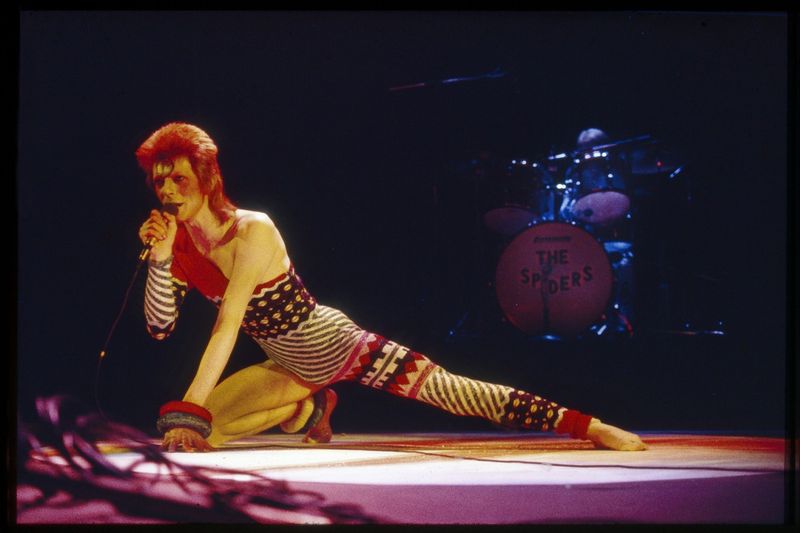
A strange character could open the door to a whole new sound for David Bowie. Across his career, he used shifting identities to explore fame, isolation, change, and belonging.
Space Oddity turns an astronaut’s journey into an unsettling human story. Changes makes reinvention feel like a catchy personal challenge.
Rather than hearing each era as a costume swap, notice how his melodies and viewpoints shift together, giving later artists permission to grow beyond one identity.
14. Leonard Cohen: Quiet Songs With Lasting Weight
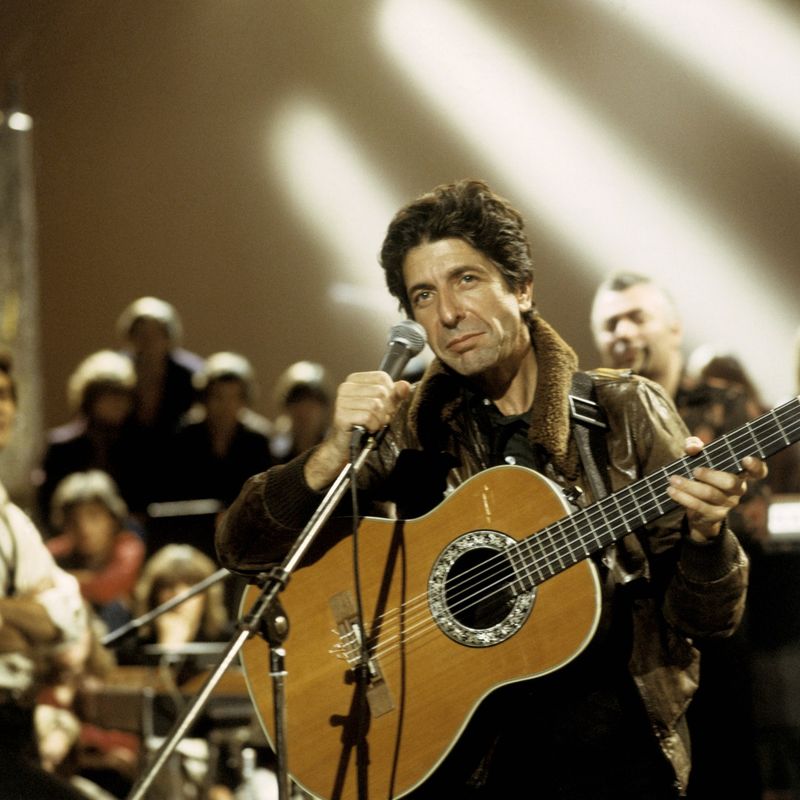
Quiet delivery can carry enormous weight. Leonard Cohen brought a poet’s care to songs about love, belief, doubt, and the difficult choices people make.
Suzanne creates a vivid scene through carefully chosen details, while Hallelujah mixes sacred language with deeply human struggle. Try hearing different singers perform the latter without assuming every version means exactly the same thing.
His writing leaves room for interpretation, which helps explain why artists keep returning to his remarkable songs.
15. Neil Young: Tenderness Meets Rough Edges
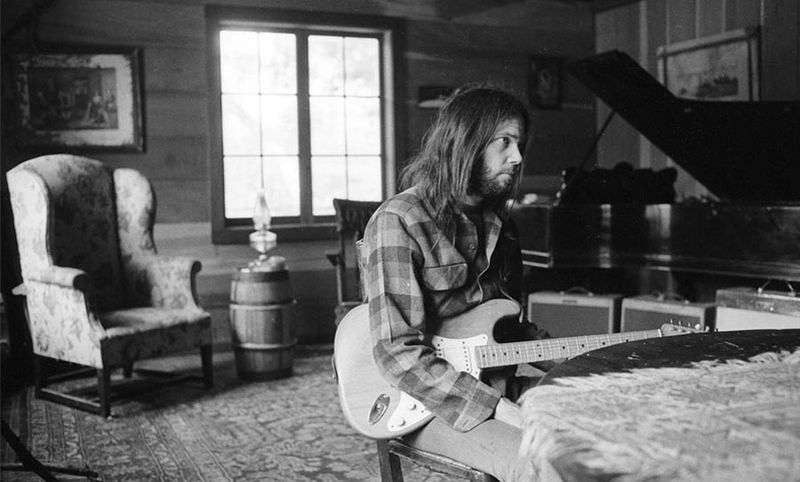
Soft acoustic songs and rough electric storms can come from the same writer. Neil Young moves between both, keeping a direct emotional voice even when the sound changes dramatically.
Heart of Gold offers a clear introduction to his gentle side. For a tougher edge, try Hey Hey, My My.
Notice how simple phrases gain force through repetition and delivery. His work reminds listeners that polished technique is not the only path toward a moving song.
16. Roger Waters: Giving Big Questions a Voice
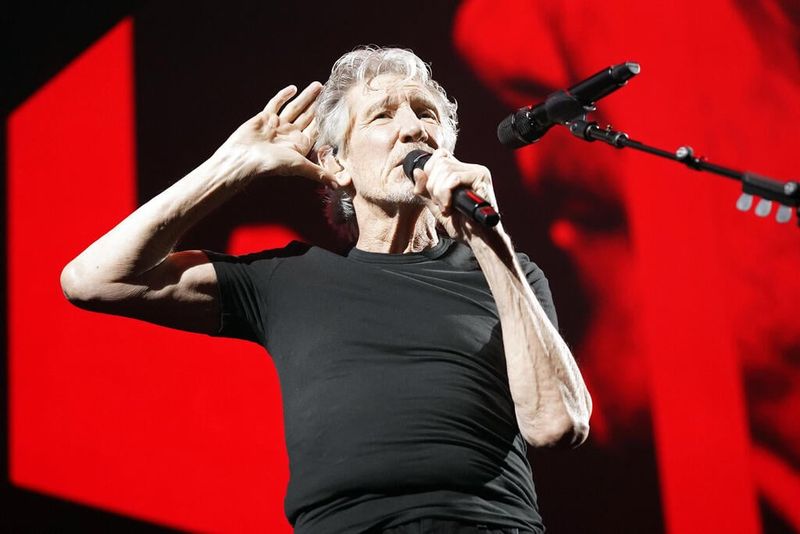
Clocks, money, war, and fear became connected subjects in Roger Waters’s writing for Pink Floyd. As the band’s principal lyricist during its classic era, he helped give ambitious albums a clear emotional focus.
The Dark Side of the Moon examines pressures that shape everyday life, while The Wall follows a character’s growing isolation. Hear these records in sequence when possible.
Musical contributions from his bandmates matter too, turning those lyrical ideas into rich shared creations.
17. Kurt Cobain: Melody Inside the Noise
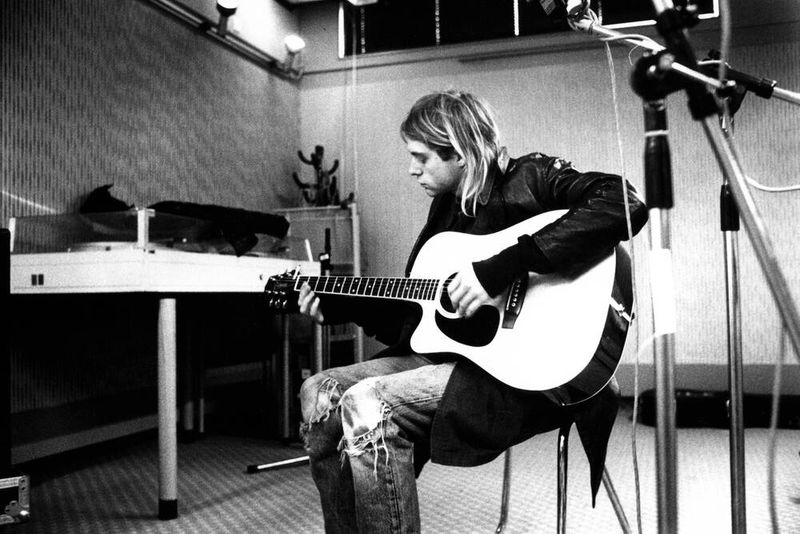
Under Nirvana’s noisy guitars, strong pop instincts were always at work. Kurt Cobain paired memorable melodies with rough textures and lyrics that could feel angry, vulnerable, strange, or all three.
Smells Like Teen Spirit helped bring alternative rock to a huge audience. About a Girl reveals his gift for a tighter, brighter tune.
Compare their quieter verses and louder moments to hear how contrast adds power, even when the words leave room for uncertainty and interpretation.