
Thanksgiving looks a little different depending on where you sit down to eat. A family in Louisiana might pass around oyster dressing, while a family in Minnesota digs into wild rice.
These regional twists come from local history, farming, and the people who settled each area. Learning about them can inspire you to try something new at your own holiday table this year.
1. Stuffing or Dressing? It Depends on Your Zip Code
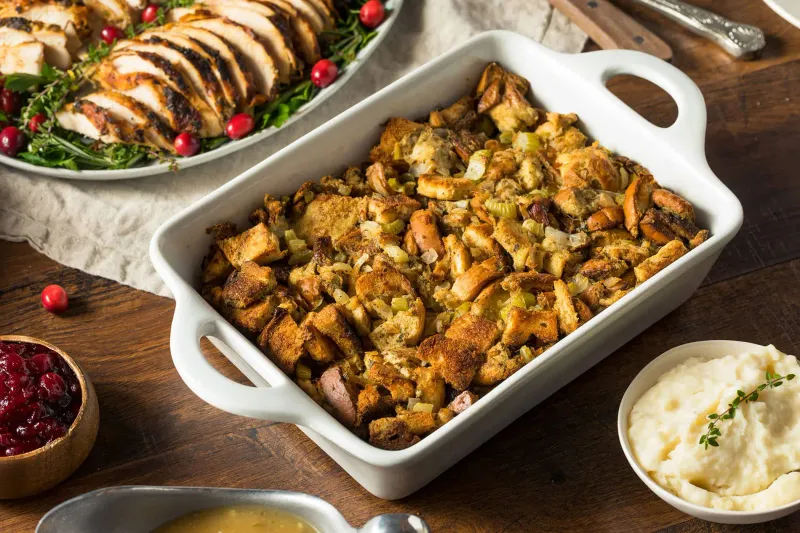
Ask a New Englander and a Georgian what to call the bready side dish, and you might start a friendly argument. Northerners usually say stuffing, while Southerners say dressing.
The difference goes beyond the name. Southern dressing is often made with crumbly cornbread and baked in a pan, while Northern stuffing uses white bread cubes.
Try making half of each this year and let your family vote on a winner.
2. Cajun Deep-Fried Turkey
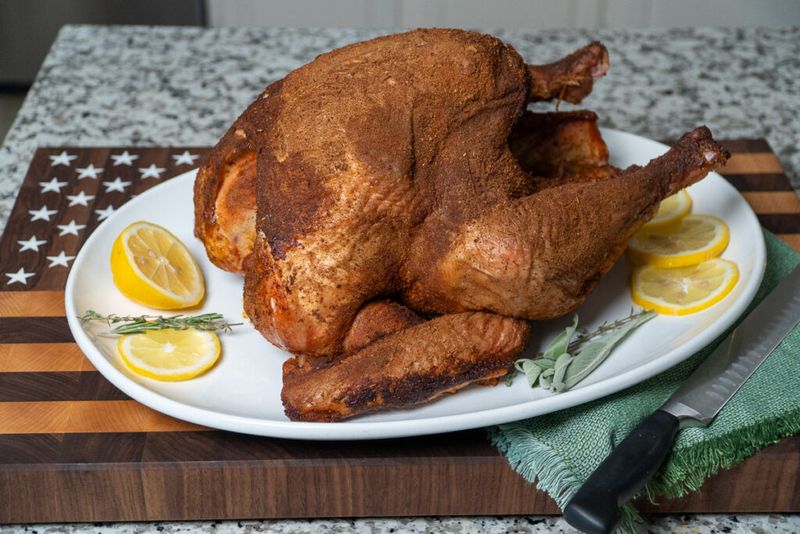
Picture a whole turkey lowered into a giant pot of bubbling oil in a backyard. In Louisiana and across the Gulf Coast, that sizzling scene is a holiday tradition.
Frying makes the skin super crispy and cooks the bird in under an hour. Many cooks inject Cajun spices right into the meat.
Safety matters a lot here, so always fry outdoors, away from the house, with a fire extinguisher close by.
3. Minnesota Wild Rice Hotdish
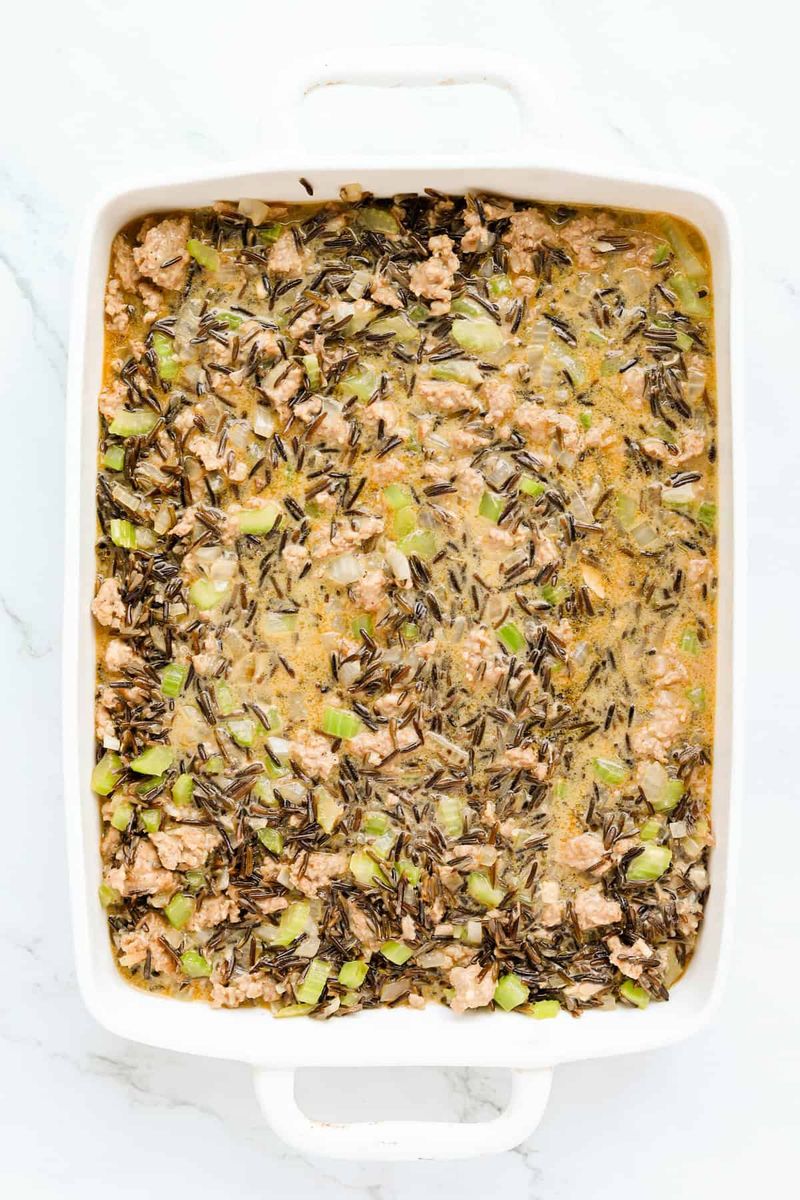
Up north, wild rice is more than a side. It is the official state grain of Minnesota, and Ojibwe communities have harvested it by canoe for centuries.
Families often bake it into a creamy hotdish with mushrooms, onions, and sometimes chicken. The nutty, chewy texture pairs nicely with turkey.
Buying hand-harvested wild rice from Native-owned businesses supports a tradition that is much older than Thanksgiving itself.
4. Southern Sweet Potato Pie
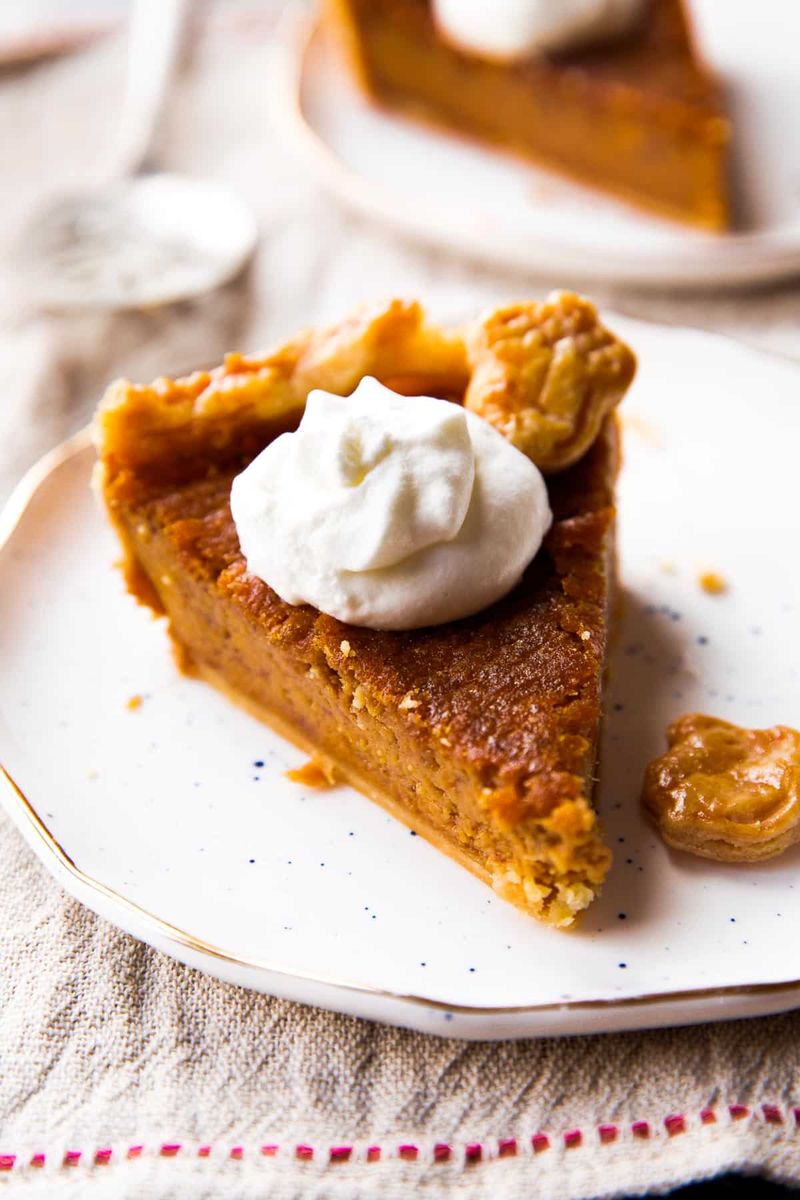
Grandma’s sweet potato pie is a treasured recipe in many Southern homes, especially in Black families where it has been passed down for generations.
Up North, pumpkin pie usually wins the dessert table. Sweet potato pie is a bit smoother and richer, with warm spices like nutmeg and cinnamon.
If you have never tasted it, try it side by side with pumpkin. Many people are surprised which one they like better.
5. Maryland Sauerkraut
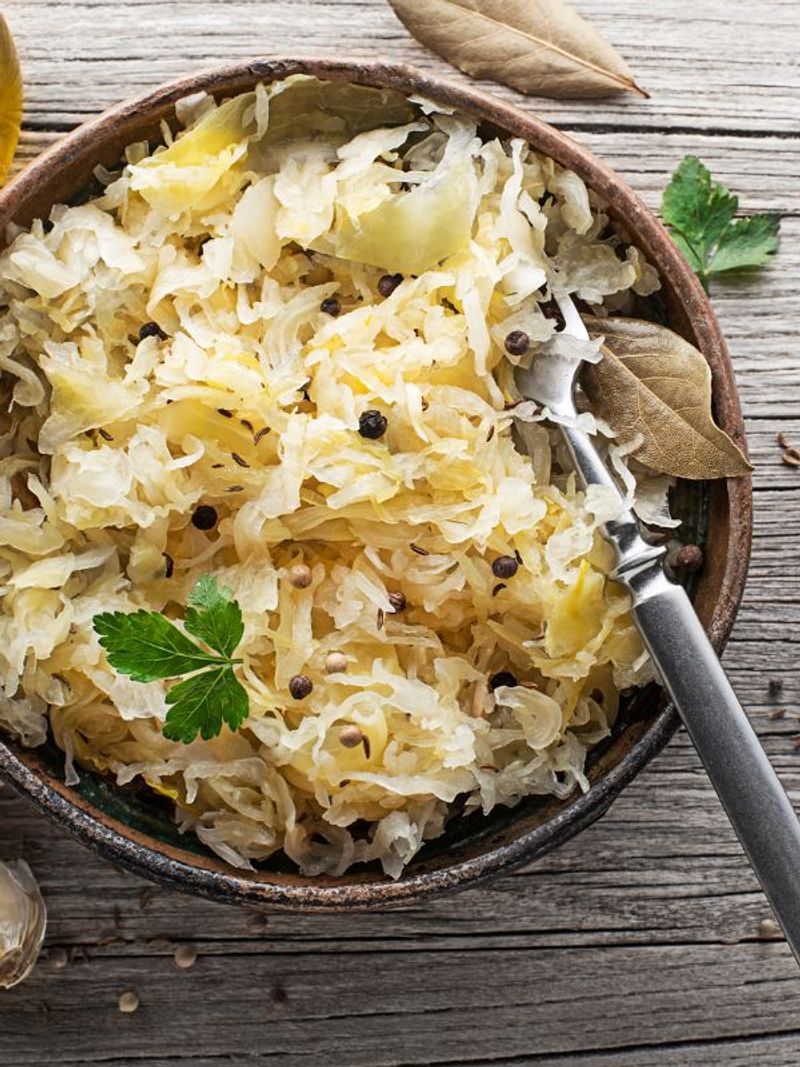
Sauerkraut next to turkey? In Baltimore, absolutely.
German immigrants settled in Maryland during the 1800s, and they brought their love of tangy fermented cabbage with them.
Today, many Maryland families would feel something was missing without it. The sour flavor actually cuts through rich gravy and buttery potatoes really well.
Some cooks simmer it with turkey drippings or a little pork for extra taste. Give it a chance before you judge.
6. Southwest Green Chile Cornbread
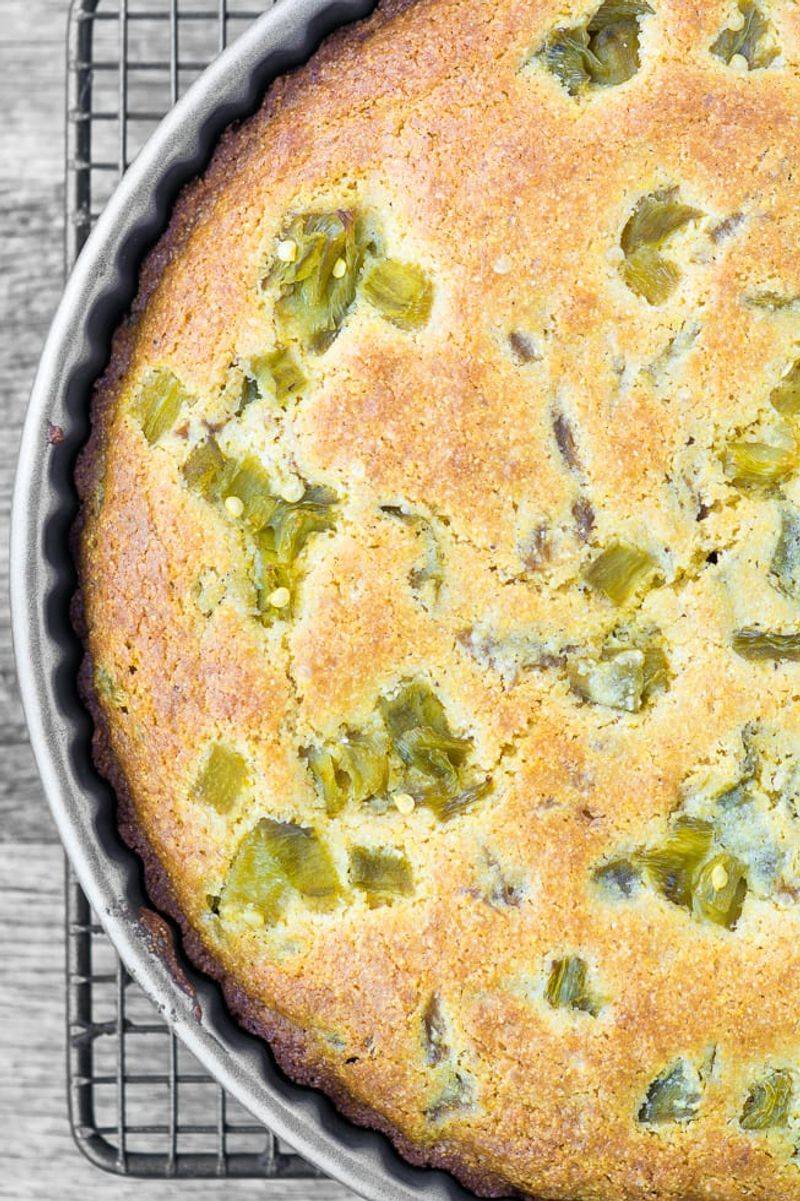
A little heat makes the holiday sweeter in New Mexico. Roasted Hatch green chiles show up in everything, including cornbread, stuffing, and even gravy.
Fall is chile roasting season there, so the timing is perfect. Bakers mix chopped chiles and shredded cheese into cornbread batter for a smoky, spicy kick.
Want to try it at home? Start with mild chiles, and add more next year if your family asks.
7. New England Oyster Stuffing
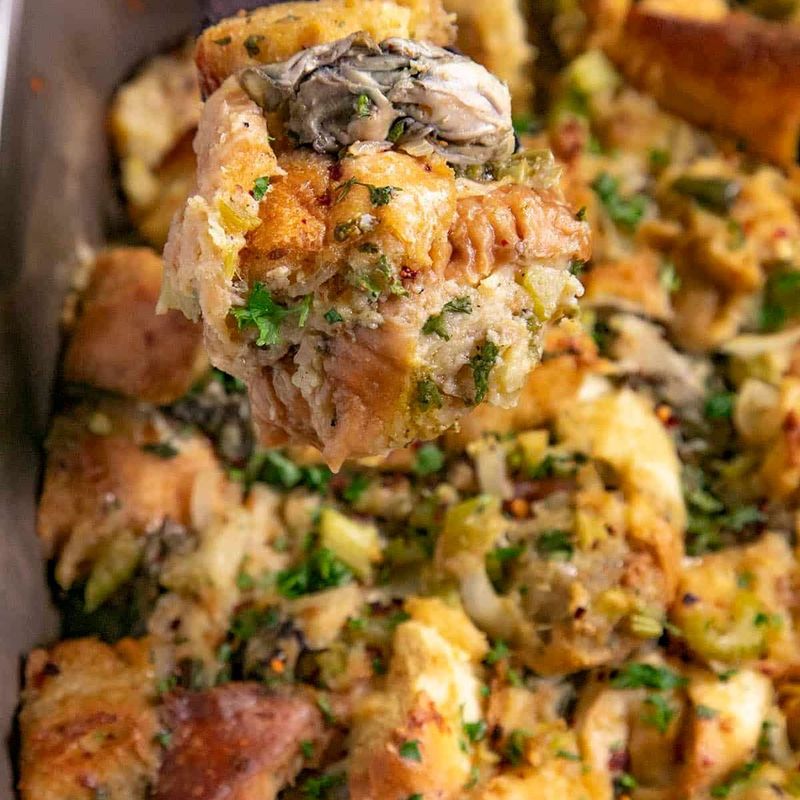
Oysters were cheap and plentiful in early coastal America, so cooks tossed them into stuffing. That habit stuck around in New England and along the Chesapeake Bay.
The oysters add a briny, ocean flavor that tastes surprisingly cozy. Some families serve it alongside regular stuffing so picky eaters have a backup.
Fun fact: historians believe the Pilgrims likely ate seafood like mussels and eels at the 1621 feast.
8. Hawaiian Kalua Turkey
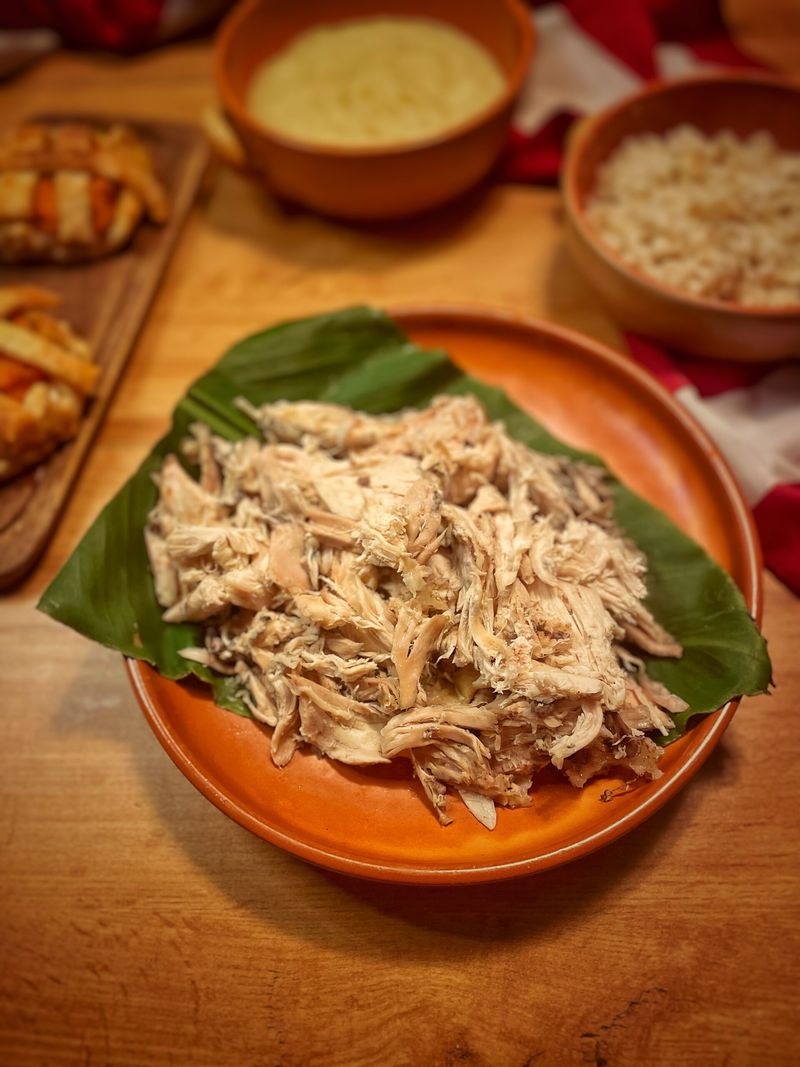
Aloha meets autumn on the islands. Many Hawaiian families cook their turkey kalua style, slow-roasted until it falls apart with smoky flavor.
Traditionally, food is cooked in an underground oven called an imu, wrapped in ti or banana leaves. At home, people use liquid smoke and Hawaiian sea salt in a slow cooker instead.
Serve it with rice and mac salad for a true local plate.
9. Midwest Jell-O Salad
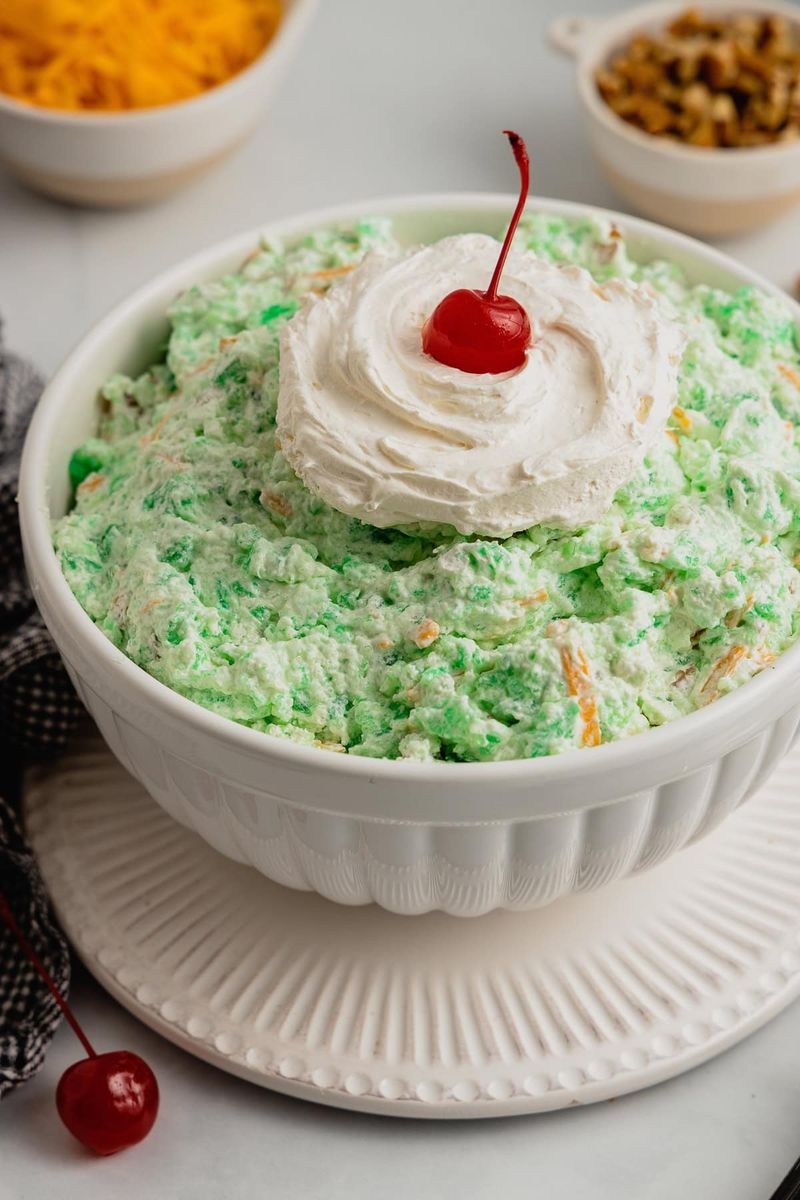
Wobbly, bright, and full of fruit, the Jell-O salad is a Midwestern classic that refuses to go out of style.
Some versions mix in pretzels, marshmallows, or cream cheese. Utah even loves it so much that green Jell-O became an official state snack.
Laugh if you want, but these colorful molds are easy to make the day before. That frees up oven space when the turkey needs it most.
10. Macaroni and Cheese as a Main Event
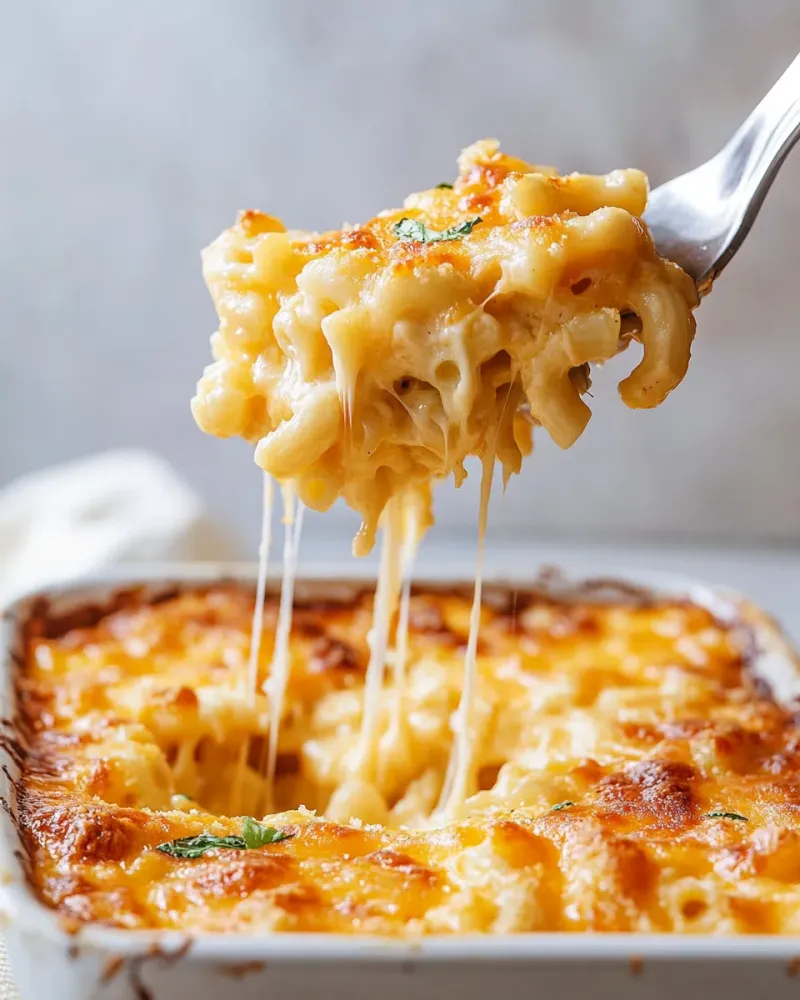
In a lot of Southern and Black American households, the mac and cheese might be more famous than the turkey. Whoever makes it carries a big responsibility.
This version is baked, not boxed, with layers of sharp cheddar and a crispy golden top. Many cooks add eggs and evaporated milk for a custard-like texture.
Tip: grate your own cheese, since pre-shredded bags do not melt as smoothly.
11. Pennsylvania Dutch Potato Filling
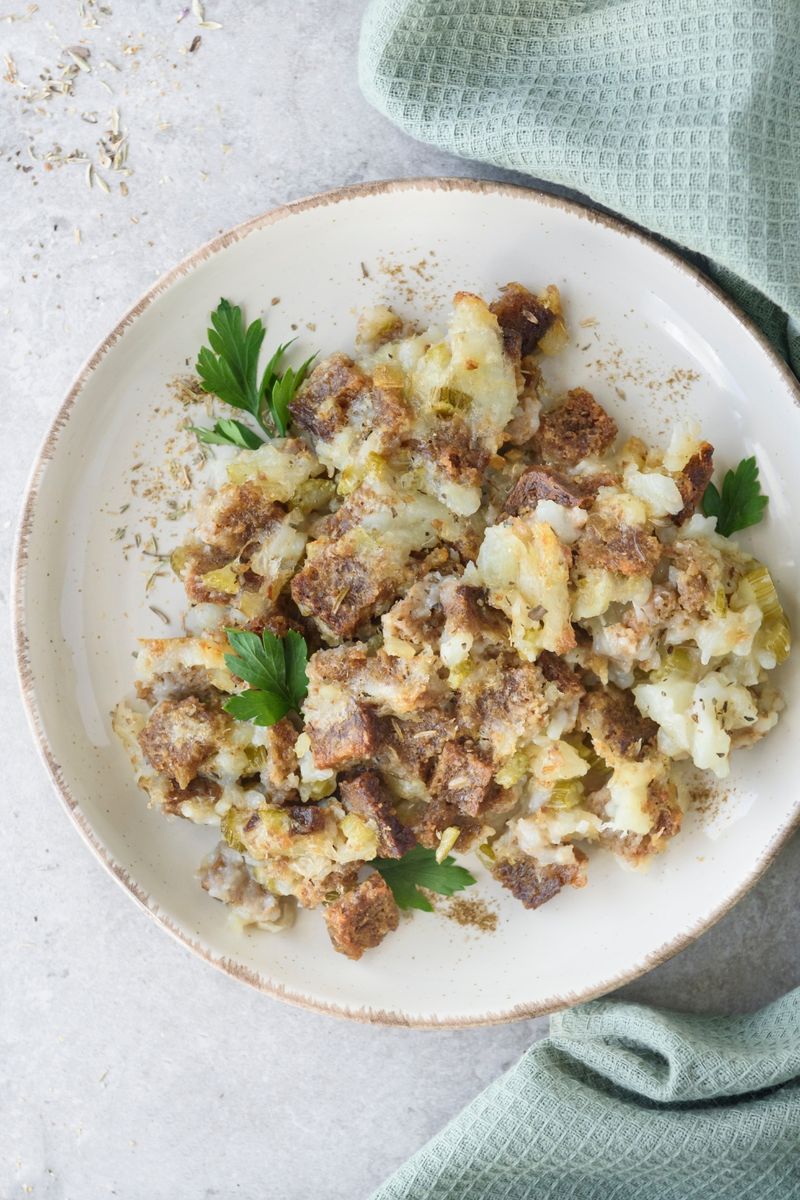
Imagine mashed potatoes and stuffing had a delicious baby. That is basically potato filling, a favorite in Pennsylvania Dutch country.
Cooks mix mashed potatoes with buttery bread cubes, celery, onion, and parsley, then bake it until the top turns golden. It is hearty, filling, and perfect for feeding a crowd on a budget.
If your family fights over potatoes and stuffing, this dish solves both problems at once.
12. Texas Smoked Brisket
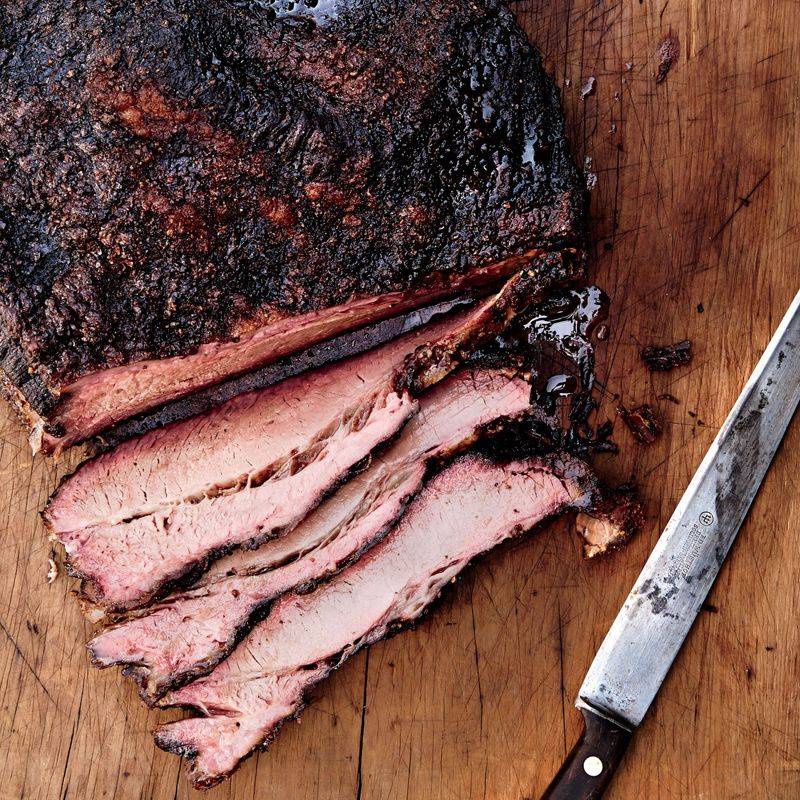
Everything really is bigger in Texas, including the holiday menu. Plenty of families smoke a brisket right next to the turkey, or skip the bird completely.
Brisket takes about 12 hours in a smoker, so pitmasters often start before sunrise. Salt, pepper, and patience are the secret ingredients.
Some Texans even smoke their turkey too. Leftover brisket makes amazing sandwiches the next day.
13. Puerto Rican Pavochón
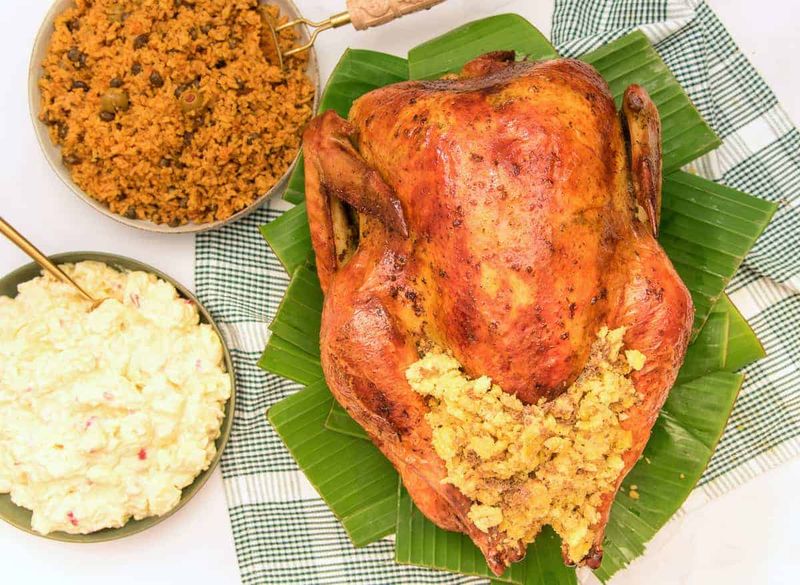
Turkey dressed up like roast pork? That clever idea is called pavochón, a mix of the Spanish words pavo for turkey and lechón for roast pig.
Puerto Rican families season the bird with garlic, oregano, adobo, and sour orange, just like pork. Many stuff it with mofongo made from mashed plantains.
Pair it with arroz con gandules, rice with pigeon peas, for a meal full of bold flavor.
14. Appalachian Leather Britches
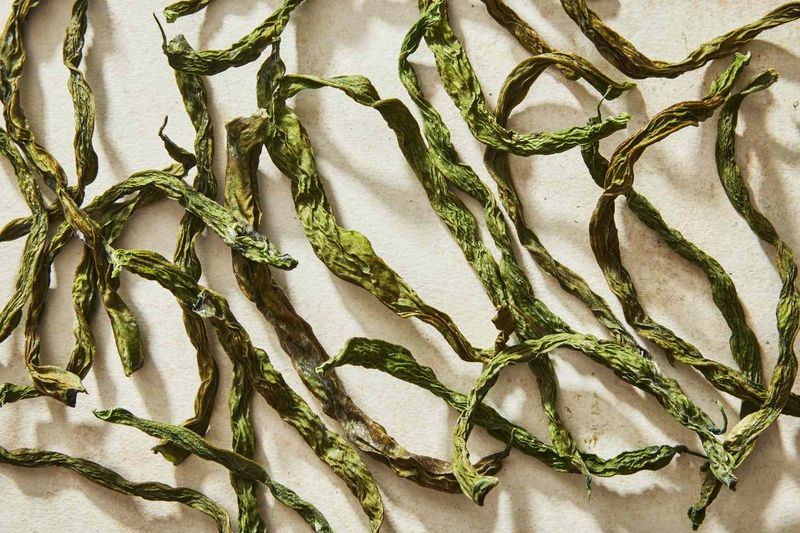
Long before freezers existed, mountain families in Appalachia strung green beans on thread and hung them to dry. People called them leather britches because they looked like old leather pants.
In winter, the dried beans are soaked and simmered slowly with ham or bacon. They taste deeper and smokier than fresh ones.
Making a string of them is a fun project for kids who like history and hands-on cooking.
15. Southern Collard Greens
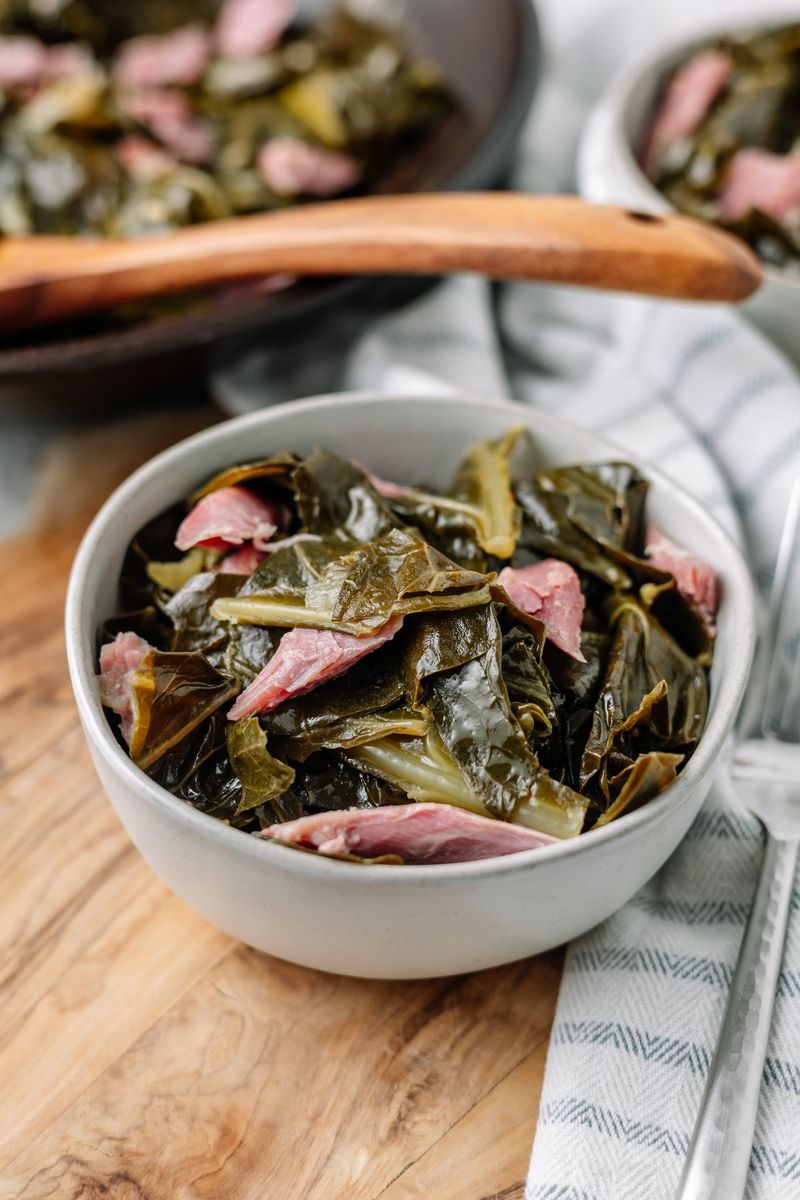
Slow-simmered greens bring a savory balance to all the sweet and starchy dishes on a Southern plate. Their roots trace back to West African cooking traditions.
Cooks often simmer collards for hours with smoked turkey or ham hock. The leftover broth, called pot likker, is packed with flavor and nutrients.
Dip cornbread in it. A splash of vinegar or hot sauce at the end brightens everything up.
16. Pacific Northwest Salmon
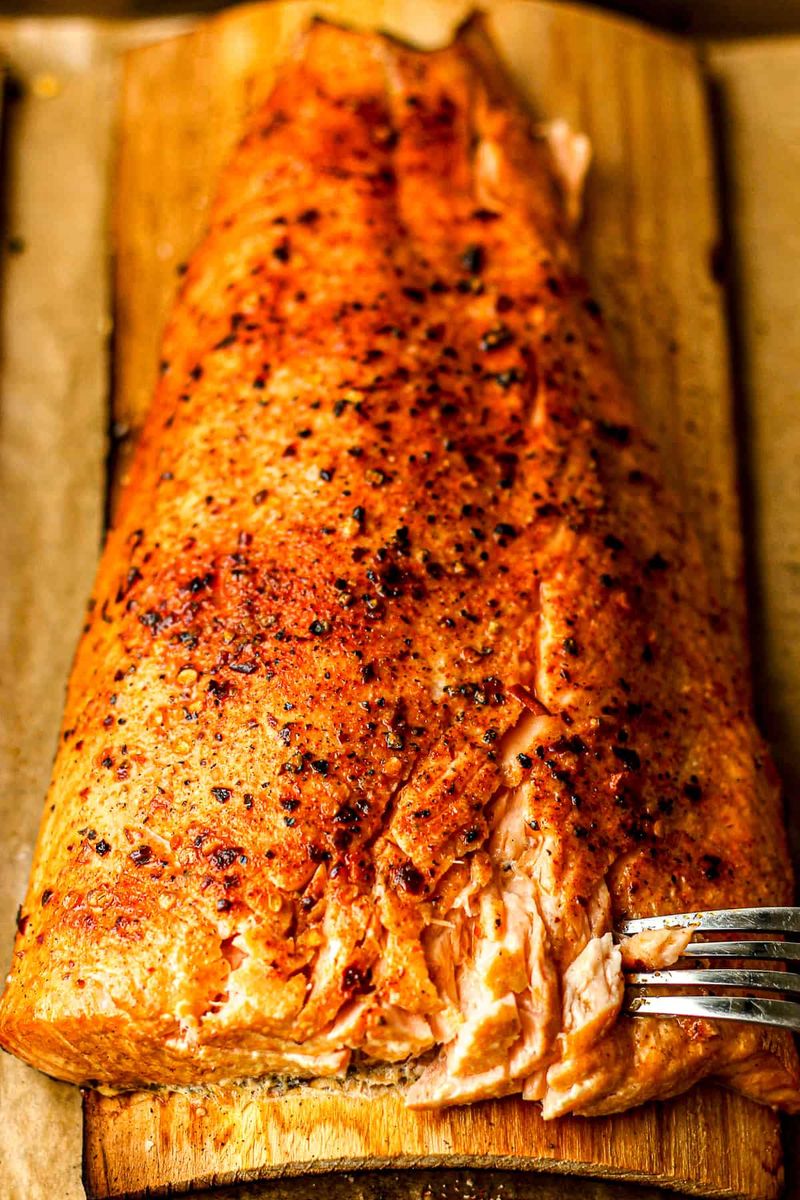
Along the coasts of Washington and Oregon, salmon has fed people for thousands of years. Native tribes there consider it a sacred food.
So it makes sense that many Northwest families add a cedar plank salmon to the holiday spread. The wood gives the fish a gentle smoky taste.
It is also a lighter choice if your crowd includes guests who do not eat turkey.
17. Chesapeake Bay Crab Cakes
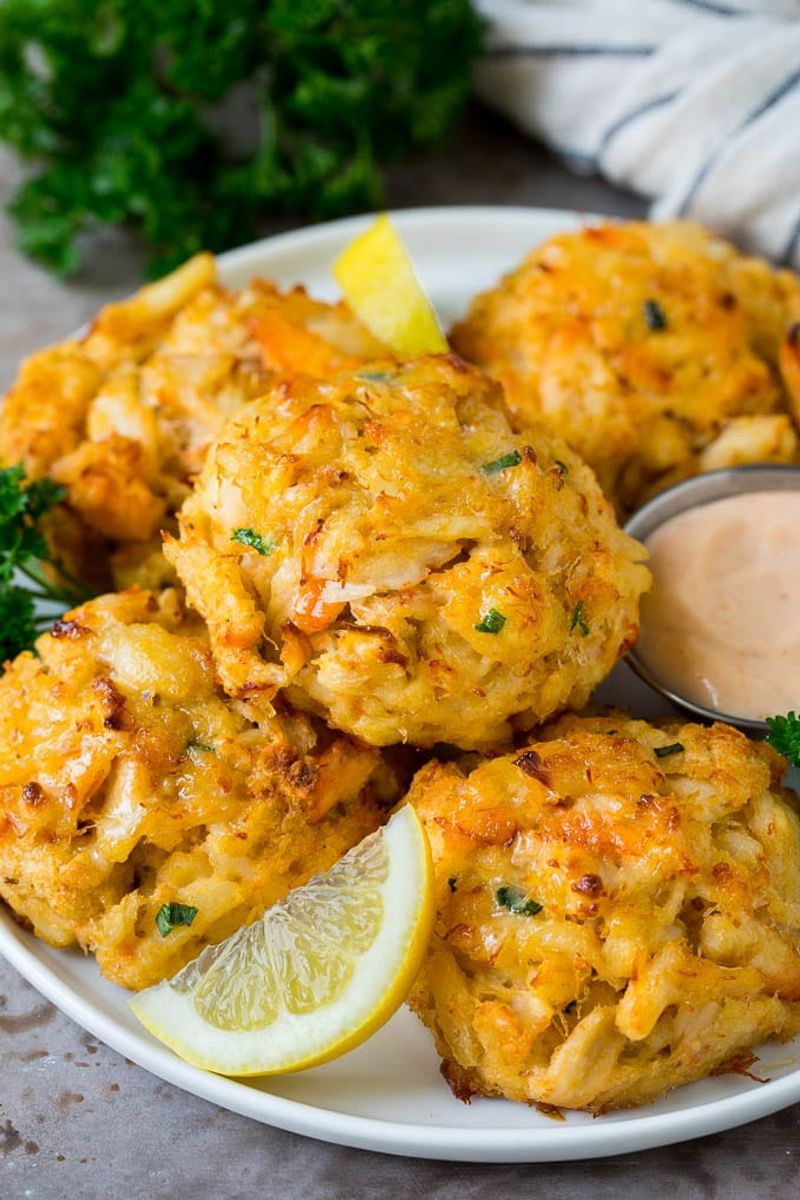
Here is a fun Maryland secret: crab cakes sometimes sneak onto the Thanksgiving table as an appetizer or extra main dish.
Blue crabs from the Chesapeake Bay are a point of local pride. Good crab cakes use lots of lump crab meat and very little filler, plus a sprinkle of Old Bay seasoning.
Serve them while guests wait for the turkey, and nobody will complain about the delay.
18. Alaskan Moose and Caribou Roasts

When the nearest grocery store is far away, you eat what the land provides. In rural Alaska, that can mean moose, caribou, or wild duck on Thanksgiving.
Many families hunt in the fall and fill their freezers for winter. Game meat is lean, so cooks roast it slowly with root vegetables to keep it tender.
Some homes also serve agutuk, a traditional dessert made with berries and fat.
19. Chess Pie from the South
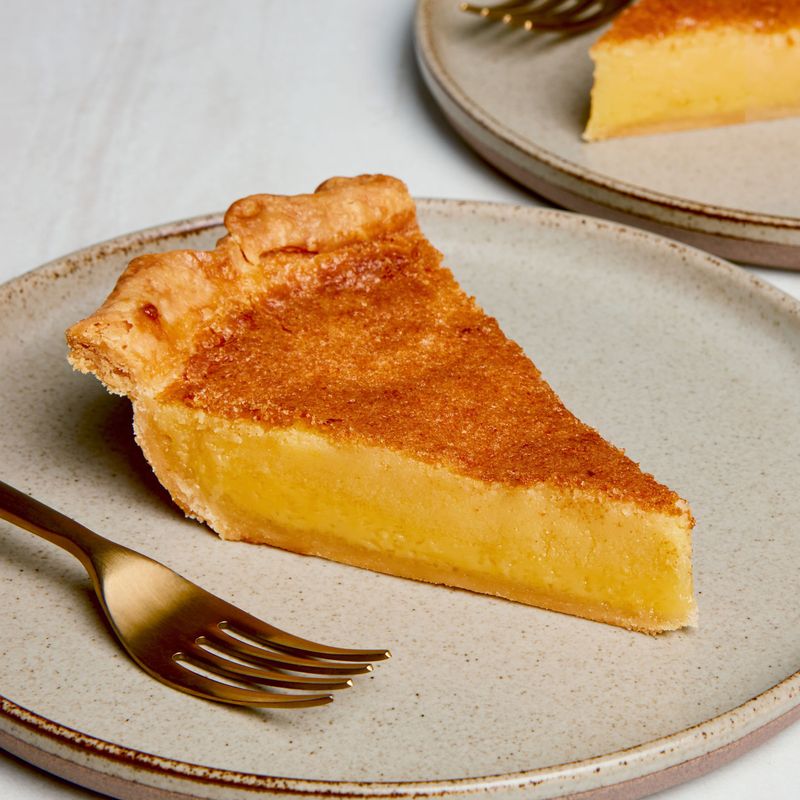
Nobody knows for sure where chess pie got its name. One popular story says a cook called it just pie, which sounded like chess pie in a thick Southern accent.
The recipe is simple: butter, sugar, eggs, and a bit of cornmeal. It bakes into a sweet, custard-like filling with a crackly top.
Because it uses pantry basics, it is a smart backup when you run short on fruit.
20. California Tamales
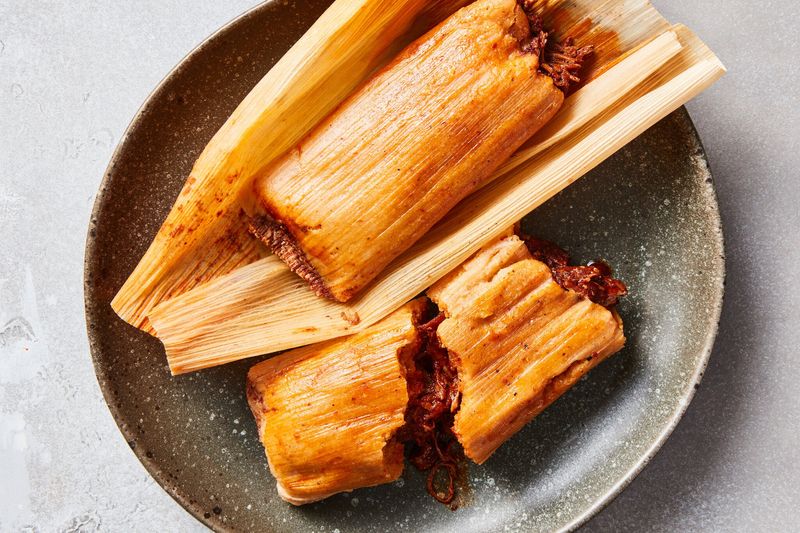
Gathering around the kitchen to wrap tamales is a beloved tradition for many Mexican American families in California and the Southwest.
Relatives spread masa dough onto corn husks, add fillings like pork, chicken, or cheese with chiles, then steam them. Some families even fill them with leftover turkey.
A tamalada, or tamale-making party, turns cooking into quality time. Assign everyone one job to speed things up.
21. Cranberry Sauce: Canned vs. Homemade
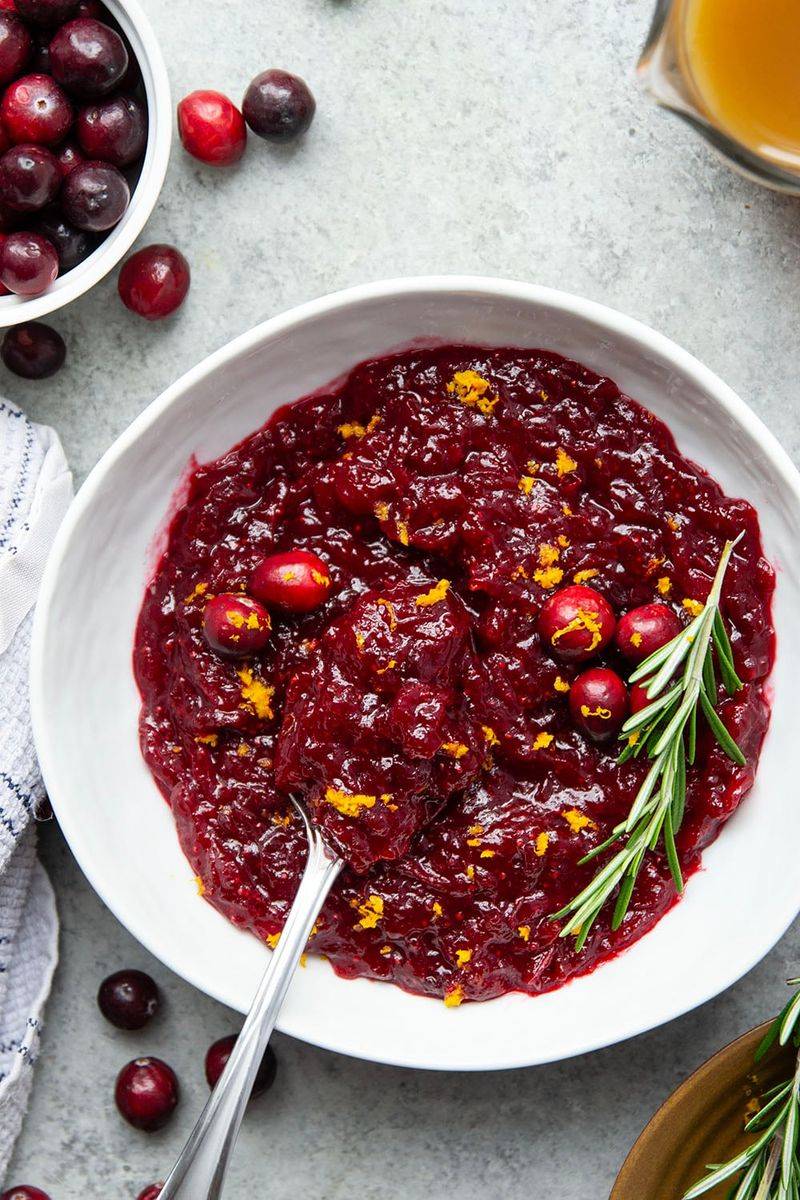
Ridges or no ridges? That simple question splits families everywhere.
Many people swear by the jiggly canned log, sliced into neat rounds.
In Massachusetts and Wisconsin, where most American cranberries grow, homemade sauce is especially popular. All you need is fresh berries, sugar, and water, simmered for about 10 minutes until the berries pop.
Wisconsin actually grows more cranberries than any other state. Putting both versions out keeps everyone happy.