
A great final song can change how you remember an entire album. Some closers bring the story together, while others leave you sitting in silence, wishing the music could keep going.
From quiet goodbyes to roaring guitar solos, these tracks make the last few minutes matter.
1. Eclipse – Pink Floyd’s Grand Final Statement
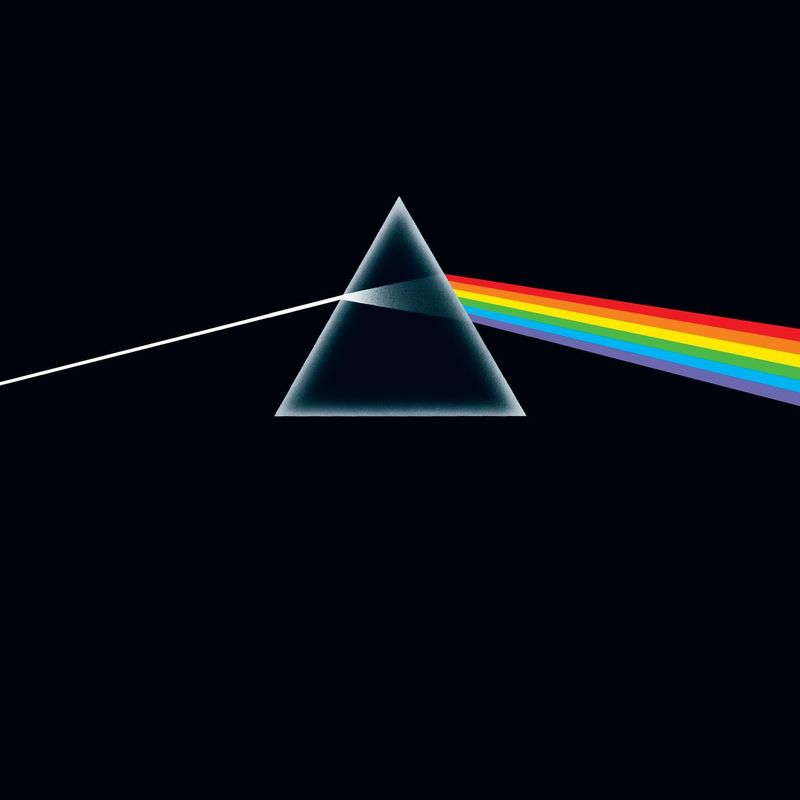
Everything seems to come rushing together in the last two minutes of The Dark Side of the Moon. Roger Waters lists pieces of human life while the band builds toward a bright, sweeping finish.
Released in 1973, Eclipse connects the album’s worries about time, money, and conflict. Listen straight through from Brain Damage to hear the transition work its magic, then notice how the returning heartbeat brings the journey back to where it began.
2. A Day in the Life – The Beatles Leave a Lasting Echo
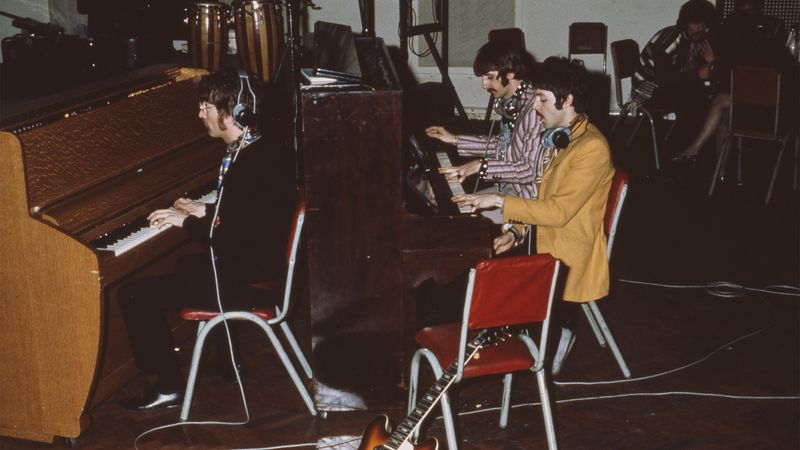
One piano chord can feel bigger than an entire song. At the end of Sgt.
Pepper’s Lonely Hearts Club Band, the Beatles make that idea unforgettable with a ringing finish that seems to suspend time.
Before that moment, John Lennon’s dreamlike news stories meet Paul McCartney’s busy morning scene. Rising waves of orchestral noise connect their worlds.
Keep the volume comfortable and let the final chord fade naturally rather than reaching for the next track.
3. When the Levee Breaks – Led Zeppelin’s Gathering Storm
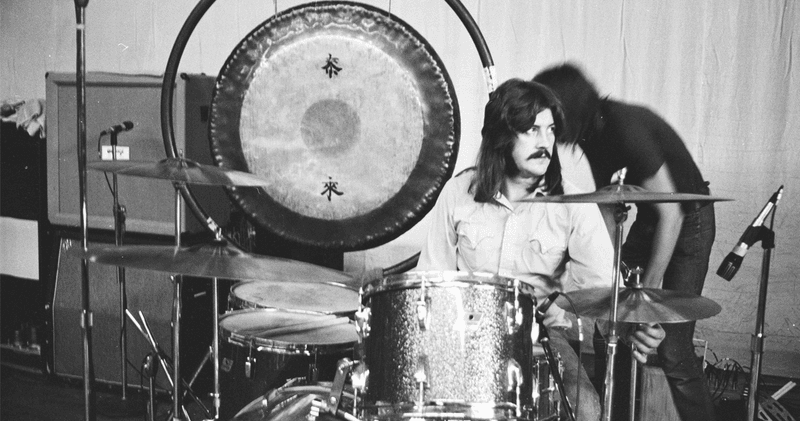
Those opening drums sound like trouble coming down the road. John Bonham’s huge beat gives the final track on Led Zeppelin IV a weight that never really lifts, even when the guitars start swirling.
The band reshaped a blues song recorded by Kansas Joe McCoy and Memphis Minnie in 1929. Bonham’s drums were recorded in a stairwell at Headley Grange.
Follow the harmonica through the mix to hear how it deepens the song’s restless mood.
4. Rock ‘n’ Roll Suicide – David Bowie’s Outstretched Hand
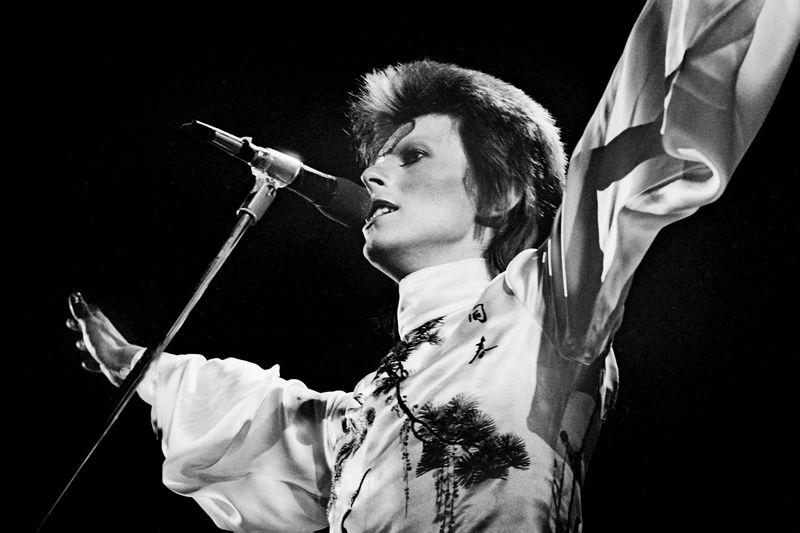
A lonely voice and an acoustic guitar hardly suggest a huge farewell. Yet David Bowie turns that small beginning into the emotional peak of The Rise and Fall of Ziggy Stardust and the Spiders from Mars.
As the arrangement grows, distance gives way to connection. Bowie’s repeated message that the listener is not alone makes the ending feel like an offered hand.
Hear it after the full album to catch the shift from stardom toward vulnerability.
5. You Can’t Always Get What You Want – A Wiser Rolling Stones Farewell
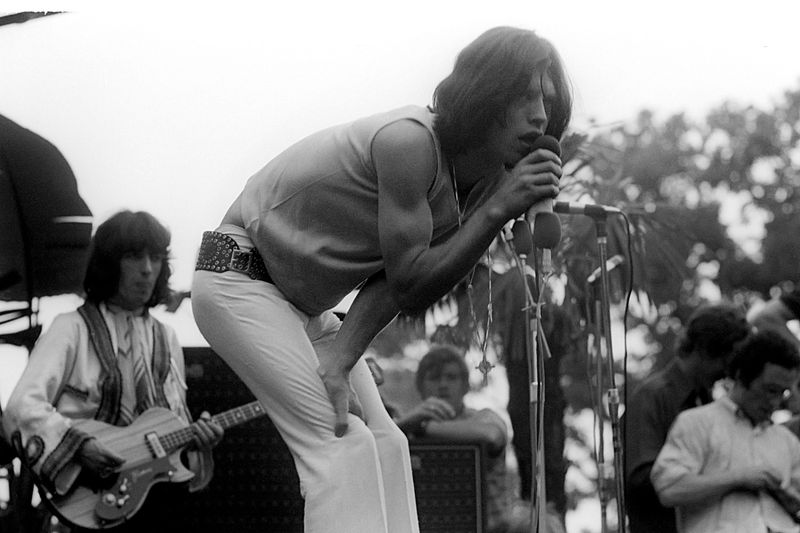
Sometimes the best goodbye comes with a little hard truth. Closing Let It Bleed, the Rolling Stones turn disappointment into a song that feels generous rather than defeated, helped by a choir and a steadily growing arrangement.
The London Bach Choir gives the opening an unexpected lift before the band settles into its groove. Save this one for a rough day: its message separates getting everything you want from recognizing what might actually help you grow.
6. Won’t Get Fooled Again – The Who’s Last Roar
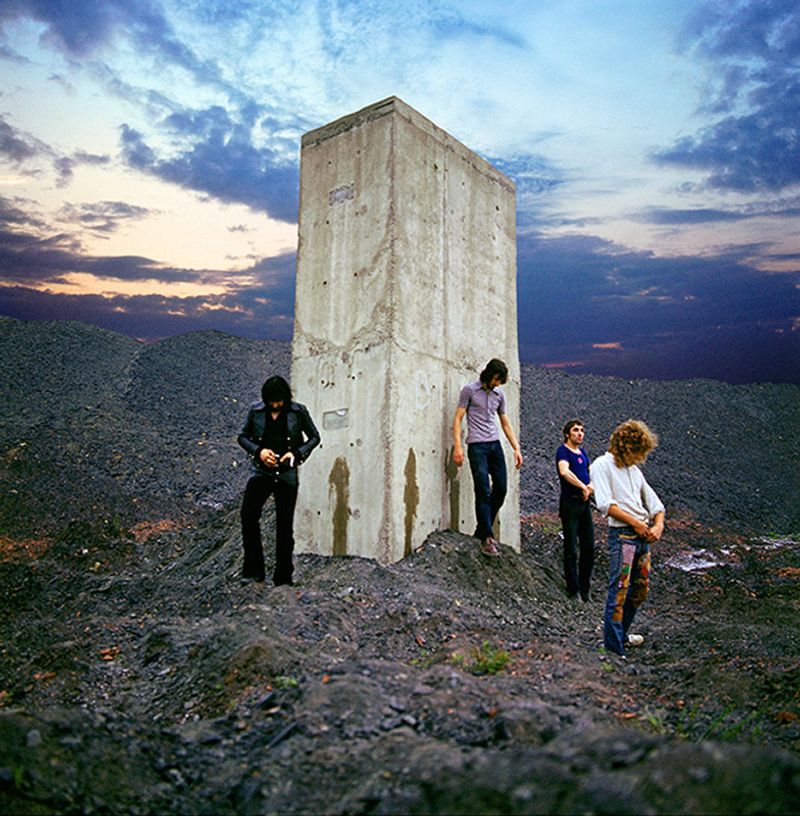
Wait for the scream. Roger Daltrey’s famous burst near the end of Won’t Get Fooled Again delivers the kind of release that makes an album’s final minutes feel earned.
On Who’s Next, a repeating synthesizer pattern holds everything together while the band pushes hard against it. The words question whether new leaders really bring meaningful change.
Listen for the long instrumental passage before the closing attack, where tension gathers until the drums break it wide open.
7. The End – The Doors Step Into Darkness
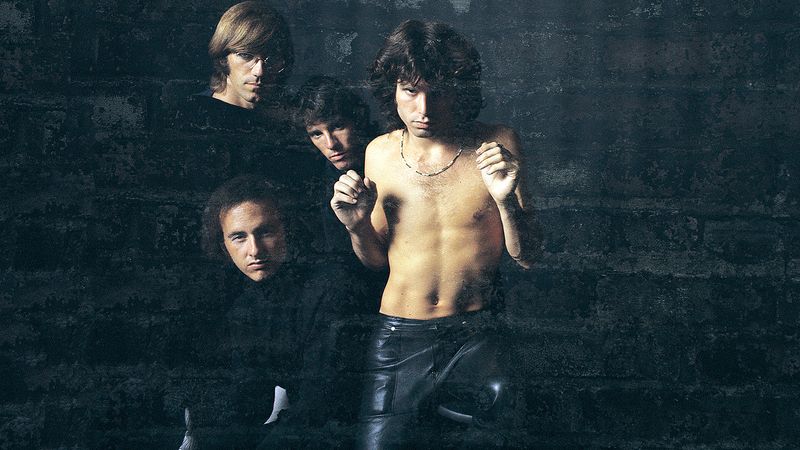
Not every album wants to send you home smiling. The Doors close their debut with a slow, unsettling journey that feels closer to a strange dream than a regular rock song.
Jim Morrison’s voice moves between calm singing and dramatic spoken passages while the band keeps a loose, hypnotic pulse. The lyrics include disturbing family imagery, so expect a darker listen.
Give the track uninterrupted time; its power comes from how gradually the familiar turns frightening.
8. Tomorrow Never Knows – The Beatles Open Another Door
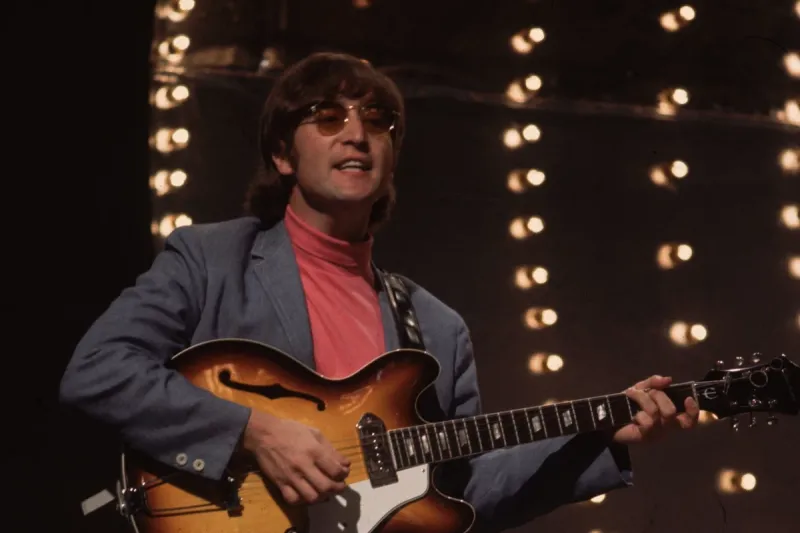
The future seems to arrive before Revolver has even finished. Released in 1966, its closing track surrounds John Lennon’s voice with tape loops, unusual effects, and a drum pattern that barely lets go.
Rather than wrapping everything into a neat package, the Beatles point toward music they have yet to explore. Try headphones to catch sounds moving through the mix.
Even now, the song can make familiar instruments feel strange, playful, and almost impossible to place.
9. Street Spirit (Fade Out) – Radiohead’s Quiet Shiver
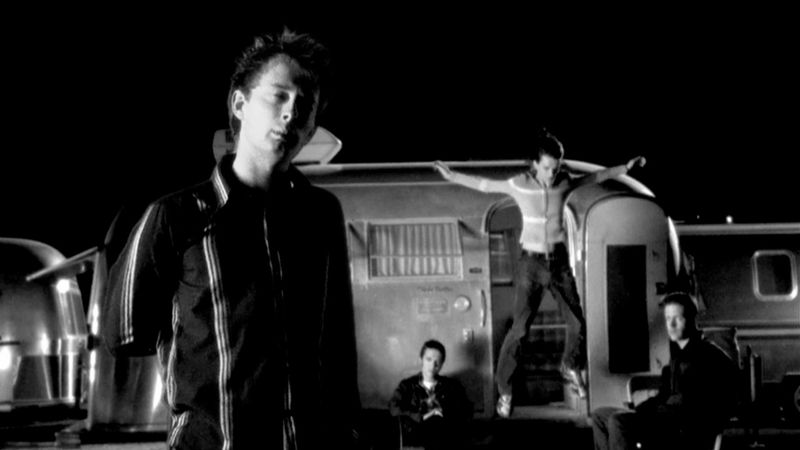
A repeating guitar figure can carry an astonishing amount of feeling. On the final track of The Bends, that delicate pattern keeps moving while Thom Yorke’s voice rises above it, sounding exposed and deeply human.
The arrangement stays controlled instead of chasing a huge rock explosion. That choice makes the closing appeal to love feel especially moving.
Play it somewhere quiet and follow the guitar underneath the vocal; its steady motion gives the sadness a shape.
10. Hallowed Be Thy Name – Iron Maiden Race Against Time
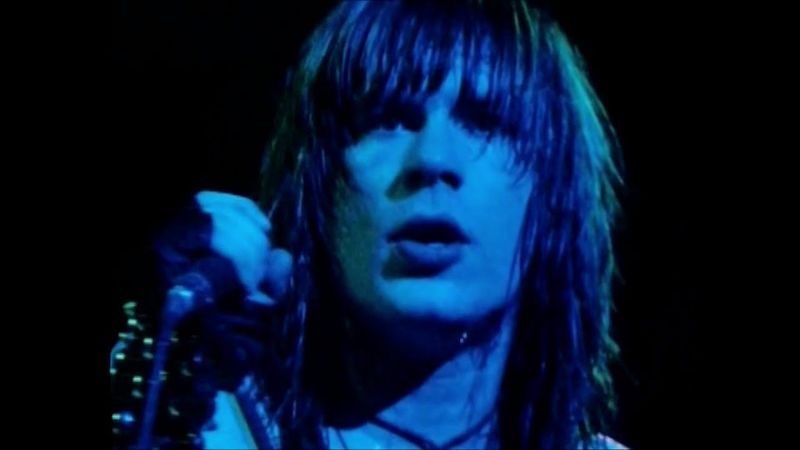
The bell at the beginning sets a chilling scene: a prisoner is waiting to die. Iron Maiden turn that fear into the sweeping final chapter of The Number of the Beast, moving from quiet dread into racing guitars.
Bruce Dickinson gives the story urgency without losing the words in the noise. Listen for how the changing pace follows the narrator’s thoughts.
Across roughly seven minutes, the band shows how heavy metal can tell a gripping story.
11. Jungleland – Bruce Springsteen’s Final Street Scene
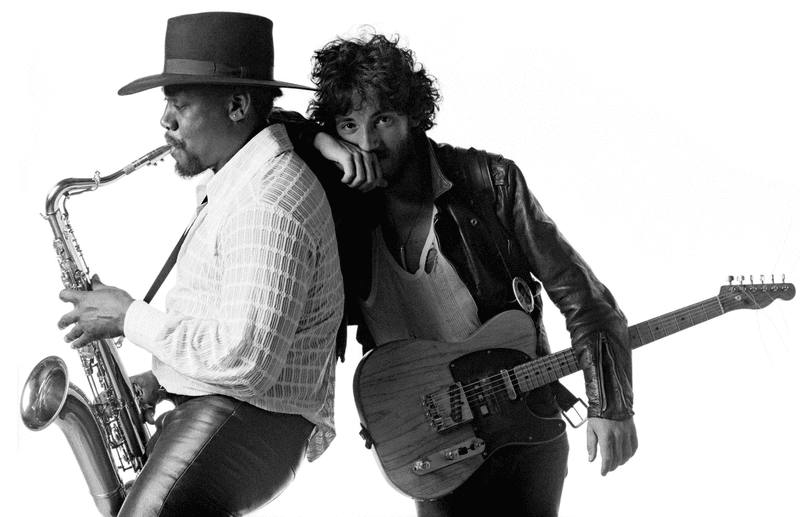
Picture a whole neighborhood coming alive after dark. The closing song on Born to Run turns street corners, young lovers, and broken hopes into a story that feels large enough for a movie.
Roy Bittan’s piano helps set the scene, while Clarence Clemons gives the long saxophone solo its aching voice. There is no need to rush through nearly ten minutes.
Follow the characters first, then return for the way the instruments carry feelings words cannot.
12. Free Bird – Lynyrd Skynyrd Take Flight
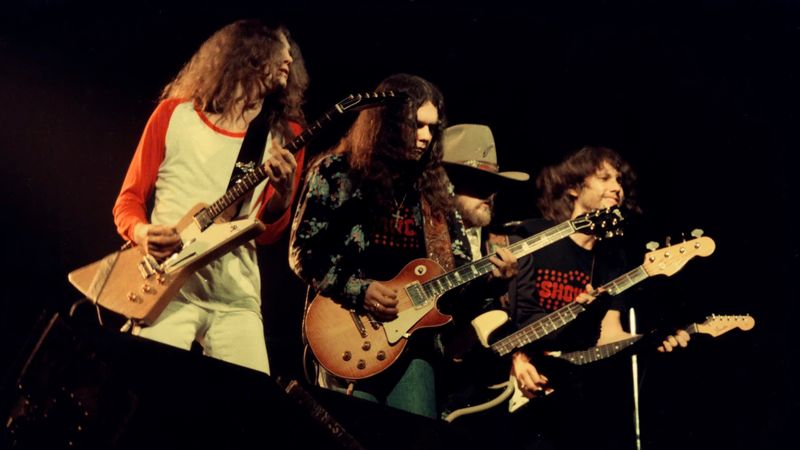
First comes the farewell, then comes the flight. Lynyrd Skynyrd close their 1973 debut with a song that starts as a tender ballad and grows into a roaring stretch of guitar playing.
The shift is what makes Free Bird such a satisfying finish. Instead of repeating the opening mood, the band releases all that stored emotion through its extended ending.
Listen to the studio version before a live performance to appreciate how the song’s basic design works.
13. This Must Be the Place (Naive Melody) – Talking Heads Find Home
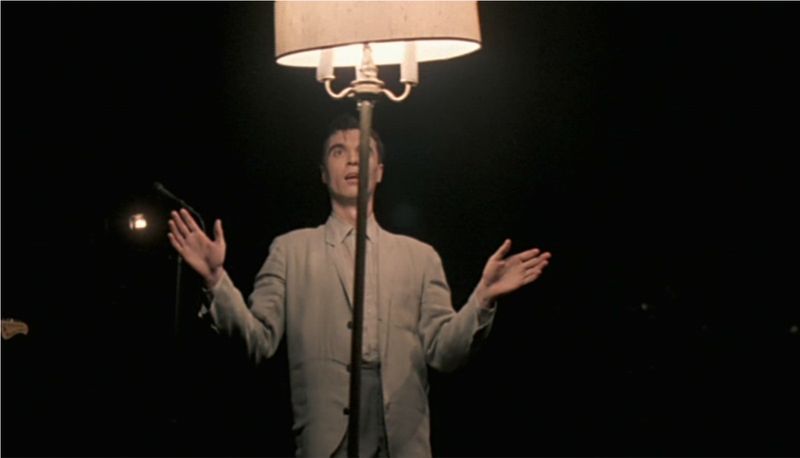
After all the nervous energy, finding somewhere to belong feels wonderful. Talking Heads end Speaking in Tongues with a warm love song built from simple, repeating parts that leave plenty of room for feeling.
David Byrne sounds less like a distant observer and more like someone letting his guard down. The gentle groove makes the title’s idea of home feel emotional rather than physical.
Put it on after a busy evening and let its easy rhythm settle.
14. Gouge Away – Pixies End With a Snarl
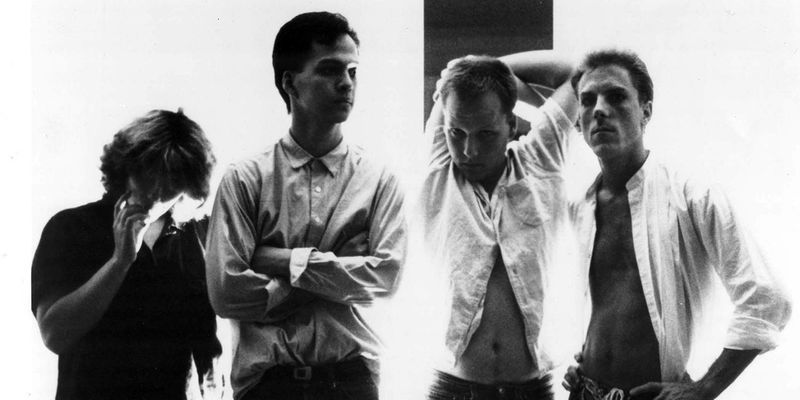
A bass line walks in, and trouble follows close behind. At the end of Doolittle, Pixies use sharp changes in volume to make a short song feel tense, unruly, and ready to burst.
Black Francis draws on the biblical story of Samson and Delilah, but the performance matters even before you unpack the words. Notice how Kim Deal’s bass anchors the quieter stretches.
When the guitars crash back in, the album gets a wonderfully rough final punctuation.
15. Dream Brother – Jeff Buckley’s Unfinished Goodbye
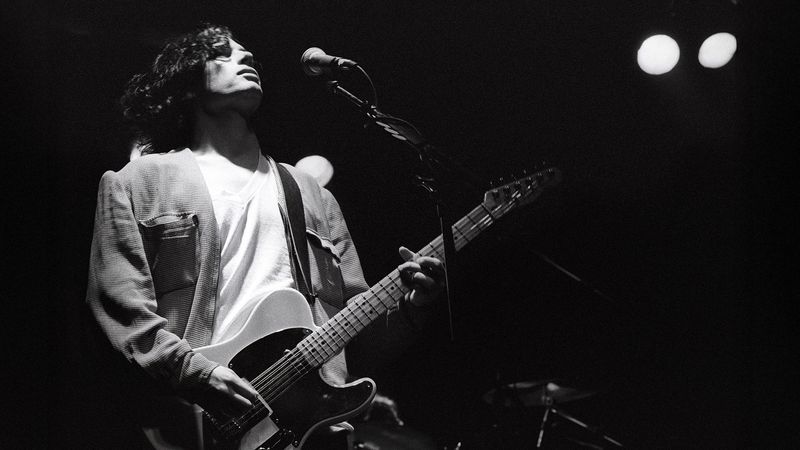
Some endings linger because they refuse to settle. On the original release of Grace, Jeff Buckley leaves listeners with circling guitars, a restless beat, and a vocal that seems to reach beyond the room.
Dream Brother carries a warning about leaving loved ones behind, giving its floating sound a painful center. Later editions may add tracks, but this was the original closer.
Let its last sounds fade before moving on; the silence belongs to the experience, too.