
A favorite old song can lose its charm when it follows you through every store, party, and radio station. Some hits from the 1960s feel worn out, while others have lyrics that land differently today.
That does not erase their place in music history. A little time off could help us hear these familiar tunes with fresh ears.
1. Brown Eyed Girl by Van Morrison (1967): A Singalong Needing Space

Somewhere, a wedding DJ is probably reaching for that familiar opening guitar line. Van Morrison’s sunny 1967 hit has become a dependable crowd pleaser, but constant exposure can make its happy memories feel like background noise.
Instead of banning it forever, give your party playlist a season off. Try another Morrison recording, such as Domino from 1970, and save this singalong for a gathering where people actually want to hear it again after some distance.
2. Light My Fire by The Doors (1967): Let the Flame Rest
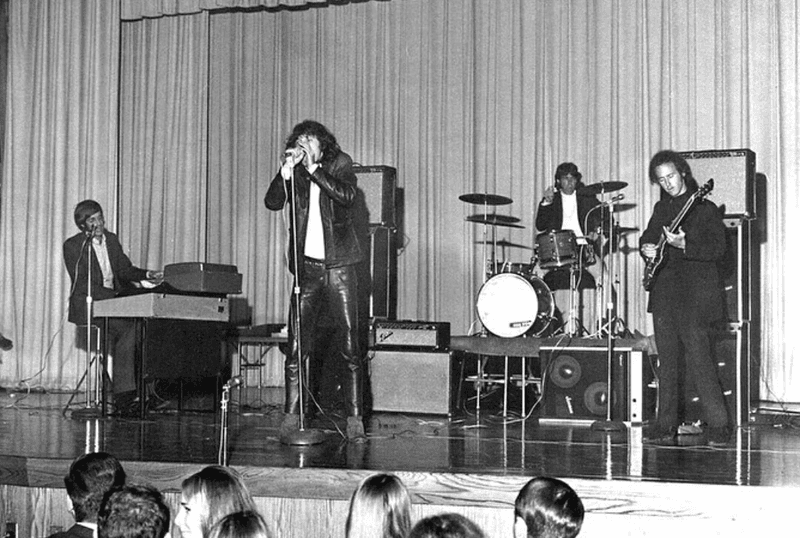
That swirling organ entrance still sounds unlike almost anything else on oldies radio. The Doors built their breakthrough around a groove that stretches past seven minutes on the album, leaving plenty of room for instrumental exploration.
Yet even a striking sound can become too familiar. If the radio edit feels automatic, step away rather than switching versions immediately.
Return later with headphones and enough time to notice how the musicians shape the longer performance together.
3. In-A-Gadda-Da-Vida by Iron Butterfly (1968): Seventeen Minutes Is a Commitment
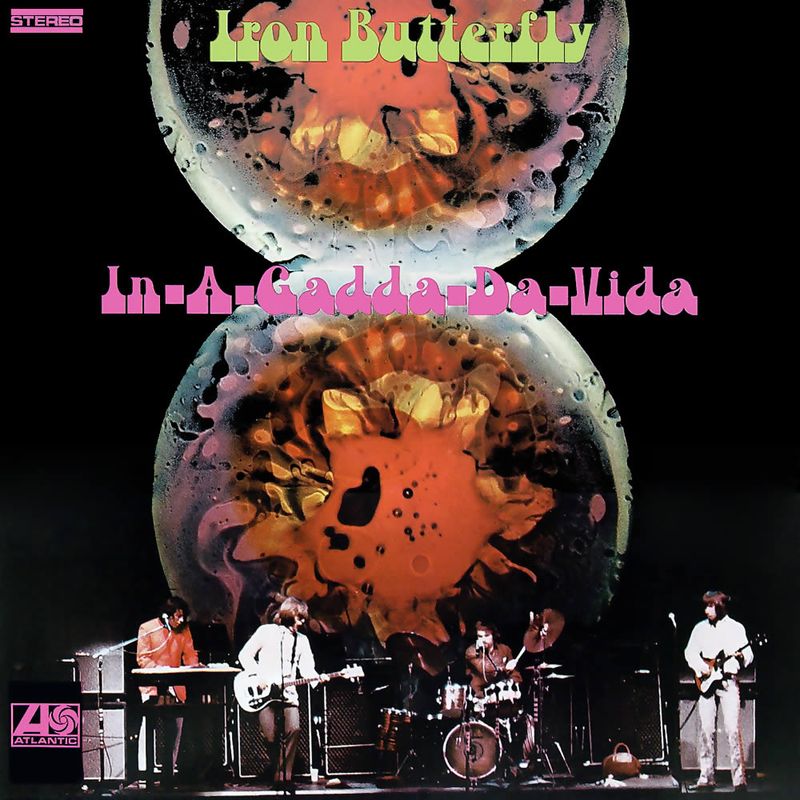
Seventeen minutes can cover a short commute, a lunch break, or one very determined rock song. Iron Butterfly’s famous recording fills that space with a heavy riff, organ passages, and an extended drum solo.
For fans, the length is part of the adventure; for everyone else, it can feel endless. Keep it off casual background playlists and reserve it for focused listening.
A musical marathon works better when nobody expected a quick jog after dinner.
4. Cherish by The Association (1966): Enough Sugar for Now
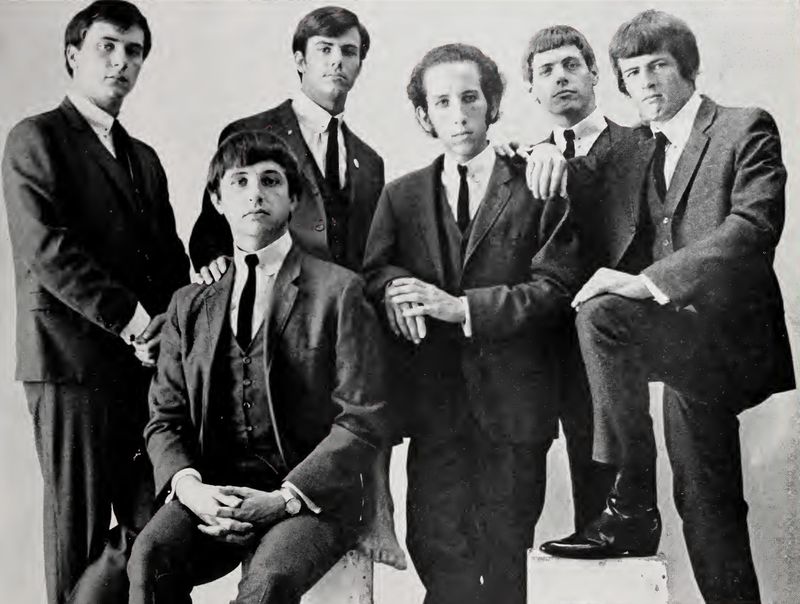
A box of chocolates eventually needs a lid, and this ballad can inspire the same feeling. The Association wrapped its 1966 hit in smooth harmonies and a deeply earnest declaration of love.
Those polished voices remain impressive, even if the sweetness feels heavy after repeated plays. Balance a romantic playlist with songs that show humor, doubt, or a stronger beat.
Returning to this one afterward may reveal the careful singing beneath its familiar sentimental coating.
5. MacArthur Park by Richard Harris (1968): Give the Cake a Vacation
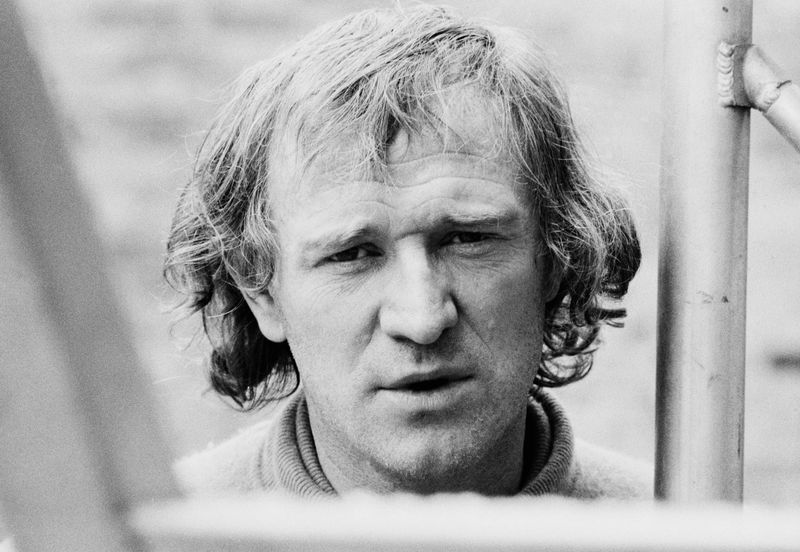
Few pop records make dessert sound like a major personal disaster. Richard Harris delivered Jimmy Webb’s sweeping song with theatrical force, turning its famous rain soaked cake into an image listeners rarely forget.
The changing sections and dramatic delivery reward patience, but they can overwhelm a relaxed afternoon playlist. Set this one aside when you want easy company.
Revisit it when you are ready for something closer to a small musical drama than background entertainment.
6. Yummy Yummy Yummy by Ohio Express (1968): An Earworm on Overtime
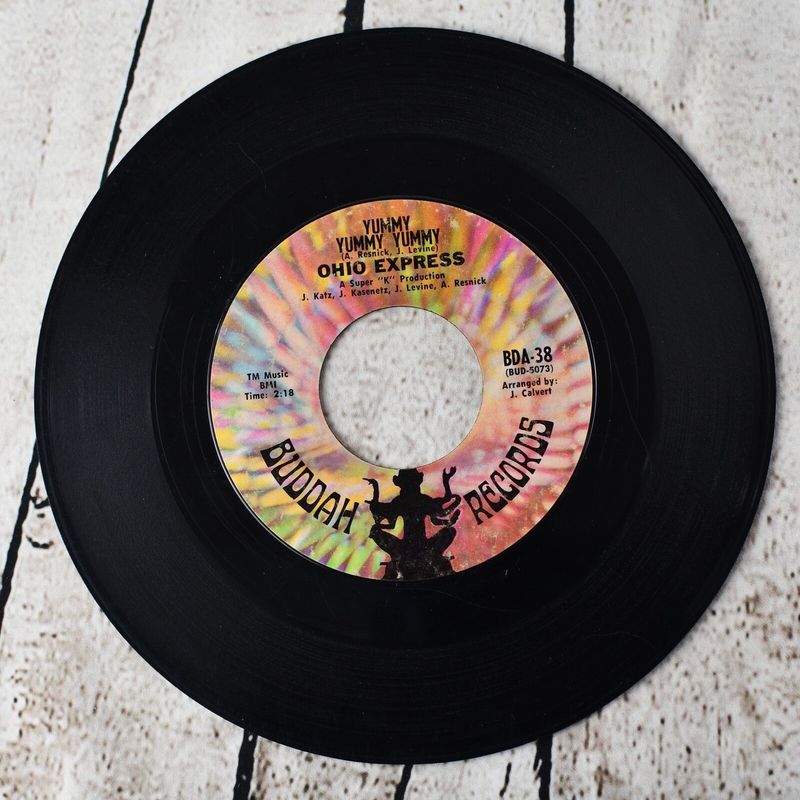
Once that chorus moves in, getting it out can feel like an unpaid chore. Ohio Express scored with a bubblegum hit built around simple words, a bouncy rhythm, and an almost stubborn sense of fun.
There is nothing wrong with a silly pop treat, but repetition can turn a treat into a headache. Skip it during work or homework if catchy hooks distract you.
Your brain deserves some room for thoughts that are not candy.
7. Tiptoe Through the Tulips by Tiny Tim (1968): Novelty Needs Breathing Room
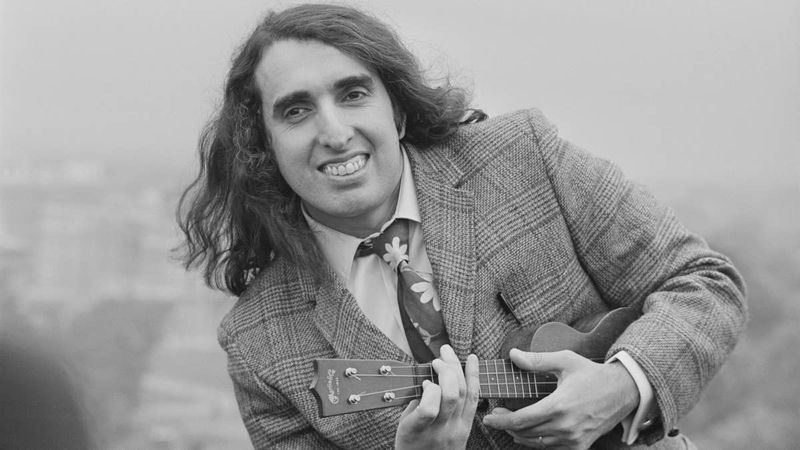
A tiny ukulele and a soaring falsetto made Tiny Tim impossible to confuse with anyone else. His 1968 recording revived a song from 1929, bringing an older style of entertainment to a new television audience.
That unusual voice can delight one listener and exhaust another within seconds. Rather than treating the track as a joke everyone must enjoy, let guests choose.
Its odd charm works best as an occasional surprise, not a repeated listening test.
8. Young Girl by Gary Puckett and the Union Gap (1968): A Troubling Story
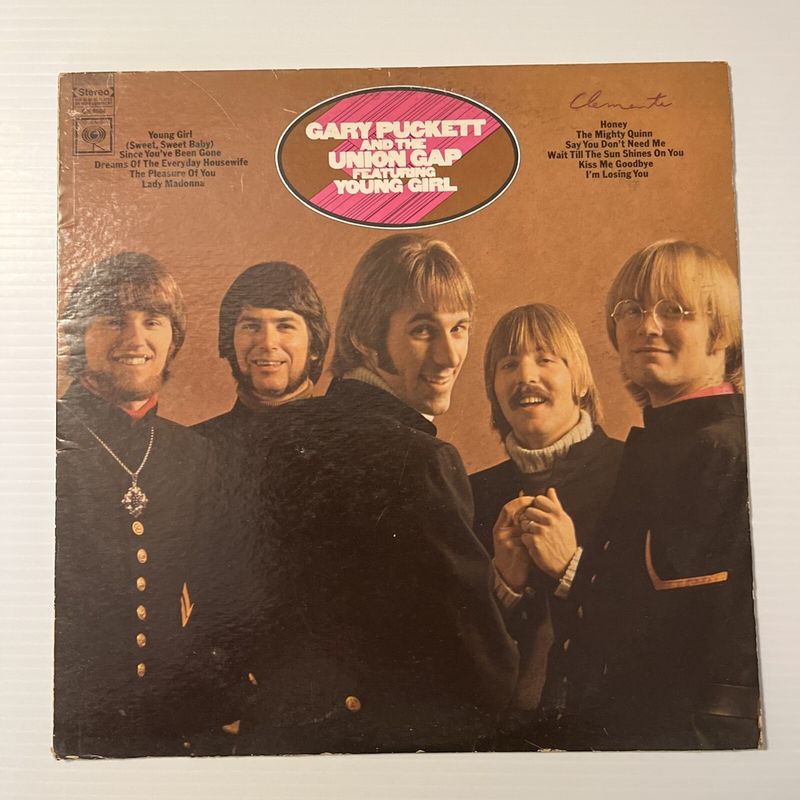
A powerful voice cannot make every lyric comfortable. Gary Puckett sings about discovering that a girl is underage, then urges her to leave while describing his own attraction and struggle to resist.
Although the narrator recognizes a boundary, the focus on his feelings can still unsettle modern listeners. This is a reasonable song to remove from family playlists.
Discussing its story can be more useful than brushing concerns aside because the melody happens to soar.
9. I’m a Believer by The Monkees (1966): Familiar Beyond Belief
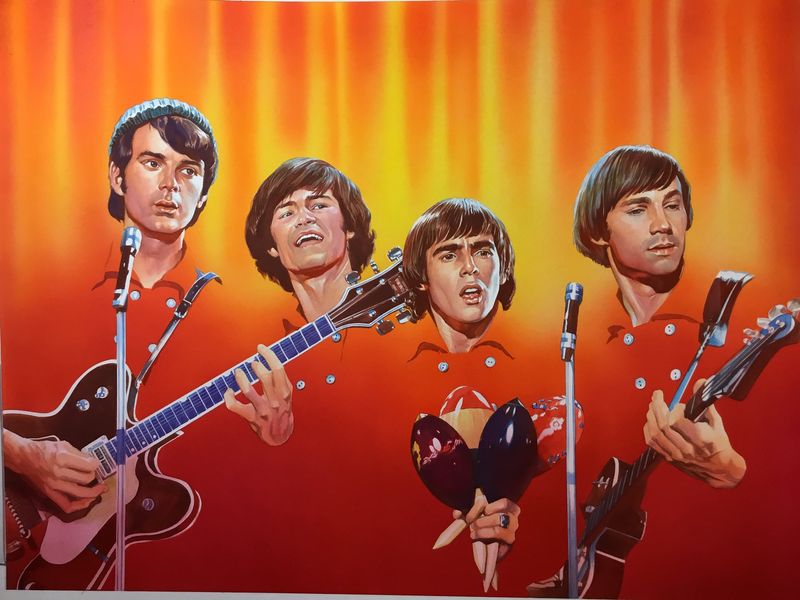
You may know the chorus before you remember where you first heard it. Written by Neil Diamond, this Monkees hit pairs a bright beat with the rush of suddenly believing in love.
Its reach extends beyond the original recording, helped by later covers and movie appearances. That makes listener fatigue understandable without making the song bad.
Rotate in another Monkees favorite, perhaps Pleasant Valley Sunday, and let this familiar burst of joy recharge for awhile.
10. Sugar, Sugar by The Archies (1969): A Candy Break
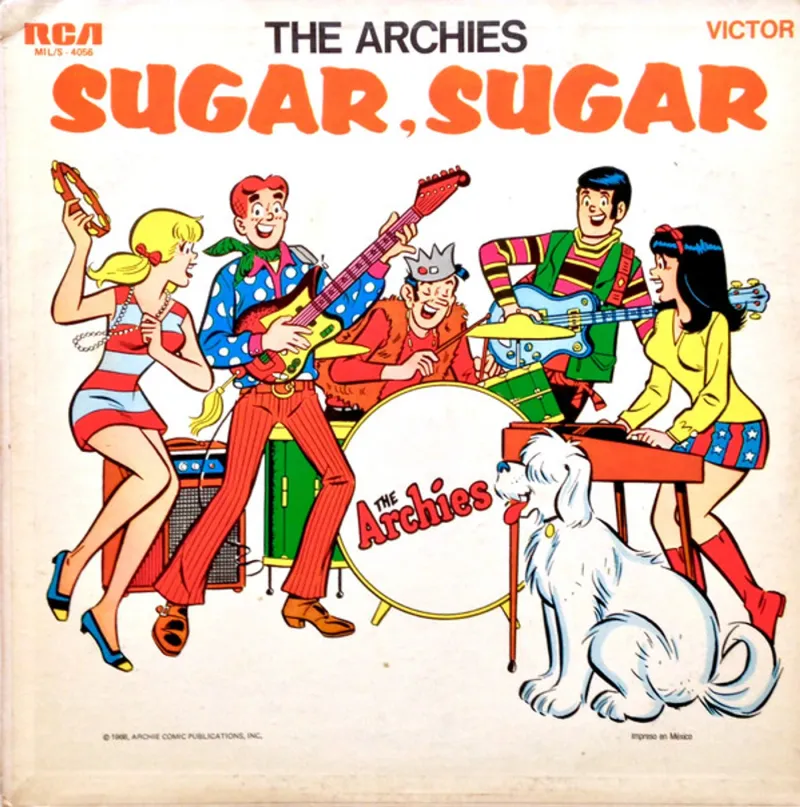
Even a cartoon band can wear out its welcome at the snack table. The Archies turned this cheerful tune into a major hit in 1969, topping charts in both the United States and Britain.
Its appeal is easy to understand: a steady bounce, simple affection, and a chorus almost anyone can remember. Still, nonstop sweetness leaves little contrast.
Pair your oldies listening with rougher voices and richer stories before inviting this candy colored favorite back.
11. I Got You Babe by Sonny & Cher (1965): A Duet Deserves Downtime
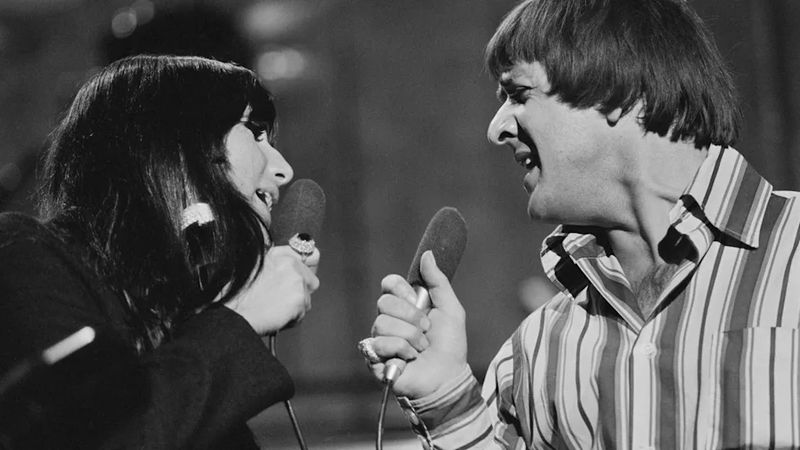
Two voices promising that love will beat life’s problems can be genuinely comforting. Sonny and Cher made that promise feel personal in 1965, with a swaying arrangement and an instantly recognizable exchange between them.
Repeated use as a symbol of togetherness, however, can flatten the song into a familiar routine. Give it a rest on couple themed playlists.
When it returns, listen for the contrast between their voices rather than simply waiting for the chorus.
12. With a Little Help From My Friends by The Beatles (1967): Friendship Without Autopilot
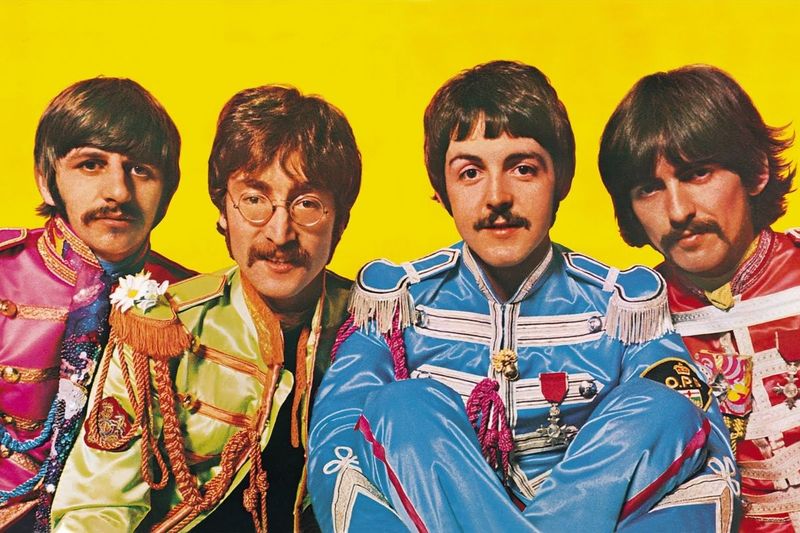
Ringo Starr brings an approachable warmth to a song about needing other people. On Sgt.
Pepper’s Lonely Hearts Club Band, the friendly questions and answers help introduce his character, Billy Shears.
Outside that album setting, the easy chorus can become another automatic singalong. Try hearing it in sequence instead of dropping it into every friendship playlist.
Joe Cocker’s later version also offers a striking contrast, showing how differently the same song can move an audience.
13. Honey by Bobby Goldsboro (1968): Heavy Feelings, Light Rotation
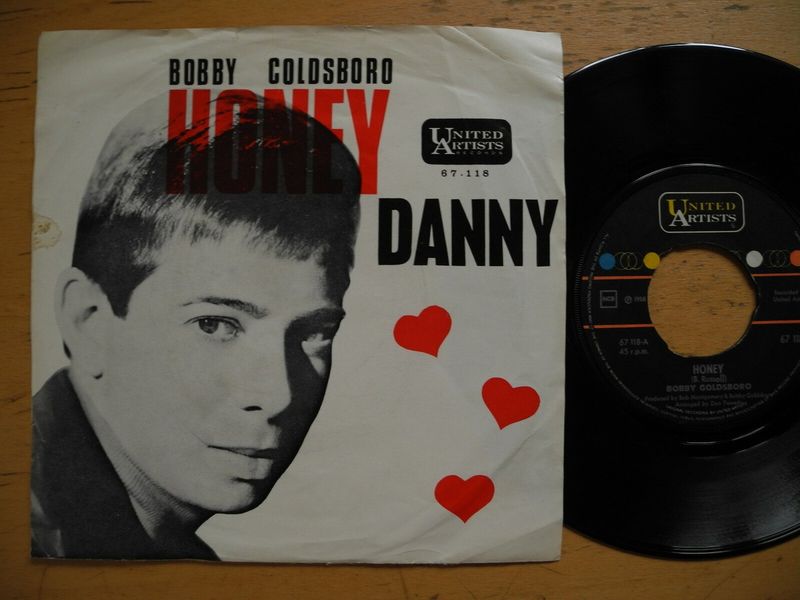
Keep the tissues nearby, because this story aims straight for the tear ducts. Bobby Goldsboro’s huge 1968 hit follows a husband’s memories of his wife, gradually revealing the loss behind his tender observations.
Some listeners find it moving; others hear emotional pressure in every detail. Neither reaction needs defending.
Avoid placing it unexpectedly in an upbeat gathering, especially where grief may be fresh. A sad song deserves a willing audience, not a room caught unaware.
14. Somethin’ Stupid by Frank and Nancy Sinatra (1967): Smooth Can Turn Sleepy
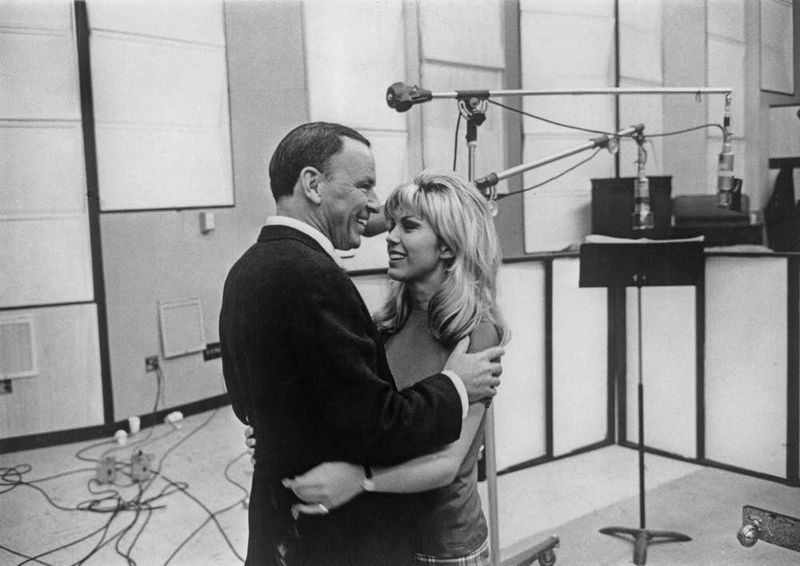
Not every duet needs fireworks, but this one barely raises its voice. Frank and Nancy Sinatra glide through a shy confession of love, supported by an arrangement that stays soft and neatly controlled.
That calm delivery suits a quiet evening, though repeated plays can make it disappear into the furniture. Choose it when you want to notice the close vocal blend.
Otherwise, let another duet bring more spark, tension, or humor to the listening session.
15. Hello, Goodbye by The Beatles (1967): Opposites on Repeat
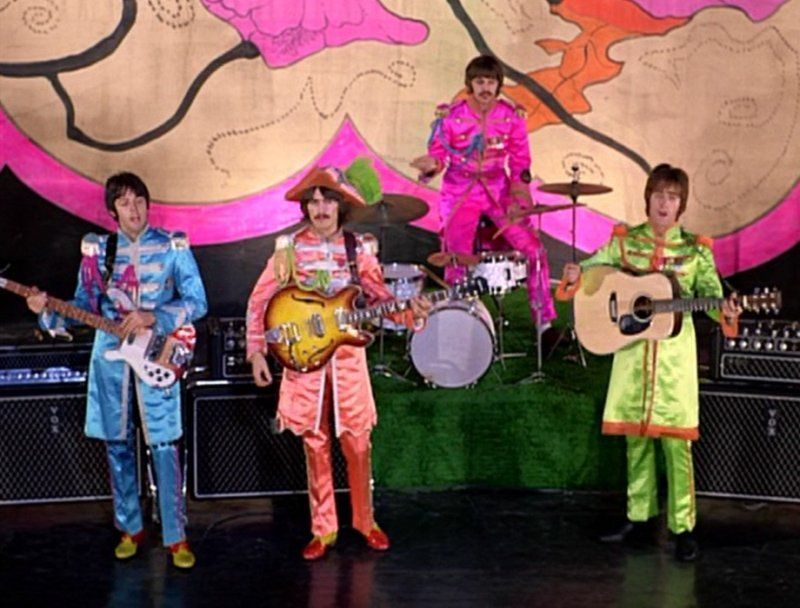
Yes meets no, stop meets go, and the hook quickly takes over. Paul McCartney’s playful use of opposites gives this Beatles single an inviting simplicity that listeners can grasp on the first pass.
The trouble arrives when the hundredth pass feels much like the first. For anyone tired of its repeated phrases, a break makes sense.
Explore a less familiar Beatles track, then return and notice the arrangement, especially the lively closing section, with curiosity.
16. Itsy Bitsy Teenie Weenie Yellow Polka Dot Bikini by Brian Hyland (1960): A Beach Joke Wears Thin
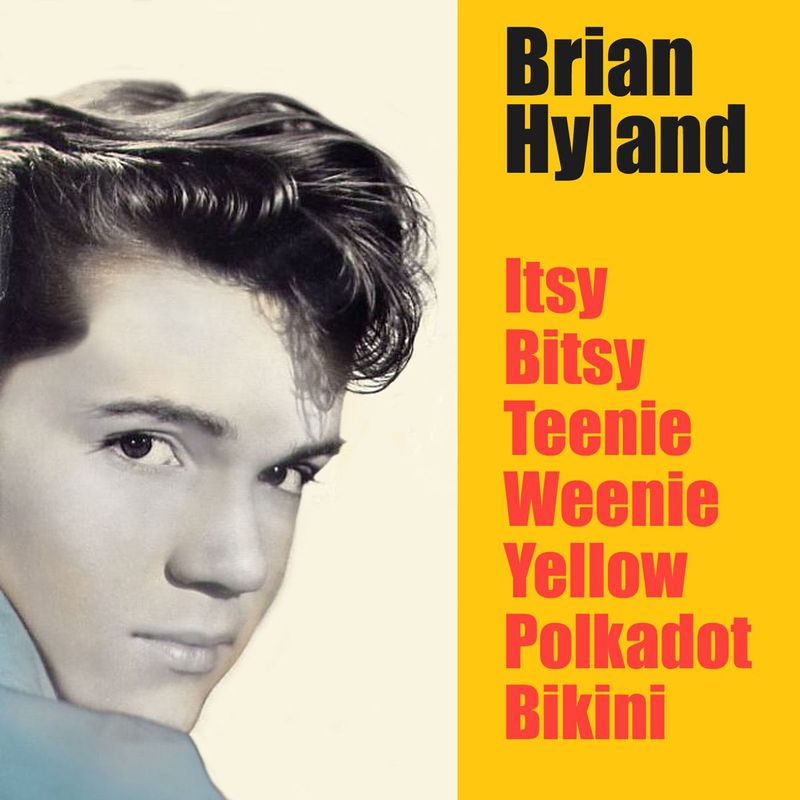
Before anyone reaches the water, the title has already done a full workout. Brian Hyland’s 1960 novelty hit tells a playful story about a girl too embarrassed to show her new swimsuit.
The repeated details are memorable, but the joke has limited room to grow. It can also make a beach playlist feel more like a costume party.
Swap in a surf instrumental when you want summer energy without another round of the same punchline.
17. Monster Mash by Bobby Boris Pickett (1962): Let the Monster Sleep

Every October, the laboratory doors swing open and the same monsters start dancing. Bobby Pickett’s Boris Karloff inspired voice helped turn this 1962 novelty record into a lasting Halloween tradition.
Its seasonal charm is real, but hearing it at every shop and party can drain the joke. Keep it for one well timed moment rather than an endless holiday loop.
Fill the remaining space with spooky instrumentals, movie themes, or other playful songs guests might rediscover.
18. Sugar Shack by Jimmy Gilmer and the Fireballs (1963): Park the Organ Hook
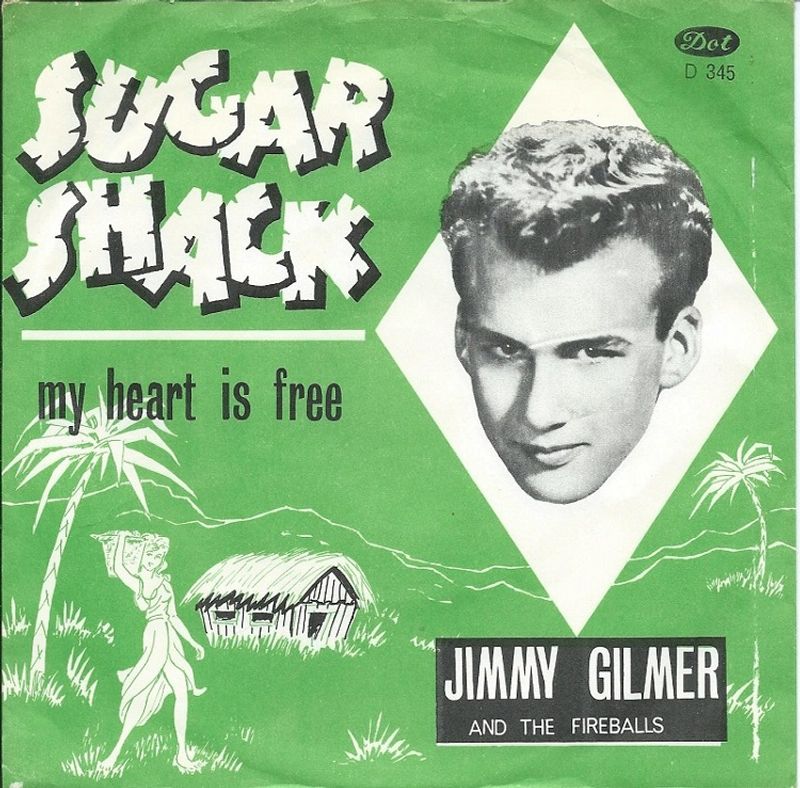
A quirky keyboard sound can carry a song surprisingly far. Jimmy Gilmer and the Fireballs rode this catchy tune to the top of the American charts in 1963, making its little coffeehouse setting widely familiar.
The bright organ hook gives the record personality, though it can become nagging after enough repeats. Move it out of regular rotation and explore more early decade pop.
Distance may restore its charm better than arguing about whether it deserved success.