
Some places make you stop and stare, even when you have seen them in hundreds of photos. Standing beside an ancient pyramid or looking across a vast canyon can change how you see the world.
From busy cities to quiet mountain paths, these destinations offer history, beauty, and memories worth planning for.
1. Eiffel Tower, France: A View Above Paris
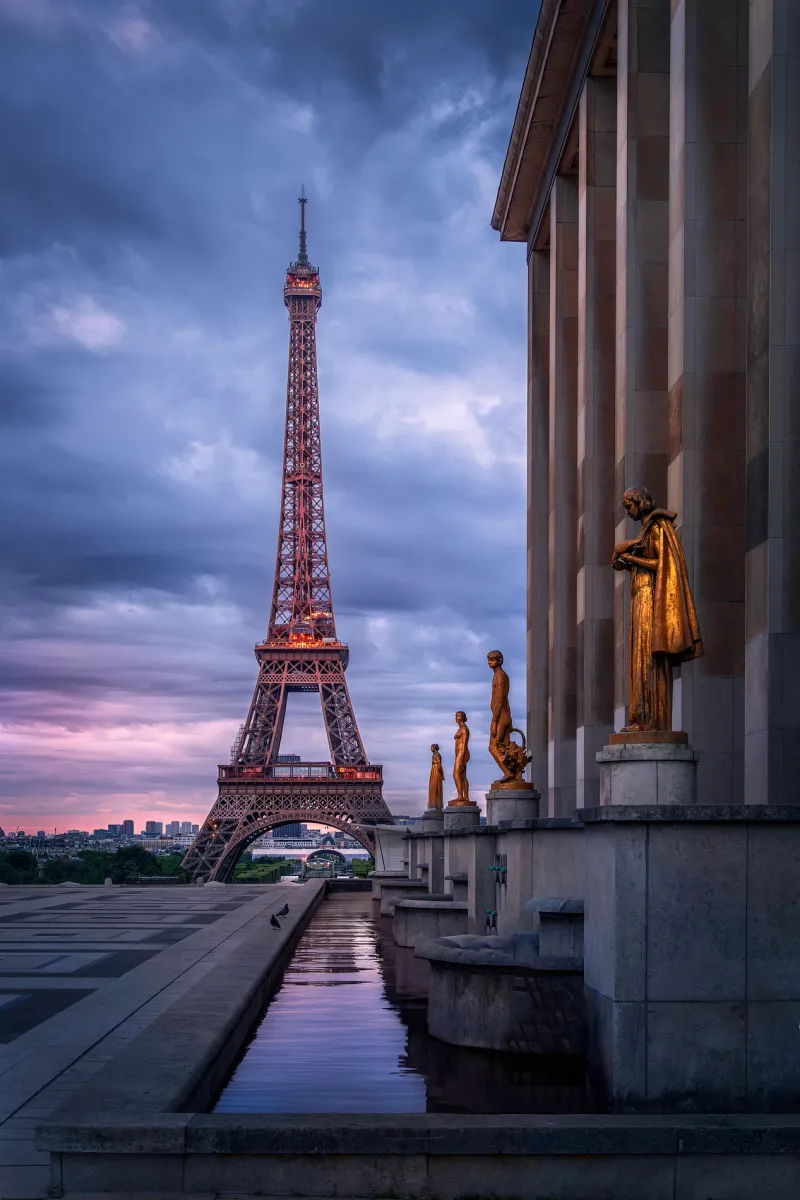
Paris feels especially magical when its famous iron tower rises above the rooftops. Built for the 1889 World’s Fair, the Eiffel Tower offers sweeping views that help you understand the city’s layout.
Book through the official website ahead of time, especially during busy travel months. Bring a light layer because the upper levels can feel windy.
After your visit, walk beside the Seine or enjoy a simple picnic nearby while the evening lights begin glowing.
2. Great Wall of China: History Across the Hills
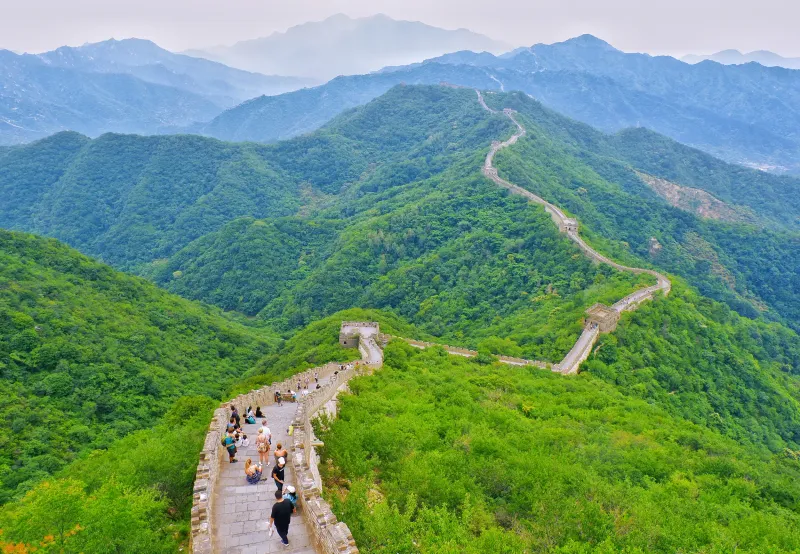
Imagine a stone path twisting over mountain ridges as far as you can see. China’s Great Wall grew over many centuries, with different rulers building and repairing sections to defend their lands.
Mutianyu is a popular choice near Beijing, offering restored walkways and striking views. Wear shoes with good grip, since steps can be steep and uneven.
Despite a common myth, the wall is not easily visible from space with the naked eye under normal conditions.
3. Pyramids of Giza, Egypt: Giants of the Ancient World
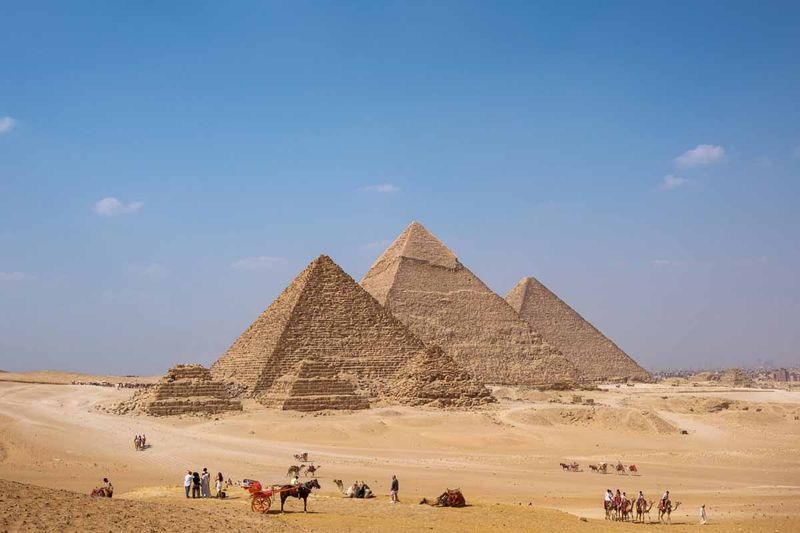
Few sights make the ancient world feel as real as these enormous stone tombs. Standing outside Cairo, the pyramids were built roughly 4,500 years ago for the pharaohs Khufu, Khafre, and Menkaure.
Arrive early to avoid the strongest heat, and carry water, sunscreen, and a hat. A licensed guide can explain details that are easy to miss.
Leave time for the nearby Great Sphinx, whose lion body and human head have puzzled visitors for countless generations.
4. Taj Mahal, India: Marble Made for Love
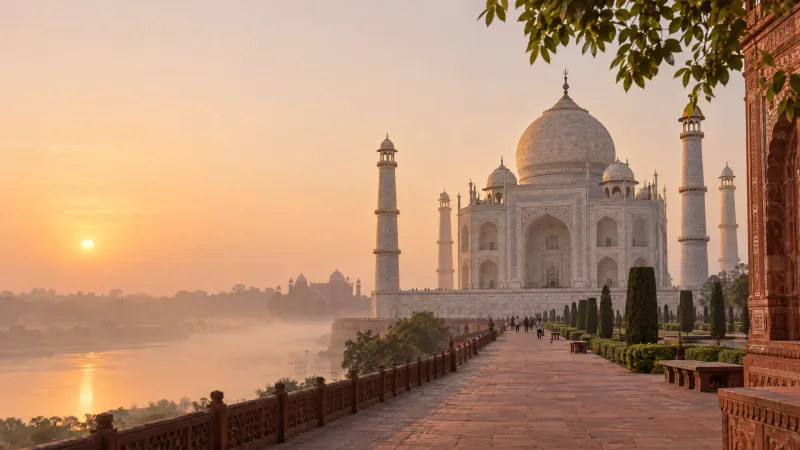
Soft morning light can turn white marble into shades of pink and gold. In Agra, the Taj Mahal honors Mumtaz Mahal, the wife of Mughal emperor Shah Jahan, who ordered this remarkable tomb.
Choose an early visiting time for cooler air and a quieter mood. Check official opening details before booking, since the monument is generally closed to tourists on Fridays.
Look closely at the stone inlay work, not just the famous dome and reflecting pool.
5. Machu Picchu, Peru: An Inca Wonder in the Clouds
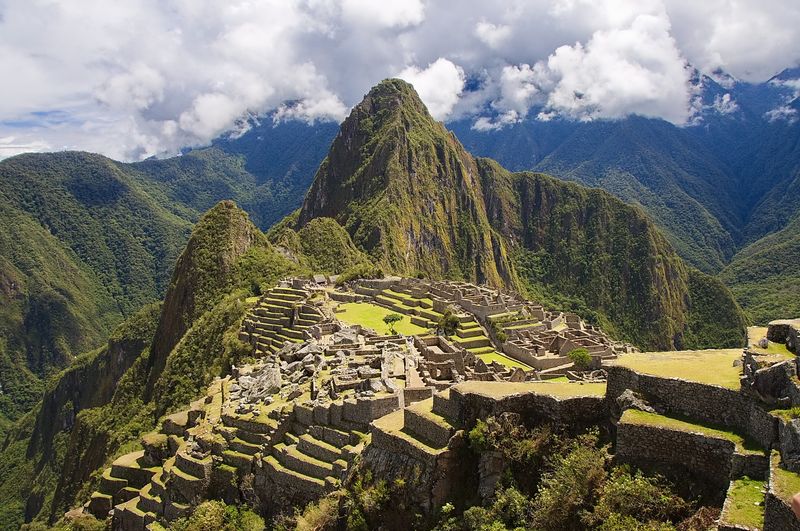
Clouds drift past green peaks while stone terraces cling to the mountainside. Machu Picchu was built by the Inca in the fifteenth century and is often linked to the ruler Pachacuti.
Reserve your entry and chosen visitor route well ahead, since access is controlled. Spend time adjusting to altitude before attempting demanding walks.
Whether you arrive by train or on a permitted trek, follow marked paths and avoid touching fragile walls that need protection from damage.
6. Statue of Liberty, USA: A Welcome Across the Water
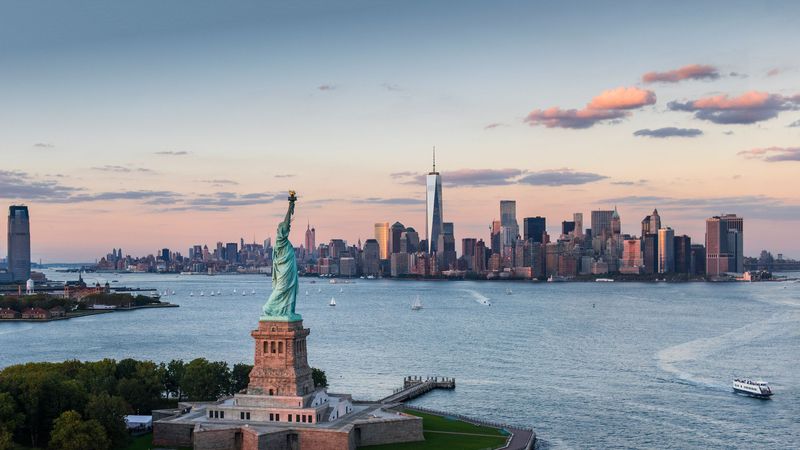
A ferry ride across New York Harbor brings a famous symbol of hope into view. France gave the Statue of Liberty to the United States, and it was dedicated in 1886.
Use the authorized ferry service and reserve early if you want pedestal or crown access. Security checks take time, so avoid packing your schedule too tightly.
Pair the visit with Ellis Island to learn about immigrants whose journeys helped shape American life across many generations.
7. Colosseum, Italy: Inside Rome’s Ancient Arena
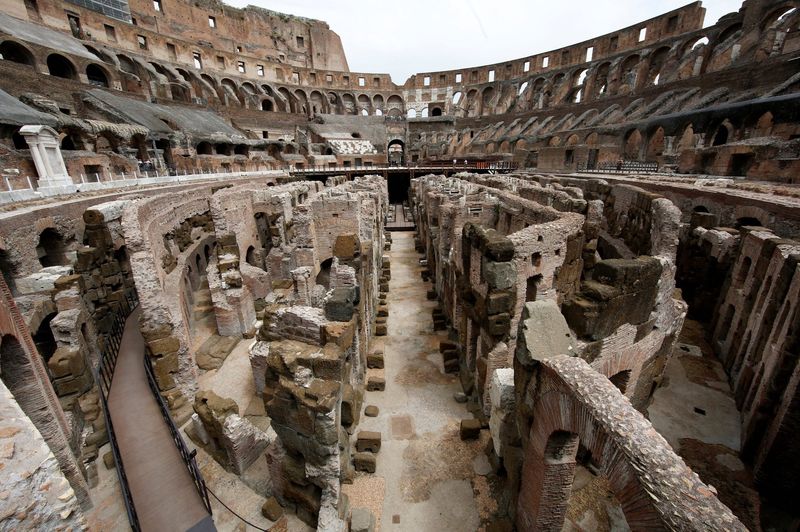
The roar of ancient crowds seems almost within reach inside Rome’s great arena. Opened in AD 80, the Colosseum hosted public shows, including gladiator contests, that reveal both Roman skill and harsh entertainment.
Buy tickets from the official seller and check which areas your booking includes. Underground access usually needs a specific ticket or tour.
Combine your stop with the nearby Roman Forum, and wear comfortable shoes for a day of uneven stone paths and stairs.
8. Sydney Opera House, Australia: Sails Beside the Harbour
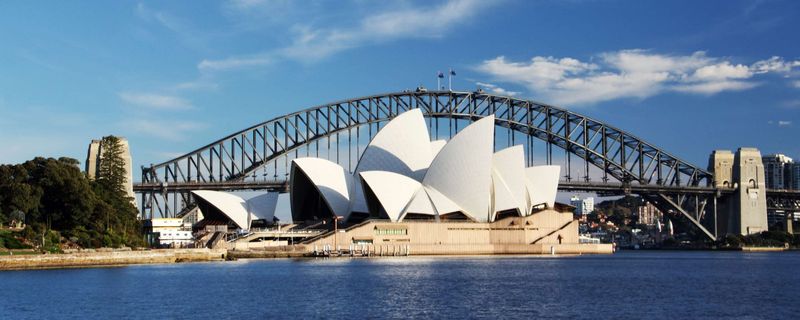
White roof shells seem ready to sail across Sydney Harbour. Designed by Danish architect Jørn Utzon, the Sydney Opera House opened in 1973 and remains a working home for music, theater, and dance.
You do not need a performance ticket to enjoy the waterfront setting. However, a guided tour reveals stories hidden behind its famous shape.
Walk toward the Royal Botanic Garden afterward for another angle, or take a ferry for views directly from the water.
9. Grand Canyon, USA: A Landscape Beyond Its Photos
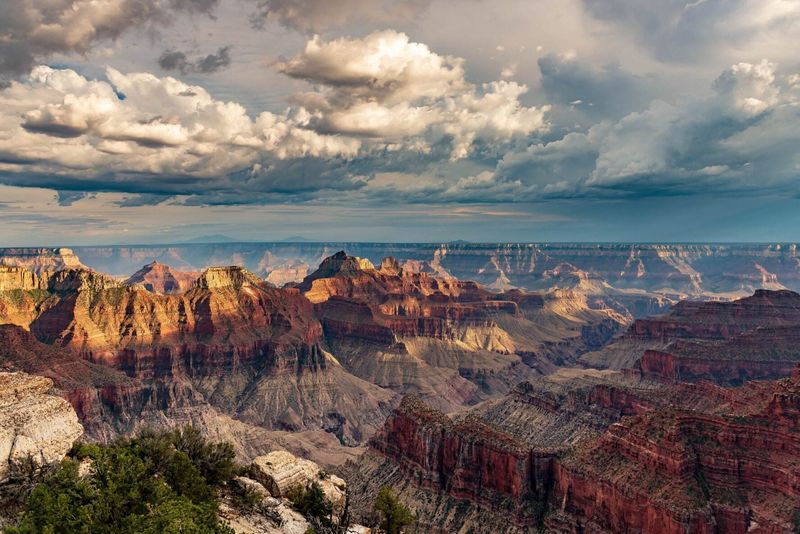
No photograph quite prepares you for the canyon’s size. Layers of red, orange, and brown rock stretch toward the horizon, recording a long history that the Colorado River helped uncover.
The South Rim offers many viewpoints and services, making it a useful starting point. Catch sunrise or sunset for changing colors, but stay well back from edges.
Carry more water than you expect to need, and remember that climbing uphill is harder than walking down trails.
10. Christ the Redeemer, Brazil: Rio From Above
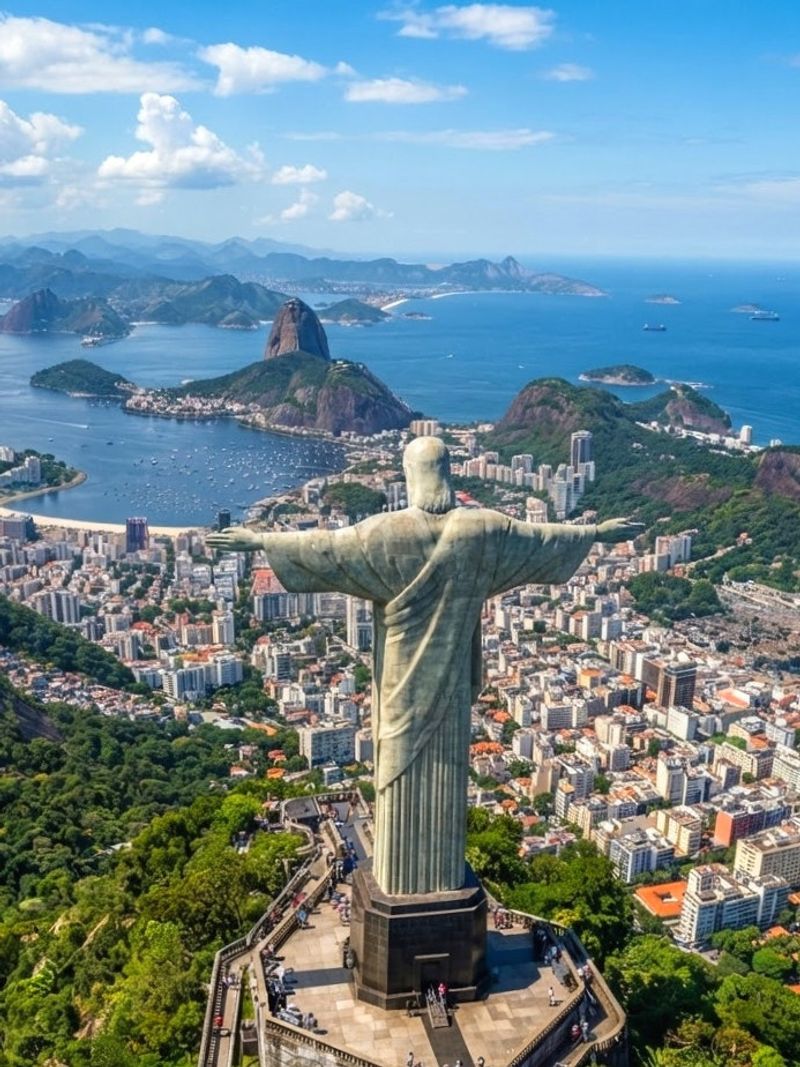
High above Rio de Janeiro, outstretched arms frame a city of beaches, mountains, and blue water. Christ the Redeemer has stood on Corcovado mountain since 1931, becoming one of Brazil’s best known symbols.
Choose a clear day, because clouds can hide both the statue and the view. Book an authorized train or van service rather than trusting street offers.
Early visits may feel less crowded, leaving more room to enjoy the sweeping city scene below you.
11. Angkor Wat, Cambodia: Stone Towers at First Light
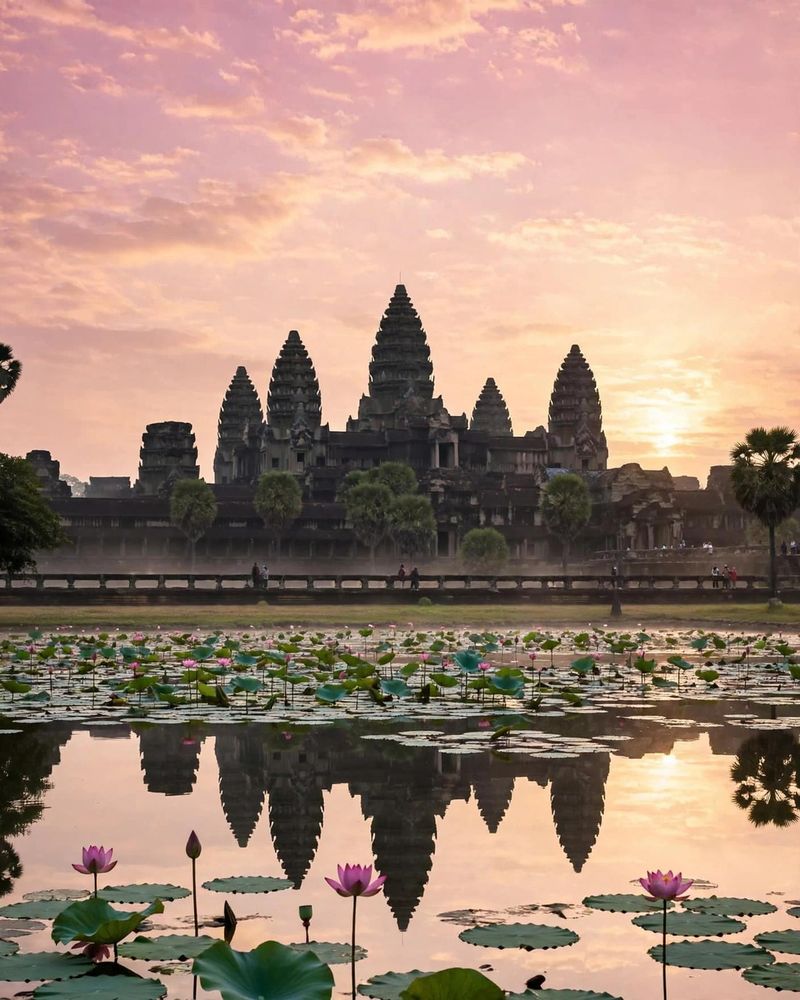
Before sunrise, a row of lotus shaped towers appears against the brightening sky. Angkor Wat began as a Hindu temple in the twelfth century and later became an important Buddhist site.
Stay in nearby Siem Reap and allow time for more than one temple. Cover shoulders and knees, bring water, and treat active worship areas respectfully.
A local guide can explain carved scenes and Khmer history, turning beautiful stone walls into stories you can understand and remember.
12. Santorini, Greece: Villages Above a Volcanic Bay
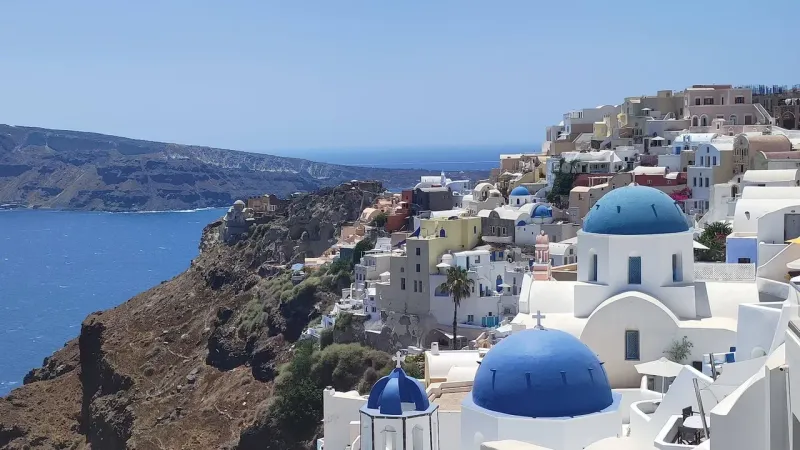
Blue domes and white houses perch above a bay shaped by volcanic eruptions. Santorini’s cliffside villages offer views that have made this Greek island famous, but its history reaches far beyond sunset photos.
Explore the ancient site of Akrotiri or visit a beach with dark volcanic sand. Spring and autumn often bring milder weather than summer.
Expect stairs and steep lanes, and choose accommodation carefully if walking uphill or carrying luggage could make your stay difficult.
13. Petra, Jordan: A City Revealed Through Stone
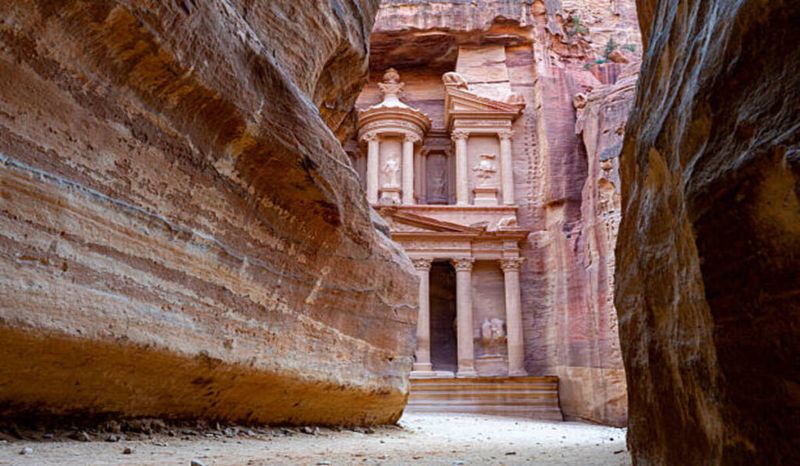
A narrow gorge builds suspense until a carved stone front suddenly fills your view. Petra’s famous Treasury is only the beginning of this ancient Nabataean city, where tombs and paths spread across desert hills.
Start early, wear sturdy shoes, and bring plenty of drinking water. Distances are greater than many visitors expect, especially if you plan to reach the Monastery.
Stick to official trails and avoid risky photo spots, even when someone promises a better view.
14. Great Barrier Reef, Australia: A World Beneath the Waves
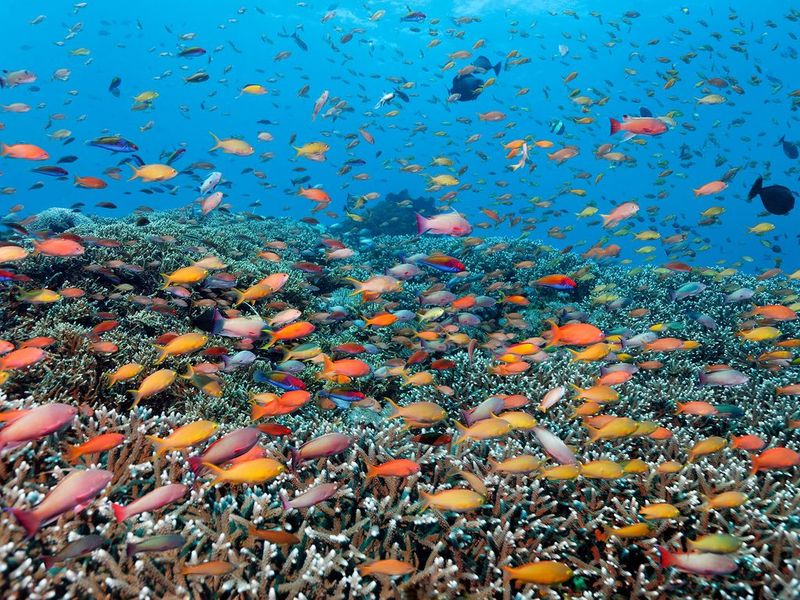
Beneath clear tropical water, fish weave through coral shapes like visitors in a living city. Australia’s Great Barrier Reef contains thousands of separate reefs and supports an extraordinary variety of marine life.
Choose a responsible tour operator that explains reef protection and safe snorkeling. Never stand on coral, touch wildlife, or leave rubbish behind.
Conditions vary with weather and location, so ask about visibility and swimming requirements before booking, especially if you are new to snorkeling.
15. Kyoto, Japan: Quiet Moments and Living Traditions
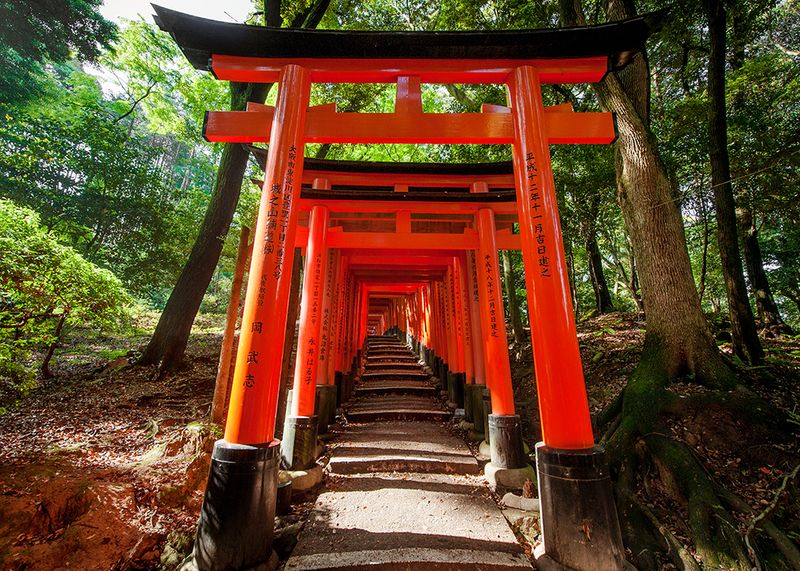
Listen for footsteps on a quiet lane, then notice a temple roof beyond the trees. Kyoto rewards travelers who slow down, with gardens, wooden buildings, and traditions shaped over centuries as Japan’s former capital.
Visit major sights early and add smaller neighborhood stops between them. At Fushimi Inari, walking farther uphill often leads to calmer stretches of red gates.
Respect photography rules, avoid blocking narrow streets, and never chase or stop geiko and maiko for pictures.
16. Venice, Italy: Finding Your Way by Water
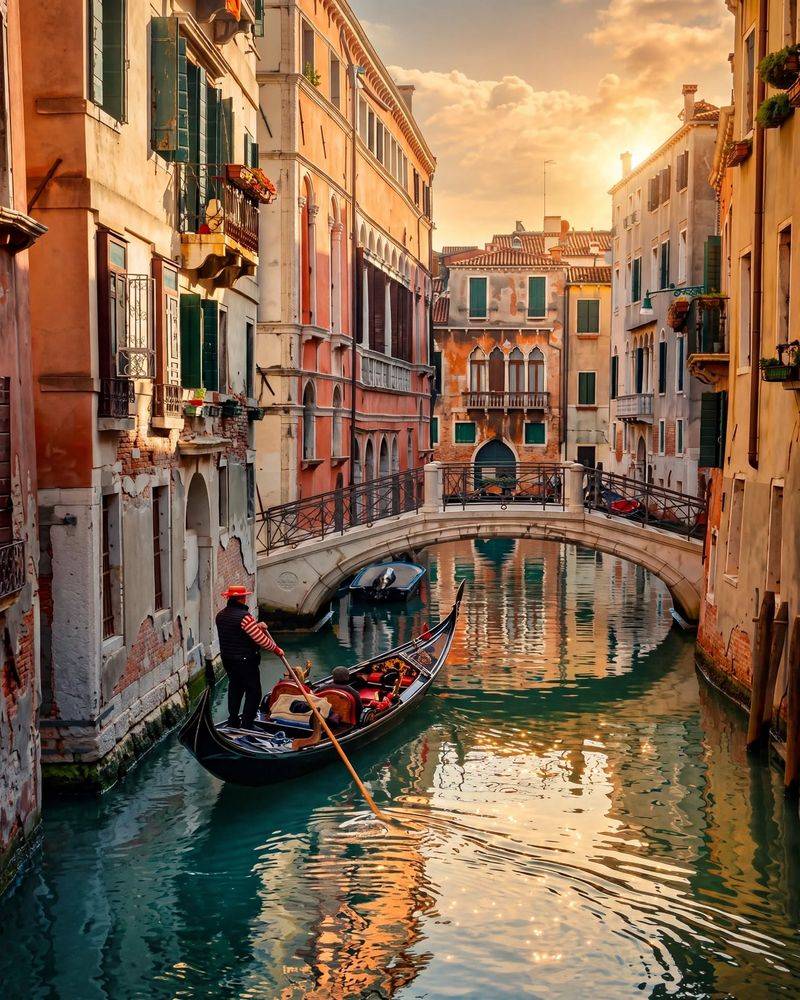
Getting a little lost can be part of the pleasure in Venice. Canals replace many streets, bridges link small neighborhoods, and grand buildings recall the city’s long history as a powerful trading center.
Use public water buses for practical travel, and explore quieter lanes beyond Saint Mark’s Square. Pack lightly because bridges often mean stairs.
Check official visitor rules before arrival, including whether an access fee applies to your date and type of visit that day.
17. Mount Everest, Nepal: Meeting the Himalayan Giant
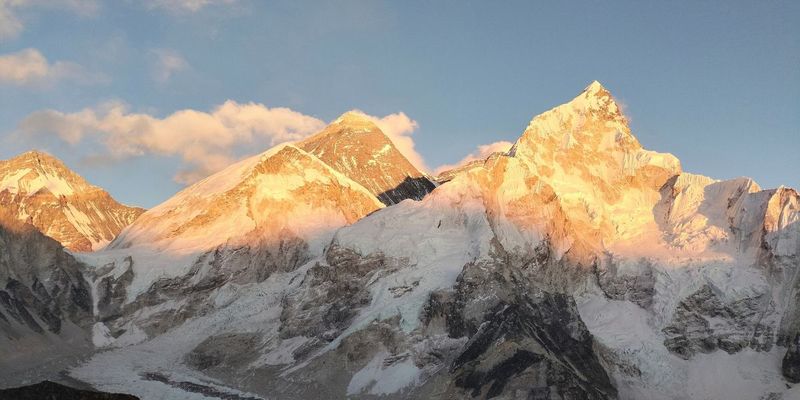
The world’s highest mountain inspires awe long before anyone reaches its slopes. Everest stands on the border of Nepal and China, and Nepal’s trekking routes offer ways to experience the surrounding Himalayas without attempting the summit.
A base camp trek is still a serious challenge that needs training, permits, and careful planning. Build in rest days to adjust to altitude, and learn warning signs of illness.
Choose qualified local support and insurance that covers your planned activities.
18. Cappadocia, Turkey: Balloons Above a Carved Landscape
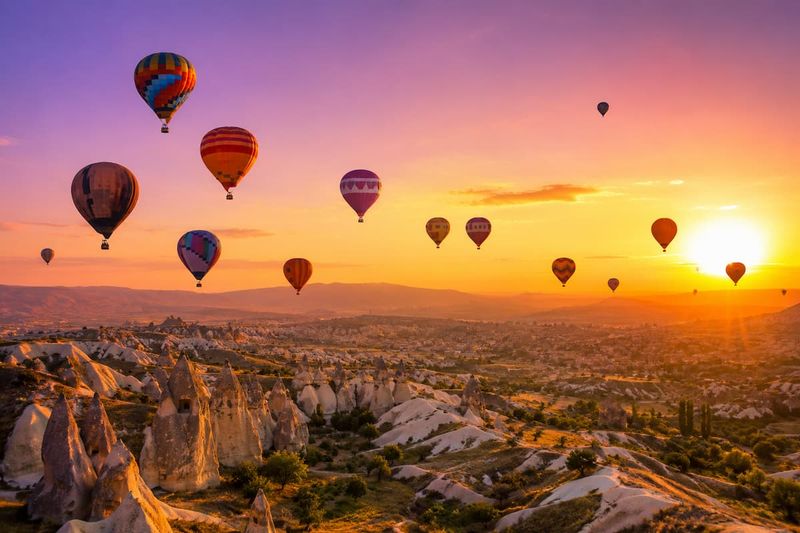
At dawn, colorful balloons can float above valleys filled with strange stone towers. Cappadocia’s fairy chimneys formed as erosion shaped volcanic rock, while people carved homes, churches, and shelters into the soft landscape.
A balloon flight depends on safe weather, so leave spare mornings in your schedule. Compare licensed operators rather than choosing only by price.
Back on the ground, explore marked valley trails and historic cave sites for a richer visit beyond the famous sunrise photographs.