
Most people know nasi lemak and satay, but Malaysia hides many more tasty treats on its busy street corners. From night markets in Penang to roadside stalls in Kelantan, cooks make dishes that families have loved for generations.
Many of these foods are slowly disappearing as older hawkers retire. Learning about them is a fun way to explore a culture and maybe find your new favorite snack.
1. Apam Balik
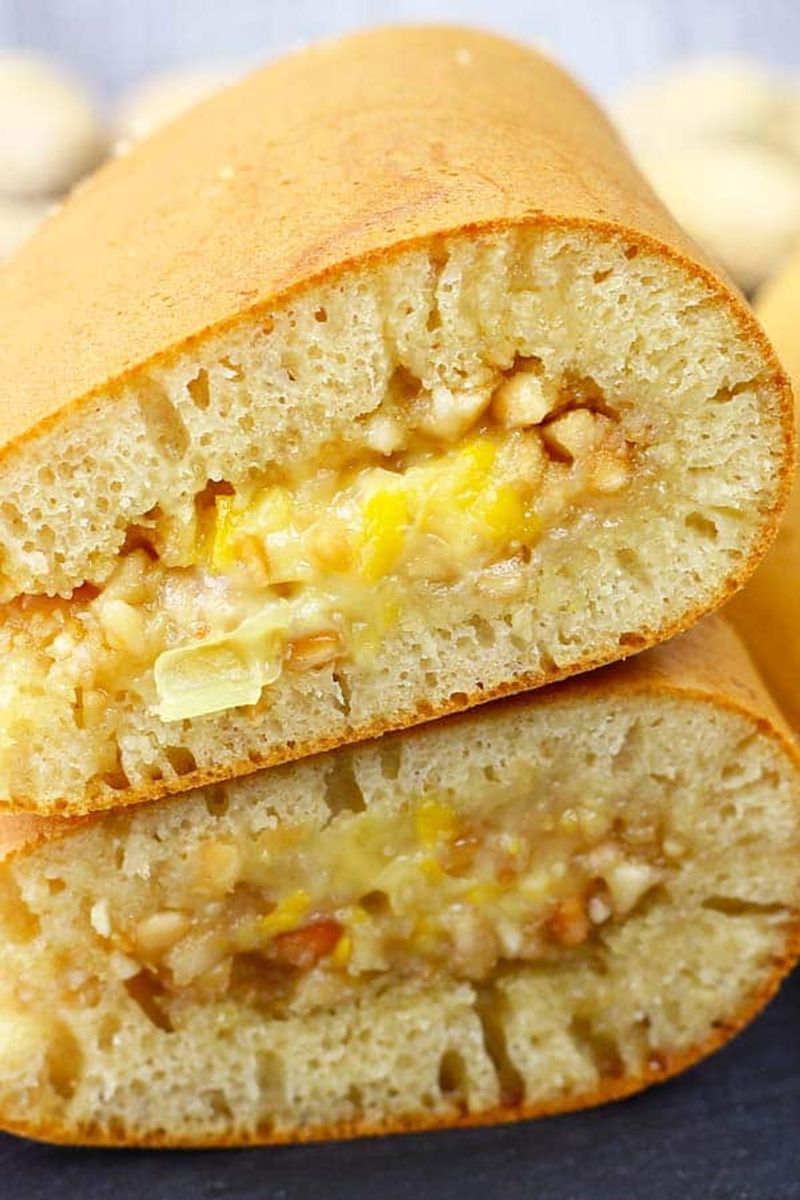
Picture a giant pancake folded over a sweet pile of crushed peanuts, sugar, and creamed corn. Apam balik is cooked in a heavy round pan until the edges turn golden and crunchy.
Some stalls sell a thin, crispy version, while others make it thick and fluffy. Both are worth trying.
Tip: buy it fresh and eat it right away. The crispy kind goes soft quickly, so do not save it for later.
2. Rojak Buah
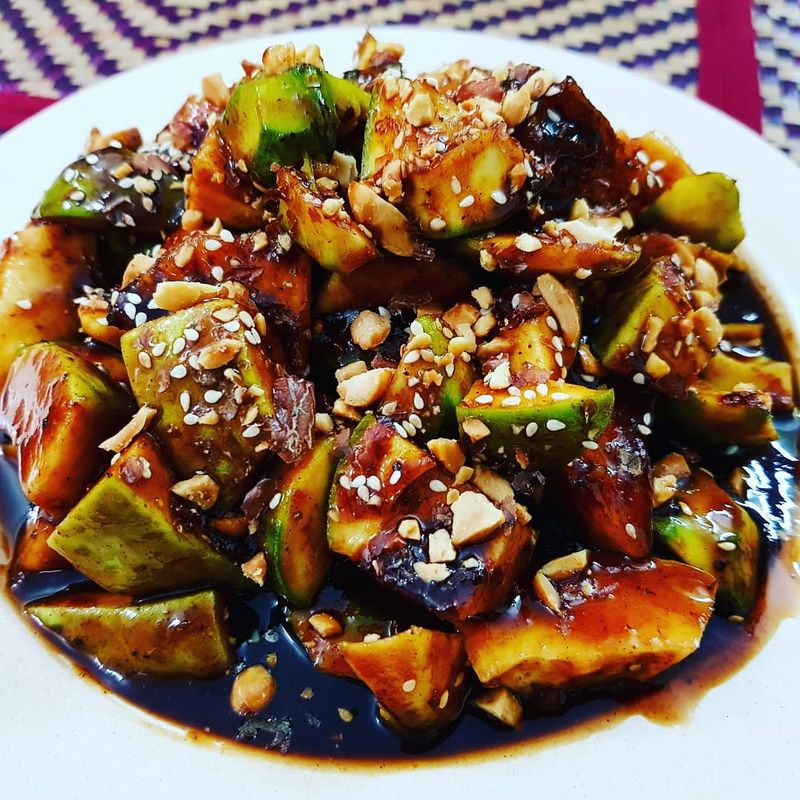
Fruit salad, but make it wild. Rojak buah mixes pineapple, cucumber, jicama, and green mango with a sticky black sauce made from shrimp paste, sugar, and lime.
That might sound strange, yet the sweet, salty, and sour flavors work together beautifully. A sprinkle of crushed peanuts adds crunch on top.
Ask the seller for extra sauce if you love bold flavors. Many locals say the sauce is the real star of the show.
3. Putu Piring
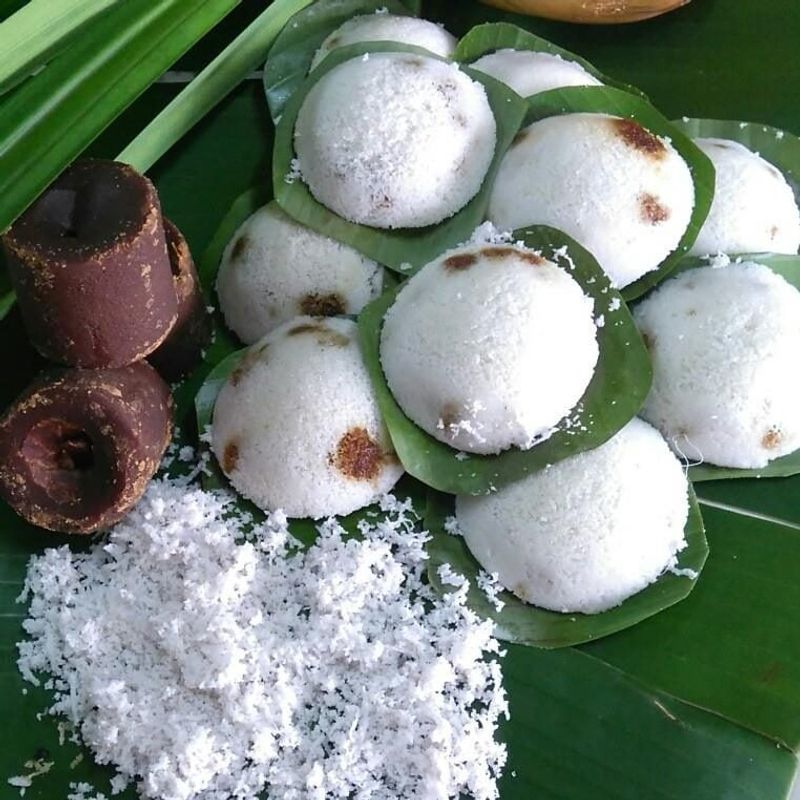
Grandmothers across Malaysia have fond memories of putu piring. These small round rice cakes are steamed in little molds and stuffed with melted palm sugar called gula melaka.
Each one comes served on a piece of pandan or banana leaf with fresh grated coconut on the side.
Bite carefully, because the hot sugar inside can drip. Locals usually buy a pack of five or more, since one is never quite enough.
4. Lok Lok
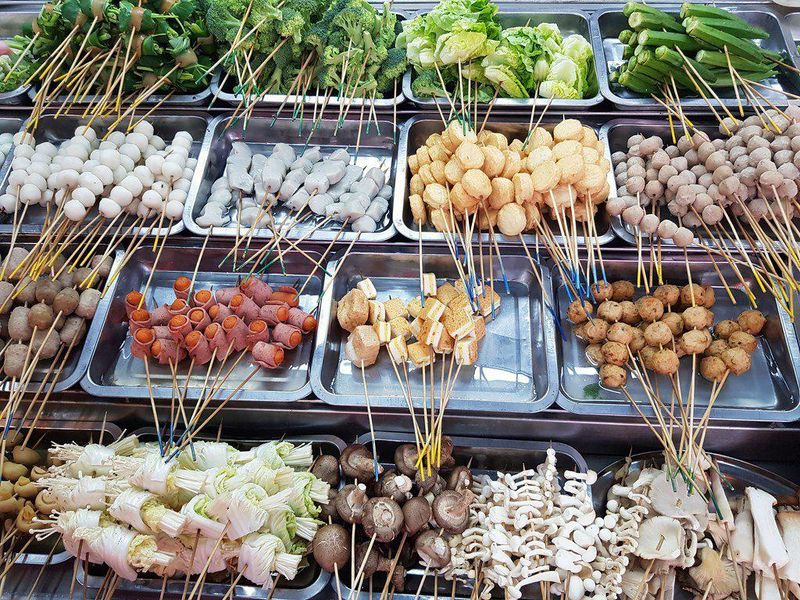
Ever cooked your own snack at a food truck? At a lok lok van, you pick colorful skewers of fish balls, tofu, sausages, and veggies.
Then you dip them into a bubbling pot of hot water or oil. Once cooked, you drown them in sauces like sweet chili, satay peanut, or spicy sambal.
Payment works by counting your sticks, which are color coded by price. It feels a bit like a game.
5. Ramly Burger
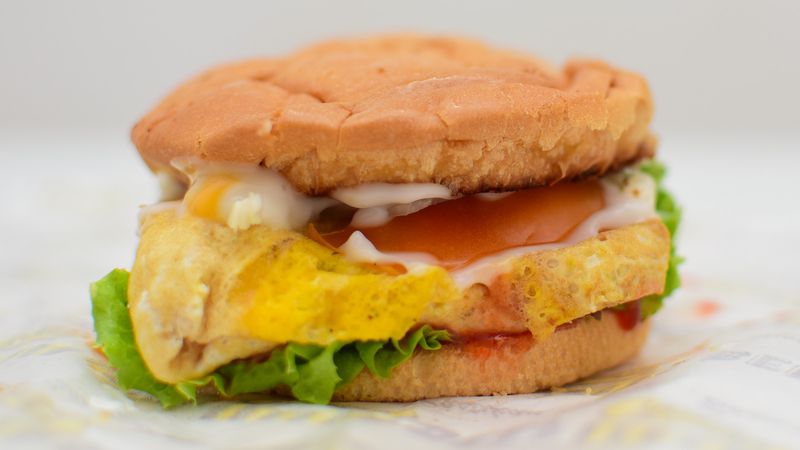
Forget fancy fast food chains. Malaysia has its own burger legend, and it comes wrapped in an egg.
The Ramly burger features a juicy patty tucked inside a thin omelet, then covered in mayo, ketchup, chili sauce, and a dash of Maggi seasoning. Stalls pop up after sunset across the country.
Fun fact: Ramly is a local brand that started in the 1980s. Today, its burgers are a beloved late night ritual.
6. Cendol
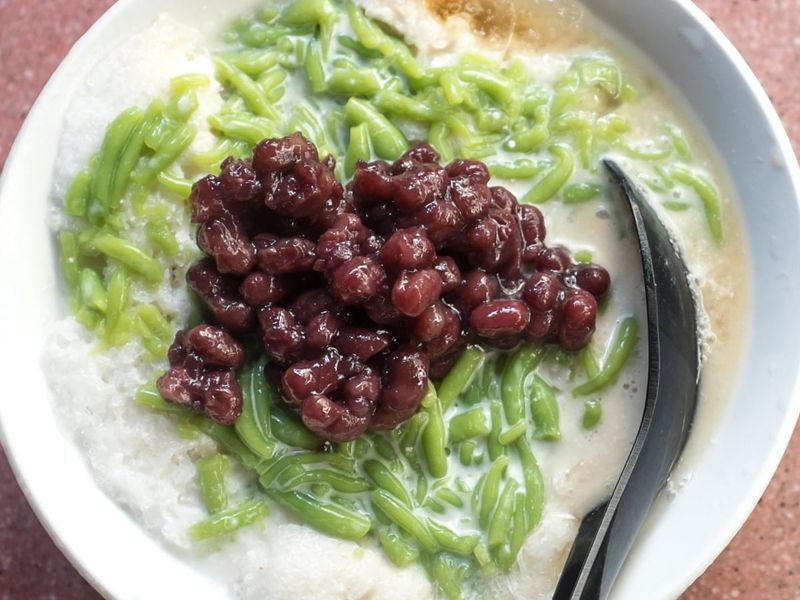
On a scorching afternoon in Melaka, nothing beats a bowl of cendol. Shaved ice gets piled high and topped with green pandan jelly strands, creamy coconut milk, and rich palm sugar syrup.
Some versions add red beans or sweet corn for extra texture.
Look for stalls with long lines. That usually means the coconut milk is fresh and the gula melaka is the real deal, not cheap syrup.
7. Murtabak
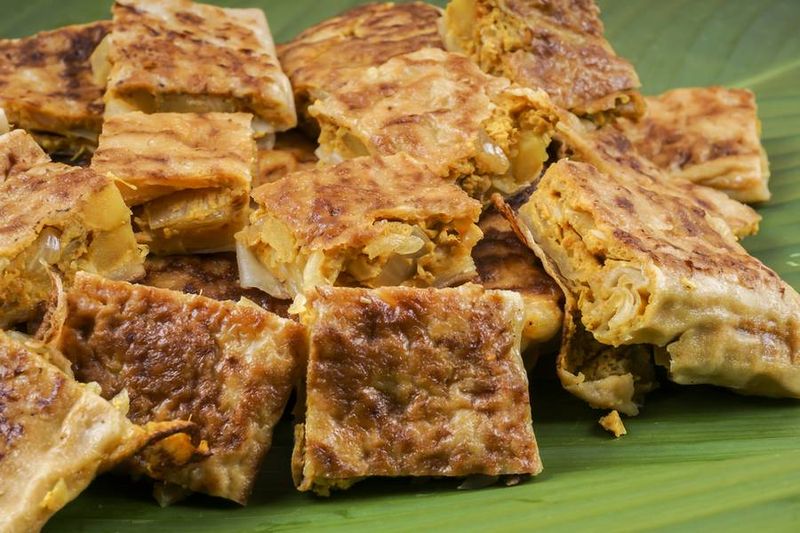
Think of murtabak as a pancake that went to the gym. Cooks stretch thin dough, fill it with minced meat, egg, and onions, then fold it into a thick square.
It gets fried on a hot griddle until crispy outside and soft inside. A side of curry and pickled onions comes with it.
During Ramadan bazaars, murtabak stalls get extra busy. Go early before they sell out completely.
8. Pisang Goreng
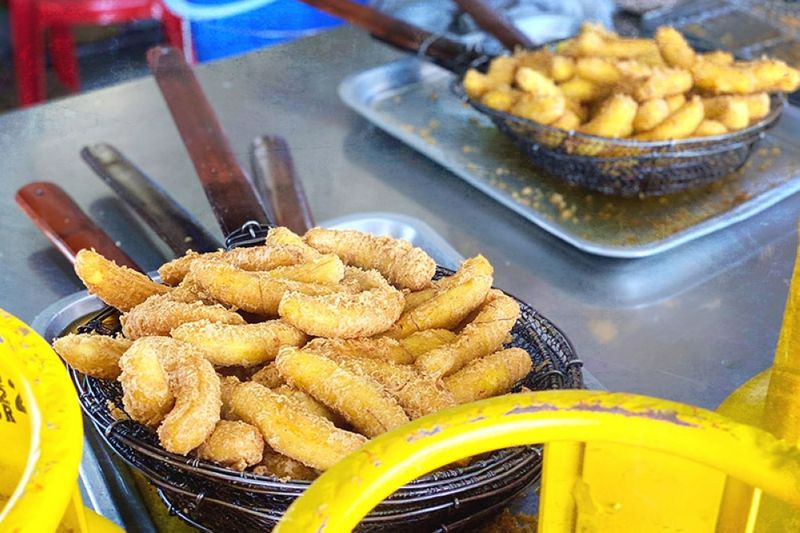
The smell of frying bananas drifts down many Malaysian streets every afternoon. Pisang goreng are banana fritters dipped in batter and fried until crunchy and golden.
The best ones use a local banana called pisang raja, which turns sweet and gooey when cooked.
Some modern stalls now serve them with cheese or chocolate sauce. Try the plain version first, though.
Simple is sometimes the most delicious choice.
9. Char Kuey Teow
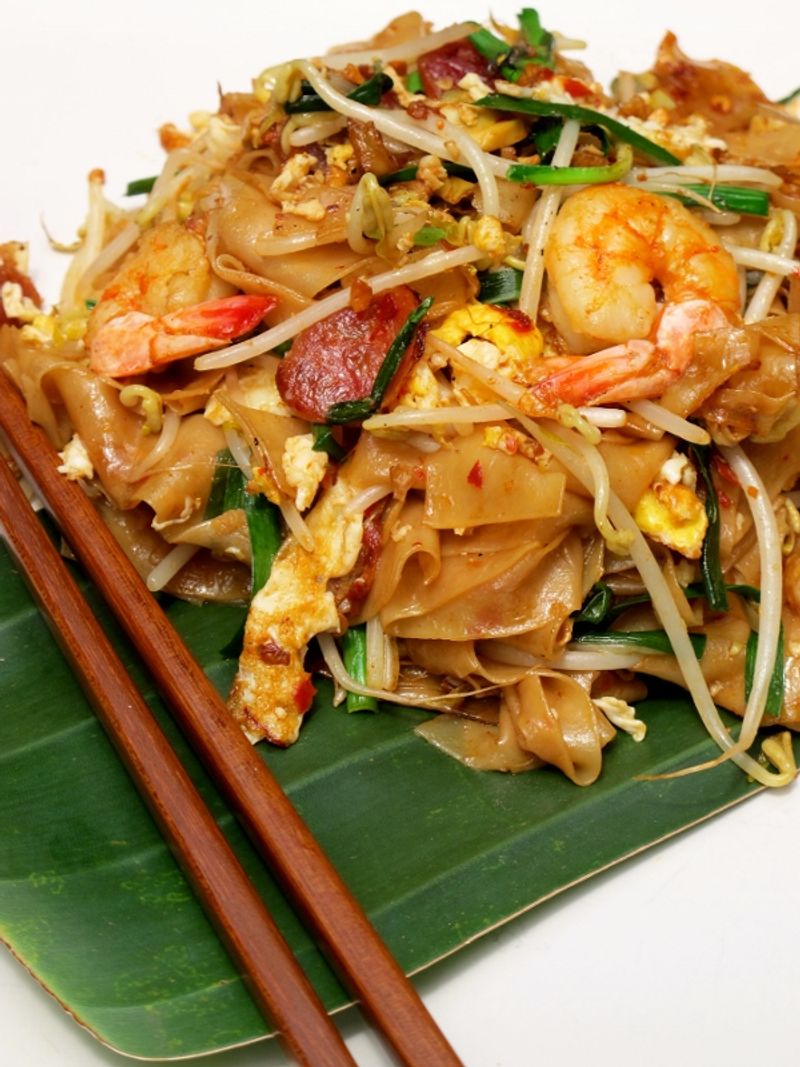
A great plate of char kuey teow depends on one thing: fire. Penang hawkers toss flat rice noodles in a blazing wok with prawns, cockles, egg, and bean sprouts.
The high heat creates a smoky taste locals call wok hei, which means breath of the wok.
Many old masters still cook over charcoal. If you see one, grab a seat and order a plate.
You will understand the hype.
10. Kuih Kapit
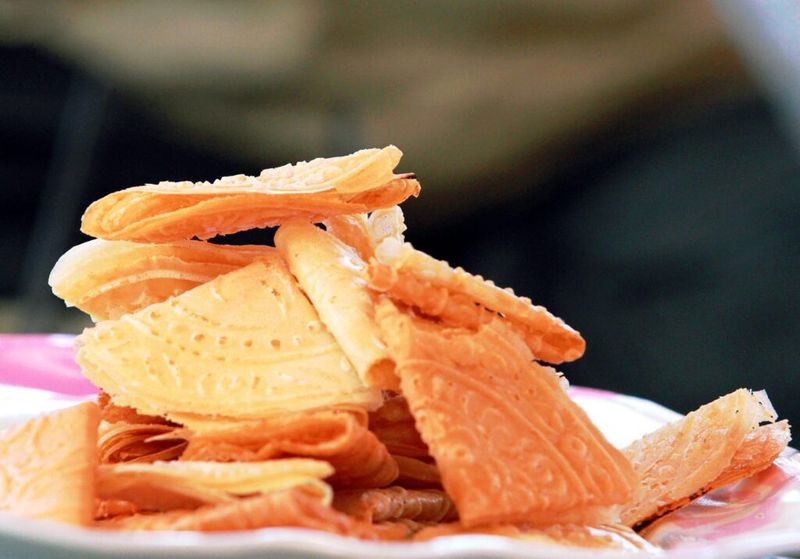
Nicknamed love letters, kuih kapit are thin crispy rolls folded like little notes. Makers pour batter onto patterned iron molds and cook them over hot coals.
The result is a delicate wafer that snaps when you bite it.
Families often make them together before Chinese New Year and Hari Raya. Watching the process feels like stepping back in time.
Store them in an airtight tin so they stay crunchy for weeks.
11. Air Batu Campur
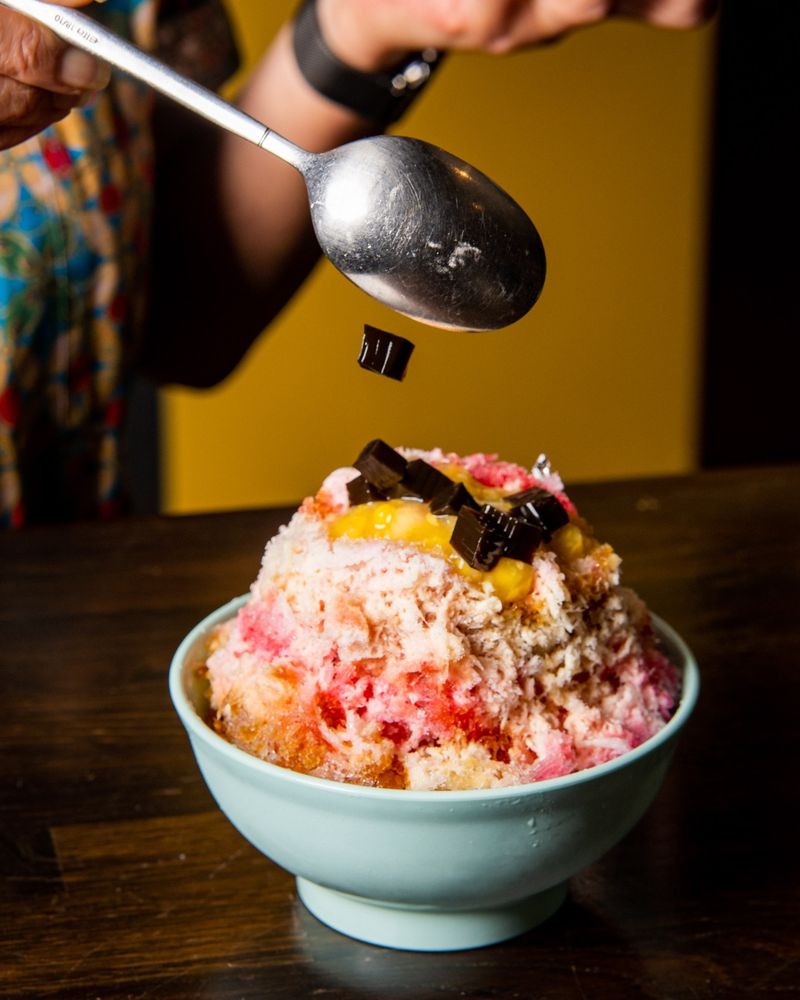
Kids in Malaysia simply call it ABC. Air batu campur means mixed ice, and it truly lives up to its name.
Under a mountain of shaved ice hide sweet corn, red beans, grass jelly, and attap seeds. Bright rose syrup and condensed milk get drizzled over the top, sometimes with a scoop of ice cream.
Eat it fast on a sunny day. Otherwise, you will end up with a colorful sweet soup.
12. Satay Celup
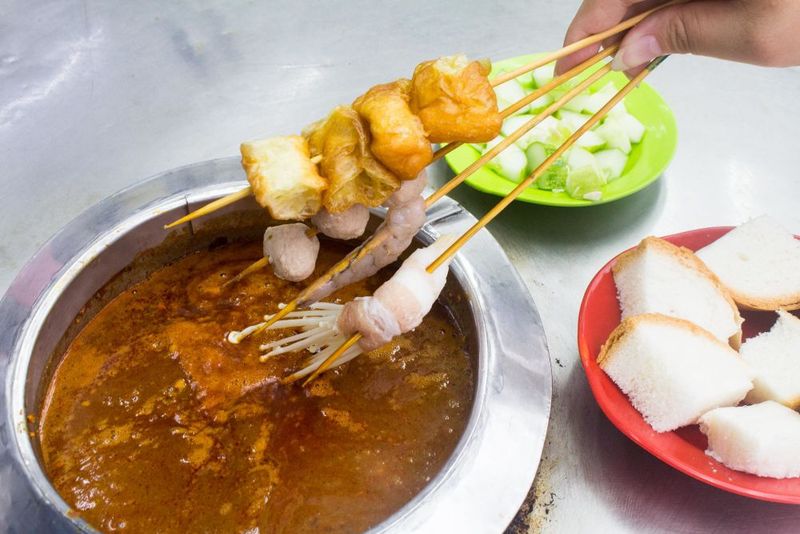
Melaka gave the world a fun twist on satay. Instead of grilling, diners dip raw skewers into a bubbling pot of spicy peanut sauce right at their table.
Choices include prawns, quail eggs, mushrooms, and fish cakes.
Here is a handy trick: stir the sauce often so it does not burn at the bottom. Locals treat satay celup as a social meal, so bring friends and share the pot.
13. Nasi Kerabu
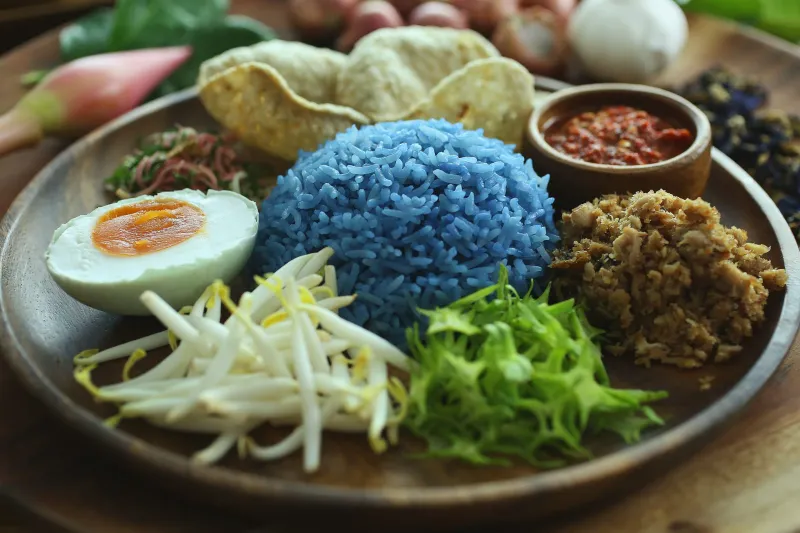
Blue rice? Yes, really.
Nasi kerabu from Kelantan gets its striking color from butterfly pea flowers.
The rice comes with fresh herbs, shredded coconut, fried fish or chicken, salted egg, and crunchy crackers. Everything gets mixed together with a spicy sauce called budu.
It looks almost too pretty to eat. Still, digging in is the best part.
Visit the east coast to taste the most authentic version.
14. Keropok Lekor
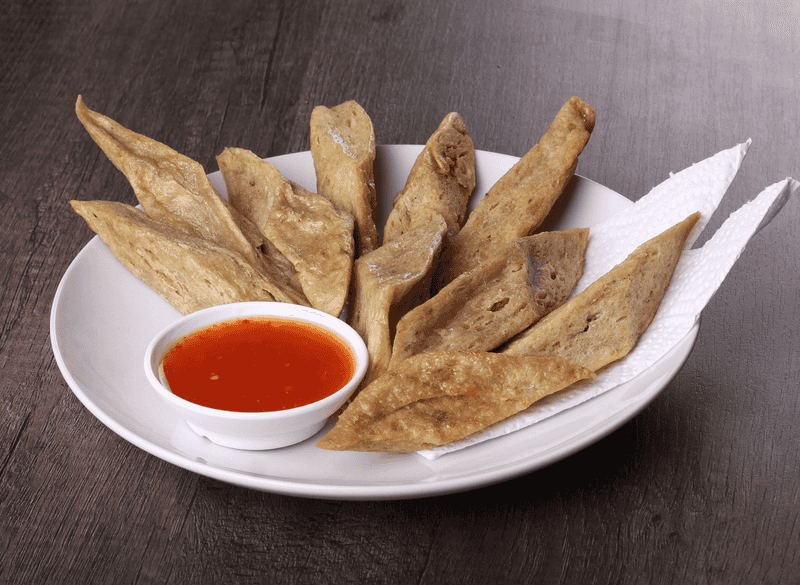
Terengganu fishermen created a clever snack from leftover fish. Keropok lekor are long chewy sticks made from fish and sago flour, then boiled and fried.
They are sliced and dunked into sweet and spicy chili sauce.
Along the east coast, stalls line the beach roads selling them by the bag. The texture is soft and bouncy, a bit like a fishy pretzel.
Once you start snacking, stopping gets tricky.
15. Roti John
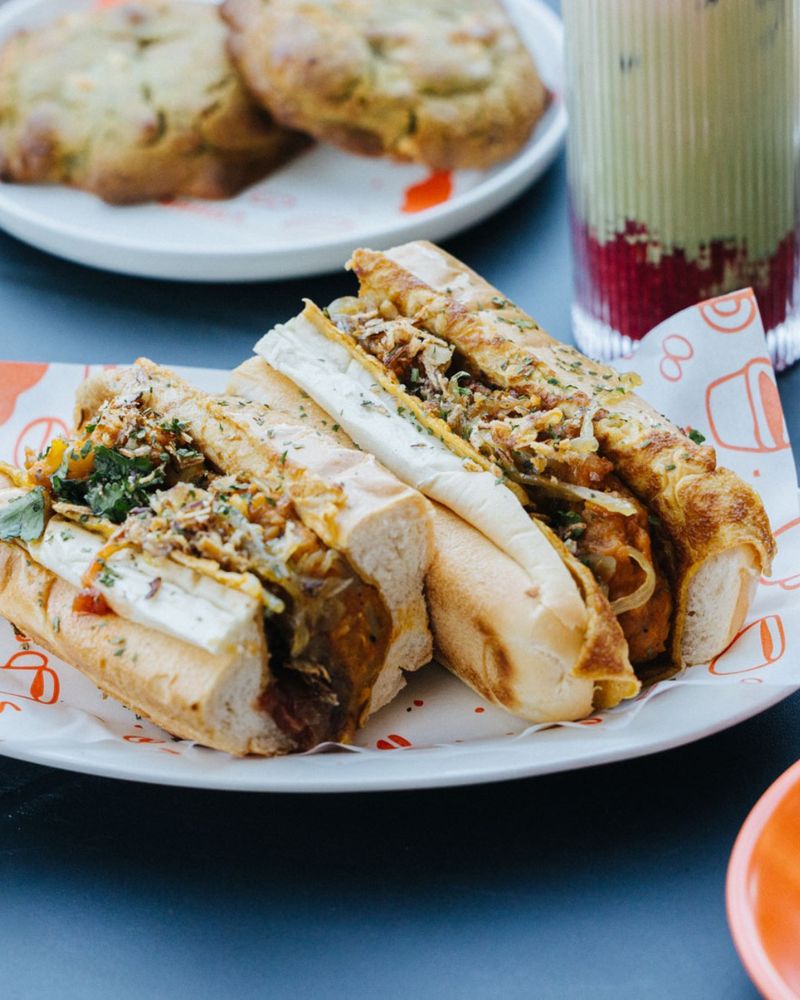
Legend says roti John got its name when a local cook made a sandwich for an English customer named John.
Today it is a long baguette fried with a layer of egg, onions, and minced meat. The bread gets crispy, then smothered in mayo and chili sauce.
It is big enough to share with two or three people. Night markets and Ramadan bazaars sell the tastiest ones.
16. Chee Cheong Fun
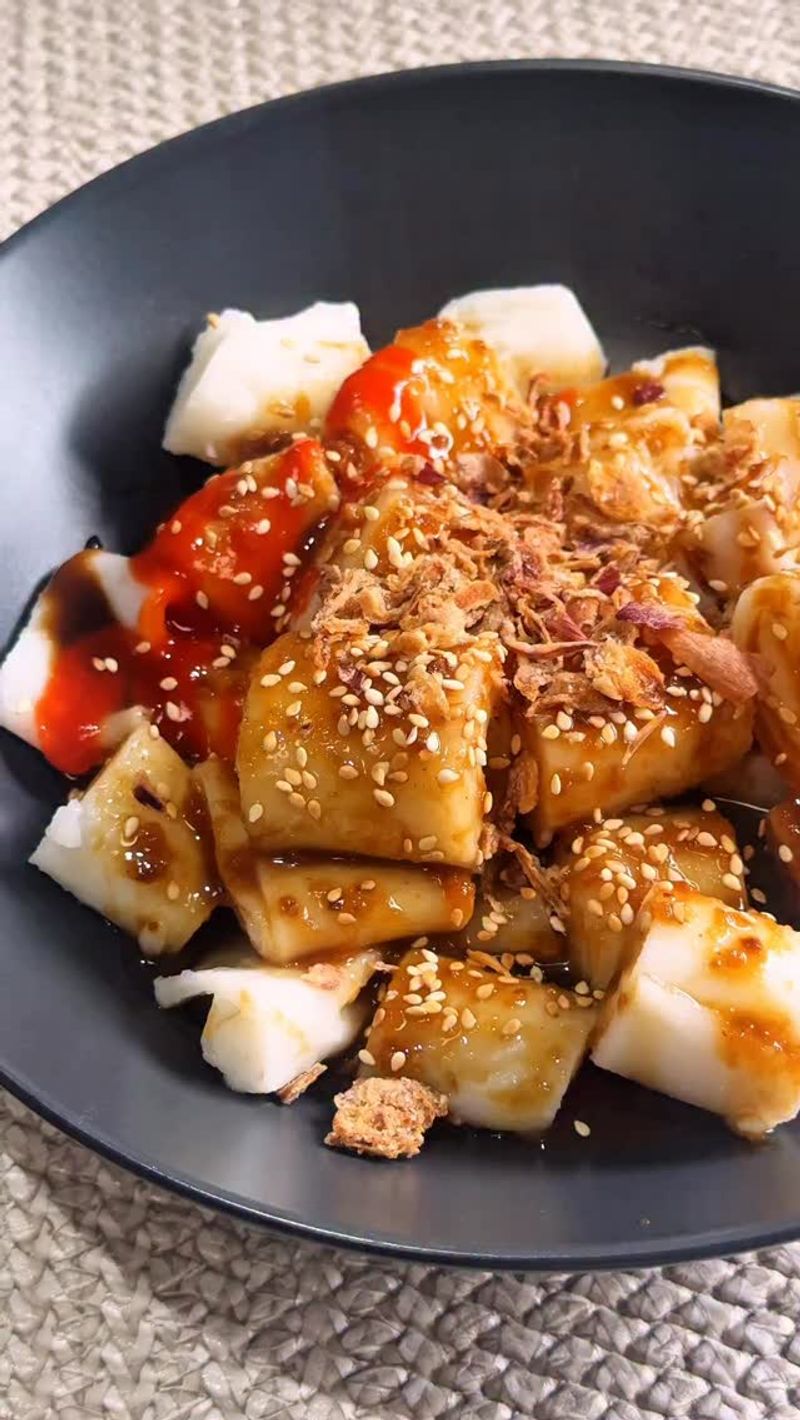
Silky, soft, and slippery, chee cheong fun are steamed rice noodle rolls loved for breakfast. In Penang, they come with sweet black shrimp paste sauce.
Ipoh stalls serve them with mushroom gravy and pickled green chilies instead.
Every region seems to have its own style, which makes tasting them around the country a fun quest. They are cheap, filling, and gentle on the stomach.
Perfect for starting a busy day.
17. Laksa Penang
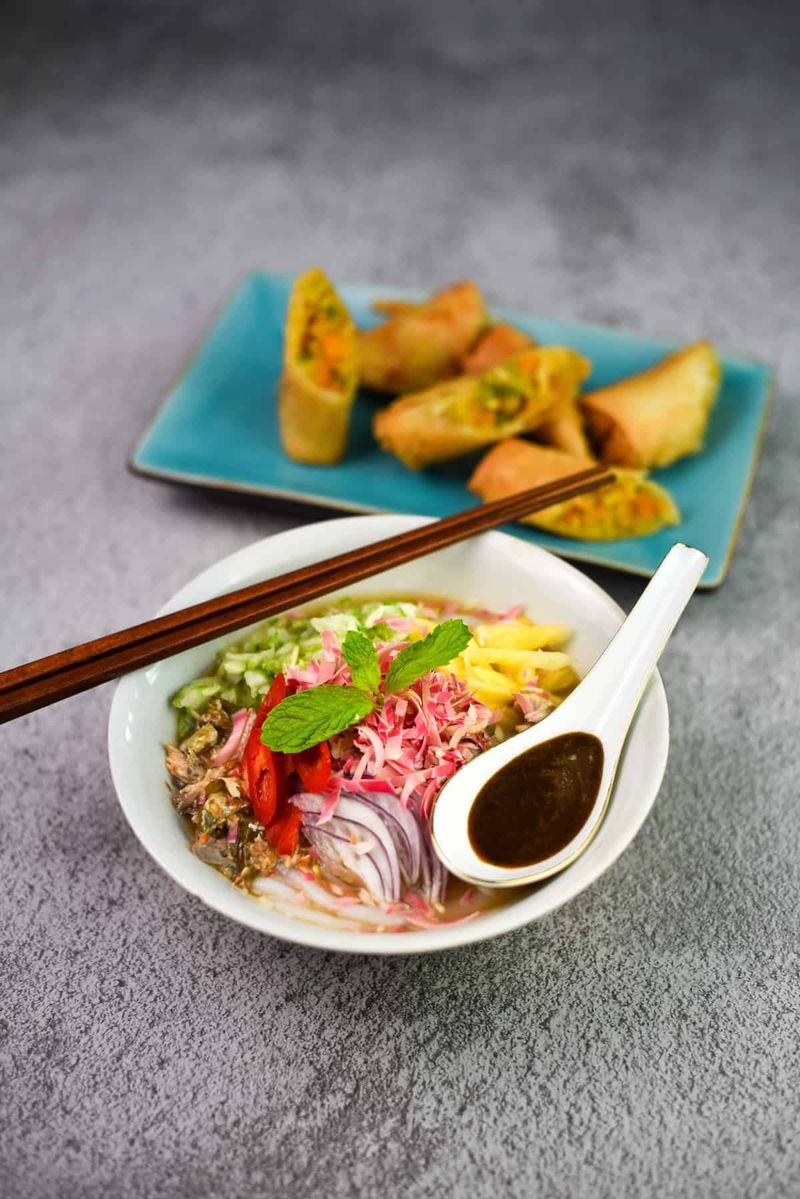
Sour, spicy, and fishy all at once, Penang assam laksa surprises first timers. The broth is made from mackerel and tamarind, giving it a tangy kick.
Thick rice noodles swim inside, topped with mint, pineapple, cucumber, and onions.
A spoonful of sticky prawn paste on top ties it all together. CNN once ranked it among the most delicious foods in the world.
Not bad for a humble street dish.
18. Kuih Lopes
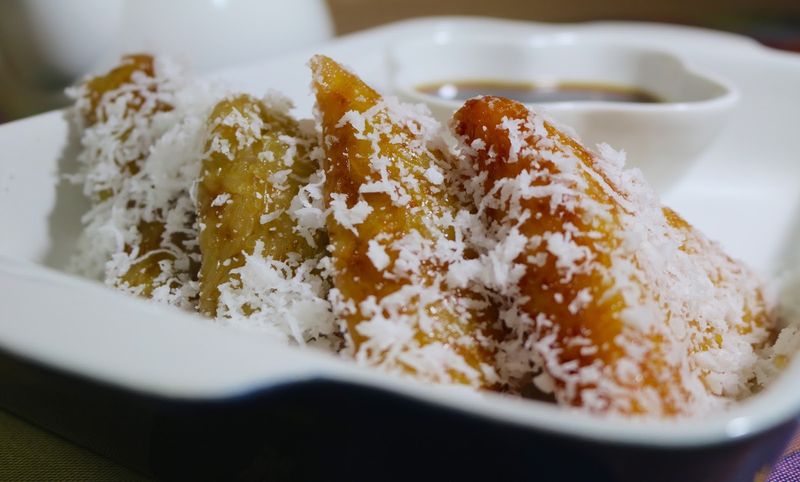
Sticky and sweet, kuih lopes are triangle shaped glutinous rice cakes. Traditionally, they are wrapped in banana leaves and boiled for hours.
After unwrapping, the cakes get rolled in fresh coconut and soaked in thick palm sugar syrup.
They are rarely found outside local markets these days. When you spot them, snap them up quickly.
Bring a napkin too, because that syrup gets everywhere and fingers will become very sticky.
19. Otak-Otak
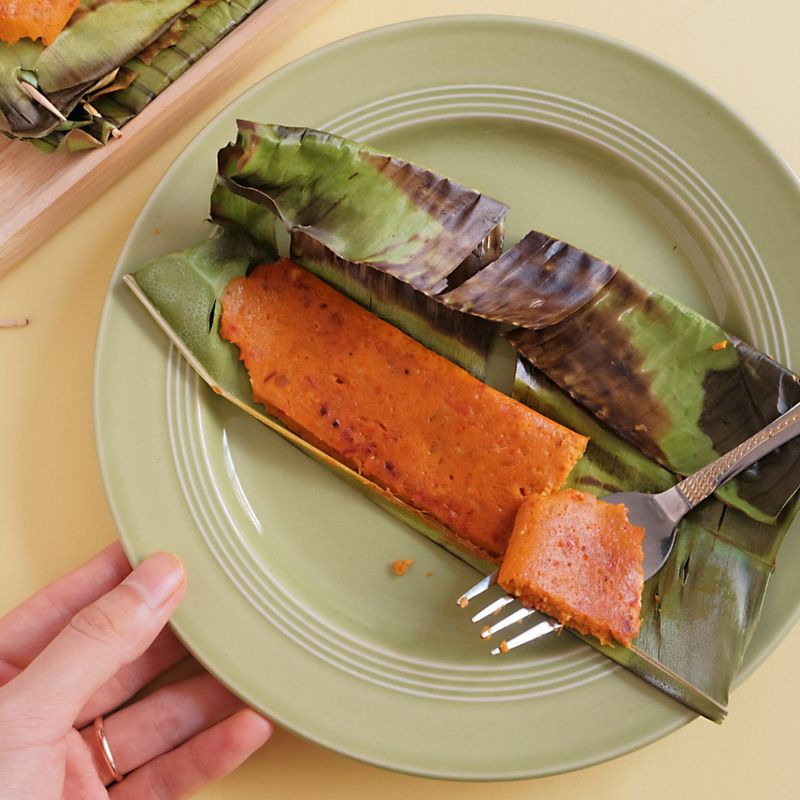
Despite its funny name, which means brains, otak-otak contains no brains at all. It is actually spiced fish paste wrapped in banana or coconut leaves.
Hawkers grill the little parcels over charcoal until smoky and fragrant.
The town of Muar in Johor is famous for its version. Peel back the leaf and eat it with plain bread or rice.
Kids often like it because it is soft and mildly spicy.
20. Apam Johol
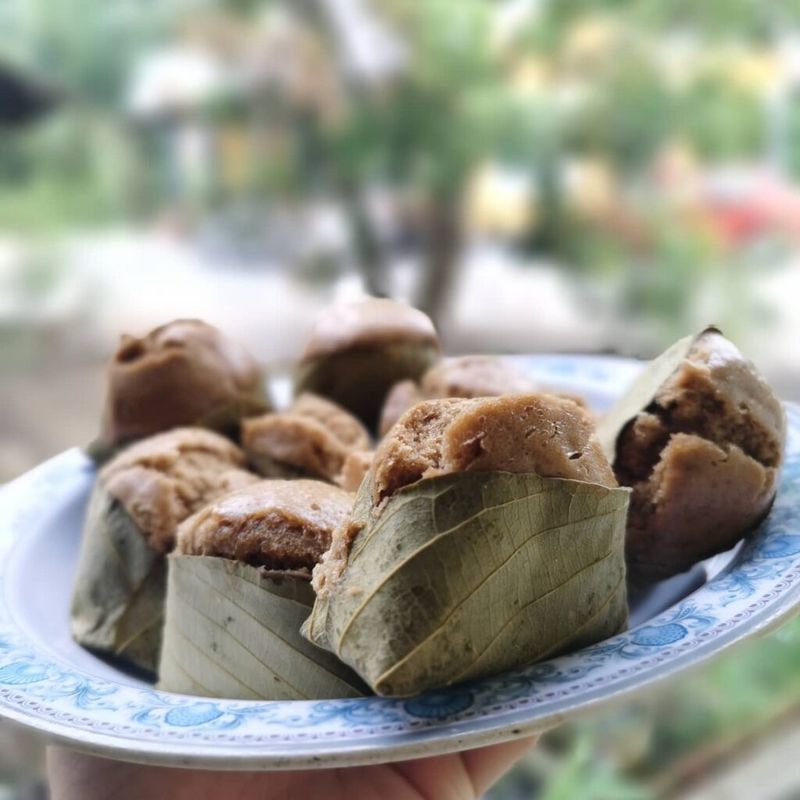
Small towns often guard the best secrets. In Negeri Sembilan, villagers make fluffy steamed rice cakes known as apam, flavored with palm sugar or pandan.
They are light, spongy, and not too sweet.
Many recipes are passed down only by word of mouth. That is why supporting village stalls matters.
Your purchase helps keep these old cooking traditions alive for the next generation of food lovers.
21. Popiah
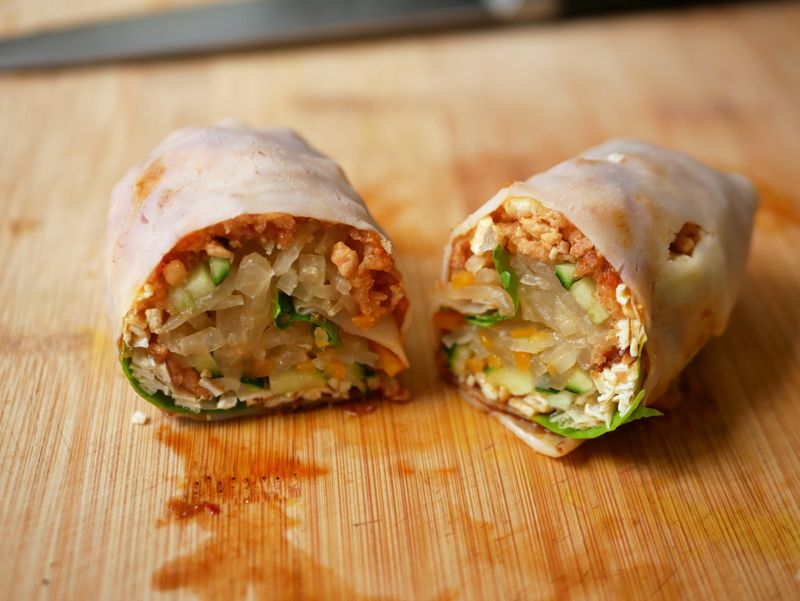
Not every spring roll needs to be fried. Popiah is a fresh roll made with a thin flour wrapper and stuffed with cooked jicama, egg, bean sprouts, and lettuce.
Sweet sauce and chili paste add flavor, while crushed peanuts give crunch.
Watching hawkers roll them quickly is pretty satisfying. Order a few pieces as a light lunch.
They pair nicely with a cold glass of sugarcane juice.
22. Air Tebu
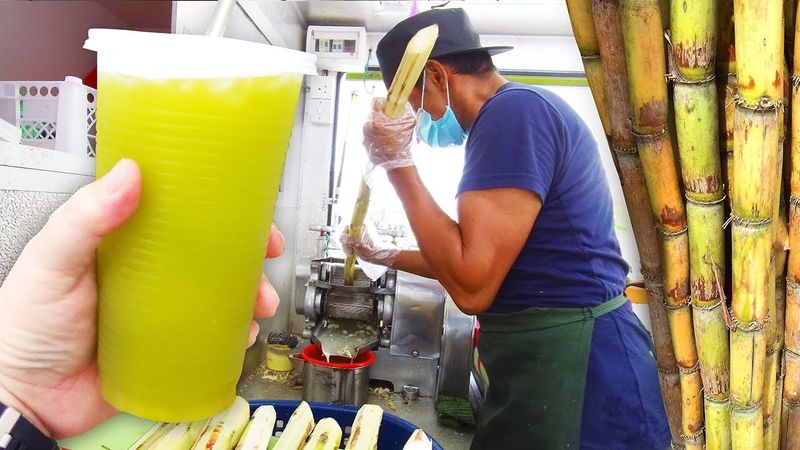
Ever watched a machine squeeze a long stick into a drink? That is how air tebu, or sugarcane juice, gets made.
Vendors feed fresh sugarcane stalks through rollers and serve the sweet green juice over ice. Some add a squeeze of lemon or calamansi for zing.
Drink it fresh, since it turns brown and loses flavor fast. It is the ultimate cooler after a hot, spicy street meal.
23. Lekor Sotong Bakar
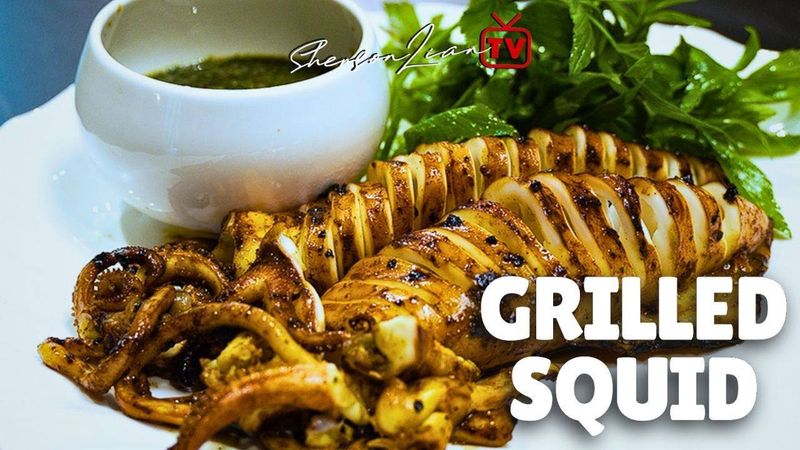
Smoke and sweet sauce fill the air wherever sotong bakar is sold. Whole squid gets grilled over charcoal and brushed with sticky chili glaze.
Vendors snip it into bite sized rings and hand it over on a stick.
Night markets are the best place to hunt for it. Ask for extra sauce if you like heat.
The chewy texture and smoky taste make it a top pick among seafood fans.