
Some of the best meals in the world come out of heavy black pans that have been passed down for generations. Cast iron holds heat like nothing else, which gives food crispy edges, deep browning, and a smoky richness that thin pans cannot match.
Cooks from the American South to Japan have relied on these tough pans for centuries. Once you learn which classic dishes shine in cast iron, you may never want to cook them any other way.
1. Southern Skillet Cornbread
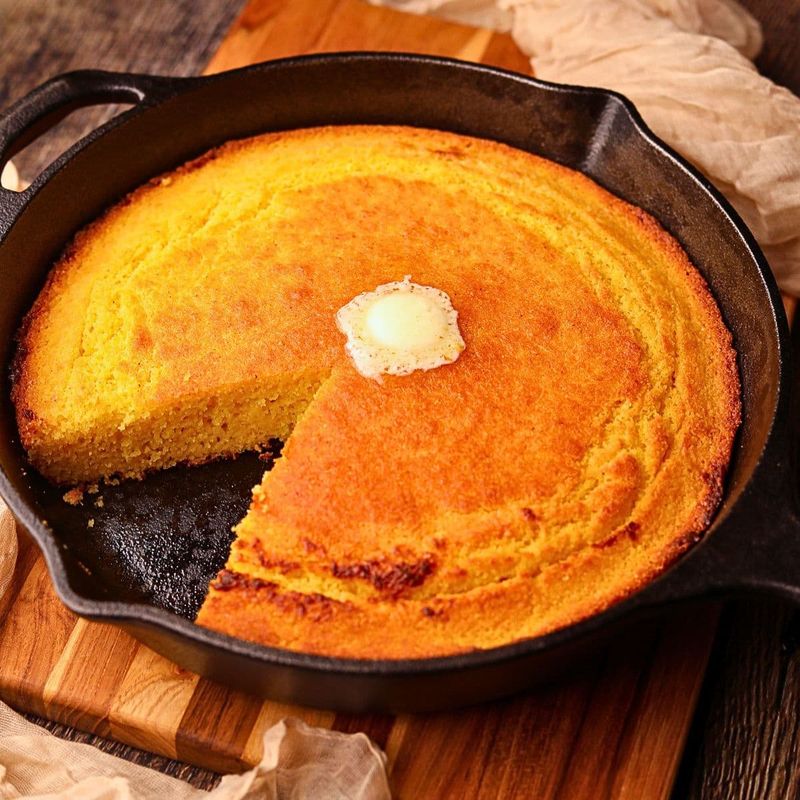
Ask any grandma from Georgia, and she will tell you real cornbread starts with a smoking hot skillet. Pouring batter into a preheated pan makes it sizzle right away.
That sizzle builds a crunchy, golden crust on the bottom and sides. Thin metal pans simply cannot copy it.
For the best results, melt a spoonful of bacon grease or butter in the skillet inside the oven first. Then add your batter and listen for that happy hiss.
2. Crispy Fried Chicken
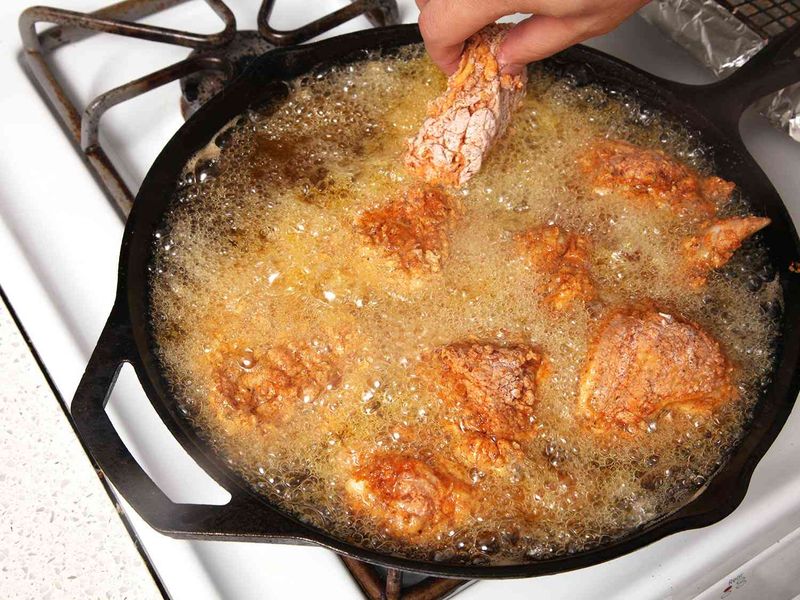
Sunday dinners across the South have smelled like fried chicken for well over a hundred years. Much of that magic comes from the pan.
Cast iron keeps oil at a steady temperature, even after cold chicken pieces drop in. Steady heat means a crackly coating instead of a greasy, soggy one.
Try frying in small batches so the oil stays hot. A kitchen thermometer helps too, aiming for about 325 to 350 degrees.
3. Spanish Paella’s Cousin, Tortilla Española
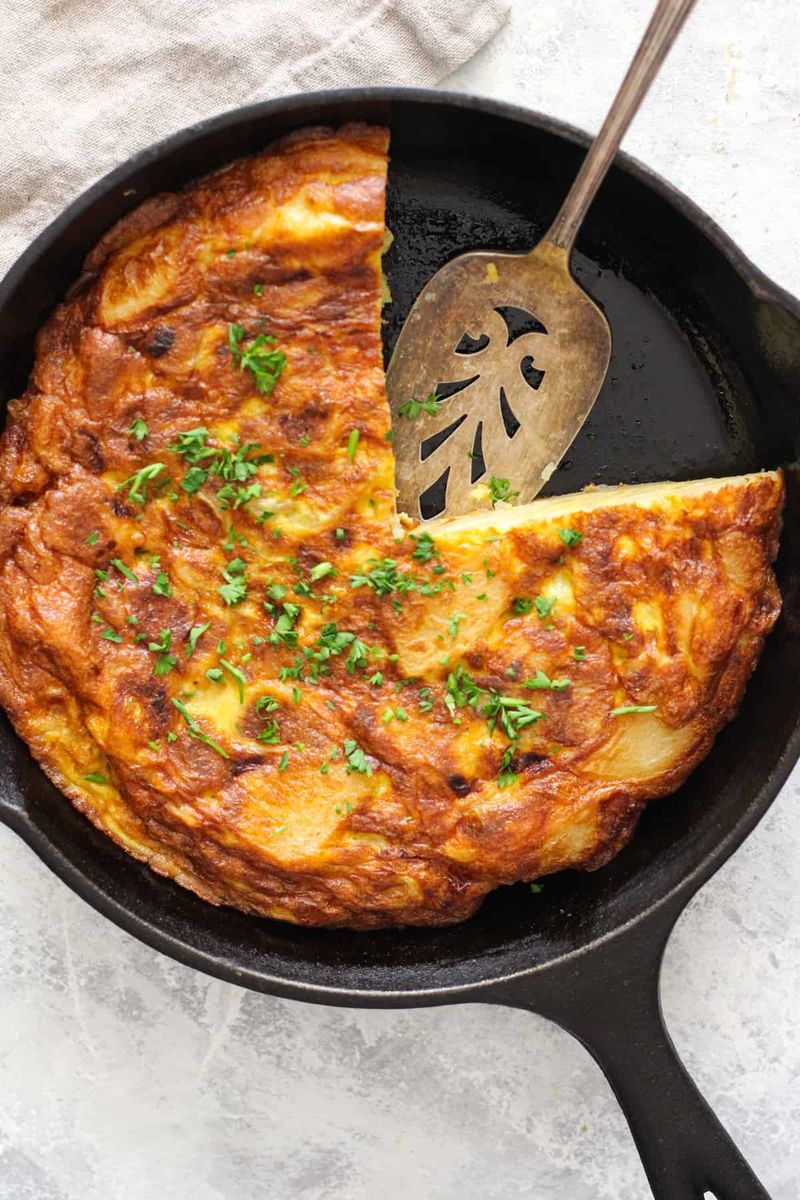
Picture a cozy bar in Madrid, where thick slices of potato omelet sit on the counter all afternoon. Spanish cooks often make it in heavy pans.
Potatoes and onions cook slowly in olive oil, then eggs join the party. A well-seasoned cast iron pan helps the bottom turn golden without sticking.
The tricky part is flipping it with a plate. Take a deep breath, move quickly, and do not worry if it cracks a little.
4. Pan-Seared Steak
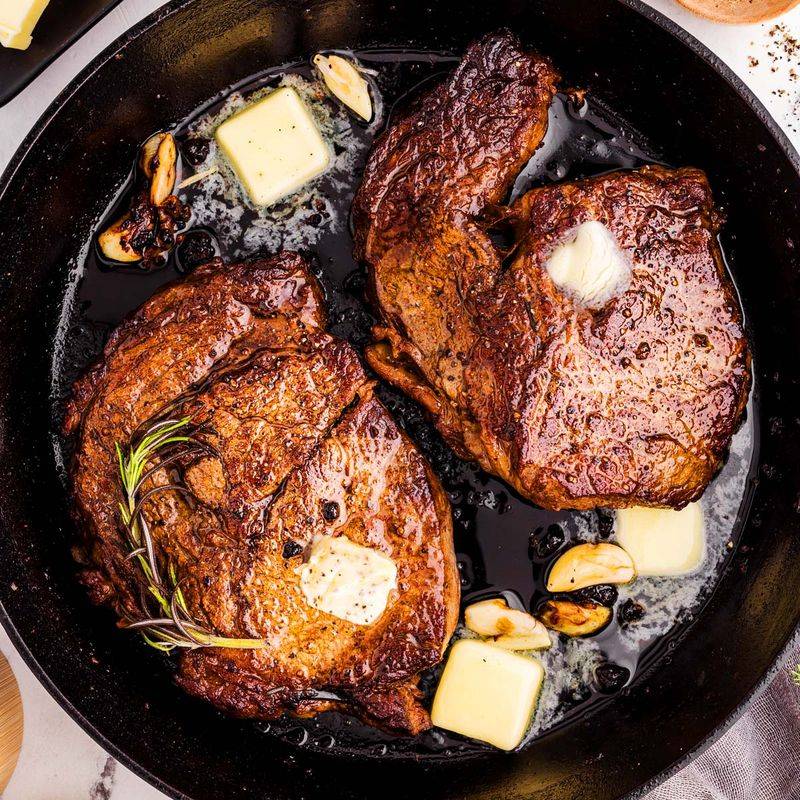
Here is a fact steakhouse chefs love: browning happens fastest above 300 degrees. Cast iron reaches those temperatures and stays there.
That deep crust you see on restaurant steaks comes from a chemical reaction called the Maillard reaction. It creates hundreds of tasty flavor compounds.
Pat your steak dry, salt it well, and do not move it for a few minutes. Add butter, garlic, and herbs at the end, then spoon that sauce over the top.
5. Dutch Baby Pancake
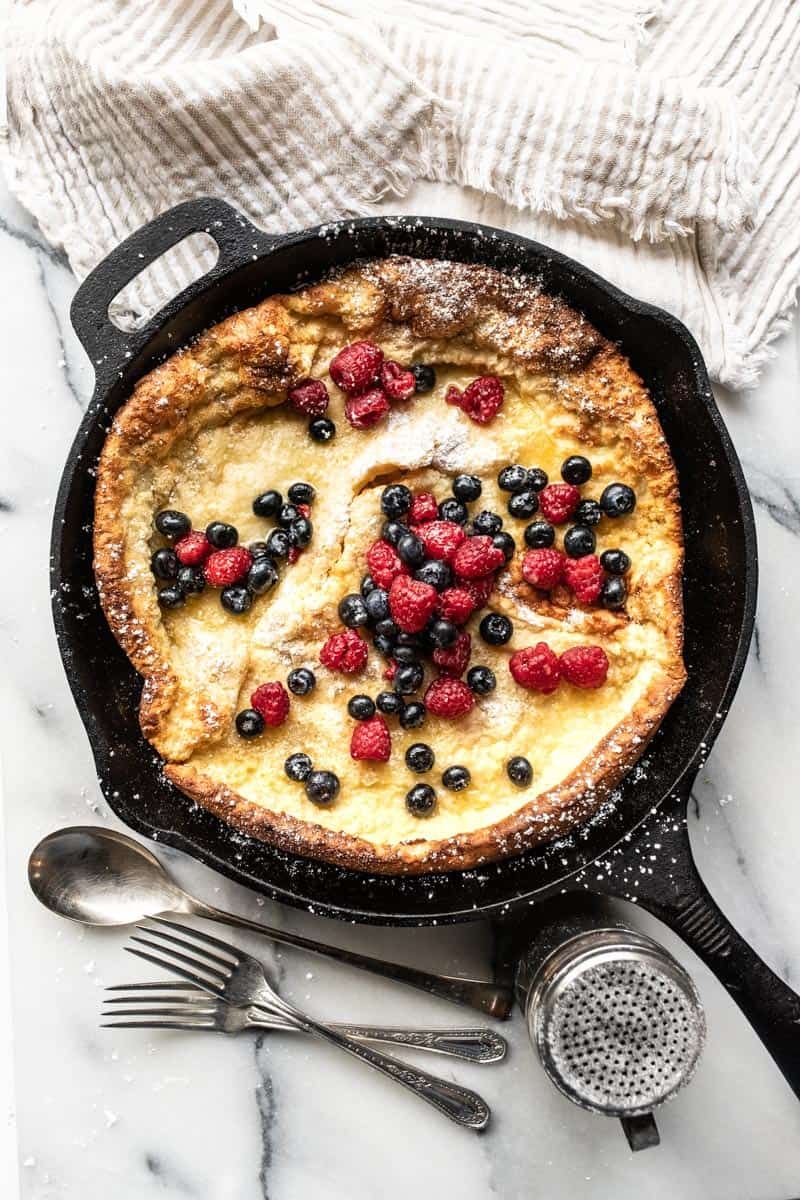
Watching one of these puff up in the oven feels like a magic trick. Kids often press their noses against the oven door just to see it rise.
The secret is a blazing hot skillet with melted butter. When the thin batter hits the metal, steam lifts the edges high and crispy.
Despite the name, it likely came from German American cooks in Seattle. Serve it with powdered sugar, lemon juice, or fresh berries.
6. Japanese Okonomiyaki
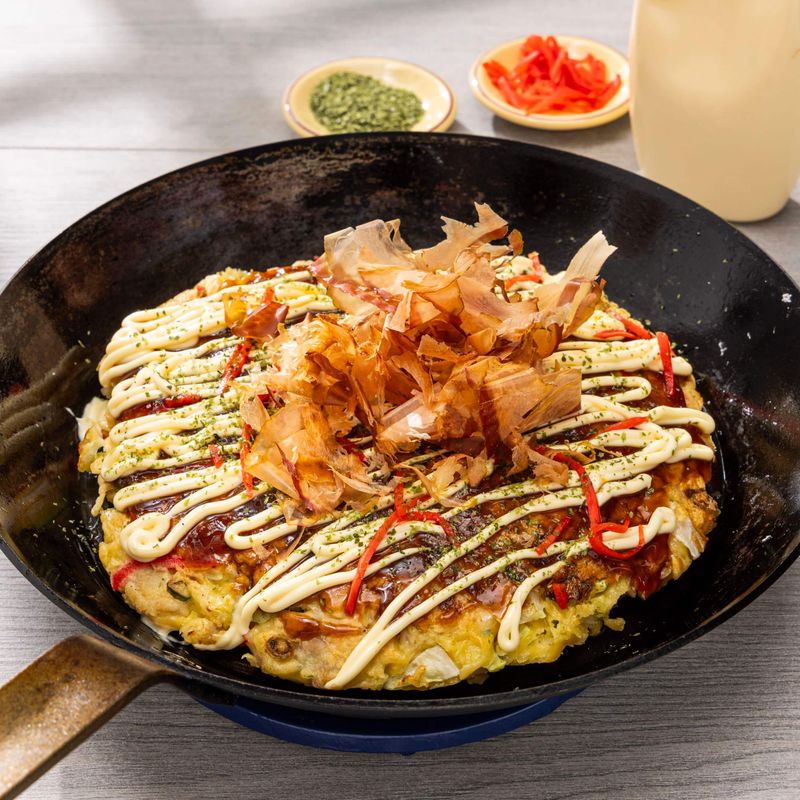
In Osaka, families gather around hot iron griddles to cook their own savory pancakes right at the table. The name roughly means grilled how you like it.
Shredded cabbage, batter, and toppings like pork or shrimp cook into a thick round cake. Heavy iron gives it a crisp outside and a tender middle.
Finish with tangy sauce, squiggles of mayo, and bonito flakes that seem to dance from the heat.
7. Campfire Chili
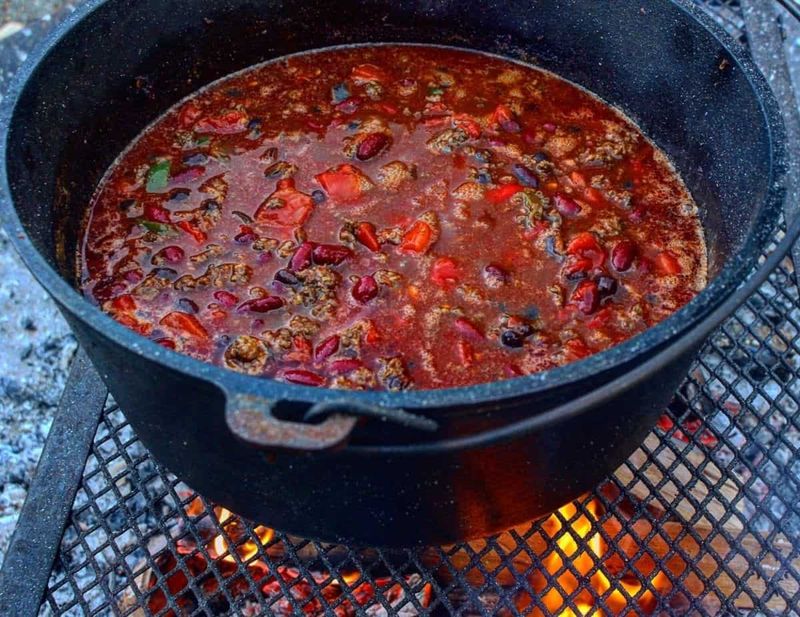
Cowboys on long cattle drives in Texas cooked hearty chili over open fires. Their trusty tool was a heavy cast iron pot.
Thick iron walls spread heat evenly, so the beans and meat simmer without burning in one spot. Hours of slow bubbling blend the spices beautifully.
You can make it at home on the stove, too. Brown the meat first in the same pot to build extra flavor at the bottom.
8. Indian Dosa
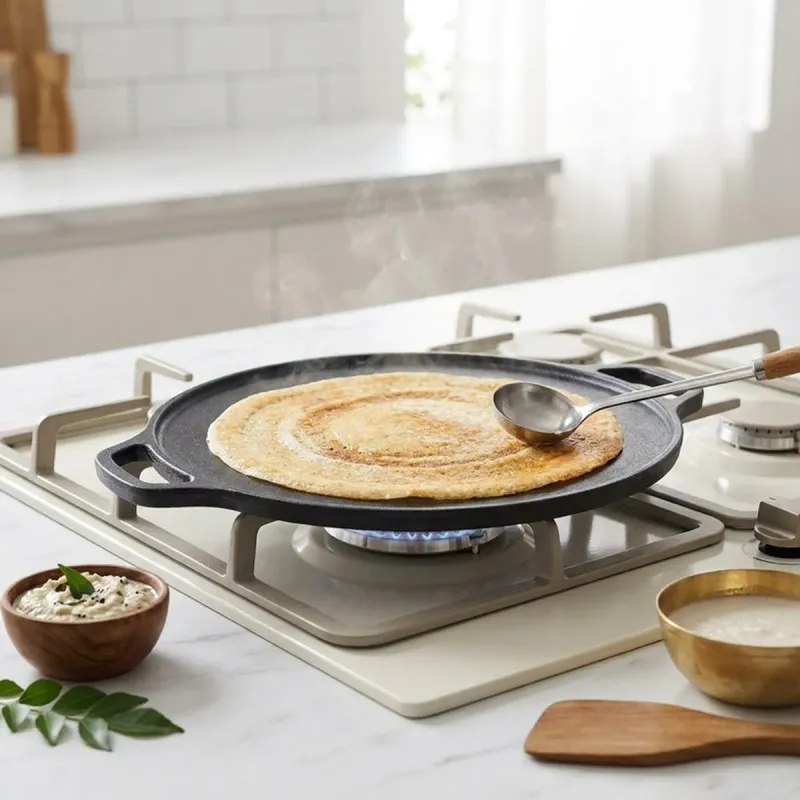
Walk into a South Indian home in the morning, and you might hear the swish of batter on a flat iron pan called a tawa.
Fermented rice and lentil batter spreads thin across the hot surface. Seasoned iron lets the dosa crisp up into a lacy, golden sheet.
Many families use the same tawa for decades. They say it gets better every year, as layers of oil build a natural nonstick finish.
9. Skillet Apple Pie
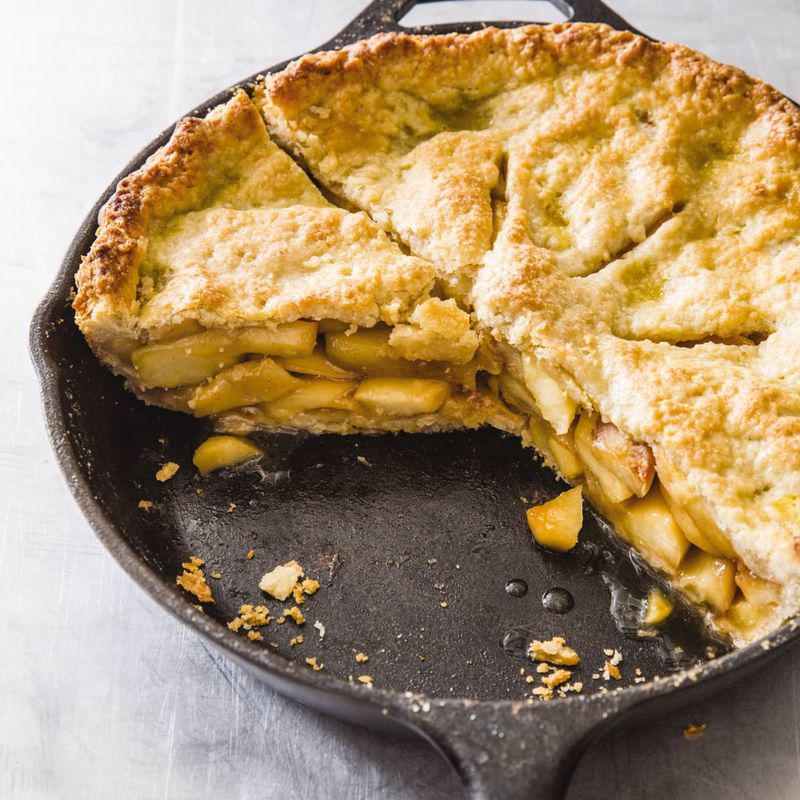
Nothing says fall quite like warm apples and cinnamon. Baking pie in cast iron adds a surprise bonus: a deeply browned, buttery bottom crust.
Some bakers caramelize butter and brown sugar in the skillet first. Then the crust and apples go right on top.
Soggy bottoms become a thing of the past. Let the pie cool for about thirty minutes so the juicy filling sets before slicing.
10. Mexican Tortillas on a Comal
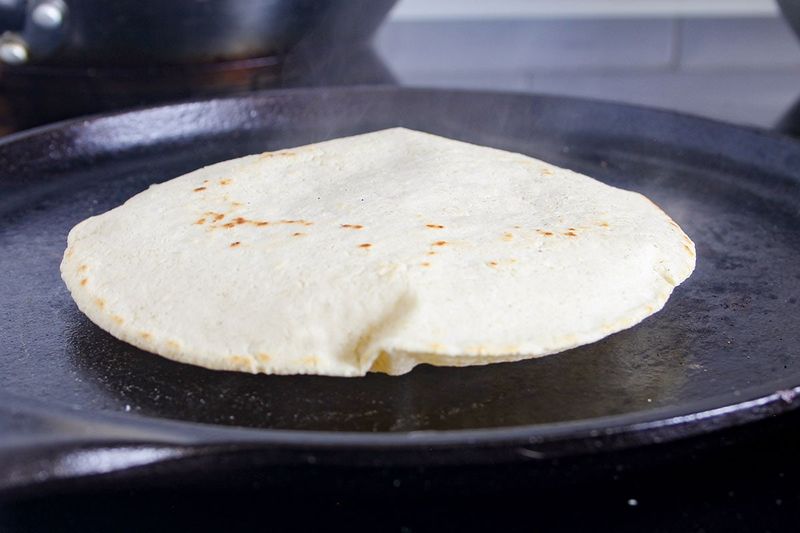
Grandmothers in Mexico can tell a tortilla is ready just by watching it puff. That puff happens best on a hot comal.
A comal is a flat griddle, often made from cast iron. Even heat toasts the corn dough, giving it light brown spots and a nutty smell.
Flip each tortilla two or three times. Then wrap them in a clean towel so they stay soft and warm for tacos.
11. Shakshuka
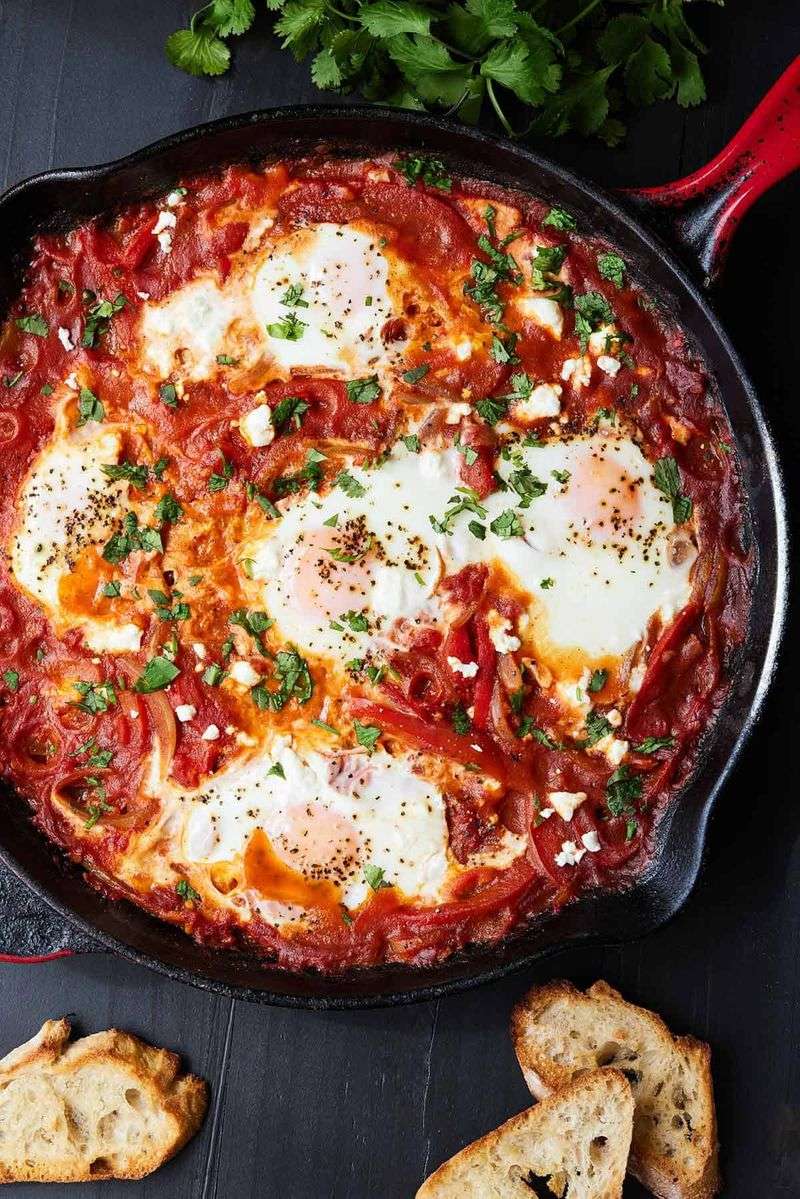
Breakfast in Tunisia and Israel often means eggs nestled in a bubbling red sauce. The whole meal goes straight from stove to table.
Tomatoes, peppers, garlic, and cumin simmer down in the skillet. Iron holds warmth so long that the dish stays hot while everyone eats.
Crack the eggs into little wells in the sauce and cover the pan. Grab crusty bread for scooping, because forks feel almost unnecessary here.
12. Blackened Redfish
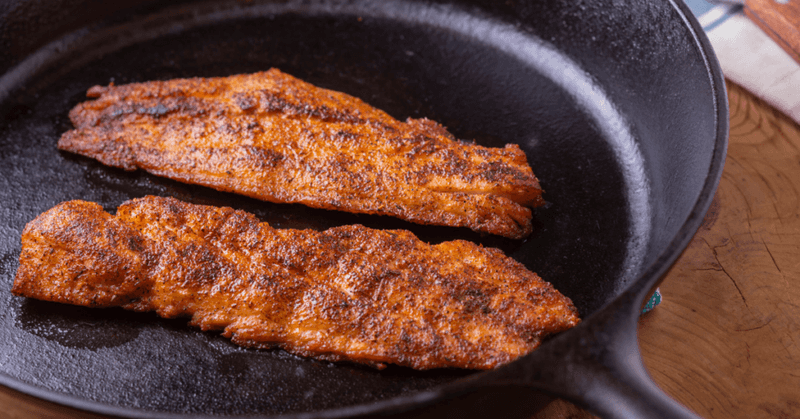
Back in the 1980s, New Orleans chef Paul Prudhomme made blackened fish famous. Restaurants across the country soon copied him.
Fish coated in butter and Cajun spices hits a screaming hot iron pan. The spices char into a dark, flavorful crust in seconds.
Fair warning: it gets very smoky. Open your windows, turn on the fan, or even cook it outside on a grill burner.
13. Irish Soda Bread
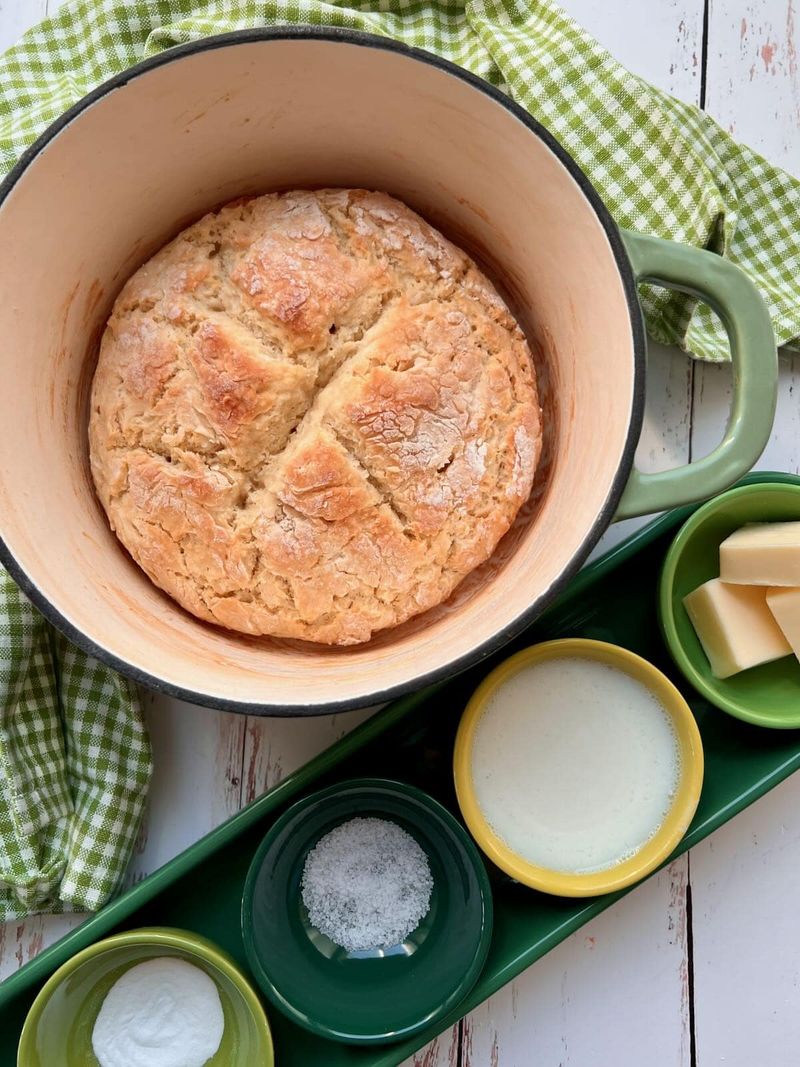
Long ago in Ireland, many homes had no oven at all. Families baked bread in a covered iron pot set right into the fire.
That pot, sometimes called a bastible, trapped heat on all sides. The loaf came out with a thick, crackly crust.
A modern Dutch oven works the same way. Cut a cross on top before baking, which folks once said let the fairies out.
14. Korean Bulgogi
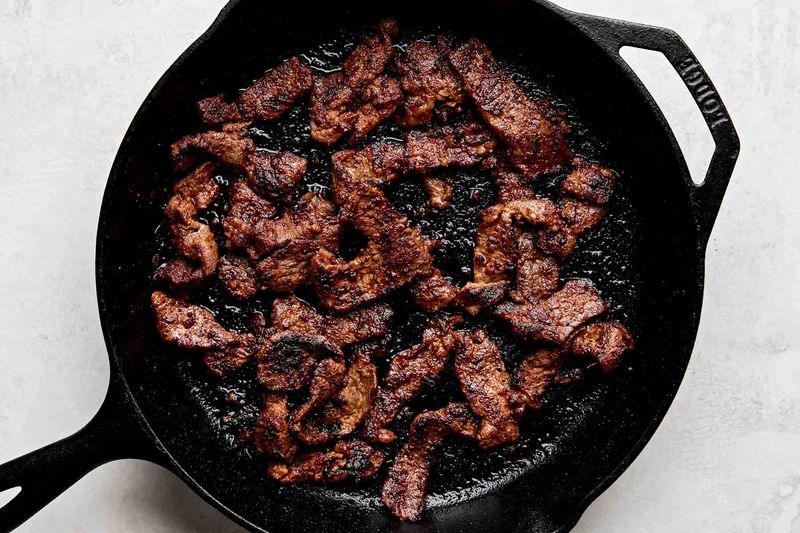
Sweet, salty, and a little smoky, bulgogi is one of Korea’s most loved dishes. The name means fire meat.
Thin slices of beef soak in soy sauce, pear, garlic, and sesame oil. On hot cast iron, the sugary marinade caramelizes into sticky, browned edges.
Cook the meat in a single layer so it sears instead of steaming. Wrap bites in lettuce with rice and kimchi for a fun meal.
15. Fluffy Buttermilk Biscuits
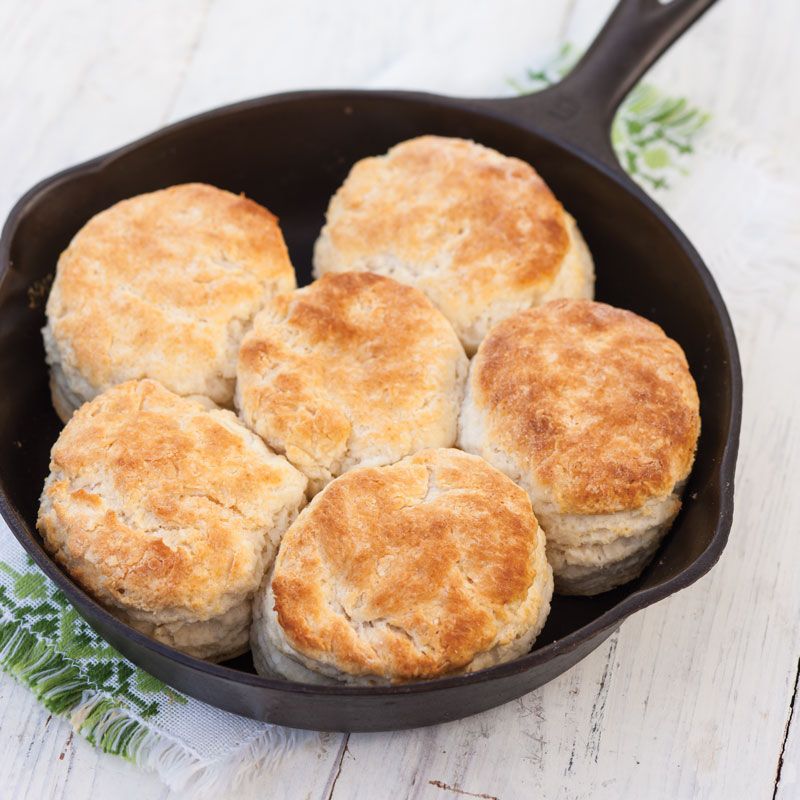
Tall, flaky, and brushed with butter, homemade biscuits can turn an ordinary morning into a celebration.
Baking them snug together in cast iron helps them rise upward instead of spreading out. The bottoms toast to a perfect golden brown.
Keep your butter and buttermilk very cold. Press the cutter straight down without twisting, and you will get those gorgeous layers everyone fights over at breakfast.
16. French Coq au Vin
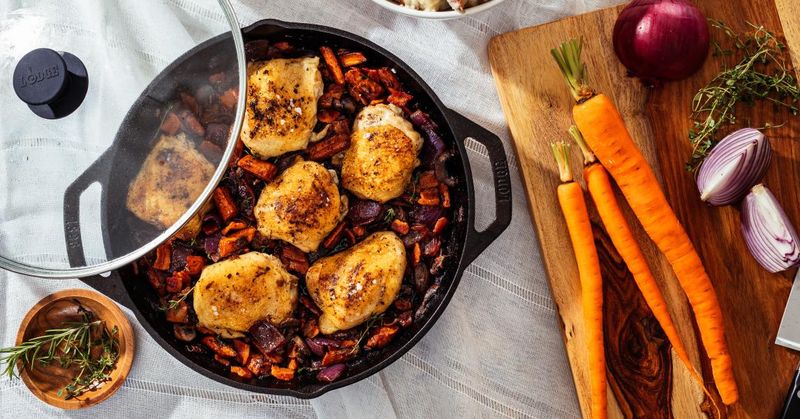
French farmhouse cooks once turned tough old roosters into something wonderful with time, wine, and a heavy pot.
Enameled cast iron Dutch ovens became the go-to choice. They brown chicken beautifully, then hold a gentle simmer for hours.
Mushrooms, bacon, and tiny onions soak up the rich sauce. Today most people use regular chicken, and kids can enjoy versions made with broth instead of wine.
17. Hash Browns
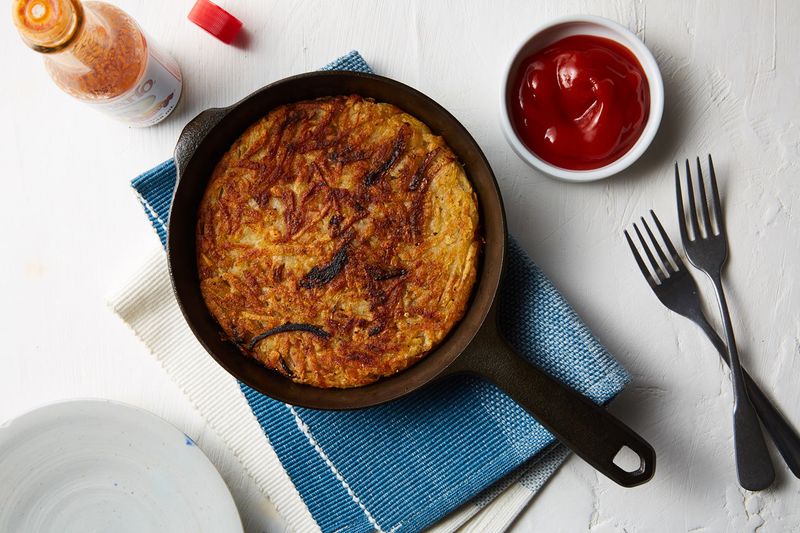
Diner breakfasts would feel empty without a pile of crispy hash browns. Many old diners still use well-loved iron griddles.
Shredded potatoes need steady heat and patience. Cast iron gives them a crunchy, golden crust that holds together when flipped.
Here is a pro tip: squeeze the shredded potatoes in a towel to remove water first. Dry potatoes crisp up much better than wet ones.
18. Fajitas
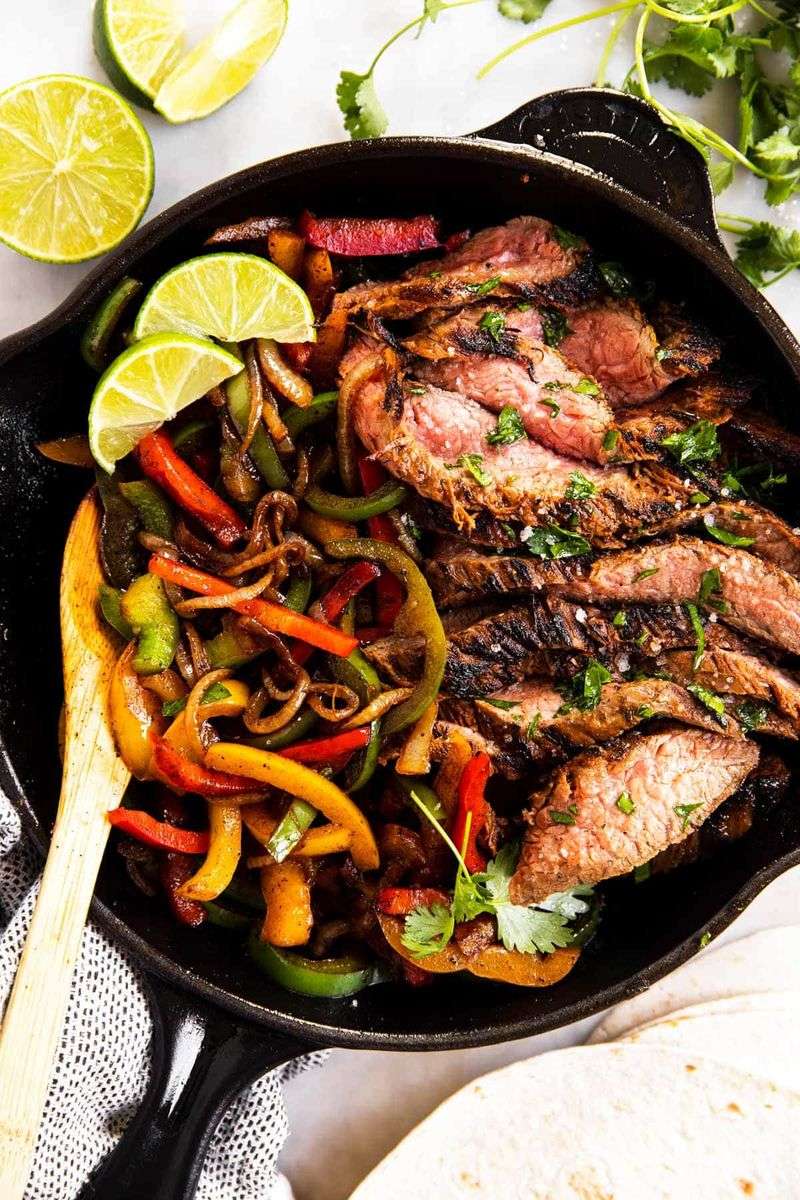
You usually hear fajitas before you see them. That loud sizzle across a restaurant comes from a hot cast iron platter.
Ranch workers in South Texas first grilled cheap skirt steak this way. Peppers and onions char slightly, adding sweet and smoky flavor.
At home, sear everything in a large skillet over high heat. Bring the pan right to the table for that same exciting restaurant sound.
19. Pineapple Upside-Down Cake
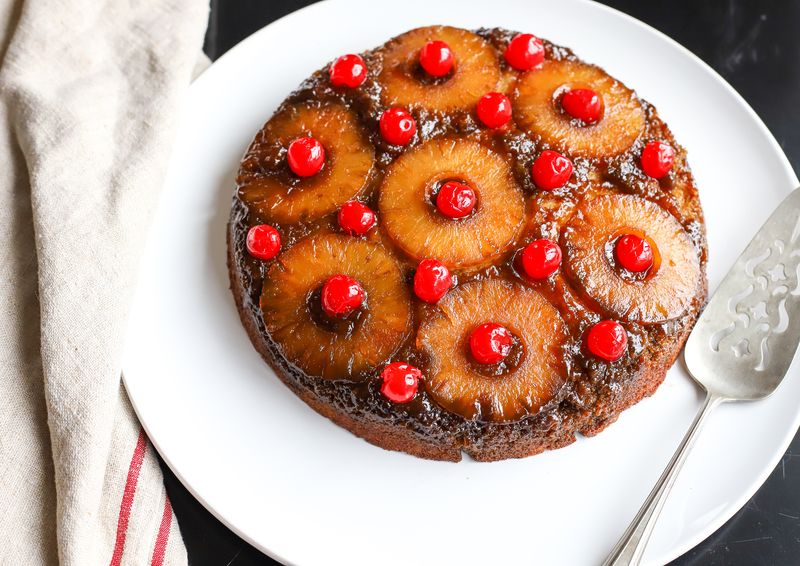
Flipping this cake out of the pan is a moment worth gathering the whole family for. It became wildly popular in the 1920s.
Butter and brown sugar melt in the skillet, then pineapple rings and cherries go on top. Cast iron turns that sugar into sticky, golden caramel.
Wait about five minutes after baking, then flip. Wait too long, and the caramel hardens and sticks to the pan.