
Some family meals stay with us long after the restaurant signs come down. From Alaska breakfast stops to Florida favorites, these places helped turn ordinary outings into happy memories.
Many disappeared, while others survive in smaller numbers or have started making comebacks. Pull up a chair for a look at the food, fun, and familiar faces we still miss.
1. Howard Johnson’s: The Orange Roof Road Trip Stop
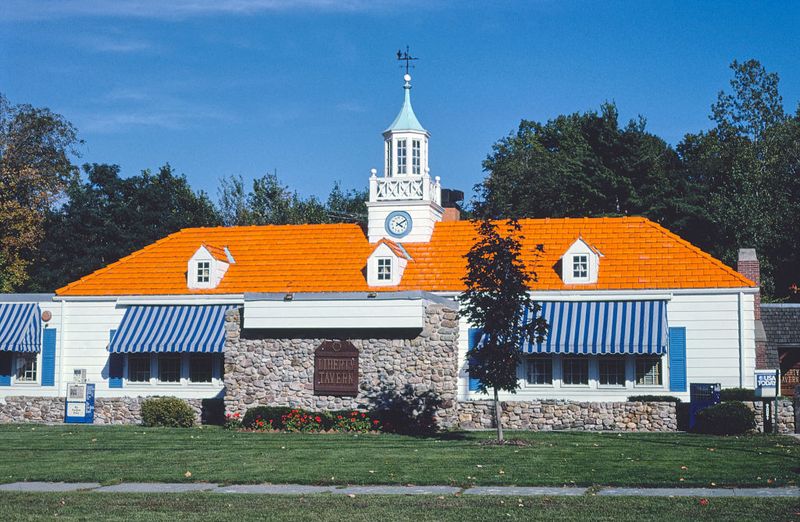
An orange roof once meant the family could finally stop arguing about where to eat. Howard Johnson’s welcomed road travelers with fried clam strips, grilled hot dogs, and a famous choice of 28 ice cream flavors.
The final North American restaurant, in Lake George, New York, closed in May 2022. Its disappearance marked the end of a familiar travel tradition.
For a small taste of that era, pair a roadside lunch with an ice cream stop.
2. Bob’s Big Boy: A Burger With Star Power
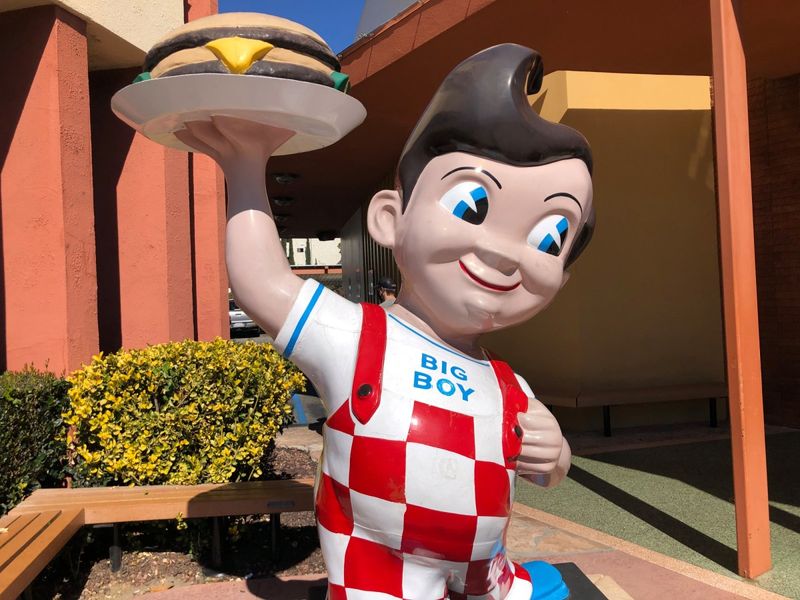
Spotting that smiling boy in checkered overalls could make an ordinary dinner feel like an event. Bob’s began as Bob’s Pantry in California in 1936, building its name around burgers and friendly service.
The much larger restaurant network many families remember has shrunk, but the story is not over. Some locations remain, including the famous Burbank restaurant.
Check official listings before planning a nostalgic visit, since Big Boy names and ownership arrangements vary from place to place.
3. ShowBiz Pizza Place: Birthday Parties With a Band
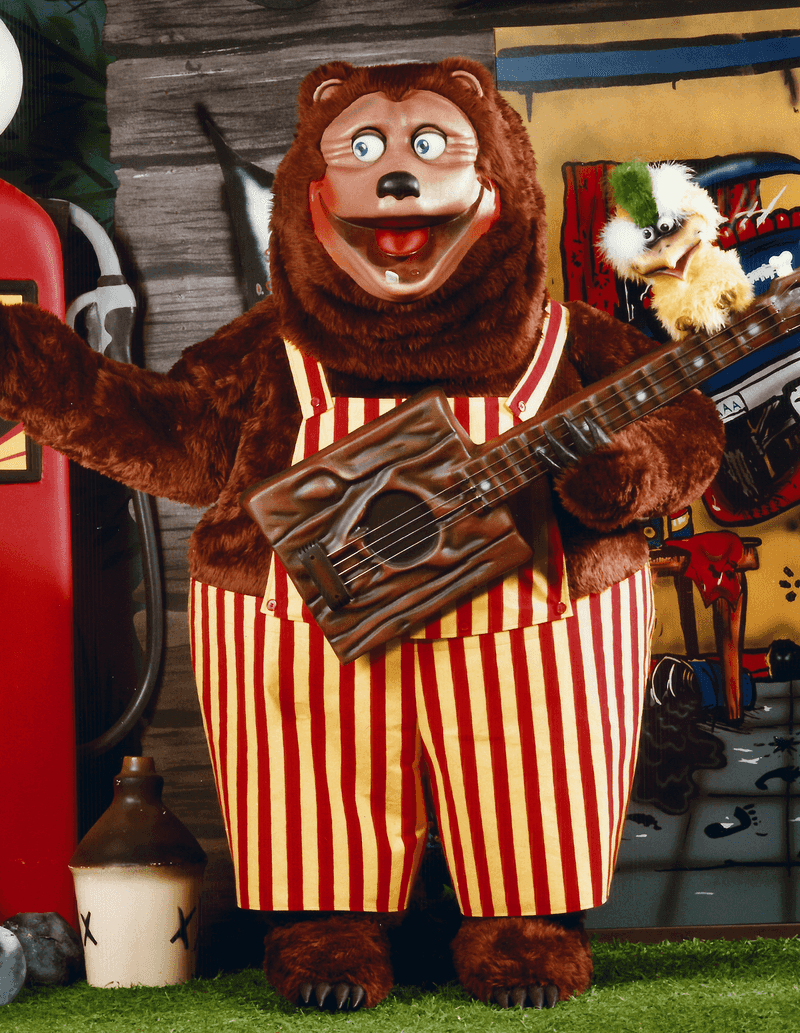
Birthday pizza tasted different when a robotic animal band supplied the soundtrack. ShowBiz Pizza Place mixed arcade games, party tables, and performances by the Rock-afire Explosion, giving children plenty to discuss on Monday morning.
Following a corporate combination with its rival, locations gradually became Chuck E. Cheese restaurants.
The original ShowBiz experience faded during that change. Old family photographs and surviving performance recordings offer a better picture of its playful spirit than a plain menu ever could.
4. Red Barn: Fast Food Under a Farmhouse Roof
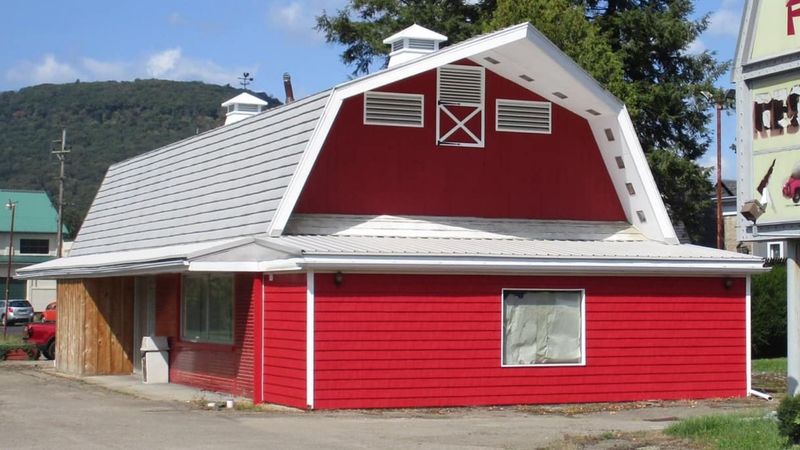
You did not need a map to recognize a restaurant shaped like a barn. Red Barn started in Springfield, Ohio, in 1961 and spread its cheerful farm look across hundreds of locations.
Burgers, fried chicken, and other quick meals made it useful when everyone wanted something different. The chain eventually faded, although some distinctive buildings found new uses.
Looking for former locations can turn a local drive into a surprisingly fun hunt for roadside restaurant history.
5. York Steak House: The Shopping Trip Reward
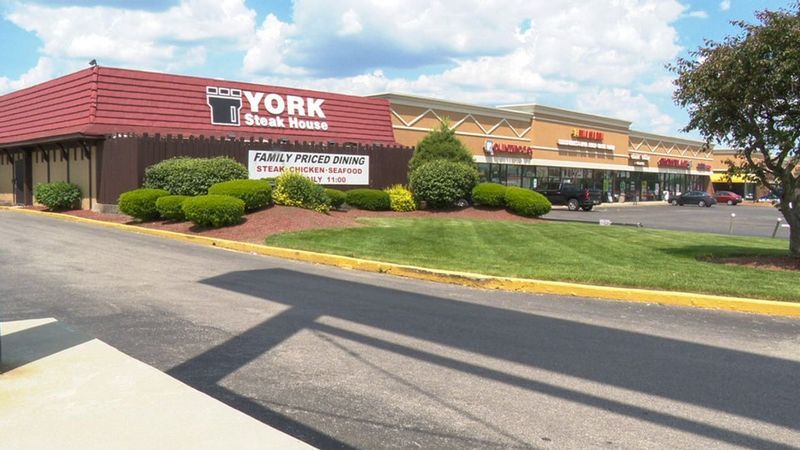
A cafeteria tray could carry a surprisingly special dinner after an afternoon of shopping. York Steak House brought affordable steak meals to malls, letting customers choose their food before settling into a booth.
At its height, the chain had nearly 200 locations. Most disappeared as ownership and shopping habits changed, while a Columbus, Ohio, survivor carried the name forward.
Anyone seeking that experience should confirm current operation rather than trust old restaurant lists or shopping mall directories.
6. Bennigan’s: Where Dinner Felt Like a Celebration
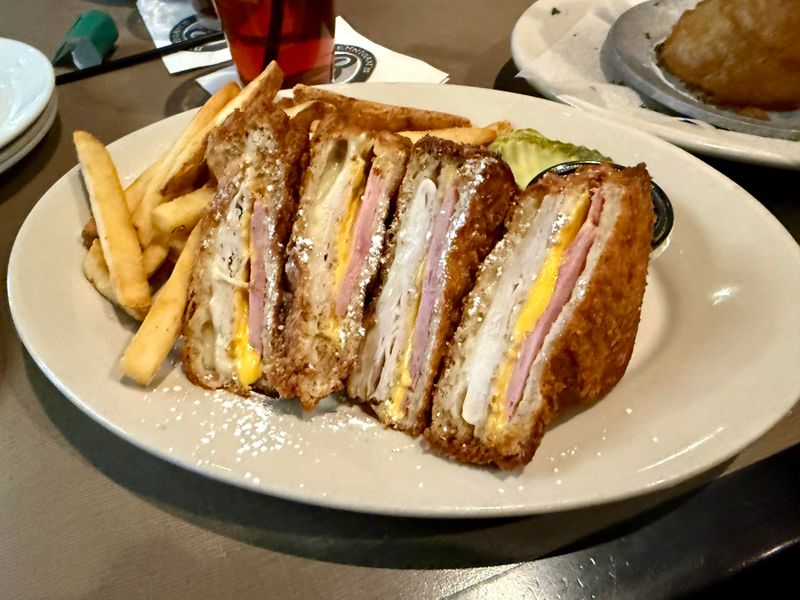
Powdered sugar on a sandwich sounds odd until someone mentions the Monte Cristo. That sweet and savory favorite helped Bennigan’s stand out among the busy casual restaurants families visited for birthdays and weekend dinners.
Founded in 1976, the brand suffered a major blow when company owned restaurants closed during bankruptcy in 2008. Some franchises survived, and revival efforts followed.
It belongs on a comeback wish list, but not among restaurant names that have vanished entirely from America.
7. Steak and Ale: A Special Dinner Without the Splurge
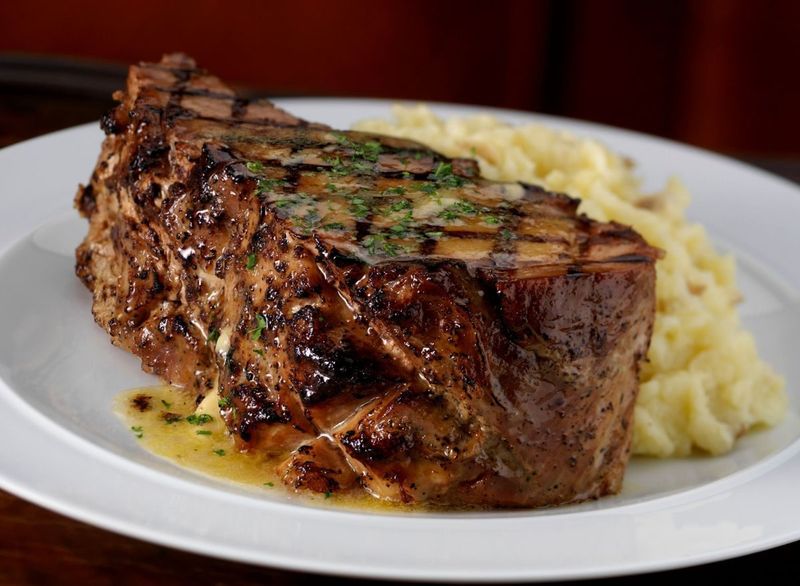
Dark wood, hearty steaks, and a salad bar made dinner feel fancy without requiring a giant budget. Steak and Ale opened in 1966 and helped introduce many families to an approachable steakhouse experience.
The original chain shut down in 2008, leaving fans missing its comfortable rooms and familiar meals. A restaurant opened in Burnsville, Minnesota, in July 2024 as part of a revival.
That return offers hope, though it does not recreate the old nationwide network.
8. Lums: Florida’s Unusual Hot Dog Favorite
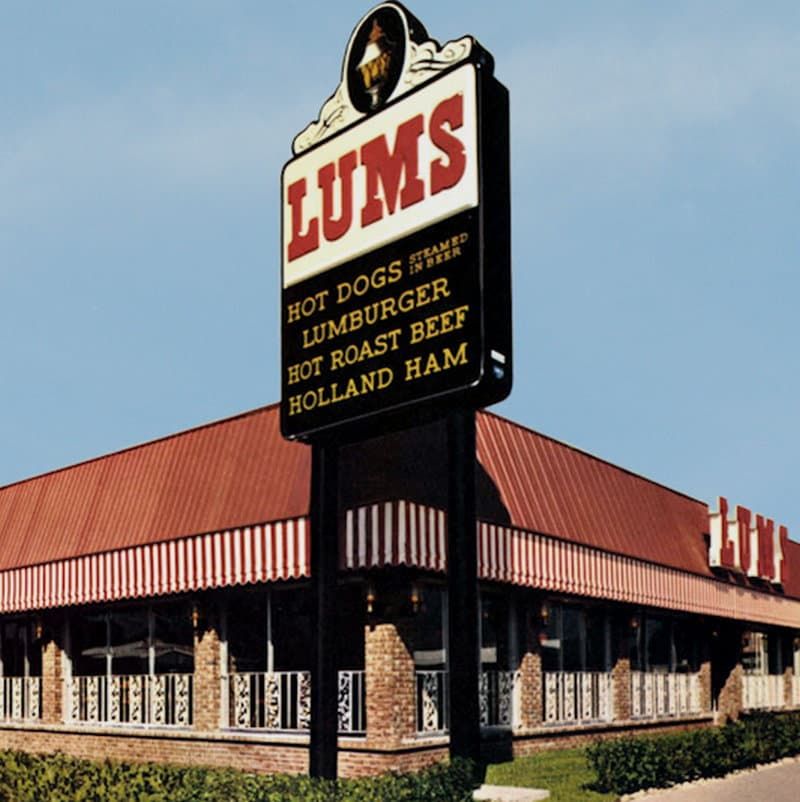
Beer steamed hot dogs gave a humble lunch counter item its own claim to fame. Lums began in Miami Beach in 1956 and grew into a national chain with hundreds of restaurants.
Families could enjoy a casual meal without making dinner complicated. Repeated ownership changes and financial trouble eventually broke up the business, which filed for bankruptcy in 1982.
When exploring old Florida dining memories, look for vintage menus that show how prominently those hot dogs featured.
9. Chi-Chi’s: Fried Ice Cream Was the Finale
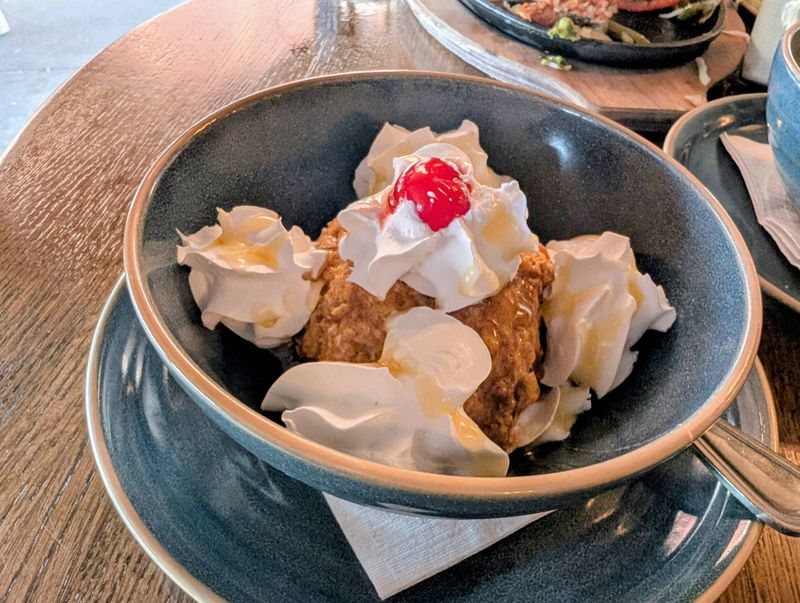
Saving room for dessert was almost a rule when fried ice cream appeared on the menu. Chi-Chi’s introduced many American families to a festive version of Mexican dining, with chimichangas and generous combination plates.
Founded in Minnesota in 1975, the chain later faced bankruptcy and a deadly hepatitis A outbreak in 2003. Its original American restaurant run ended in 2004.
The nostalgia belongs beside that serious history, not in place of remembering the people who were harmed.
10. Horn & Hardart: Lunch Behind Little Glass Doors
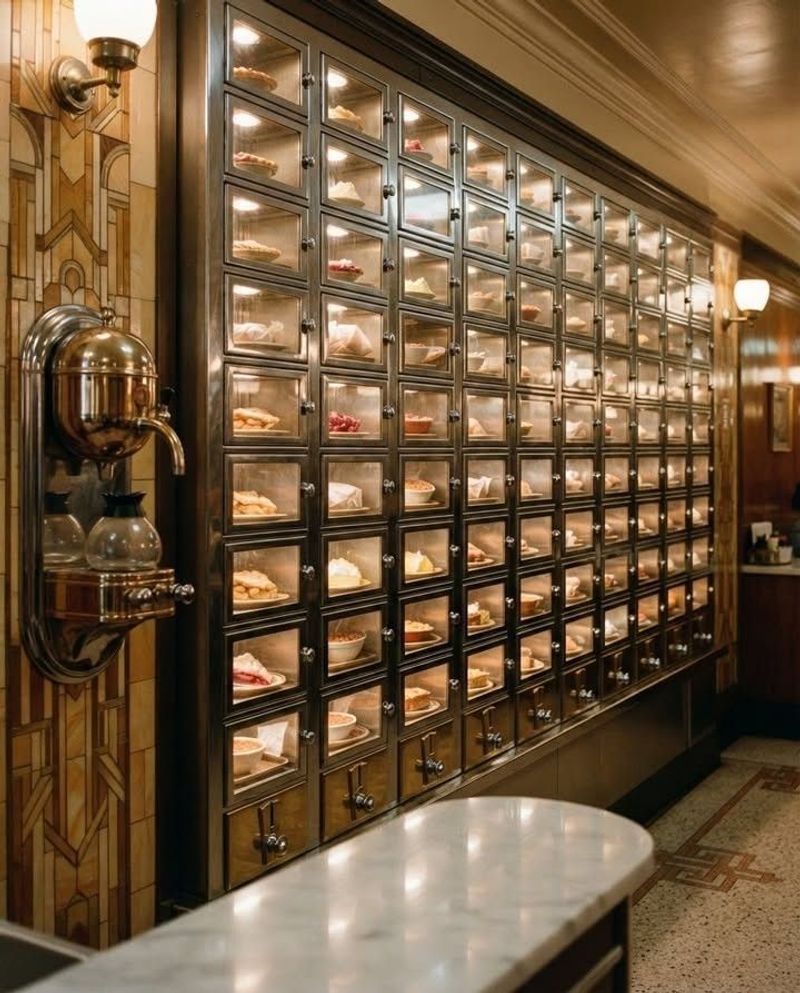
Lunch came with a tiny adventure: insert coins, open a glass door, and collect your food. Horn & Hardart’s automats made everyday meals feel wonderfully mechanical, especially to children exploring the shining rows of compartments.
Behind those doors, workers prepared and stocked familiar dishes. The restaurants became landmarks in Philadelphia and New York, but changing habits weakened the format.
New York’s last Horn & Hardart automat closed in 1991, leaving a remarkable chapter in affordable city dining.
11. Kenny Rogers Roasters: A Chicken Dinner Worth Sharing
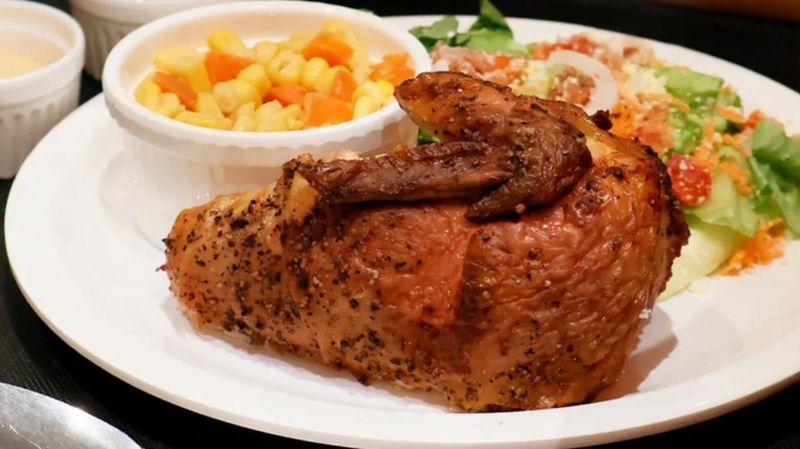
The smell of roasting chicken did most of the advertising before families reached the counter. Kenny Rogers Roasters launched in 1991, pairing its famous namesake with chicken meals and comforting side dishes.
It offered an alternative to another burger night, especially when everyone wanted a shared supper. The American business entered bankruptcy in 1998, and its domestic presence dwindled.
Restaurants continued overseas, so travelers may encounter a familiar name far from the neighborhoods where they first knew it.
12. Burger Chef: Little Meals, Big Childhood Memories
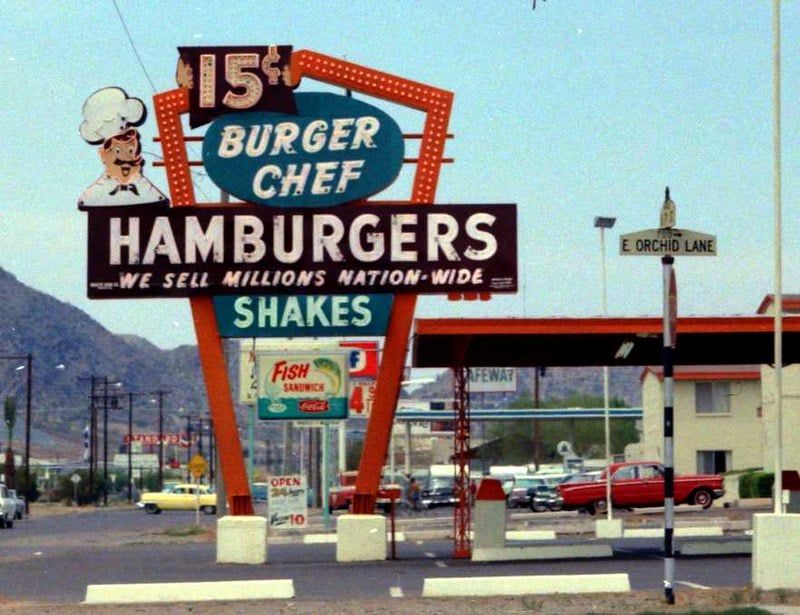
Children had a reason to study the packaging before taking their first bite. Burger Chef’s Funmeal helped turn a small burger dinner into an activity, making the chain a memorable stop for young families.
Once a major competitor in American fast food, Burger Chef also promoted convenient meal combinations. Hardee’s acquired the chain in 1982, and the remaining name gradually disappeared.
Collectible advertisements and meal boxes reveal how much imagination went into winning over its youngest customers.
13. Sambo’s: Pancake Memories With a Difficult History
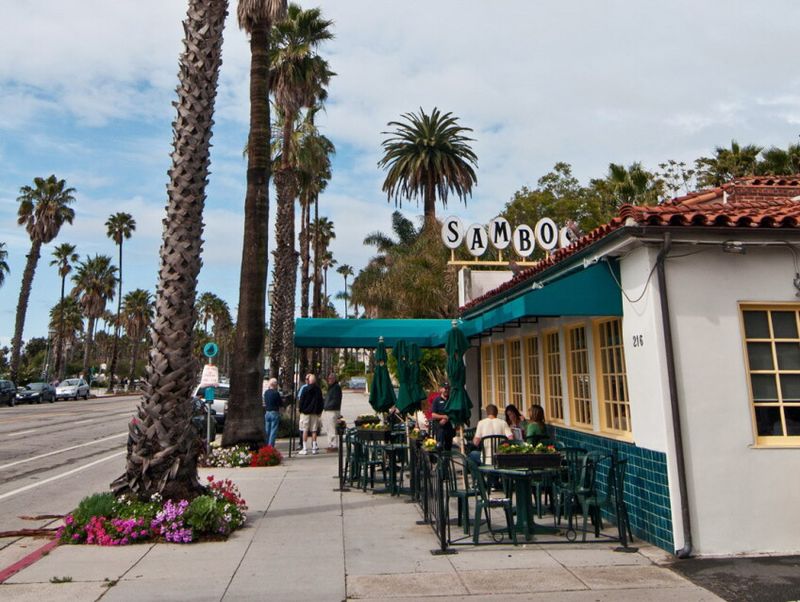
Pancakes and coffee explain why some former customers remember the breakfasts fondly. Sambo’s expanded from Santa Barbara, California, into a huge diner chain, offering familiar meals during an era of growing highway travel.
However, its name and imagery carried racist associations that prompted justified criticism. Bankruptcy followed in 1981, and the original restaurant dropped the name in 2020.
Remembering the meals does not require wishing back the branding. A better return would preserve hospitality while treating everyone respectfully.
14. The Ground Round: A Neighborhood Night Out
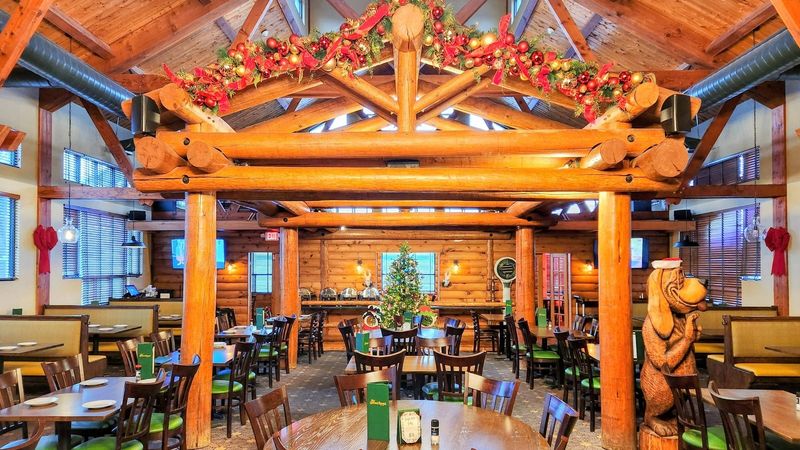
Popcorn on the table could keep impatient children happy while dinner was being prepared. The Ground Round, launched by Howard Johnson in 1969, built its appeal around relaxed meals rather than formal restaurant rules.
Many longtime guests remember burgers, lively rooms, and entertainment that made a neighborhood outing feel special. The chain later became much smaller, with its footprint changing over time.
Before chasing a childhood location, check recent local reporting and current business listings for reliable details.
15. Gwennie’s Old Alaska Restaurant: Anchorage Breakfast Memories
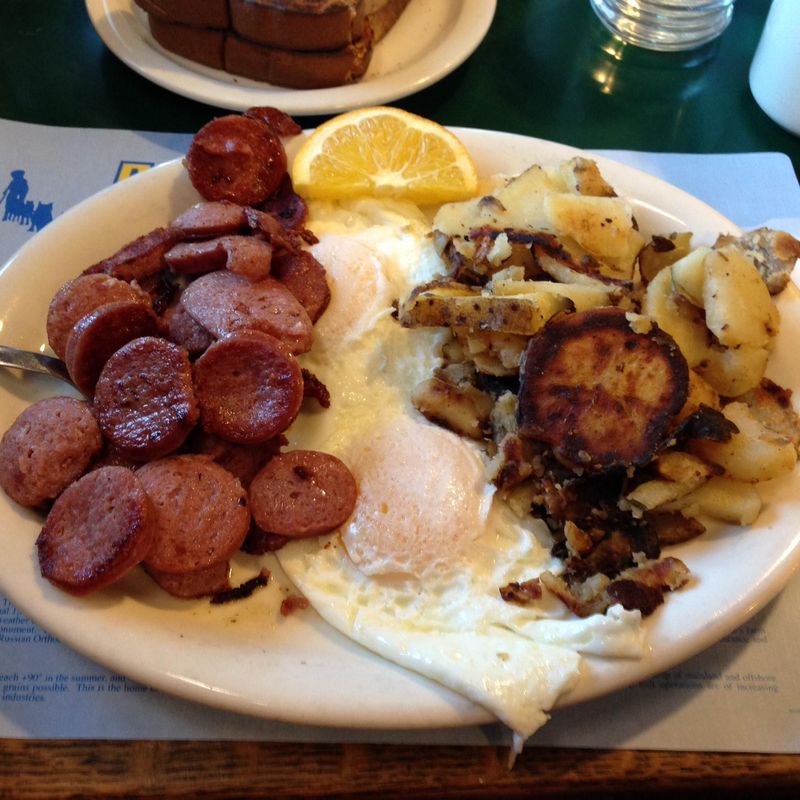
Alaska travel memories often begin with a hearty breakfast rather than a sweeping mountain view. Gwennie’s Old Alaska Restaurant became associated with Anchorage’s Spenard neighborhood, substantial meals, and a setting filled with local character.
Its inclusion in closure recollections deserves caution because nostalgic accounts alone cannot establish current business status. Verify recent local information before describing it as permanently gone or planning a visit.
Either way, its place in Anchorage dining memories shows why neighborhood restaurants matter deeply.
16. Pebbles: A Central Florida Name Locals Remember
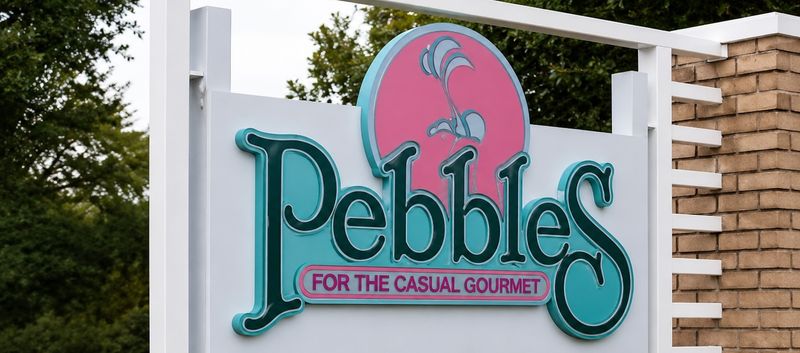
Not every missed restaurant needed a national advertising campaign to earn a loyal following. Pebbles appears in Central Florida recollections as one of the Orlando area’s departed dining names, remembered through local conversations and restaurant roundups.
Its appeal is best explored through community archives rather than guessed menu details. Ask longtime residents about the location they visited, then compare their memories with dated advertisements.
Small clues can help separate branches, ownership changes, and similarly named places from one another.