
Long before fancy steakhouses, hardworking families had to stretch every penny to put dinner on the table. They bought the tough, bony, and forgotten cuts that butchers sold for almost nothing.
With patience, slow cooking, and a little kitchen magic, those humble scraps turned into meals people still crave today. Here are the classic dishes that proved good food never needed a big budget.
1. Oxtail Stew
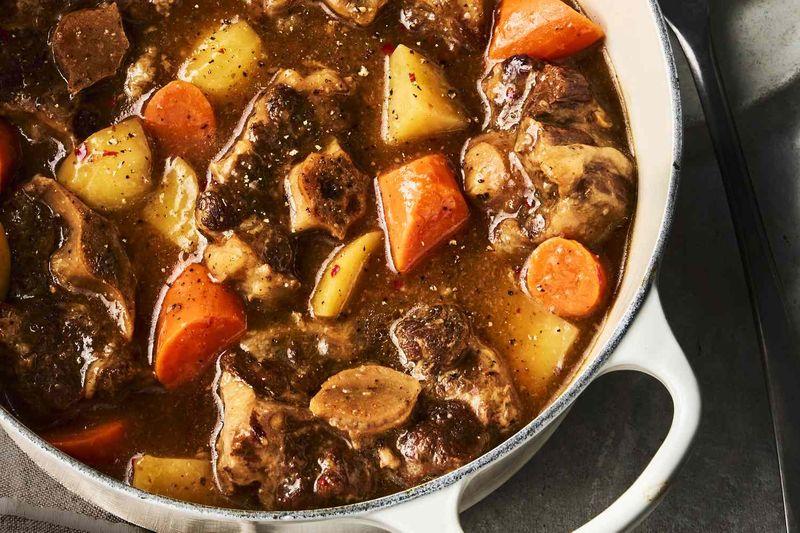
Grandma never threw away a bone, and oxtail proved she was right. Butchers once gave this bony tail away or sold it for pennies.
After hours of gentle simmering, the meat slides right off and the hidden collagen turns the gravy thick and silky. Families added carrots, onions, and potatoes to stretch it further.
Brown the pieces well first. That dark crust builds a deep, rich flavor you simply cannot rush.
2. Liver and Onions
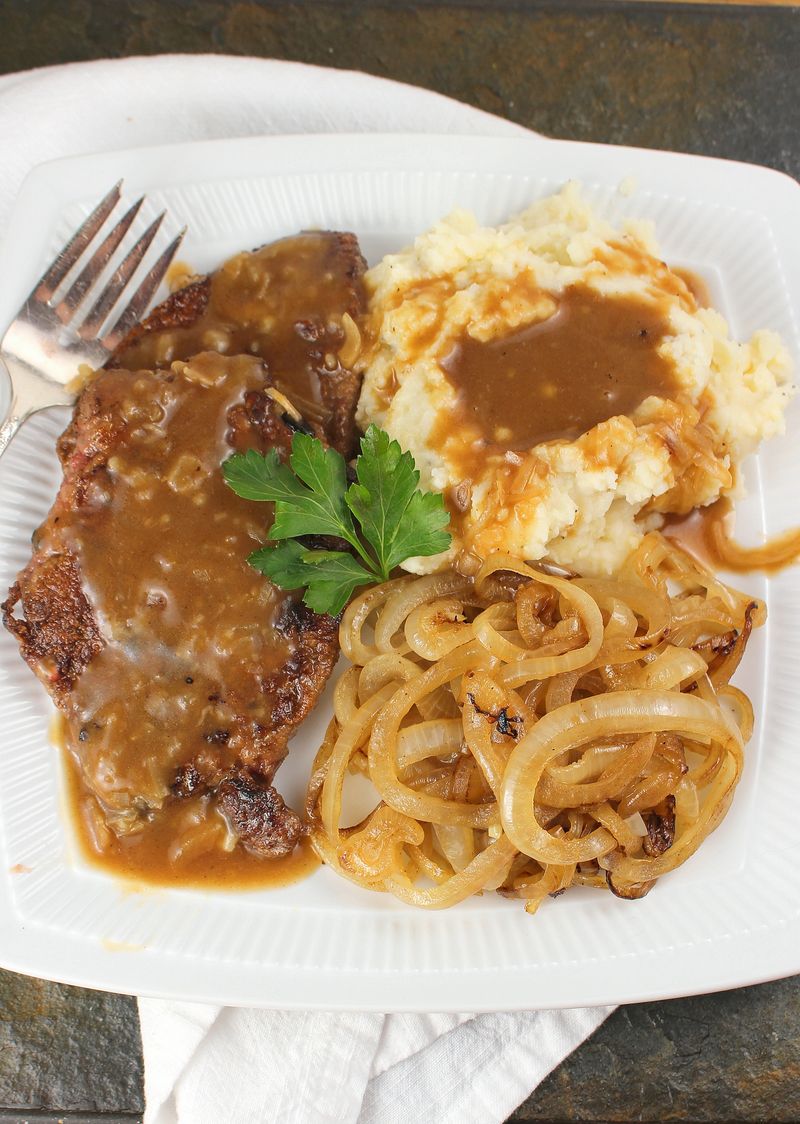
Love it or dread it, liver and onions fed millions of workers for decades. Liver was cheap, filling, and packed with iron and vitamins.
The secret lies in soaking slices in milk first to calm the strong taste. Then cook them quickly so they stay tender, never leathery.
Sweet, slow-cooked onions balance everything out. Pile it all over creamy mashed potatoes, and even picky eaters might change their minds.
3. Pot Roast from Chuck
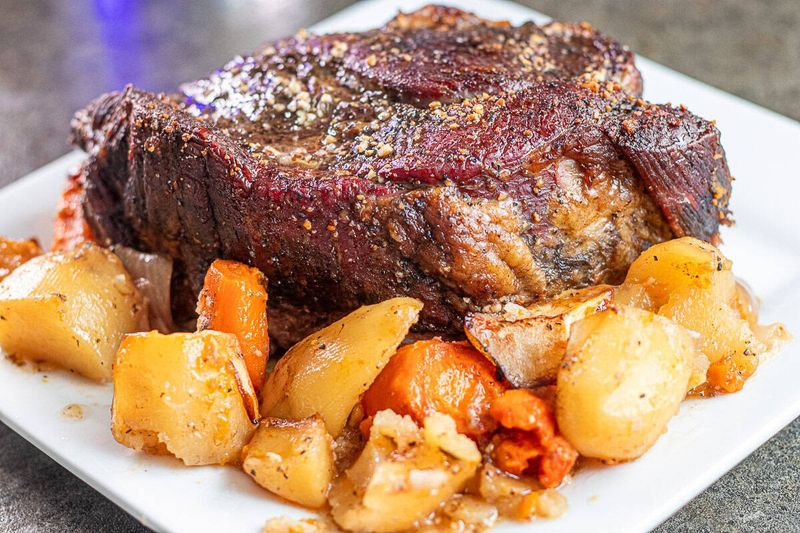
Sunday afternoons smelled like this in countless homes. Chuck roast comes from the hardworking shoulder, so it starts out tough and chewy.
Low heat and a few hours in a covered pot change everything. The fibers relax, and the beef falls apart with a fork.
Toss vegetables in during the last hour so they soak up the juices. Leftovers made Monday sandwiches, which meant one cheap roast fed a family twice.
4. Ham Hocks and Beans
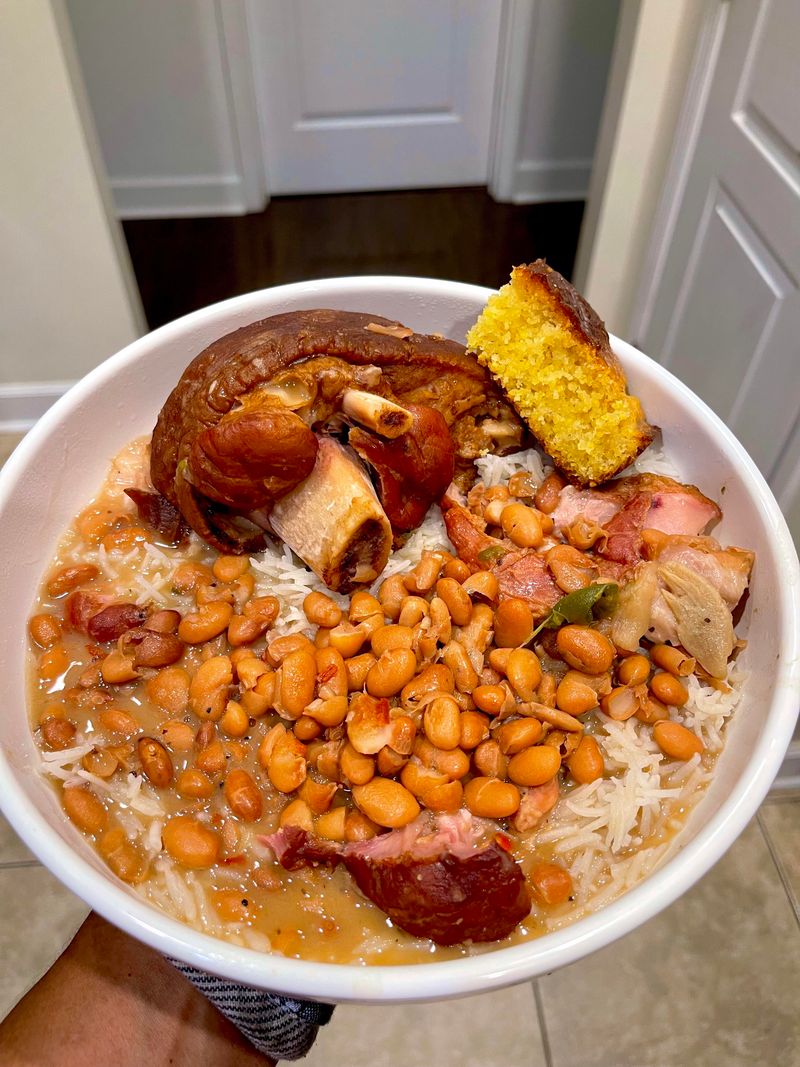
Here is a fun fact: one smoky ham hock can flavor an entire pot of beans for a whole family. That knobby joint has little meat but tons of taste.
Southern and Appalachian cooks simmered dried beans with hocks all day long. The skin and bone melted into a savory broth.
Serve it with a hunk of cornbread for dipping. Pull any tender meat off the bone before eating.
5. Steak and Kidney Pie
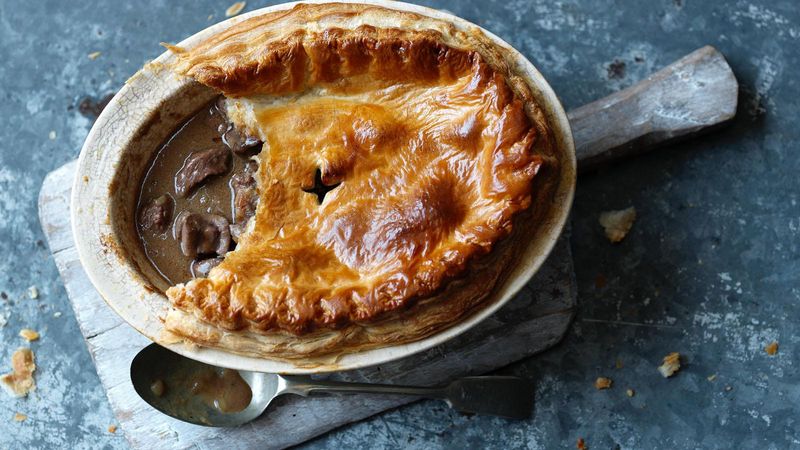
British miners and factory hands knew a hearty pie could carry them through a long shift. Steak and kidney pie mixed tough stewing beef with inexpensive kidneys.
Everything simmered in dark gravy until soft, then hid under a flaky golden crust. The kidney adds an earthy, bold taste.
Trim kidneys carefully and soak them in salted water first. That small step makes the flavor milder and much more welcoming.
6. Braised Short Ribs
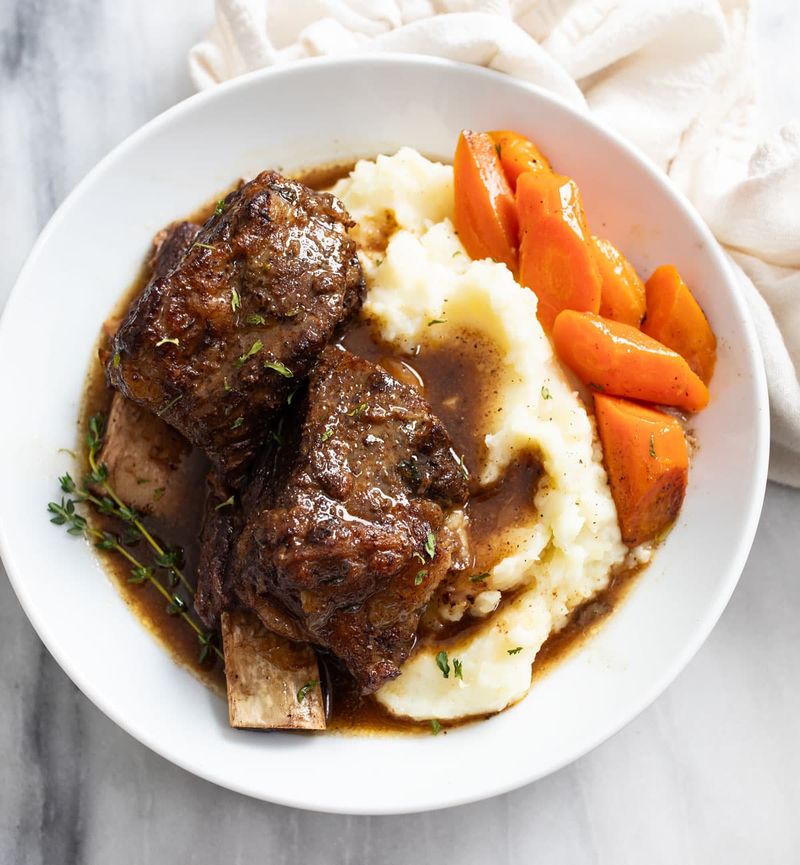
Funny how times change. Short ribs were once a bargain bin cut that working families grabbed because nobody else wanted them.
Packed with fat and connective tissue, they need a long, slow braise in broth or beer. Once ready, they turn rich, sticky, and incredibly tender.
Chill the pot overnight and scrape off the hardened fat. The flavor actually gets better on day two, and the sauce tastes cleaner.
7. Irish Stew
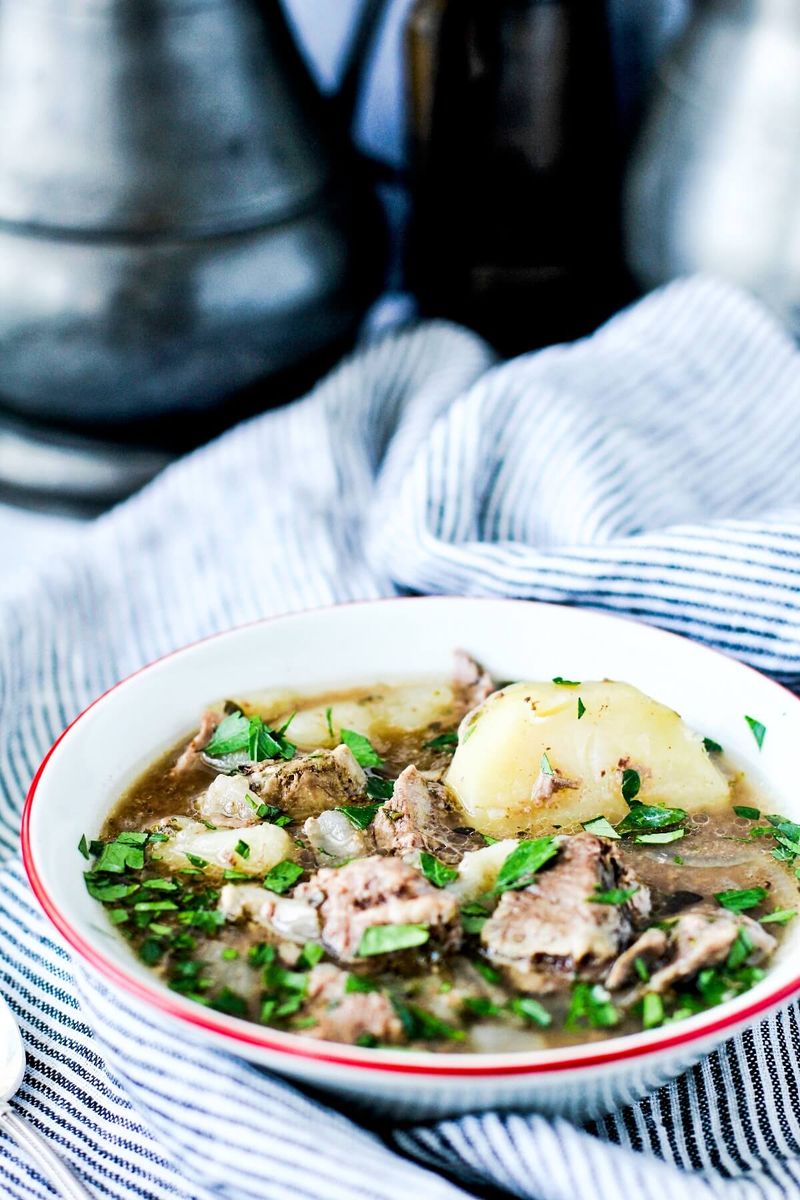
Picture a peat fire in a small Irish cottage, a pot bubbling away. Irish stew was built from older mutton, neck chops, potatoes, and onions.
Nothing fancy went in because nothing fancy was available. Yet the slow cooking turned stringy mutton into something soft and comforting.
Lamb neck or shoulder works great today. Let some potatoes break down so they naturally thicken the broth without any flour.
8. Chicken Livers on Toast
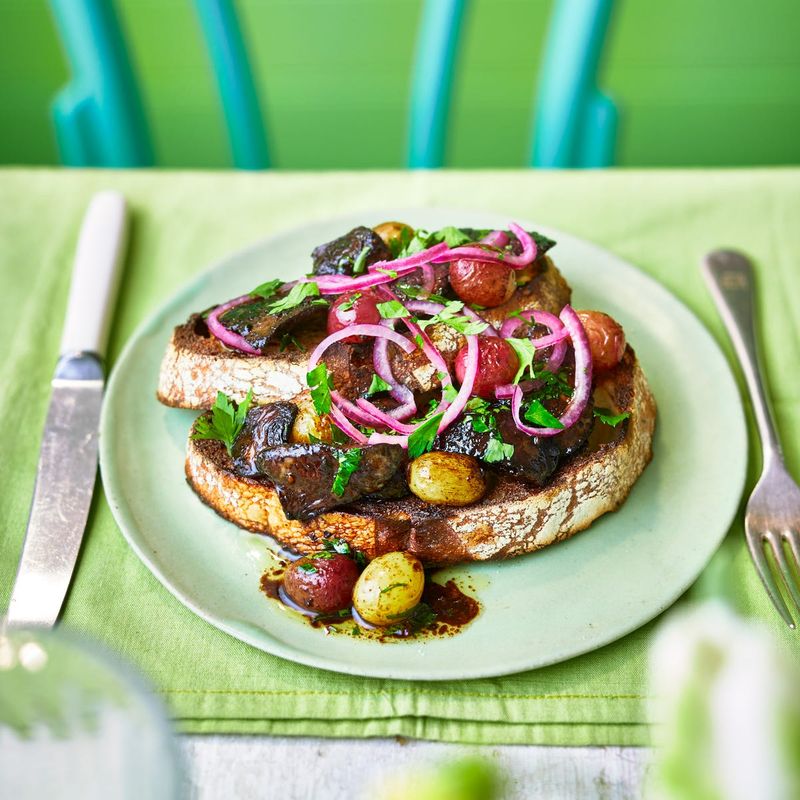
Quick, cheap, and surprisingly fancy tasting, chicken livers were a weeknight hero. A container cost far less than any other chicken part.
Cooks fried them in butter with onions, a splash of something tangy, and a pinch of salt. Spooned over toasted bread, they made a full supper in fifteen minutes.
Keep the centers slightly pink. Overcooked livers turn grainy, while perfectly cooked ones taste creamy and rich.
9. Beef Shank Soup
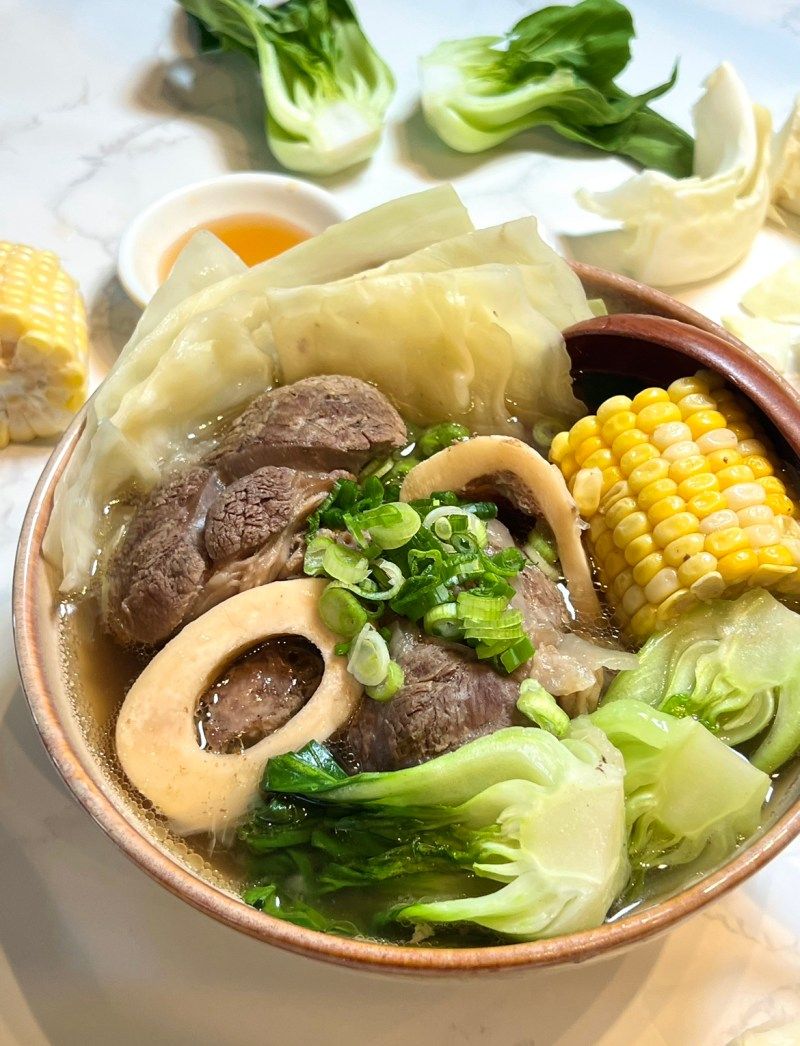
Have you ever tasted bone marrow melting into hot broth? Beef shank soup gives you exactly that, and it costs very little.
The shank comes from the leg, full of tough muscle and a marrow-filled bone. Hours of simmering turn it into a deep, nourishing soup.
Families across Mexico, Vietnam, and Eastern Europe all have versions. Add whatever vegetables sit in your fridge, and nothing goes to waste.
10. Faggots and Peas
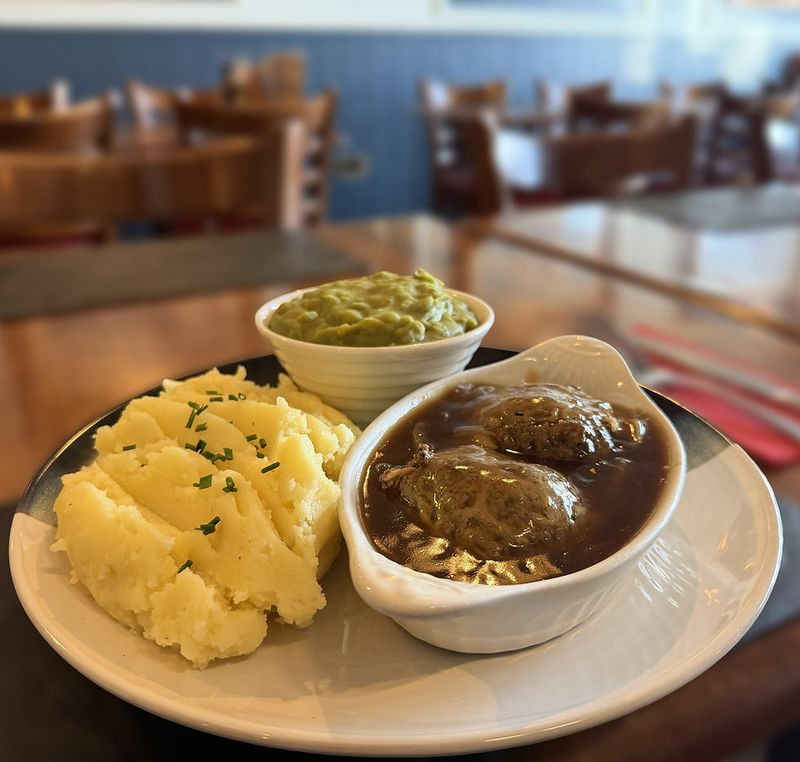
Don’t let the old-fashioned name scare you off. In England’s Black Country, faggots are hearty meatballs made from pork offal, breadcrumbs, and herbs.
Workers loved them because they used every scrap of the pig. Wrapped in caul fat and baked, they come out juicy and savory.
Tradition says to serve them drowning in onion gravy with a side of mushy peas. It is pure comfort on a cold, rainy evening.
11. Pork Neck Bones and Greens
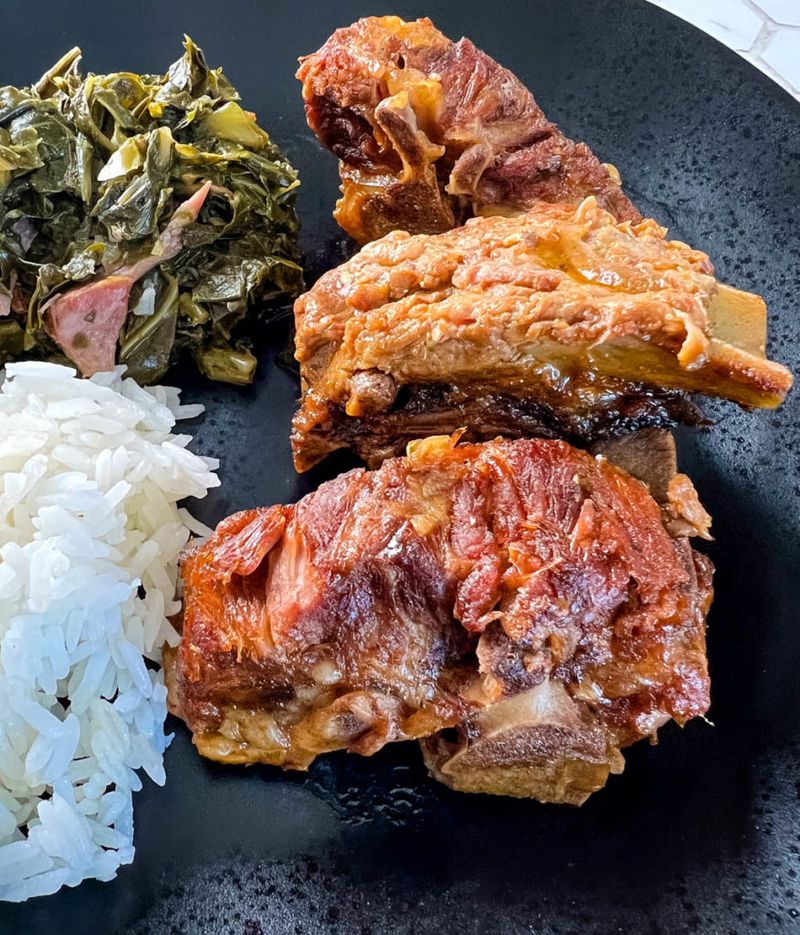
Soul food cooks turned leftovers into legends, and neck bones are proof. These bony pieces were among the cheapest items in any meat case.
Simmered low with onions, garlic, and pepper, they release tender meat and a savory liquid. That liquid, called pot likker, flavors collard greens beautifully.
Eat with your fingers and don’t be shy. Picking every bit of meat from the bones is part of the fun.
12. Shepherd’s Pie
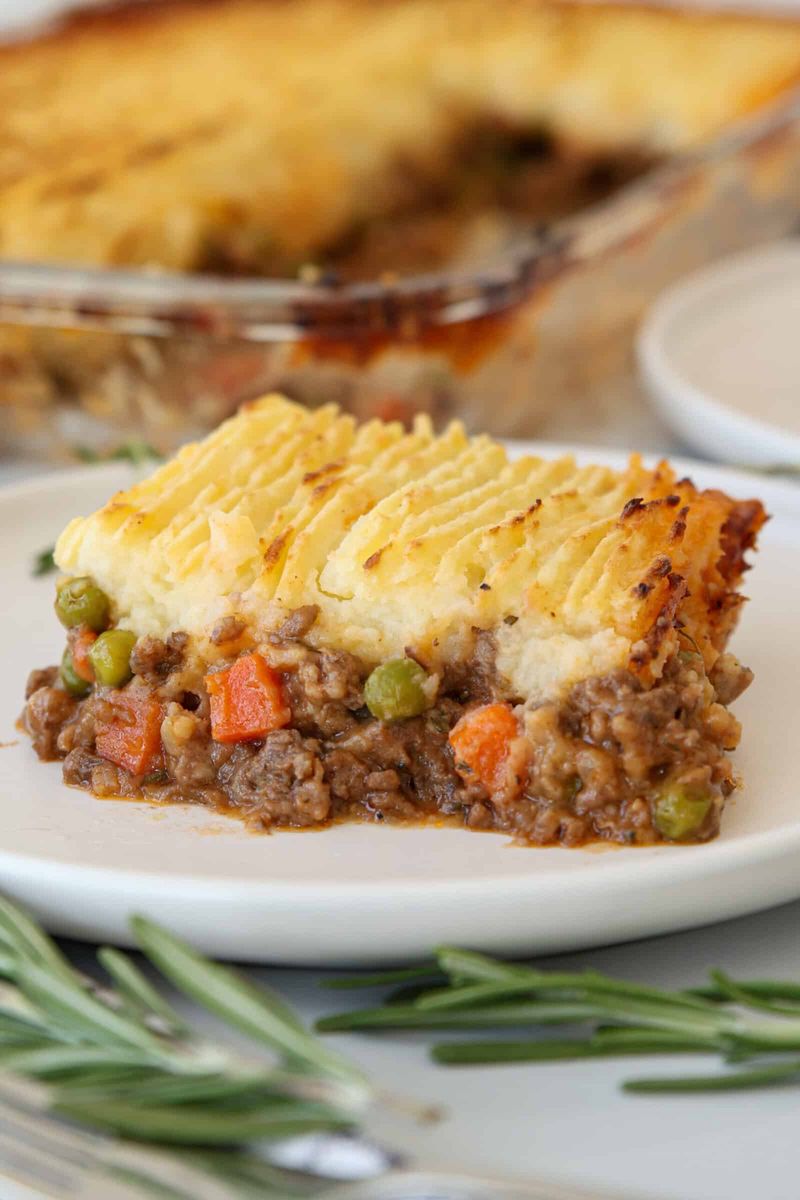
Leftover roast rarely went to waste in thrifty homes. Shepherd’s pie began as a smart way to reuse scraps of lamb from Sunday dinner.
Chopped meat met onions and gravy, then got a fluffy blanket of mashed potatoes. Baked until golden, it felt like a brand new meal.
Today, ground lamb keeps costs low. Rough up the potato top with a fork for crispy little ridges everyone fights over.
13. Menudo
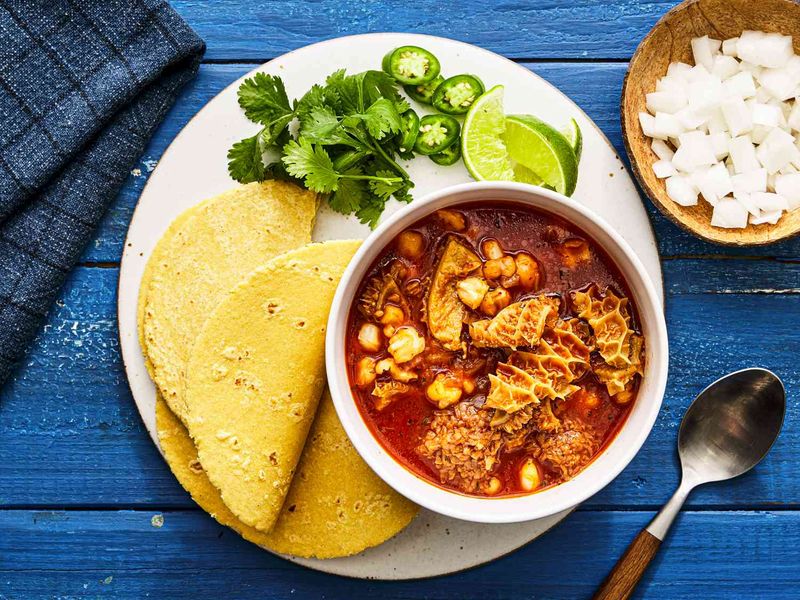
Ask almost any Mexican family about weekend mornings, and menudo will come up. This spicy red soup is made with beef tripe, or stomach lining.
Tripe is cheap but needs a long, patient cook to soften. Chiles, garlic, and hominy turn it into a celebration in a bowl.
Families often make huge pots for gatherings. Top yours with chopped onion, oregano, and a squeeze of lime for brightness.
14. Corned Beef and Cabbage
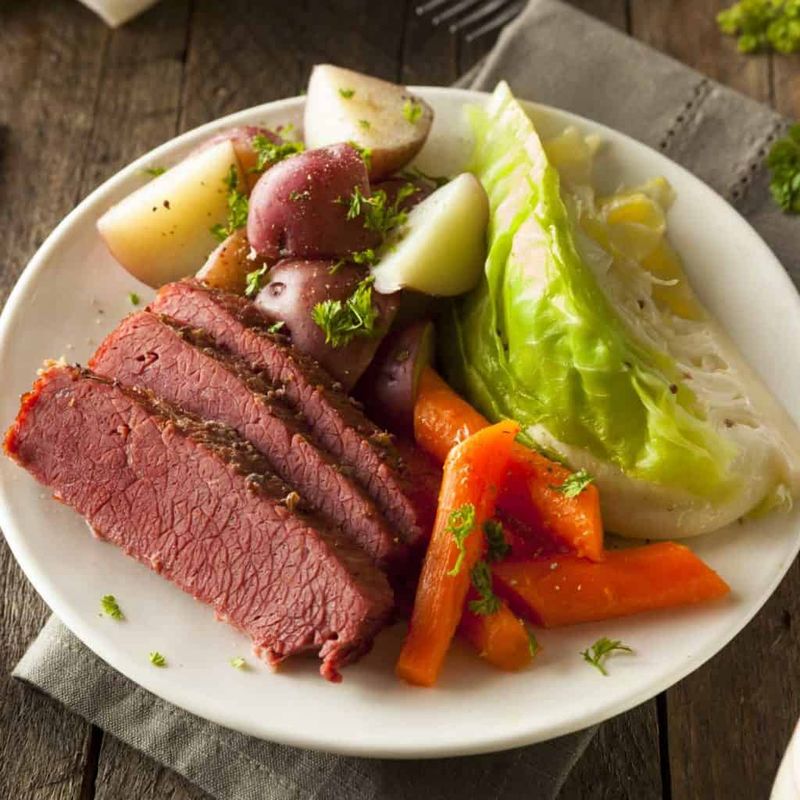
Irish immigrants in New York swapped pricey bacon for cheap brisket bought from Jewish butchers. That swap gave us corned beef and cabbage.
Brisket is a tough chest cut, but salt curing and slow boiling make it tender and tangy. Cabbage, potatoes, and carrots cook right in the same pot.
Always slice against the grain. Doing that turns chewy strands into soft, easy bites.
15. Scrapple

Pennsylvania Dutch farmers had a motto: use everything but the oink. Scrapple is that idea shaped into a loaf.
Pork scraps and broth get mixed with cornmeal and spices, then chilled until firm. Slices are fried until the edges turn wonderfully crunchy.
Many families ate it for supper with applesauce or eggs. Fry it in a hot pan and leave it alone, because flipping too soon makes it crumble.
16. Cottage Pie with Mince
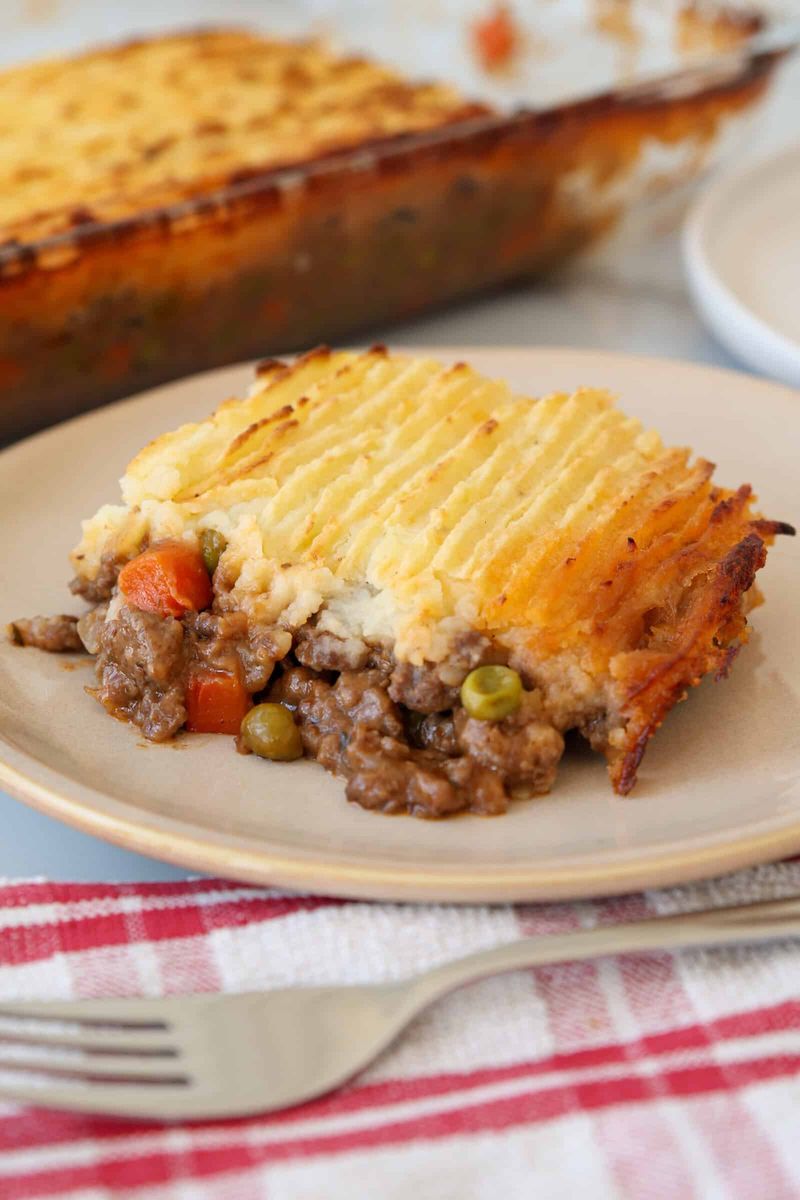
Cousin to shepherd’s pie, cottage pie uses beef instead of lamb. Its name comes from the small cottages of poor rural workers who first made it.
Cheap ground beef stretched far when mixed with onions, carrots, and peas. A thick mash topping made it filling enough for hungry kids.
Add a spoonful of tomato paste and a splash of Worcestershire sauce. Those two cheap extras give the filling serious depth.
17. Chicken Feet Dim Sum Style
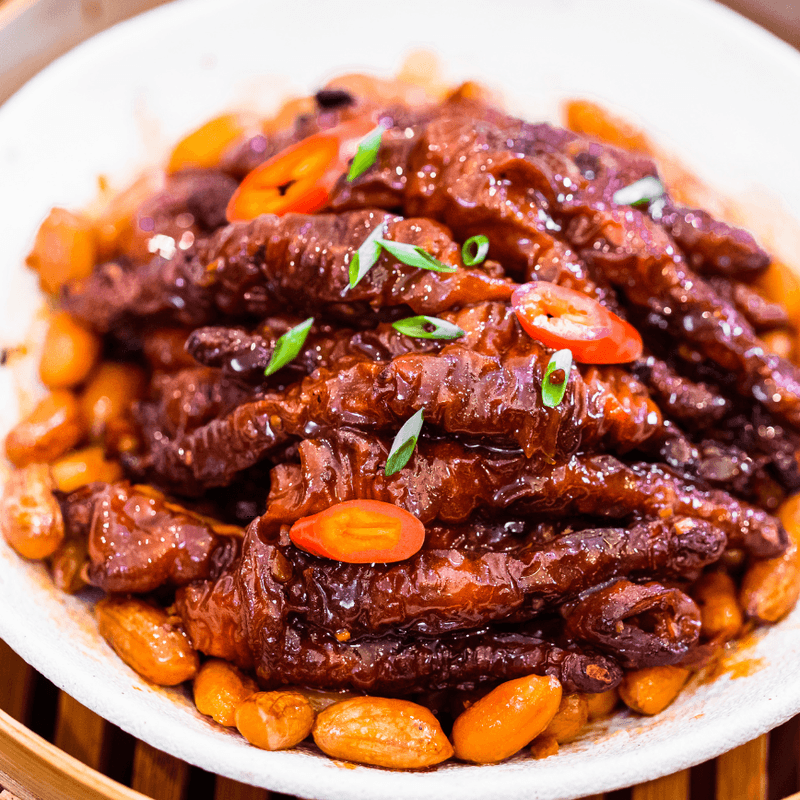
Sounds strange, right? Yet across China and much of Asia, chicken feet are a beloved treat made from something others toss away.
Fried, then braised in black bean sauce, they become soft, sticky, and full of flavor. Thrifty cooks also simmered them for rich, gelatin-filled broth.
They cost almost nothing at Asian markets. Even if you skip eating them whole, try adding a few to your next homemade soup.
18. Beef Cheeks Barbacoa
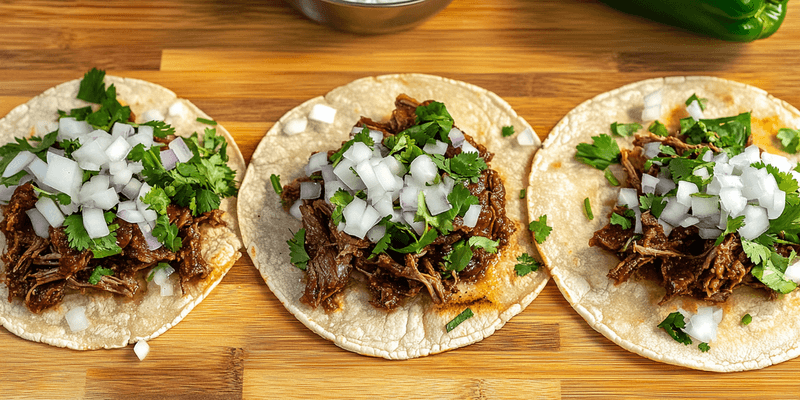
Tacos taste better when the meat practically melts, and beef cheeks deliver. In Mexico and Texas, cheeks were once a throwaway cut.
Traditionally they were wrapped and slow-cooked underground for hours. At home, a covered pot or slow cooker works just fine.
The result is juicy, shredded beef with an almost buttery texture. Pile it on warm corn tortillas with onion, cilantro, and a spoonful of salsa.
19. Swiss Steak
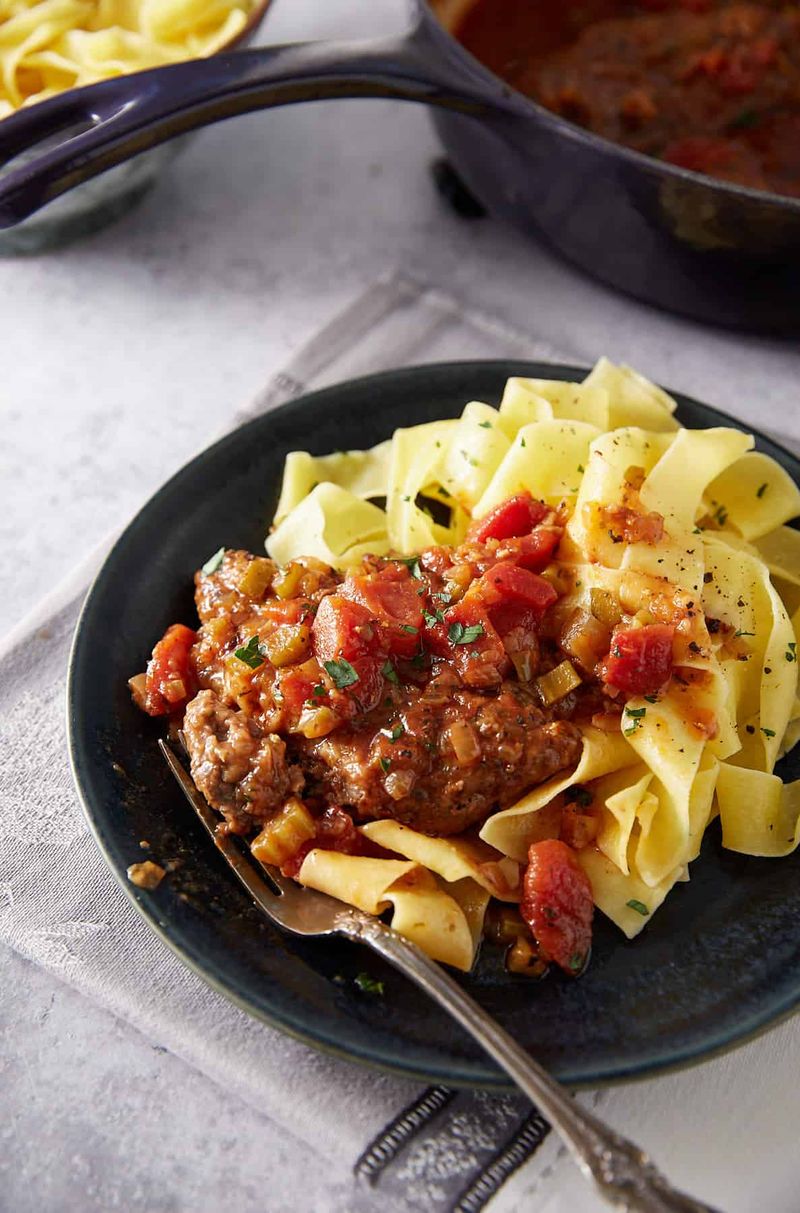
Depression-era moms pounded tough round steak with a mallet, and Swiss steak was born. The name refers to swissing, a fancy word for flattening fabric.
Floured, browned, and simmered in a tomato and onion gravy, the stiff beef becomes fork-tender. It stretched one package of meat for a whole family.
Bake it covered in the oven for about two hours. Serve with rice or noodles to catch every drop.
20. Lamb Neck Tagine
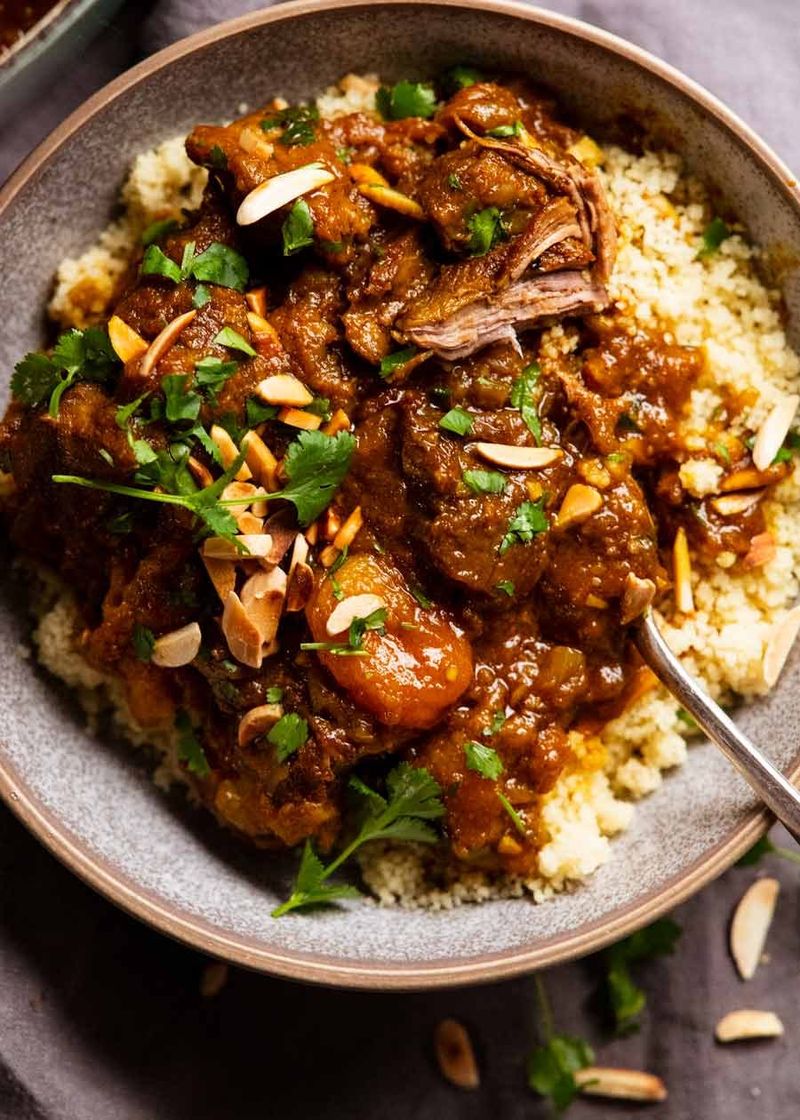
Spices can work miracles on a budget. Moroccan families often used lamb neck, a bony and affordable cut, for slow-cooked tagines.
Cumin, cinnamon, ginger, and dried apricots fill the pot with warm, sweet aromas. After a long simmer, the meat falls off the bone.
No clay tagine at home? A heavy pot with a tight lid works nicely.
Serve with couscous or flatbread to scoop up the sauce.
21. Pigs in Blankets Cabbage Rolls

Polish and Ukrainian grandmothers could feed a crowd with a single head of cabbage. Their stuffed cabbage rolls, called golabki, prove it.
Cheap ground pork mixed with rice made a little meat go a long way. Each roll gets tucked into tomato sauce and baked low and slow.
Freeze extras for busy nights. Honestly, many people say these rolls taste even better reheated, once the flavors settle together.