
Some music stars earned their first Grammy before they finished their teenage years. Their songs changed what fans expected from pop, bringing fresh voices, honest stories, and sounds borrowed from other styles.
From bedroom recordings to powerful R&B duets, their breakthroughs showed that young artists could lead big changes. Every artist here won a Grammy between ages 13 and 19, though their influence sometimes reached pop from country, soul, or reggae.
1. Billie Eilish: Quiet Vocals, Huge Impact
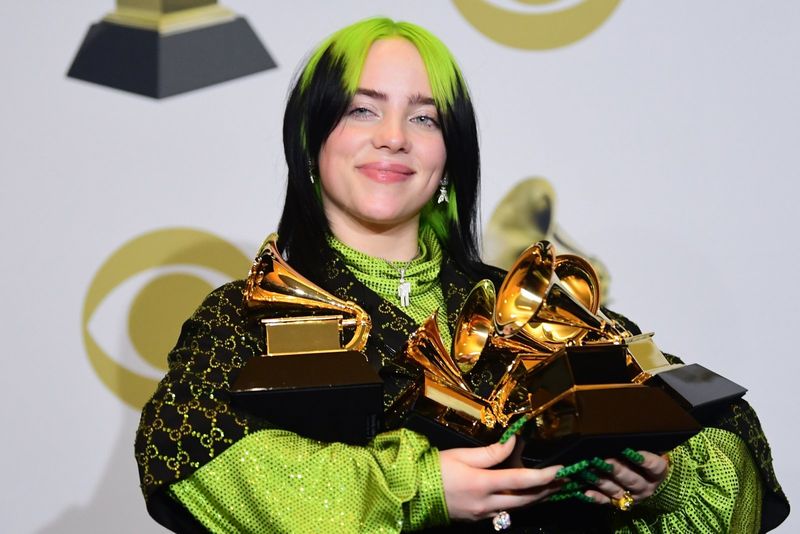
A whisper could shake the charts, and Billie proved it. At 18, she won five Grammys in 2020, including all four major awards.
Her album When We All Fall Asleep, Where Do We Go? grew from recordings made with her brother, Finneas.
Instead of chasing huge vocals, she used quiet singing, strange sounds, and honest feelings. Listen to Bad Guy through headphones to hear how tiny details can make a pop song feel completely new.
2. Lorde: A Different Kind of Pop Royalty
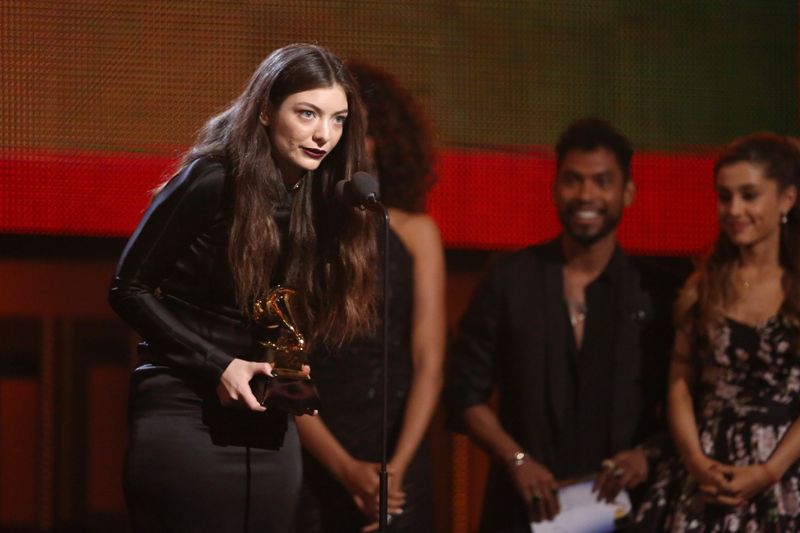
Forget fancy cars and diamond watches. Royals questioned the luxury stories filling pop radio, giving listeners something different to sing about.
Lorde was 17 when the track won Song of the Year and Best Pop Solo Performance in 2014.
Her spare beats left room for sharp words and stacked harmonies. That mix helped make thoughtful, moody pop feel exciting.
Try following the background vocals to notice how much atmosphere a simple arrangement can really create.
3. LeAnn Rimes: A Big Voice Across Genre Lines
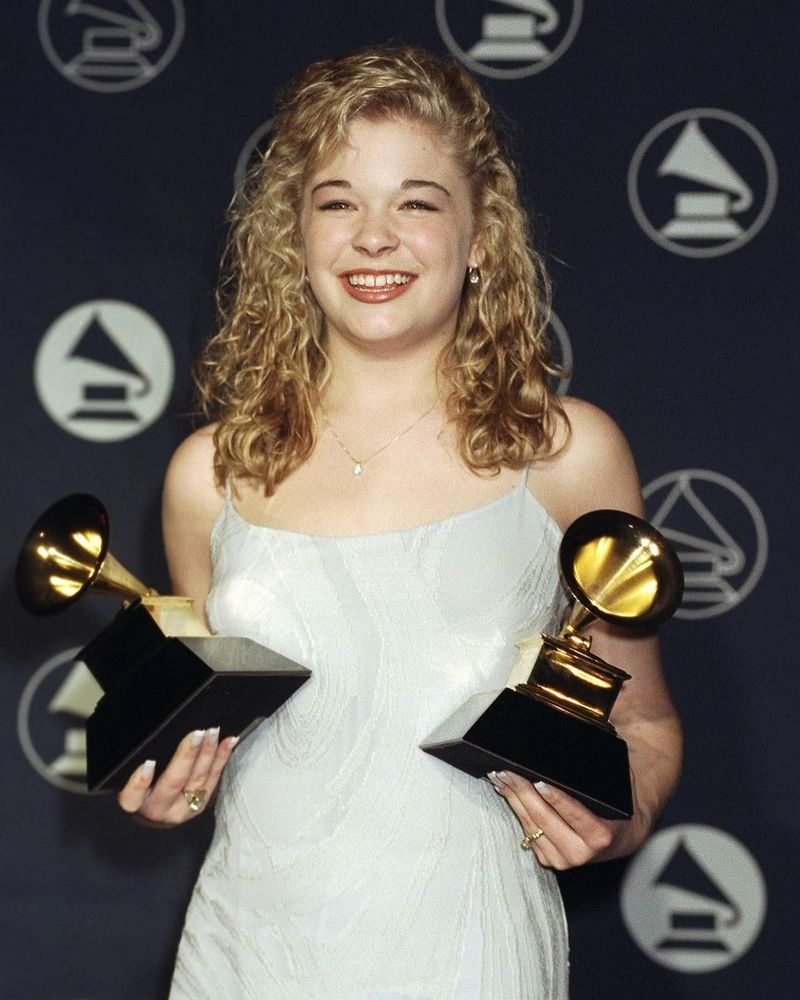
One note of Blue could stop a listener in their tracks. LeAnn Rimes was just 14 when she won Best New Artist and Best Female Country Vocal Performance in 1997.
Her rich voice recalled classic country singers while reaching a new generation.
Later hits, including How Do I Live, carried that talent toward pop audiences. Her path shows how crossing styles can work best when an artist keeps the qualities that first made people listen.
4. Luis Miguel: Spanish-Language Stardom Without Limits

Spanish songs never needed an English makeover to matter. At 14, Luis Miguel won a Grammy in 1985 for Me Gustas Tal Como Eres, his duet with Sheena Easton.
The award recognized Best Mexican-American Performance.
He later became a giant of Latin pop, moving between romantic ballads and older musical traditions. His lasting appeal offers a useful reminder: an artist can reach huge audiences while staying close to the language and sounds that shape them.
5. Daya: The Voice Inside the Dance Hit
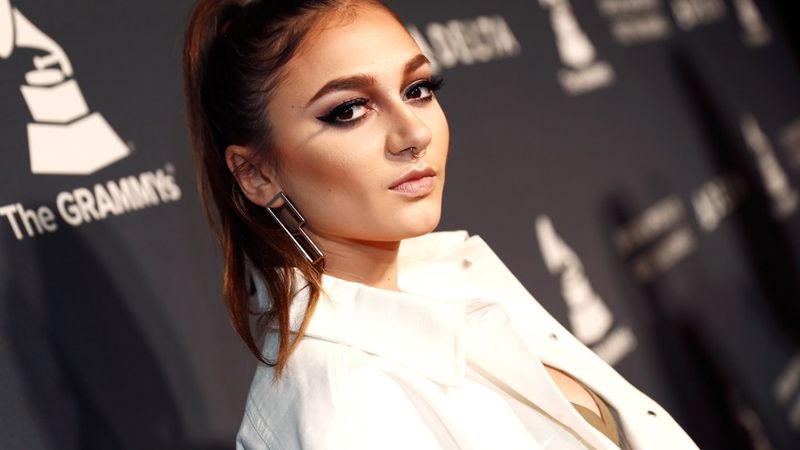
Behind a giant electronic beat, a human voice still matters. Daya brought urgency to Don’t Let Me Down with the Chainsmokers, earning Best Dance Recording at the 2017 Grammys when she was 18.
The song paired a memorable vocal hook with a dramatic electronic drop, capturing a major sound of that decade. For a fun listening exercise, compare the quieter opening with the chorus.
Her singing supplies the emotional thread that holds those contrasting sections together.
6. Christina Aguilera: Vocal Power Takes Center Stage
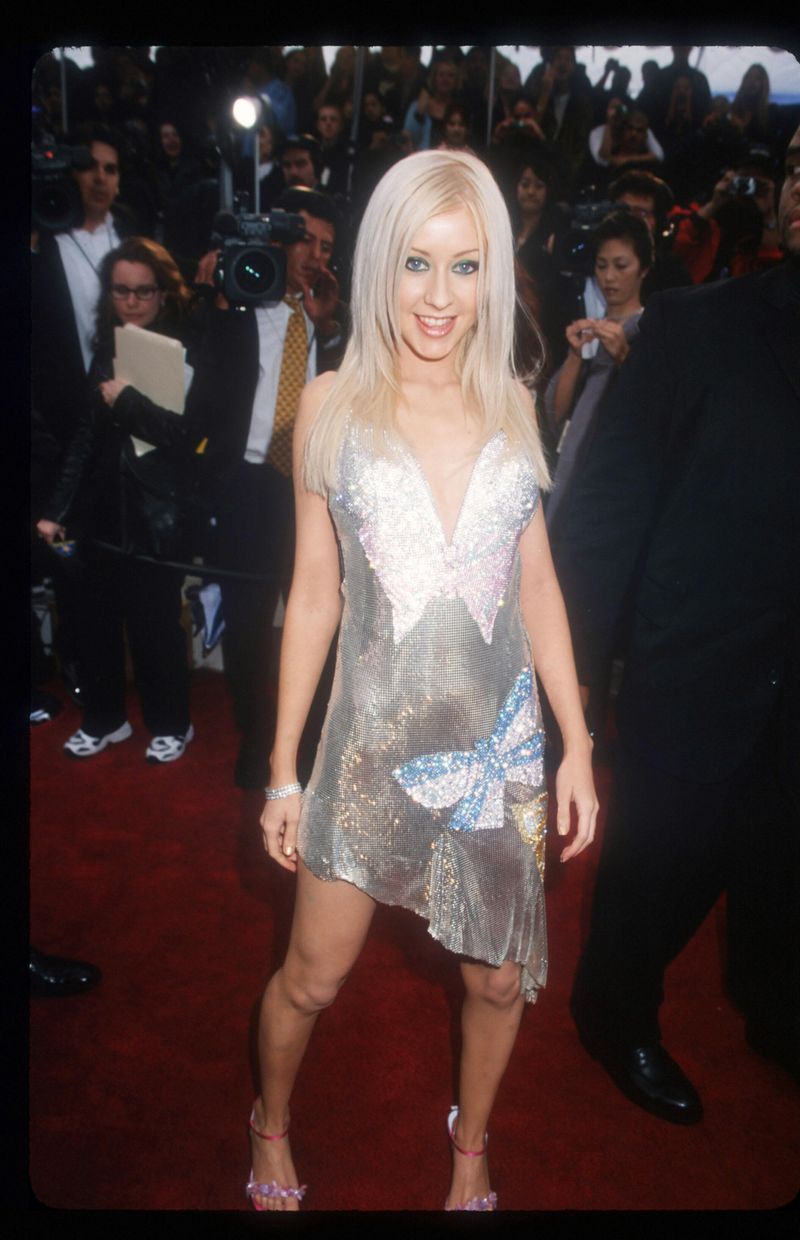
Big notes became part of the excitement when Christina Aguilera arrived. She won Best New Artist in 2000 at 19, following the success of Genie in a Bottle and her debut album.
Her style joined catchy pop with the runs and strong phrasing heard in R&B. That combination helped make vocal skill a major part of her identity.
When listening, notice how she changes a repeated line instead of singing it exactly the same way twice.
7. Beyoncé: Group Harmonies, Future Superstar
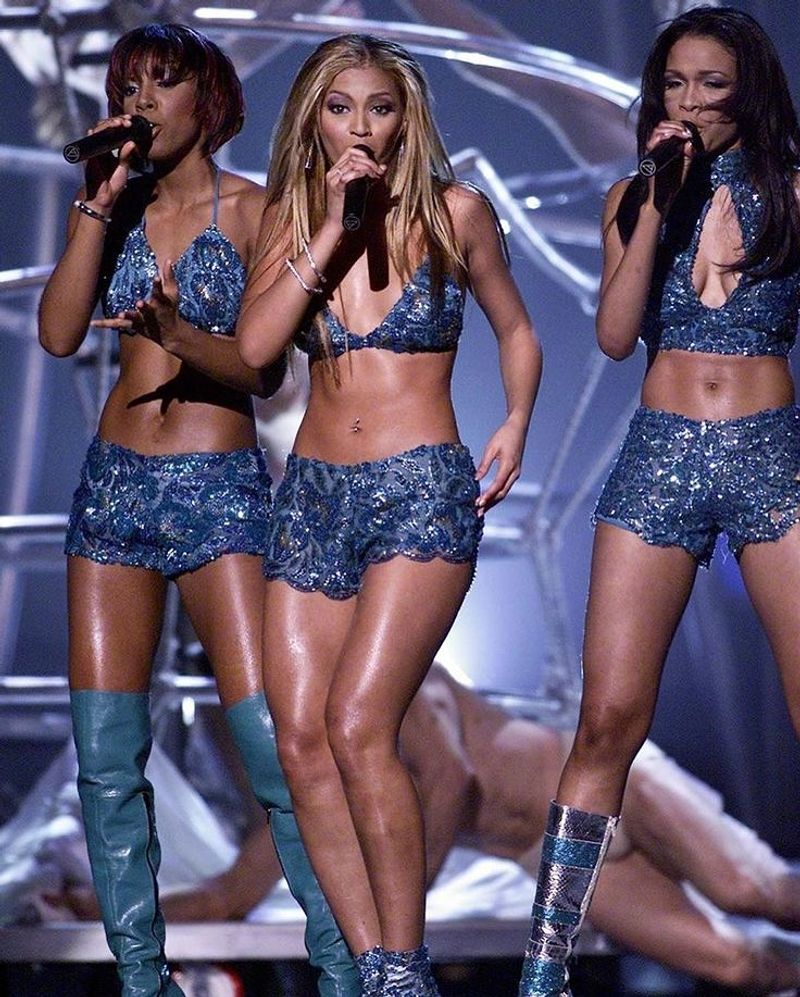
Before the solo stadium shows came tightly woven group harmonies. Beyoncé earned her first two Grammys at 19 in 2001 through Destiny’s Child’s Say My Name, recognized for R&B performance and songwriting.
The track mixed a suspicious relationship story with crisp rhythms and carefully arranged voices. Those details helped connect R&B with mainstream pop listeners.
Pay attention to the changing vocal parts: the song shows how teamwork can build a spotlight without losing the group’s character.
8. Michelle Branch: Guitar Pop Finds Fresh Energy
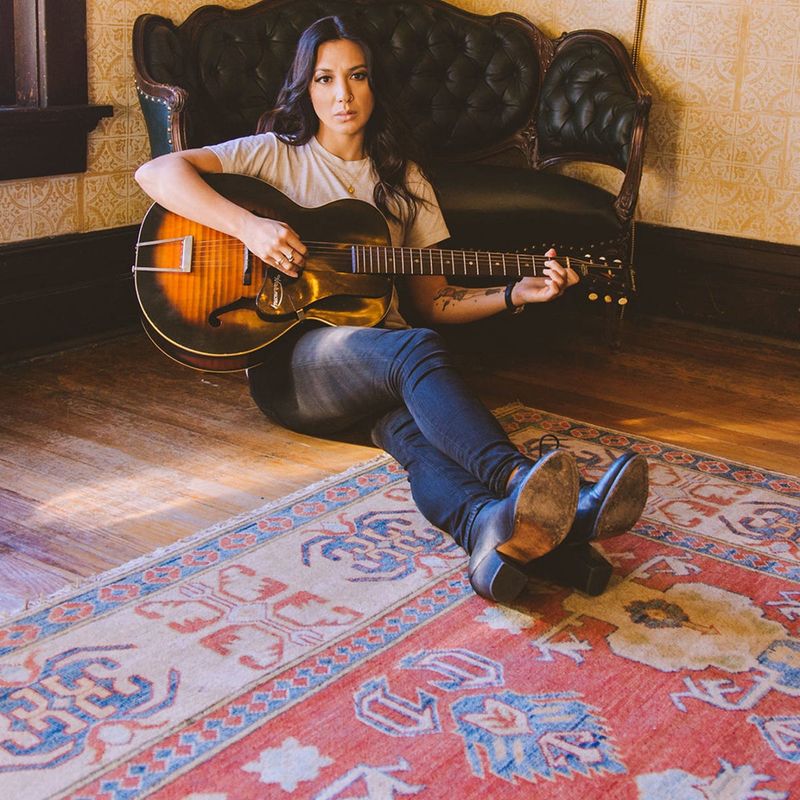
An acoustic guitar could belong beside the biggest radio hooks. Michelle Branch helped prove that with her early hits, then won Best Pop Collaboration with Vocals in 2003 at 19 for The Game of Love with Santana.
Her clear singing balanced the track’s bright guitar lines without getting buried beneath them. Alongside her own songwriting, the collaboration highlighted a lively alternative to dance pop.
Listen for the musical conversation between her vocal melody and Santana’s guitar.
9. Monica: Cool Confidence in a Famous Duet
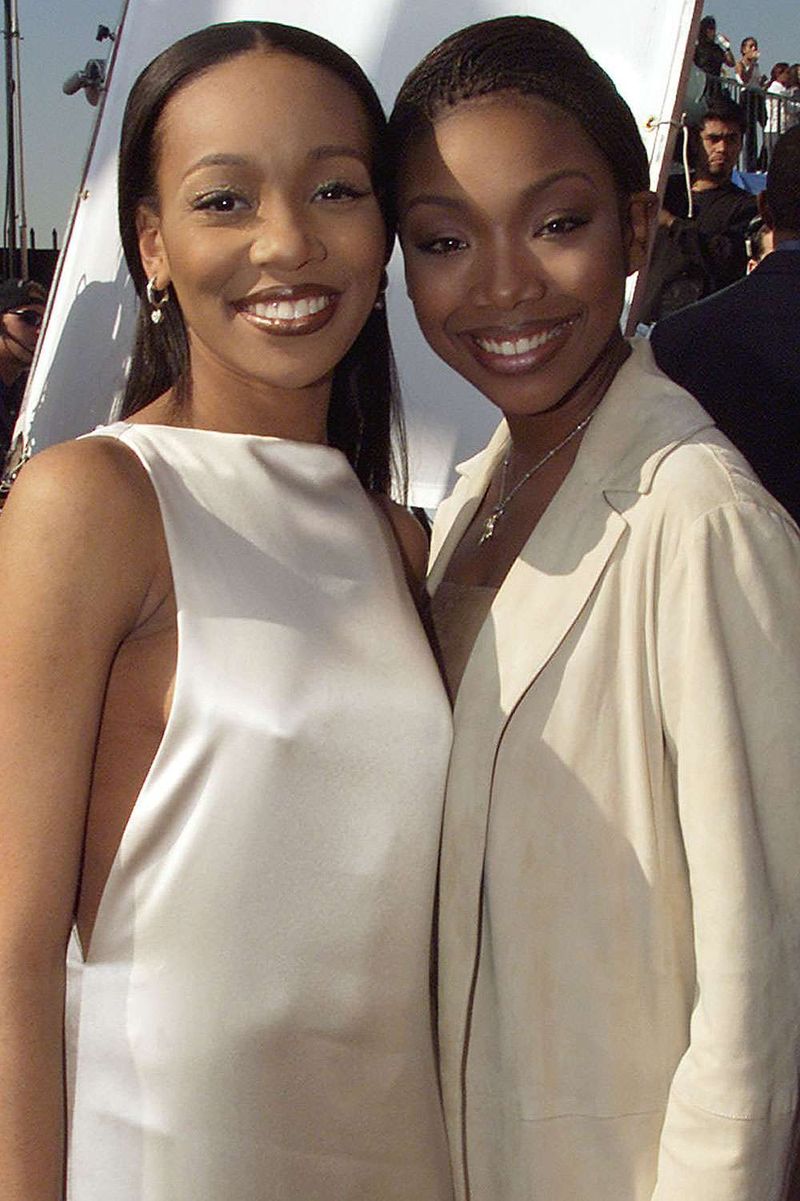
Two singers, one disputed boyfriend, and a chorus almost everyone recognized. Monica won her first Grammy at 18 in 1999 for The Boy Is Mine with Brandy, taking Best R&B Performance by a Duo or Group with Vocals.
Her firm delivery gave the song a confident edge, helping its story feel like a real conversation. The crossover hit showed how character can drive a duet.
Follow Monica’s lines separately to hear how tone carries the argument forward.
10. Brandy: Layers That Changed the Listening Experience
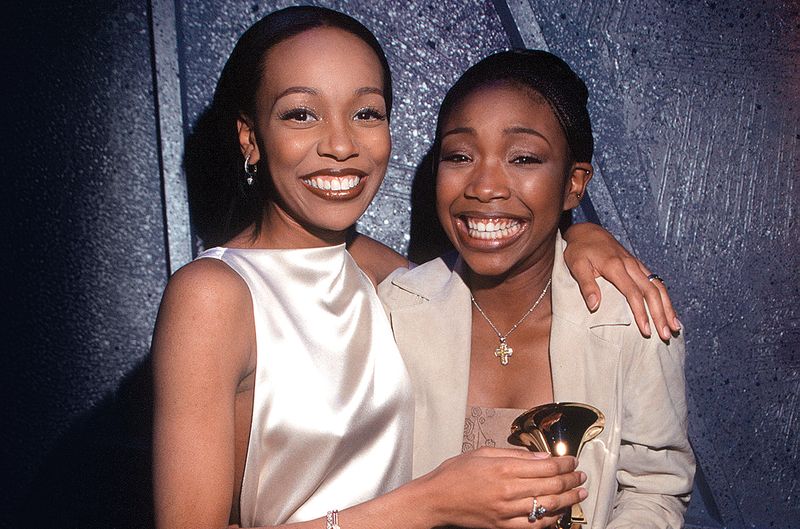
Smooth harmonies can be just as striking as a huge high note. Brandy was 19 when The Boy Is Mine, her duet with Monica, earned a Grammy in 1999 for R&B group or duo vocal performance.
Across her music, layered vocals and careful phrasing became defining strengths. They helped shape the sound of later pop and R&B singers.
Try listening beyond the main melody; the supporting voices often add little answers, textures, and feelings of their own.
11. Joss Stone: Old-School Soul Meets Young Ears

A smoky voice and loose grooves made older soul sounds feel fresh. Joss Stone won a Grammy at 19 in 2007 for Family Affair with John Legend and Van Hunt, recognized for R&B group or duo vocal performance.
Her broader breakthrough brought classic soul influences to young mainstream listeners. Rather than relying only on glossy production, she put expression up front.
Compare her soft phrases with her rougher notes to hear how vocal texture changes a mood.
12. Rihanna: A Grammy Beneath the Umbrella

Ella, ella became a pop chant heard around the world. Rihanna was 19 when Umbrella, featuring Jay-Z, won Best Rap/Sung Collaboration at the 2008 Grammys.
Its steady beat and unforgettable chorus marked a major step in her rise.
She later moved confidently among dance, R&B, and other sounds, making reinvention central to her career. Start with Umbrella to hear an early strength: she could make a simple repeated phrase feel stylish, personal, and impossible to forget.
13. Alison Krauss: A Roots-Music Route to Wider Audiences

A fiddle offered a different route toward mainstream music. Alison Krauss earned her first Grammy at 17 in 1989, winning Best Bluegrass Recording for Two Highways with Union Station.
Her clear voice and acoustic approach later reached listeners far beyond bluegrass through collaborations and soundtrack work. Her connection to pop is less direct than others here, but her crossover reach matters.
Explore her recordings when you want to hear how quiet detail can hold an audience’s attention.
14. Stephen Marley: Reggae Roots With Lasting Reach

Growing up around music did not make the work automatic. Stephen Marley was 16 when Ziggy Marley and the Melody Makers won Best Reggae Recording for Conscious Party at the 1989 Grammys.
As a member of the family group, he helped carry reggae toward wider audiences. His later production and collaborations linked those roots with contemporary sounds.
Although his home genre is reggae, his career shows how pop grows richer when musical traditions travel across generations together.
15. Olivia Rodrigo: Big Feelings Without a Filter
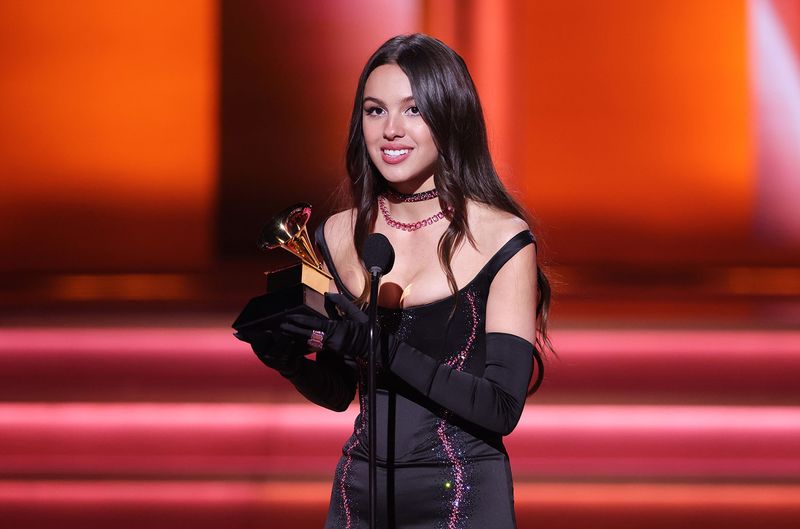
Heartbreak did not have to sound polite anymore. Olivia Rodrigo was 19, not 18, when she won three Grammys in 2022: Best New Artist, Best Pop Vocal Album for Sour, and Best Pop Solo Performance for Drivers License.
Her songs moved between tender piano moments and noisy pop rock frustration. That range gave young listeners room for messy feelings.
Compare Drivers License with Good 4 U to hear how different musical styles can tell one emotional story.