
Some relationships leave you feeling smaller, more worried, or less like yourself. A harmful influence can be a friend, partner, relative, or coworker, and the warning signs are not always loud or obvious.
One bad day does not define a person, but repeated patterns deserve attention. Spotting those patterns can help you protect your peace, set limits, and find support.
1. Apologies Never Lead to Change

Another disagreement ends, yet somehow nothing gets settled. They may refuse to apologize, brush off your concerns, or say sorry only to repeat the same behavior tomorrow.
A real repair includes listening and making a clear effort to change.
Explain what hurt you and what you need going forward, if speaking feels safe. Then watch their actions rather than their promises.
You cannot fix a relationship alone, no matter how carefully you choose your words.
2. Private Problems Become Public Rumors
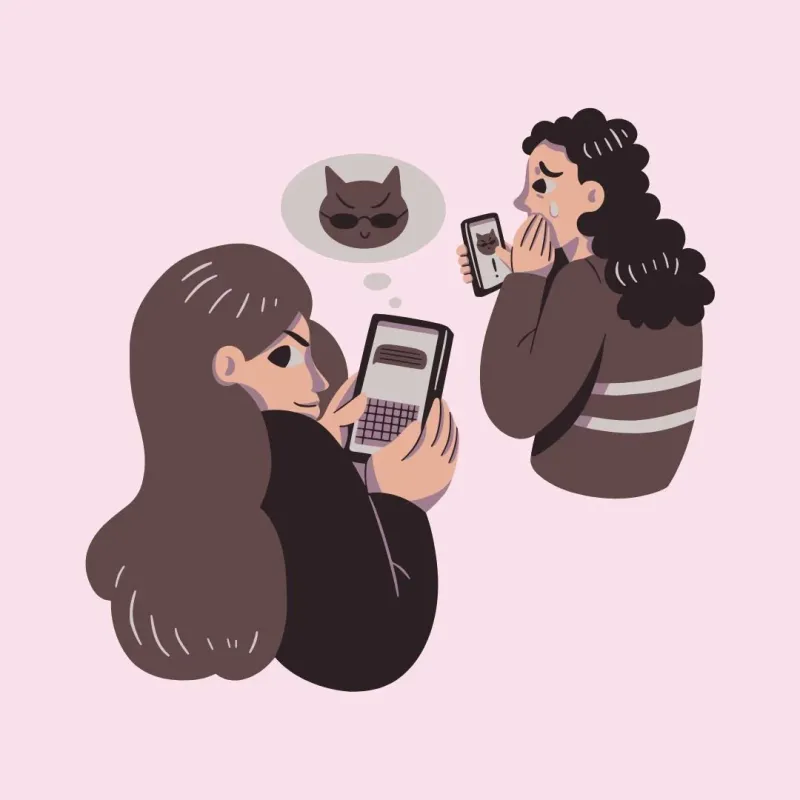
You hear your private business from someone who was never part of the conversation. Sharing rumors, exposing secrets, or mocking you after a disagreement can damage trust and make you afraid to speak honestly.
A single misunderstanding differs from a repeated effort to embarrass you. Keep sensitive details private while you assess the pattern.
If gossip affects your work or safety, save relevant messages and consider asking a trusted person for help with next steps.
3. Support Flows in Only One Direction

Being everyone’s emergency contact can feel lonely when nobody answers your call. A harmful pattern may involve endless requests for comfort, favors, or money, with little interest in your needs.
Healthy support does not require keeping a perfect score.
Still, there should be room for both people. Try making one clear, reasonable request and notice the response.
Someone may have limits, but repeatedly dismissing your struggles tells you something about the balance of the relationship.
4. Jealousy Turns Into Monitoring

A stream of messages asking where you are can look like concern at first. The warning sign is pressure to prove yourself through passwords, constant updates, or photos of your location.
Jealous feelings do not justify invading your privacy.
You are allowed friendships and time alone. State what information you are comfortable sharing, if safe.
If monitoring grows or you fear their reaction, seek confidential support before changing settings or confronting them about the behavior.
5. Everyday Choices Require Their Approval

Choosing a shirt should not feel like applying for permission. Someone who regularly dictates your clothes, spending, plans, or friendships may be taking control rather than offering advice.
The difference is whether you can disagree without punishment.
Notice what happens when you make an ordinary choice independently. Anger, threats, or blocked access to money deserve serious attention.
If you feel trapped, speak privately with a trusted person or an abuse support service about safer options.
6. Your Boundaries Become a Debate

No should not require a courtroom defense. Repeated unwanted touching, pressure for favors, or showing up after you asked for space can signal a disregard for your limits.
Being close does not give someone unlimited access to you.
State the boundary simply and name an action you control, such as ending a call. Avoid arguing endlessly about whether your needs are valid.
If enforcing a limit could put you at risk, prioritize support and safety.
7. Peace Depends on Watching Every Word

Before speaking, you rehearse every sentence to avoid setting them off. That constant caution can be a clue that the relationship feels emotionally unsafe.
Ordinary disagreements should not leave you bracing for insults, threats, or a frightening outburst.
Pay attention to how often fear shapes your choices. You do not need to find perfect wording to deserve respect.
When reactions feel unpredictable or dangerous, reach out privately for help rather than testing their temper alone.
8. Feedback Gets Turned Against You

Mention a hurtful comment, and suddenly your tone becomes the only topic. Defensiveness can happen to anyone, but a steady pattern of counterattacks keeps real problems from being addressed.
Your concern disappears while you end up defending yourself instead.
Bring the conversation back to one specific behavior, if it feels safe. Look for willingness to listen after emotions settle.
Someone who never makes room for feedback may not be ready to build a healthier relationship.
9. Jokes Keep Landing at Your Expense

Everyone laughs, but you leave feeling small. Repeated jokes about your body, intelligence, background, or mistakes can wear down confidence, especially when objections bring more teasing.
Calling something humor does not erase its impact.
Tell them plainly that the comment hurt and ask them to stop, if you feel comfortable. A caring person can make a mistake and adjust.
Continued ridicule after a clear request shows that your comfort is not being treated with respect.
10. Your Feelings Get Brushed Aside

Hearing that you are too sensitive can shut down a conversation fast. When someone repeatedly dismisses sadness, fear, or disappointment, you may start hiding your feelings to keep things easy.
Agreement is not required for basic care.
Try asking for listening rather than an instant solution. Notice whether they show curiosity or keep minimizing your experience.
Your emotions are not proof that someone meant harm, but they still deserve attention and space in the conversation.
11. Guilt Becomes Their Favorite Tool
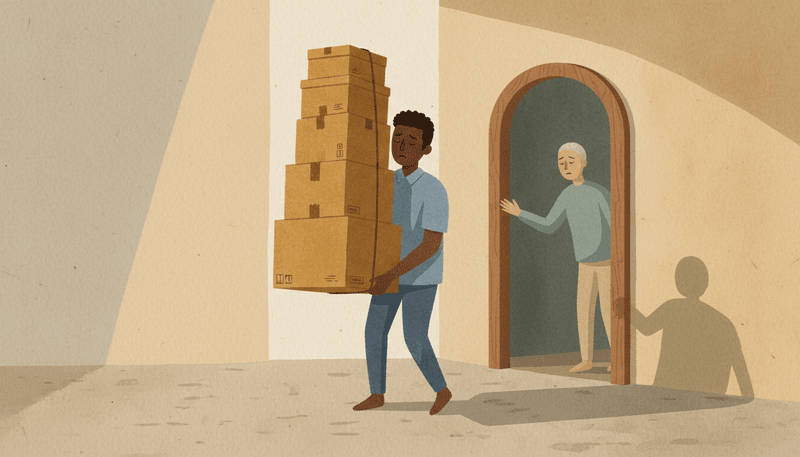
A simple refusal somehow becomes a test of your loyalty. They may bring up past favors, threaten to withdraw affection, or suggest that caring means always saying yes.
That pressure can make ordinary decisions feel like moral failures.
Pause before agreeing to anything that leaves you uneasy. You can appreciate someone’s help without owing unlimited access to your time, money, or body.
A fair request leaves room for an honest answer, including a respectful refusal.
12. Reality Starts Feeling Hard to Trust

You remember an insult, but they insist it never happened and call you unstable. Repeated efforts to undermine your trust in your own memory or judgment can be gaslighting.
A normal difference in recall, by itself, is not enough.
If safe, keep brief notes somewhere private and talk with someone you trust. Focus on patterns rather than winning every argument.
Support can help you regain perspective when repeated denial leaves you doubting what you experienced.
13. Your Wins Somehow Shrink Around Them

Good news should not need a smaller voice. If your achievements regularly meet sneers, unfair comparisons, or reminders of your flaws, you may begin hiding the things that make you proud.
That pattern can slowly weaken confidence.
Share your progress with people who can celebrate without turning it into a contest. Someone having a hard day may struggle to respond warmly once.
Repeated attempts to cut you down are different and deserve your honest attention.
14. Other Connections Keep Slipping Away

First they dislike one friend, then every visit becomes a problem. Someone may discourage family calls, create fights before outings, or demand that you choose them over everyone else.
Gradual isolation can make unhealthy treatment harder to recognize.
Keep contact with trusted people when you can do so safely. Having separate friendships is normal, not disloyal.
If someone blocks your communication or threatens you for reaching out, consider confidential help to plan your next steps.
15. Risky Habits Become the Price of Belonging

One more drink, one skipped shift, one purchase you cannot afford: pressure can sound casual. A harmful influence may push you toward choices that clash with your health, values, or responsibilities, then mock you for hesitating.
Decide your limits before spending time together and arrange your own way home when possible. Notice whether they accept your answer without a fight.
People who care about you do not need you to harm yourself to fit in.
16. Closeness Comes With Constant Uncertainty
Warmth returns just when you are ready to pull away. Repeated breakup threats, sudden silence, or affection used as a reward can keep you working for a sense of security.
Normal changes in mood are different from punishment.
Ask yourself whether disagreements can happen without the relationship being threatened. Look for steady respect across time, not only intense reunions.
If the cycle keeps hurting you, outside support can help you consider limits or a safer exit.
17. Your Well-Being Worsens After Contact

After seeing them, you feel drained instead of connected. Ongoing tension may show up as poor sleep, headaches, worry, or feeling less sure of yourself.
These changes can have many causes, so they are clues rather than proof.
Track how you feel before and after contact, and compare calmer periods. A counselor can help you sort out the pattern.
If threats or violence are involved, prioritize safety and contact local emergency or abuse support services.