
Some movies stay with you long after the screen goes dark. Critics return to these films because they tell powerful stories, take bold risks, or change how movies are made.
Drawing on celebrated classics and critics’ polls, including Sight and Sound, this list offers a starting point rather than a strict ranking. Pick a favorite genre, try something unfamiliar, and discover what makes these films worth watching.
1. Citizen Kane (1941): The Mystery Behind a Powerful Man
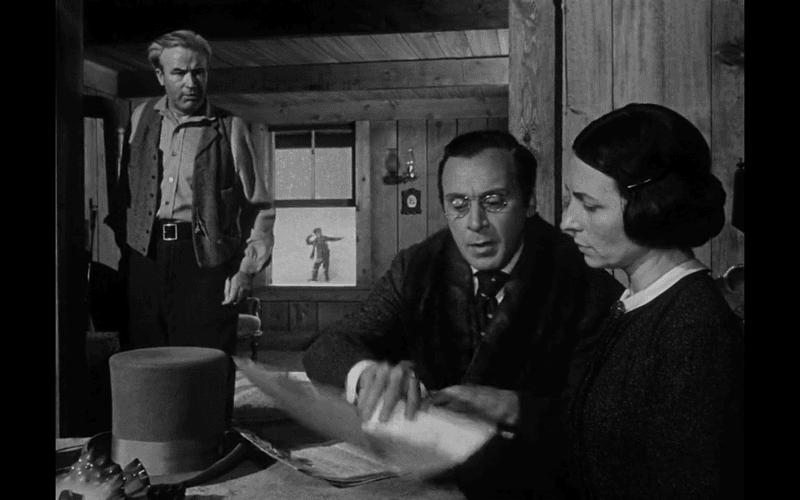
A single word sends a reporter searching through the life of a wealthy newspaper owner. Orson Welles turns that mystery into a story about power, memory, and the things money cannot replace.
Critics admire the film’s deep focus photography and unusual structure, which lets different people describe the same man. Watch how faces and objects share the frame.
Even without studying its methods, you can feel the loneliness hiding behind all that grand success onscreen.
2. Jeanne Dielman, 23, quai du Commerce, 1080 Bruxelles (1975): Routine Under Pressure
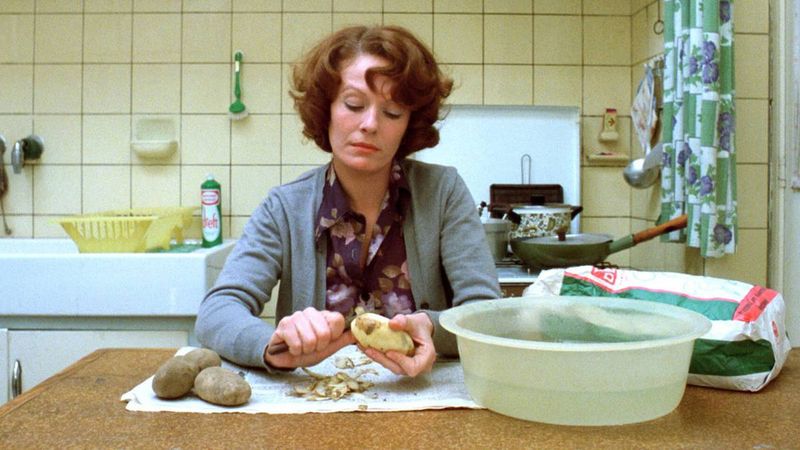
Peeling potatoes rarely feels suspenseful, but Chantal Akerman makes ordinary chores impossible to ignore. Her camera follows a widow’s carefully ordered days until small changes begin to carry surprising weight.
The film topped the 2022 Sight and Sound critics’ poll, drawing attention to work that often goes unseen. Set aside uninterrupted time for its slow pace.
Rather than waiting for constant action, notice repeated gestures and consider what happens when a person’s routine stops providing safety.
3. Vertigo (1958): A Dizzying Study of Obsession
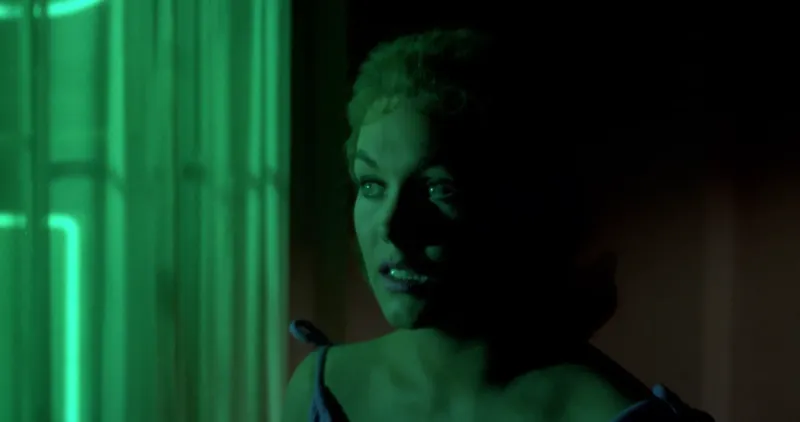
San Francisco becomes a maze of longing and fear in Alfred Hitchcock’s haunting thriller. A former detective follows a mysterious woman, but his growing obsession makes every glance feel uncertain.
Critics have praised its bold colors, uneasy romance, and daring treatment of identity. It led the 2012 Sight and Sound critics’ poll.
Avoid plot summaries before watching, then pay attention to repeated shapes and shades of green. The beauty often hides something deeply troubling underneath it.
4. Tokyo Story (1953): Family Ties Without Easy Answers
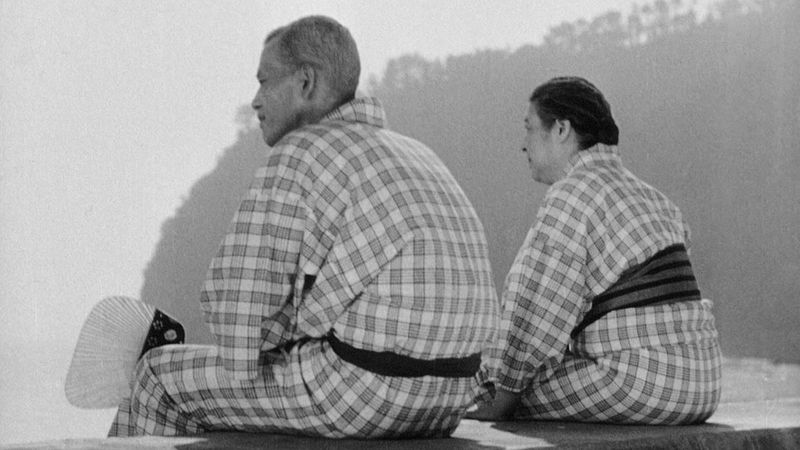
An elderly couple travels to visit their grown children and finds that everyone seems busy. Nothing about the setup sounds grand, yet Yasujirō Ozu builds an unusually moving picture of family distance.
Low camera positions and quiet pauses give ordinary rooms real emotional weight. Allow the story to unfold without expecting loud arguments or tidy villains.
Its lasting question is painfully familiar: how do we treat the people we love when daily life demands our attention?
5. The Rules of the Game (1939): Trouble Behind Polite Smiles
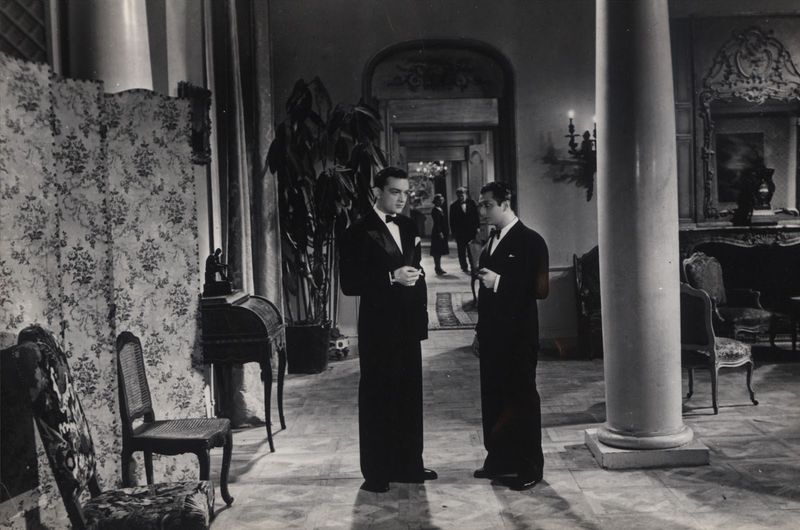
Behind the polished manners of a country gathering, almost everyone wants something they should not have. Jean Renoir follows wealthy guests and their servants through a tangle of secrets, flirting, and wounded pride.
The comedy gradually reveals a sharper view of class and social rules. Keep an eye on people moving in the background, since several stories often unfold together.
Critics value that busy staging and the film’s refusal to make human weakness look comfortably distant.
6. 2001: A Space Odyssey (1968): Space Travel That Leaves Room to Wonder
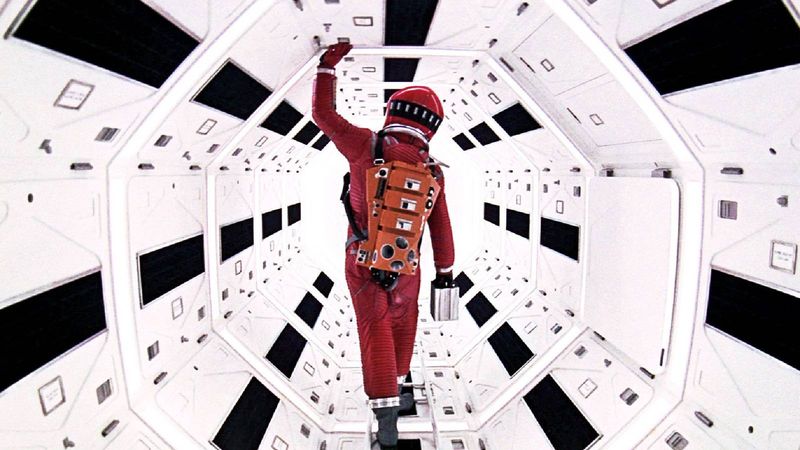
Few space movies are this willing to leave you speechless and slightly puzzled. Stanley Kubrick moves from early human life to a voyage beyond Earth, using images and music more often than explanations.
Its effects remain striking, while the calm voice of computer HAL adds chilling tension. Choose the largest screen available and put your phone away.
You do not need to solve every symbol to enjoy its scale, strange beauty, and questions about human progress.
7. The Godfather (1972): Loyalty Comes at a Cost
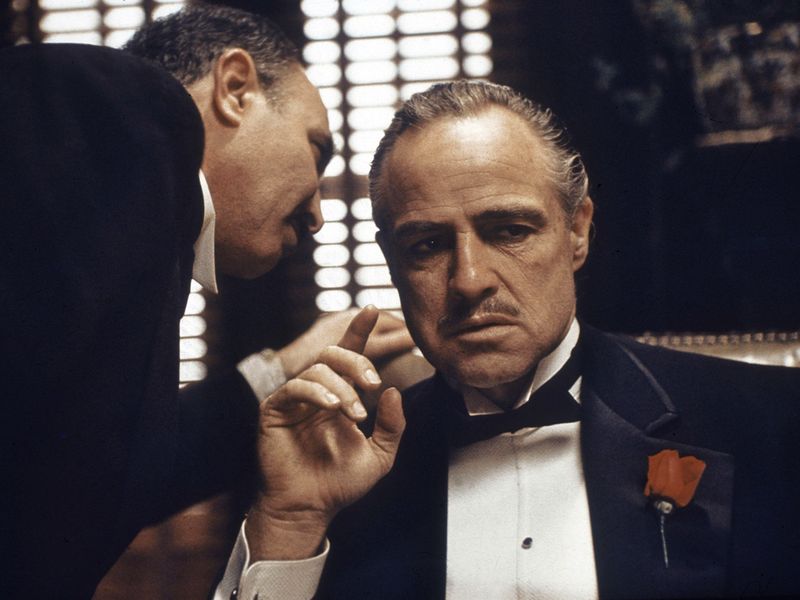
A family celebration opens the door to a world where love and violence sit uncomfortably close. Francis Ford Coppola follows the Corleones as business pressures draw a reluctant son toward his father’s criminal empire.
The measured pace makes small decisions feel enormous. Notice how lighting separates public warmth from private threats, and how quiet conversations can carry more danger than shouting.
Expect strong violence, but also a careful study of the excuses people make for power.
8. Seven Samurai (1954): Heroes Built Through Teamwork
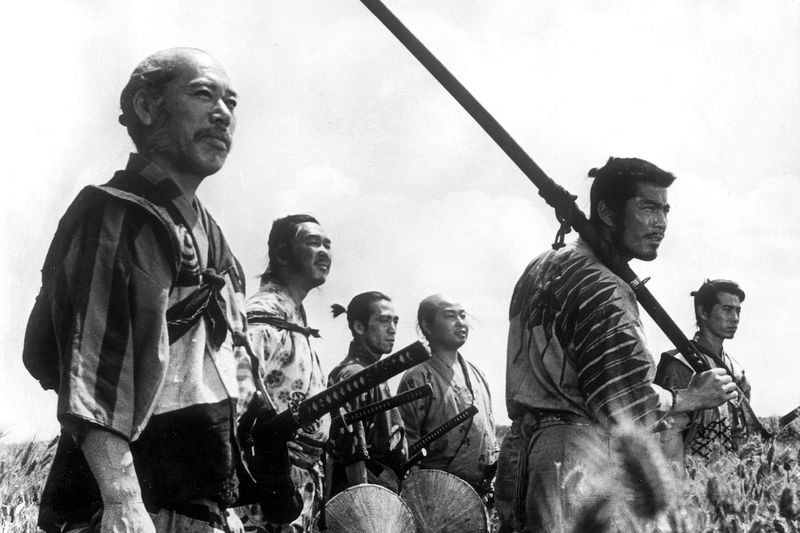
Hungry farmers hiring warriors might sound like a simple adventure, but Akira Kurosawa gives every alliance a human cost. Seven fighters prepare a village for attack while trust grows slowly between people divided by class.
The action is clear, exciting, and rooted in teamwork rather than effortless heroics. Plan for a long viewing and take an intermission if needed.
Many later adventure films borrowed its group mission structure, making its influence easy to recognize even today.
9. Casablanca (1942): Romance Meets a Bigger Responsibility
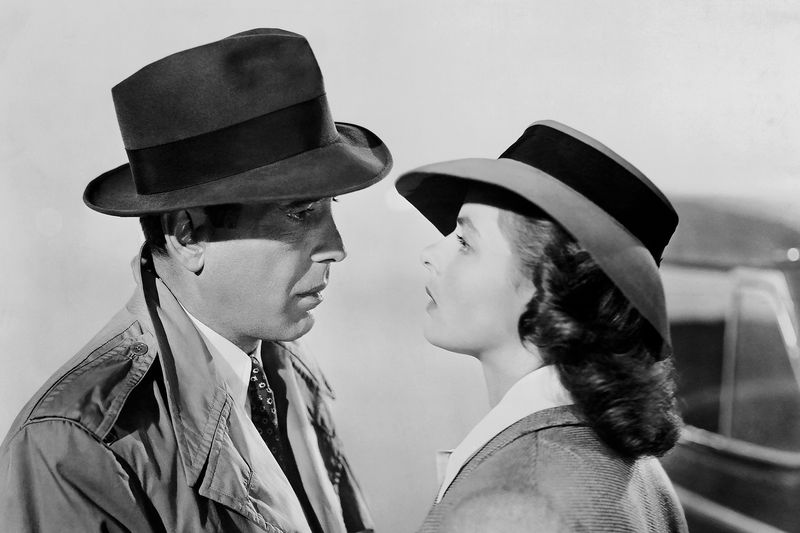
Of all the crowded cafes in wartime Casablanca, one brings former lovers face to face again. Their reunion turns a sharp, funny drama into a story about choosing between private happiness and helping others.
Humphrey Bogart and Ingrid Bergman make the romantic tension feel effortless. Listen beyond the famous lines for the supporting characters, many of whom carry the fear of displacement.
The film moves briskly, proving that a classic can be welcoming rather than demanding.
10. Rear Window (1954): Suspense Across the Courtyard
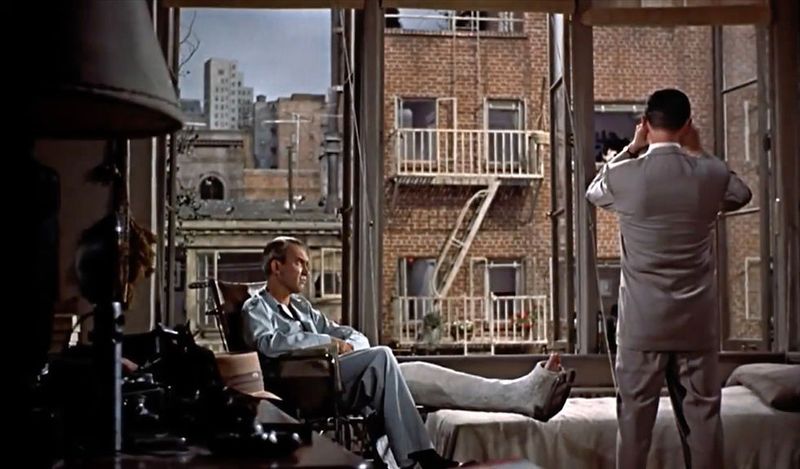
Being stuck at home has never looked so risky. A photographer with a broken leg watches his neighbors through their windows and begins to suspect that something terrible has happened across the courtyard.
Hitchcock builds suspense from limited views, making viewers share the hero’s curiosity and doubt. Study the neighboring apartments as small stories of their own.
Beneath the mystery sits an uncomfortable question about privacy: when does paying attention become an excuse to intrude on strangers?
11. Psycho (1960): A Roadside Stop Worth Approaching Blind
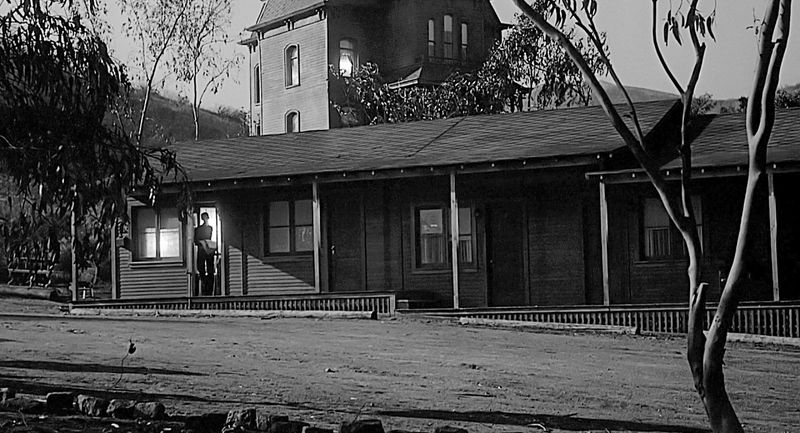
A lonely motel sign promises rest, but comfort is the last thing Alfred Hitchcock has planned. Following a woman who makes a desperate choice, the story shifts in ways that helped change screen thrillers.
Go in knowing as little as possible, even if certain images already seem familiar. The sharp editing and piercing score still create remarkable tension.
Be prepared for violence and disturbing themes, then notice how ordinary conversations make the danger feel even closer.
12. The Godfather Part II (1974): An Empire’s Troubled Inheritance
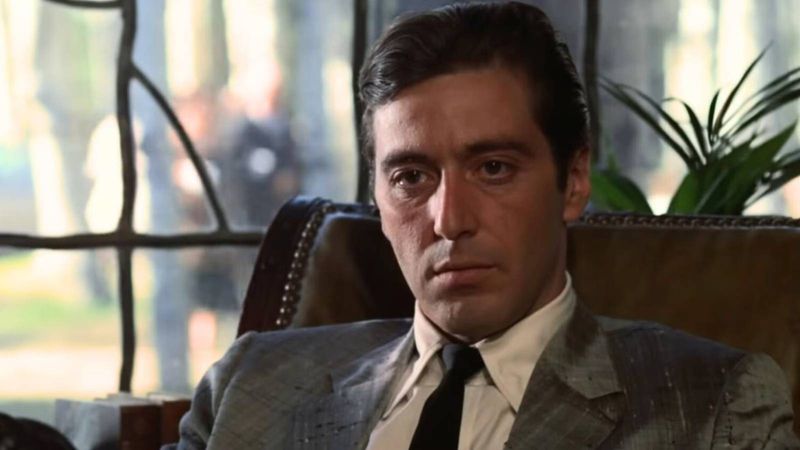
Power grows while a family falls apart in this unusually ambitious sequel. Coppola places Michael Corleone’s tightening control beside scenes of his father’s early life, inviting viewers to compare their choices across two generations.
Watch the first film beforehand so the broken relationships carry their full weight. Critics often celebrate how the parallel stories deepen rather than repeat the original.
The result is less a victory lap than a bleak look at success bought through fear.
13. Pulp Fiction (1994): Crime Stories With a Broken Clock
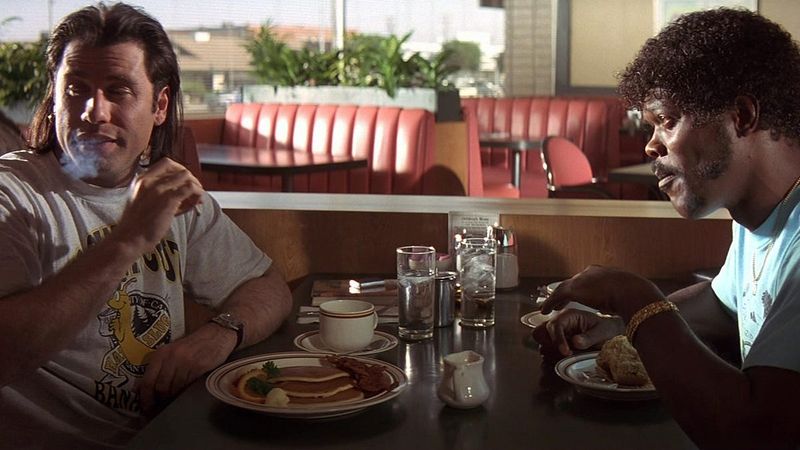
Conversations about everyday nonsense sit beside sudden danger in Quentin Tarantino’s tangled crime film. Several Los Angeles stories cross paths, but their order keeps you rebuilding the timeline as the pieces fall into place.
The dialogue, music, and sharp changes in tone helped shape countless later movies. Resist checking a timeline until the credits finish.
Strong language, drug use, and graphic violence make this adult viewing, while its playful structure rewards attention without requiring a notebook.
14. Singin’ in the Rain (1952): Hollywood Learns to Speak
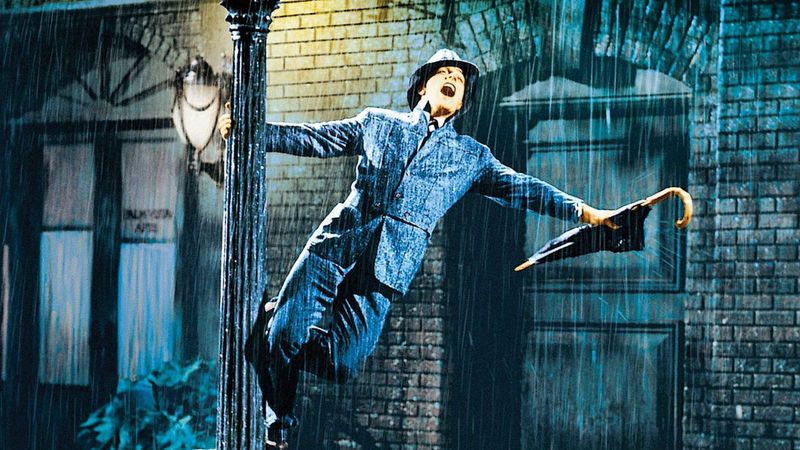
Rain becomes a reason to dance in a musical that makes hard work look wonderfully easy. Set during Hollywood’s move from silent pictures to sound, the story turns studio panic into jokes, songs, and spectacular movement.
Gene Kelly, Debbie Reynolds, and Donald O’Connor bring different kinds of comic energy. Watch the full dance sequences instead of treating them as background music.
Critics treasure both the joyful performances and the clever way the film laughs at moviemaking.
15. Lawrence of Arabia (1962): A Vast Landscape and a Divided Hero
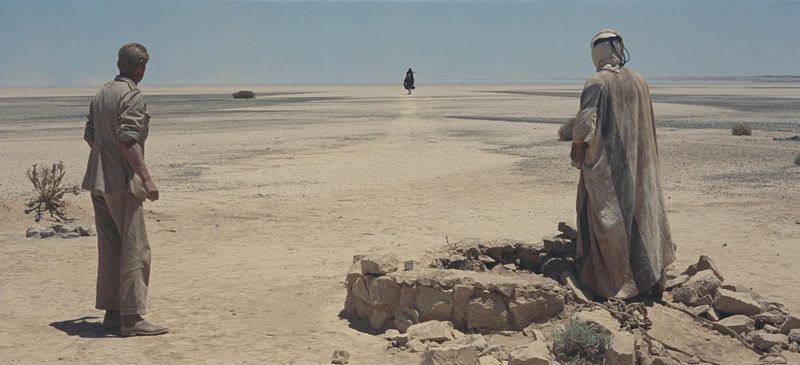
Against an enormous desert, a single figure can look both heroic and terribly small. David Lean uses that contrast throughout his account of British officer T.
E. Lawrence during the First World War.
The sweeping photography deserves a large screen, and the long runtime benefits from a planned break. Remember that this is a dramatic interpretation, not a complete history lesson.
Its most interesting moments question fame, ambition, and the stories powerful people tell about themselves.
16. Parasite (2019): Unequal Lives Under One Roof

One job opportunity opens a door that probably should have stayed closed. Bong Joon-ho follows a struggling family whose connection with a wealthy household becomes funny, tense, and increasingly hard to predict.
Stairs, windows, and rooms quietly explain the gap between their lives. Avoid trailers that reveal too much, and watch how the mood changes without losing its focus on class.
Its Best Picture Oscar win marked the first for a film not in English.
17. In the Mood for Love (2000): Everything Left Unsaid
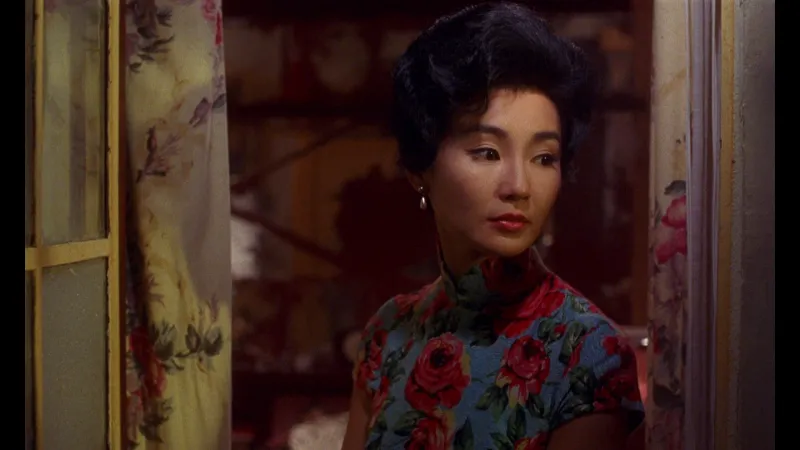
A passing glance can carry more feeling than a grand speech. Wong Kar-wai follows two neighbors in 1960s Hong Kong as shared suspicions about their spouses draw them toward a delicate connection.
Rich colors, narrow hallways, and repeated music make the unspoken emotions feel almost physical. Give the quiet scenes your full attention rather than waiting for a typical romance plot.
Critics admire how restraint becomes the heart of a story about desire, timing, and missed chances.
18. The 400 Blows (1959): Childhood Without a Safety Net
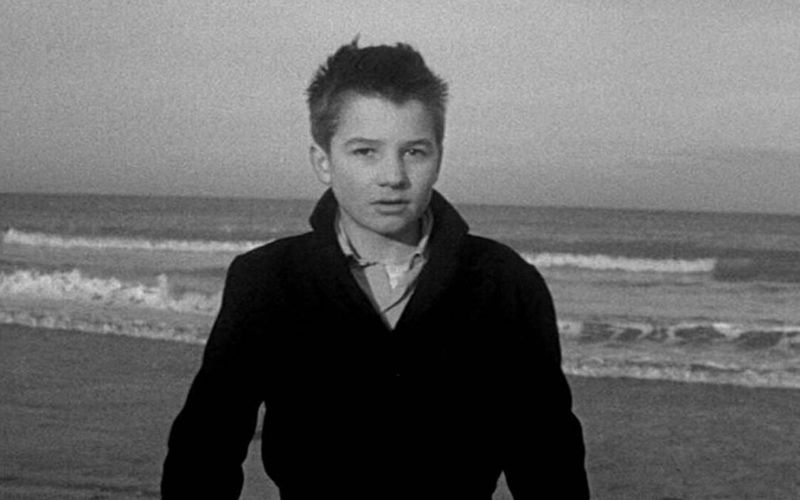
Adults keep labeling a Paris schoolboy as trouble, but few stop to understand him. François Truffaut stays close to the child’s point of view, finding humor, anger, and hurt in his daily escapes.
The loose street scenes helped define the French New Wave, a movement that challenged polished studio habits. Notice how freedom feels exciting in one moment and lonely in the next.
Its famous final image leaves room for thought rather than offering an easy solution.
19. Schindler’s List (1993): Lives Beyond the Numbers
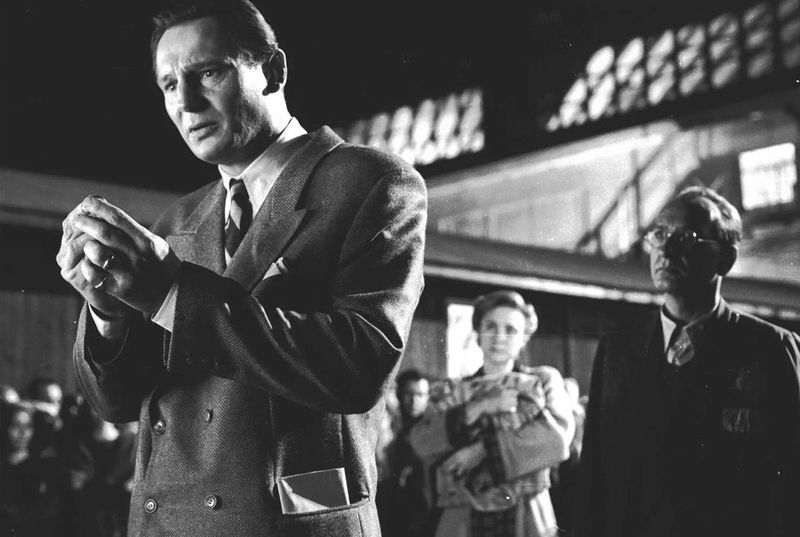
Names become a powerful answer to a system built to erase human lives. Steven Spielberg tells the story of Oskar Schindler, a businessman whose actions helped save Jewish people during the Holocaust.
Mostly black-and-white photography gives the film a stark appearance, but its violence and suffering can be overwhelming. Choose a time when you can watch thoughtfully and pause if needed.
Pair it with reliable historical reading, keeping the real victims and survivors central to your understanding.
20. Modern Times (1936): Finding Laughter Inside the Machine
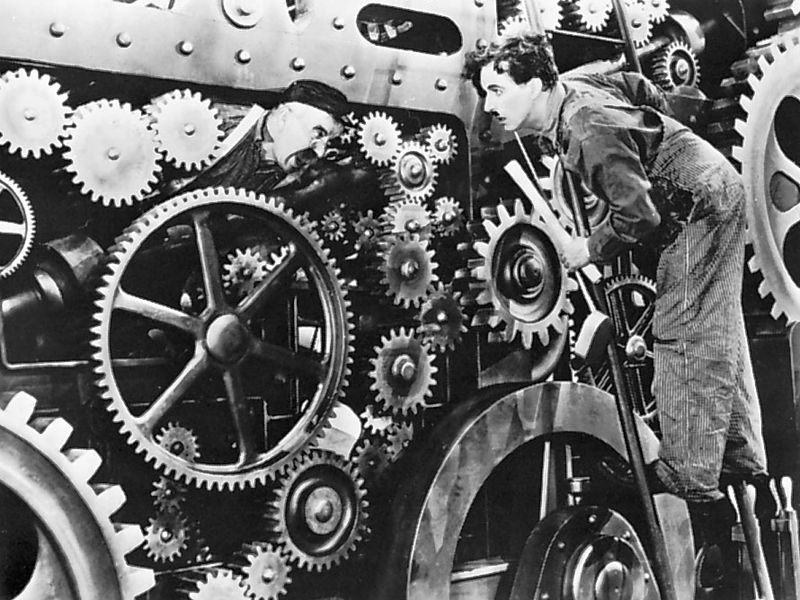
Keeping up with a factory belt becomes an impossible dance for Charlie Chaplin’s Little Tramp. Beneath the brilliant physical comedy sits a sharp look at exhausting work, poverty, and the struggle to remain human.
Although made after sound films became common, it relies largely on visual storytelling. That makes the jokes easy to follow across generations.
Watch how machines set the rhythm, then how friendship breaks it. The hopeful spirit feels earned because hardship never disappears.