
Living with a spouse who seems loving one day and distant the next can leave you full of questions. People with narcissistic traits can feel love, but those traits may make steady, caring behavior harder.
No label can tell you exactly what someone feels inside. Looking at respect, trust, and daily actions can help you understand your marriage and protect your well-being.
1. A Label Cannot Reveal Someone’s Heart

A single word cannot tell the whole story of a marriage. People often use narcissist to describe someone selfish, but narcissistic personality disorder requires an assessment by a qualified mental health professional.
Even a diagnosis does not prove that someone feels no love. Focus on what your spouse does, how they respond to your needs, and whether you feel respected.
Those details offer more useful guidance than guessing what a label means about their heart.
2. Loving Feelings and Loving Behavior Differ

Someone may feel attached to you and still treat you badly. Warm feelings, attraction, and missing a partner do not automatically create a safe or caring marriage.
Healthy love also involves listening, sharing decisions, and avoiding harm. Instead of trying to prove whether your spouse truly loves you, consider whether their behavior supports your well-being.
You deserve kindness in daily life, not only a private feeling they say exists somewhere beneath repeated hurtful choices.
3. Narcissistic Traits Exist in Different Degrees
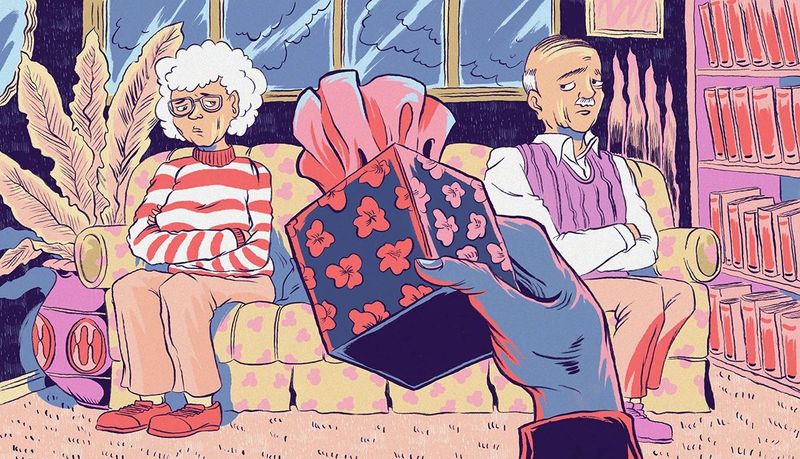
Not every self-centered moment signals a personality disorder. Many people sometimes seek praise, become defensive, or overlook a partner’s needs, especially when stressed.
More severe and lasting patterns can create much greater problems. A person with some narcissistic traits may relate differently from someone with a diagnosed disorder.
Avoid treating every online checklist as a verdict. A professional assessment can help clarify patterns, while your own experience remains important when deciding what behavior you can accept.
4. Empathy Makes Love Easier to Feel

Feeling understood can turn an ordinary conversation into a moment of closeness. Significant narcissistic traits may make it harder to notice, value, or respond to another person’s feelings.
That difficulty does not mean empathy is always completely absent. Notice whether your spouse becomes curious about your experience or quickly turns the discussion back to themselves.
A useful sign is their willingness to listen and adjust, even when your feelings differ from what they expected or wanted.
5. Being Admired Is Not Being Known

Being placed on a pedestal can feel wonderful until you need room to be human. A spouse may admire an ideal picture of you while struggling to accept your limits, opinions, or mistakes.
Genuine closeness leaves space for the real person, not just a pleasing role. Pay attention to what happens when you disagree or disappoint them.
Can they stay respectful, or does affection disappear when you stop matching the image they prefer to see?
6. Affection Can Become Conditional

Praise feels less comforting when it comes with invisible rules. In some marriages, warmth depends on agreeing, giving attention, or protecting one partner’s image.
Every couple has needs and limits, but affection used as a reward can create pressure to perform. Ask yourself whether you can say no, have a difficult day, or express a different view without punishment.
A loving bond should allow ordinary differences without making your basic worth feel constantly up for debate.
7. Intense Romance Does Not Prove Lasting Care

Flowers, constant messages, and quick promises can make a new relationship feel extraordinary. Sometimes overwhelming attention, often called love bombing, becomes part of a controlling pattern.
Still, early excitement alone does not establish manipulation or narcissism. Look at the bigger picture: Are your boundaries respected?
Can the relationship move at a comfortable pace? Lasting care becomes clearer over time, especially when ordinary needs replace the excitement of being someone’s newest source of attention and praise.
8. Repeated Put-Downs Are Not Healthy Love

A joke that leaves you feeling small deserves attention. Repeated insults, public embarrassment, or attacks on your worth can damage trust, whatever feelings your spouse claims to have.
Some unhealthy relationships shift between high praise and harsh criticism, but that pattern is not universal among people with narcissistic traits. Describe specific behavior rather than debating a label.
If speaking up brings more humiliation or fear, seek private support instead of trying harder to earn kinder treatment.
9. Attachment Can Include Selfish Needs

Missing you is not the same as respecting you. A spouse might strongly value your company, praise, practical help, or the comfort of having someone nearby.
Those needs can exist alongside real affection, but they do not guarantee mutual care. Consider whether your partner supports you when there is nothing immediate to gain.
Being loved as a whole person includes having your goals, limits, and feelings matter even when they do not serve someone else’s wishes.
10. Vulnerability May Feel Uncomfortable

Opening up means risking disappointment, shame, or rejection. For some people with strong narcissistic traits, those feelings can trigger defensiveness, withdrawal, or efforts to regain control.
You can invite an honest conversation, but you cannot force emotional openness. Try choosing a calm moment and naming one concern clearly.
If every attempt brings blame or intimidation, step back. Understanding why closeness is difficult should never become a reason to ignore the harm happening inside your own marriage.
11. Daily Actions Carry More Weight Than Promises

A heartfelt promise can bring relief after a painful argument. Yet the clearest evidence of care usually appears in ordinary behavior: keeping agreements, respecting privacy, sharing work, and listening without ridicule.
Watch the pattern across weeks and months rather than judging one wonderful evening. If it is safe, keep private notes about important events to help you see clearly.
Words matter most when steady actions support them, including during stressful times when kindness takes real effort.
12. A Real Apology Includes Repair

Sorry loses its meaning when the same injury keeps returning unchanged. A useful apology names the behavior, accepts responsibility, and makes room for the hurt person’s feelings.
Repair also requires practical steps, such as stopping insults or honoring an agreed boundary. Be cautious when apologies mainly explain why you caused the problem or demand immediate forgiveness.
Progress is not perfection, but it should include fewer repeated harms and a clear willingness to address setbacks without blaming you.
13. Boundaries Reveal How Differences Are Handled

A simple no can reveal a lot about a relationship. Healthy partners may feel disappointed by a limit, yet they can still respect the other person’s right to set it.
Choose boundaries based on your actions, such as ending a conversation when insults begin. You do not need permission to protect your time or dignity.
If setting limits leads to threats, stalking, or violence, prioritize safety planning with outside help rather than testing stronger boundaries alone.
14. Control Cannot Substitute for Care

Jealousy can be dressed up as devotion, but ownership is not love. Monitoring your phone, limiting friendships, controlling money, or demanding constant updates can reduce your freedom.
These behaviors can occur with or without a personality disorder. Their impact matters more than the explanation offered afterward.
Ask whether you can make normal choices without fear. If not, consider confidential advice from a domestic abuse service, using a safer device if your internet activity may be monitored.
15. Your Mental Health Is Part of the Answer

Walking on eggshells every day can wear down your confidence. Ongoing conflict or emotional harm may affect sleep, mood, concentration, and your sense of who you are.
These changes do not prove your spouse has narcissistic personality disorder, but they do signal that you need support. Talk privately with a trusted person or mental health professional.
You do not have to settle the question of genuine love before taking your distress seriously and seeking some relief.
16. Loving Harder Cannot Do Their Work

Perhaps you have tried being more patient, more cheerful, or less demanding. Compassion can support a relationship, but it cannot make another person accept responsibility or seek help.
Your spouse remains responsible for their choices. You are not failing because your love has not ended a harmful pattern.
Put some energy back into sleep, friendships, finances, and your own care. Supporting someone should not require giving up every need that makes your life feel like yours.
17. Meaningful Change Is Possible, Not Guaranteed

People are not frozen in place forever. Some individuals with narcissistic personality disorder can improve their relationships through sustained treatment, honest reflection, and repeated practice.
Change varies, and it may be slow. A promise made during a crisis is not enough to predict lasting progress.
Look for self-driven effort, respect for your boundaries, and responsibility that continues without rewards. You can recognize someone’s potential while deciding that their current behavior is not something you can live with.
18. Therapy Helps Only With Honest Participation

Sitting in a therapist’s office is a beginning, not proof of change. Useful treatment requires openness, effort between sessions, and a willingness to face uncomfortable feedback.
Individual therapy may help address lasting personality patterns. Couples counseling can help some relationships, but it may be unsafe when abuse or coercive control is present.
Seek a private safety assessment first in those situations. Your partner’s attendance should never replace your own judgment about what happens when you return home.
19. Safety Matters More Than Solving the Label

Fear deserves a response, even when affection is also present. Threats, sexual pressure, physical violence, or control over basic needs are serious concerns regardless of diagnosis.
If you face immediate danger, contact local emergency services when safe. A domestic violence advocate can help you consider options without forcing a decision.
Avoid announcing plans if doing so could increase risk. You do not need proof that your spouse lacks love to seek protection, distance, or confidential practical support.
20. Mutual Respect Is the Standard That Counts

The most helpful question may be whether this marriage allows both people to thrive. Genuine affection can exist alongside serious limits, and love alone does not make a relationship healthy.
Look for freedom, kindness, honest repair, and room for your separate identity. You can care about your spouse while choosing stronger limits or leaving.
Whatever their feelings may be, your needs remain real. A workable marriage asks both partners to practice respect, not one to endlessly wait.