
Some of the best blues-rock records of the 1970s never became household names. Behind the decade’s biggest hits sat albums packed with fierce guitars, soulful voices, and bands willing to try something different.
These records show how far musicians could stretch the blues without losing its heart. Give them a spin, and you might find a new favorite hiding between the famous names.
1. Mountain – Nantucket Sleighride (1971)
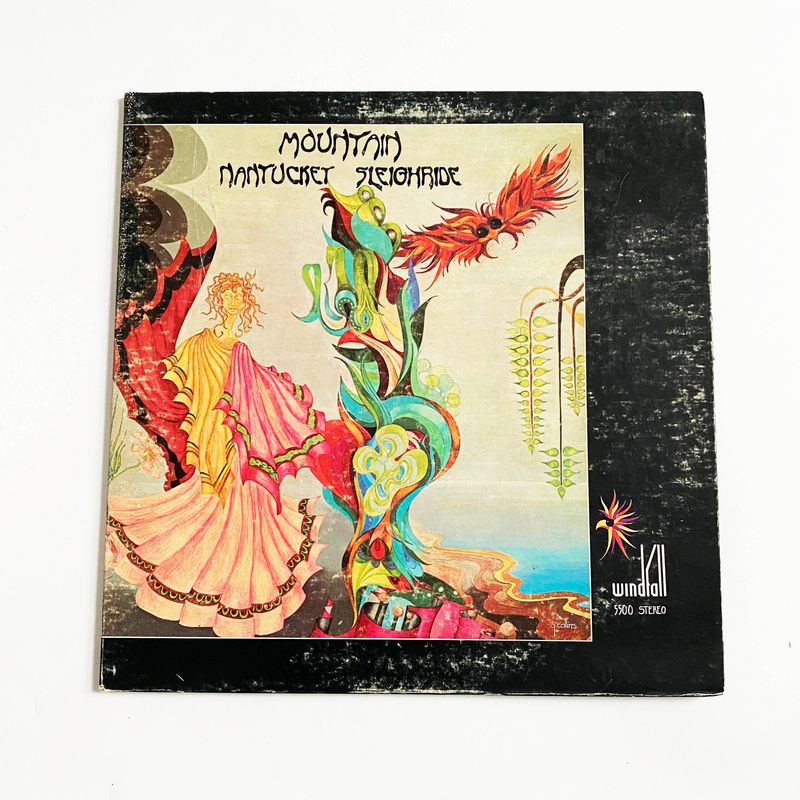
A mighty guitar sound is only part of the story here. Following Climbing!, Mountain gave its music more room to move, mixing heavy blues with softer passages and longer musical journeys.
Leslie West’s guitar still growls, but Felix Pappalardi’s touch helps the songs breathe. Start with the title track, then hear how the whole album balances muscle and melody.
Fans who only know Mississippi Queen will discover a much wider view of this band’s musical world.
2. Dr. Feelgood – Down by the Jetty (1975)
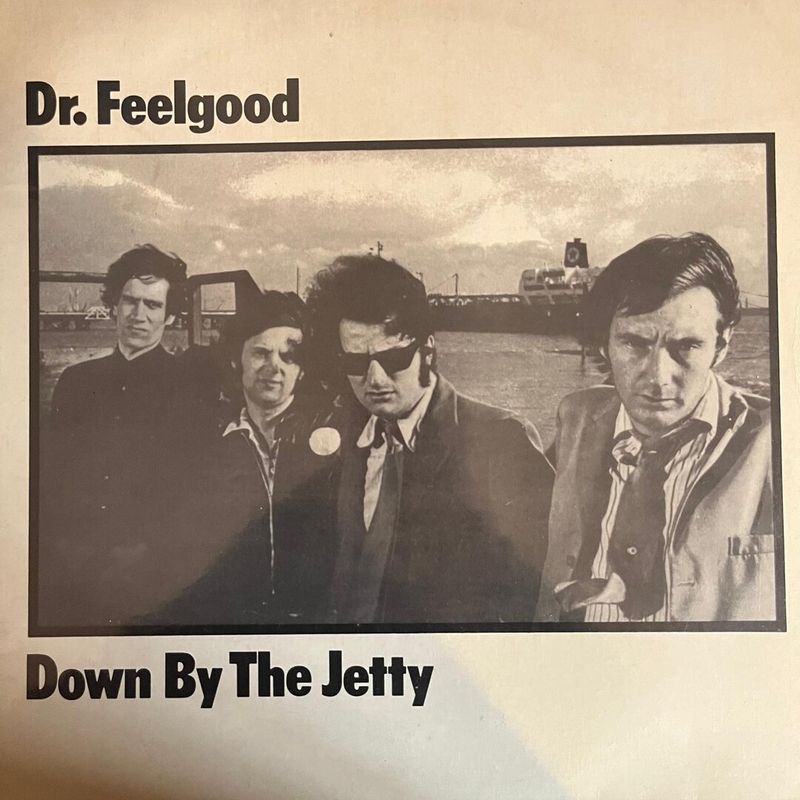
No fancy studio tricks are needed when a band plays with this much bite. Dr. Feelgood’s debut brings the tight, sweaty energy of a small club straight into your speakers.
Wilko Johnson’s sharp guitar rhythms push against Lee Brilleaux’s rough voice, making familiar blues ideas feel urgent again. Try She Does It Right first.
The lean sound also helps explain why this British pub rock band appealed to listeners ready for punk’s arrival a little later.
3. Flamin’ Groovies – Teenage Head (1971)
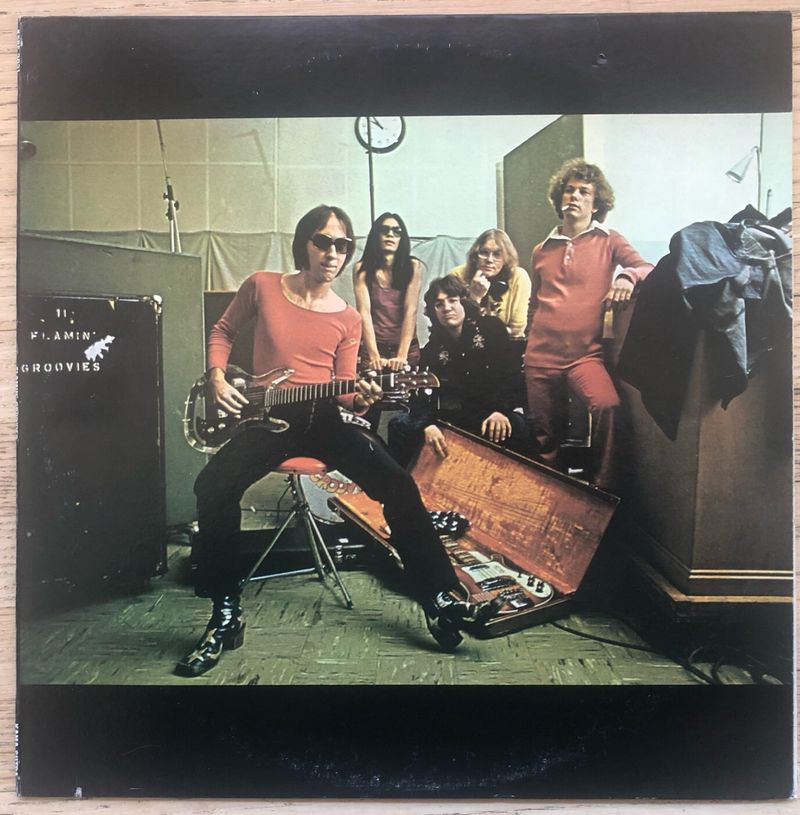
Grease, grit, and a crooked grin run through these songs. The Flamin’ Groovies draw on blues, early rock and roll, and country touches without making the music feel like a history lesson.
Opening track High Flyin’ Baby sets the rough mood, while the title song delivers a nasty stomp. If you enjoy the Rolling Stones at their loosest, give this record a chance.
Its charm comes from attitude rather than polish, and that still travels well.
4. Climax Blues Band – Rich Man (1972)
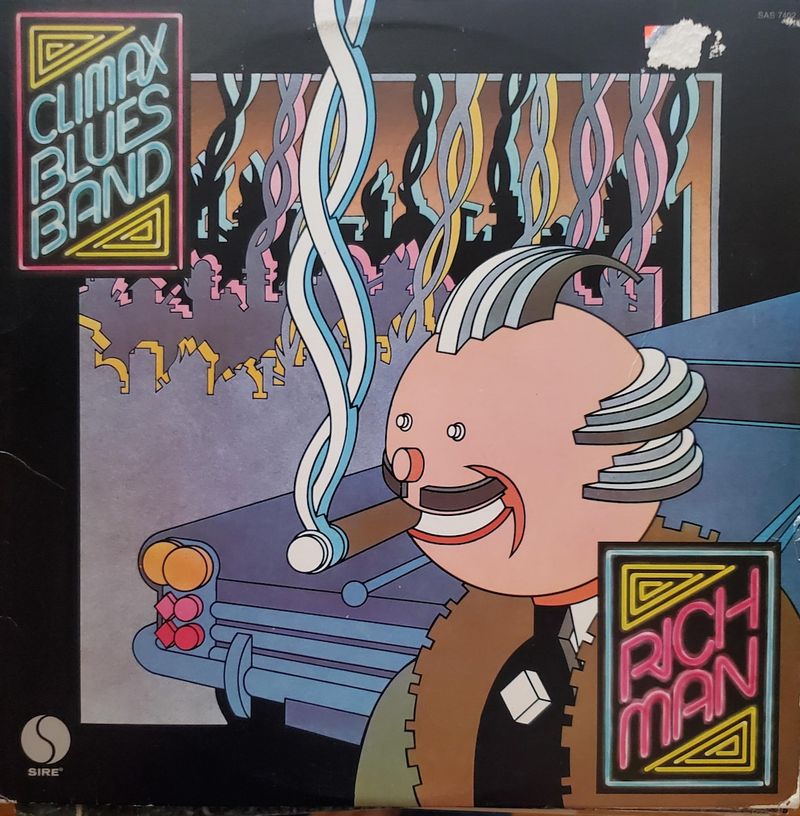
A good groove can open doors that sheer volume cannot. On Rich Man, Climax Blues Band let blues rub shoulders with funk and jazz, creating a record that keeps changing its stride.
Colin Cooper’s voice and saxophone add color beside Pete Haycock’s guitar. Rather than waiting only for solos, listen to how the rhythm section holds each song together.
The title track makes a useful starting point for hearing the band’s relaxed but skillful musical teamwork.
5. Savoy Brown – Jack the Toad (1973)
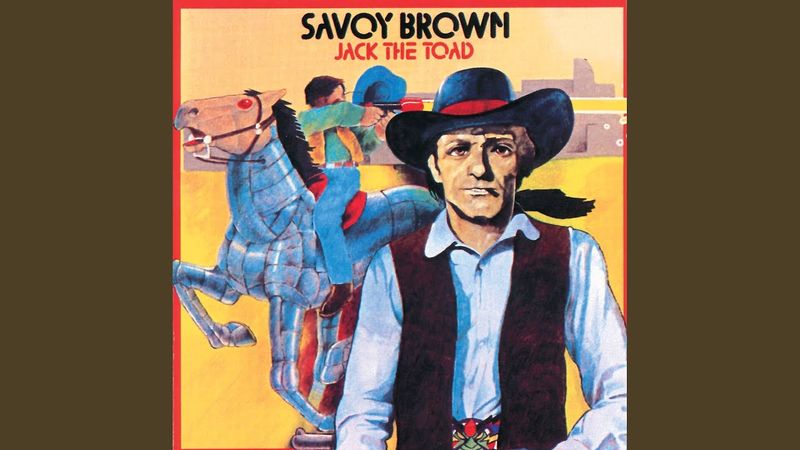
Just when a song seems ready to settle down, another turn appears. Savoy Brown bring a lively mix of tough blues, swinging rhythms, and playful changes to Jack the Toad.
Kim Simmonds supplies the guitar fire, while singer Jackie Lynton gives this lineup its own character. Cue up the title track for a taste of the band’s range.
Hearing the album in order makes its shifting moods more rewarding than a quick shuffle through individual tracks.
6. Stone the Crows – Teenage Licks (1971)
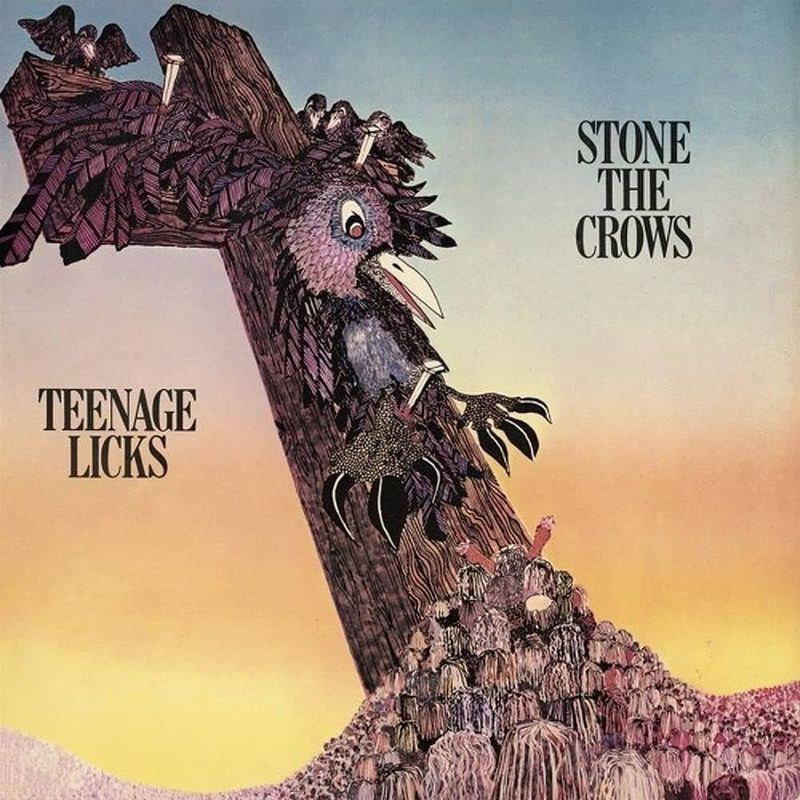
Some voices make you stop whatever you are doing. Maggie Bell brings that kind of force to Teenage Licks, moving from tender lines to full, ringing cries without losing the feeling behind them.
Les Harvey’s guitar gives her a strong partner, while the band blends blues, soul, and rock with ease. Start with Touch of Your Loving Hand.
Then stay for the quieter moments, where Bell shows that emotional weight does not always require maximum volume.
7. Trapeze – Medusa (1970)
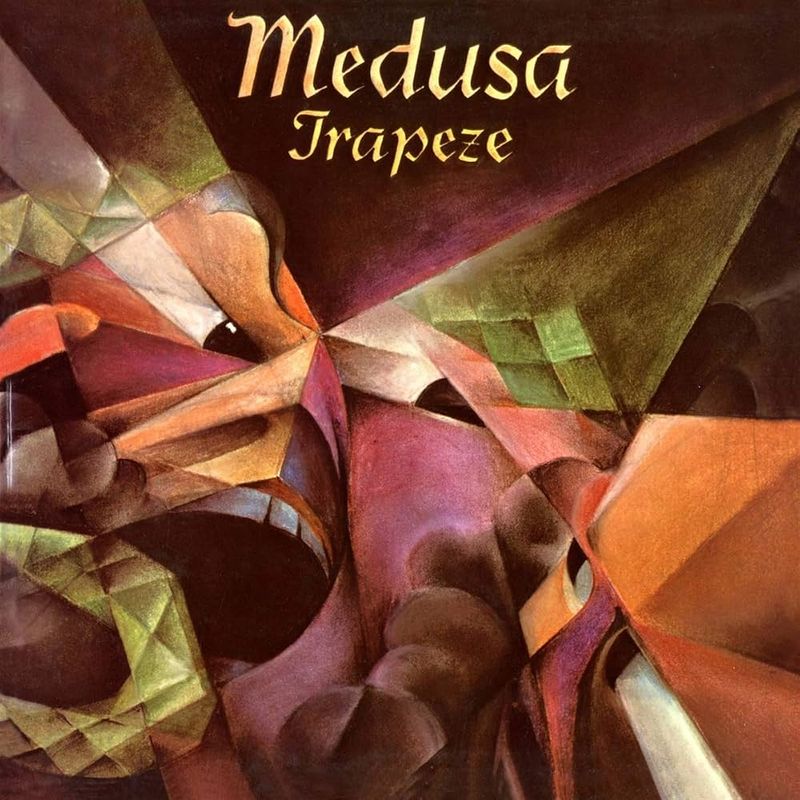
Before Glenn Hughes joined Deep Purple, his voice was already reaching remarkable heights. Medusa catches Trapeze working as a trio, with Mel Galley’s guitar and Dave Holland’s drums giving the songs a sturdy frame.
The music moves between heavy blues and soulful grooves, leaving space for each player. Your Love Is Alright offers an inviting first listen.
Pay attention to the bass as well as the singing; Hughes helps drive the music from both directions here.
8. Chicken Shack – Imagination Lady (1972)
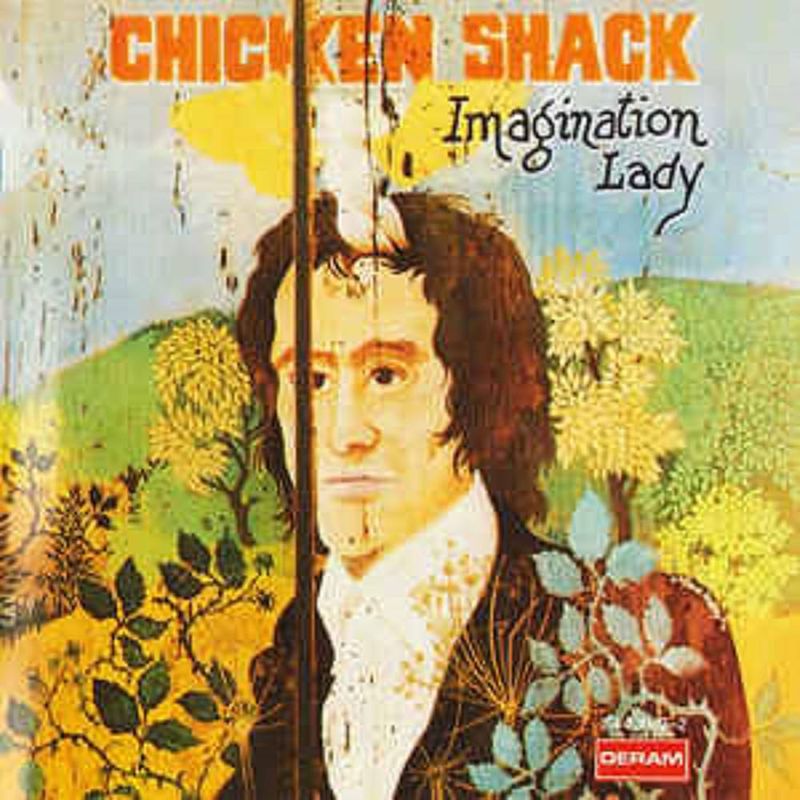
Turn the volume up a little, because subtlety is not the main attraction. Stan Webb leads Chicken Shack into a heavier sound on Imagination Lady, using thick guitar tones and a stripped trio lineup.
The result feels tougher than the band’s earlier work, yet the blues remain close beneath the noise. Try their version of Going Down for a quick introduction.
Listeners who enjoy hard rock with clear blues roots should find plenty to enjoy here.
9. Juicy Lucy – Lie Back and Enjoy It (1970)
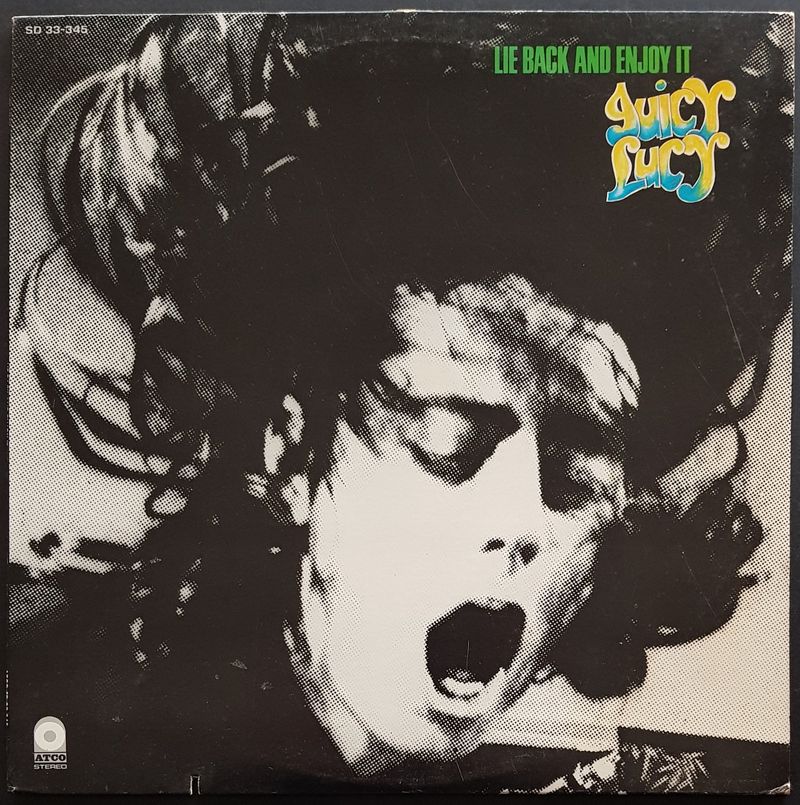
Slide guitar gives this record its slippery, restless charm. Juicy Lucy blend British blues muscle with country flavor, making familiar song forms feel slightly rough around the edges in an appealing way.
Singer Paul Williams and guitarist Micky Moody joined for this second album, helping reshape the band’s sound. Listen for how the guitars answer the vocals instead of simply filling gaps.
A full play reveals more variety than the group’s reputation might lead you to expect.
10. Bloodrock – Bloodrock 2 (1970)
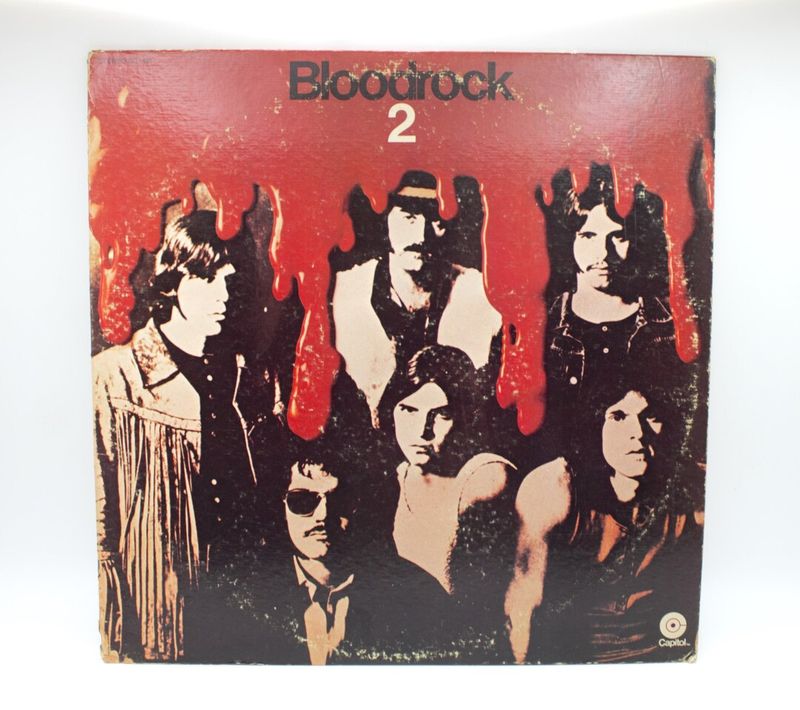
Not every blues rooted record aims to lift your spirits. Bloodrock 2 builds a darker mood, using heavy guitar, organ, and Jim Rutledge’s firm vocals to create a sense of trouble nearby.
Its best known track, D.O.A., tells a disturbing story, so approach it knowing the subject is grim. Beyond that song, the album offers sturdy riffs and tense arrangements.
Hear the whole record before deciding that one unusual hit tells you everything about this band.
11. Cactus – Cactus (1970)
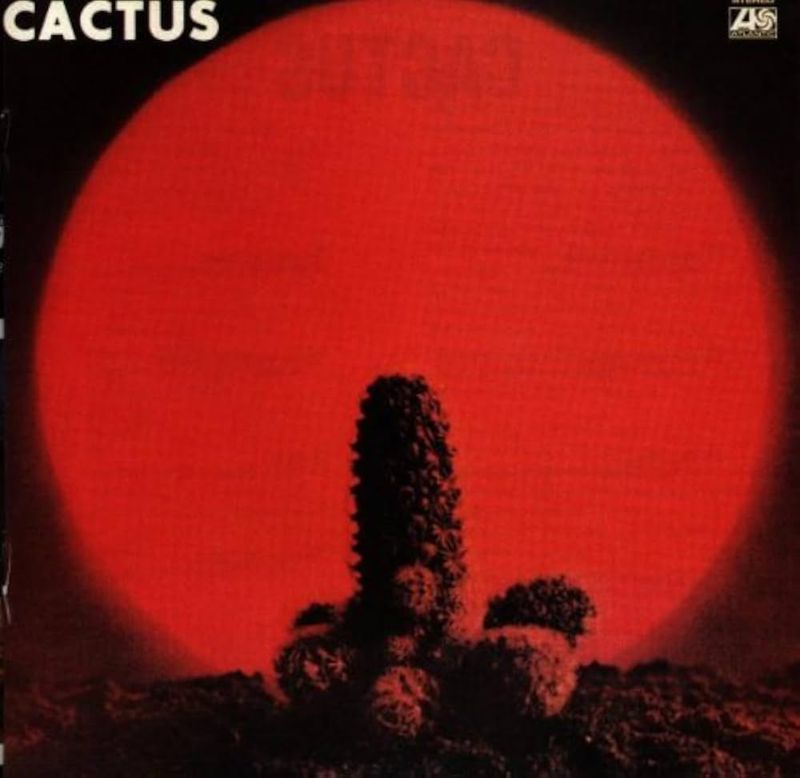
Imagine a blues band hitting the gas and barely touching the brakes. Cactus brought together drummer Carmine Appice and bassist Tim Bogert from Vanilla Fudge with guitarist Jim McCarty and singer Rusty Day.
Their debut turns blues standards and original songs into loud, physical performances. Parchman Farm is a strong place to begin, especially if you enjoy fast guitar work.
Listen closely to the drums and bass, which give the wild playing its solid center throughout.
12. Back Street Crawler – The Band Plays On (1975)
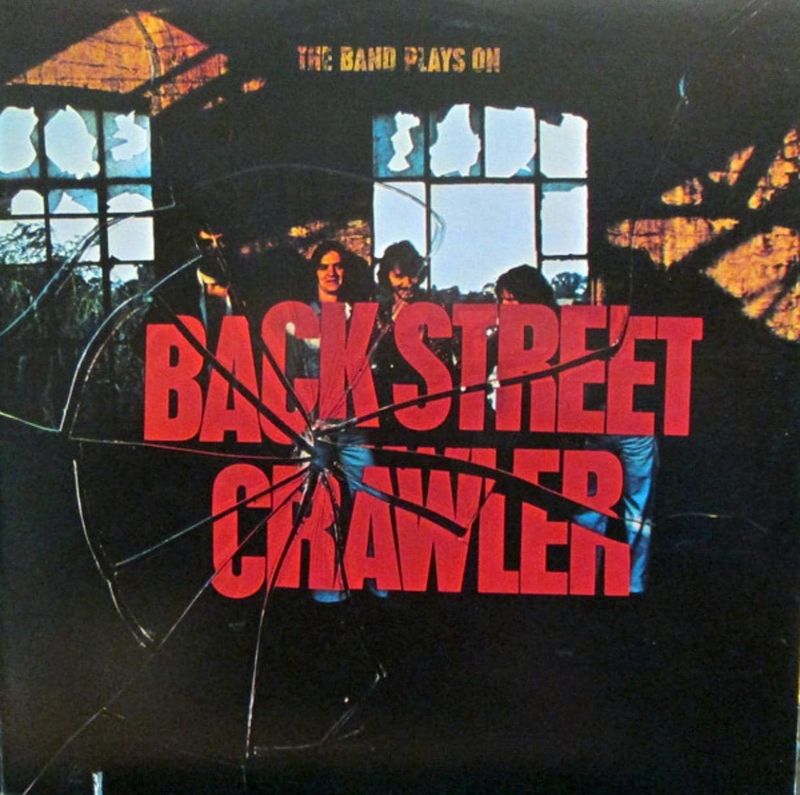
A single bent guitar note can say more than a long solo. Paul Kossoff carried that gift from Free into Back Street Crawler, where his playing found a home beside Terry Wilson-Slesser’s soulful singing.
The Band Plays On favors feeling over flash, with songs that leave room for both voice and guitar. Begin with Hoo Doo Woman, then follow the album’s easy flow.
Kossoff’s death in 1976 makes this chapter brief, but the music deserves attention independently.
13. Rory Gallagher – Top Priority (1979)
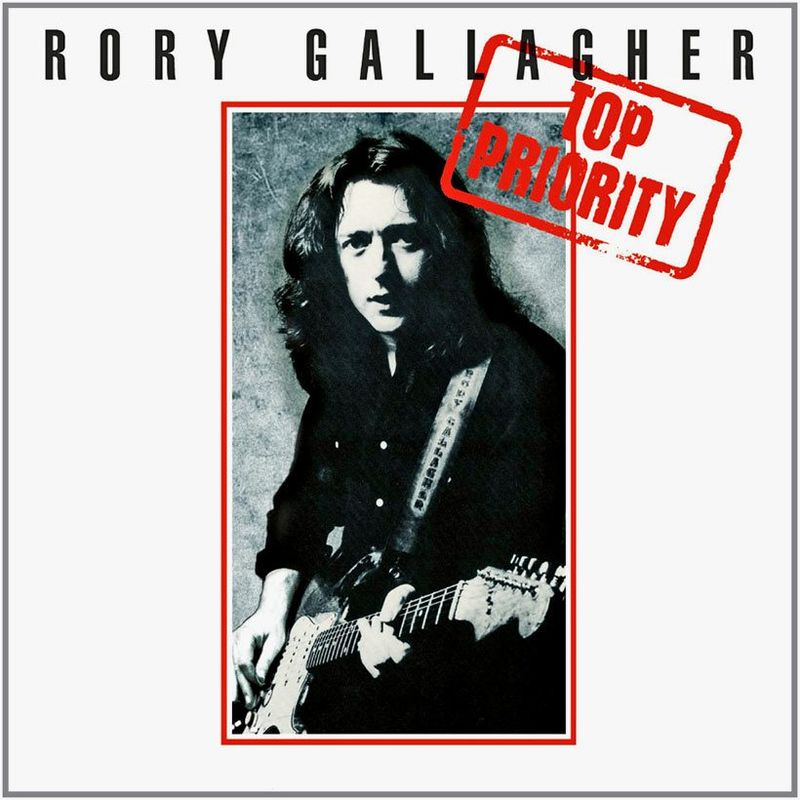
By the decade’s end, Rory Gallagher still sounded hungry. Top Priority strips the setup to guitar, bass, and drums, letting his sharp attack and strong songwriting carry the weight.
Gerry McAvoy and Ted McKenna keep the backing tight without boxing him in. Start with Follow Me or Philby, then notice how each riff serves the song.
For anyone who thinks blues rock became sleepy during the late seventies, this record makes a lively argument against that idea.
14. Leaf Hound – Growers of Mushroom (1971)
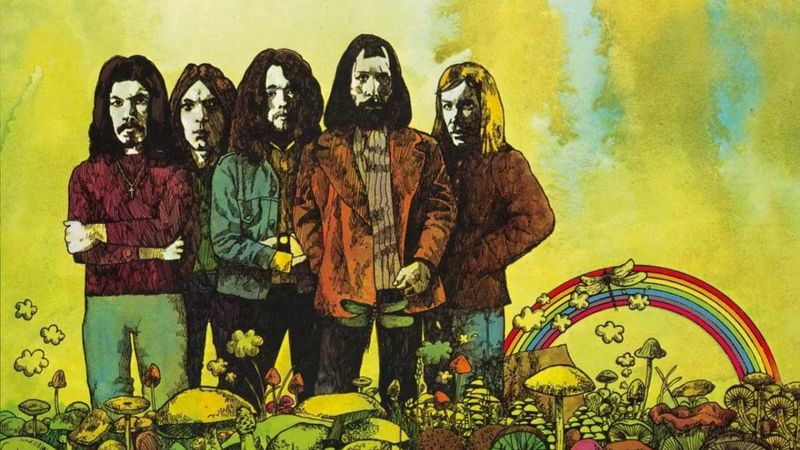
Scarcity helped turn this record into a collector’s prize, but the riffs explain why people kept searching. Recorded in 1970 and widely dated to 1971 for its British release, Growers of Mushroom mixes heavy blues with psychedelic color.
Peter French’s gritty singing rides over guitar parts that feel loose yet purposeful. Freelance Fiend provides an immediate way in.
You do not need an expensive original pressing to appreciate the album’s earthy sound and restless spark of energy.
15. Captain Beyond – Captain Beyond (1972)
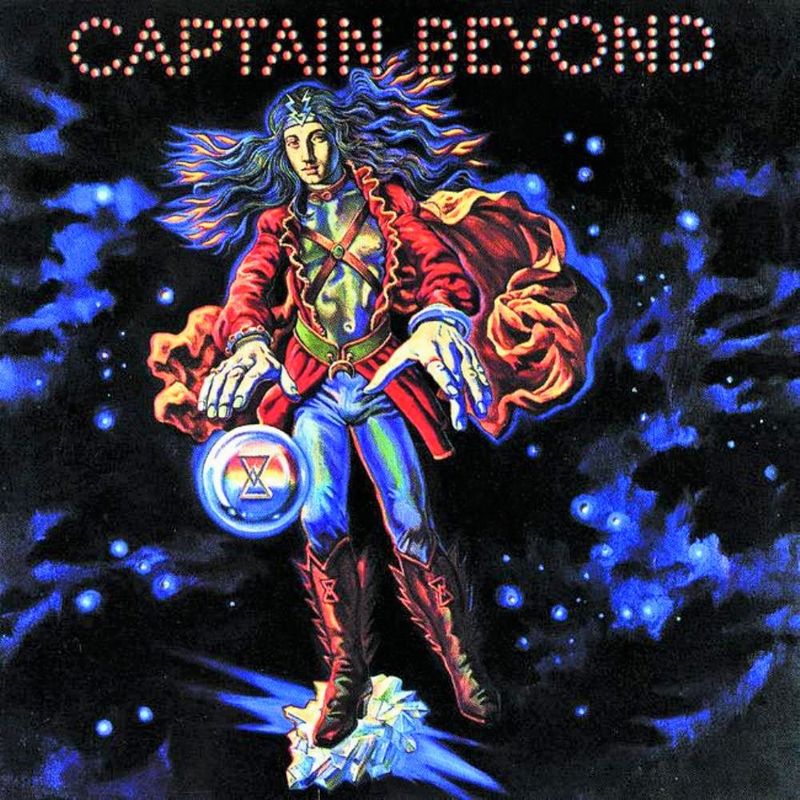
Forget neat borders between blues, hard rock, and spacey experiments. Captain Beyond’s debut links short pieces into a flowing trip, with sudden rhythm changes that keep the ground moving beneath you.
Members had played with Deep Purple, Iron Butterfly, and Johnny Winter, but the result has its own identity. Dancing Madly Backwards opens the door.
Play the album in sequence rather than on shuffle, because its connected sections make much more sense when heard together in order.