
Coconut is one of the most useful foods on the planet, and people all over the world cook with it every single day. From creamy curries to crunchy snacks, this tropical fruit shows up in more kitchens than you might think.
Learning how different cultures use coconut can inspire you to try new flavors at home. Get ready to take a tasty trip around the world, one coconut dish at a time.
1. Thailand’s Silky Green Curry
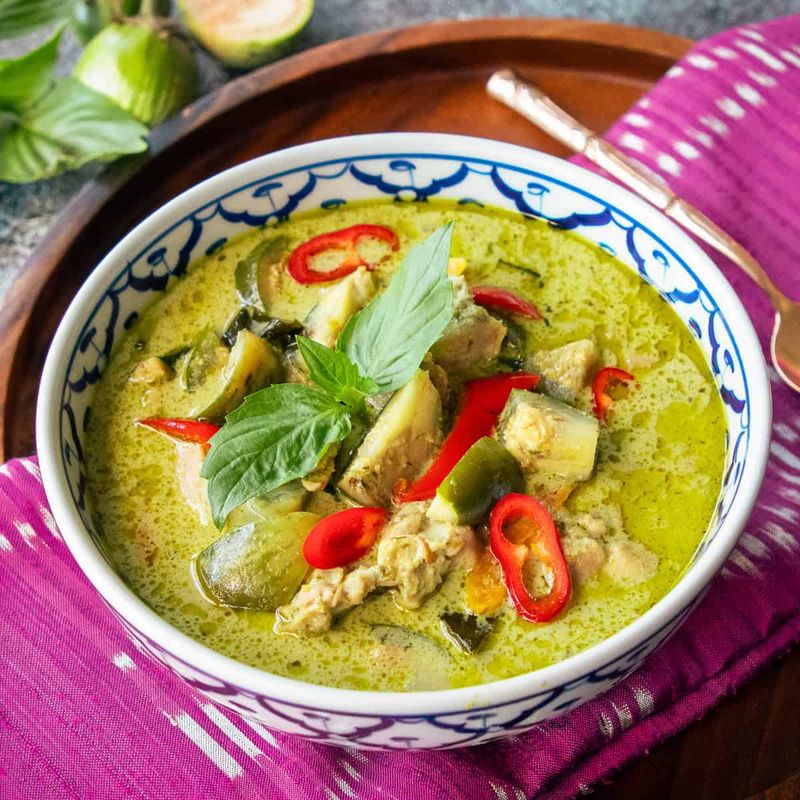
Picture a steaming bowl of green curry on a busy Bangkok street. The secret behind that smooth, rich sauce is coconut milk, which balances the fiery green chilies perfectly.
Thai cooks often fry the curry paste in thick coconut cream first. That step wakes up the herbs and spices.
Want to try it at home? Buy full-fat coconut milk, since the light version can taste watery and thin.
2. Coconut Chutney in South India
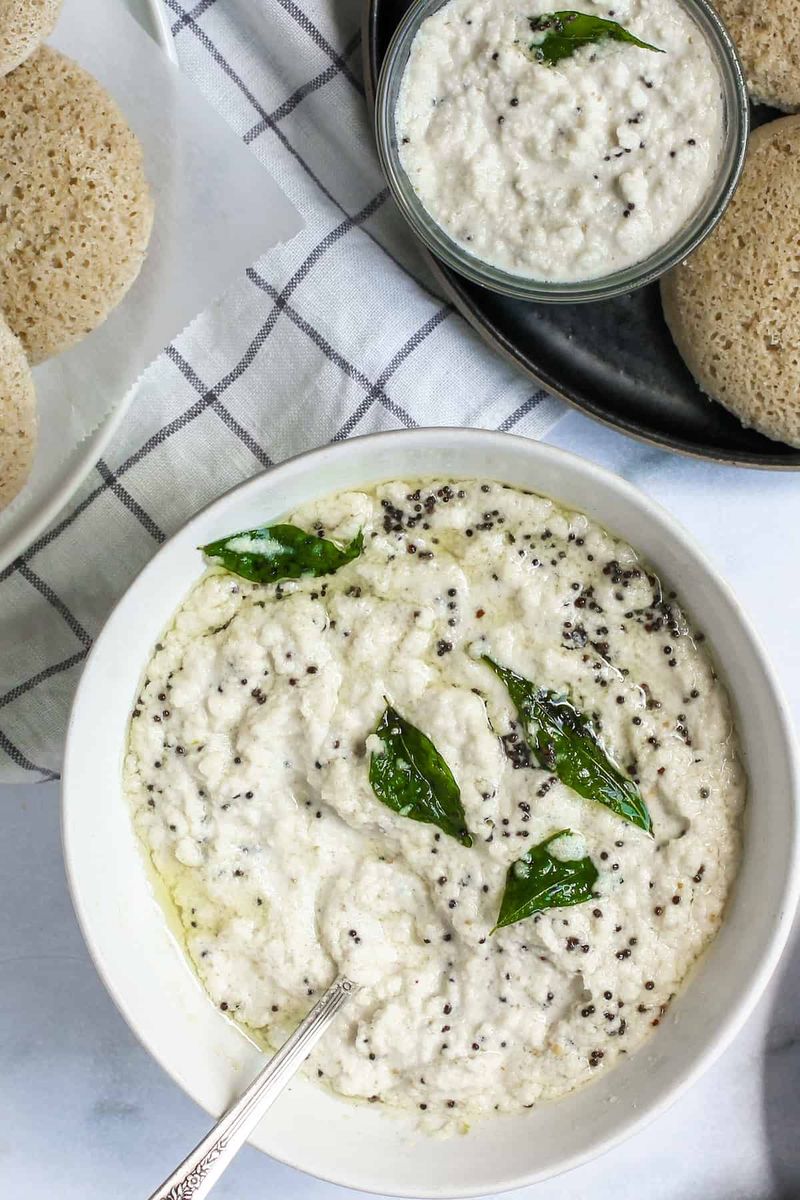
Breakfast in Chennai almost never happens without a little bowl of white coconut chutney. Families grind fresh coconut with green chilies, ginger, and roasted lentils into a creamy dip.
Then comes the fun part. Mustard seeds and curry leaves sizzle in hot oil and get poured right on top.
People scoop it up with dosa or idli. It tastes fresh, cool, and slightly spicy all at once.
3. Filipino Ginataan Stews
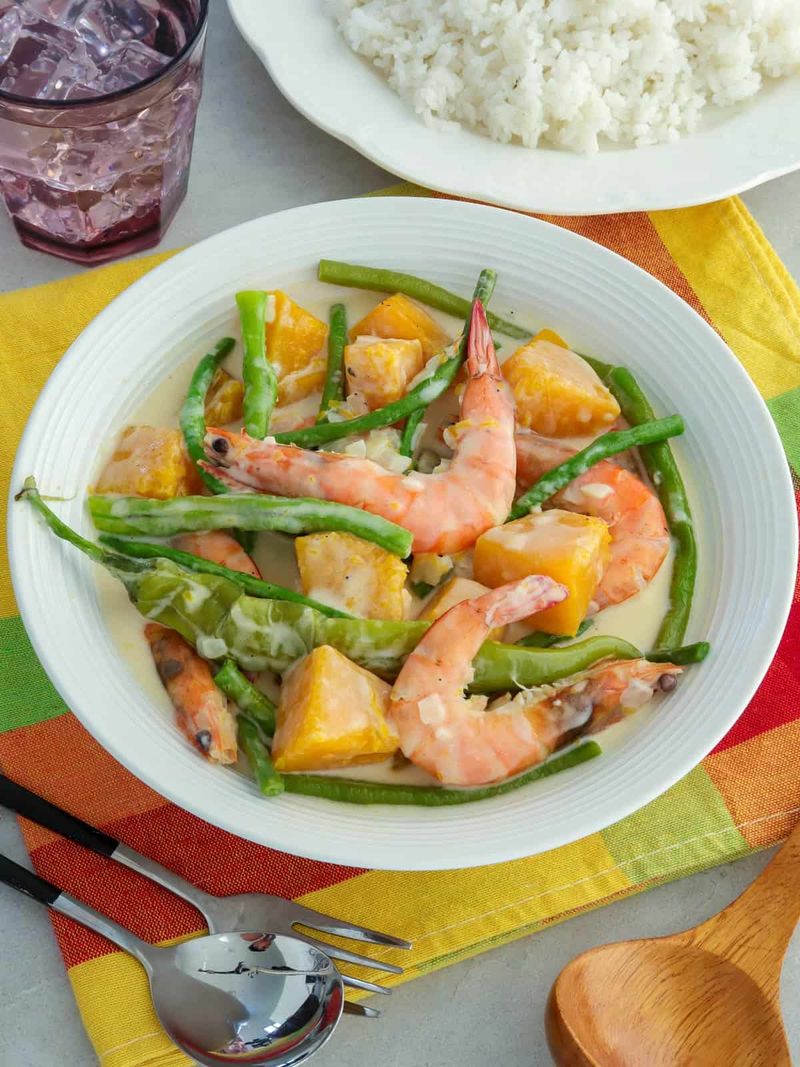
Did you know the Filipino word ginataan simply means cooked in coconut milk? That tells you how common it is in the Philippines.
Home cooks simmer squash, string beans, shrimp, or even crab in creamy coconut sauce. Some versions are savory, while others turn into sweet desserts with sticky rice balls and jackfruit.
Grandmothers often pass down their own special recipes. Each family swears theirs is the best.
4. Brazil’s Sweet Cocada Treats
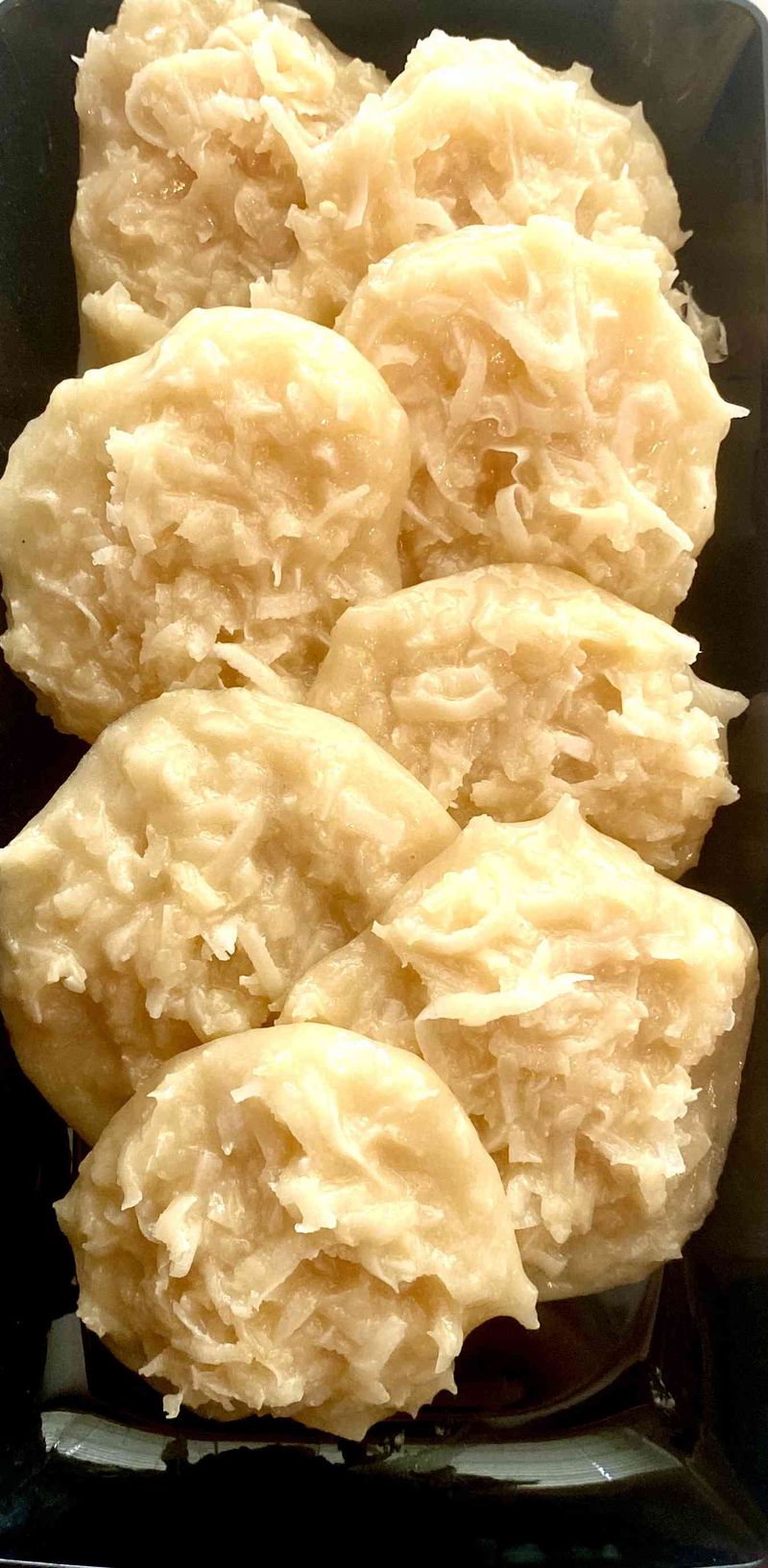
Walk along a beach in Bahia, and vendors will offer you cocada. These chewy candies are made by cooking shredded coconut with sugar until golden and sticky.
Some cocadas are white and soft. Others are dark and caramel-like, with a deeper, toasty taste.
Kids in Brazil grow up snacking on them after school. They are simple to make too, needing just coconut, sugar, and a little patience.
5. Nasi Lemak, Malaysia’s Morning Favorite
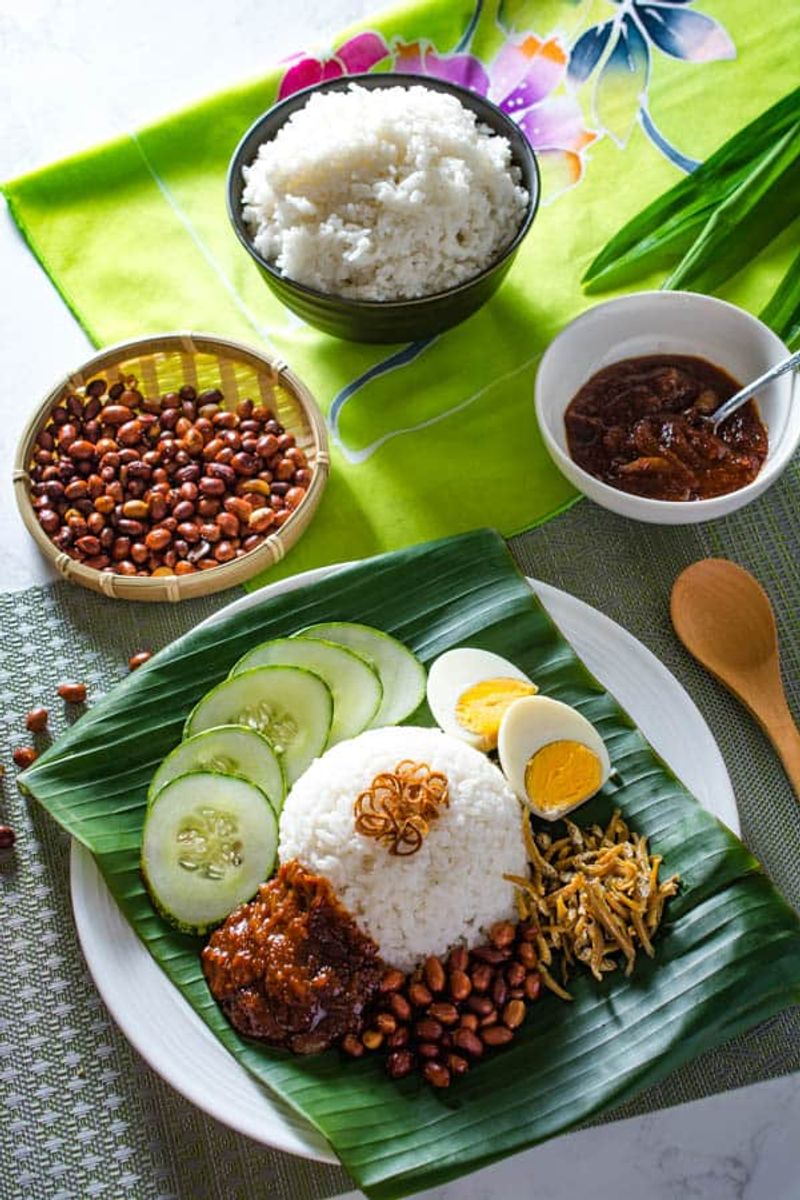
Ask any Malaysian about their favorite breakfast, and nasi lemak will likely top the list. Rice gets cooked in coconut milk with a knot of pandan leaf, making it fluffy and fragrant.
It comes with spicy sambal, crunchy anchovies, peanuts, cucumber, and a boiled egg.
Many people buy it wrapped in banana leaves from street stalls. Unwrapping that little bundle feels like opening a delicious present.
6. Jamaican Rice and Peas
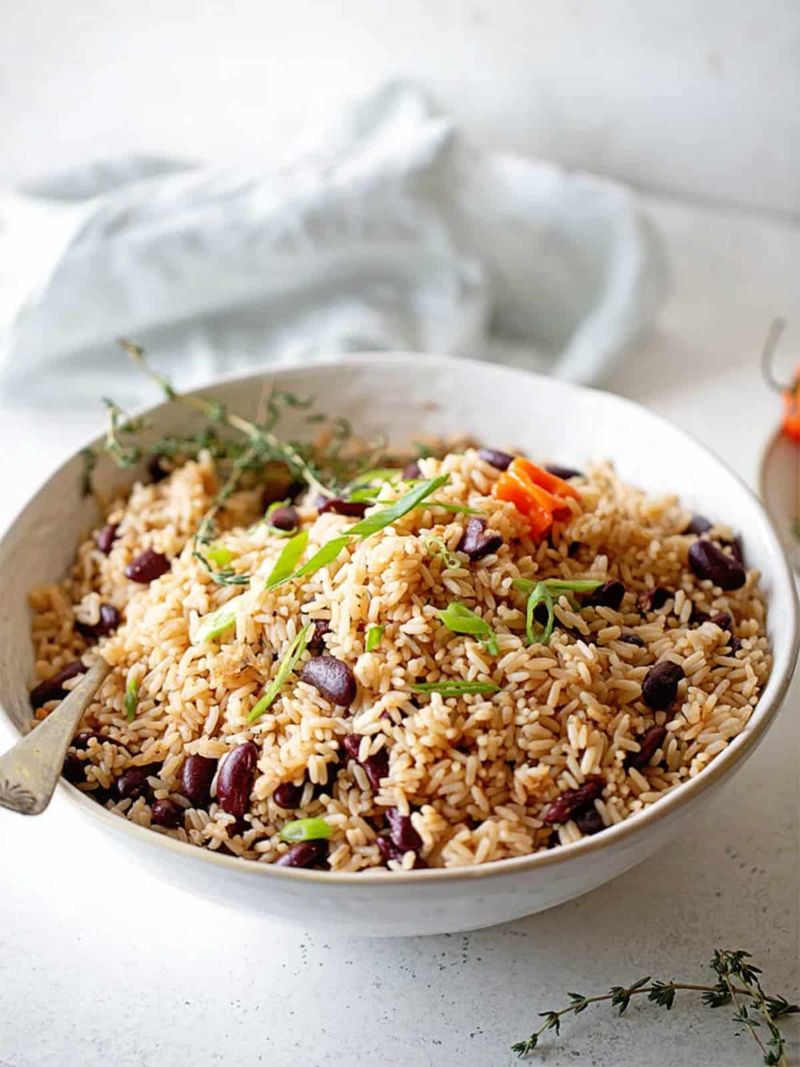
Sunday dinner in Jamaica just would not feel complete without rice and peas. Here is a funny twist: the peas are actually red kidney beans!
Cooks simmer the rice and beans in coconut milk with thyme, garlic, scallions, and a whole scotch bonnet pepper. The pepper adds flavor without making it too hot, as long as it stays unbroken.
Serve it next to jerk chicken for a classic island meal.
7. Sri Lanka’s Fiery Pol Sambol
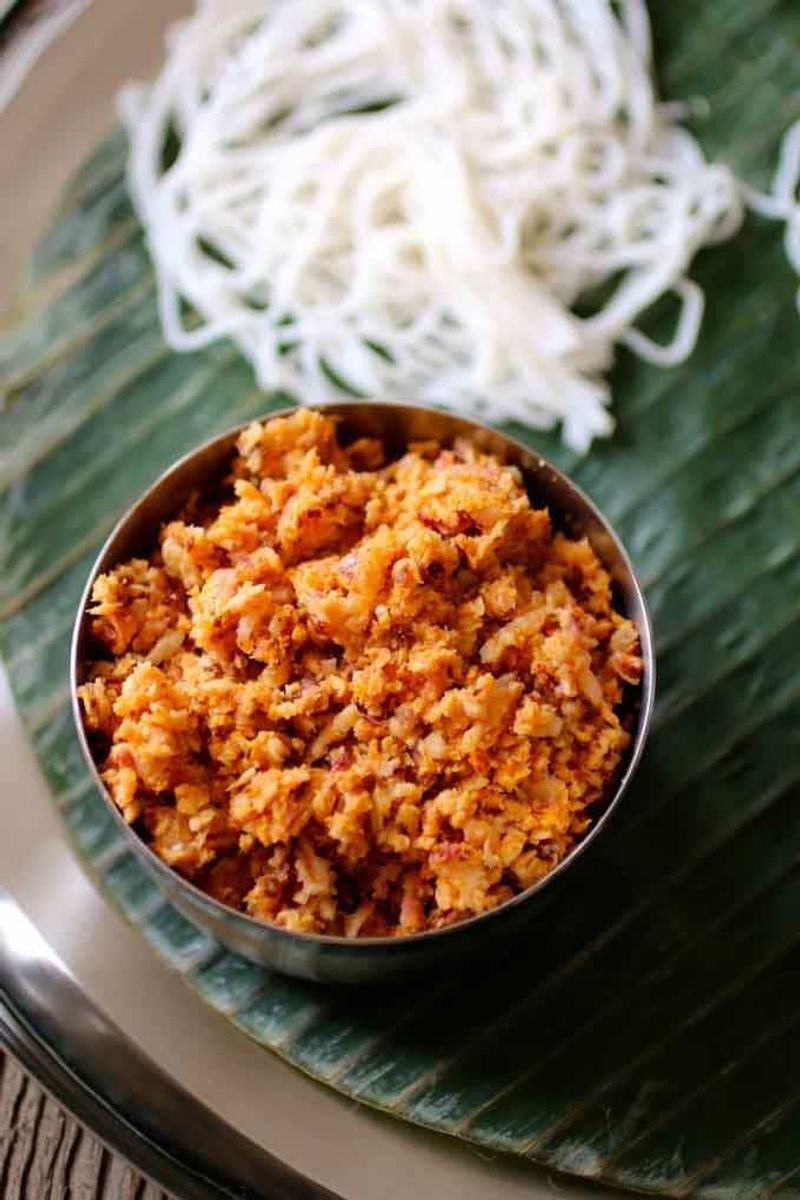
Bright red and bursting with zing, pol sambol is a Sri Lankan table staple. Pol means coconut in Sinhala, and the dish is mostly freshly grated coconut.
Cooks mix it with chili flakes, red onion, lime juice, and salt. Some add tiny dried fish for extra flavor.
Locals pile it onto bread, rice, or string hoppers. Try making a small batch and adjust the chili to your own comfort level.
8. Indonesian Beef Rendang
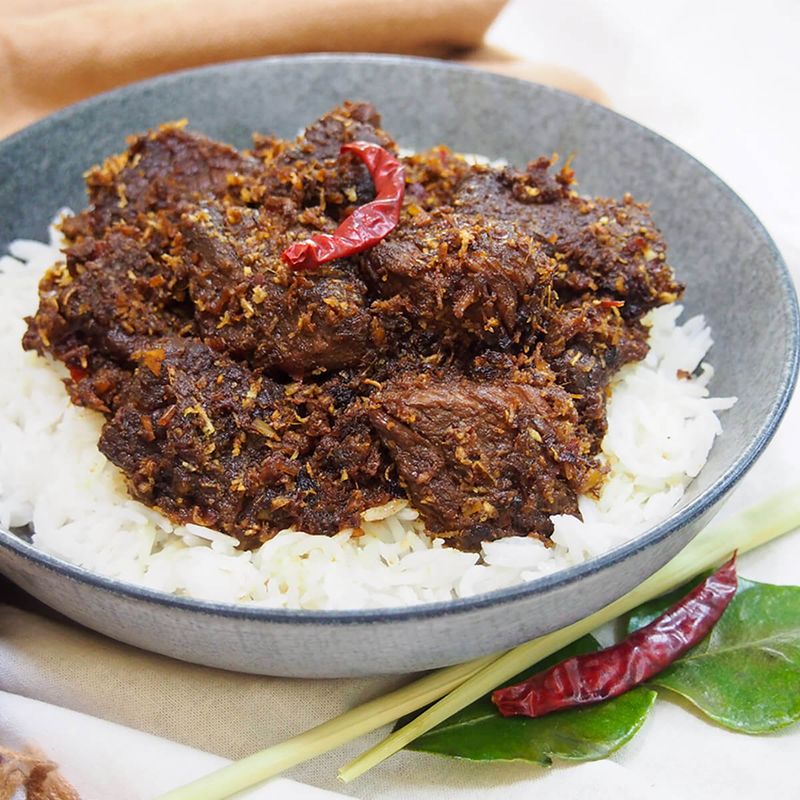
Patience is the main ingredient in beef rendang from West Sumatra. Beef simmers in coconut milk and spices for hours until the liquid nearly disappears.
As it cooks, the coconut turns dark and coats the meat in a thick, rich paste. The result is tender and packed with flavor.
Fun fact: rendang was once voted one of the most delicious foods in the world in an online poll.
9. Hawaii’s Wobbly Haupia
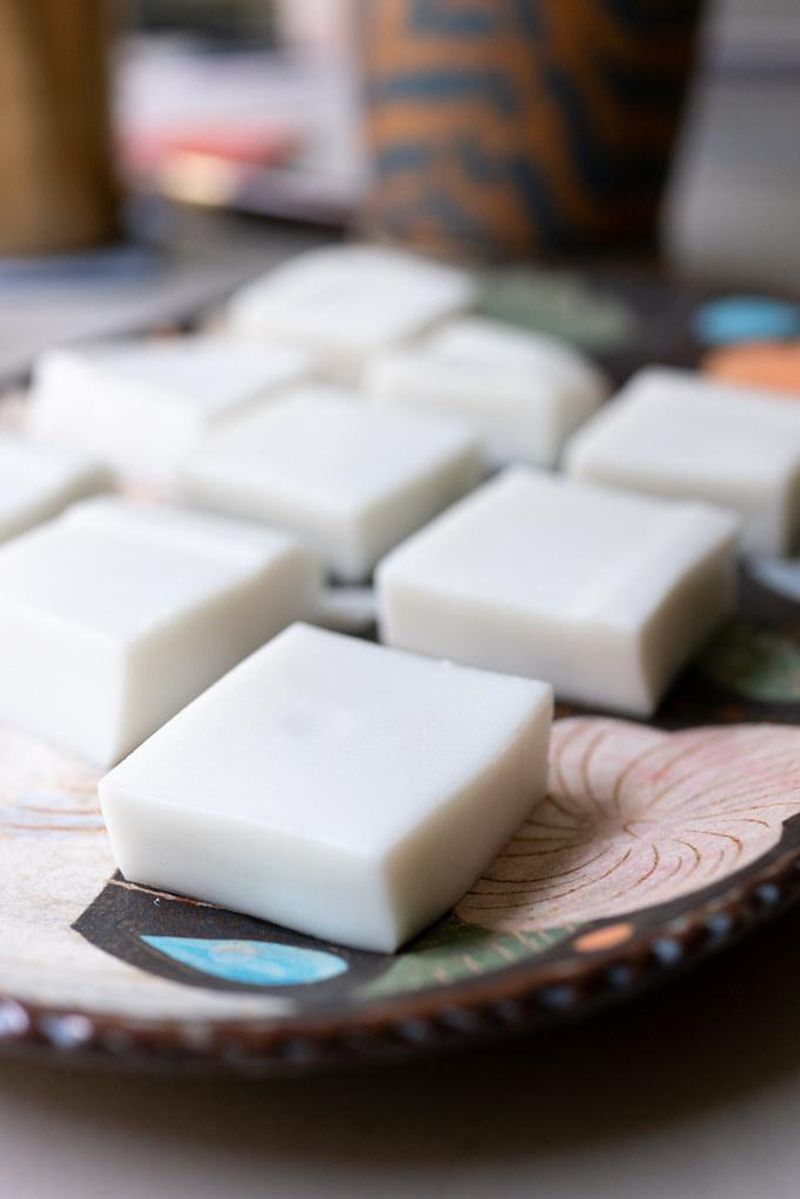
Jiggly, cool, and snowy white, haupia is the dessert everyone grabs at a Hawaiian luau. It is a simple pudding made from coconut milk, sugar, and cornstarch.
Long ago, islanders thickened it with arrowroot and served it on ti leaves.
Today, you will find haupia on pie crusts, in cakes, and even topping shave ice. It sets in the fridge in a few hours, making it an easy party treat.
10. Kerala’s Avial Medley
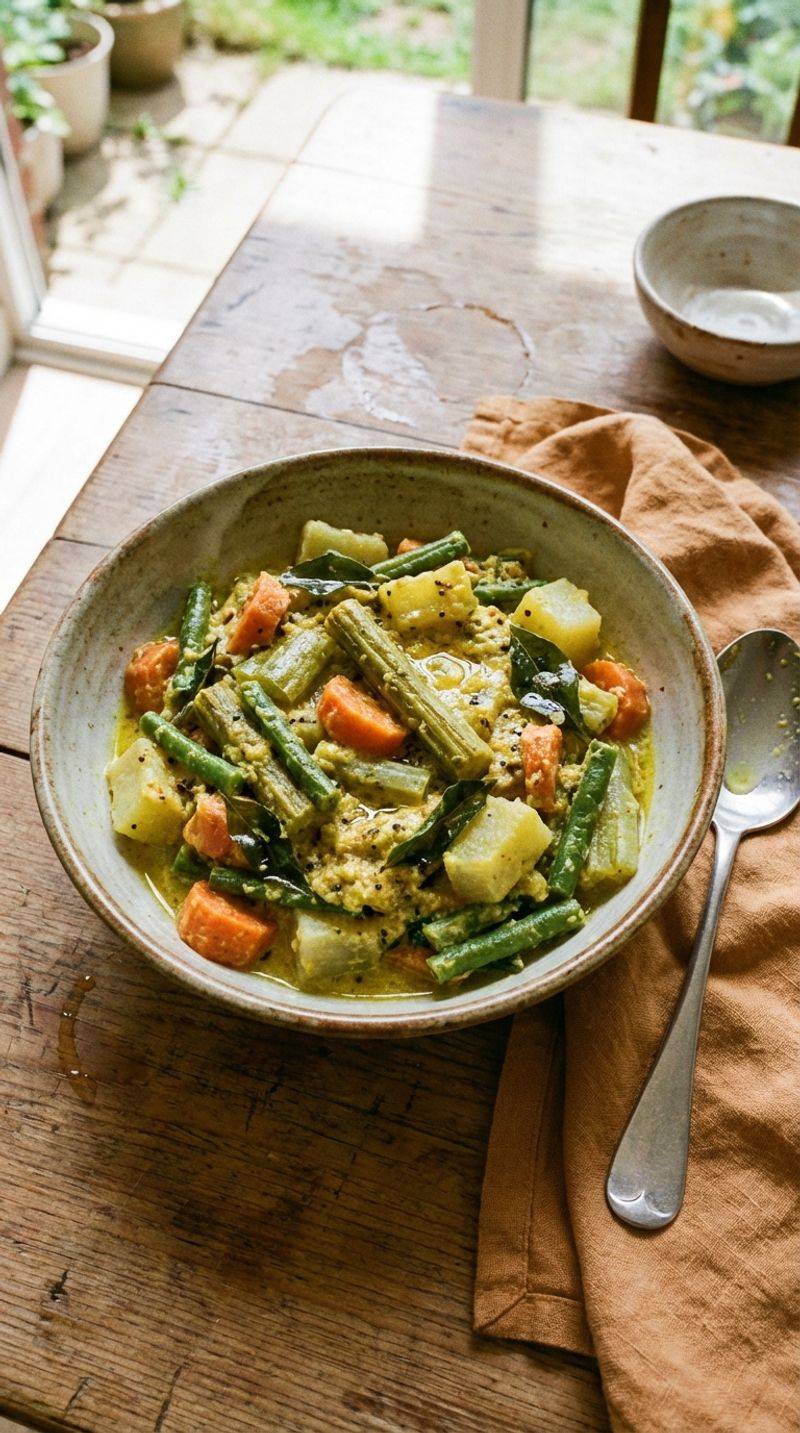
Imagine a feast served on a giant banana leaf with over twenty dishes. That is the Kerala sadhya, and avial is one of its stars.
Mixed vegetables like carrots, beans, and drumsticks cook together with a paste of ground coconut, cumin, and green chilies. A splash of yogurt adds tang.
Finish it with raw coconut oil and curry leaves. It is a great way to use up leftover veggies.
11. Tanzanian Coconut Bean Curry
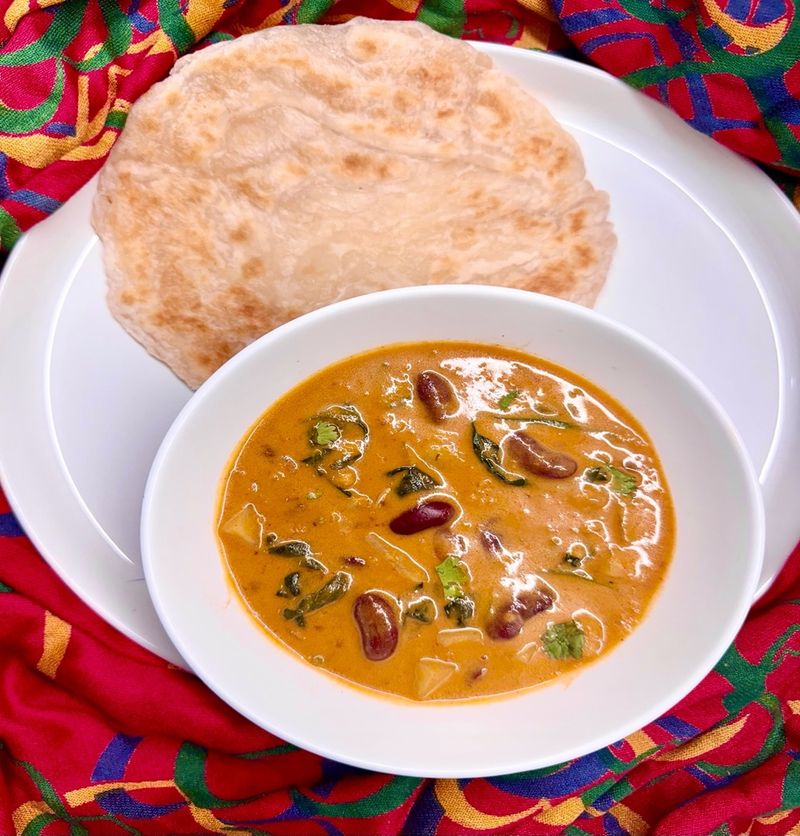
On the Swahili coast of Tanzania, a humble pot of beans becomes something special. Maharage ya nazi means beans in coconut, and it is cozy comfort food.
Red beans simmer with onions, tomatoes, turmeric, and creamy coconut milk.
Families eat it with rice or soft chapati flatbread for an affordable, filling meal. Beans and coconut together also give you protein and healthy fats, making this dish both budget-friendly and nourishing.
12. Vietnamese Coconut Caramel Pork
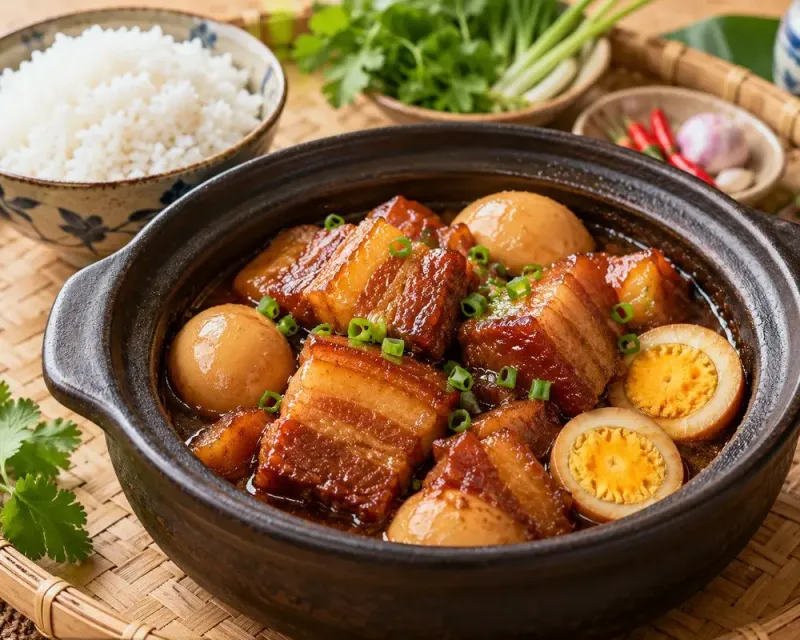
Here is a cool cooking trick from Vietnam: instead of plain water, cooks braise pork in coconut water. The dish is called thit kho.
Pork belly and boiled eggs simmer slowly with fish sauce and caramelized sugar. Coconut water adds a light, natural sweetness.
It is especially popular during Tet, the Lunar New Year. Families make big pots so everyone can enjoy leftovers for days.
13. Samoan Palusami Bundles
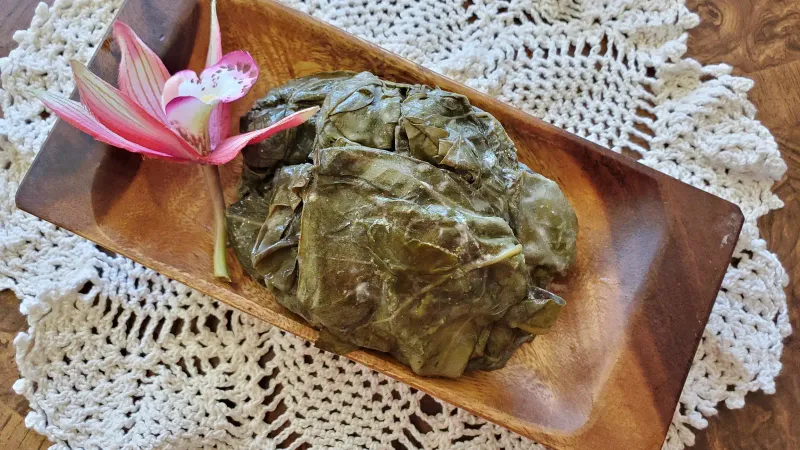
Sunday in Samoa means firing up the umu, a traditional earth oven made of hot stones. Out of it comes palusami, a true island favorite.
Young taro leaves get folded around thick coconut cream and onions, then wrapped in breadfruit or banana leaves.
After baking, the leaves turn soft and silky while the cream thickens. Spinach works as a fun swap if you cannot find taro leaves nearby.
14. Colombia’s Coastal Arroz con Coco
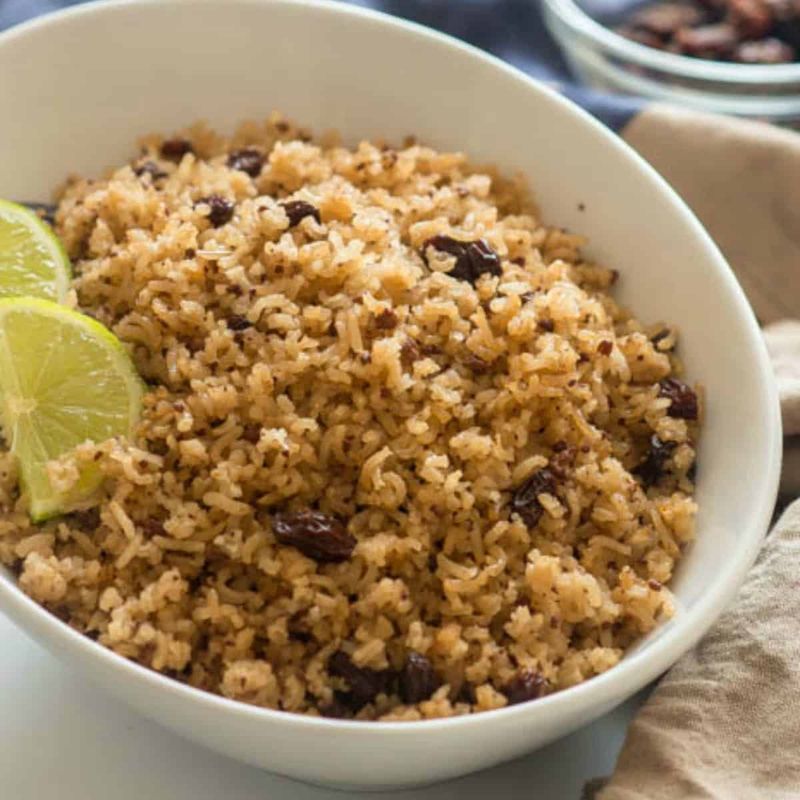
On Colombia’s Caribbean coast, rice turns a toasty brown color for a delicious reason. Cooks first heat coconut milk until it separates and caramelizes in the pot.
The rice then cooks in that golden coconut, picking up a nutty, slightly sweet taste. Some people add raisins too.
Arroz con coco usually sits beside fried fish and crispy plantains. Tourists in Cartagena often say it is their most memorable meal.
15. Bengali Chingri Malai Curry
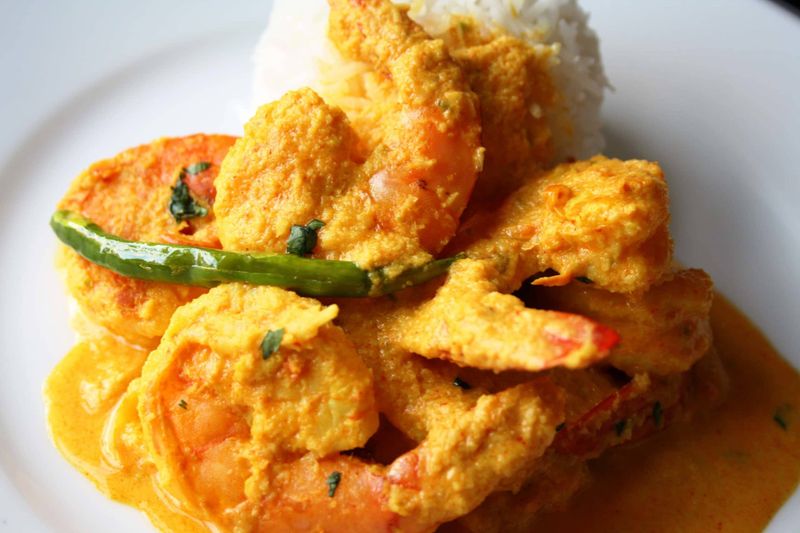
Big, juicy prawns swimming in a creamy golden sauce make chingri malai curry a celebration dish in Bengal. Weddings and holidays often feature it on the menu.
Coconut milk mixes with mustard oil, turmeric, and warming spices like cardamom and cinnamon.
The flavor is mild and slightly sweet rather than super spicy. If you are new to Indian food, this curry is a gentle and tasty place to start.
16. Puerto Rico’s Holiday Coquito

When December arrives in Puerto Rico, bottles of coquito start appearing in every fridge. This creamy holiday drink blends coconut milk, cream of coconut, sweetened condensed milk, cinnamon, and nutmeg.
Adults traditionally add rum, but family-friendly versions skip it completely.
Neighbors swap homemade bottles as gifts, and everyone claims their recipe is top-notch. Serve it chilled with a sprinkle of cinnamon for a festive, tropical twist on eggnog.