
Some music stars were topping charts before they were old enough to drive. Others turned school years and teenage dreams into songs that millions of people still know.
From a preschool singer to future pop legends, these artists show how early talent can find a huge audience. Their breakthroughs also reveal how much music can change while a great hook stays powerful.
1. Jordy: A Preschool Pop Surprise

Most preschoolers sing for family, but one French child found an audience across the country. Jordy was just four when his 1992 single, Dur dur d’être bébé!, became a French chart topper.
Its title means It’s Tough to Be a Baby.
The bouncy dance track made his tiny voice instantly recognizable. Hearing it today offers a playful reminder that novelty songs can become enormous hits, even without the usual grownup pop star image or polished ballads.
2. Michael Jackson: The Young Voice Leading the Jackson 5
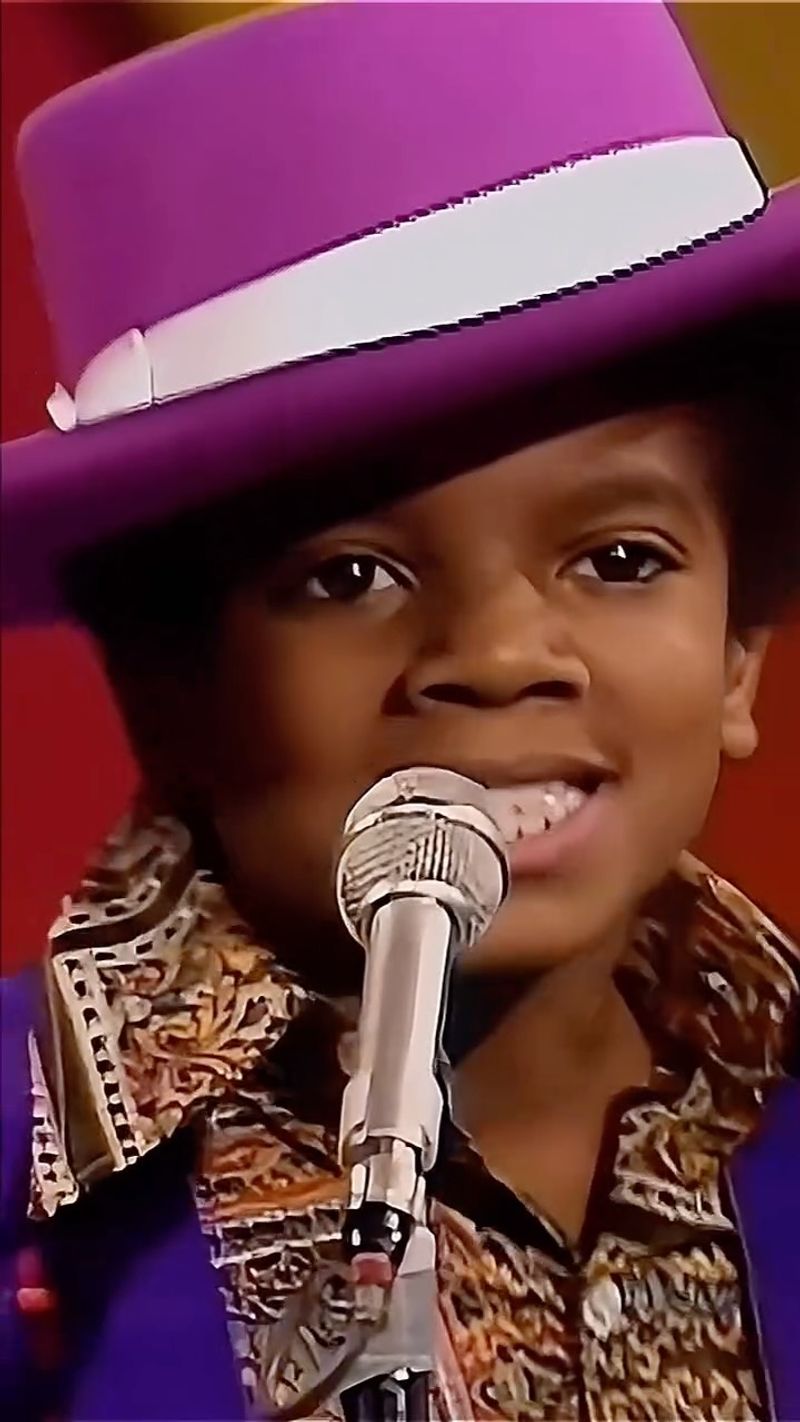
A voice that sounded both joyful and confident helped introduce a future superstar. Michael Jackson was eleven when the Jackson 5 reached number one on the Billboard Hot 100 with I Want You Back in January 1970.
ABC, The Love You Save, and I’ll Be There followed that same year. By thirteen, he also topped that chart solo with Ben.
Listen to those early recordings for the clear timing and feeling that made his singing special.
3. Stevie Wonder: Live Energy at Thirteen
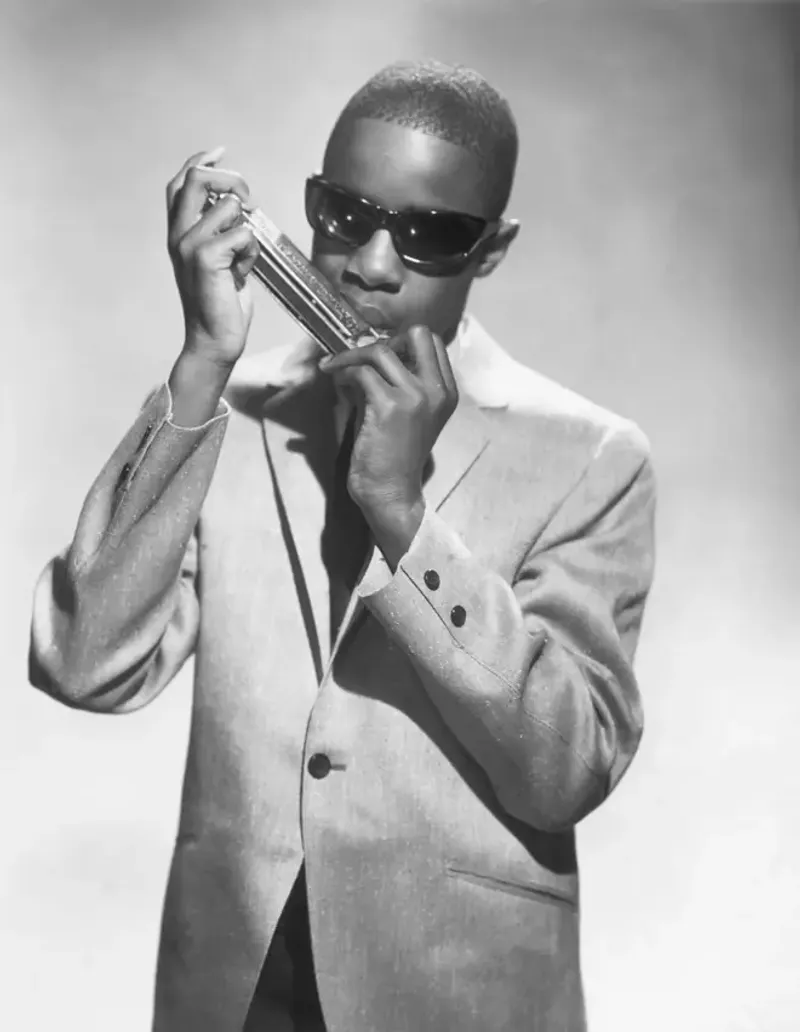
That cheering crowd on Fingertips isn’t a studio trick. The recording captured a live performance by young Stevie Wonder, whose harmonica playing and lively delivery helped turn Fingertips (Part II) into a number one hit in August 1963.
He was only thirteen. Released under the name Little Stevie Wonder, the song lets listeners hear his natural connection with an audience.
Try the full performance to catch the playful exchanges that made this breakthrough feel so alive.
4. Tanya Tucker: A Big Story in a Young Voice
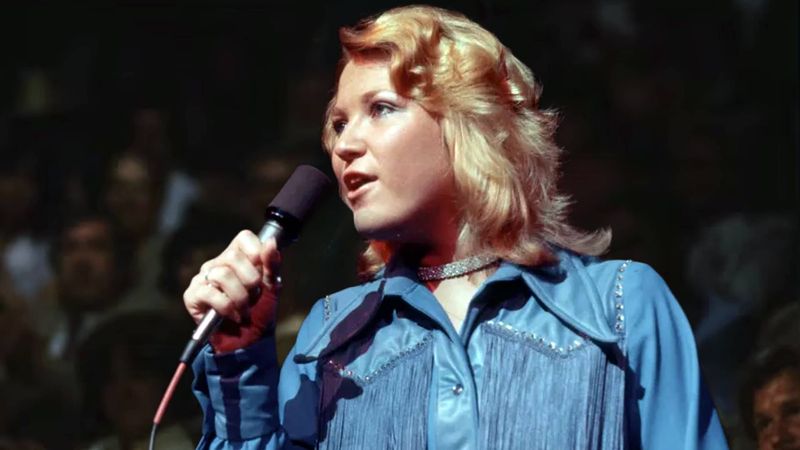
Few thirteen year olds could make a story song sound so believable. When Delta Dawn arrived in 1972, Tanya Tucker gave its troubled central character a voice that felt older than her years.
The single reached number six on Billboard’s country chart and introduced her to a wide audience. Her breakthrough shows how storytelling can matter as much as vocal power.
Pay attention to her phrasing, which makes each line feel like part of a conversation.
5. Miley Cyrus: Television Fame Meets the Album Chart

For many kids, an ordinary schoolgirl with a secret singing career was irresistible television. Miley Cyrus brought that idea to life as Hannah Montana, then helped carry its music onto the album charts.
The first Hannah Montana soundtrack reached number one on the Billboard 200 in 2006, while she was thirteen. This was an album achievement, not a solo number one single.
Its success shows how a beloved character can help young listeners discover a performer.
6. LeAnn Rimes: A Classic Country Sound Returns
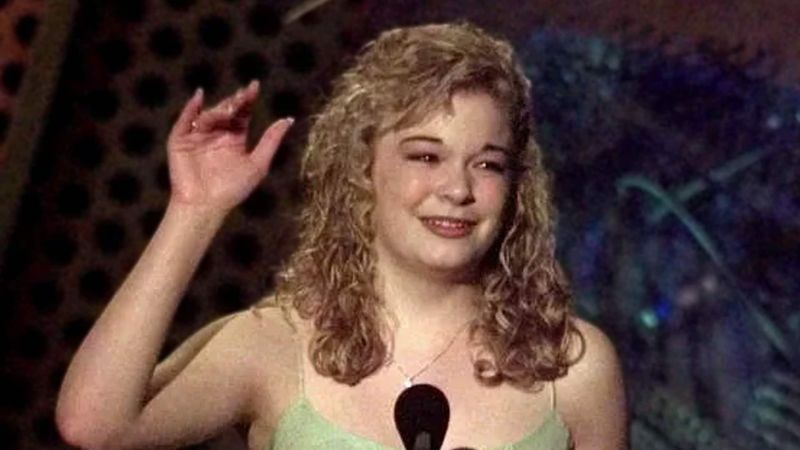
One soaring note could make listeners stop and ask who was singing. LeAnn Rimes was thirteen when Blue became her breakthrough country hit in 1996, drawing attention to her rich voice and striking control.
The song reached number ten on Billboard’s country chart, rather than number one. At fourteen, she won two Grammys, and How Do I Live became another major success in 1997.
Compare the two songs to hear her move between country and pop.
7. Carl Wilson: Teenage Guitar Behind the Beach Boys
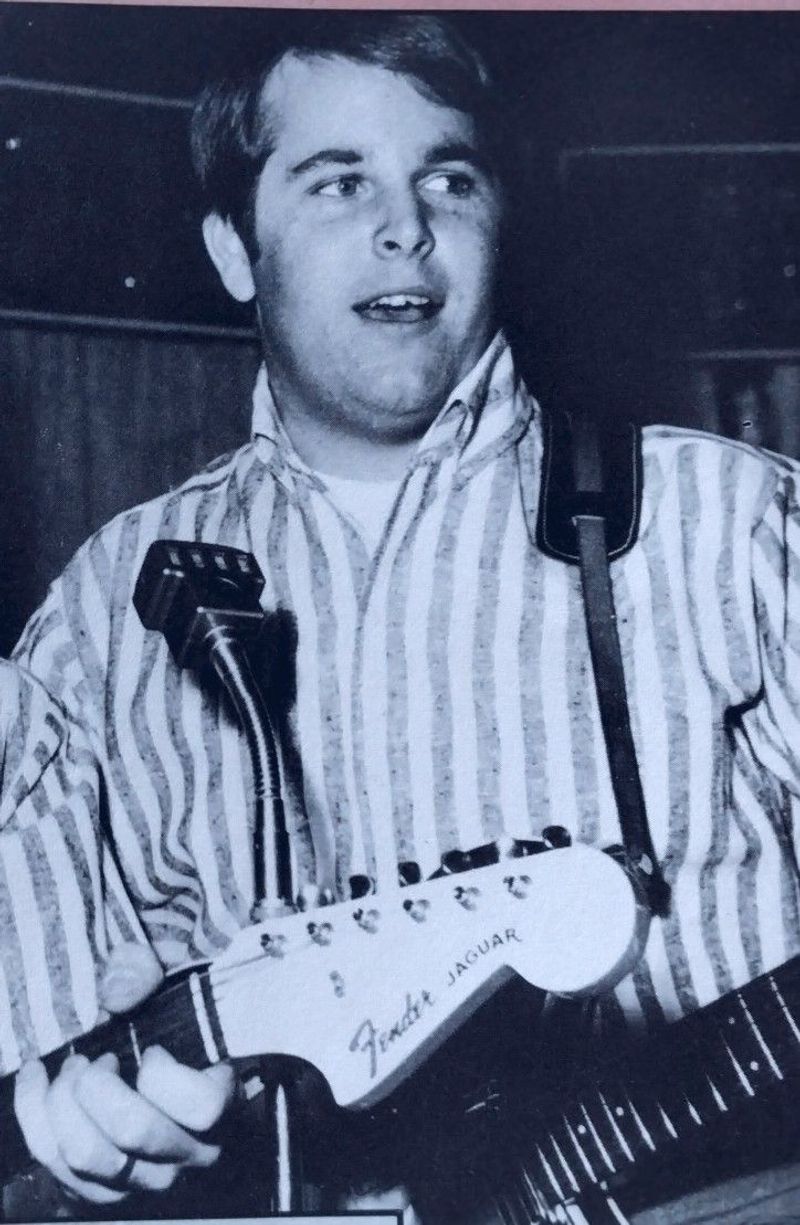
Behind those sunny harmonies stood a teenager with a guitar. Carl Wilson was fifteen when the Beach Boys’ early single Surfin’ reached the Billboard Hot 100 in 1962, following its local success in Southern California.
Bigger records soon followed, including Surfin’ U.S.A. and I Get Around. He was still seventeen when the latter reached number one.
His early career highlights an overlooked path to fame: helping shape a group’s sound instead of always taking center stage.
8. Hilary Duff: From TV Favorite to Pop Contender

Growing up on television gave her a familiar face, but music opened another door. Hilary Duff was fifteen when Metamorphosis reached number one on the Billboard 200 in September 2003.
Come Clean and So Yesterday helped define the album’s bright pop sound. Rather than treating its chart position as a singles achievement, remember that this milestone measured the whole album.
For fans of early 2000s pop, it captures the moment a television favorite became a recording star.
9. Lorde: A Quiet Challenge to Flashy Pop

Instead of celebrating luxury, Royals questioned why pop songs talked about it so much. That fresh angle helped Lorde stand apart when the single reached number one on the Billboard Hot 100 in 2013.
The New Zealand singer was sixteen, with a spare sound that left plenty of room for her voice. Notice how little the track needs to hold your attention.
Its success offers a useful lesson: a clear idea can compete with huge production.
10. Paul Anka: Teenage Feelings Become Diana

A teenage crush supplied the spark for a song that traveled far beyond one neighborhood. Canadian singer Paul Anka was sixteen when Diana became a major international hit in 1957, topping charts in Britain and America.
He also wrote the song, making the breakthrough more than a showcase for his voice. Its direct words and memorable melody explain much of its appeal.
Put it beside a modern crush song and notice how familiar those nervous feelings remain.
11. Tiffany: Shopping Malls and a Chart Topping Cover

Shopping malls became unlikely concert halls during Tiffany’s rise. Her performances brought pop music close to teenage shoppers, helping build attention for her version of I Think We’re Alone Now.
The song reached number one on the Billboard Hot 100 in November 1987, shortly after her sixteenth birthday. Originally a hit for Tommy James and the Shondells, it found another generation through her upbeat recording.
Compare both versions to hear how a cover can change a song.
12. Billie Eilish: An Unusual Sound Takes Over

A whispery voice and a strange, bouncing beat hardly sounded like a standard pop recipe. Yet Bad Guy carried Billie Eilish to number one on the Billboard Hot 100 in August 2019, when she was seventeen.
Created with her brother Finneas, the track made unusual choices feel inviting rather than difficult. Headphones reveal its small sounds and sudden shifts especially well.
Her breakthrough reminds young music makers that a distinctive style can be an advantage, not a problem.
13. Britney Spears: A Debut That Changed Teen Pop
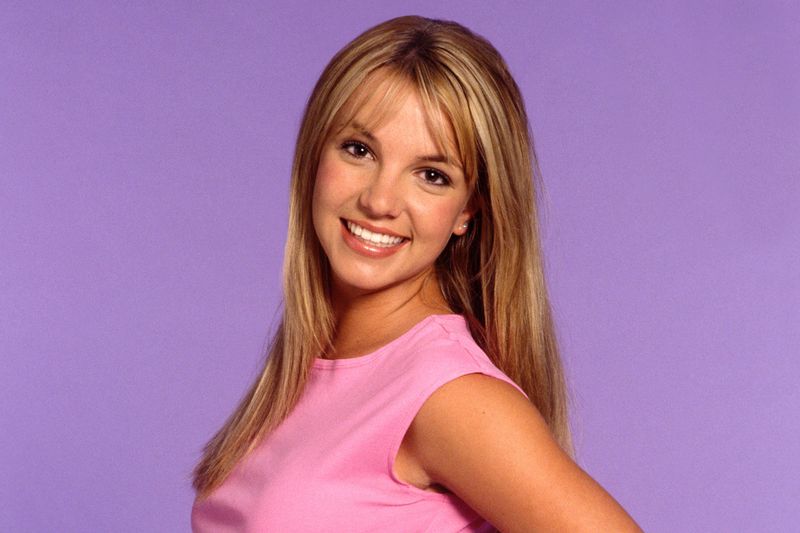
That opening piano hook announced a new pop arrival. Britney Spears was seventeen when …Baby One More Time reached number one on the Billboard Hot 100 in January 1999.
Her debut album of the same name also topped the Billboard 200, giving her a major breakthrough on both charts. The song paired a catchy chorus with a memorable video and confident dancing.
Together, those pieces show how sound and visual style can turn a debut into an event.
14. Debbie Gibson: Writing Her Own Number One
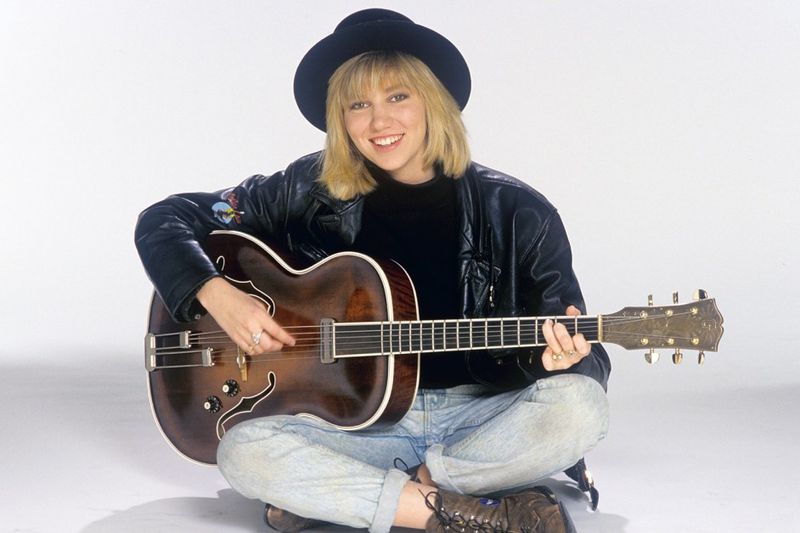
Writing, singing, and producing a hit is a lot for anyone to handle. Debbie Gibson did all three herself on Foolish Beat, which topped the Billboard Hot 100 in June 1988.
At seventeen, she became the youngest artist to achieve that combination on a number one single. The gentle ballad reveals a different side from her brighter dance songs.
Aspiring songwriters can learn from its clear melody and the way its arrangement gives the emotional lyrics space.
15. Peter Noone: A Friendly Face of the British Invasion
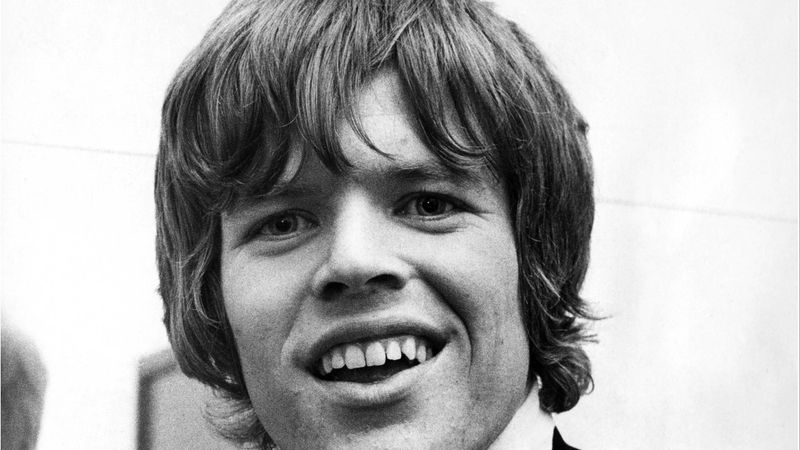
A cheerful delivery helped Herman’s Hermits offer a lighter side of the British Invasion. Lead singer Peter Noone was seventeen when Mrs. Brown You’ve Got a Lovely Daughter became the group’s first American number one in 1965.
Its conversational singing and distinctly British flavor stood out on American radio. Noone’s youthful charm suited the song without requiring a huge vocal performance.
Listen for the simple backing, which keeps the words and personality firmly at the center throughout.
16. Rick Derringer: Garage Rock With Staying Power
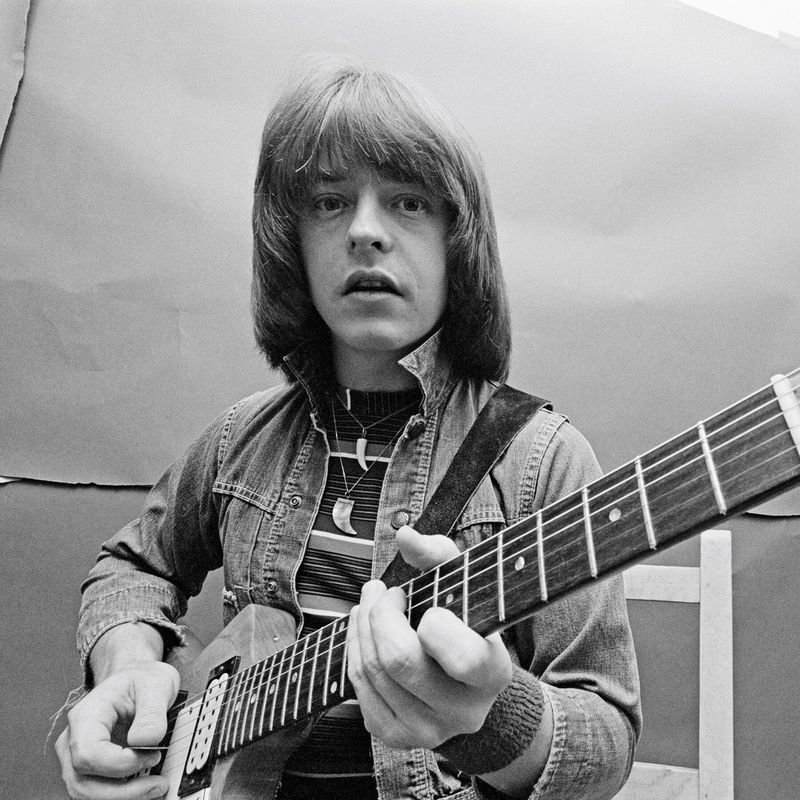
Some choruses seem built for a crowd to shout together. Hang On Sloopy gave the McCoys exactly that kind of hit, reaching number one on the Billboard Hot 100 in October 1965.
Rick Derringer, the band’s singer and guitarist, had turned eighteen that August, so he was not seventeen at its peak. The record’s lasting appeal comes from its steady groove and easy chorus.
His later guitar career makes this youthful breakthrough an especially interesting early chapter.
17. Ritchie Valens: A Brief Career With a Lasting Echo
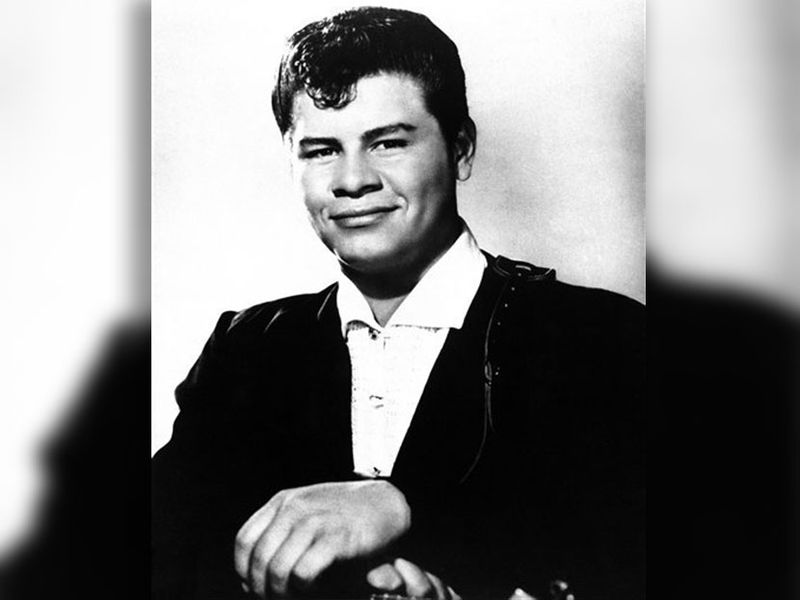
Only a short recording career was needed to leave a lasting mark. Ritchie Valens recorded Donna and La Bamba as a teenager, blending early rock energy with sounds connected to his Mexican heritage.
He died in a plane crash in February 1959 at seventeen. Donna reached number two on the Billboard Hot 100, while La Bamba reached number twenty-two.
Hearing the songs together reveals both his tender singing and the lively spirit that still draws new fans.
18. Steve Winwood: A Soulful Voice Beyond His Years
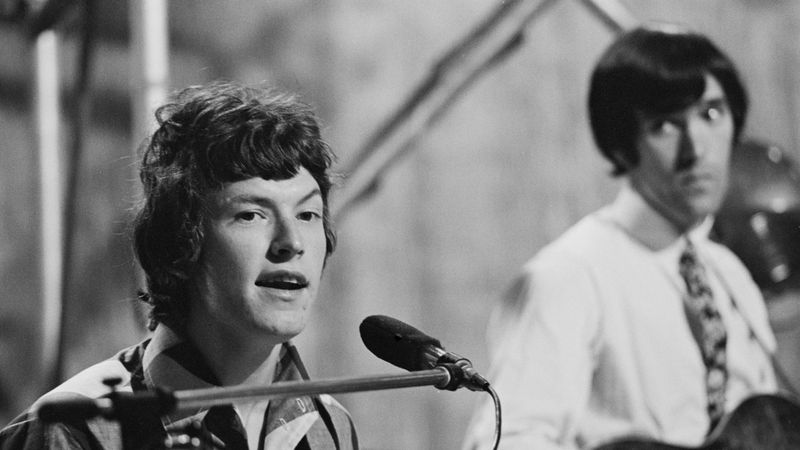
Close your eyes, and that powerful voice might sound much older than its owner. Steve Winwood was eighteen when the Spencer Davis Group’s Gimme Some Lovin’ and I’m a Man reached America’s Top 10 in 1967.
Both chart successes came before his nineteenth birthday in May, correcting a common age mixup. His singing and keyboard playing gave the band its driving sound.
Start with the organ opening of Gimme Some Lovin’ to hear why it still grabs listeners.