
The carrot in your lunchbox might be a sweet dessert in India or a spicy pickle in Morocco. Every country has its own way of cooking the same plain vegetables we see at the grocery store.
Learning about these dishes can help you try new flavors and understand other cultures a little better. Get ready to look at your veggie drawer in a whole new way.
1. Carrots Turned Into Dessert in India
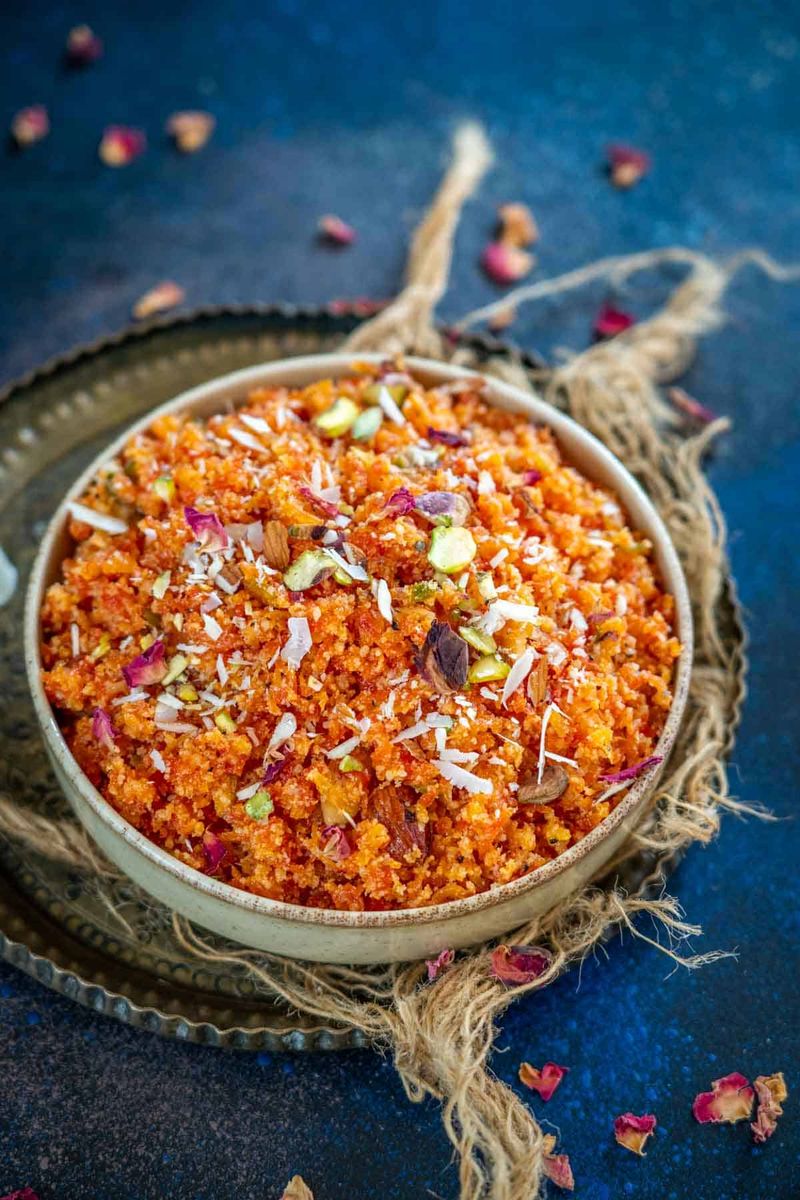
Imagine eating carrots for dessert and actually begging for seconds. In northern India, families make gajar ka halwa, a sweet pudding of grated carrots slowly cooked in milk, sugar, and ghee.
Cardamom adds a warm, flowery smell, while nuts and raisins give crunch and chew. Winter is the main season for it, when red carrots are juicy and bright.
Want to try it at home? Grate the carrots finely so they melt into the milk.
2. Cabbage Gets Fiery in Korea
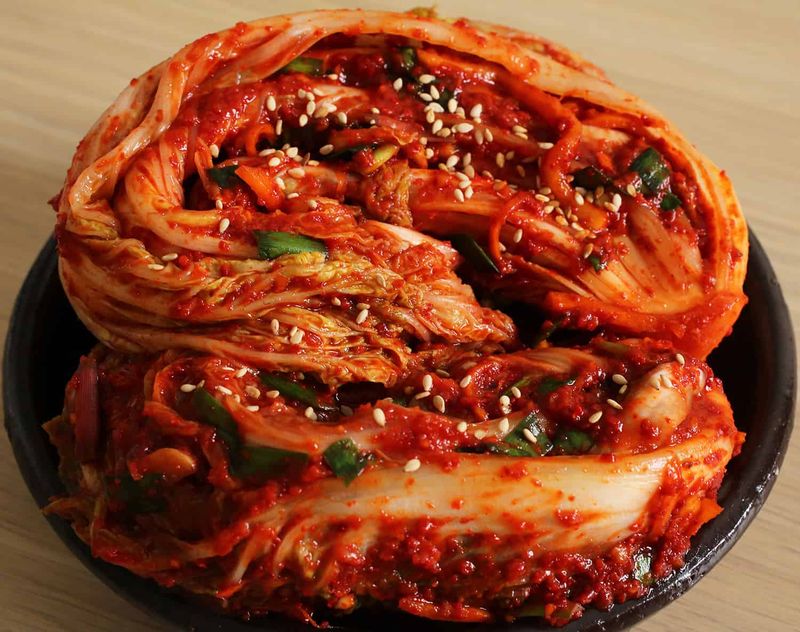
Some Korean families have stored cabbage in clay pots buried underground for generations. That cabbage becomes kimchi, a spicy, tangy side dish packed with chili flakes, garlic, ginger, and fish sauce.
Each autumn, neighbors gather for kimjang, a huge kimchi-making party. Kimchi shows up at nearly every meal, from breakfast to dinner.
Fun fact: the fermenting process creates helpful bacteria that may support your stomach health. Start with a mild version if spicy food scares you.
3. Potatoes Become Freeze-Dried Chuño in Peru
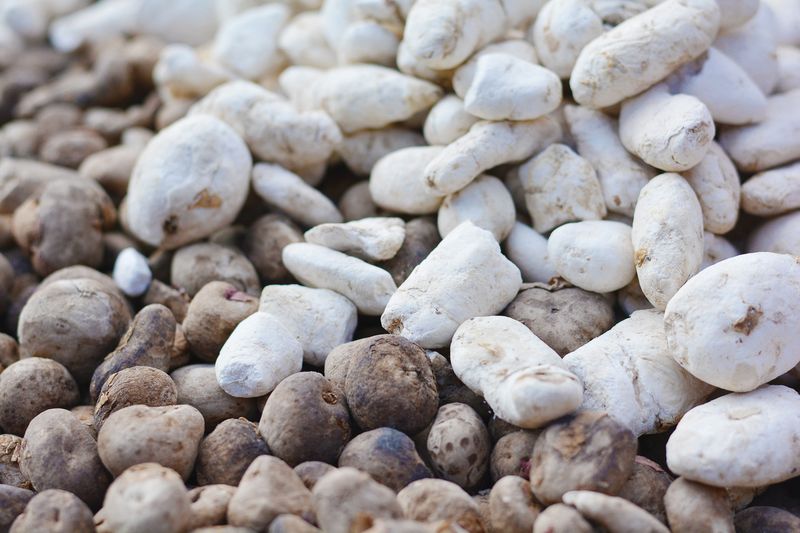
Long before freezers existed, people in the Andes mountains figured out a clever trick. Farmers leave potatoes outside on freezing nights, then stomp on them by day to squeeze out water.
After repeating this for several days, they get chuño, small, light, dark potatoes that can last for years. Cooks soak them and add them to hearty soups and stews.
Peru grows thousands of potato kinds, so experimenting is basically a national hobby there.
4. Eggplant Smoked Into Baba Ghanoush
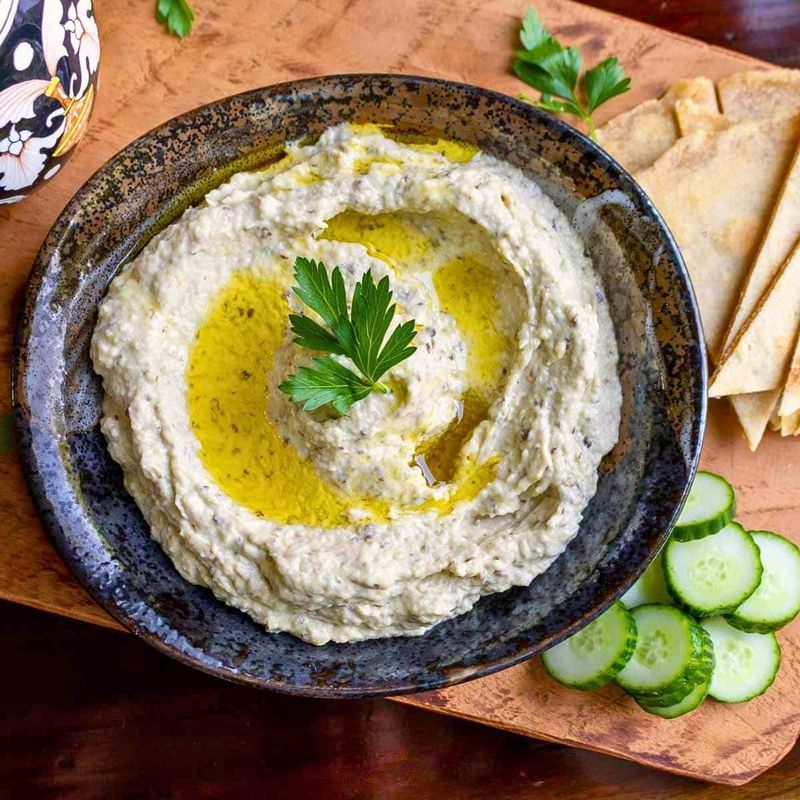
Here is a cooking secret from the Middle East: burn your eggplant on purpose. Cooks in Lebanon and Syria roast whole eggplants right over an open flame until the skin turns black and crackly.
The soft, smoky insides get mashed with tahini, lemon juice, and garlic to make baba ghanoush. People scoop it up with warm pita bread.
No grill? A gas stove burner or a very hot oven works nicely too.
5. Okra Thickens Gumbo in Louisiana
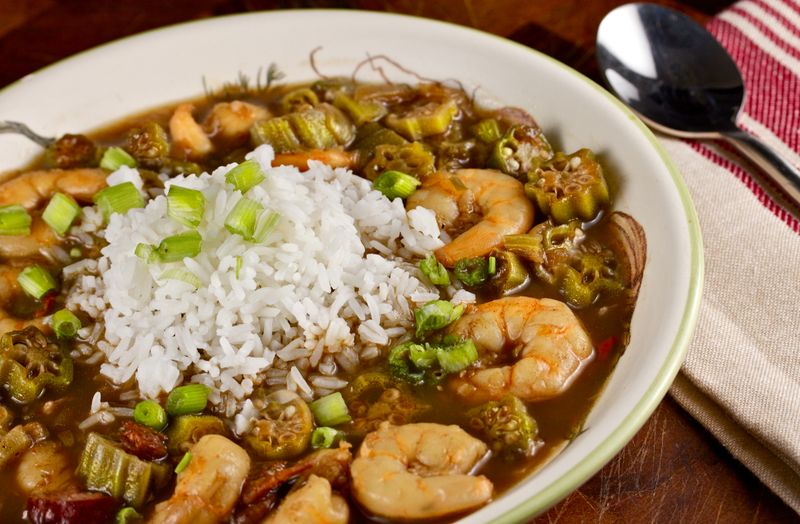
Okra has a reputation for being slimy, and Louisiana cooks think that is fantastic. That gooey texture helps thicken gumbo, a rich stew filled with shrimp, sausage, chicken, and spices.
The word gumbo actually comes from a West African word for okra. Enslaved Africans brought the vegetable and their cooking knowledge to America.
So every spoonful carries a bit of history. Serve it over white rice for the classic New Orleans experience.
6. Zucchini Flowers Stuffed in Italy
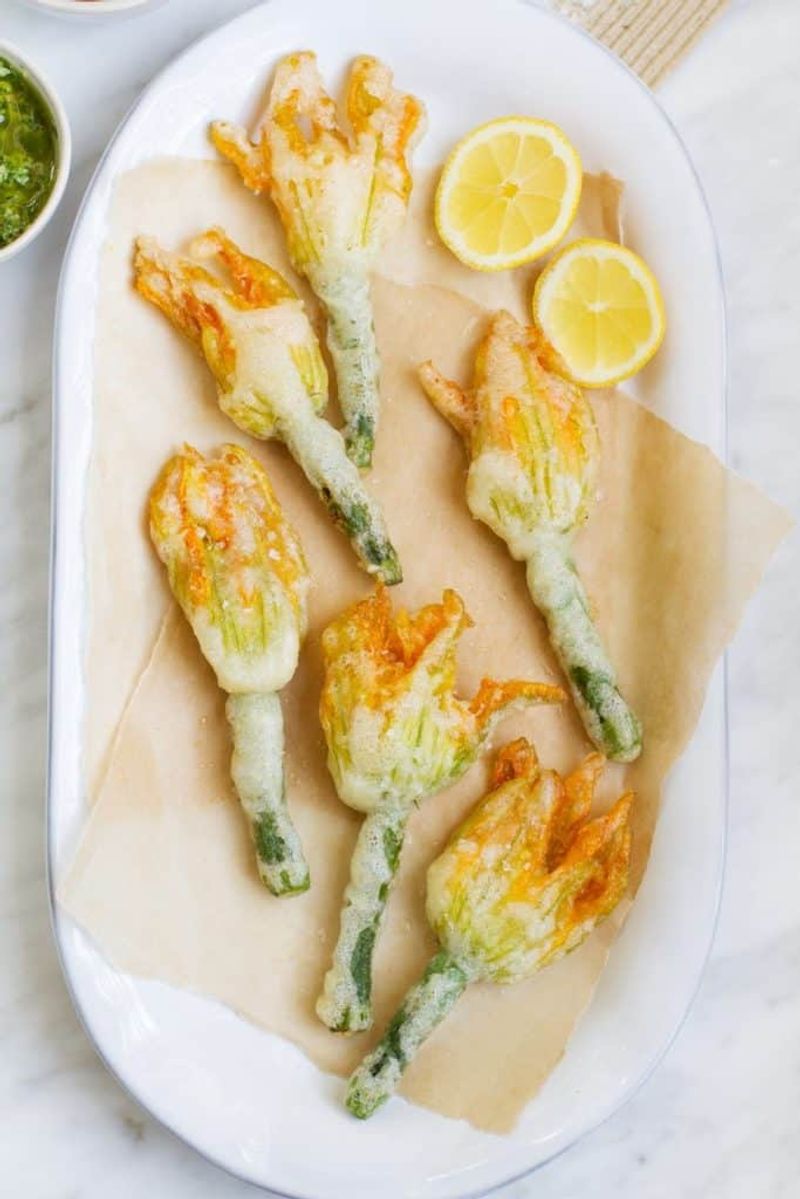
Why eat only the zucchini when the flower is right there? Italian grandmothers have been answering that question for centuries.
In Rome, cooks fill bright orange squash blossoms with mozzarella and a tiny anchovy, then dip them in light batter and fry them. The result is crispy outside and melty inside.
Look for the blossoms at summer farmers markets. Pick them early in the day, when the petals are open and easy to stuff.
7. Beets Paint Borscht Bright Red
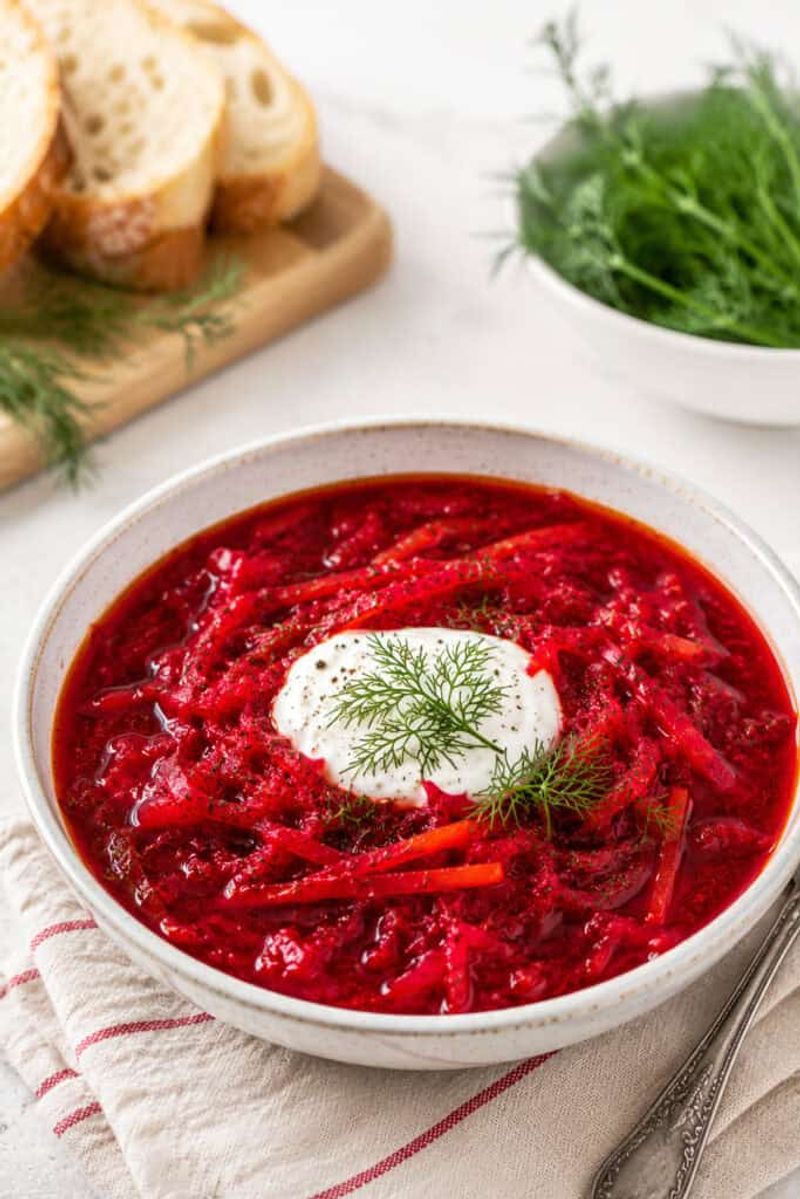
Few soups are as eye-catching as borscht. In Ukraine, beets give this famous soup its jewel-red color, along with cabbage, potatoes, carrots, and sometimes beef.
A big spoonful of sour cream and fresh dill on top makes it creamy and fresh. Families often argue over whose recipe is best, and every household has a version.
Tip: add a splash of vinegar near the end. It keeps that ruby color from fading to brown.
8. Spinach Mixed With Cheese in Saag Paneer
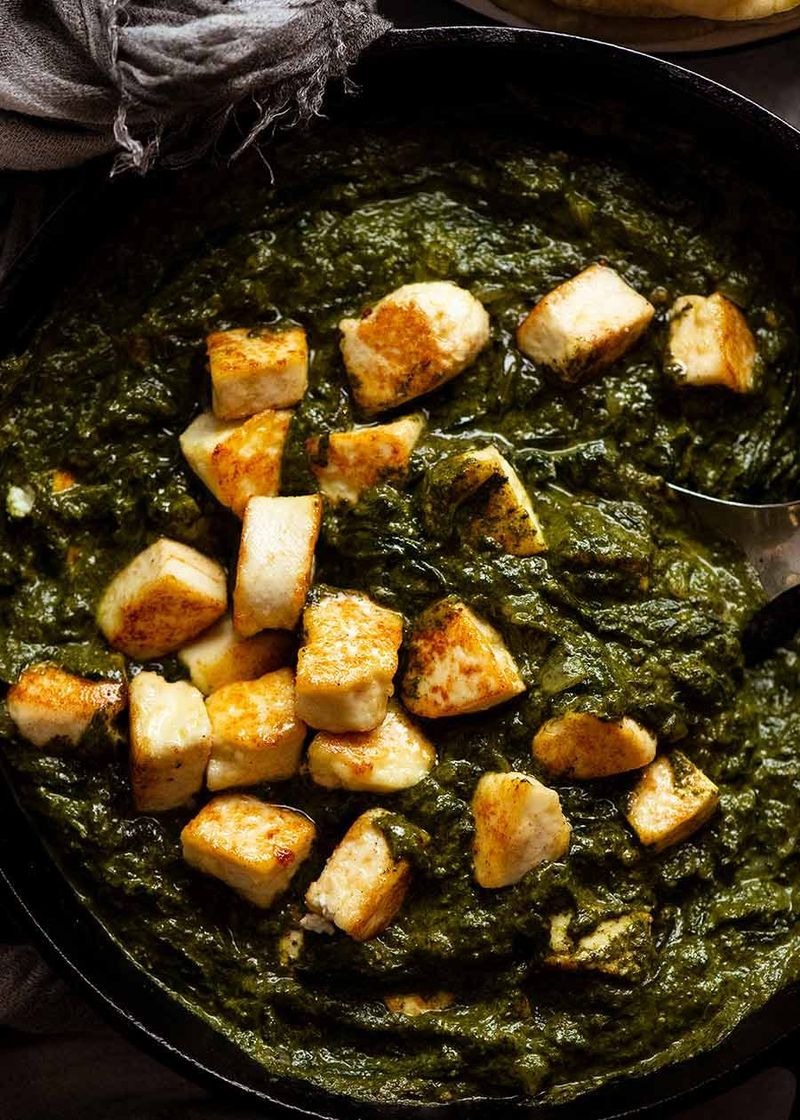
Popeye ate his spinach from a can, but cooks in Punjab have a tastier plan. They simmer spinach and mustard greens with onions, ginger, and spices until it turns into a silky green sauce.
Soft cubes of paneer, a mild fresh cheese, soak up all that flavor. Torn pieces of naan make the perfect scoop.
Even kids who dislike spinach often change their minds after one bite of this dish.
9. Sweet Potatoes Roasted on Japanese Streets
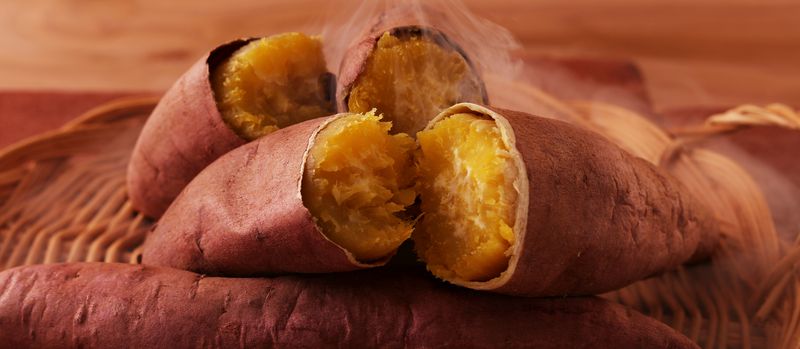
On chilly evenings in Japan, a singing truck might roll down your street. The song advertises yaki imo, sweet potatoes slowly roasted over hot stones.
The long, gentle heat turns the inside sticky and sweet, almost like candy. People hold them in paper to warm their hands while they eat.
You can copy this at home by baking sweet potatoes at a low temperature for a long time. Patience makes them sweeter.
10. Cauliflower Becomes Crispy Gobi Manchurian
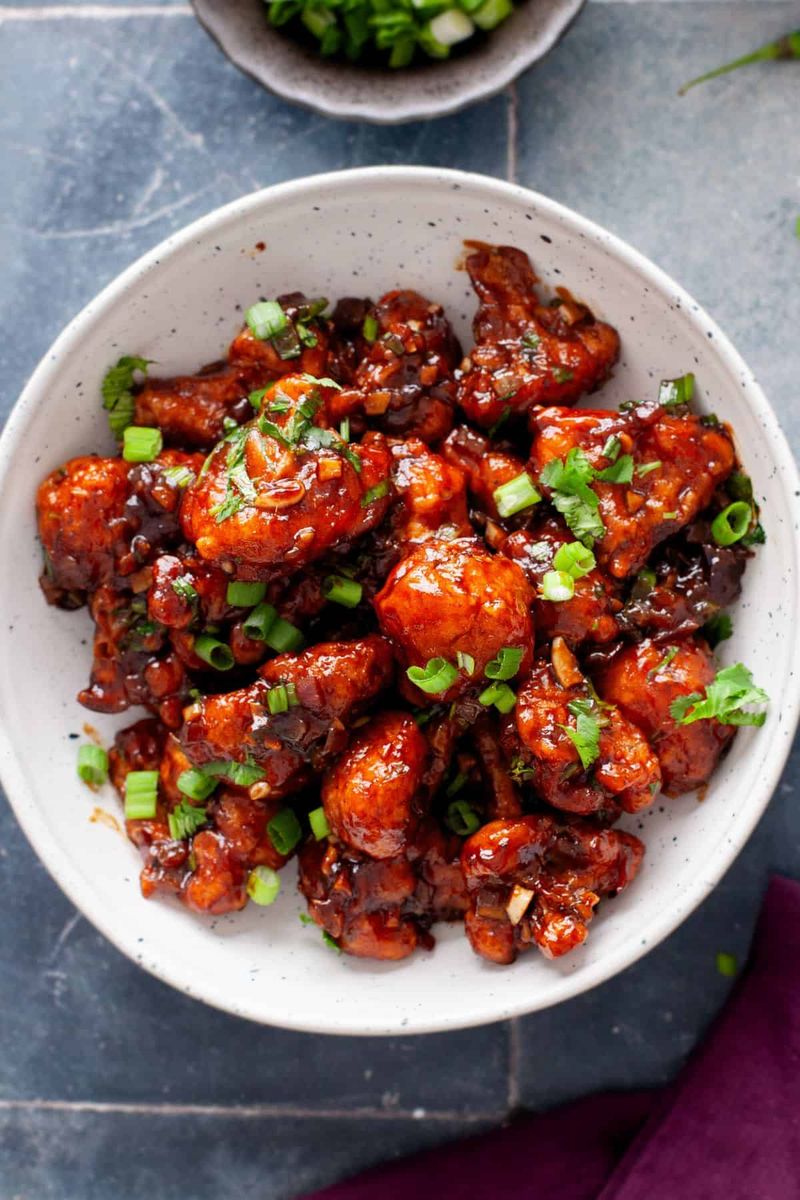
What happens when Indian and Chinese cooking meet? You get Gobi Manchurian, a crowd favorite across India.
Cauliflower florets are battered, deep-fried until crunchy, and tossed in a sticky sauce of soy, garlic, chili, and ketchup. It was created by Chinese families who settled in Kolkata and adjusted their recipes for local tastes.
Eat it right away. The coating gets soft quickly once the sauce sits for a while.
11. Corn Transformed Into Mexican Elote

Forget plain butter. Street vendors in Mexico grill corn on the cob until slightly charred, then slather it with mayonnaise.
Next comes a snowfall of crumbly cotija cheese, a dusting of chili powder, and a squeeze of lime. Messy?
Absolutely. Delicious?
Even more so.
Corn has been grown in Mexico for about 9,000 years, so they know a thing or two. Grab napkins, lots of them, before you try this at home.
12. Tomatoes Rubbed on Bread in Spain
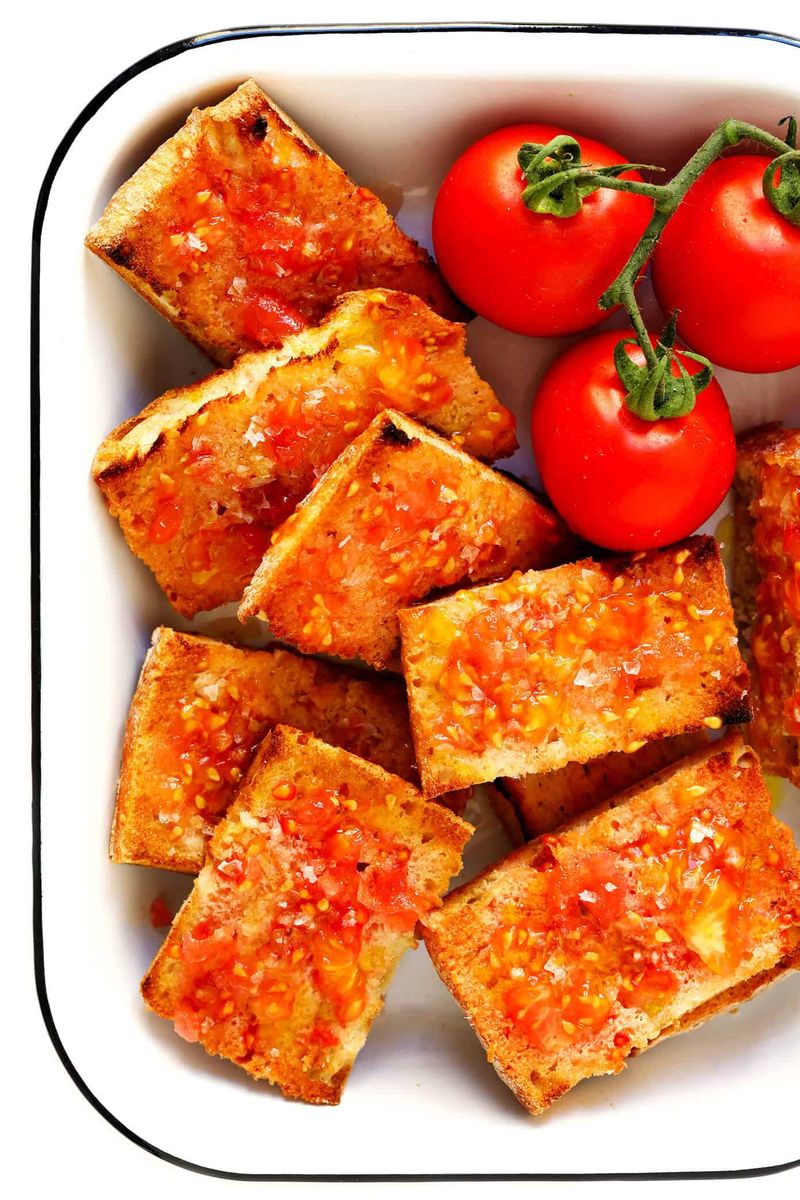
Sometimes the simplest food wins. In Catalonia, Spain, breakfast often means pan con tomate.
People toast crusty bread, rub it with a raw garlic clove, then smear a juicy cut tomato right across the top. A drizzle of olive oil and a pinch of salt finish it off.
The trick is using super ripe summer tomatoes. Pale, hard ones will not give you that sweet, bright flavor that makes Spanish kids love this snack.
13. Pumpkin Simmered in Thai Coconut Custard
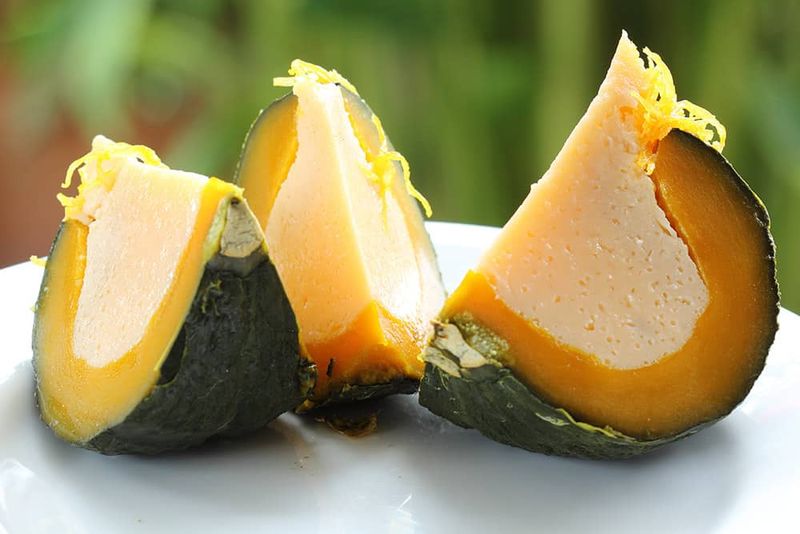
Picture a whole pumpkin hollowed out and filled with creamy custard. Thai cooks make sangkaya fak tong by pouring coconut milk, eggs, and palm sugar into a small pumpkin and steaming it.
When it is sliced, you see neat wedges of orange squash wrapped around golden custard. It tastes sweet, nutty, and soft.
Choose a small kabocha squash with a flat bottom so it stands steady while steaming.
14. Plantains Fried Twice in the Caribbean
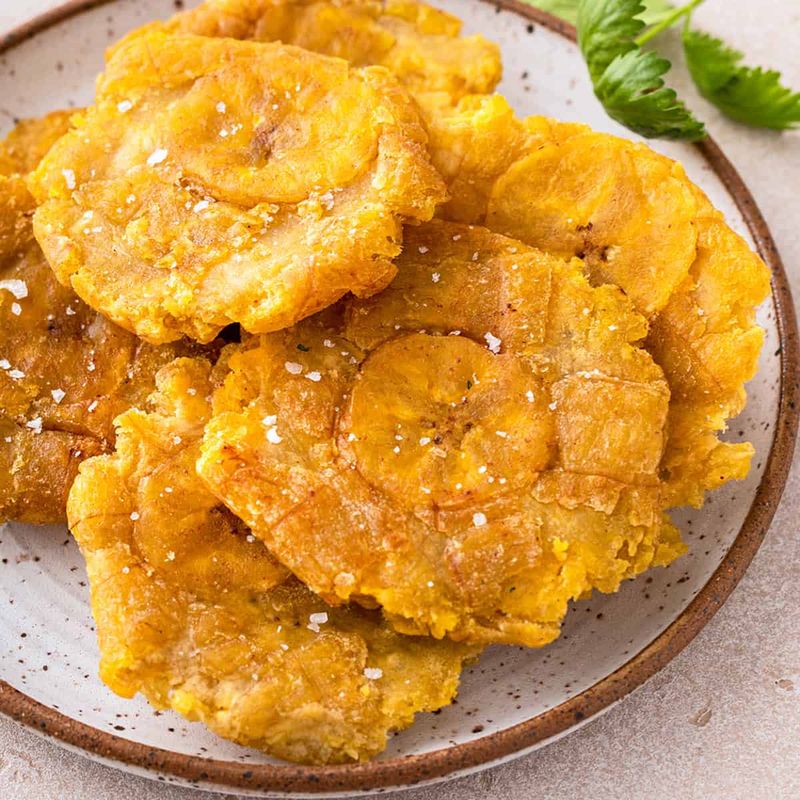
Looks like a banana, acts like a potato. Green plantains are a starchy staple across Puerto Rico, Cuba, and the Dominican Republic.
Cooks slice them, fry them once, smash them flat, then fry them again for tostones. They come out crunchy like chips and are often dipped in garlicky sauce.
Did you know ripe, black-skinned plantains taste much sweeter? Those become maduros, a soft, caramel-like side dish many families adore.
15. Onions Fried Into Crispy Bhaji
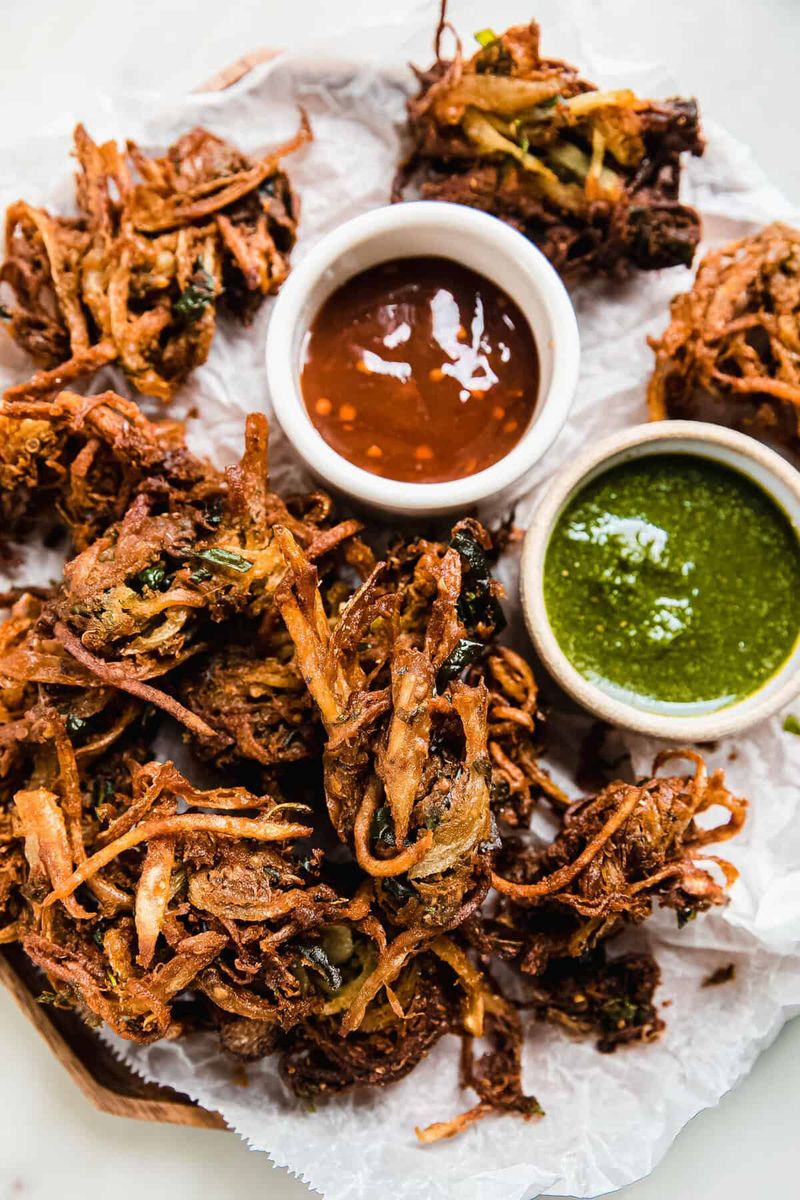
Rain in India often means one thing: hot, crunchy snacks. Onion bhajis are a top pick.
Thin onion slices get tossed in chickpea flour batter mixed with turmeric, chili, and cumin, then dropped into hot oil. They puff into lacy, golden fritters full of crispy edges.
Families enjoy them with mint chutney and a cup of sweet chai. Slice your onions really thin, since thick pieces stay raw and chewy inside.
16. Cucumbers Chilled in Greek Tzatziki
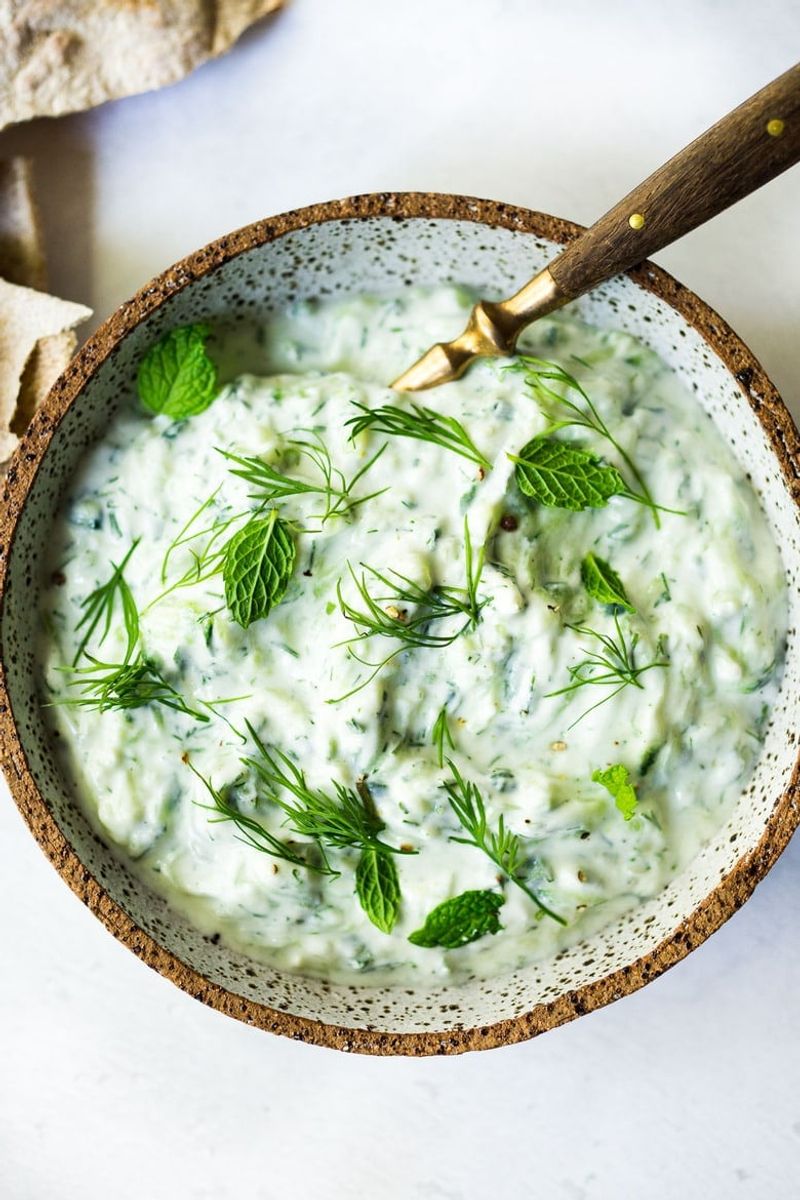
Cucumbers already feel cool, but Greek cooks make them even more refreshing. They grate cucumber, squeeze out the water, and stir it into thick yogurt with garlic, olive oil, and dill.
That creamy sauce is tzatziki. It tops gyros, souvlaki, and warm pita during hot Mediterranean summers.
Here is a pro move: wrap the grated cucumber in a towel and twist hard. Less water means a thicker, tastier dip.
17. Bell Peppers Stuffed Across Hungary
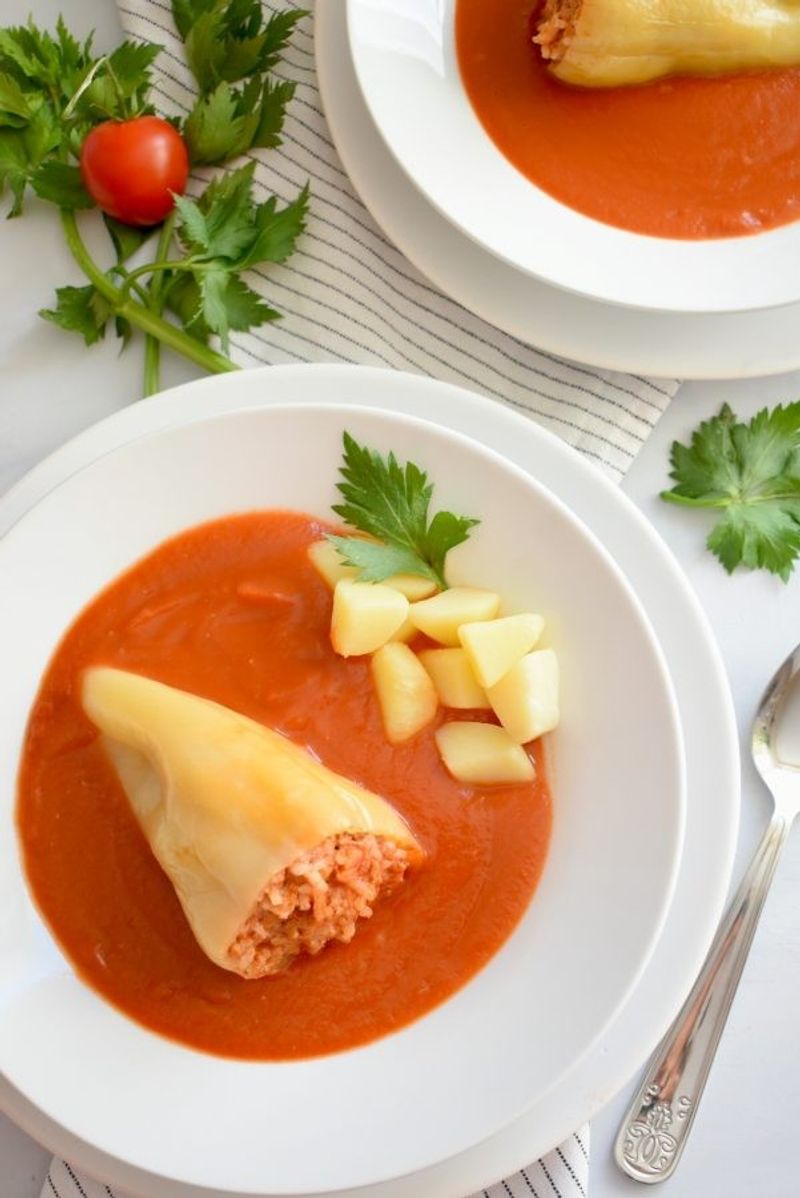
Hungary takes peppers very seriously. The country is famous for paprika, a spice made from dried peppers, and fresh ones star in toltott paprika.
Cooks fill pale green peppers with ground pork and rice, then simmer them in a sweet tomato sauce. The whole house smells cozy for hours.
Grandparents often make big batches for family visits. Leftovers taste even better the next day, after the flavors have time to blend.
18. Green Beans Blistered in Sichuan Woks
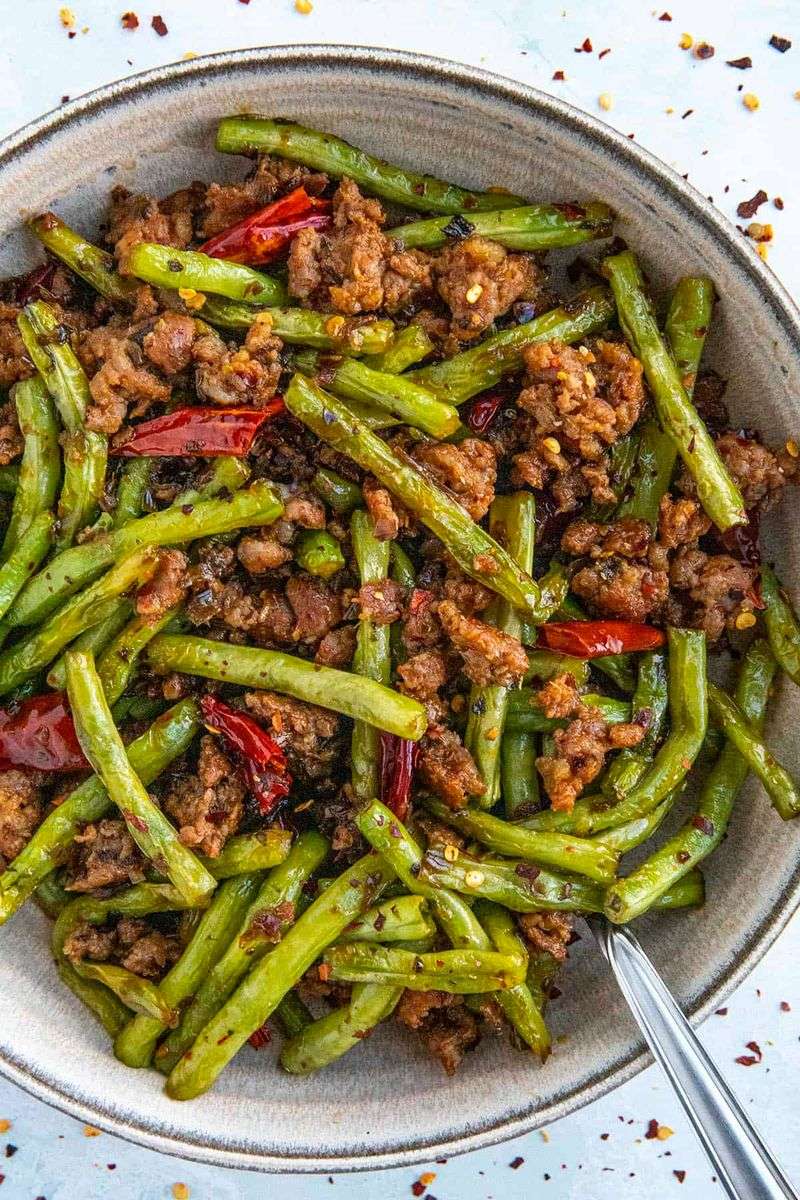
Ever seen wrinkly green beans and thought they looked delicious? In China’s Sichuan province, that wrinkled look is the goal.
Cooks dry-fry beans in a hot wok until the skins blister and pucker. Then they toss in garlic, chilies, pickled vegetables, and sometimes a bit of ground pork.
The beans end up smoky, salty, and slightly chewy. Make sure the beans are completely dry before cooking, or oil will splatter everywhere.
19. Radishes Pickled Bright Yellow in Japan
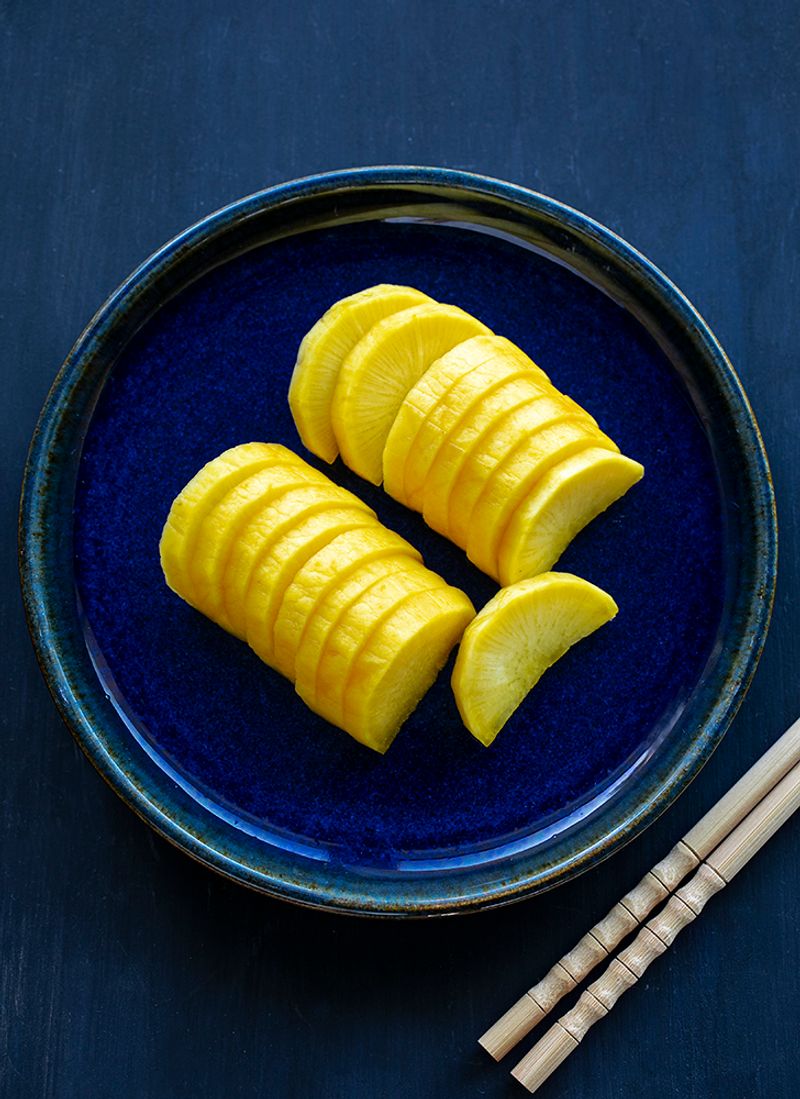
That bright yellow slice in a Japanese bento box is actually a radish. Called takuan, it is made from daikon, a giant white radish.
Traditionally, the daikon is hung to dry in the sun, then packed in rice bran and salt for months. Out comes a crunchy, sweet, tangy pickle.
Legend says a Buddhist monk named Takuan invented it. A few slices help balance rich foods and wake up your taste buds.
20. Brussels Sprouts Glazed in Vietnamese Style
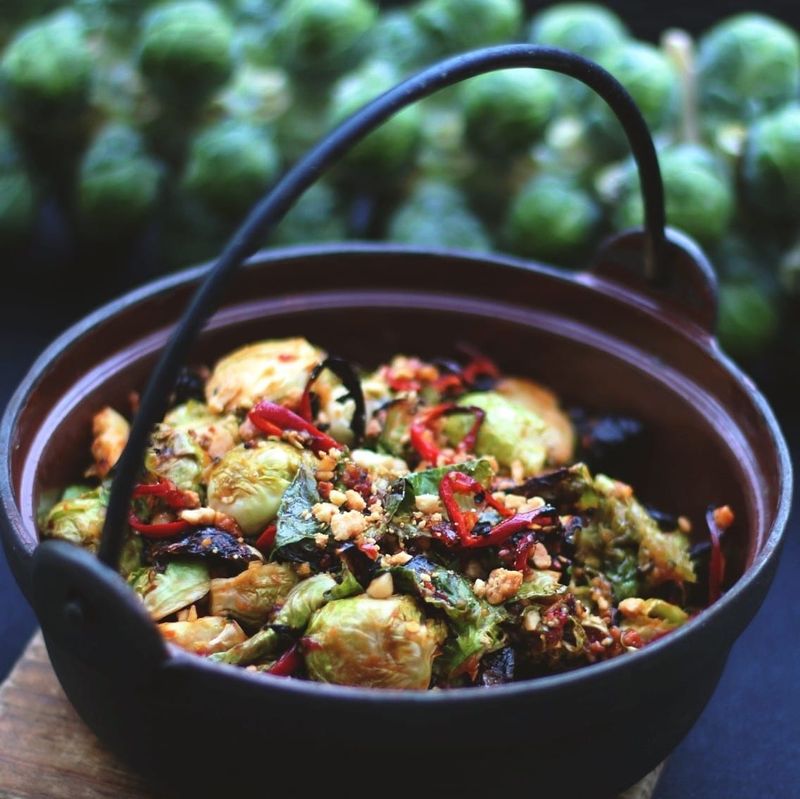
Brussels sprouts used to be the vegetable kids hid under their napkins. Vietnamese-inspired cooks have changed that story completely.
They roast or fry sprouts until crispy and brown, then toss them in a sweet and salty glaze made with fish sauce, lime, sugar, and chili. Fresh mint and crushed peanuts go on top.
Restaurants across America now serve this version. Cut the sprouts in half so more surface gets crispy and caramelized.
21. Artichokes Smashed and Fried in Rome
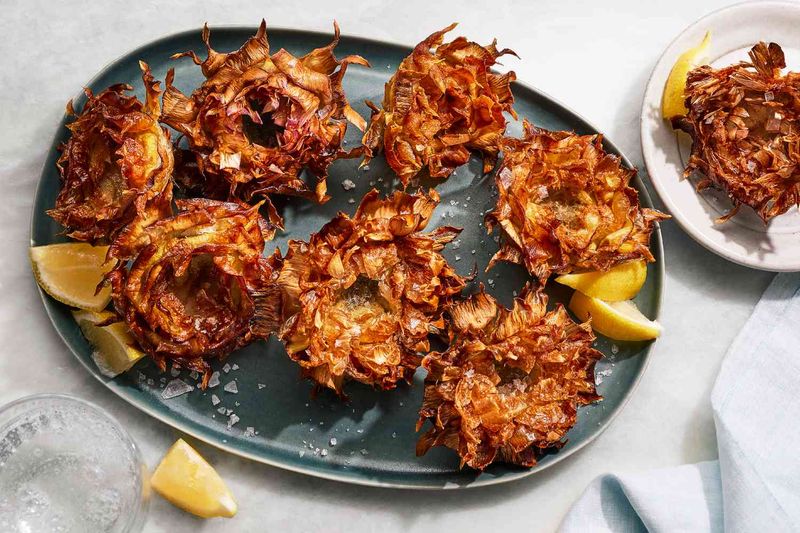
Walk through Rome’s old Jewish neighborhood, and you might spot what looks like golden, crispy flowers. They are carciofi alla giudia, or Jewish-style artichokes.
Cooks trim whole artichokes, press them open, and fry them twice in olive oil. The leaves turn crunchy like chips, while the heart stays tender.
This dish dates back over 400 years. Spring is the best time to taste it, when Roman artichokes are freshest.