
Some foods from the ocean cost more than a fancy car payment, and people still line up to taste them. Rare fish, giant crabs, and tiny eggs can sell for hundreds or even thousands of dollars.
Their high prices come from things like how hard they are to catch, how long they take to grow, and how amazing they taste. Get ready to meet the ocean treats that chefs and food lovers treasure most.
1. Beluga Caviar
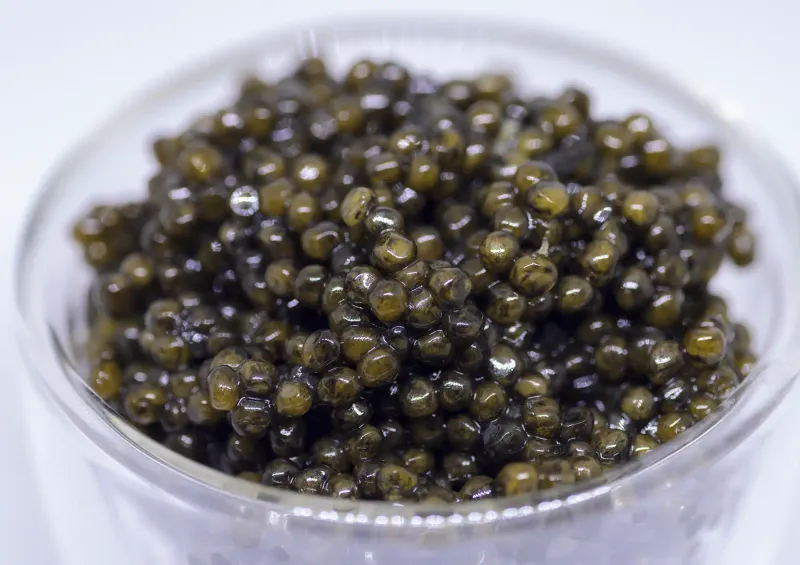
One small tin of beluga caviar can cost more than a new laptop. The eggs come from the beluga sturgeon, a giant fish that lives in the Caspian Sea region.
A female may need up to 20 years before she produces eggs, which explains the sky-high price. Wild beluga is now protected, so most caviar today comes from farms.
Serve it with a mother-of-pearl spoon, since metal can change its buttery flavor.
2. Bluefin Tuna
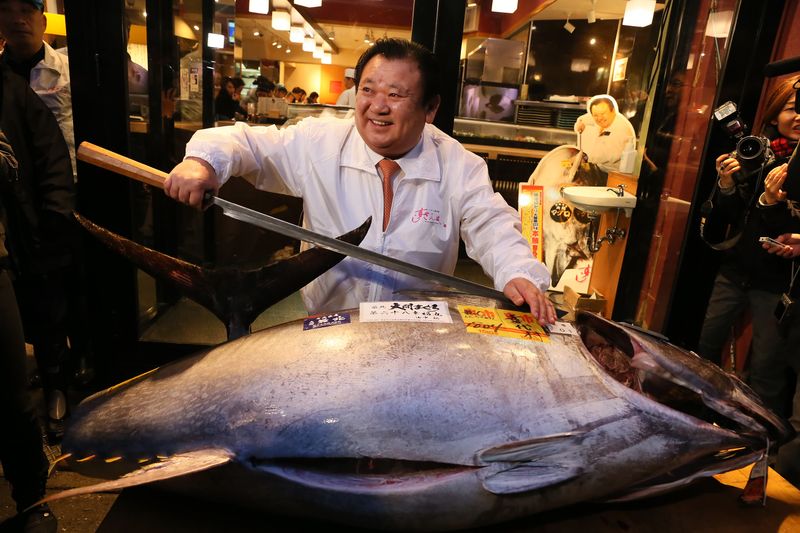
In 2019, a sushi boss in Tokyo paid about 3 million dollars for a single bluefin tuna. That wild bid happened at the famous New Year auction, where buyers compete for bragging rights.
Bluefin can weigh over 1,000 pounds and swim faster than most boats. The fatty belly meat, called otoro, melts on your tongue like butter.
Overfishing has made these fish rarer, so choosing sustainably caught tuna really matters.
3. Japanese Pufferfish (Fugu)
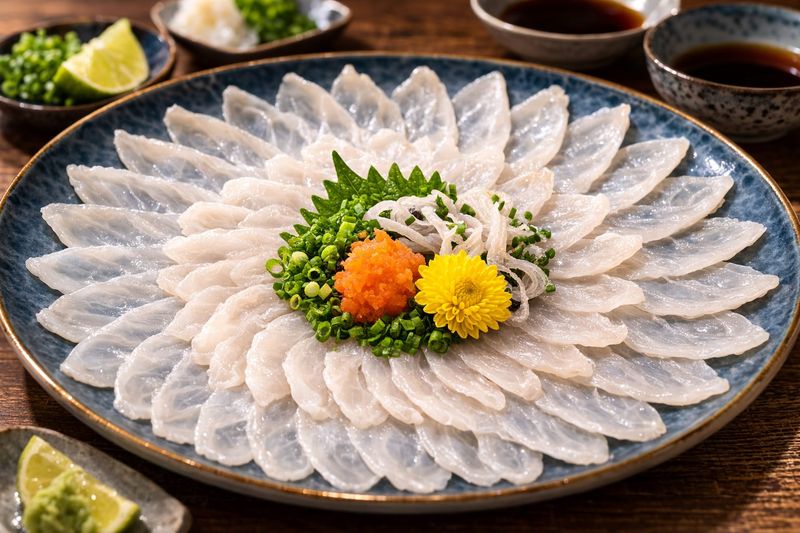
Would you pay big money for a meal that could be deadly? Fugu, or pufferfish, carries a poison stronger than cyanide in parts of its body.
Chefs in Japan train for years and pass tough exams before they can legally prepare it. Slices are cut so thin you can see the plate pattern through them.
The thrill, the skill, and the delicate taste all add up to a hefty bill.
4. Matsuba Crab
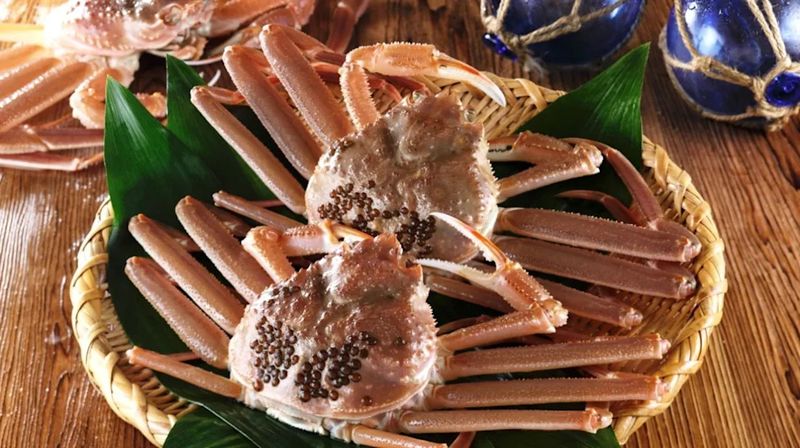
Tiny plastic tags on their legs prove these crabs are the real deal. Matsuba crabs are snow crabs caught in the cold Sea of Japan near Tottori.
Back in 2019, one crab sold for around 46,000 dollars at auction, setting a world record. Their sweet, tender leg meat is prized during the short winter season.
Visiting Japan in winter? Local inns often serve crab feasts that are worth every yen.
5. Almas Caviar
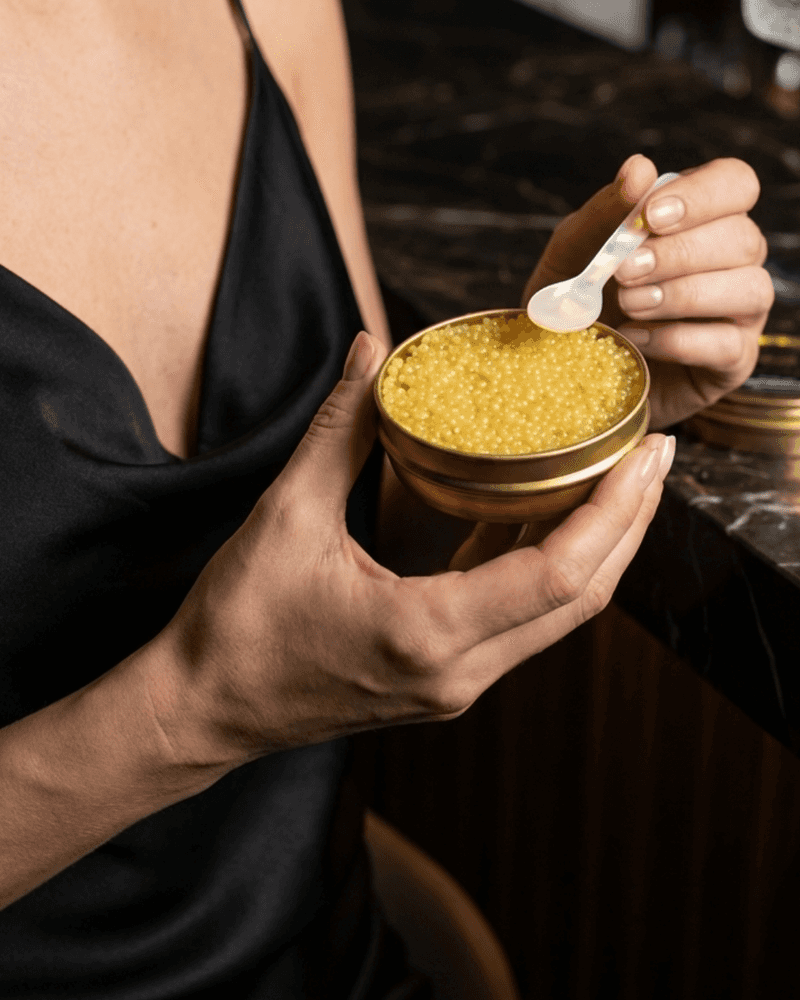
Picture caviar so pricey it’s sold in a 24-karat gold tin. Almas caviar comes from very old albino beluga sturgeon, sometimes over 60 years old.
Its name means diamond in Russian, and its pale golden color makes it look like treasure. A kilogram has sold for more than 30,000 dollars.
Because albino sturgeon are so rare, only a handful of shops in the world ever carry it.
6. Spiny Lobster from Western Australia
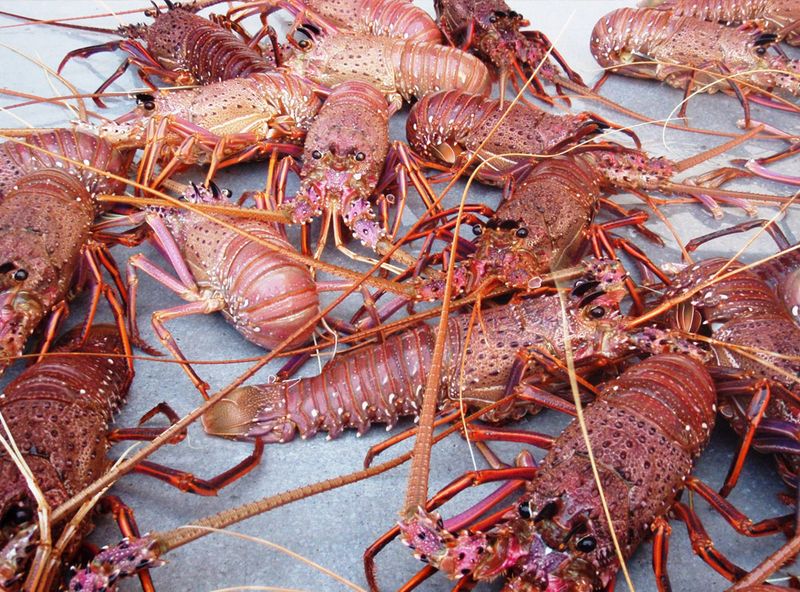
Unlike their cousins, these lobsters have no big claws at all. Western rock lobsters pack their sweet meat into thick tails instead.
Australia limits the catch each season to protect the population, which keeps prices high. Many end up shipped live to China, where they star at holiday banquets.
Grilling the tail with a little garlic butter is a simple way to let the natural flavor shine through.
7. Bluefin Toro Uni Combo? No, Sea Urchin (Uni)
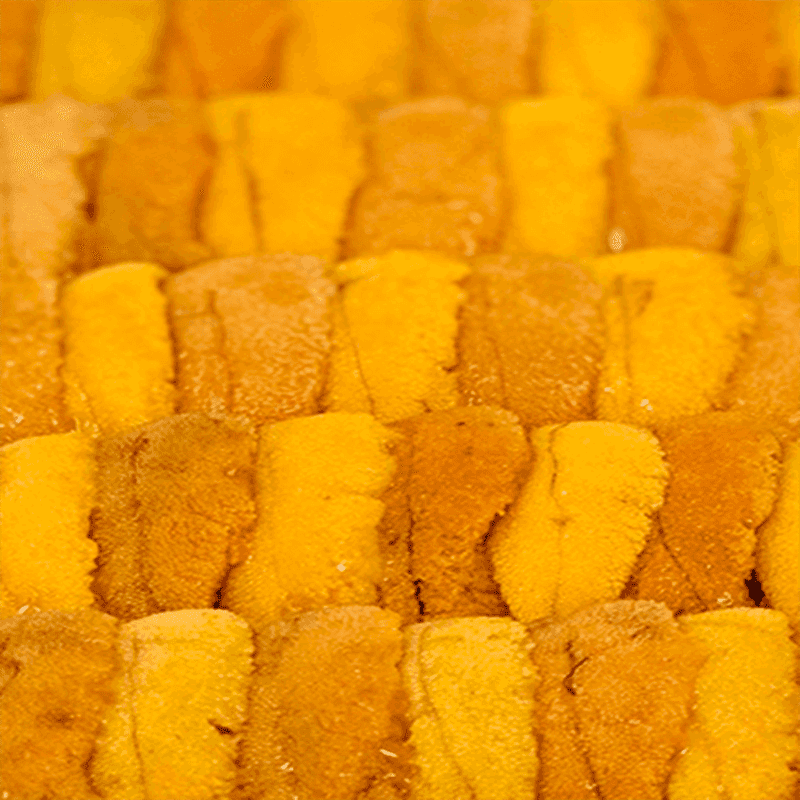
Spiky on the outside, creamy on the inside, sea urchin is full of surprises. The orange part people eat, called uni, is actually the animal’s reproductive organ.
Top-grade uni from Hokkaido, Japan, can cost hundreds of dollars per tray. Divers often collect urchins by hand, and cleaning each one takes careful work.
Fans say the flavor tastes like a sweet ocean breeze. First-timers should try it fresh on sushi rice.
8. Bird’s Nest Soup
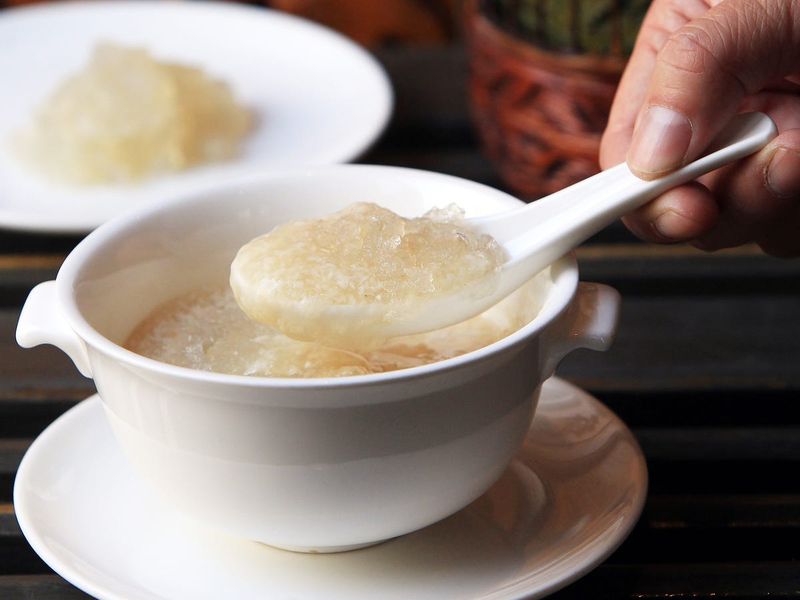
Believe it or not, this soup is made from bird spit. Swiftlets in Southeast Asia build nests from their hardened saliva, often high on cave walls.
Collectors climb shaky bamboo poles to gather them, which is risky work. Cleaned nests can sell for over 2,000 dollars per pound.
In Chinese culture, the jelly-like soup has been treasured for centuries as a health food. It’s technically not fish, but it comes from coastal caves.
9. Geoduck Clam
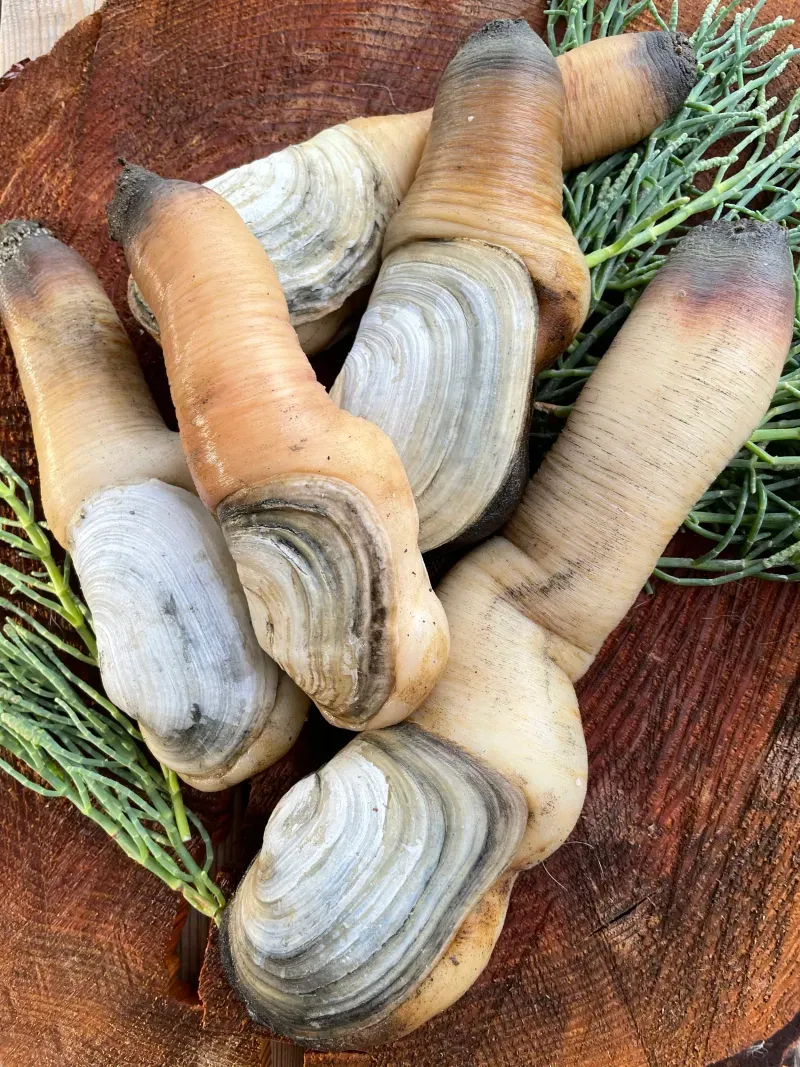
Say it like gooey-duck, and try not to giggle when you see one. This giant clam from the Pacific Northwest has a long neck that can stretch over three feet.
Geoducks can live more than 150 years. Divers dig them out of the seafloor, and many are flown live to Asia.
Sliced thin, the meat is crunchy, clean, and slightly sweet. Restaurants may charge well over 100 dollars for one.
10. Abalone
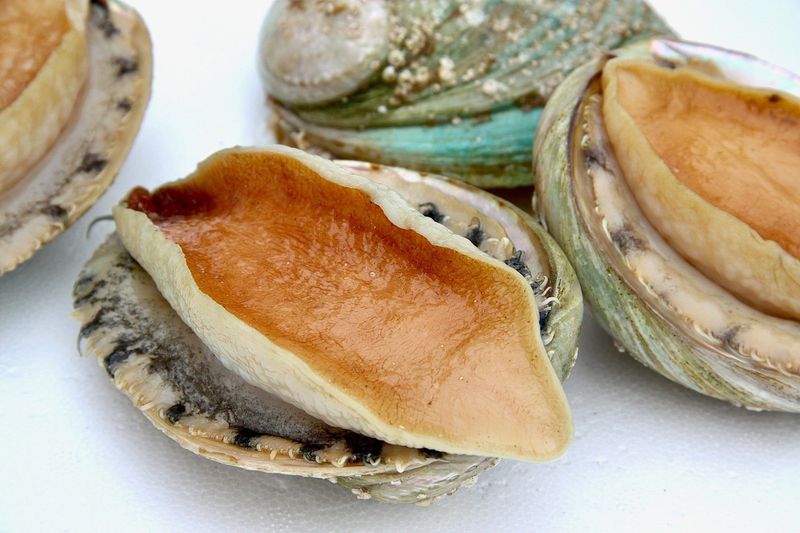
Turn over an abalone shell and you’ll see a shimmering rainbow inside. Hidden in that pretty home is a sea snail with a firm, rich bite.
Abalone grows slowly, and poaching has made wild ones scarce, especially in California and South Africa. Dried abalone in Asia can cost thousands of dollars per pound.
Cooks often pound the meat gently to make it tender. Overcooking turns it rubbery, so quick searing works best.
11. Percebes (Goose Barnacles)
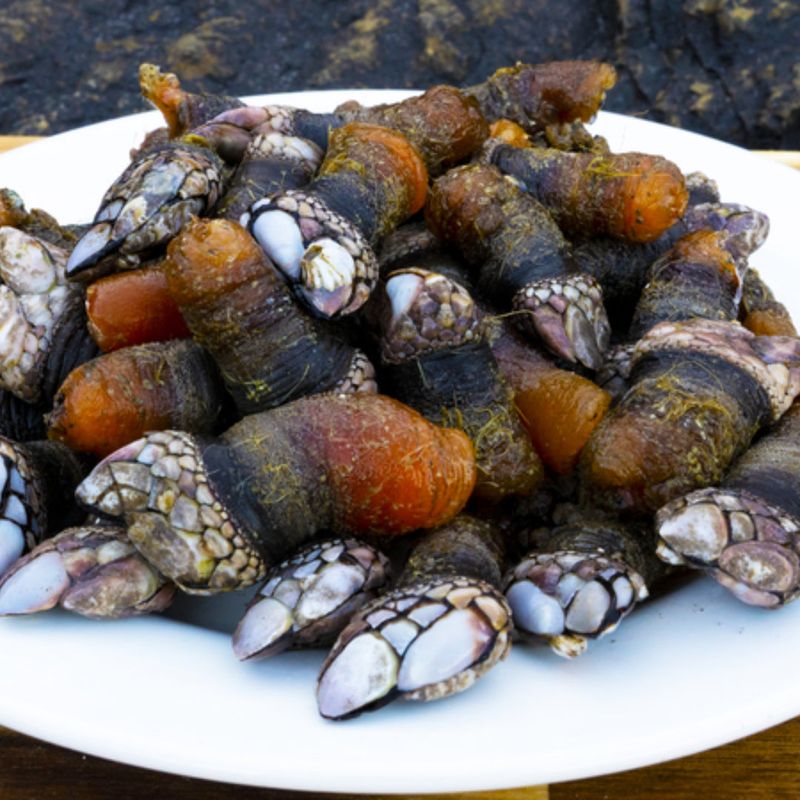
Fishermen in Galicia, Spain, risk crashing waves to pry these odd creatures off sharp rocks. Percebes look like tiny dinosaur feet, but their taste is pure ocean.
Harvesters, called percebeiros, sometimes get injured on the slippery cliffs. That danger helps explain prices that can reach 100 dollars per pound.
To eat one, twist off the tough skin and enjoy the pink meat inside. Watch out, they can squirt!
12. Alaskan King Crab
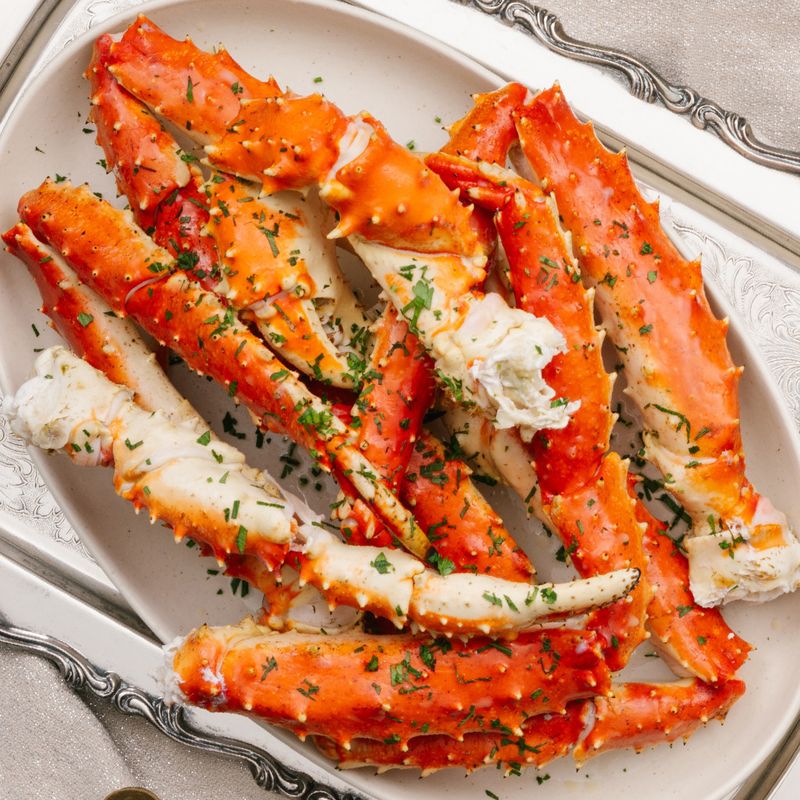
Fans of the TV show Deadliest Catch know how dangerous king crab fishing can be. Crews brave icy Bering Sea storms and giant waves to bring them in.
A single king crab can measure five feet from claw to claw. Short seasons and strict limits push prices higher every year.
The thick legs hold sweet, snowy meat. Steaming them for a few minutes and dunking in butter is a classic treat.
13. Japanese Glass Eels
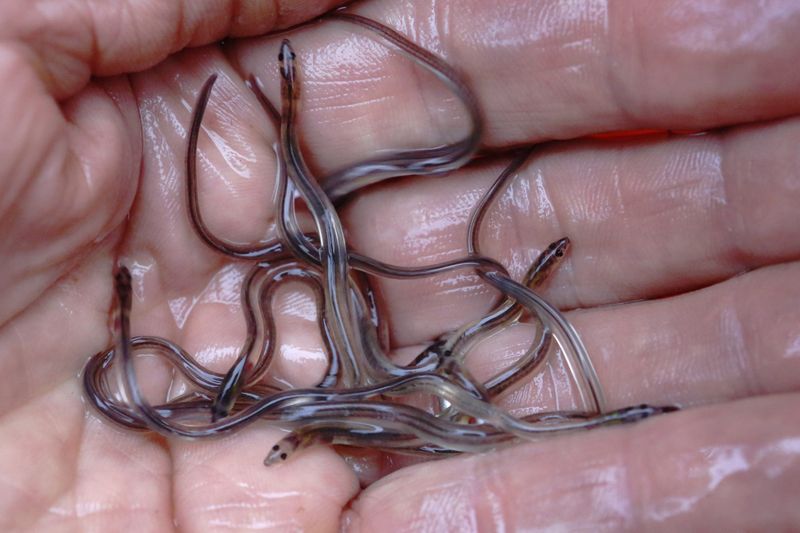
Baby eels are so clear you can almost read through them. Called glass eels, they are caught young and raised on farms in Japan and China.
Nobody has fully cracked how to breed eels in captivity, so every one must be caught wild. Prices have topped 15,000 dollars per pound.
Grown eels become unagi, glazed with a sweet sauce over rice. It’s a summer favorite believed to boost energy.
14. Belon Oysters
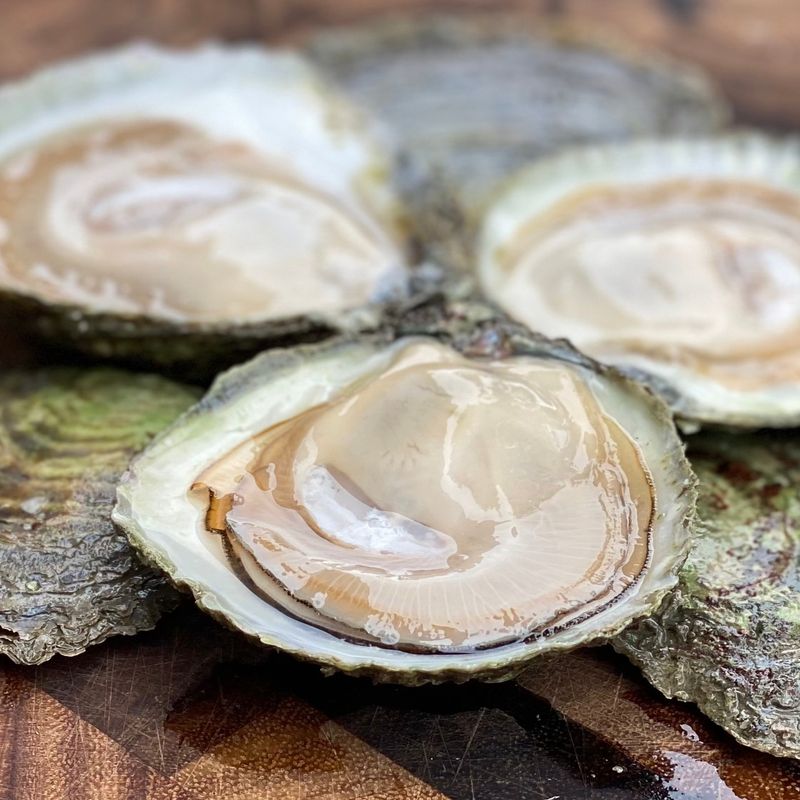
Oyster lovers either adore Belons or find them shockingly strong. These flat oysters come from the Belon River in Brittany, France.
Their bold flavor has hints of metal and nuts, almost like licking a copper penny in a good way. Disease nearly wiped them out decades ago, so they remain rare.
A dozen can cost far more than regular oysters. Try one plain first, without any sauce hiding the taste.
15. Swedish Bleak Roe (Kalix Löjrom)
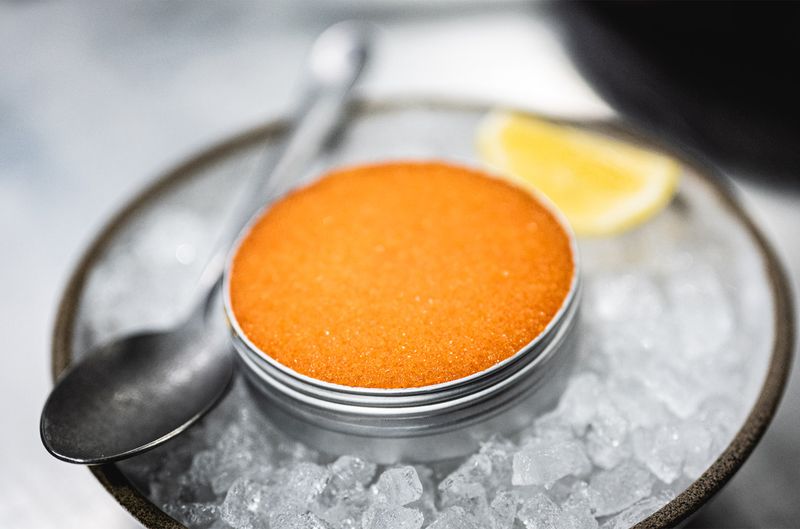
Swedish royalty have served this bright orange roe at Nobel Prize banquets. Kalix löjrom comes from a small fish called vendace, caught in the chilly northern Baltic Sea.
The fishing season lasts only about five weeks each fall. It earned special protected status in Europe, much like champagne.
Its tiny eggs pop gently with a mild, salty sweetness. Locals pile it on toast with sour cream and chopped red onion.