
Some voices can tell a whole story before the first chorus ends. Country music is full of singers who turn love, loss, and everyday struggles into songs that feel personal.
Their sound has shaped generations of artists and helped fans feel less alone. From quiet heartbreak to bold, ringing notes, these voices give us plenty of reasons to keep listening.
1. Patsy Cline: Heartbreak Wrapped in Velvet
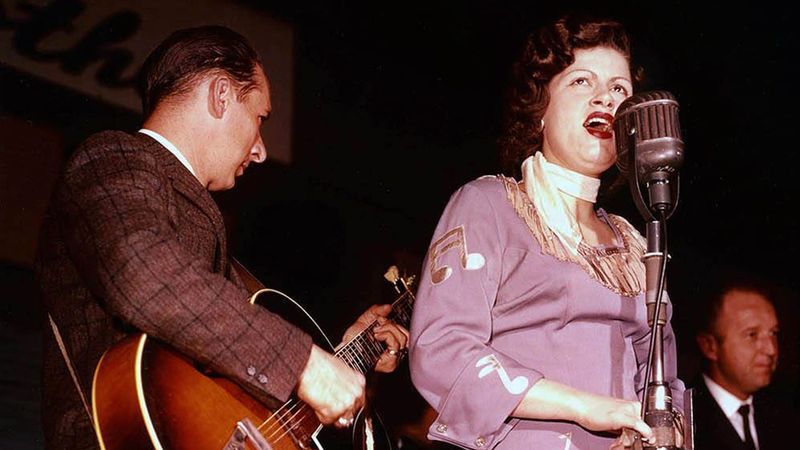
A single note could make a crowded room feel quiet. With her warm tone and careful phrasing, Patsy Cline brought deep feeling to songs without making them sound forced.
Her recordings helped country music reach listeners who usually preferred pop.
Start with Crazy, then try I Fall to Pieces. Notice how she stretches certain words and eases into others.
Those small choices make each song feel like a private conversation about a broken heart.
2. Johnny Cash: The Power of a Low Note
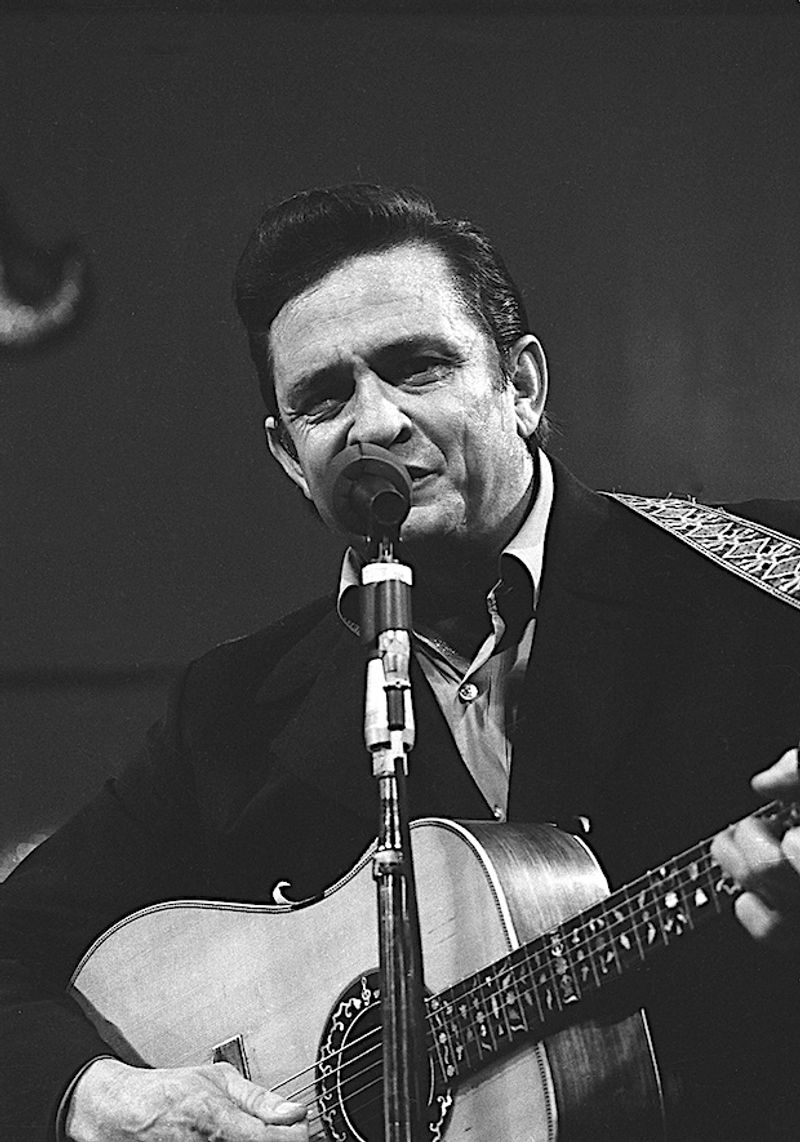
You never needed to guess who was singing when that low rumble arrived. Johnny Cash used his deep voice to tell stories about prisoners, outsiders, faith, and second chances.
His delivery could sound stern, tender, or quietly worn down.
Play Folsom Prison Blues beside his later recording of Hurt. The contrast reveals how his singing changed with age while keeping its honesty.
Fancy vocal tricks mattered less than making listeners believe every single word.
3. Dolly Parton: Bright Notes, Deep Feelings
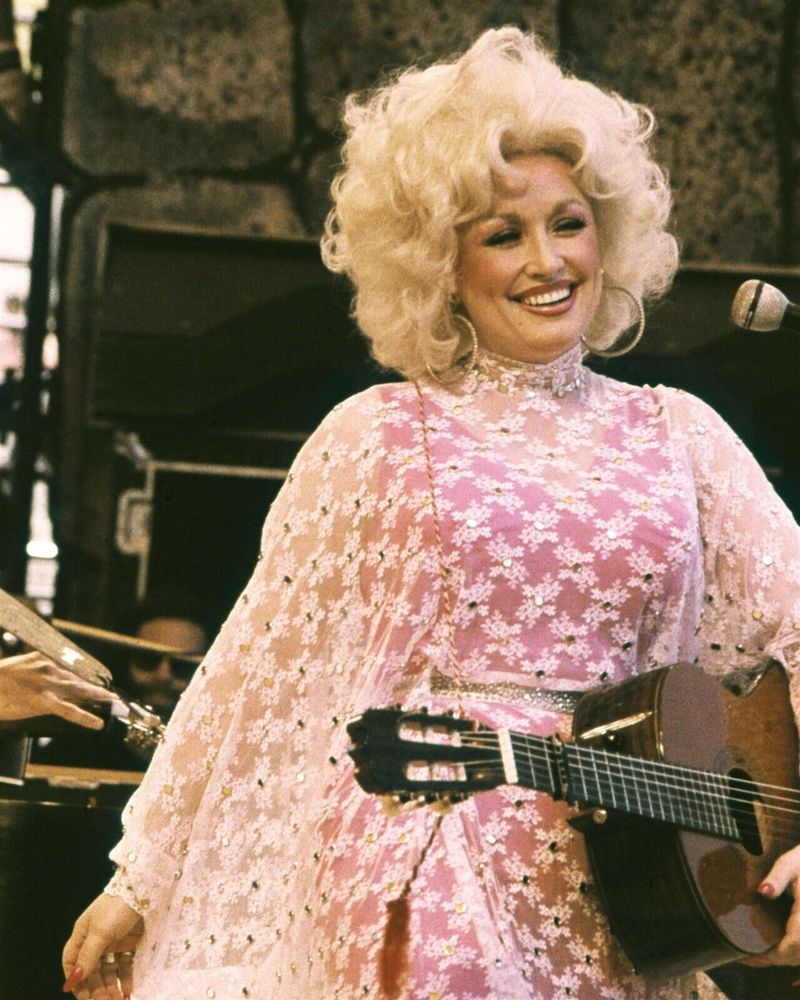
Behind the sparkle sits a voice that can sound wonderfully close. Dolly Parton’s bright, clear singing carries both mountain roots and a sharp sense of storytelling.
She can bring playful energy to one song and quiet sadness to the next.
Pair Jolene with her original recording of I Will Always Love You. Listen for the light shake in her held notes.
That delicate sound helps her express fear, love, and kindness without overpowering the words.
4. George Jones: A Master of the Aching Note
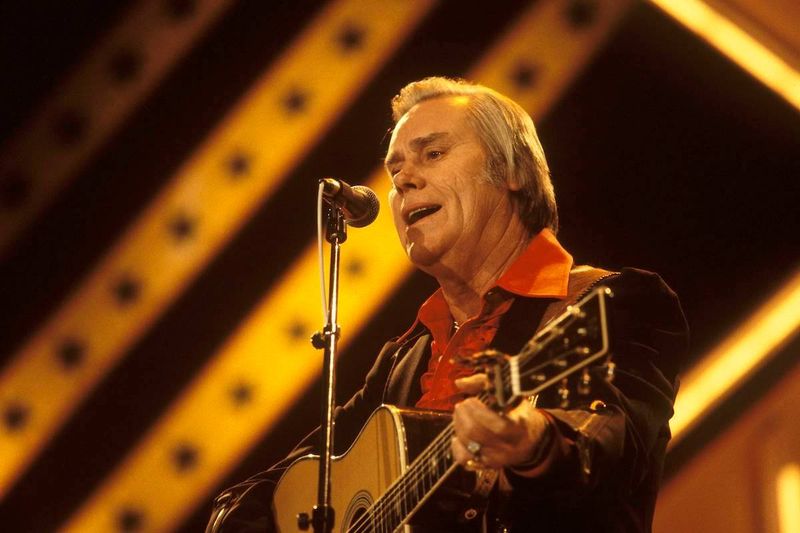
Some singers tell you they are hurting; this one lets you hear it happen. George Jones could bend a note or delay a word until a familiar lyric suddenly felt new.
His rich voice became a model for generations of country singers.
He Stopped Loving Her Today offers a powerful starting point. Follow the way he builds the story rather than rushing toward its biggest moment.
His control shows why restraint can carry enormous emotional weight.
5. Willie Nelson: Singing on His Own Clock
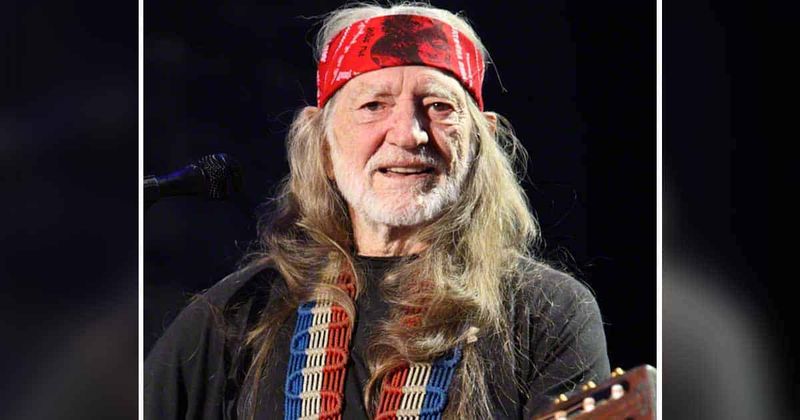
The beat keeps moving, but his words seem free to wander. Willie Nelson often places a lyric slightly behind or ahead of where you expect it.
That relaxed timing gives his nasal, weathered voice a style all its own.
Compare On the Road Again with Always on My Mind. One rolls along cheerfully, while the other feels thoughtful and exposed.
Both show how natural phrasing can matter more than a perfectly polished sound ever could.
6. Merle Haggard: Everyday Life in Every Line
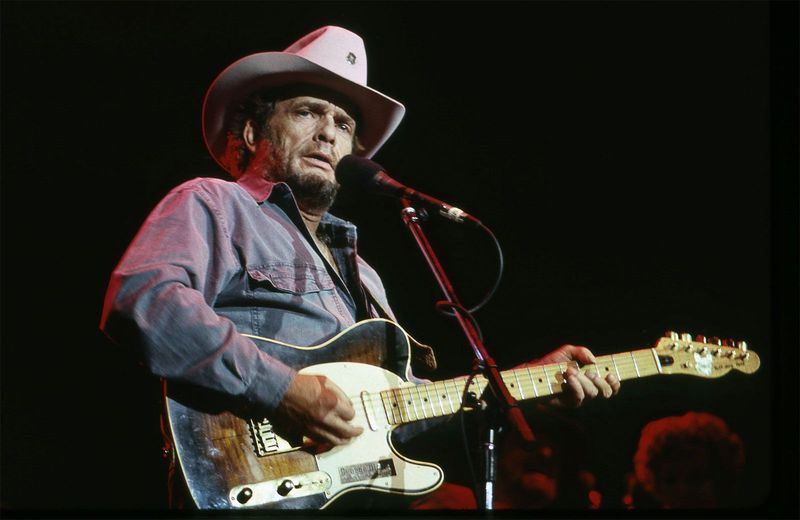
Working people could hear pieces of their own lives in his songs. Merle Haggard sang about hard jobs, mistakes, pride, and regret with a smooth voice that never lost its grit.
His experiences gave many performances a grounded, believable quality.
Begin with Mama Tried and then hear Silver Wings. The first moves with restless energy; the second lets sadness settle slowly.
Together, they reveal a singer equally comfortable with a tough story and a tender goodbye.
7. Loretta Lynn: Plain Talk With Plenty of Fire
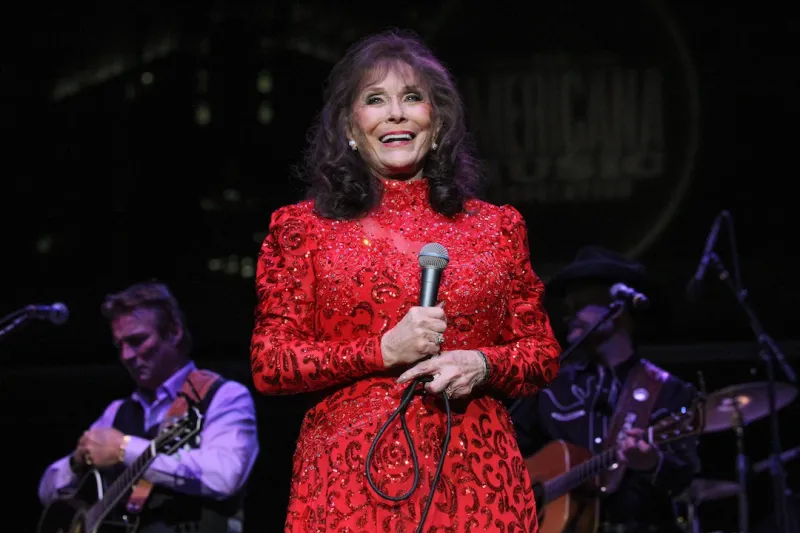
Nobody had to dress up the truth for her. Loretta Lynn’s clear, firm singing made songs about marriage, money, and women’s lives sound direct and personal.
Her Kentucky roots stayed close to the surface, giving her performances a strong sense of place.
Coal Miner’s Daughter is the perfect introduction to her storytelling. Follow it with You Ain’t Woman Enough.
Hear how she shifts from warm memories to bold confidence while keeping the words easy to understand.
8. Waylon Jennings: A Rumbling Rebel
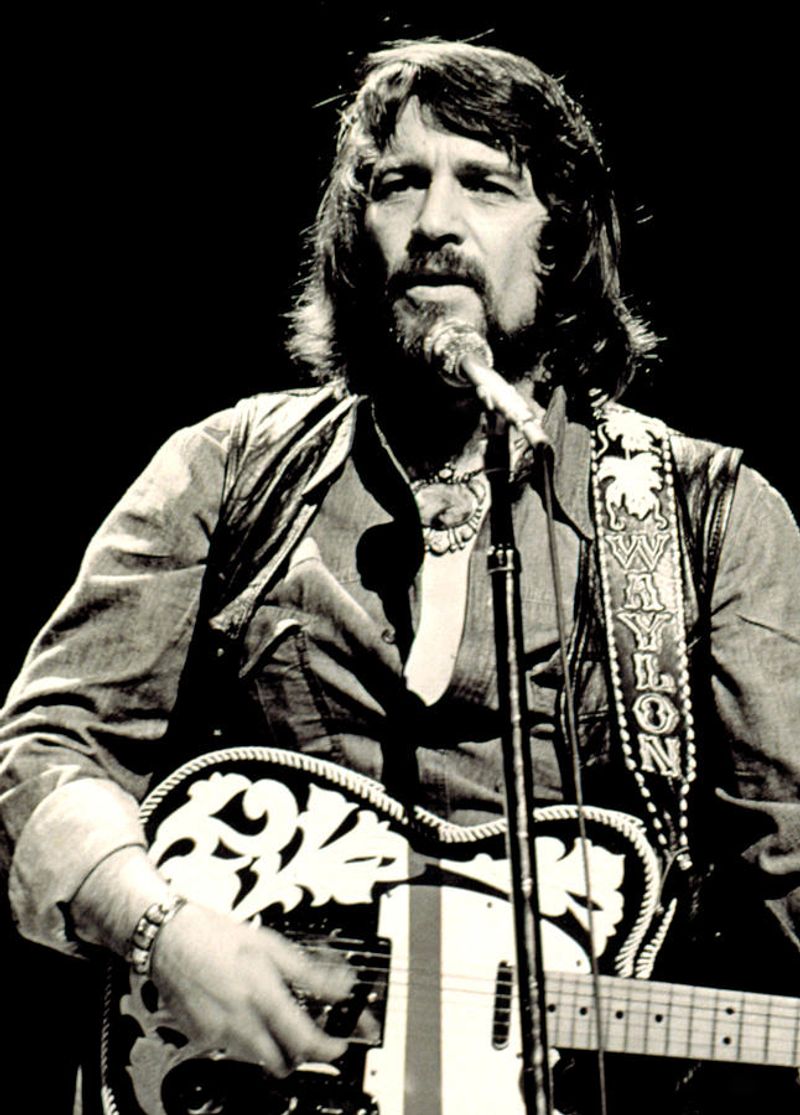
A little gravel can give a voice plenty of character. Waylon Jennings paired his deep, rough sound with a steady musical pulse that helped define outlaw country.
His singing felt stubborn and free, but it could also reveal surprising tenderness.
Try Luckenbach, Texas, followed by Good Hearted Woman. Pay attention to how he leans into the rhythm without sounding hurried.
That easy authority makes even a crowded arrangement feel centered on the person telling the story.
9. Garth Brooks: Big Feelings for the Back Row
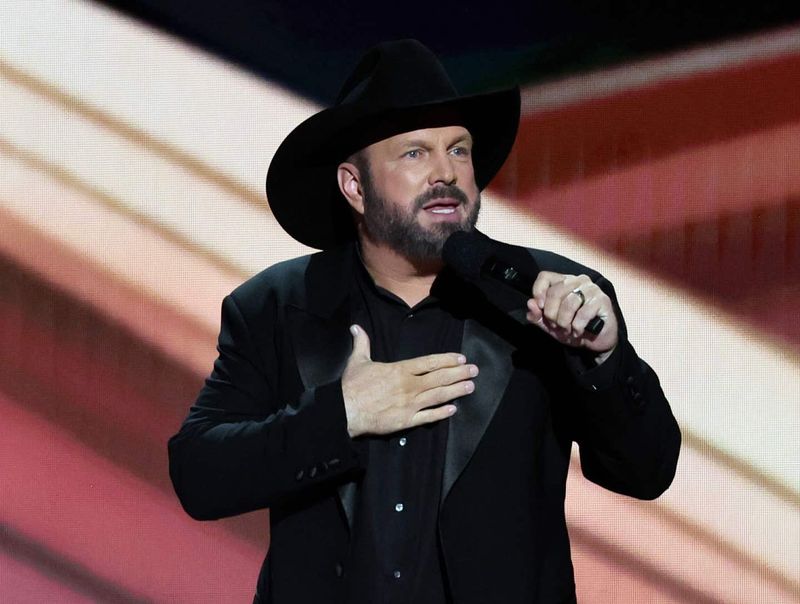
An arena crowd needs a singer who can reach the last row. Garth Brooks brought that kind of power while keeping country storytelling at the center.
His voice moves from friendly conversation to a full, ringing chorus with little warning.
Hear The Dance before turning up Friends in Low Places. The contrast shows his gift for both reflection and release.
Beneath the huge shows and lively performances, his strongest moments depend on clear words and believable feeling.
10. Hank Williams: The Lonesome Sound That Lasts
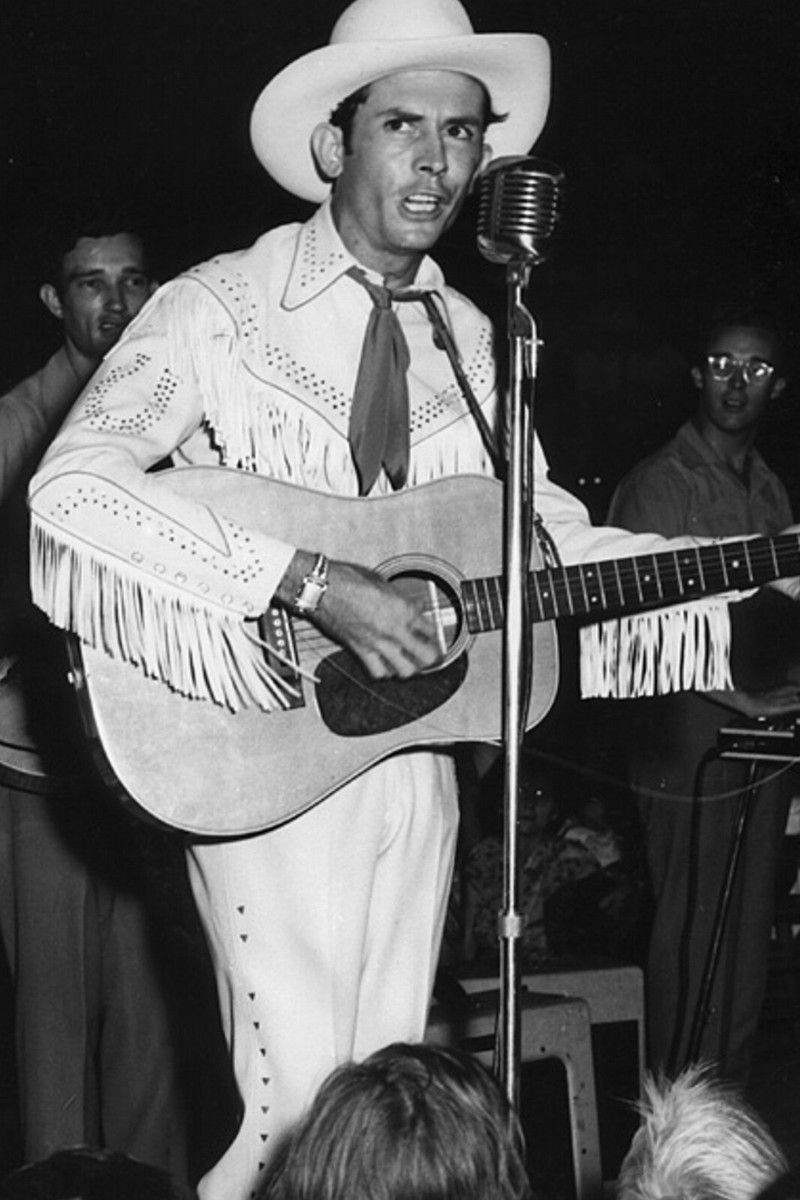
Long before giant concert screens, a lonely voice could fill the room. Hank Williams sang with a sharp twang and a crying quality that made simple lines unforgettable.
His short career left songs that became building blocks for country music.
Listen to I’m So Lonesome I Could Cry, then switch to Jambalaya. The sadness and bounce may seem far apart, yet both depend on his clear delivery.
He made strong emotion sound immediate rather than carefully rehearsed.
11. George Strait: Confidence Without the Fuss
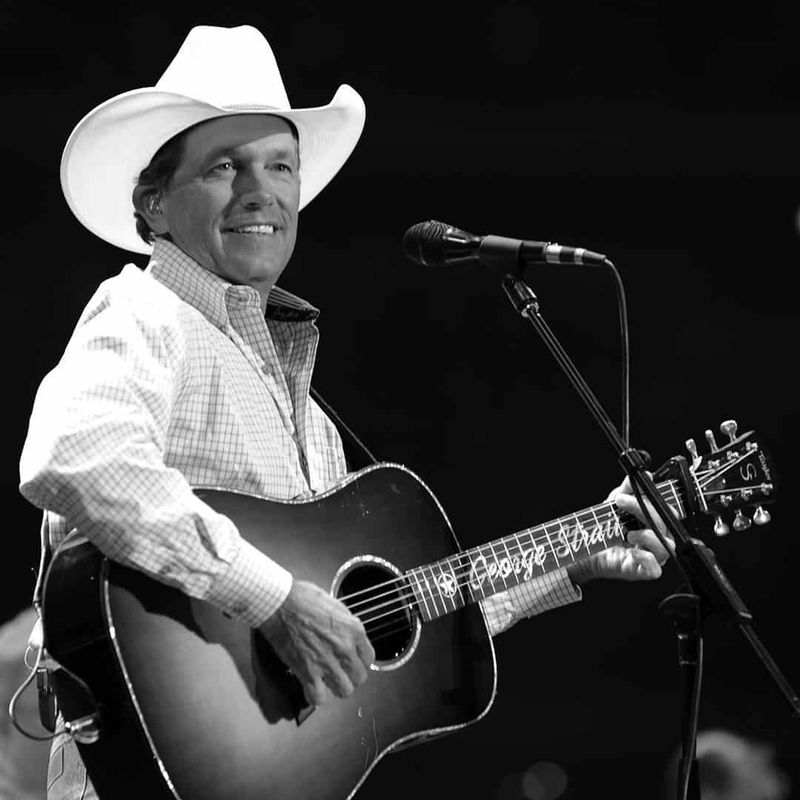
Not every great performance needs a vocal firework. George Strait built his style around a steady, warm voice and an easy sense of rhythm.
His singing helped keep traditional country sounds in the spotlight as musical trends came and went.
Start with Amarillo by Morning, then play The Chair. Notice how little he pushes for attention.
By letting the melody and story lead, he creates performances that feel welcoming, confident, and comfortable enough for another listen.
12. Tammy Wynette: Strength Inside the Tremble
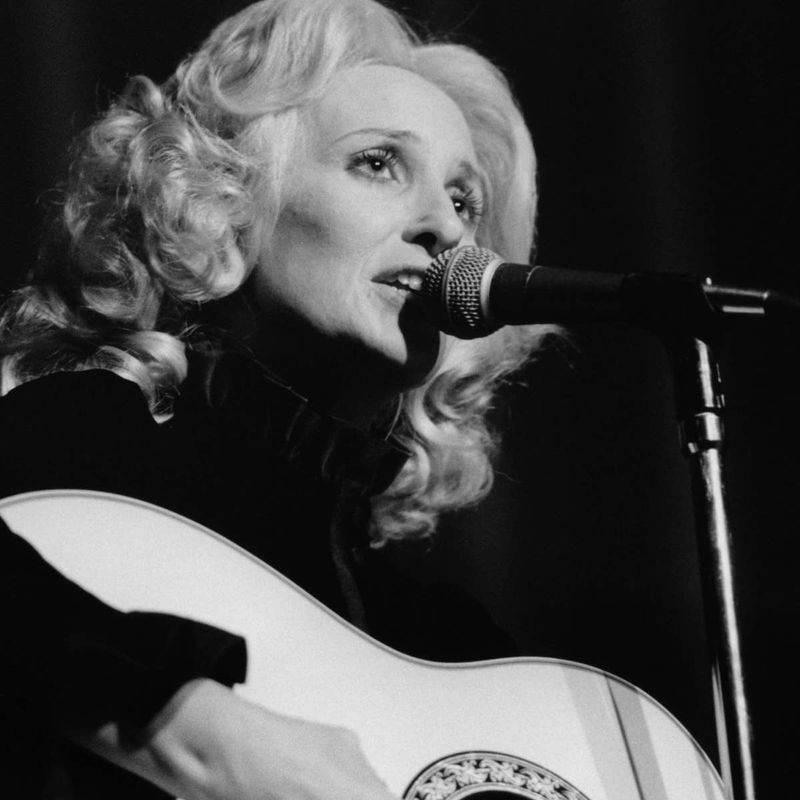
That small catch in her voice could carry an entire story. Tammy Wynette sang about love and painful choices with a mix of fragility and determination.
Her performances spoke to listeners who understood how complicated home life could become.
Play D-I-V-O-R-C-E and listen to the care she gives each line. Then hear Stand by Your Man as a vocal performance, whatever your view of its message.
Her breath control and rising intensity make the emotional stakes clear.
13. Vince Gill: High Notes With a Gentle Touch
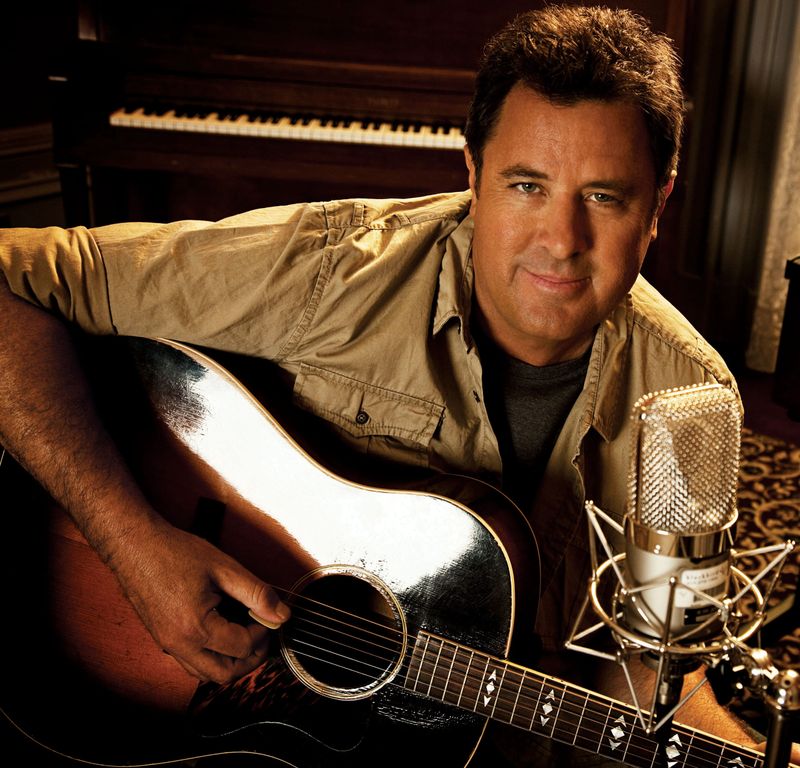
Softness can be just as striking as a roar. Vince Gill’s clear, high tenor gives his songs a tender quality, even when the melody climbs.
He is also a skilled harmony singer, able to support another voice without crowding it.
Go Rest High on That Mountain highlights his patient approach to grief. For a brighter mood, try Whenever You Come Around.
Notice how smoothly he reaches higher notes while keeping the feeling close and wonderfully human.
14. Randy Travis: A Baritone Built for Tradition
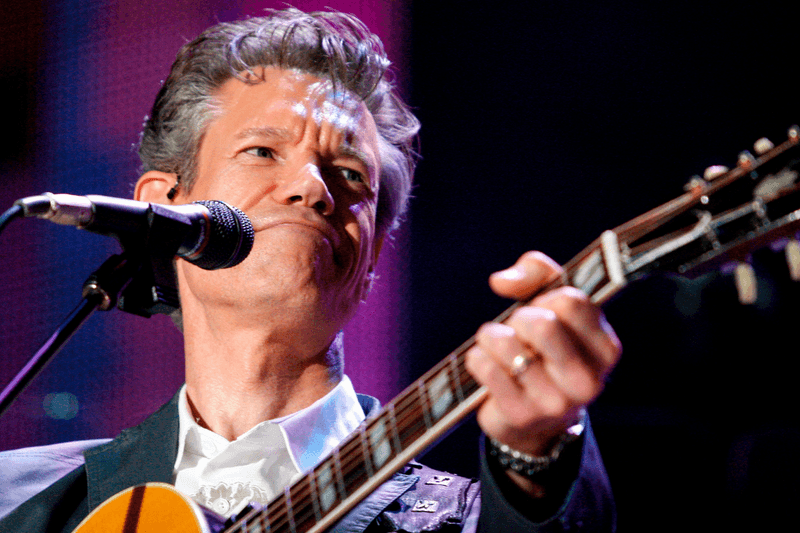
When polished pop sounds filled country radio, a deep traditional voice stood out. Randy Travis brought a rounded baritone and clear country phrasing to a new generation of listeners.
His breakthrough recordings helped renew interest in the genre’s older sounds.
Forever and Ever, Amen is an inviting place to begin. Follow it with Diggin’ Up Bones for a little more bite.
His measured delivery makes both devotion and regret feel natural, with no need for extra decoration.
15. Keith Whitley: Quiet Singing, Lasting Impact
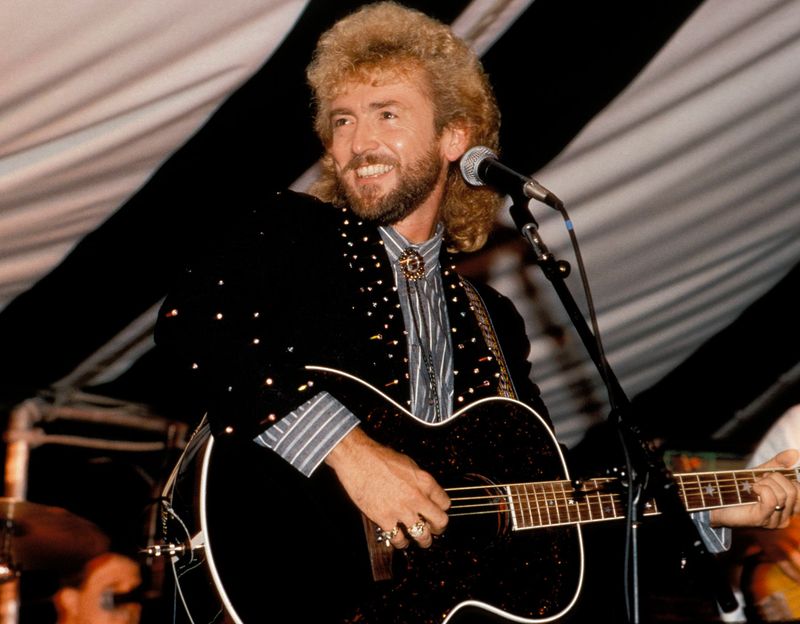
Few voices make a quiet lyric feel quite so full. Keith Whitley blended a rich tone with careful timing, allowing sadness to show without turning every line into a dramatic moment.
His bluegrass background helped shape his deeply traditional country style.
When You Say Nothing at All rewards close listening, especially in its softer passages. Don’t Close Your Eyes offers another essential performance.
Though his life ended young, his recordings remain touchstones for singers who value emotional honesty.
16. Chris Stapleton: Country Soul With a Rough Edge
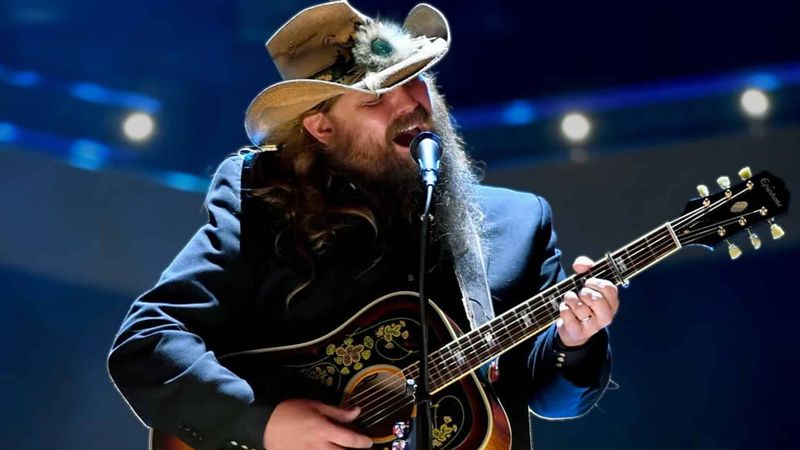
A rough edge can make a beautiful melody hit harder. Chris Stapleton brings blues and soul into country singing with a powerful, grainy voice.
Yet his appeal is not simply about volume; he can pull back and let a quiet line breathe.
Compare Tennessee Whiskey with Broken Halos to hear different sides of his sound. Listen for the way he bends notes and shifts intensity.
Those choices connect modern recordings with older traditions of deeply expressive singing.