
A favorite book can make us picture a whole world, so a disappointing movie can feel personal. Sometimes the trouble comes from missing characters, rushed stories, or a tone that feels wrong.
These selections include novels, a graphic novel series, and a picture book, with failures ranging from box office losses to reader disappointment. A few became popular films anyway, proving that a good movie and a faithful adaptation are not always the same thing.
1. The Dark Tower: An Epic Cut Short
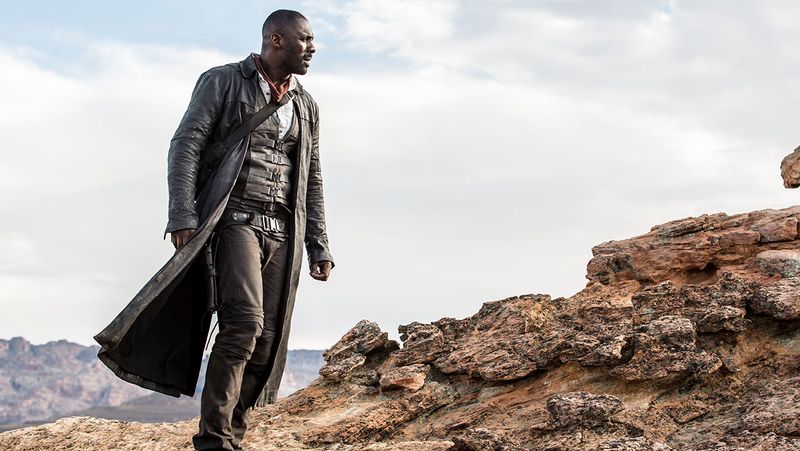
Imagine packing a huge road trip into a quick ride around the block. Stephen King’s sprawling fantasy series faced that problem when its 2017 film squeezed a vast world into a short adventure.
Idris Elba brought presence to Roland, but the story offered little room for the books’ strange lands and deep friendships. Start with The Gunslinger to understand why readers wanted more than a battle between heroes and villains on a crowded movie screen.
2. Eragon: A Dragon Without Enough Story
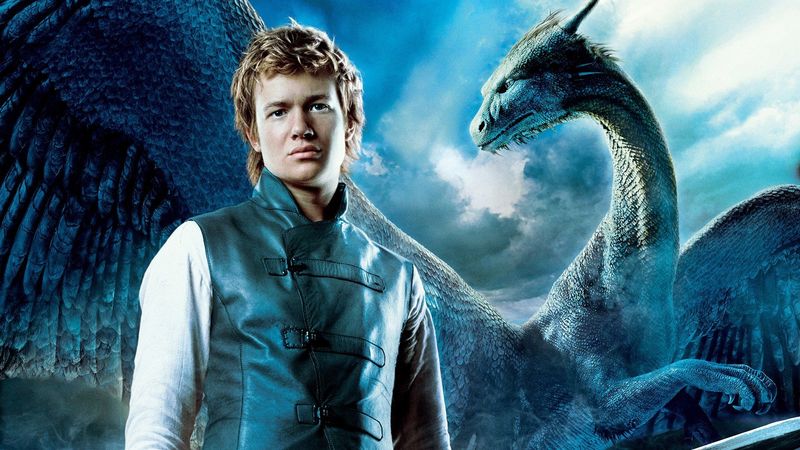
A blue dragon should make a fantasy adventure soar. Yet the 2006 version of Christopher Paolini’s novel rushed through the training, friendships, and world building that helped readers care about Eragon.
Saphira provided a striking screen presence, but missing characters and changed events weakened the larger story. The planned film series never continued.
Read the novel for a fuller sense of how an ordinary farm boy grows into his frightening new responsibilities as a rider.
3. The Giver: Quiet Questions Become Action
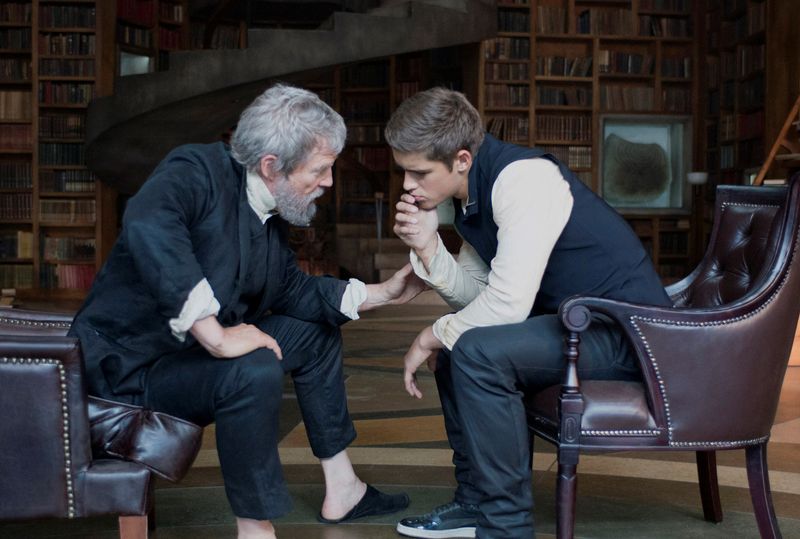
Color means something powerful in Lois Lowry’s carefully controlled world. The 2014 movie used that idea visually, but its older characters, added romance, and action scenes shifted attention away from the book’s quiet unease.
Jonas’s growing awareness works best when readers discover troubling truths alongside him. On screen, the message sometimes becomes more direct and less haunting.
Compare how both versions reveal memories to see why pacing matters as much as plot in this unsettling story.
4. Fahrenheit 451: The Message Gets Muddled
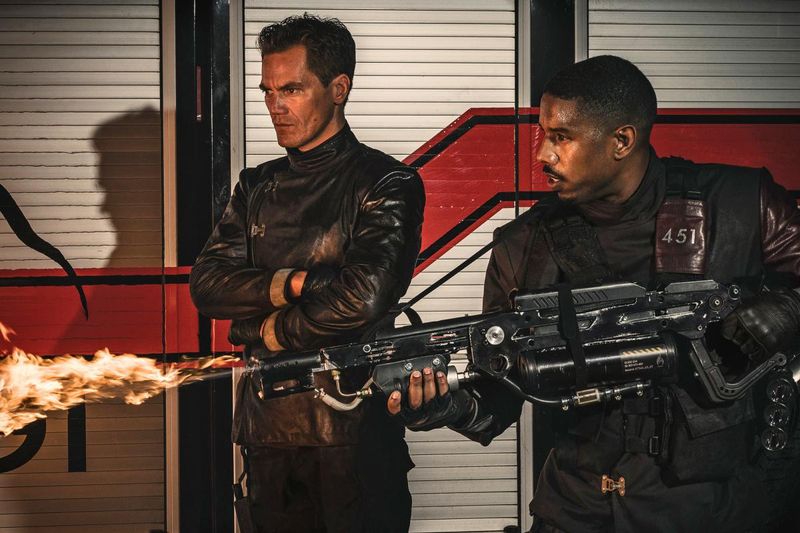
Burning books is a terrifying image, but Ray Bradbury’s novel asks readers to look beyond flames. HBO’s 2018 adaptation updated the setting with digital technology while changing major characters and parts of the story.
Michael B. Jordan’s performance gave the film energy, yet critics questioned whether its changes strengthened the original warning.
Read the novel alongside the film and consider a question: what happens when people stop wanting difficult ideas, even before authorities ban them?
5. The Hobbit: One Adventure Becomes Three
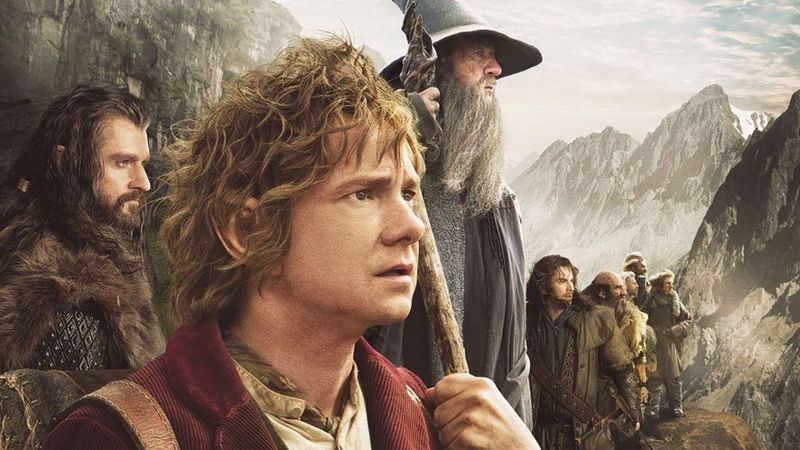
Bilbo’s little adventure grew into nearly eight hours of cinema. Peter Jackson’s trilogy, released from 2012 through 2014, expanded J.R.R.
Tolkien’s novel with extra battles, added characters, and material drawn from related writings.
Some viewers enjoyed returning to Middle earth, and the films earned huge sums. Still, many readers missed the book’s lighter touch.
Try the original if you want clever riddles, surprising courage, and a journey that leaves more space for wonder than battlefield spectacle.
6. Howl’s Moving Castle: Beautiful, but Very Different
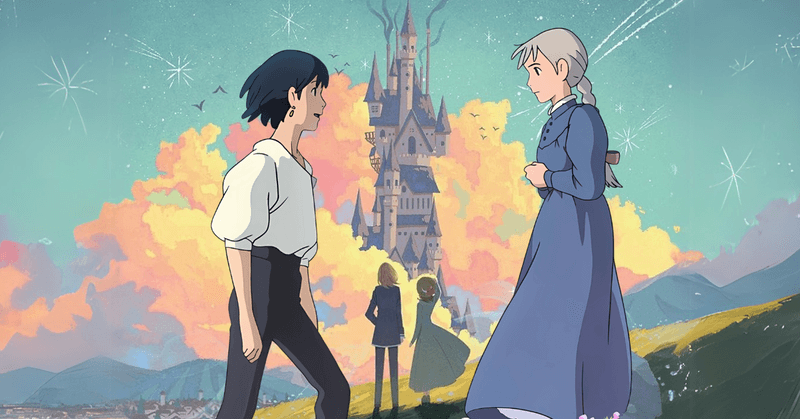
Sophie has two wonderful adventures, depending on which version you choose. Hayao Miyazaki’s 2004 animated film transforms Diana Wynne Jones’s witty fantasy into a dreamlike tale with a stronger focus on war.
The movie is widely admired, so calling it a failure needs care. Its place here reflects differences that disappointed some readers, not broad rejection.
Pick up the novel for sharper comic exchanges, different family connections, and magical puzzles the film leaves behind almost entirely.
7. The Golden Compass: A Journey Left Unfinished
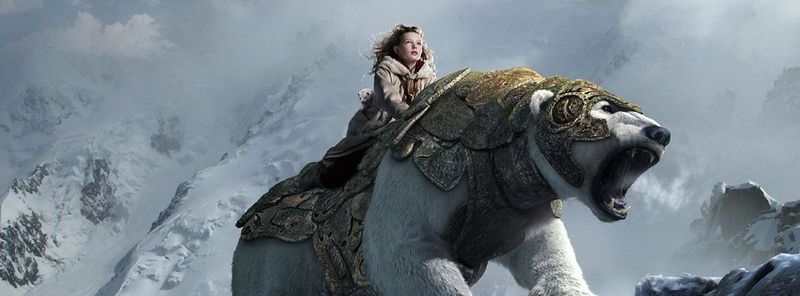
Armored bears and mysterious animal companions promised a remarkable screen adventure. The 2007 adaptation of Philip Pullman’s novel delivered striking images, but softened its challenge to religious authority and removed the book’s devastating ending.
Those choices left viewers with a less complete story. Despite substantial worldwide ticket sales, financial complications helped derail the planned sequels.
For a satisfying comparison, notice how the novel balances childhood curiosity with hard questions about power, trust, and growing up itself.
8. A Wrinkle in Time: Wonder Loses Its Shape
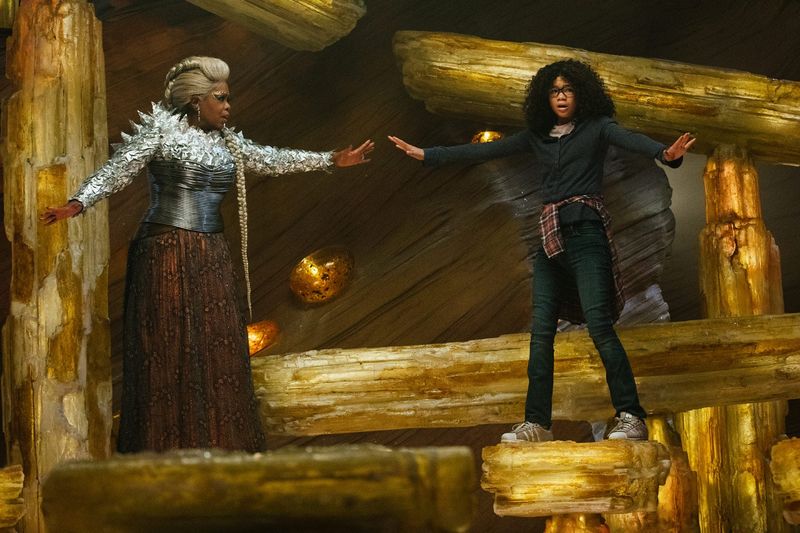
Traveling across space should feel strange, exciting, and a little scary. Madeleine L’Engle’s novel mixes that adventure with science, faith, and family love, a difficult blend for any filmmaker to capture.
The 2018 adaptation offered bright worlds and a message about self worth, but many critics found its storytelling uneven. Its disappointing box office added to that response.
Read Meg’s original journey to experience how ordinary fears give the book’s enormous ideas a personal, human center.
9. The Lovely Bones: Grief Behind the Scenery
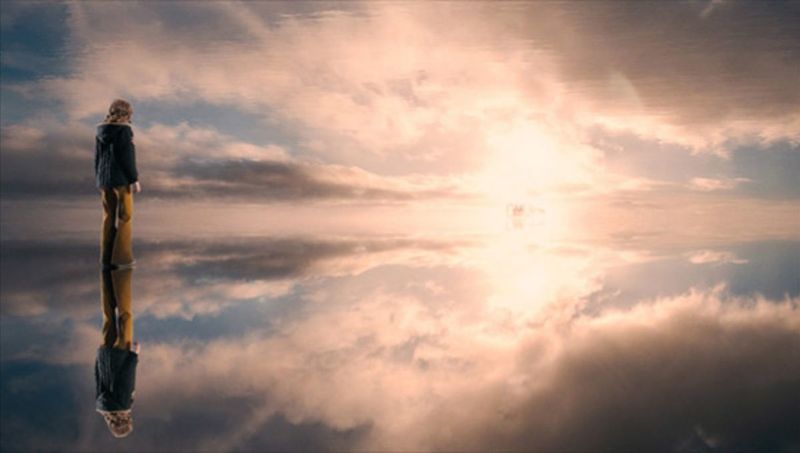
Grief does not follow a tidy path, and Alice Sebold’s novel understands that deeply. Peter Jackson’s 2009 film instead drew much attention to its elaborate vision of the world between life and death.
For some critics, those dazzling landscapes crowded out the family’s pain and recovery. Strong performances could not settle the clash between crime story and fantasy.
Approach both versions knowing that the book gives more room to difficult emotions and relationships after terrible loss.
10. Gulliver’s Travels: Big Jokes Replace Sharp Satire
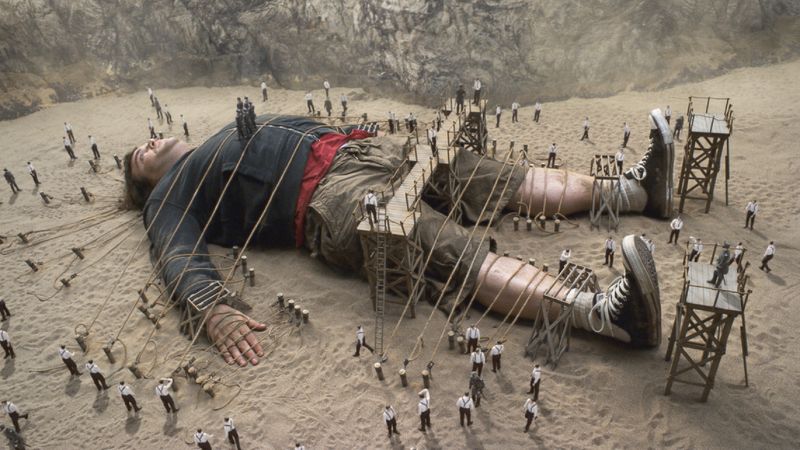
Tiny people once helped Jonathan Swift expose some very large human faults. The 2010 comedy starring Jack Black borrowed that famous setup, then leaned heavily on modern jokes, broad humor, and familiar movie references.
Readers looking for biting social criticism found little of the original’s edge. The film also covers only a small slice of Gulliver’s travels.
An accessible edition of the book reveals why this strange adventure is more than a tale about being big.
11. The Time Traveler’s Wife: Love on Fast Forward
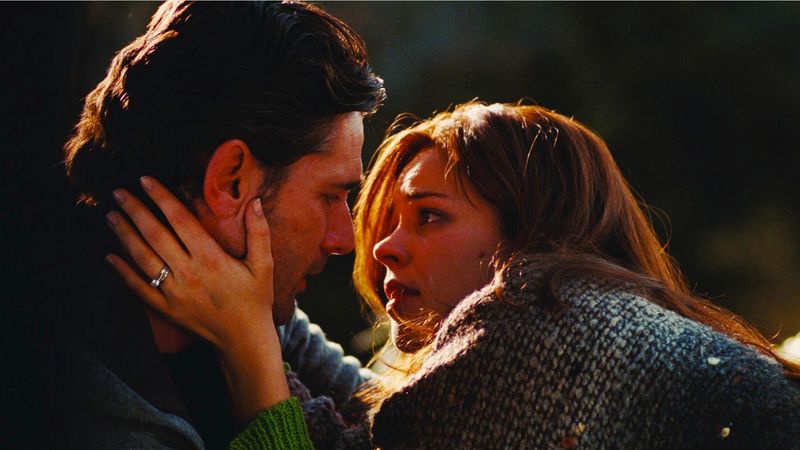
Waiting becomes heartbreaking when your partner can vanish into another year. Audrey Niffenegger’s novel builds its romance through tangled timelines, allowing readers to experience love, uncertainty, and loss from different angles.
The 2009 film kept the central relationship but compressed much of that unusual structure. Some viewers enjoyed its warmth, while critics found its emotions less convincing.
Reading first helps you see how small encounters and ordinary routines make the book’s impossible situation feel painfully real.
12. Rebecca: Glamour Softens the Shadows
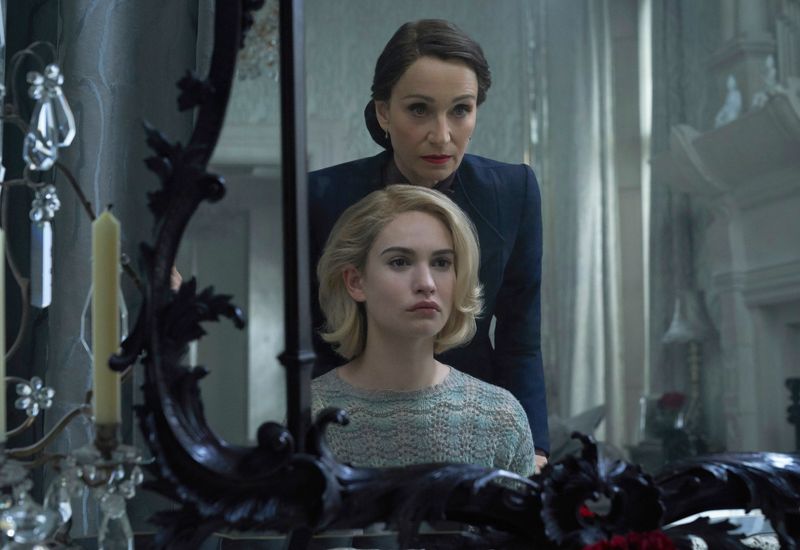
Manderley should feel like a beautiful house that never lets you breathe. Daphne du Maurier fills her novel with jealousy, doubt, and the unsettling presence of a woman who is already dead.
Netflix’s 2020 adaptation supplied handsome settings and costumes, yet many critics missed that creeping dread. Comparisons with Alfred Hitchcock’s 1940 film made the gap clearer.
Watch how each version handles silence: the novel’s deepest fears often live in what its nervous narrator cannot say.
13. The Scarlet Letter: A Different Moral Story
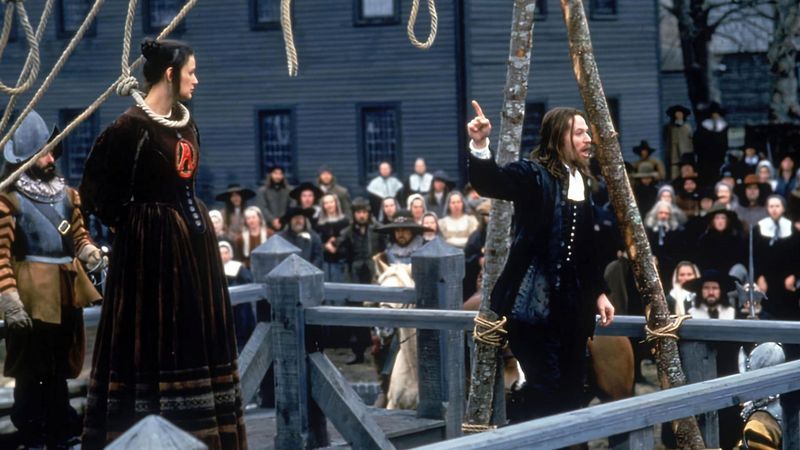
A red letter carries the weight of a whole community’s judgment. Nathaniel Hawthorne uses Hester Prynne’s punishment to explore guilt, public shame, and the distance between private actions and public virtue.
The 1995 movie starring Demi Moore turned that uneasy material into a more conventional romantic drama, complete with major plot changes. Its reception was poor.
Comparing the endings offers a clear lesson in adaptation: changing what happens can also change what a story finally means.
14. The Lightning Thief: Percy Takes the Wrong Route
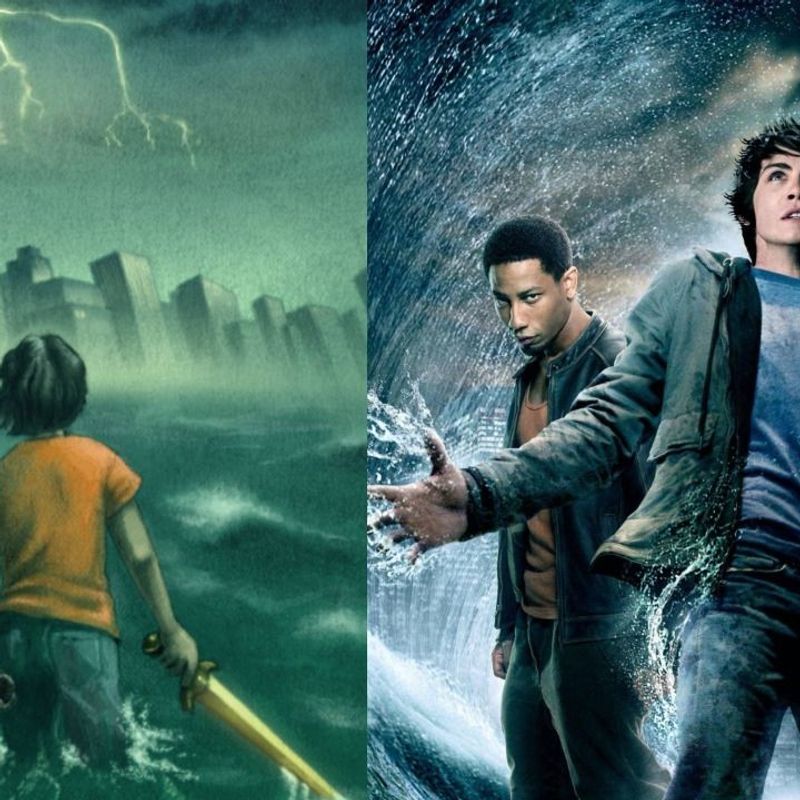
Finding out your father is a Greek god is already complicated enough. Rick Riordan’s young hero also had to survive a 2010 film that aged up the characters and changed important parts of his quest.
The result kept monsters and magical weapons but lost details that support later books. Fans objected, and Riordan publicly criticized the adaptation.
Start with the novel for Percy’s funny narration, stronger friendships, and a mystery that fits its larger series better.
15. Cloud Atlas: Ambition Splits the Audience
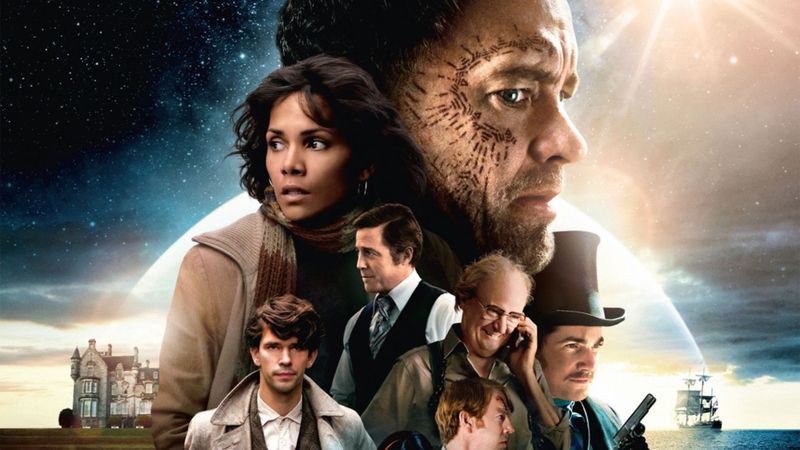
Six connected stories make David Mitchell’s novel feel like a puzzle box. Its 2012 adaptation took a bold approach, cutting rapidly between eras and having actors play several roles across different lives.
Some viewers found the result moving; others found it confusing or heavy handed. The film struggled financially, but its devoted fans make a simple failure label unfair.
Compare the book’s nested structure with the movie’s interwoven scenes to discover how editing can reshape meaning.
16. The League of Extraordinary Gentlemen: Literary Mischief Becomes Noise
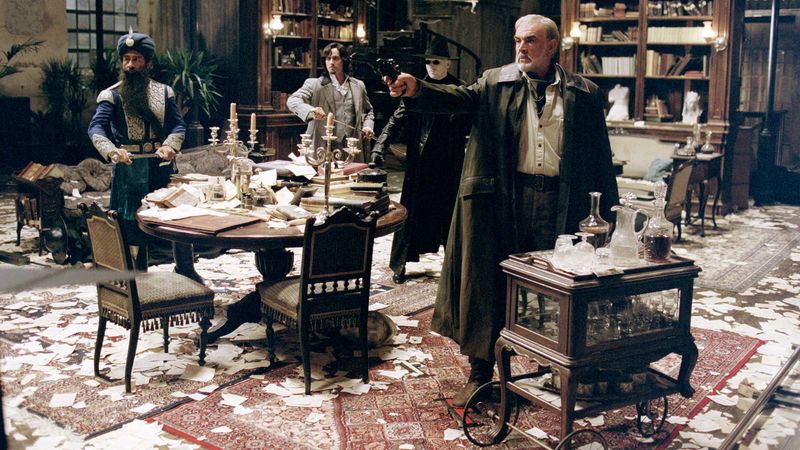
Famous literary characters sharing one adventure sounds like a reader’s dream. Alan Moore and Kevin O’Neill’s graphic novel series made that idea strange, dark, and packed with references to older adventure stories.
The 2003 film traded much of that texture for a louder action spectacle, adding characters and reshaping relationships. Critics largely rejected it.
Remember that this entry is a graphic novel series, not a prose novel; its artwork matters as much as its clever literary borrowing.
17. The Bonfire of the Vanities: Satire Loses Its Bite
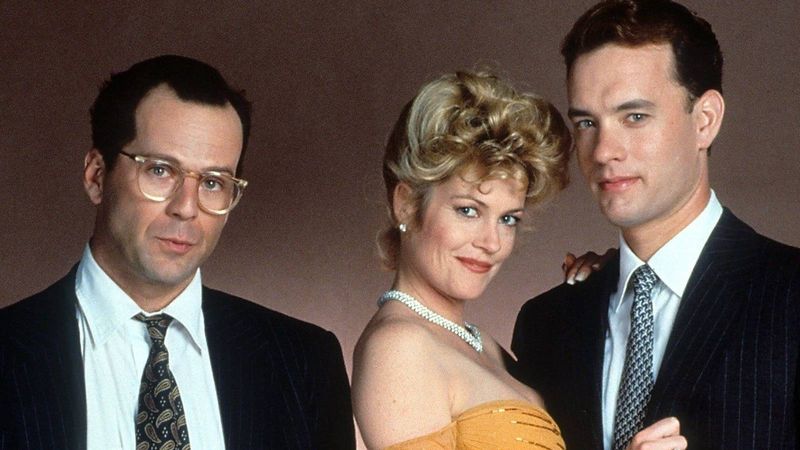
Money, status, and a disastrous mistake fuel Tom Wolfe’s portrait of New York. His novel follows people whose selfish choices expose ugly tensions involving race, class, ambition, and the city’s hunger for scandal.
The 1990 film struggled to turn that sharp social attack into satisfying comedy. Casting choices and softened characters drew criticism, while ticket sales disappointed.
Read a few chapters before watching to hear the restless narrative voice that proved so difficult to reproduce onscreen.
18. The Shining: A Classic Its Author Rejected
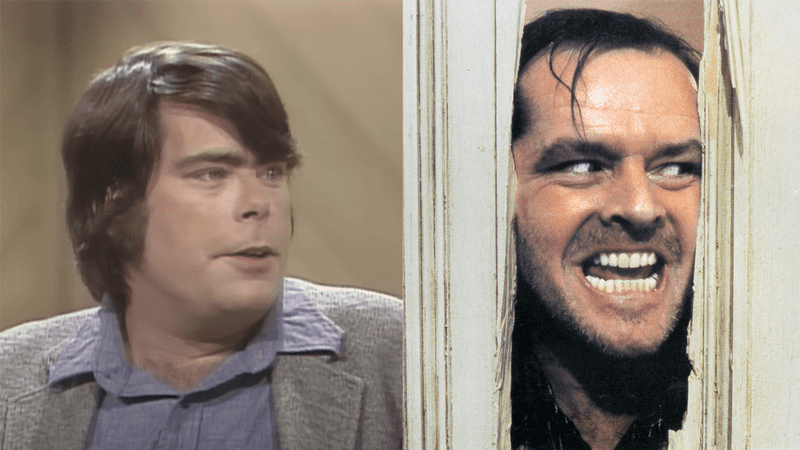
Stephen King and Stanley Kubrick saw different nightmares inside the Overlook Hotel. King’s novel gives Jack Torrance a painful struggle with addiction and a strong wish to become a better father.
Kubrick’s 1980 film presents a colder, more distant character, which helped drive King’s famous objections. Yet the movie became a landmark of horror cinema.
Treat this as a disputed adaptation rather than a failed film, and compare how each version builds sympathy for the family.
19. How the Grinch Stole Christmas: More Isn’t Always Merrier
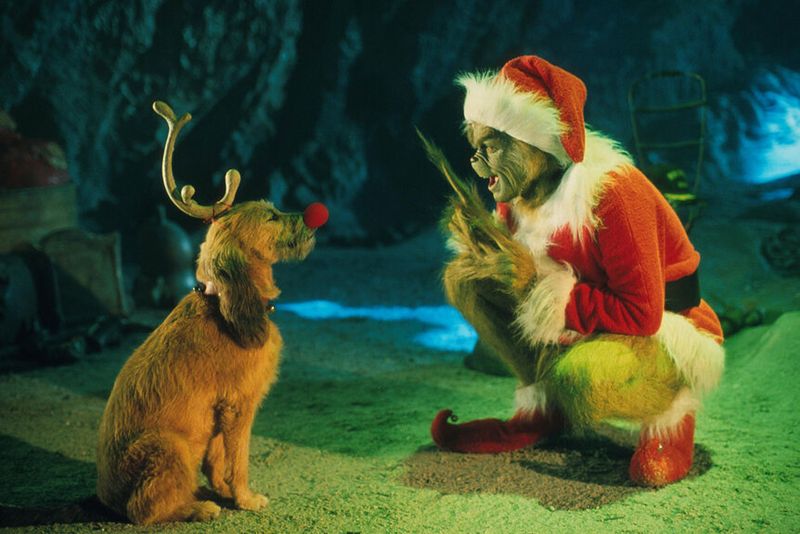
A small book about a growing heart became a noisy holiday blockbuster. The 2000 film expanded Dr. Seuss’s picture book with a childhood backstory, extra characters, and more jokes about Whoville’s love of shopping.
Jim Carrey’s energetic performance won admirers, and the movie was commercially successful. Still, some readers felt its busy style buried the original’s simple warmth.
Pair it with the book or the 1966 animated special to decide whether added detail improves the message.
20. The Great Gatsby: Glitter Competes With Meaning
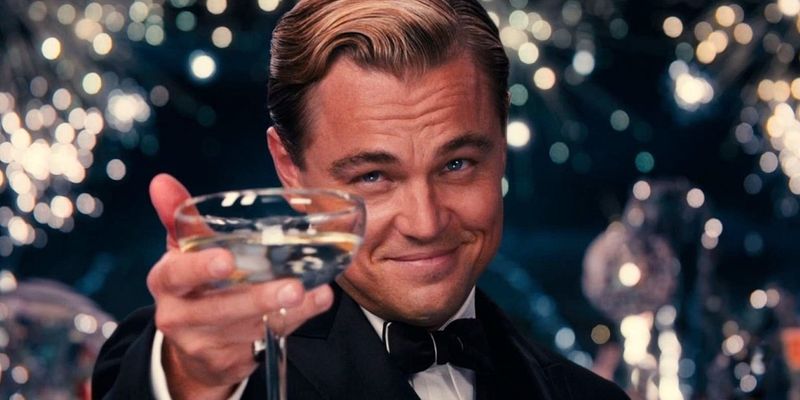
Gatsby’s parties are dazzling, but the emptiness afterward matters just as much. Baz Luhrmann’s 2013 adaptation surrounded F.
Scott Fitzgerald’s characters with lavish sets, rushing camerawork, and a soundtrack mixing modern music with period influences.
Its costumes and production design won Oscars, and audiences made it a commercial success. Critics remained divided over whether the spectacle overwhelmed the sadness.
Read Nick’s quieter observations to understand why this belongs among contested adaptations rather than clear movie failures.