
Have you ever wondered why people in hot places love spicy food, while people in cold places eat hearty stews? The weather where you live shapes what grows, what animals thrive, and how food gets stored.
Over hundreds of years, families found clever ways to eat well in deserts, jungles, mountains, and icy lands. Exploring these traditional dishes is like taking a trip around the world, one bite at a time.
1. Inuit Akutaq from the Arctic
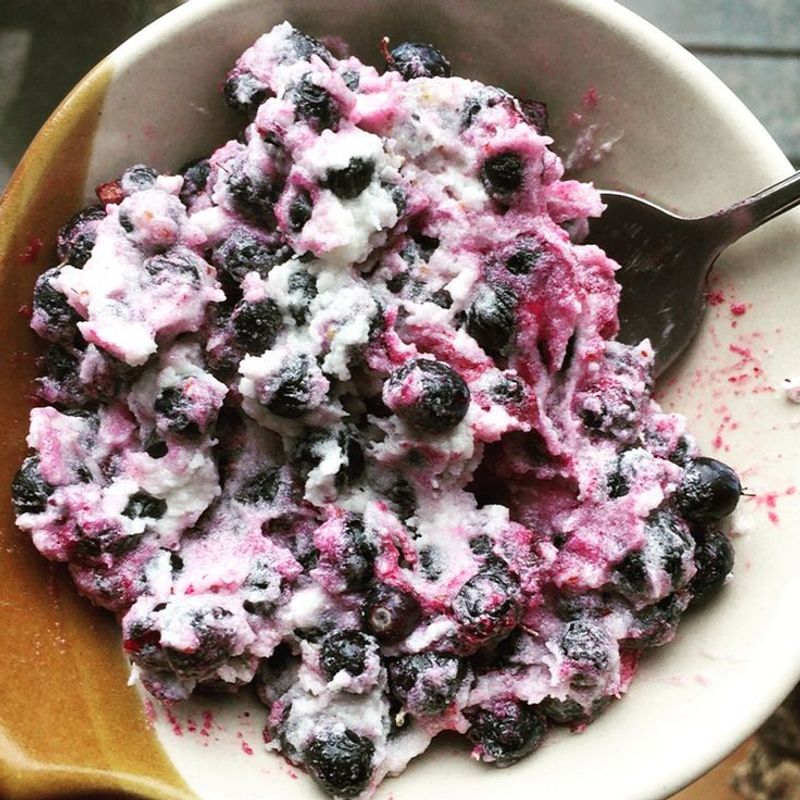
Picture a dessert that keeps you warm instead of cooling you down. Akutaq, sometimes called Eskimo ice cream, mixes animal fat with wild berries and sometimes fish.
In the freezing Arctic, the body burns lots of energy just to stay warm. Fat packs more calories than almost any other food, so it became a smart survival choice.
Berries picked during the short summer added color, flavor, and vitamins that are hard to find in winter.
2. Spicy Thai Curry
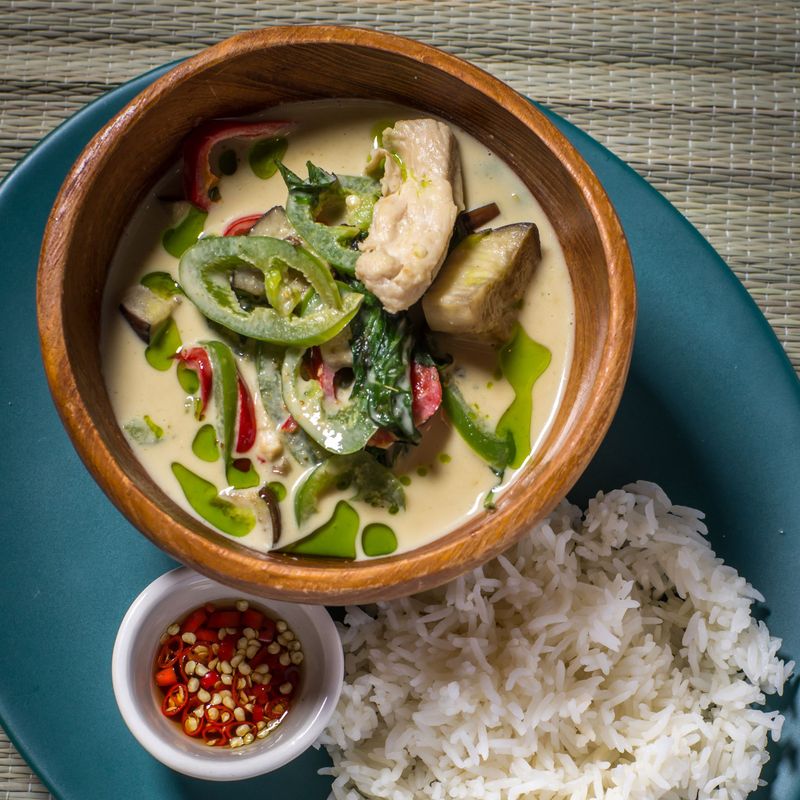
Ever noticed that some of the spiciest food comes from the hottest countries? Thailand is a great example.
Scientists think hot spices like chili, garlic, and ginger helped fight germs that grow quickly in warm, humid air before refrigerators existed. Spicy food also makes you sweat, and sweat cools your skin as it dries.
Coconut milk balances the heat, and coconut palms grow easily in tropical weather. Next time you try curry, keep a glass of milk nearby!
3. Swiss Cheese Fondue
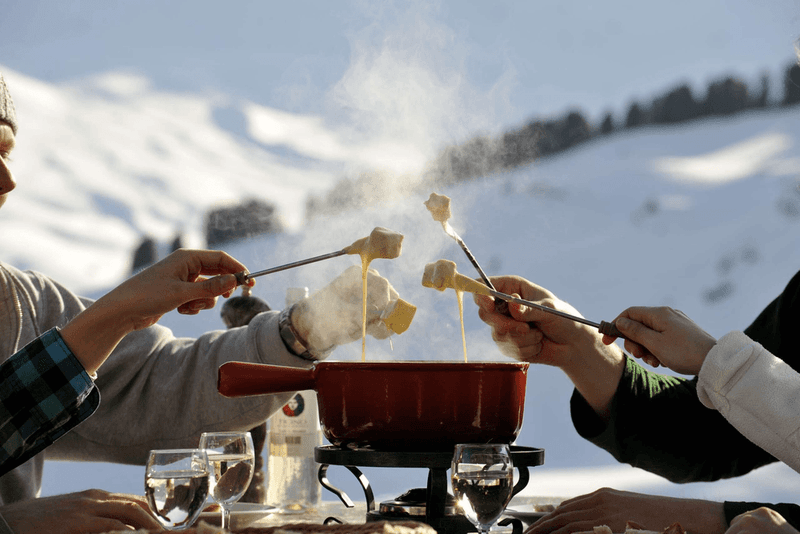
Imagine a snowy evening in the Swiss Alps with friends dipping bread into a pot of melted cheese. That cozy scene has deep roots.
Mountain farmers had cows grazing in green summer pastures, and they turned extra milk into hard cheese that lasted all winter. When fresh food ran low, old cheese and stale bread were melted together into something delicious.
Fun fact: losing your bread in the pot traditionally means you owe someone a treat!
4. Desert Dates of the Middle East
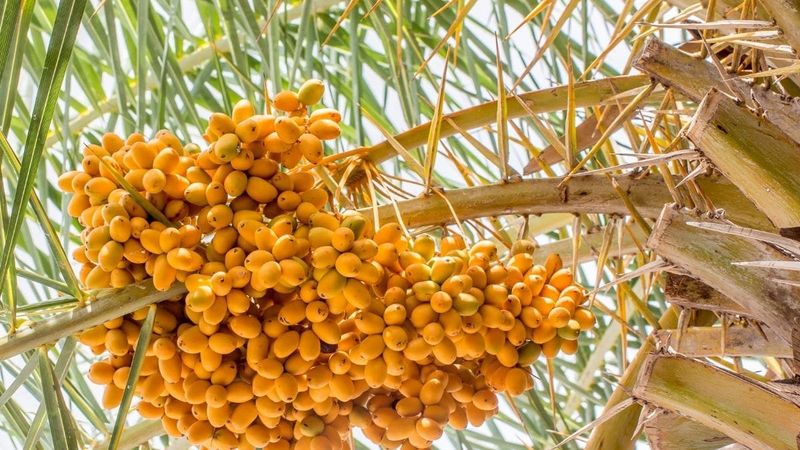
Sweet, sticky, and full of energy, dates have fed desert travelers for thousands of years. Date palms actually love scorching heat and grow near oases where underground water reaches their roots.
Dates dry naturally in the sun, so they keep for months without spoiling. Camel caravans could carry them across huge stretches of sand.
Many families still break their fast during Ramadan with a date and water. It is a tradition shaped by the land itself.
5. Korean Kimchi
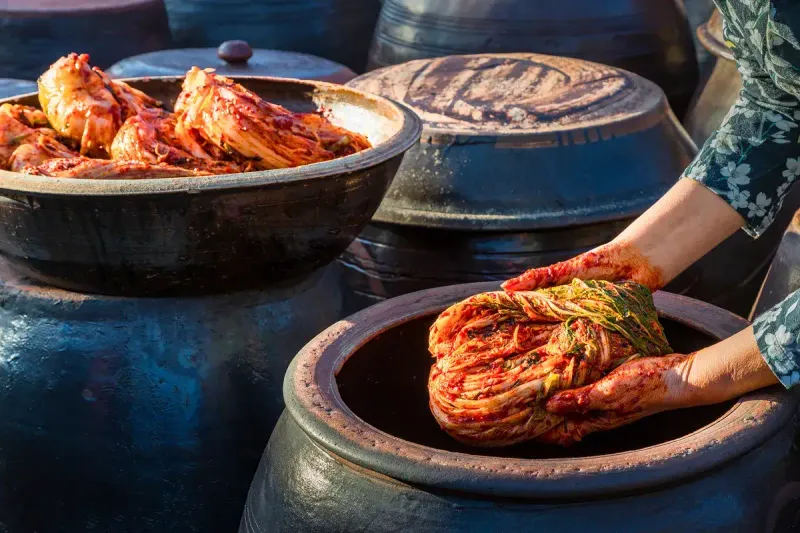
Long before refrigerators, Korean families faced a big problem. Harsh winters meant no fresh vegetables for months.
The answer was kimchi, cabbage and radish fermented with salt, garlic, and chili. Every autumn, neighbors gathered for kimjang, a huge kimchi-making party.
Jars were often buried in the ground, where the cold kept them fresh all season.
Fermentation adds healthy bacteria that help your stomach. Try a little kimchi with fried rice for a tangy kick.
6. Andean Chuño Potatoes
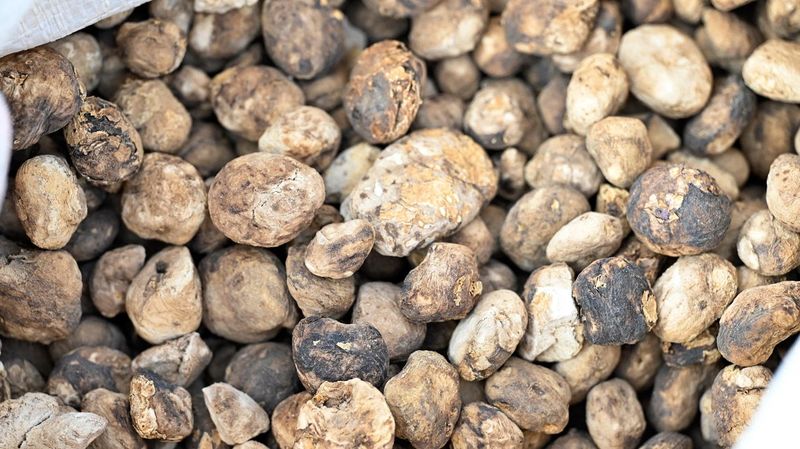
Freeze-dried food is not just for astronauts. People in the Andes Mountains of Peru and Bolivia invented it centuries ago.
High up, nights are freezing and days are sunny and dry. Farmers leave potatoes outside to freeze, then stomp on them to squeeze out water.
After several days, they become chuño, light little potatoes that can last for years.
That clever trick helped the Inca Empire store food for hard times and long journeys.
7. Italian Olive Oil and Bread
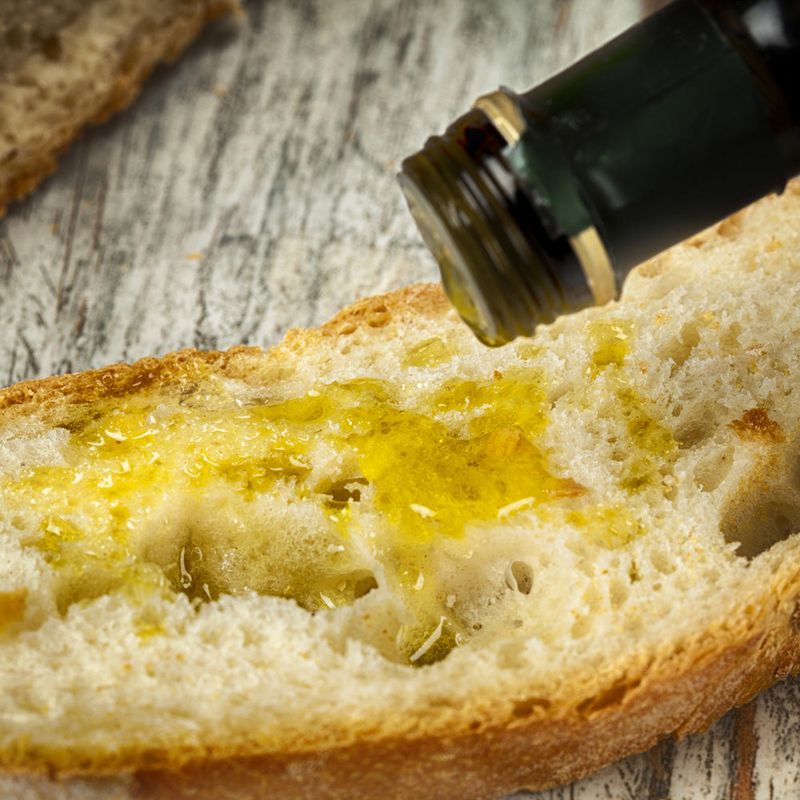
Walk through southern Italy and you will spot silvery olive trees everywhere. The Mediterranean climate, with hot dry summers and mild rainy winters, is perfect for them.
Olive trees have tough leaves and deep roots that survive long dry spells. Pressed olives give golden oil that Italians pour on bread, salads, and pasta.
Some olive trees there are over a thousand years old and still produce fruit. Talk about a family heirloom!
8. Ethiopian Injera
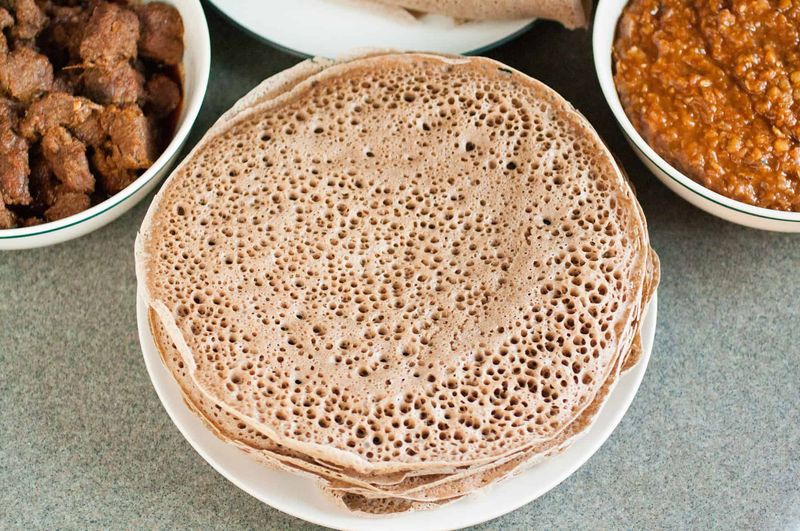
Here is a meal where the plate is part of the food. Injera is a soft, bubbly flatbread made from teff, a tiny grain grown in the Ethiopian highlands.
Teff handles both drought and heavy rain better than many crops, which makes it reliable in Ethiopia’s changing weather. It is also packed with iron and protein.
Families tear off pieces to scoop up spicy stews. Sharing from one big platter shows friendship and trust.
9. Japanese Sushi
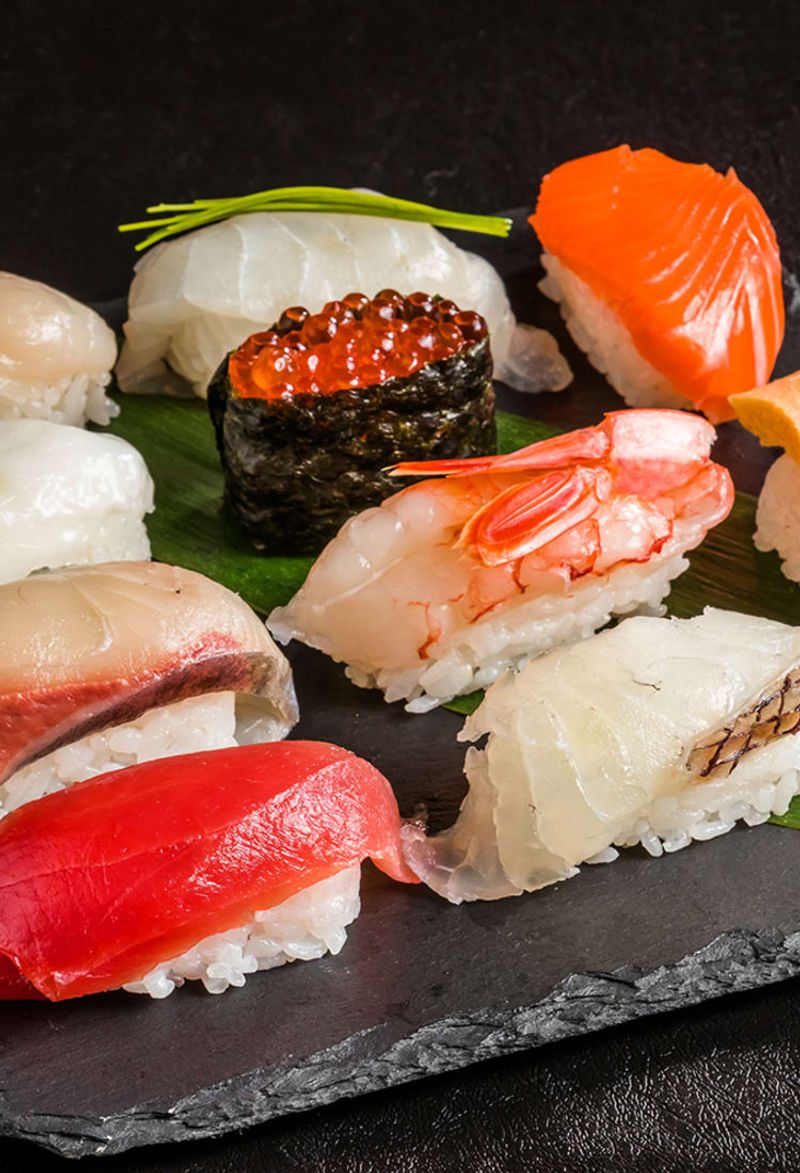
Japan is an island nation surrounded by cool, rich ocean currents full of fish. So it makes sense that seafood rules the menu.
Mountains cover most of the land, leaving little room for raising cattle. Rice, though, loves the warm, rainy summers.
Put fish and rice together and you get sushi.
Early sushi actually used fermented rice to preserve fish for months. Back then, the sour rice was usually thrown away!
10. Mexican Corn Tortillas
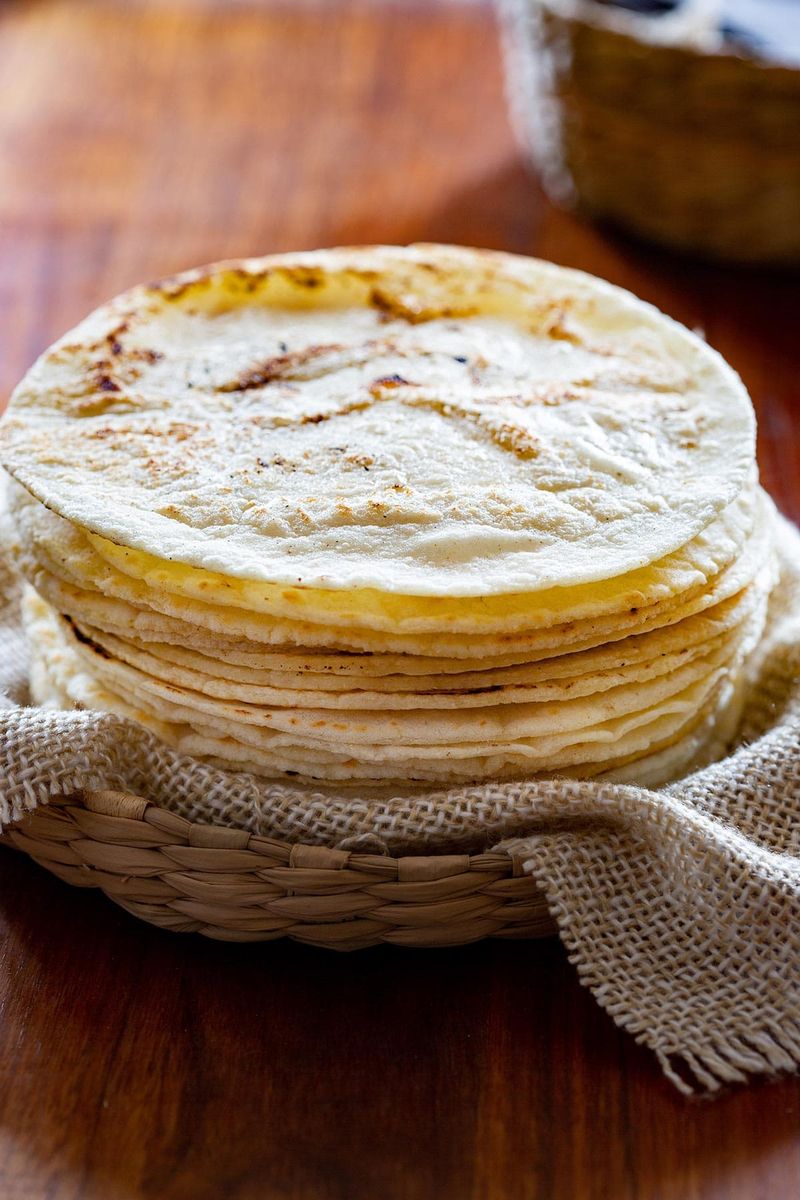
Corn has been the heart of Mexican cooking for about 9,000 years. Ancient farmers turned a wild grass into the tall crop we know today.
Corn thrives in Mexico’s warm days and seasonal rains. Cooks discovered that soaking corn in limewater, a process called nixtamalization, made it healthier and easier to grind into dough.
That dough becomes tortillas for tacos, enchiladas, and more. Warm one on a pan and taste history.
11. Russian Borscht
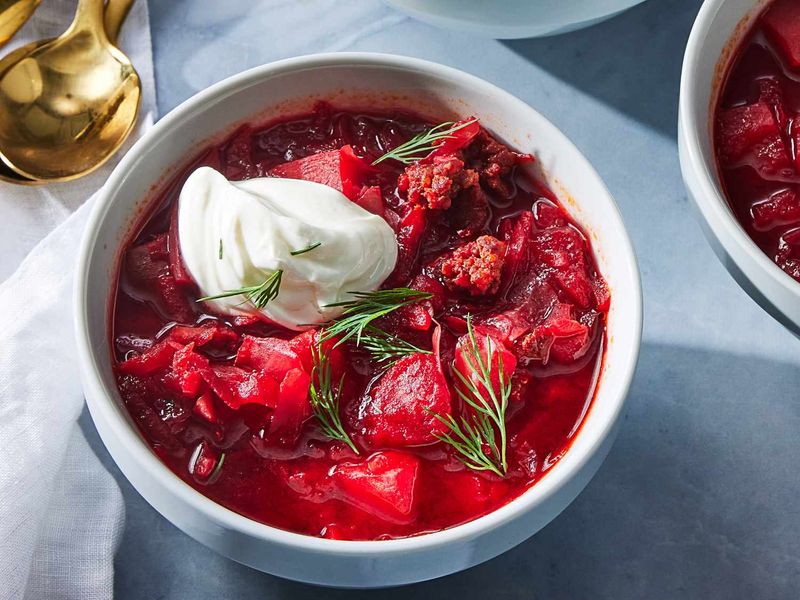
Bright red and steaming hot, borscht is pure comfort on a snowy day. Its main star is the humble beet.
Root vegetables like beets, cabbage, carrots, and potatoes grow well in short northern summers. They also store for months in cold cellars, making them winter heroes in Russia and Ukraine.
A spoonful of sour cream on top adds creaminess. Many families have a secret recipe passed down for generations.
12. Indian Lassi
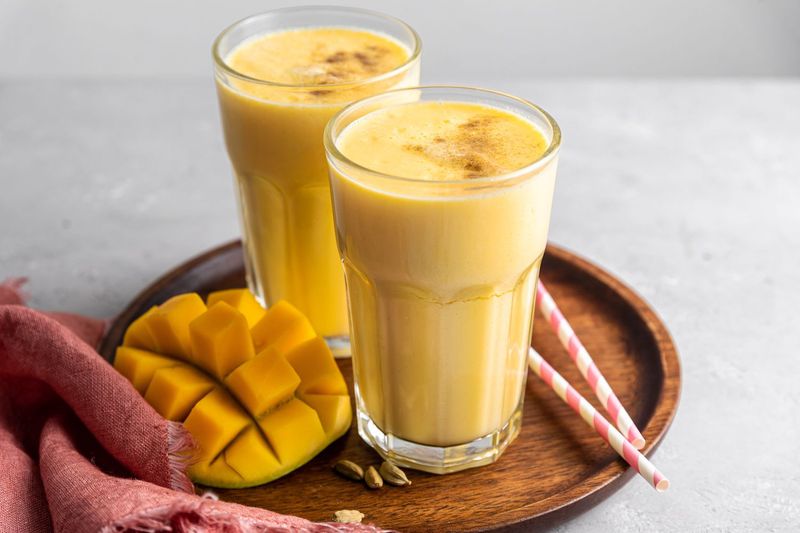
When summer temperatures in India soar past 100 degrees, people reach for lassi. A cool, creamy yogurt drink, it is blended with water and either sugar, fruit, or salt and spices.
Yogurt helps calm the stomach and cools the body after spicy meals. Salted lassi also replaces minerals lost through sweat.
Mango lassi is a favorite, especially when mangoes ripen in the hot season. Making one at home only takes a blender.
13. Scandinavian Pickled Herring
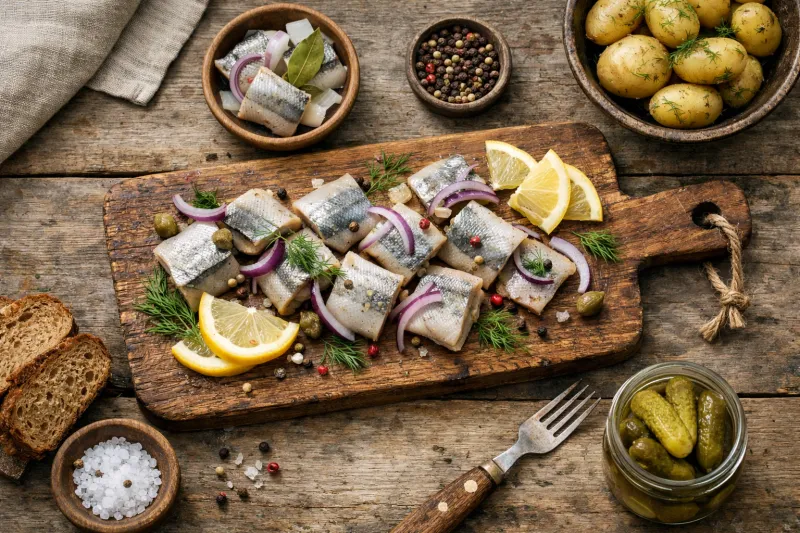
Think pickled fish sounds odd? In Sweden, Norway, and Denmark, it is a party favorite.
Long, dark winters meant fishermen needed ways to save their summer catch. Herring swam in huge schools in the cold North Sea and Baltic Sea, so people pickled it in vinegar, sugar, and spices.
Today, pickled herring shows up at holidays like Midsummer and Christmas. Pair it with crispbread and potatoes for a classic Nordic bite.
14. Hawaiian Poi
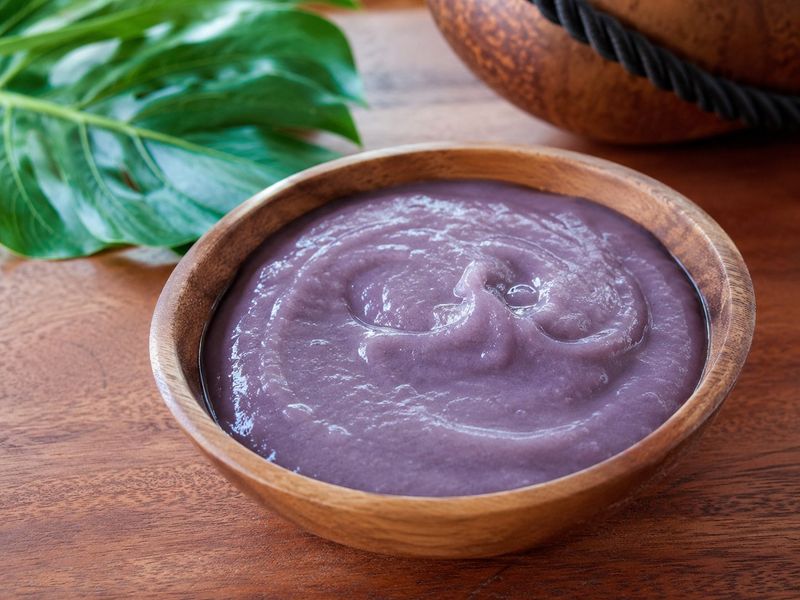
Purple, smooth, and a little sour, poi is one of Hawaii’s oldest foods. It comes from taro root, which grows in flooded patches much like rice.
Hawaii’s warm temperatures and plentiful rain keep taro fields happy year-round. Cooked taro is pounded with water into a sticky paste.
In Hawaiian tradition, taro is seen as an ancestor of the people. Arguments were once not allowed when a bowl of poi was open.
15. Mongolian Airag
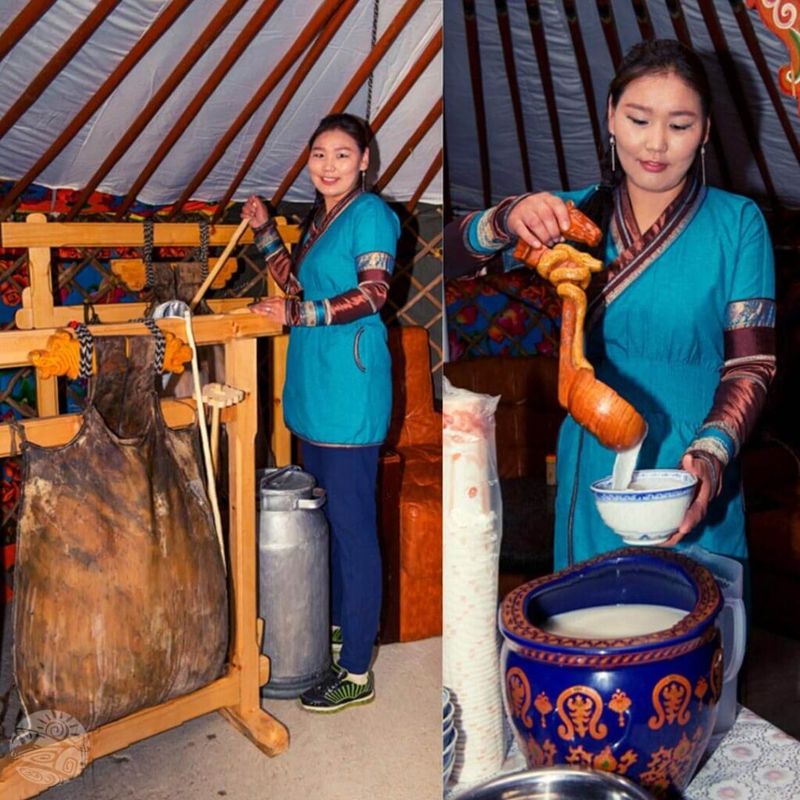
Out on the windy Mongolian steppe, trees and farms are rare. Grass, however, stretches for miles, perfect for horses.
Nomadic herders milk mares in summer and ferment the milk into airag, a slightly fizzy, sour drink. Fermenting keeps the milk from spoiling and makes it easier to digest.
Guests visiting a ger, the round felt tent, are often offered a bowl. Accepting with your right hand is a polite custom.
16. West African Jollof Rice
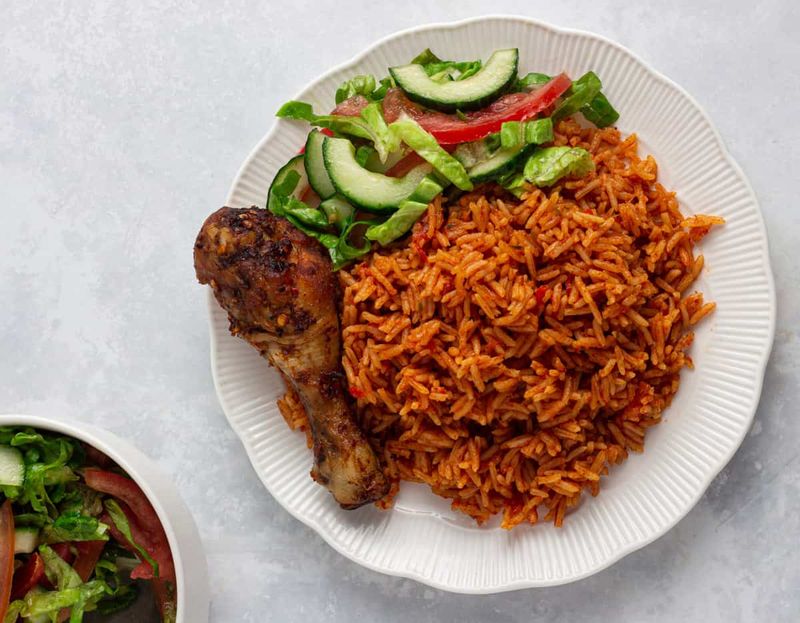
Few dishes start friendly arguments like jollof rice. Nigerians and Ghanaians both claim theirs is the best!
West Africa’s warm, wet climate supports rice, tomatoes, onions, and hot peppers. Cooking them together in one pot creates a smoky, flavorful meal that feeds big crowds easily.
Peppers add heat and help food last longer in tropical warmth. At weddings and birthdays, a giant pot of jollof is almost guaranteed.
Which version would you vote for?
17. Tibetan Butter Tea
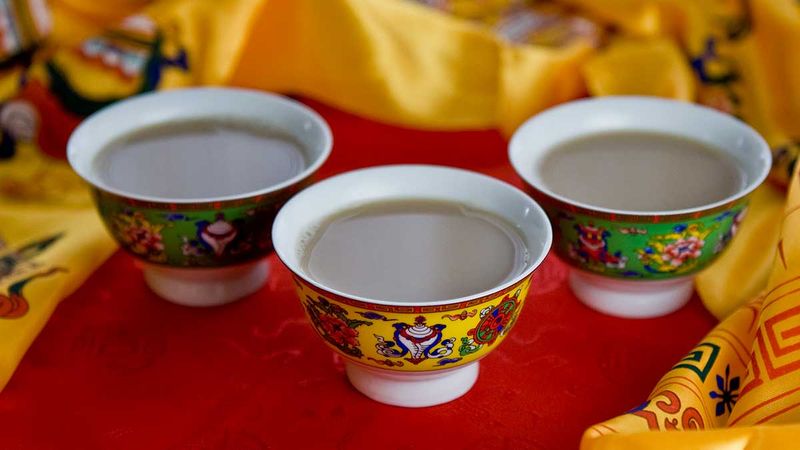
Salty tea with butter? On the Tibetan Plateau, almost three miles above sea level, it makes perfect sense.
The air is thin, cold, and very dry. Yak butter gives fast energy, salt helps the body hold water, and hot tea warms you from the inside.
Some people drink dozens of cups each day.
Yaks are tough animals built for high altitudes, providing milk, meat, and wool. Butter tea tastes more like soup than dessert.
18. Brazilian Açaí Bowl

Long before açaí bowls became trendy, families in the Amazon rainforest were eating açaí every day.
Açaí palms grow tall in wet, flooded forests where heavy rain falls most of the year. Their small purple berries spoil fast, so locals mash them into a thick paste right away.
In the Amazon, people often eat it with fish or cassava flour instead of sweet toppings. Same berry, totally different meal!
19. Moroccan Tagine
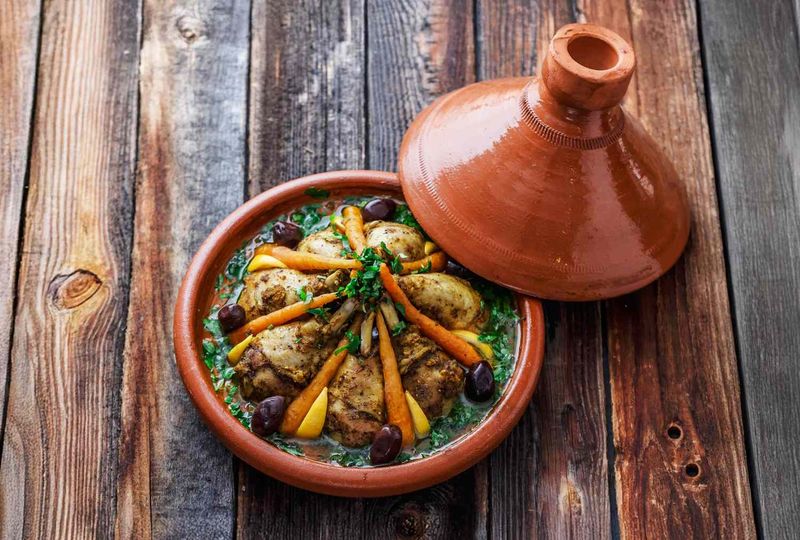
That funny cone-shaped lid is genius. In dry North Africa, water is precious, and the tagine pot was designed to save it.
Steam rises, hits the cool lid, and drips back onto the food. Meat and vegetables cook slowly in their own juices with very little added water.
Spices like cumin and cinnamon came through old desert trade routes. Preserved lemons and dried fruits add sweetness and tang that last through hot seasons.
20. Irish Soda Bread
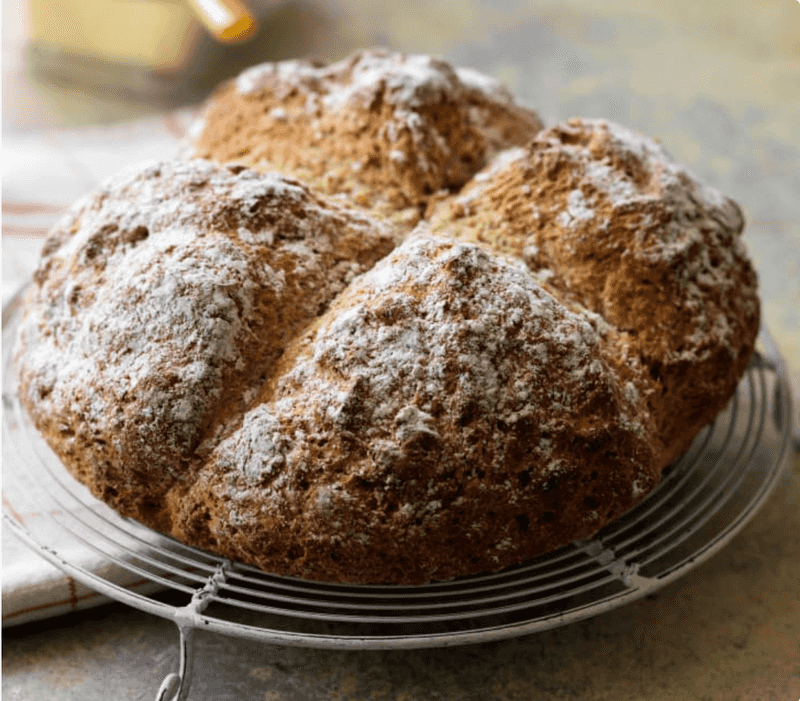
Ireland’s cool, damp weather is great for grass but tricky for growing strong wheat. The soft wheat that did grow didn’t rise well with yeast.
So in the 1800s, Irish bakers used baking soda and buttermilk instead. The mix bubbles and lifts the dough without yeast, creating a dense, tasty loaf.
A cross is cut on top before baking. Folk tales say it lets the fairies out!
You can bake one in under an hour.
21. Australian Bush Tucker
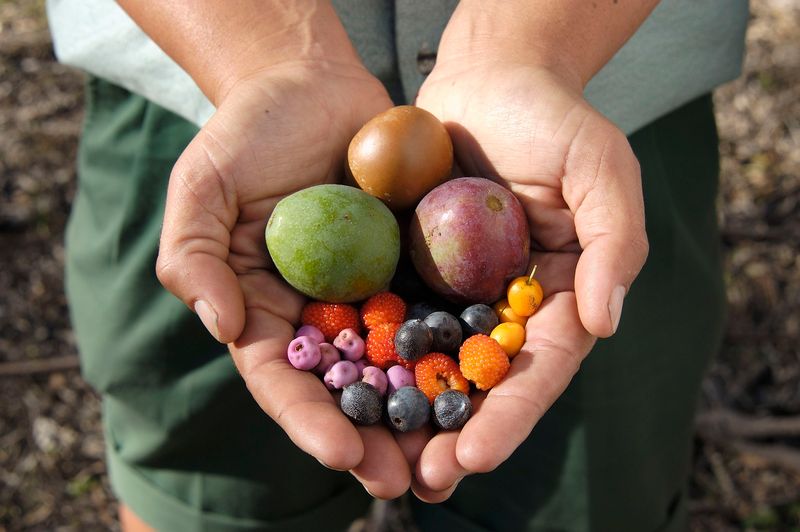
For more than 60,000 years, Aboriginal Australians have known how to find food in one of the driest places on Earth.
Bush tucker includes plants like quandong, wattleseed, and finger limes, plus native animals. These foods are adapted to heat, drought, and poor soil.
Knowing which plants were safe and when they ripened was passed down through stories and songs. Today, chefs around the world are discovering these unique Outback flavors.
22. Spanish Gazpacho
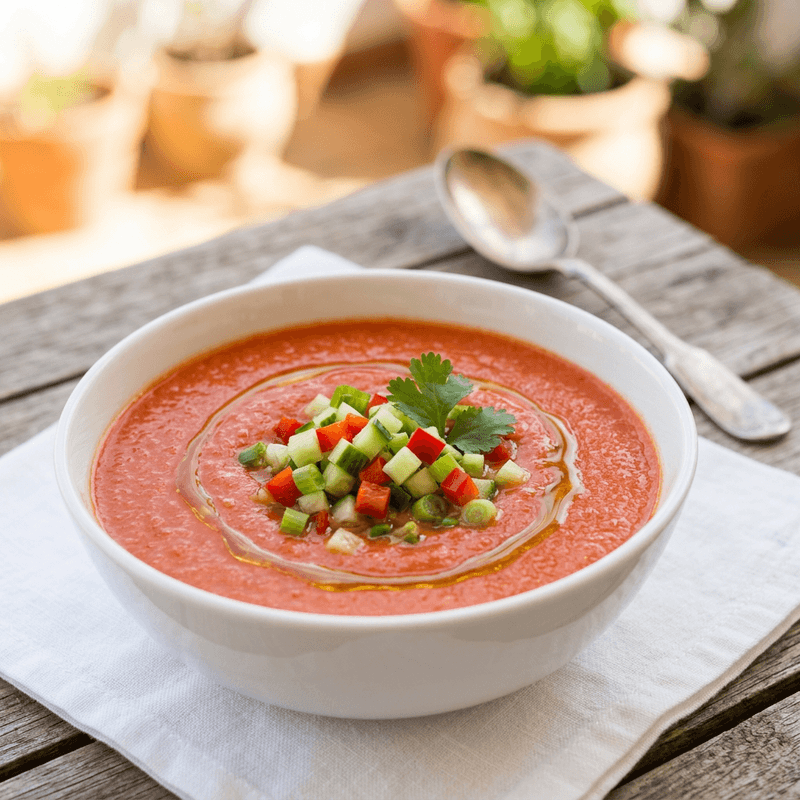
Soup is usually hot, right? Not in southern Spain, where summer afternoons can feel like an oven.
Gazpacho is a cold soup blended from ripe tomatoes, cucumbers, peppers, garlic, olive oil, and bread. All those veggies love Andalusia’s long, sunny summers, and eating them chilled helps people stay cool and hydrated.
Farmworkers once made it in the fields to beat the heat. Try serving yours ice-cold on the hottest day of summer.
23. Canadian Maple Syrup Taffy
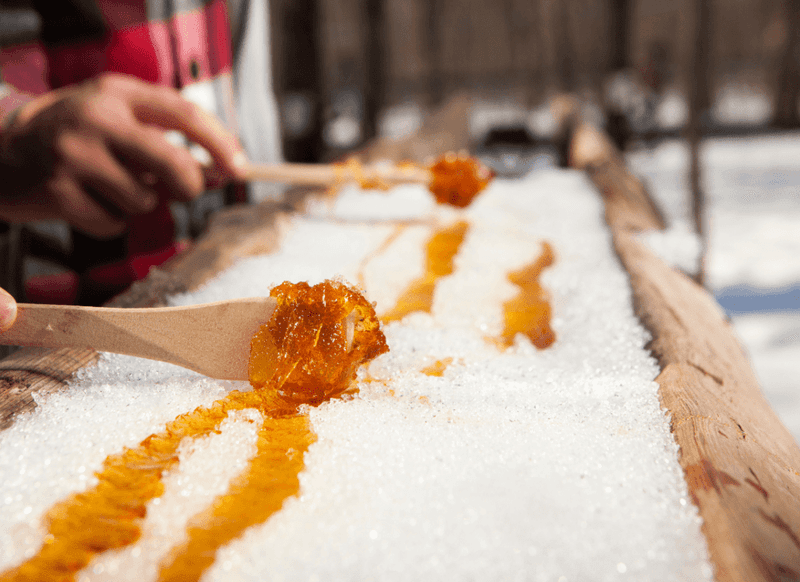
Only a cold climate could create this treat. In Quebec, families visit sugar shacks each spring when maple sap starts to flow.
Maple trees need freezing nights and warmer days to push sap up their trunks. Boiled down, the sap becomes syrup.
Pour hot syrup onto clean snow, roll it with a stick, and you get tire sur la neige, or taffy on snow.
Fun fact: about 40 liters of sap make one liter of syrup!