
Some of the most surprising travel sights sit below our feet. Beneath busy streets, mountains, and desert towns, you can find glowing caves, ancient shelters, and gardens built by hand.
Exploring these places reveals how nature shapes the earth and how people adapt to life underground. Bring your curiosity, along with a good pair of walking shoes.
1. Paris Catacombs, France
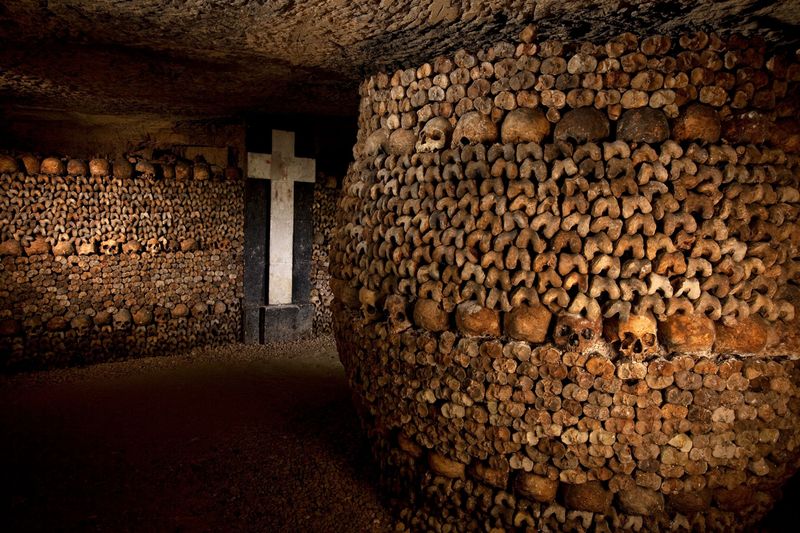
Beneath the busy streets of Paris, rows of bones tell a quieter story about the city. The catacombs hold the remains of more than six million people, moved here when crowded cemeteries became a health problem.
Only a small section of the old quarry network is open to visitors. Reserve through the official website, expect stairs, and bring a light layer.
Remember that this is a burial place, so behave respectfully and never touch the bones.
2. Wieliczka Salt Mine, Poland
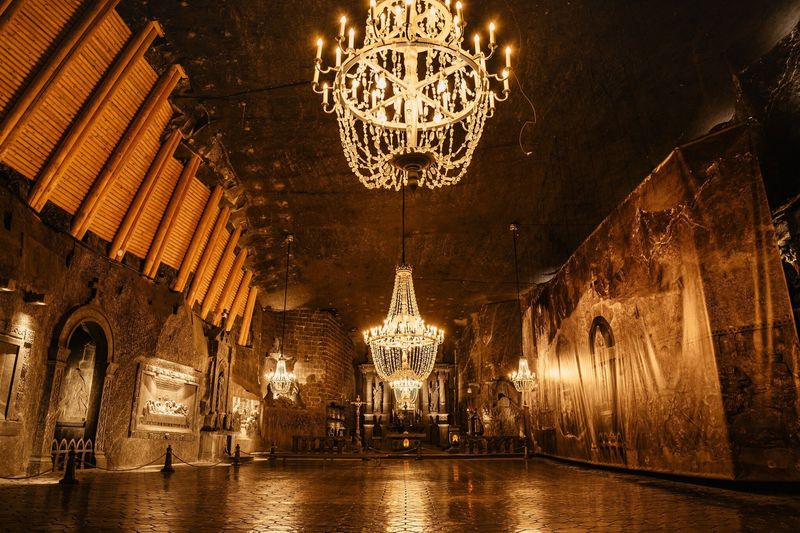
Chandeliers sparkle above your head, but the real surprise is what surrounds them: walls, sculptures, and chapels carved from salt. Generations of miners turned Wieliczka into an underground art gallery near Krakow.
The famous Chapel of Saint Kinga includes detailed religious carvings and glowing salt decorations. Choose a guided route that matches your fitness, since the standard visit involves many steps.
Comfortable shoes help, and a jacket makes the cool passages much more pleasant to explore.
3. Cappadocia’s Underground Cities, Turkey
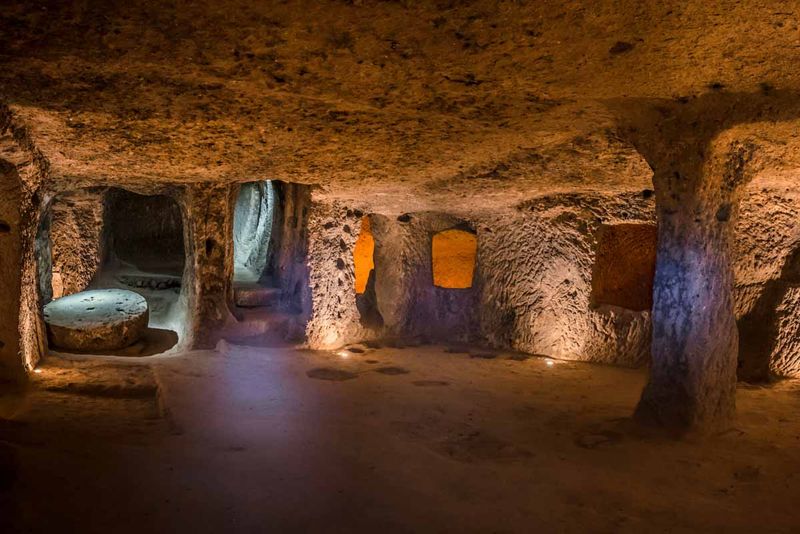
Imagine moving an entire neighborhood beneath the ground when danger approaches. At Derinkuyu and Kaymakli, people expanded underground shelters into networks with storage rooms, kitchens, places of worship, and shafts for fresh air.
Derinkuyu reaches roughly 85 meters deep, though visitors explore only part of it. Narrow passages and low ceilings can feel intense, so consider your comfort with tight spaces before entering.
A local guide can explain how families managed daily life out of sight.
4. Waitomo Glowworm Caves, New Zealand
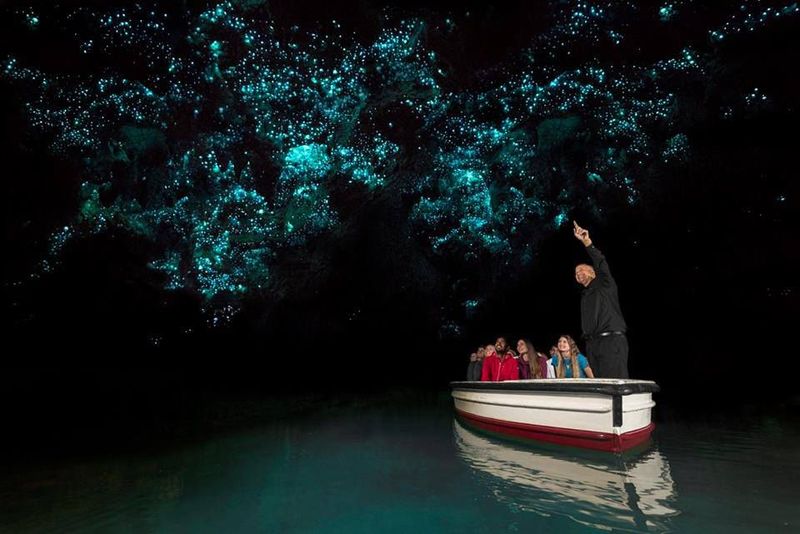
A ceiling full of tiny living lights makes a boat ride here feel like drifting beneath the stars. The glow comes from the larvae of a native fungus gnat, not actual worms.
Guided visits explain the limestone landscape before reaching the famous grotto. Keep your voice low and follow photography rules, which protect the experience and its delicate residents.
Book ahead during busy periods, and check which tour suits your group before making travel plans there.
5. Salt Cathedral of Zipaquira, Colombia
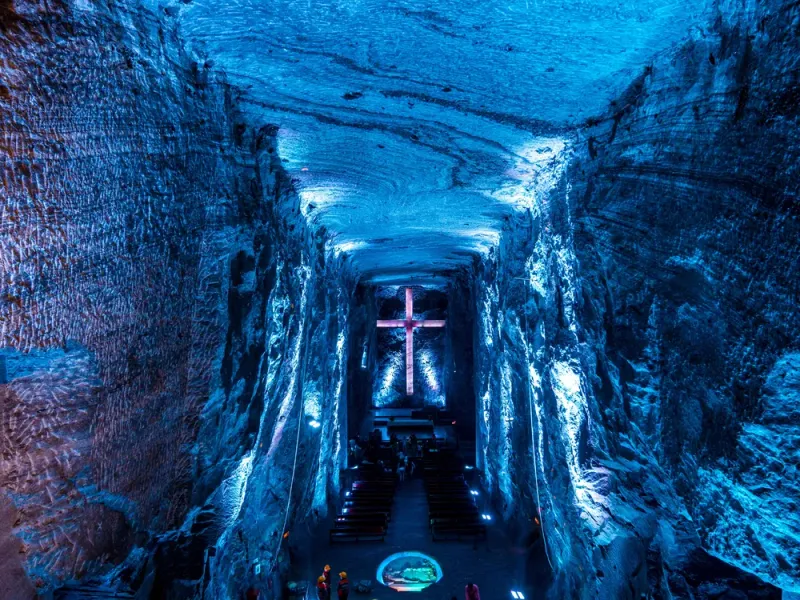
Few church entrances lead you this far into a mountain. Near Bogota, a former salt mine holds a vast Catholic sanctuary where glowing crosses and carved chambers create a powerful sense of space.
The visitor route follows the Stations of the Cross before reaching the main worship area. Allow time to walk slowly and absorb the changing light.
Shoes with good grip are useful, and respectful clothing is appropriate because religious services still take place here.
6. Coober Pedy’s Underground Homes, Australia
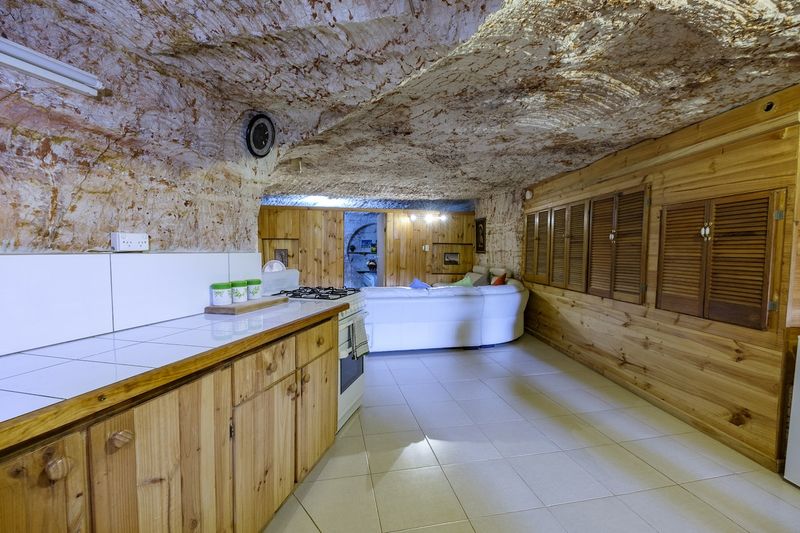
When the desert gets brutally hot, heading underground becomes a sensible housing choice. In Coober Pedy, dugout homes, hotels, and churches use the earth’s steady temperatures to make daily life more comfortable.
Stay in underground accommodation to experience the difference yourself, then visit an opal museum or former mine. The surrounding mining landscape has dangerous open shafts, so stick to marked areas.
Carry water above ground, even when your room below feels wonderfully cool and sheltered.
7. Naica’s Cave of the Crystals, Mexico
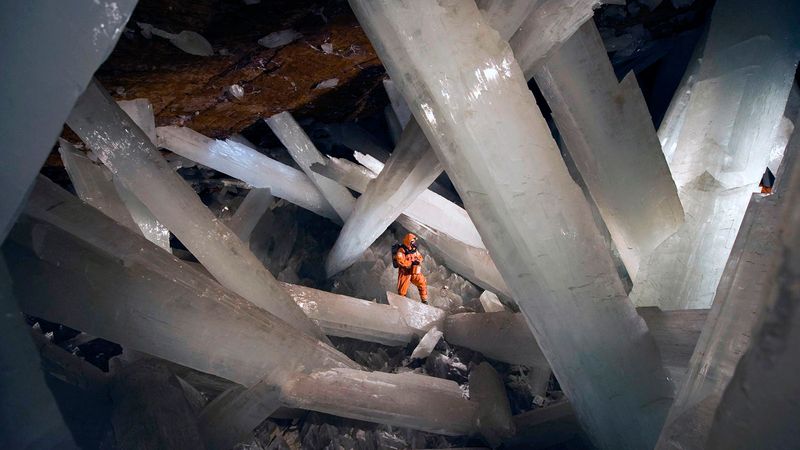
Giant crystal beams cross this chamber like something from another planet. Hidden beneath the Naica mine in Chihuahua, the cave contains enormous selenite crystals that grew in warm, mineral rich groundwater over immense stretches of time.
However, this is not a regular tourist attraction. Extreme heat, humidity, and restricted access make casual visits impossible.
Appreciate it through museum displays, photographs, and documentaries rather than planning an entry. Its beauty is remarkable, but safety comes before curiosity.
8. Mammoth Cave National Park, Kentucky
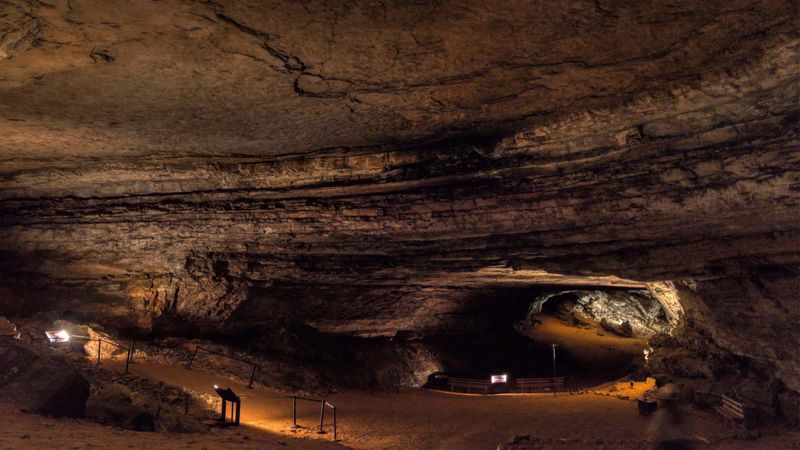
Size is the headline here: Mammoth Cave is the longest known cave system on Earth. Its mapped passages stretch for hundreds of miles, yet each guided route reveals a different piece of the underground landscape.
Some tours focus on broad chambers, while others involve steep stairs or tight spaces. Read route details before booking, especially when traveling with children.
Bring a jacket, follow shoe cleaning instructions, and leave every rock exactly where you originally found it.
9. Eisriesenwelt Ice Cave, Austria
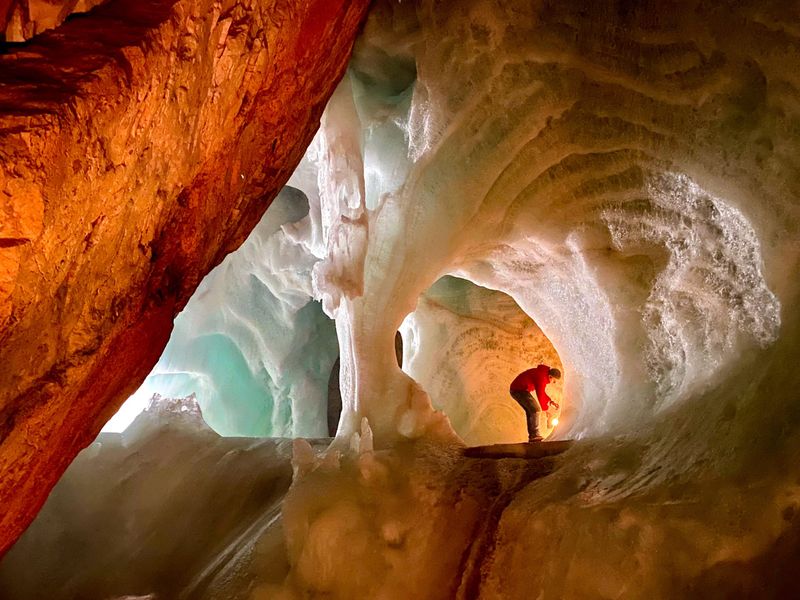
Winter seems to have settled permanently inside this Austrian mountain. Near Werfen, Eisriesenwelt protects a vast cave system whose visitor section features sweeping ice formations shaped by freezing water and seasonal air movement.
Reaching the entrance involves walking, even when using the cable car. Inside, expect many steps and temperatures around freezing.
Wear warm layers and sturdy footwear rather than summer sandals. Check seasonal opening dates and weather conditions before setting off into the mountains that morning.
10. Churchill War Rooms, England
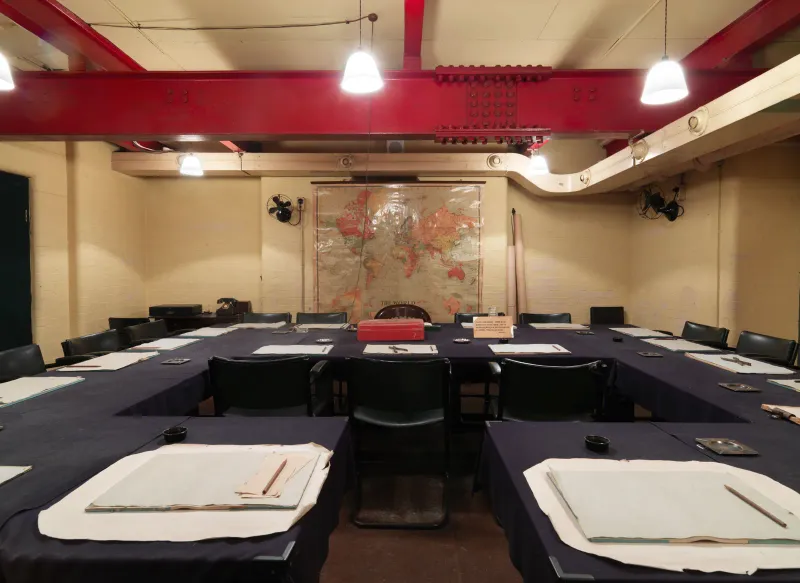
Maps, telephones, and cramped desks bring wartime decisions down to a human scale. Beneath Westminster, these protected rooms served as a working headquarters for Winston Churchill and his government during the Second World War.
The preserved spaces show how staff worked long hours without ordinary daylight. Book a timed ticket and leave enough time for the museum displays, not just the bunker rooms.
An audio guide helps connect everyday objects with the enormous pressures their users faced.
11. Dambulla Cave Temple, Sri Lanka
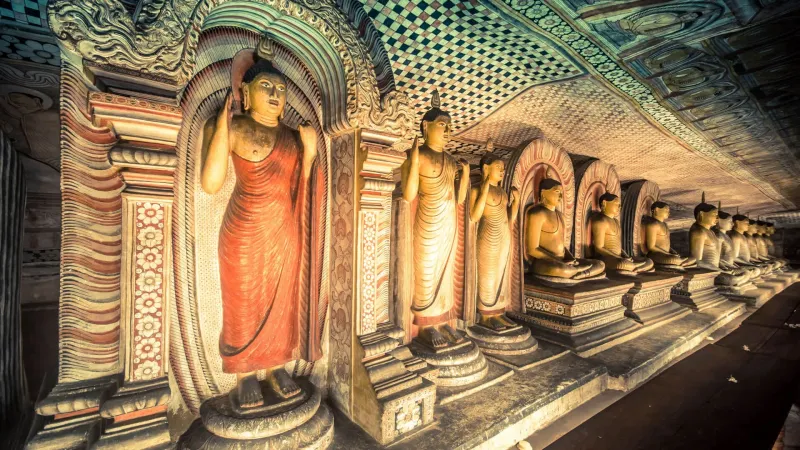
Painted ceilings turn natural rock into a rich storybook at this sacred complex in Dambulla. Buddha statues fill five main cave shrines, where centuries of art reflect Sri Lanka’s long Buddhist history.
Unlike deep mine tours, the visit includes a climb to hillside caves. Go early to avoid the strongest heat, cover your shoulders and knees, and remove shoes where required.
Carry socks if permitted, since exposed outdoor stone can become very hot beneath your feet.
12. Yucatan’s Cenotes, Mexico
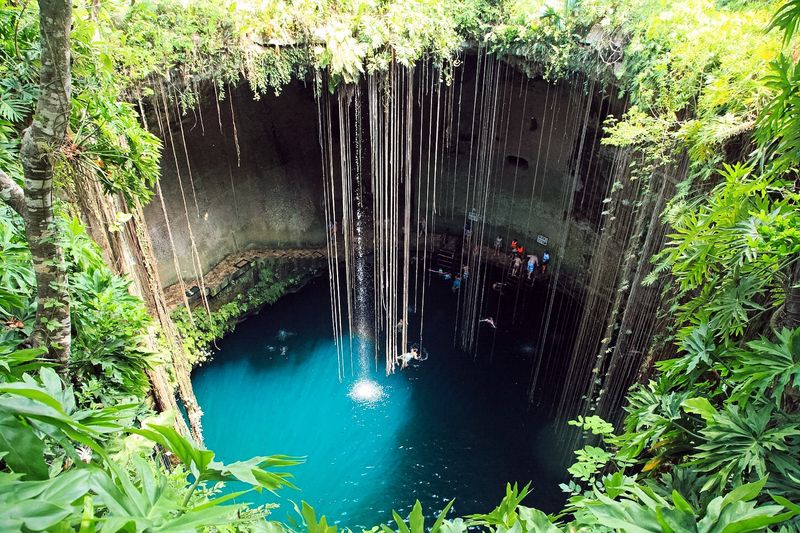
Sunlight spilling through a rocky opening can turn a freshwater pool into a brilliant blue window. Across Mexico’s Yucatan Peninsula, cenotes reveal water hidden beneath limestone, ranging from open sinkholes to enclosed cave pools.
Choose a managed swimming site with clear safety rules and wear a life jacket when required. Shower before entering to reduce pollution, and avoid touching formations.
Cave diving requires special training, so an ordinary swimming visit should never become an unplanned underwater exploration.
13. Edinburgh Vaults, Scotland
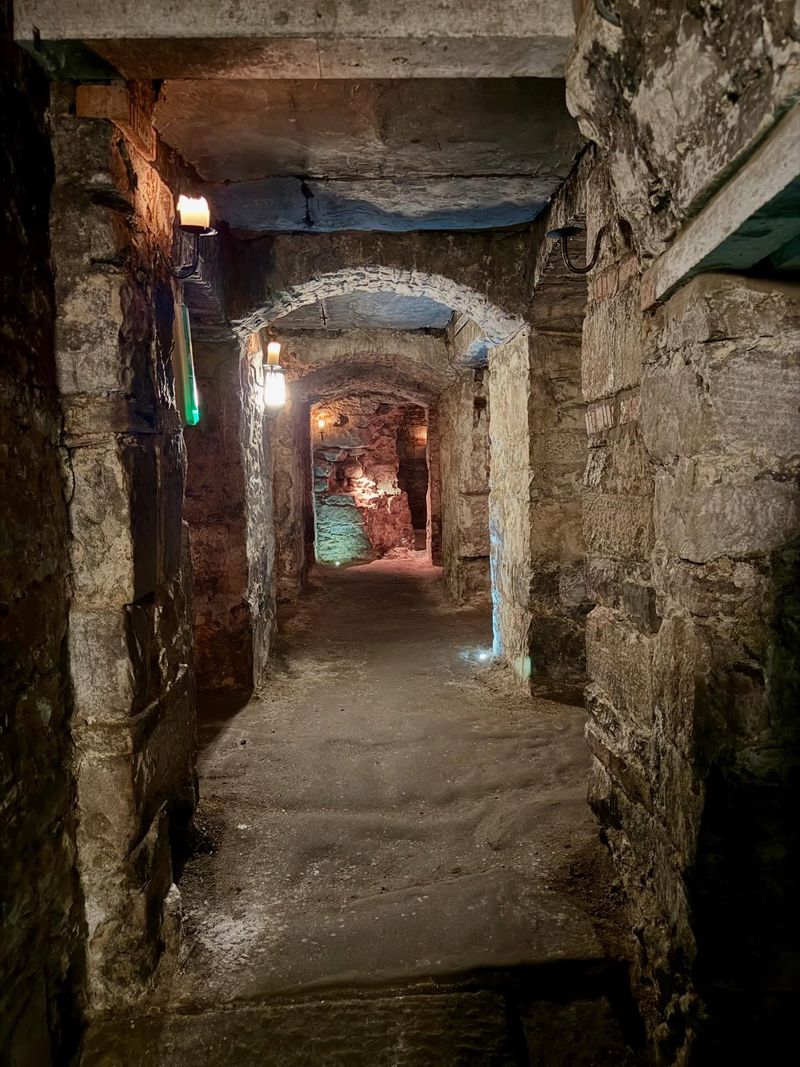
Ghost stories come easily in these dark stone chambers, but their real history is compelling enough. Built within the arches of South Bridge, the vaults once provided space for workshops, storage, and other city activities.
Damp conditions made them difficult places to use. Today, guided tours mix local history with tales of hauntings, so choose the style you prefer.
Wear practical shoes for uneven floors, and treat supernatural claims as storytelling rather than established historical fact.
14. Cu Chi Tunnels, Vietnam
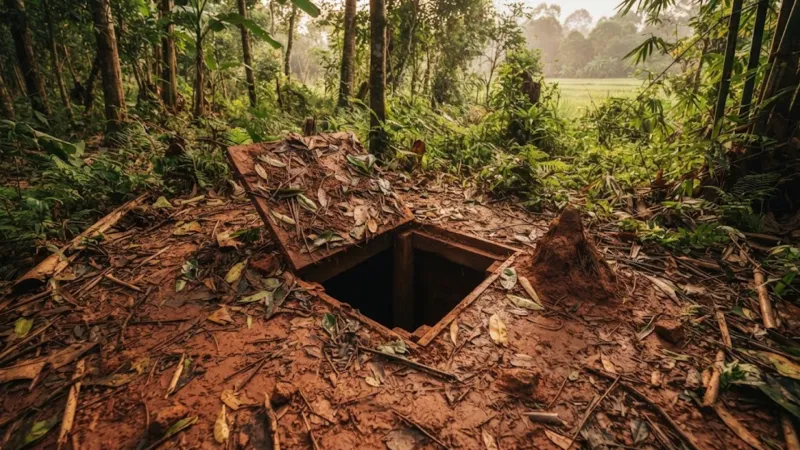
A small opening in the earth reveals how difficult wartime life could be. Near Ho Chi Minh City, the Cu Chi tunnel sites explain how fighters used underground routes, shelters, kitchens, and storage spaces during conflict.
Some sections have been adapted for visitors, but crawling through them can still feel hot and cramped. You can skip entering and learn from surface exhibits instead.
Approach the visit as a lesson in history, with respect for everyone who suffered.
15. Patagonia’s Marble Caves, Chile
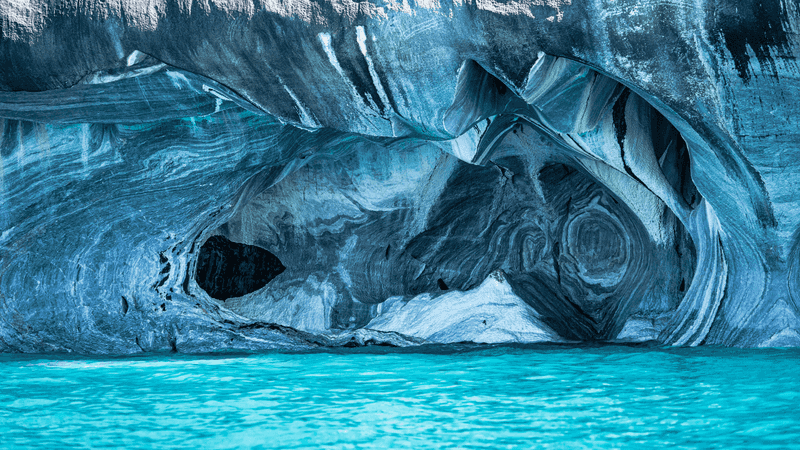
Blue water paints moving reflections across pale marble walls in this lakeside wonder. On Chile’s Lake General Carrera, waves have shaped caves, columns, and graceful openings that visitors reach by small boat or kayak.
These are shoreline caverns rather than deep underground passages, but their enclosed spaces feel wonderfully hidden. Book with a responsible local operator and expect weather changes.
Calm conditions make access safer, while light and water levels influence the colors you will see.
16. Ruby Falls, Tennessee
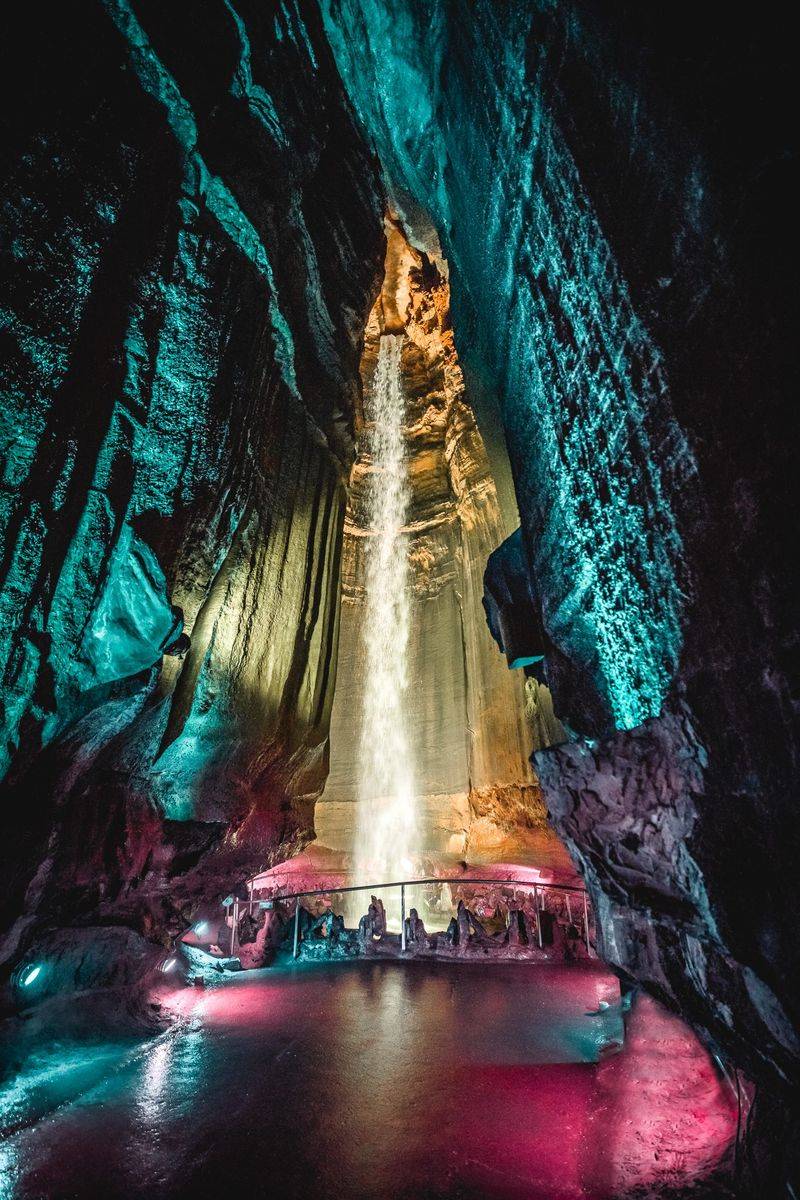
The sound of falling water provides a dramatic reward after a walk inside Lookout Mountain. Ruby Falls drops about 145 feet into a cave chamber beneath Chattanooga, creating a striking centerpiece for a guided visit.
An elevator takes visitors down before the walking portion begins. Reserve ahead and read accessibility details, since underground paths have limits that may affect your group.
Expect a managed attraction with lighting and scheduled tours rather than a quiet wilderness cave experience.
17. Louisville Mega Cavern, Kentucky
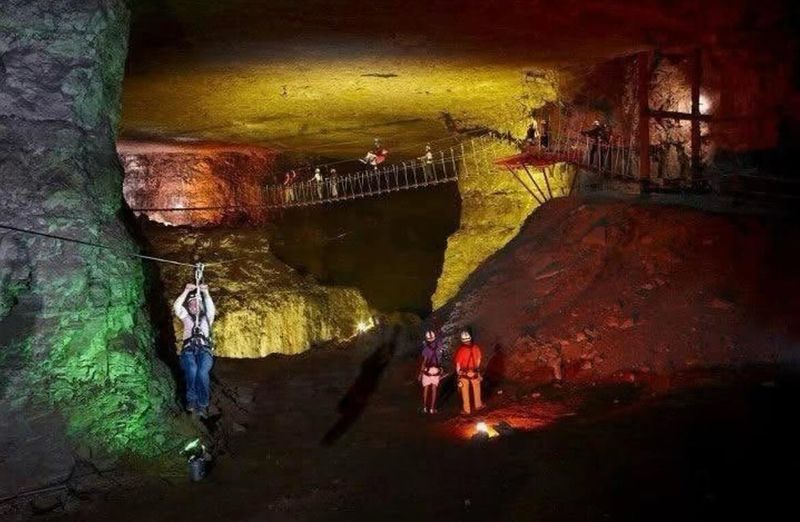
Ziplining usually brings treetops to mind, not a ceiling of solid rock. Louisville Mega Cavern turns a former limestone mine into an adventure venue, with activities that give its enormous underground spaces a playful new purpose.
Depending on current offerings, visitors can choose guided rides or more active experiences. Check age, weight, and health requirements before paying for an activity.
Closed shoes are essential for adventure options, and reservations help avoid disappointment during busy family travel periods.
18. Forestiere Underground Gardens, California
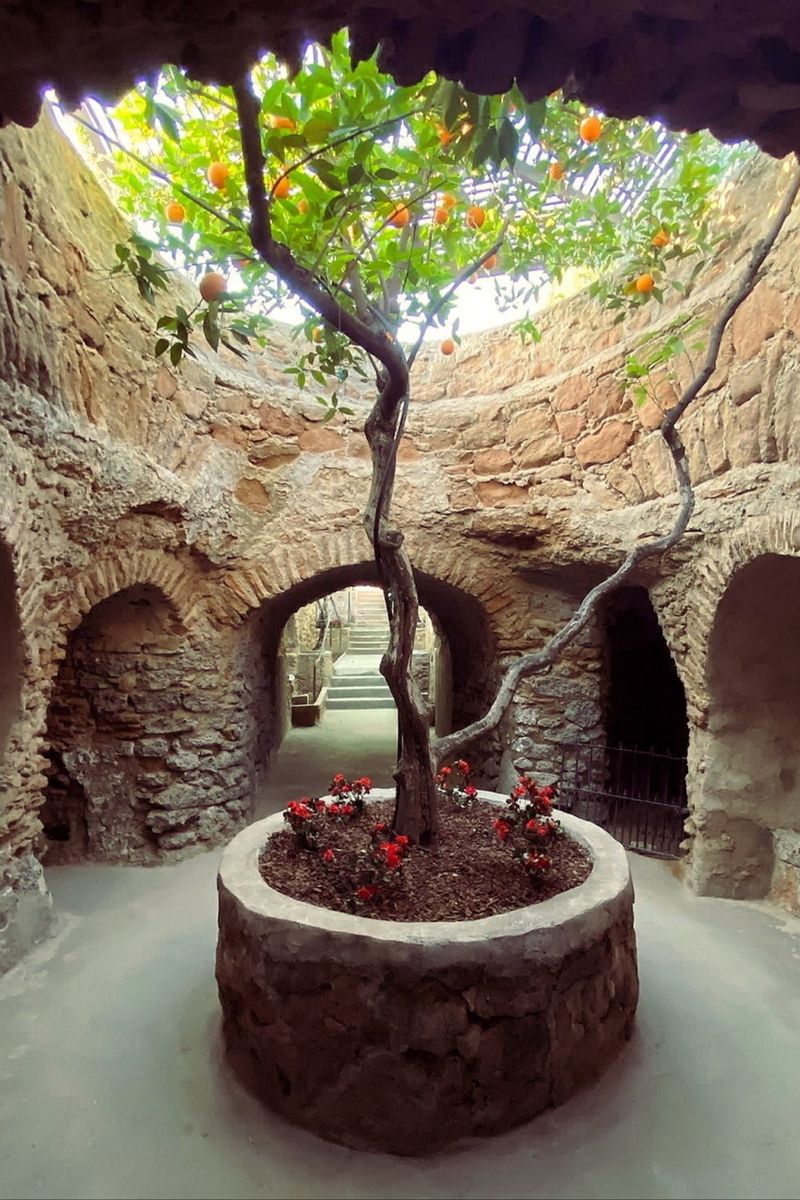
One man’s answer to Fresno’s summer heat became an extraordinary garden beneath the surface. Baldassare Forestiere spent decades creating rooms, passages, and open courtyards by hand, giving fruit trees access to sunlight through carefully placed openings.
The result feels both practical and deeply personal. Join a guided tour to understand how the layout manages shade, airflow, and growing space.
Check seasonal hours before visiting, and wear shoes suitable for rough paths through this unusual living historic site.
19. Salzwelten Hallstatt, Austria
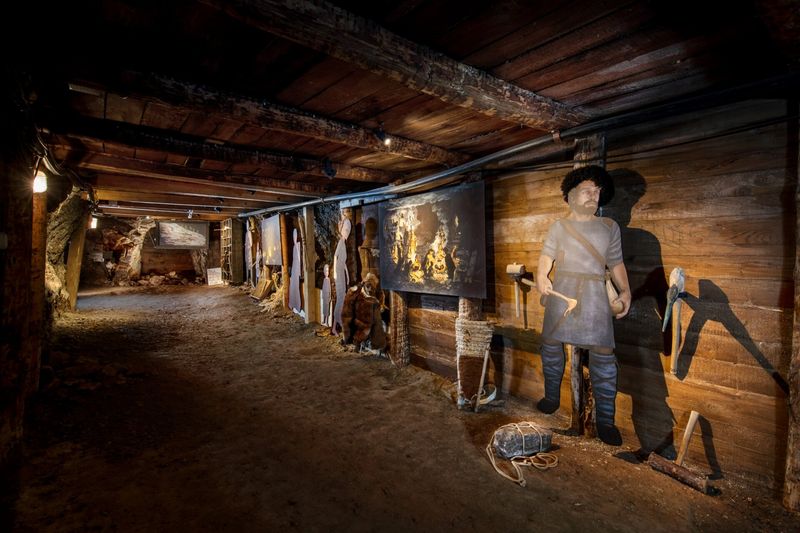
Salt helped make this lakeside region wealthy long before modern tourism arrived. Above Hallstatt, the historic mine introduces visitors to a mining story that reaches back thousands of years, with underground displays and traditional miners’ slides.
Access arrangements and opening periods can change, especially during major construction work, so confirm the official schedule before planning around it. When tours operate, follow clothing instructions and allow time for the mountain journey as well as the underground visit itself.