
Turkish food has a story that stretches back hundreds of years, from busy Ottoman palace kitchens to simple village homes. Many of the dishes families eat today were enjoyed by their great-great-grandparents too.
Learning about them is like opening a tasty history book. Get ready to discover the meals that have kept Turkish tables full and happy for centuries.
1. Doner Kebab
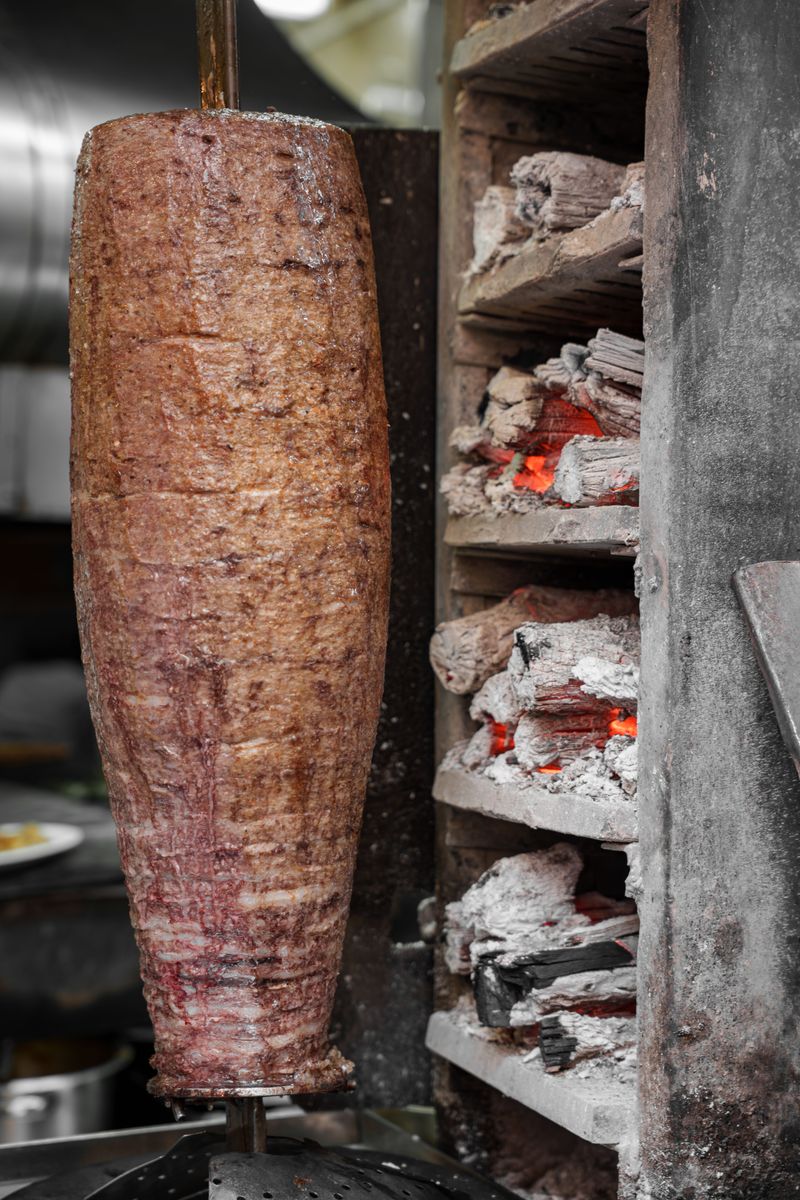
Picture a tall tower of seasoned meat slowly spinning beside a glowing grill. Cooks in Bursa made doner famous in the 1800s by turning the spit upright instead of sideways.
Thin slices are shaved off as the outside turns crispy, then tucked into bread or served over rice. Want the true experience?
Ask for it with sumac onions and grilled peppers on the side. The tangy crunch makes every bite even better.
2. Iskender Kebab
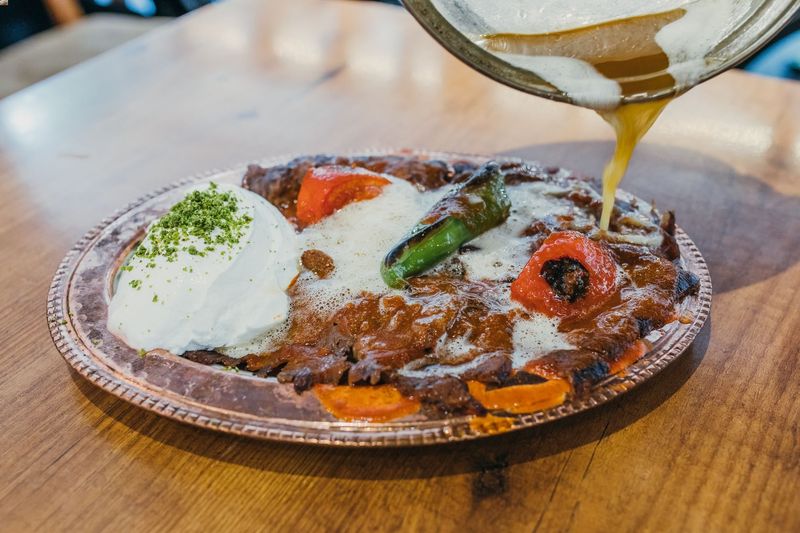
Back in 1867, a man named Iskender Efendi had a delicious idea in the city of Bursa. He layered thin doner slices over chopped pita bread and poured warm tomato sauce on top.
Then came the showstopper. A waiter pours sizzling melted butter right at your table, and it crackles loudly.
A scoop of cool yogurt sits on the side to balance the richness. Fun fact: his family still runs restaurants today.
3. Baklava
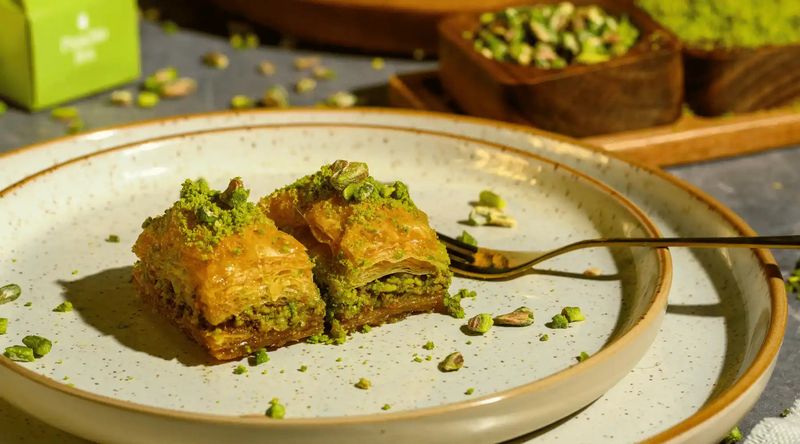
Ottoman sultans loved baklava so much that they gifted trays of it to palace soldiers every Ramadan. That tradition even had a parade name: the Baklava Procession.
Each piece hides dozens of paper-thin dough sheets, crushed pistachios or walnuts, and sweet syrup. Gaziantep is famous for the best version.
Here is a tip from locals. Eat it upside down so the crunchy top hits your tongue first.
4. Manti
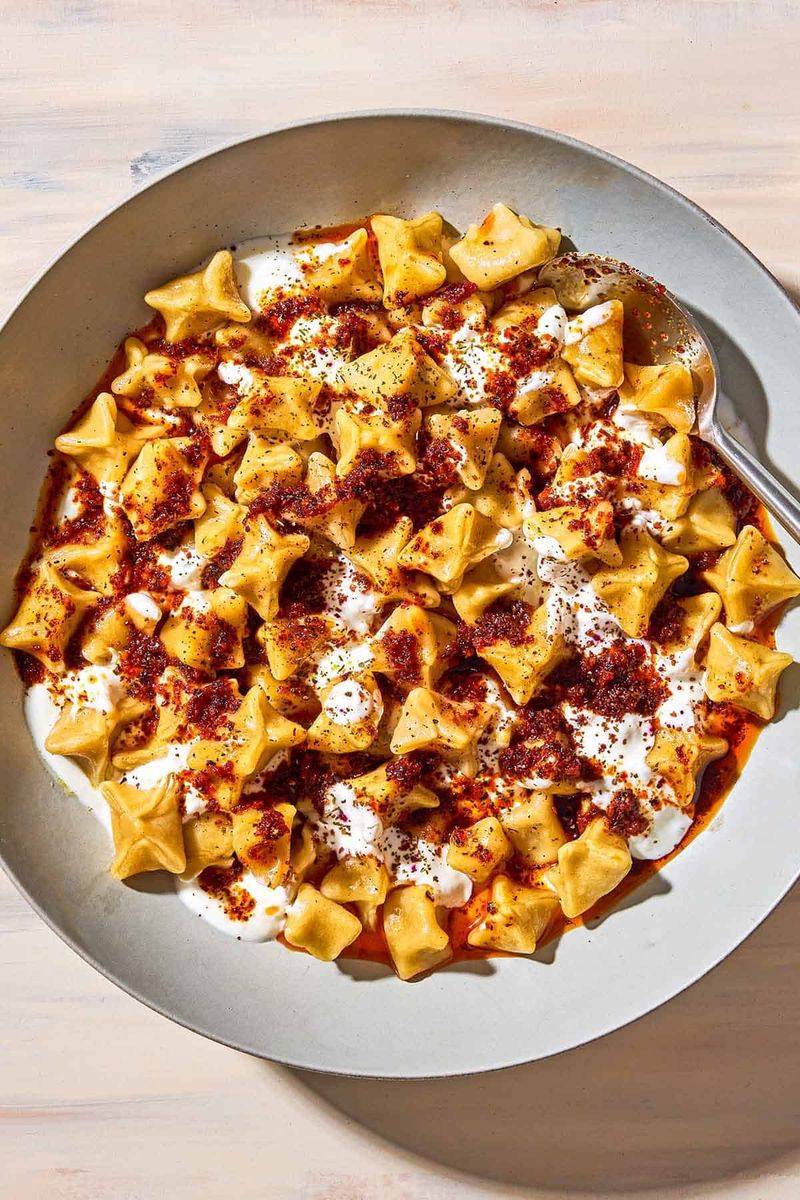
Some say a true Kayseri bride once had to fit forty tiny manti dumplings onto a single spoon. That was how cooks proved their skill!
These little meat-filled pockets traveled with Turkic tribes along the Silk Road long ago. Today they are boiled and topped with garlicky yogurt and melted butter swirled with red pepper.
Making them takes patience, so gather friends or family and turn folding into a fun group project.
5. Lahmacun
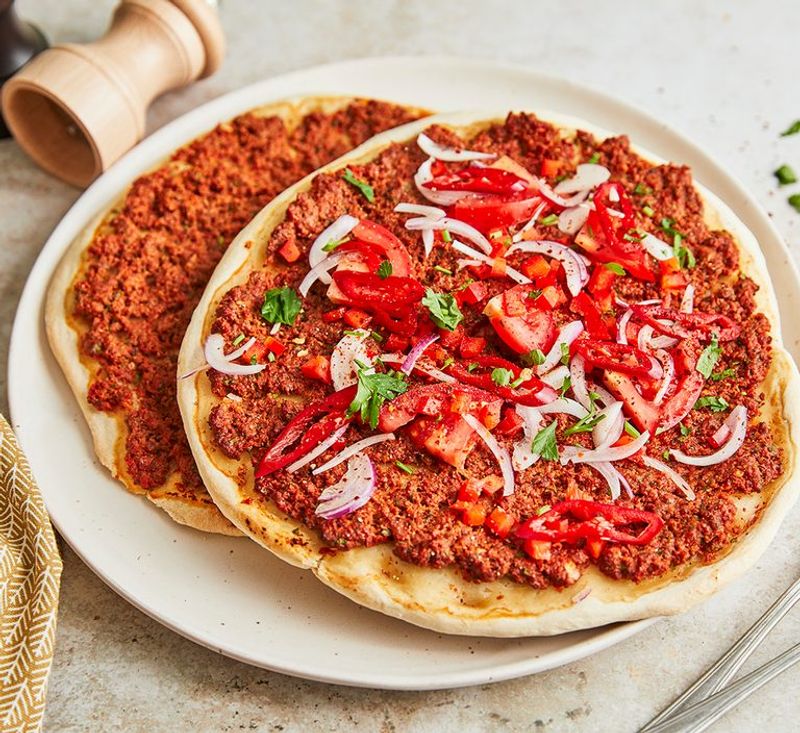
Folks sometimes call it Turkish pizza, but lahmacun proudly follows its own rules. No cheese here, just a thin, crispy flatbread spread with spiced minced meat, tomatoes, and peppers.
Bakers in southeastern Turkey have made it in stone ovens for generations. To eat it the classic way, squeeze lemon on top, add parsley and onions, then roll it up like a wrap.
It is quick, cheap, and wonderfully messy.
6. Imam Bayildi
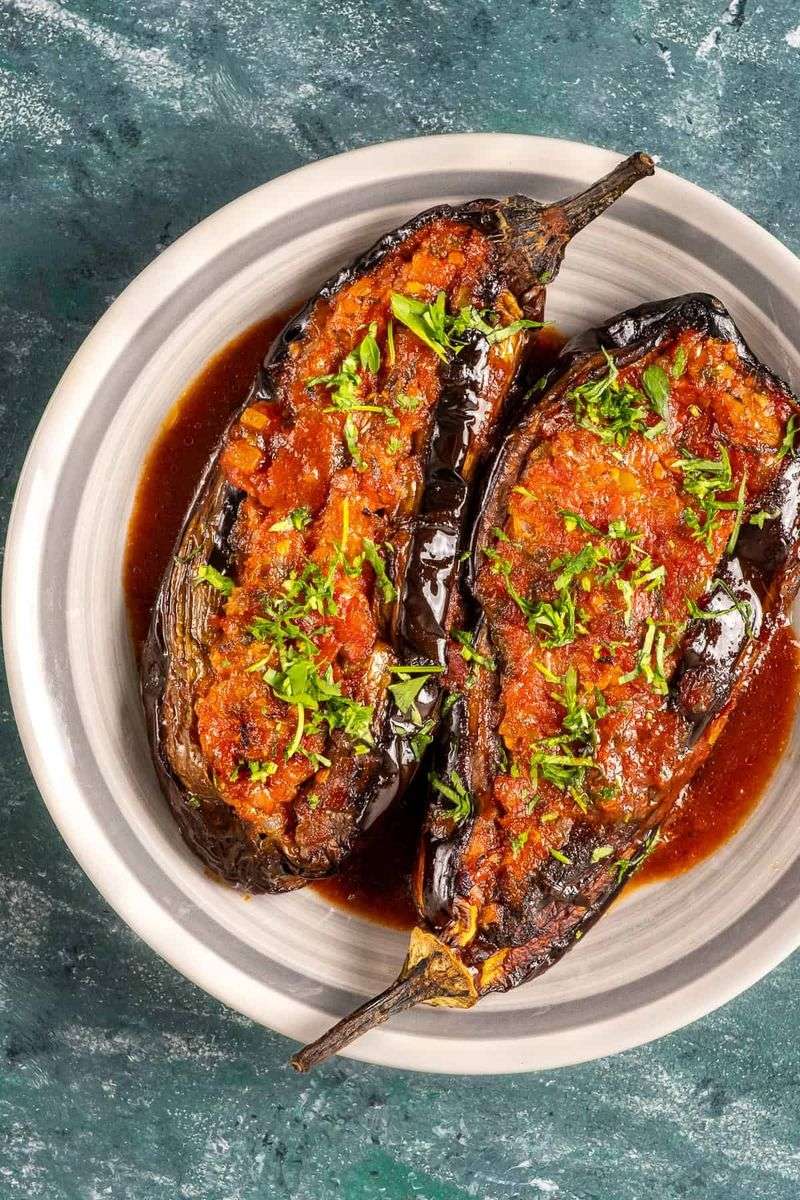
The name means the imam fainted, and the legend behind it is pretty funny. One story says a religious leader passed out because the dish tasted so amazing.
Another tale claims he fainted after learning how much pricey olive oil his wife used! Either way, it features soft eggplant stuffed with onions, garlic, and tomatoes.
It is served cool or at room temperature, which makes it a great summer pick.
7. Dolma and Sarma
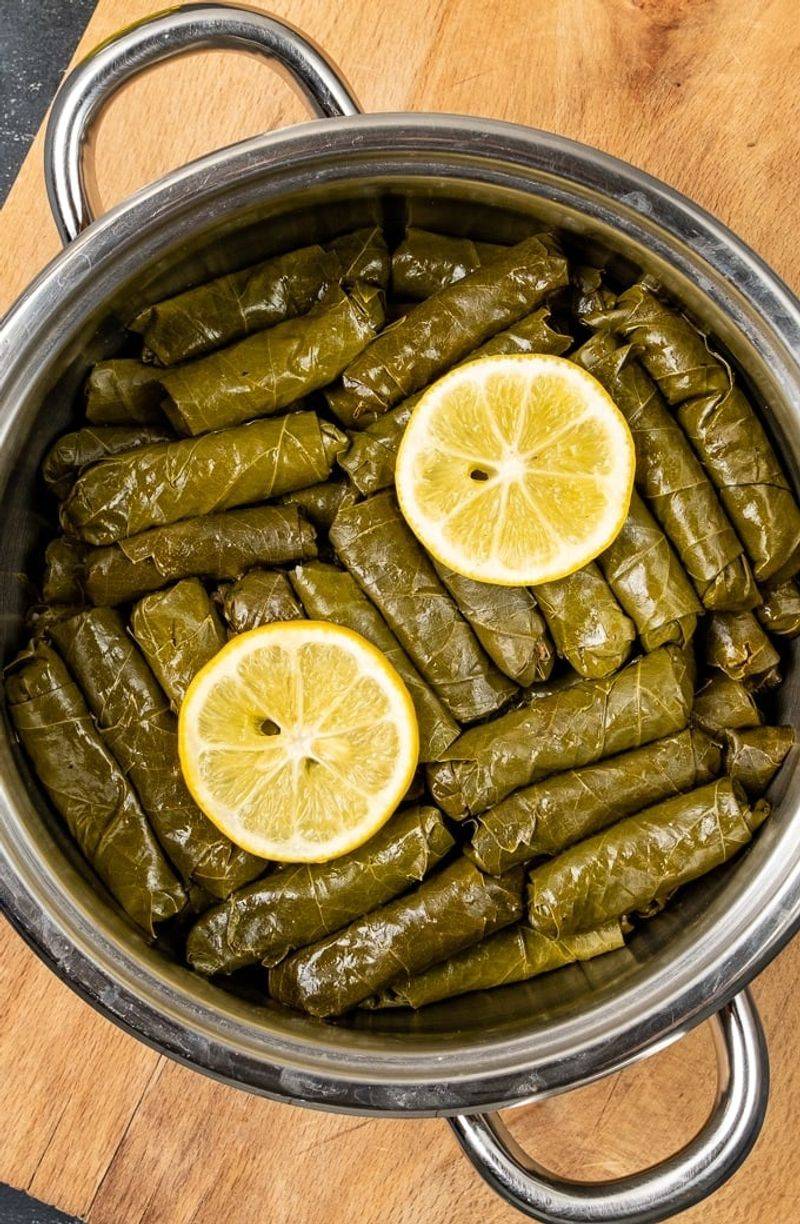
Grandmothers across Turkey can roll grape leaves faster than most people can tie their shoes. Sarma means wrapped, while dolma means stuffed, and both were palace favorites.
Fillings usually include rice, pine nuts, herbs, and sometimes currants or ground meat. Vegetables like peppers and zucchini get the stuffing treatment too.
Try making a small batch at home. Rolling them tightly keeps the filling from escaping while they simmer.
8. Menemen
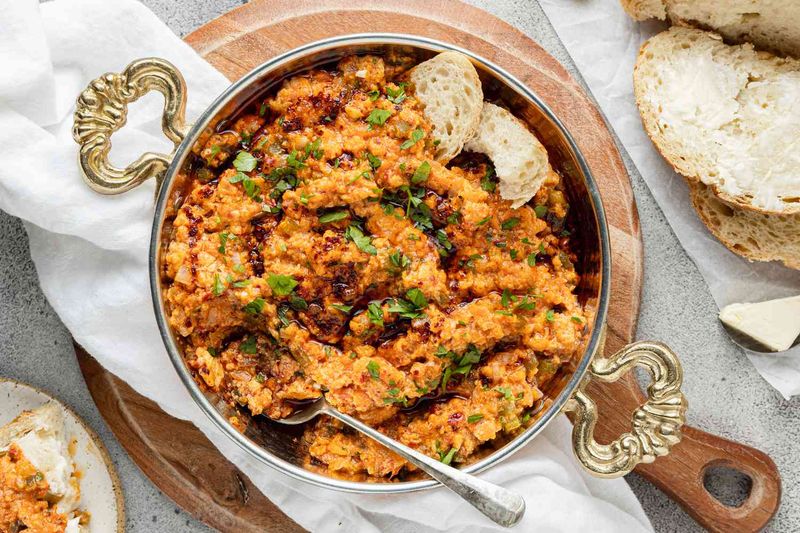
Sunday mornings in Turkey often smell like menemen. Eggs get gently scrambled with juicy tomatoes, green peppers, and a little olive oil in a small pan.
Families argue playfully about one big question: should onions go in or not? Everyone has a strong opinion!
The dish arrives bubbling at the table, and people scoop it up with fresh bread. It is simple, cozy, and easy enough for beginner cooks to master.
9. Mercimek Corbasi
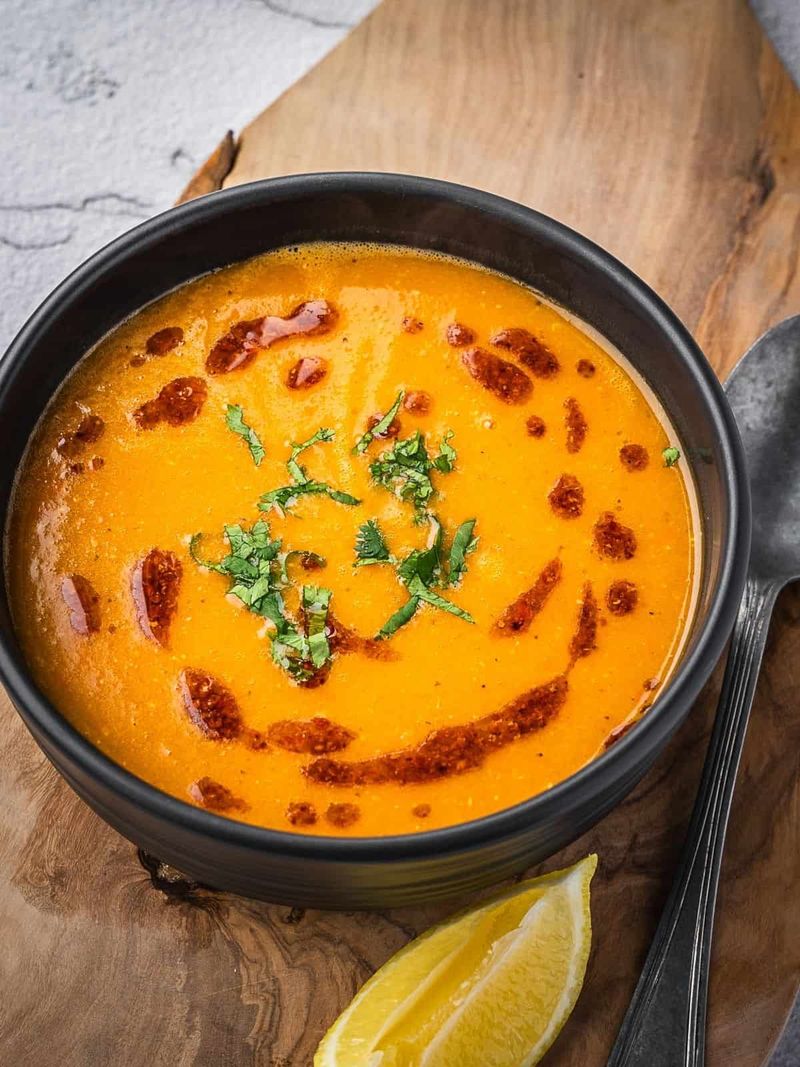
Feeling under the weather? Many Turkish moms will hand you a bowl of red lentil soup before you even finish sneezing.
Lentils, onions, carrots, and a bit of cumin cook down into a silky orange soup. A drizzle of red pepper butter and a squeeze of lemon finish it off.
Lentils have been grown in Anatolia for thousands of years, so this comforting bowl carries truly ancient roots.
10. Kuru Fasulye
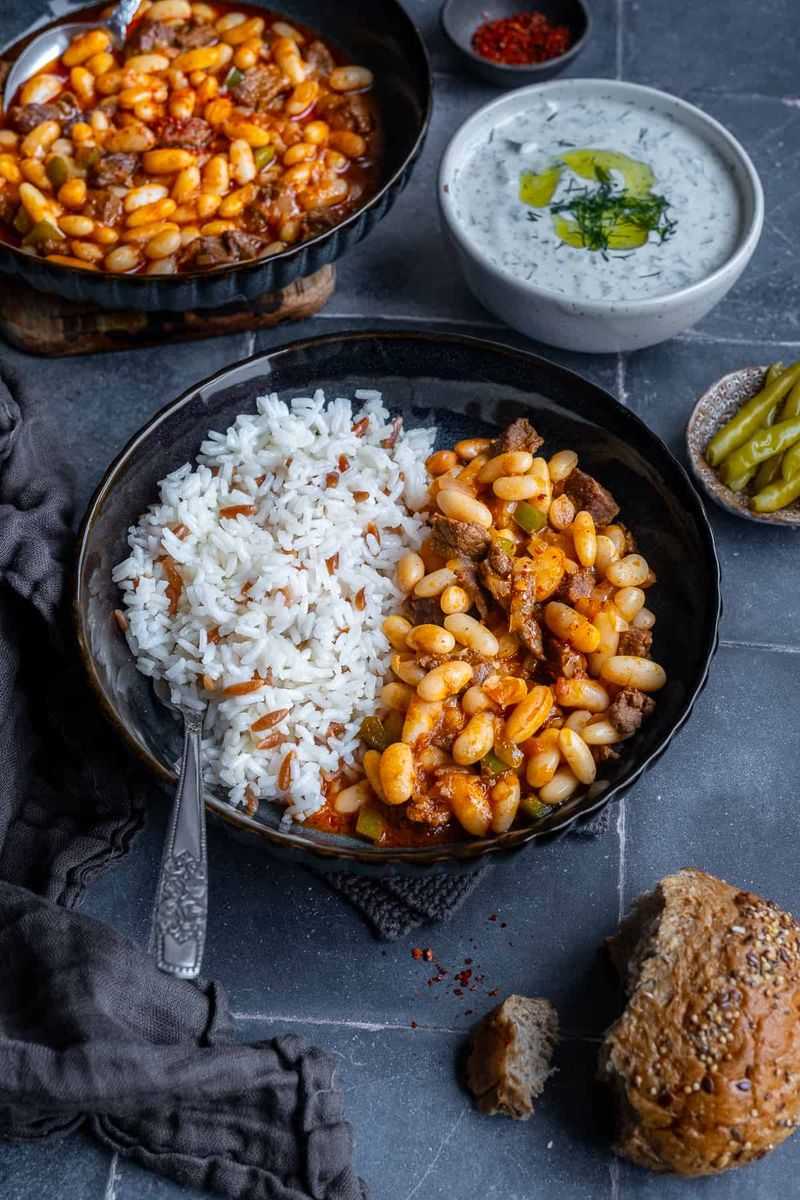
Ask anyone in Turkey to name a national dish, and kuru fasulye pops up a lot. It is a hearty stew of white beans cooked in tomato sauce, sometimes with meat.
Pair it with buttery rice pilaf and crunchy pickles, just like workers have done for decades. The beans became popular in the Ottoman era after arriving from the Americas.
Soaking them overnight makes cooking quicker and texture smoother.
11. Hunkar Begendi
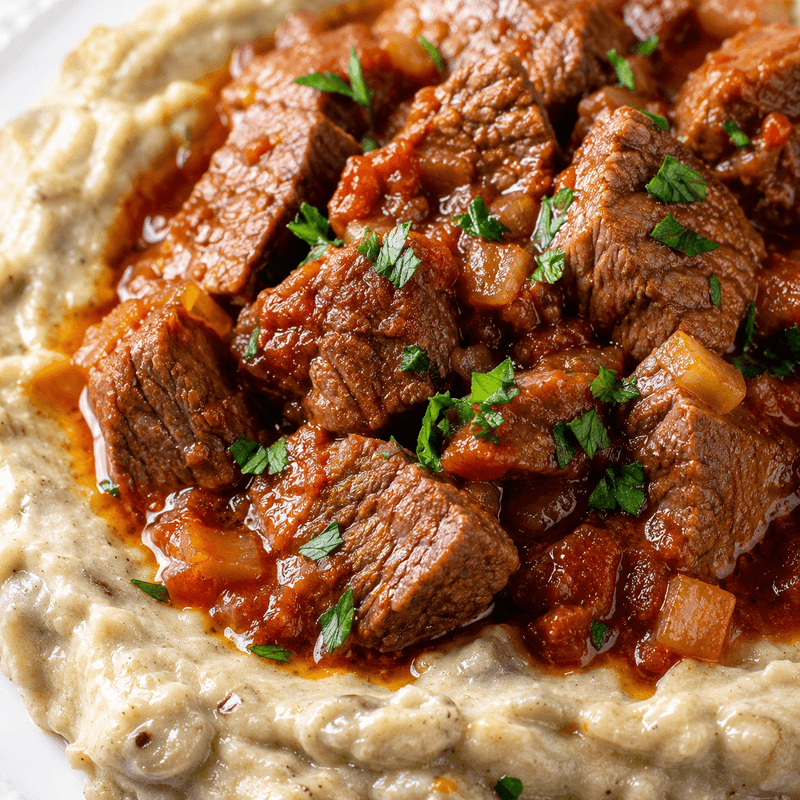
Royalty approved! The name means the sultan liked it, and palace chefs proudly served it to important guests.
Tender lamb stew sits on a cloud of creamy smoked eggplant blended with milk and cheese. Legend links it to a visit by French Empress Eugenie in 1869.
Smoking the eggplant over an open flame is the secret. That charred flavor turns a simple puree into something fancy and memorable.
12. Kofte
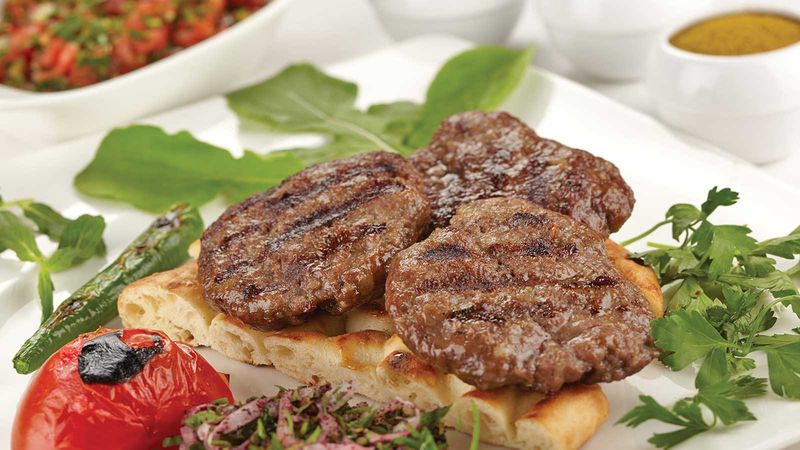
Almost every Turkish town has its own kofte style, and locals defend theirs fiercely. Some experts count close to 300 different versions!
Ground meat gets mixed with onion, breadcrumbs, and spices, then shaped and grilled. Inegol kofte is short and juicy, while Tekirdag kofte comes with spicy pepper sauce.
Planning a cookout? Chill the meat mixture for an hour before shaping.
It holds together much better on the grill.
13. Pide
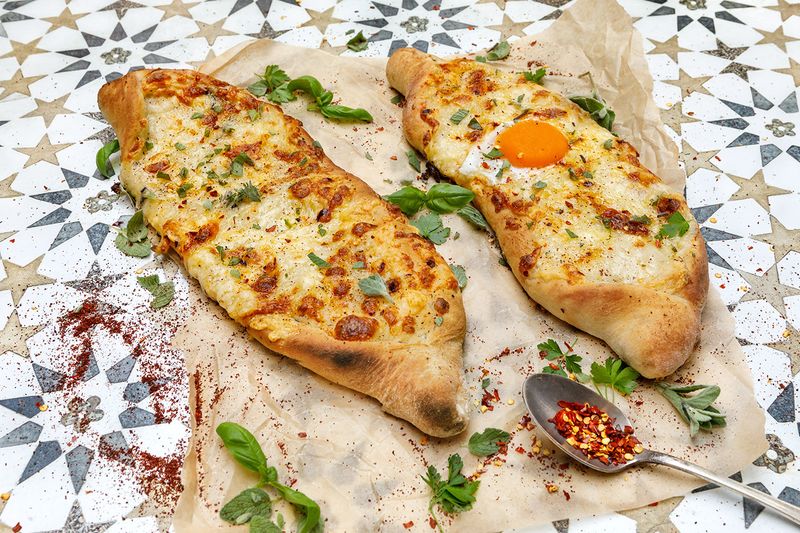
Shaped like a little boat, pide sails straight out of wood-fired ovens and into hungry hands. The Black Sea region is especially proud of this classic.
Toppings range from minced meat to cheese, spinach, or a cracked egg in the middle. Neighbors once brought their own fillings to the local baker to cook.
Fun idea: host a pide night where everyone chooses toppings and builds their own boat.
14. Simit
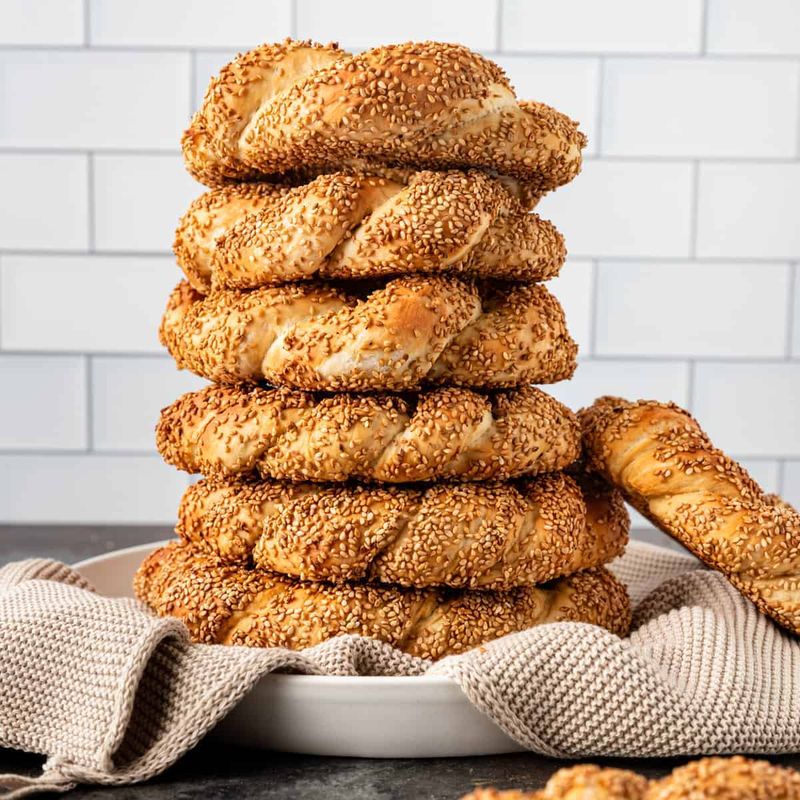
Walk through Istanbul at sunrise and you will spot vendors balancing trays of simit on their heads. Records show these sesame bread rings were sold in the city as early as the 1500s.
Dough is dipped in grape molasses, rolled in sesame seeds, then baked until golden. The outside crunches while the inside stays chewy.
Enjoy one with cheese and hot tea, or toss crumbs to seagulls by the water.
15. Turkish Delight
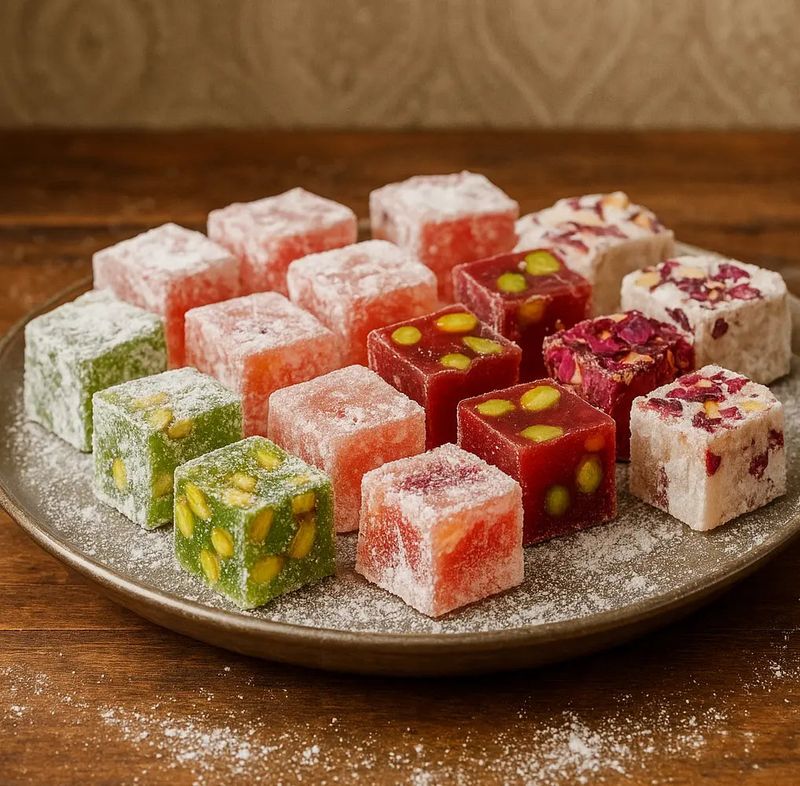
Remember the candy that tempted Edmund in The Chronicles of Narnia? That sweet treat was lokum, better known as Turkish delight.
Confectioner Haci Bekir made it famous in Istanbul back in 1777, and his shop still stands. Soft, chewy cubes come in rose, lemon, and pistachio flavors, all dusted with powdered sugar.
Pro tip: bring a box home as a gift, since it travels well and pleases nearly everyone.
16. Sutlac
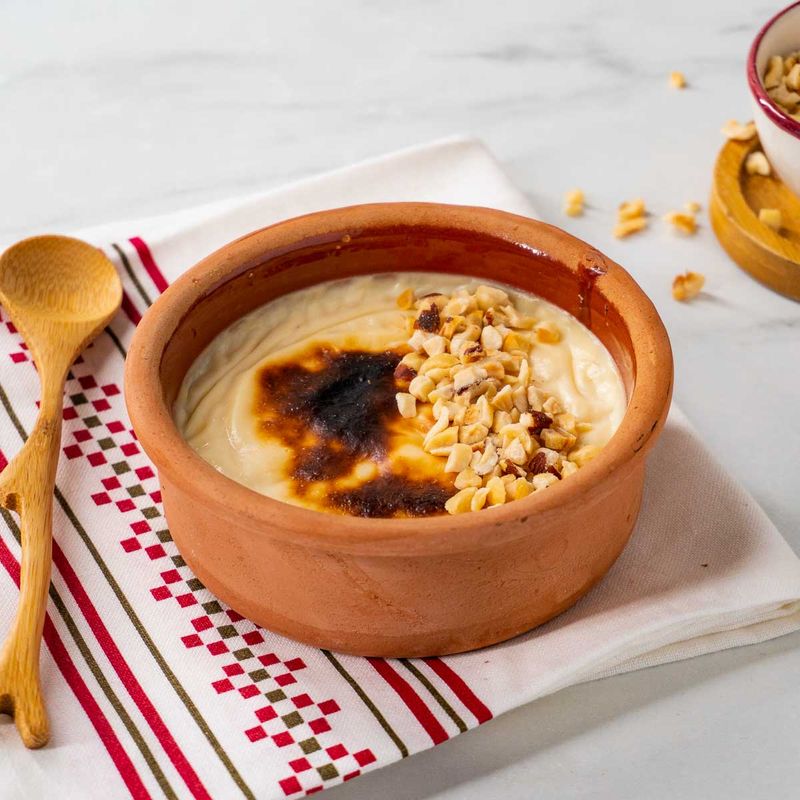
Creamy, gentle, and soothing, sutlac tastes like a warm hug in a bowl. Ottoman cookbooks mention rice pudding centuries ago, and it has stayed popular ever since.
Rice simmers in milk and sugar until thick. The best part comes next, when little clay bowls slide under the broiler to form a toasty brown top.
Sprinkle cinnamon or crushed hazelnuts over it. Serve it chilled for a refreshing dessert.
17. Asure
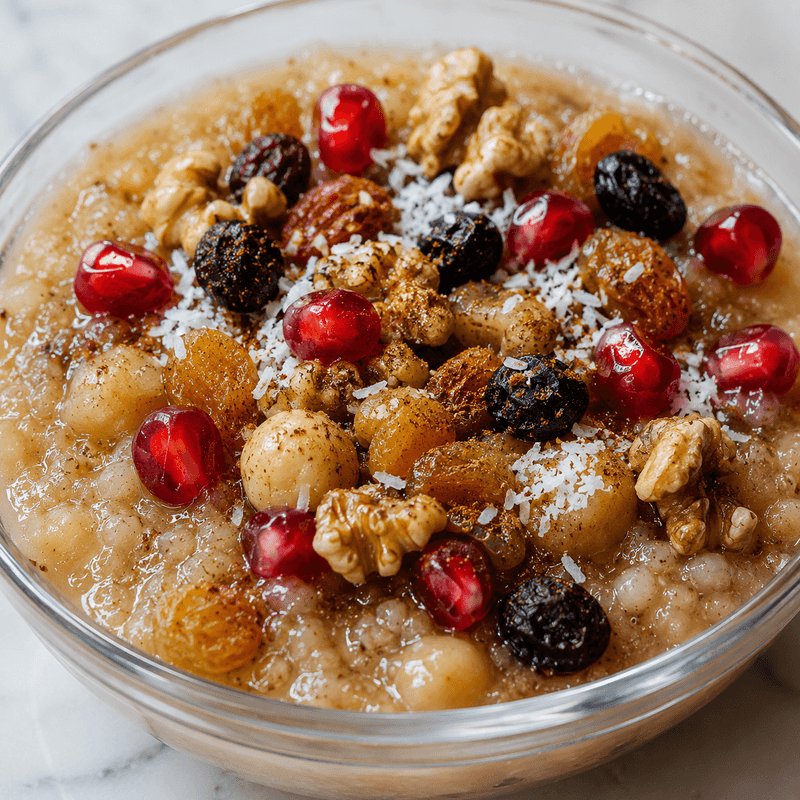
According to legend, Noah cooked the first asure on his ark using every leftover ingredient he could find. That is why people call it Noah’s pudding.
Wheat, beans, chickpeas, dried apricots, figs, and nuts all mix into one sweet dish. Families make huge pots each year and share bowls with neighbors as a sign of friendship.
It is a delicious lesson in kindness and sharing what you have.