
Food in Africa is about much more than filling your belly. Many dishes carry stories of kings, traders, family gatherings, and clever cooks who made the most of what they had.
Learning these stories helps you understand the people and places behind every bite. Grab a spoon and get ready to taste history from all over the continent.
1. Jollof Rice
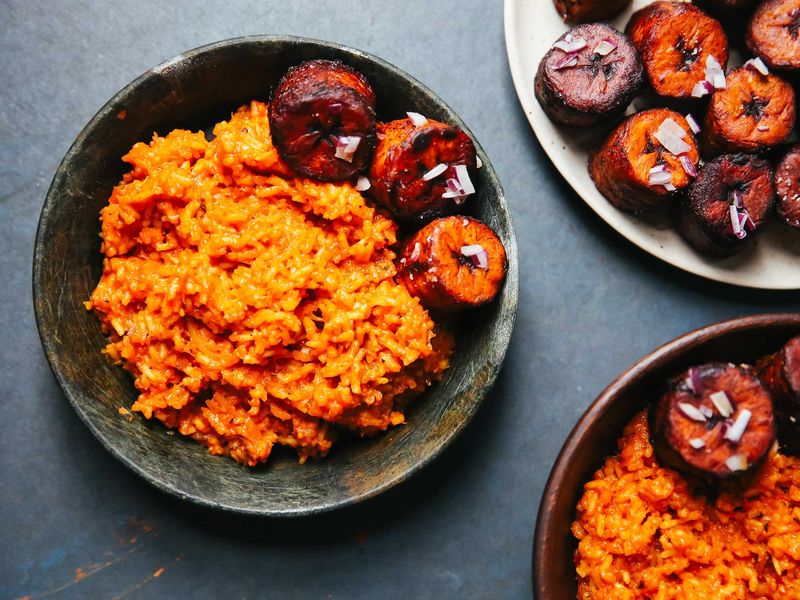
Few dishes spark friendly fights like jollof rice. Ghanaians and Nigerians argue online about who makes it best, and the debate even has a name: the Jollof Wars.
The recipe actually began with the Wolof people of Senegal, where it was called thieboudienne’s cousin. Rice is cooked in a rich tomato, pepper, and onion sauce.
Tip: let the bottom crisp a little. That smoky layer, called the party bottom, is a treasured prize.
2. Bunny Chow
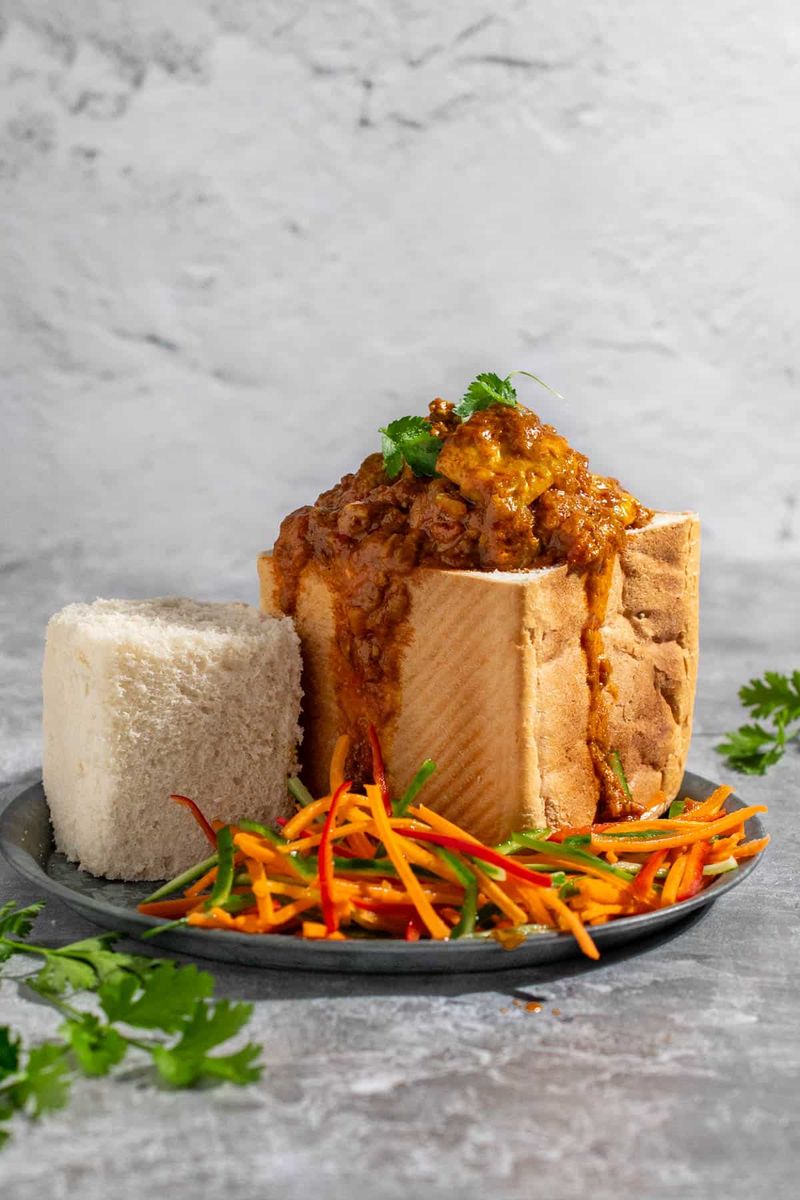
Imagine eating curry out of a loaf of bread instead of a bowl. That is bunny chow, a famous street food from Durban, South Africa.
Indian workers came to the region in the 1800s. During times of unfair laws, some people were not allowed inside certain restaurants, so cooks served curry in hollow bread to take away.
Today, people eat it with their hands. The soft bread soaks up every drop of spicy sauce.
3. Injera with Doro Wat
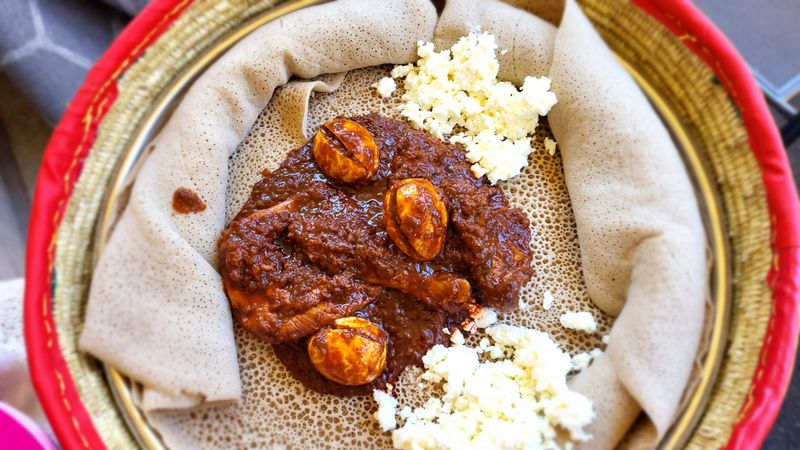
In Ethiopia, dinner is a team event. Families gather around one big round injera, a spongy sourdough flatbread made from a tiny grain called teff.
Doro wat, a spicy chicken stew with hard-boiled eggs, is often served on holidays. Cooking it can take many hours.
Here is a sweet custom called gursha. People feed bites to friends and family by hand to show love and respect.
It is a delicious way of saying you care.
4. Fufu
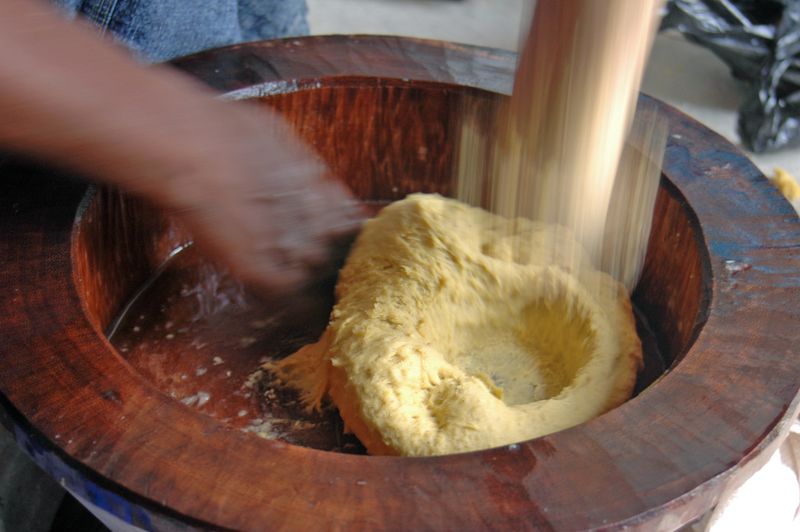
Thump, thump, thump. That steady beat you hear in many Ghanaian villages is the sound of fufu being made.
Cooks pound boiled cassava and plantain in a big wooden mortar until it becomes a stretchy, smooth dough. Often two people work together, one pounding and one turning the dough, with amazing timing.
You do not chew fufu much. Pinch off a piece, dip it into soup, and swallow.
It is surprisingly filling.
5. Bobotie
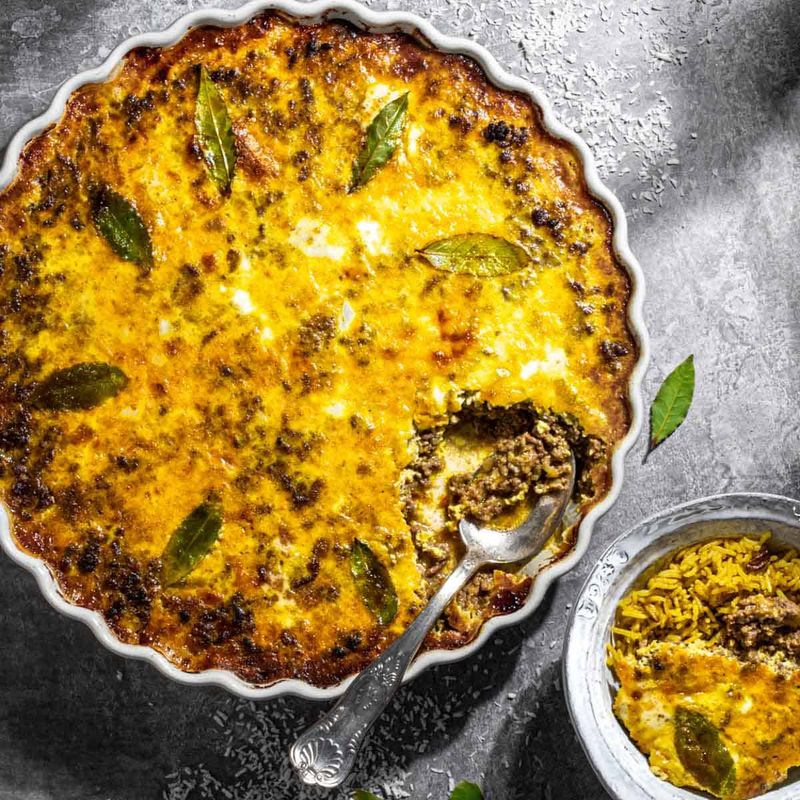
Sweet, savory, and a little spicy, bobotie tastes like a mix of cultures. That is because it is one.
This South African dish grew from Cape Malay cooks, whose ancestors were brought from Southeast Asia centuries ago. They blended curry spices with minced meat, dried fruit, and a golden egg topping.
Many families serve it with yellow rice and chutney. Some call it the national dish of South Africa, and it is easy to see why.
6. Couscous
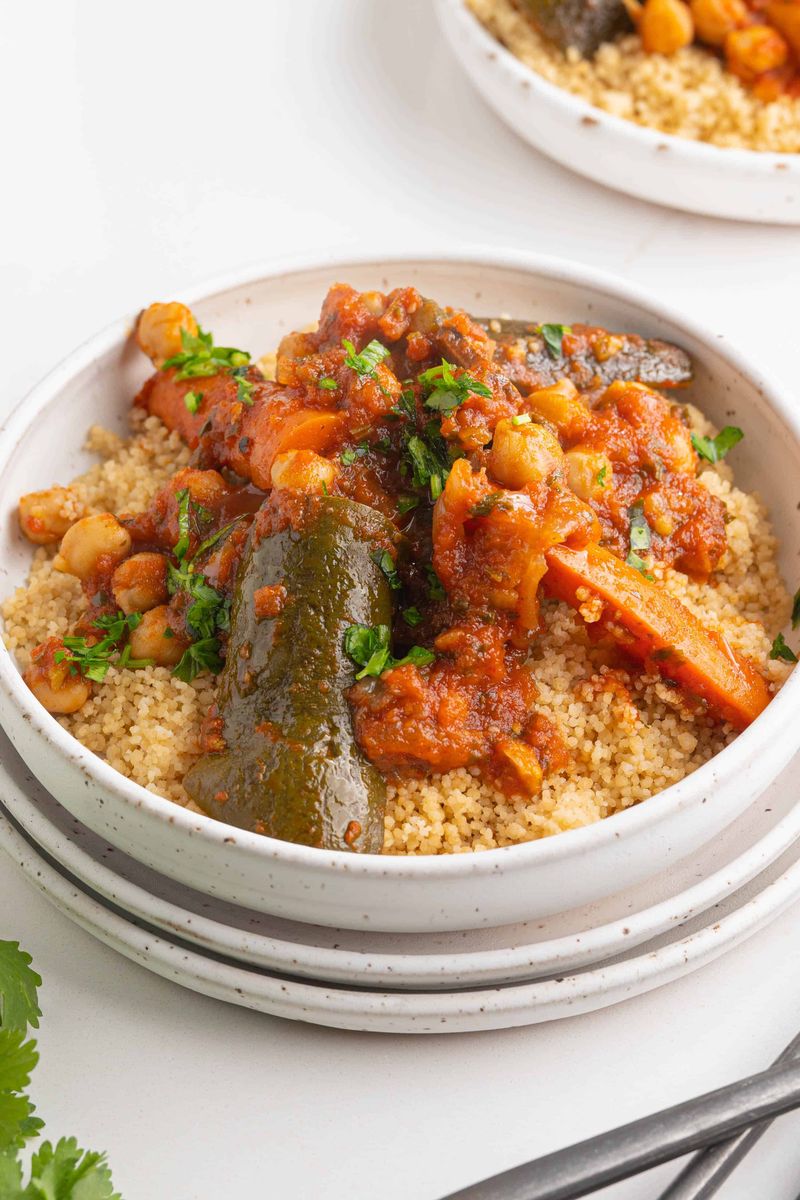
Every Friday, homes across Morocco smell wonderful. That is when families traditionally share a big platter of couscous after midday prayers.
The tiny grains come from semolina, rolled by hand and steamed over a pot of stew in a special pot called a couscoussier. Berber people have made it for over a thousand years.
In 2020, UNESCO honored couscous as part of world cultural heritage. Not bad for such a small grain!
7. Egusi Soup
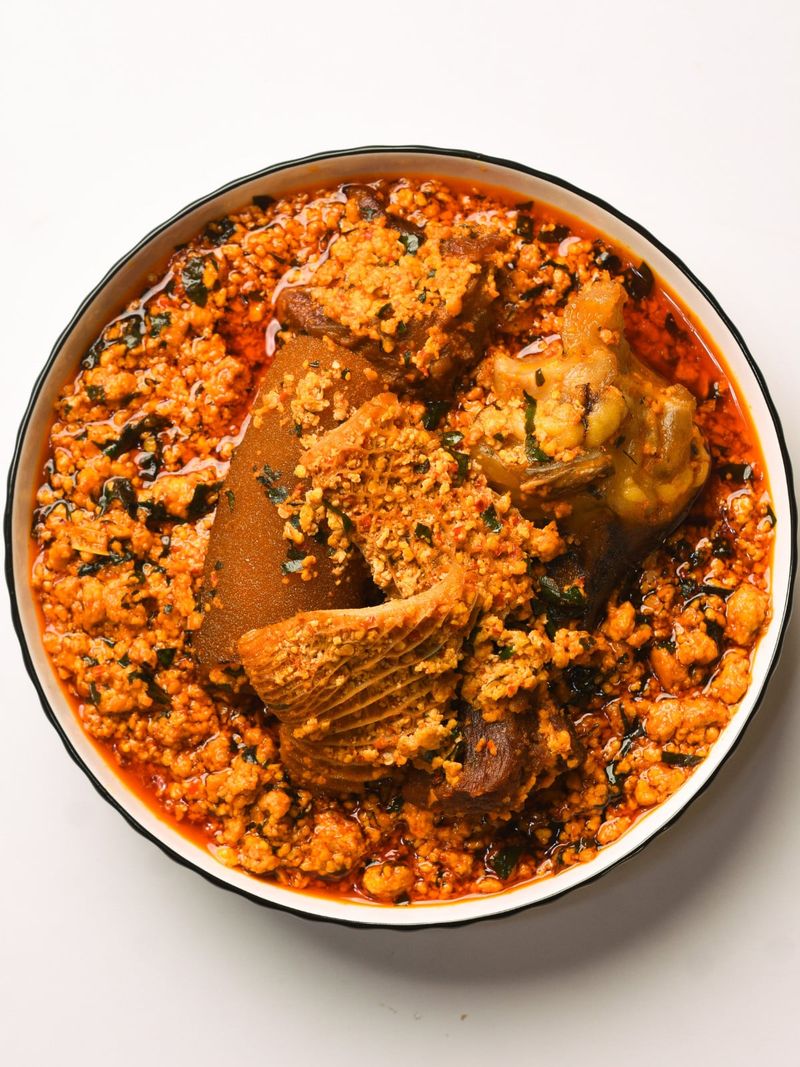
Ground melon seeds might sound odd in soup, but in Nigeria they are pure comfort. Egusi seeds come from a melon grown mostly for its seeds, not its fruit.
Cooks grind them and stir them into palm oil with leafy greens, peppers, and meat or fish. The seeds clump into soft, nutty bits.
Grandmothers often guard their egusi secrets closely. Try pairing it with pounded yam for a classic Sunday lunch.
8. Ugali
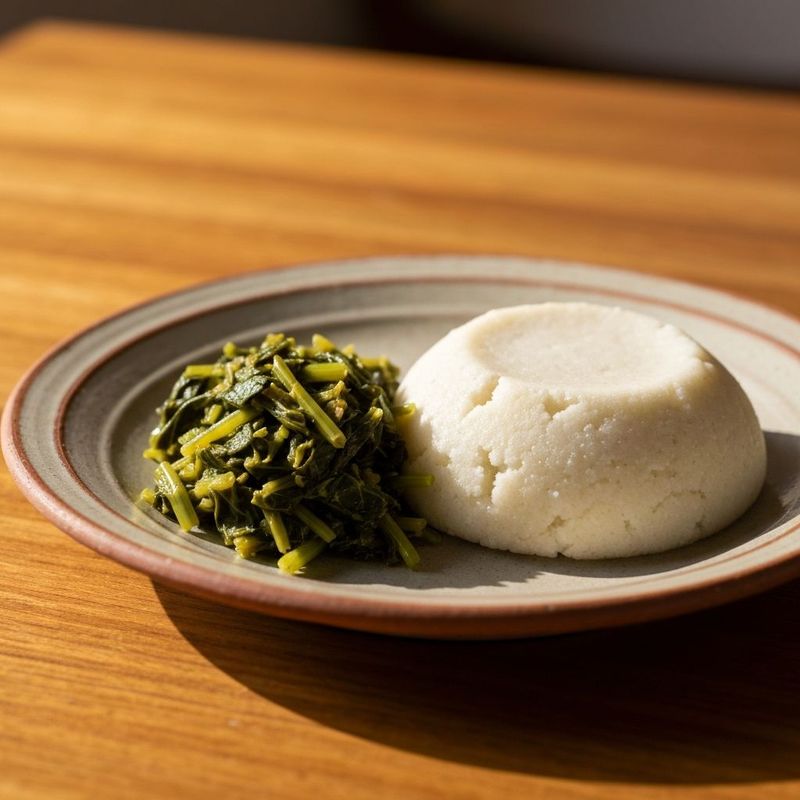
Ask a Kenyan what makes a meal complete, and many will say ugali. Without it, dinner just does not feel finished.
Made from maize flour and boiling water, it is stirred hard until it becomes a firm, thick mound. The recipe looks simple, but getting it smooth takes strong arms and practice.
People roll a small ball, press a dent with their thumb, and scoop up greens called sukuma wiki. Simple and smart.
9. Thieboudienne
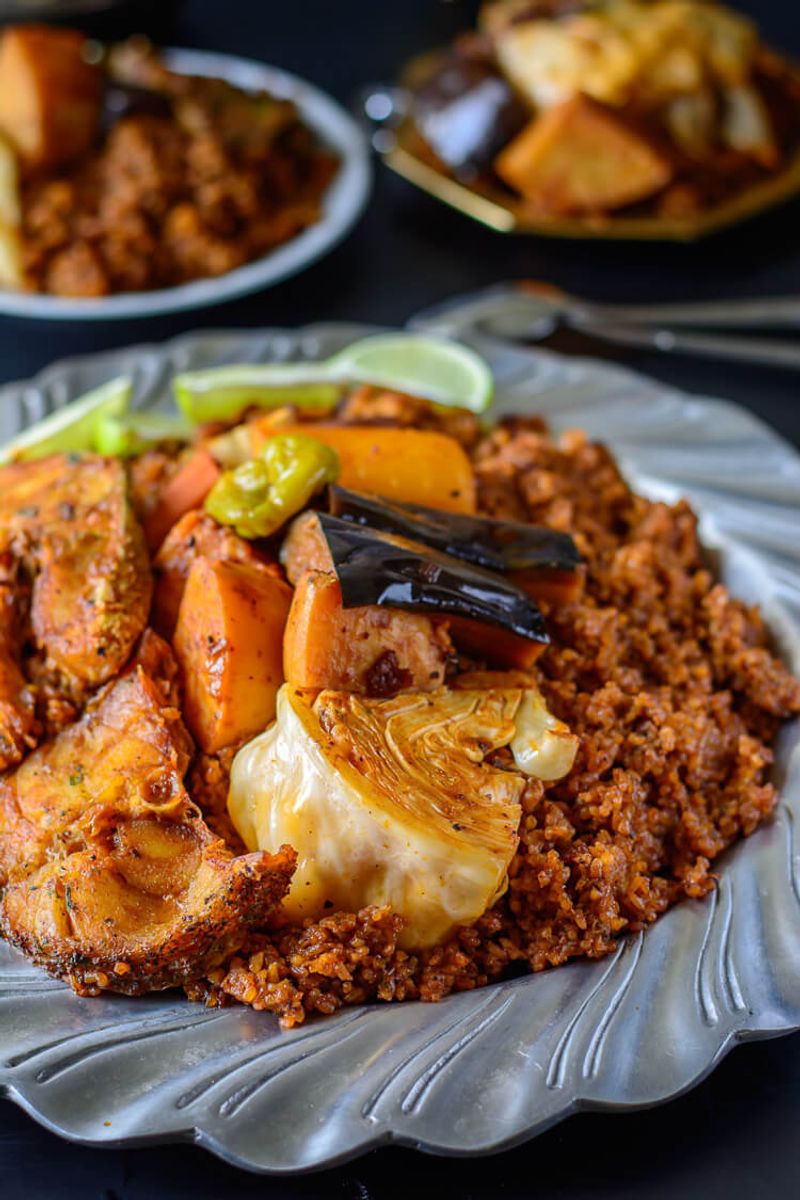
Picture fishermen hauling their catch onto the beaches of Saint-Louis, Senegal. Legend says a cook named Penda Mbaye created thieboudienne there in the 1800s.
The name means rice and fish in the Wolof language. Fish is stuffed with herbs and cooked with tomato, broken rice, and vegetables like cassava and cabbage.
Families eat from one shared platter. Everyone sticks to their own section, and the best fish pieces are often offered to guests.
10. Koshari
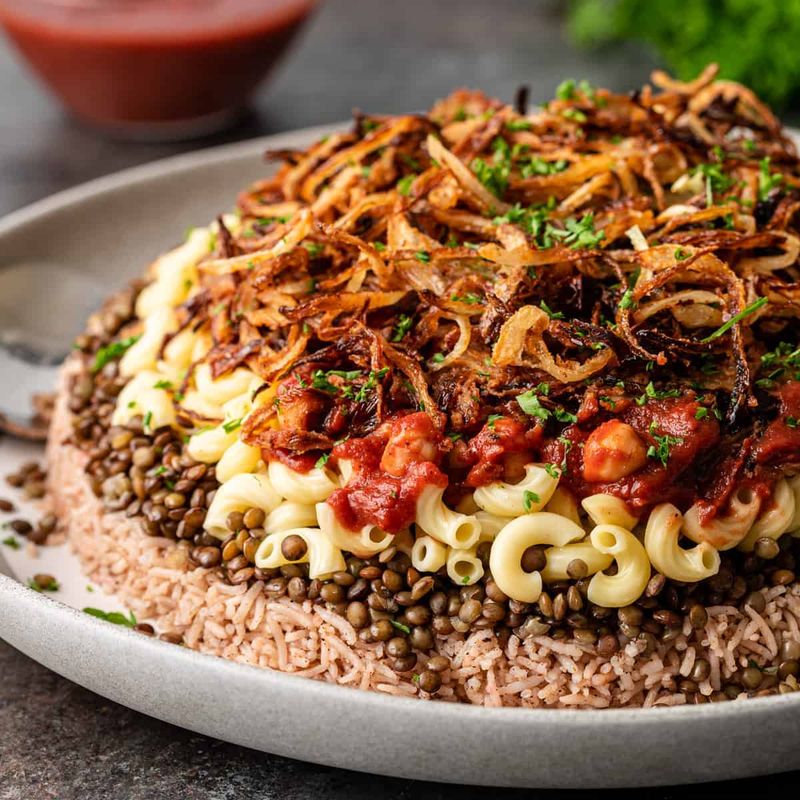
Rice, pasta, lentils, and chickpeas in one bowl? Egyptians did not see a problem, and neither will your taste buds.
Koshari became popular in the 1800s, possibly inspired by Indian dishes brought by soldiers and traders. It was cheap, filling, and perfect for busy workers in Cairo.
The magic comes from toppings: spicy tomato sauce, garlic vinegar, and crunchy fried onions. Street sellers scoop it up fast, so lines move quickly.
11. Moroccan Tagine
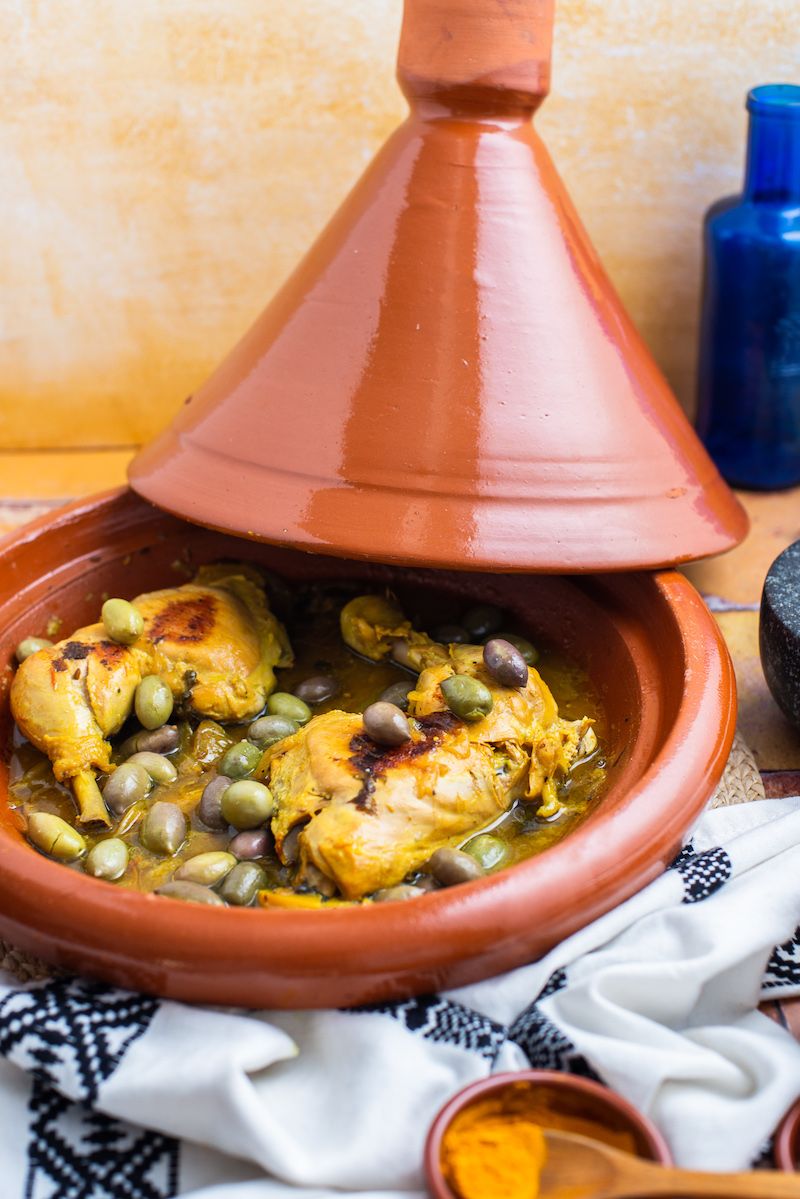
The pot gives this dish its name. A tagine has a tall cone lid that catches steam and drips it back down, keeping food juicy.
Nomadic Berbers needed a way to cook slowly over small fires with little water. The clever design solved that problem.
Popular versions include chicken with preserved lemons and olives, or lamb with prunes and almonds. Cook it low and slow, and patience pays off big.
12. Chakalaka
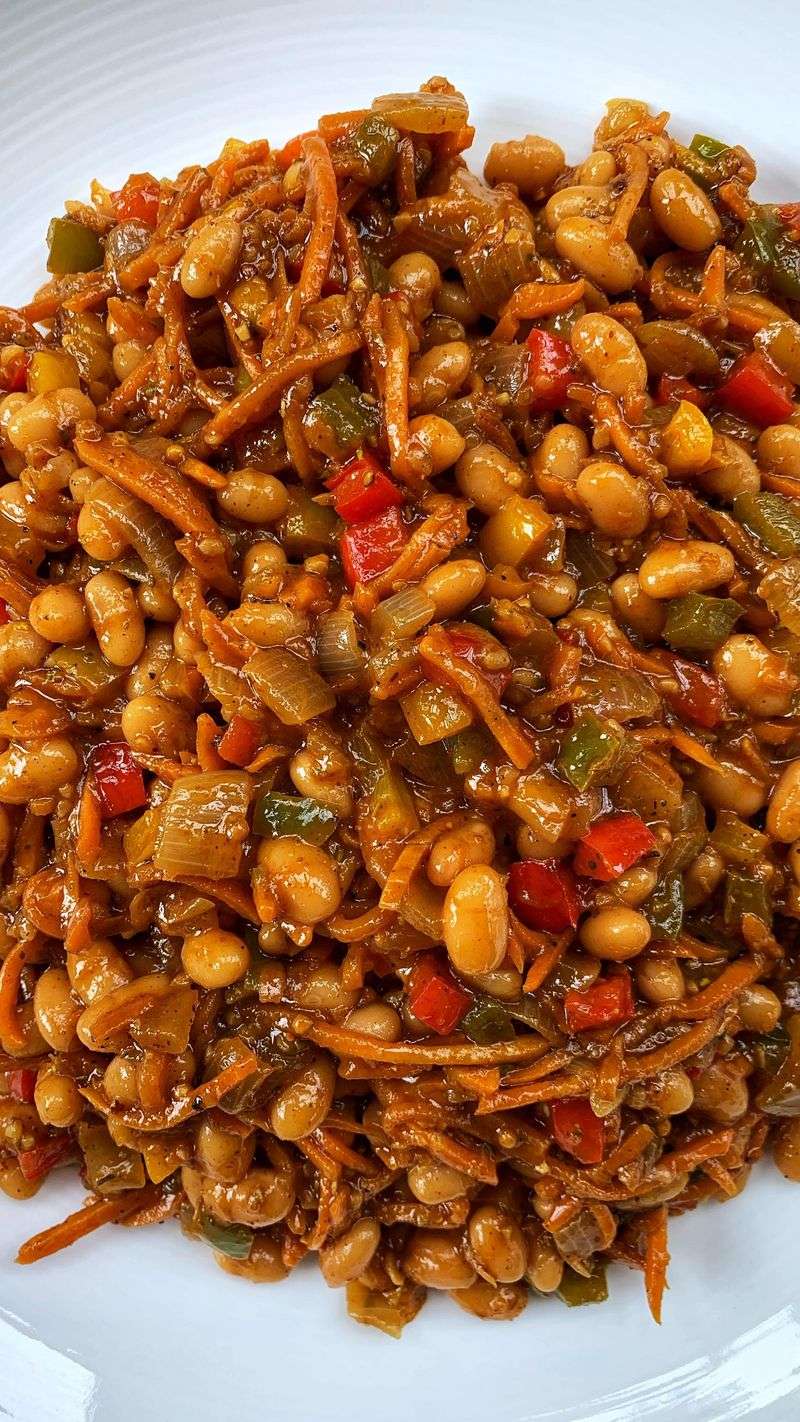
Gold miners near Johannesburg needed something quick and tasty after long shifts underground. Using canned beans, tomatoes, and chili, they invented chakalaka.
This spicy vegetable relish is now a must at every South African braai, which is a backyard barbecue. Carrots, peppers, onions, and curry powder give it color and kick.
Every family adds a twist. Make a big batch, because it tastes even better the next day.
13. Piri Piri Chicken
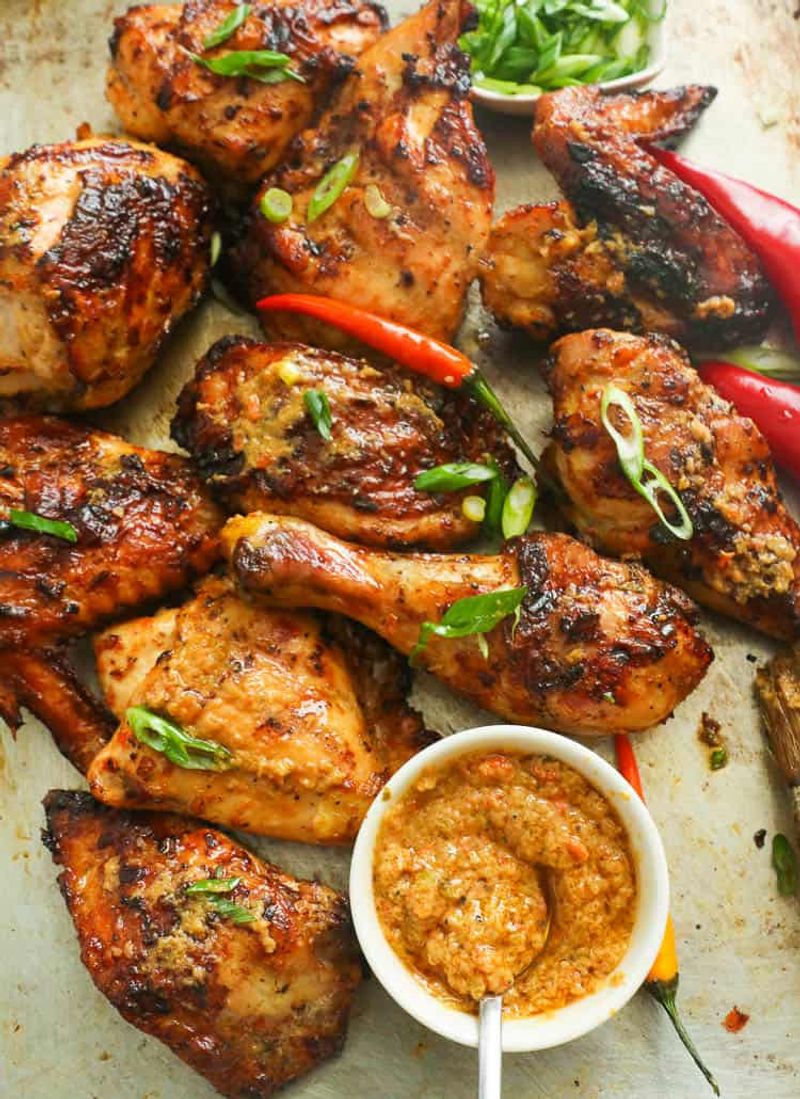
One tiny chili pepper changed the world’s barbecue game. The African bird’s eye chili, called piri piri, grows in Mozambique.
When Portuguese sailors arrived centuries ago, they mixed the fiery chili with garlic, lemon, and oil. Grilled chicken soaked in this sauce became a legend that later spread to Portugal and beyond.
Want to try it at home? Marinate overnight.
Just wash your hands well before touching your eyes!
14. Bobo de Camarao Inspiration: Matapa
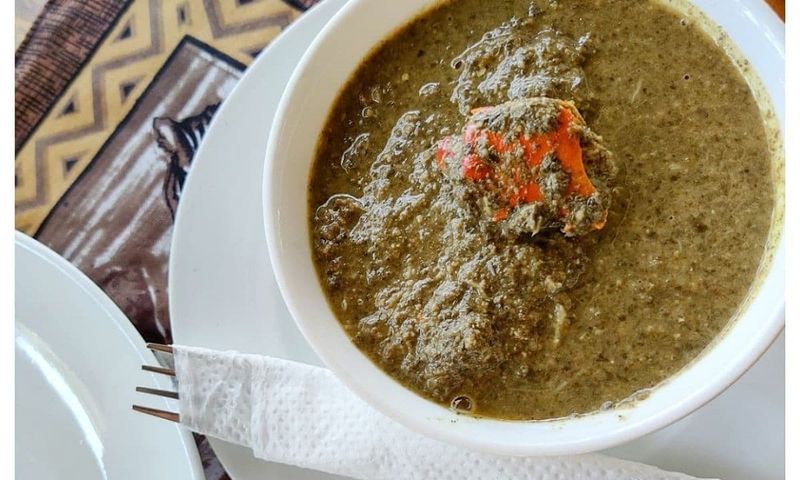
Leaves for dinner might not sound exciting, until you taste matapa. This creamy Mozambican dish turns cassava leaves into something special.
Cooks pound the young leaves, then simmer them for hours with crushed peanuts, garlic, and coconut milk. Coastal families often add crab or shrimp from the Indian Ocean.
It started as a way to use every part of the cassava plant. Nothing was wasted, a lesson worth copying in our kitchens.
15. Suya
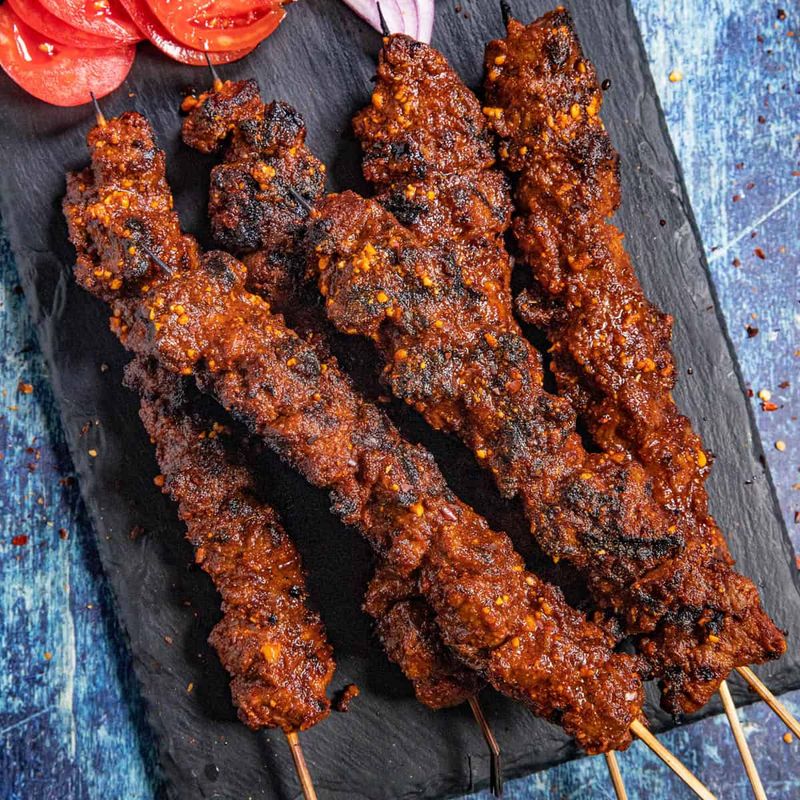
Follow the smoky smell at night in Nigeria, and you will likely find a suya stand. Grill masters, called mai suya, fan the coals under spicy beef skewers.
The Hausa people of the north created this treat. The secret is yaji, a spice rub made from ground peanuts, ginger, and chili.
Suya is usually wrapped in newspaper with raw onions and tomatoes. Eat it hot, and keep water nearby.
16. Bambara Peanut Stew: Maafe
Peanut butter in a stew? Absolutely.
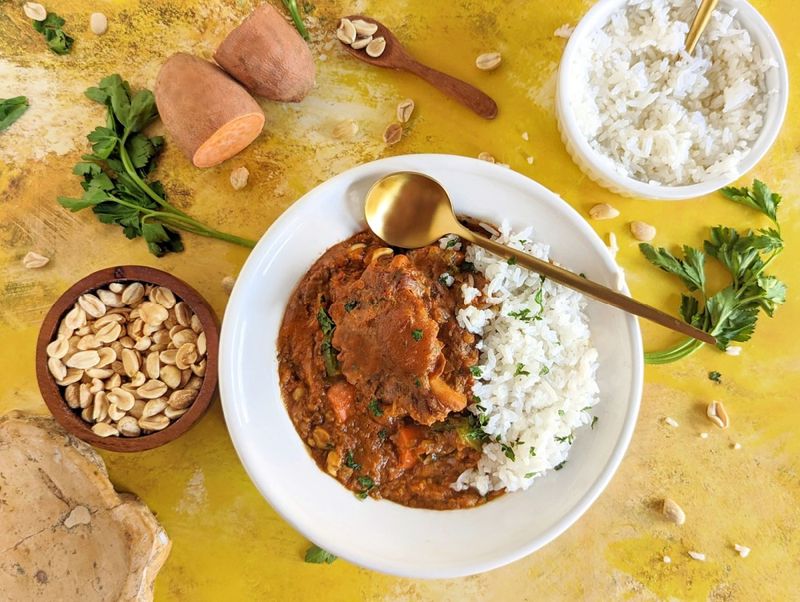
Maafe, from Mali, is creamy, nutty, and super cozy.
The Mandinka and Bambara peoples cooked it long ago using groundnuts. When peanuts arrived from the Americas, they became the star ingredient, and the stew spread across West Africa.
Beef or chicken simmers with tomatoes, sweet potatoes, and peanut paste. Serve it over rice on a cold day, and you will feel instantly warm inside.
17. Kelewele
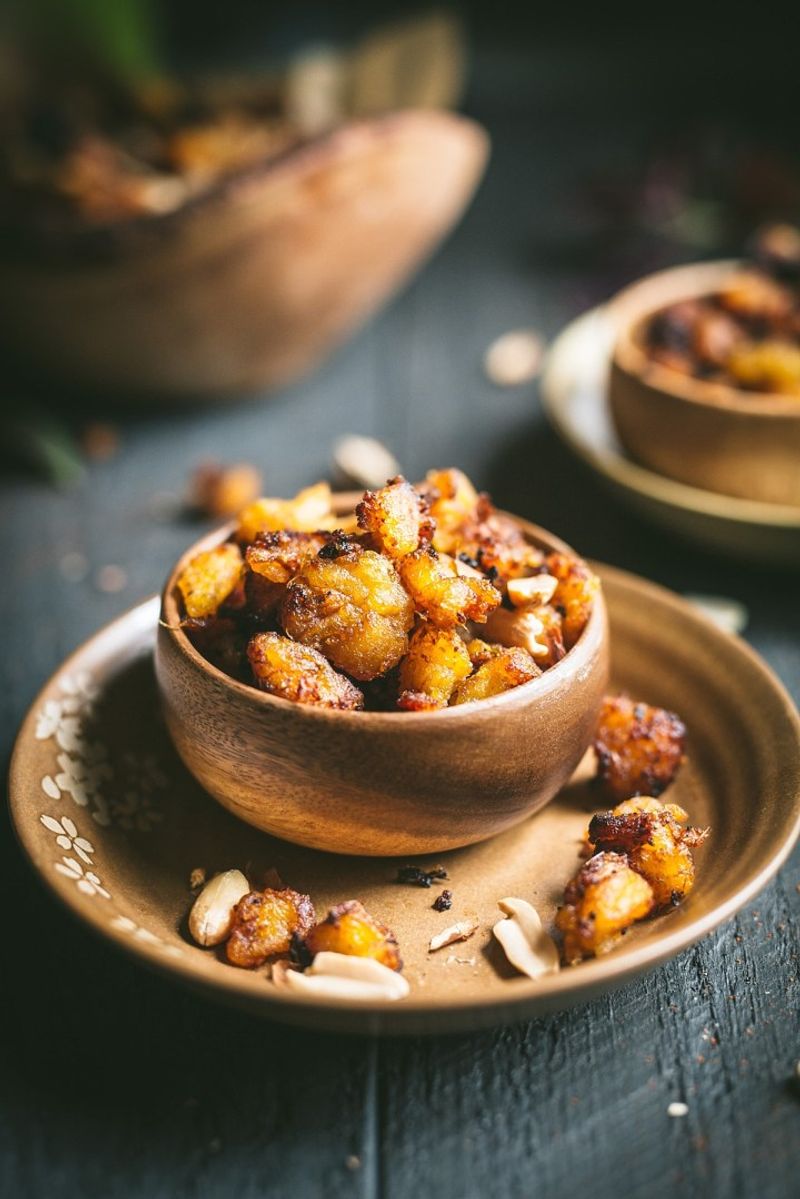
As the sun sets in Accra, street vendors light their fires and start frying kelewele. Locals know it as the perfect evening snack.
Ripe plantains are cut into cubes and tossed with ginger, chili, cloves, and salt before frying. The outside caramelizes while the inside stays soft and sweet.
Ghanaians love eating kelewele with roasted peanuts. Pro tip: use plantains with black spots on the skin for the sweetest flavor.
18. Mandazi

Morning in Zanzibar often starts with a warm mandazi and a cup of spiced chai. These fluffy fried doughnuts are a Swahili coast favorite.
Arab and Indian traders sailing the Indian Ocean brought spices like cardamom centuries ago. Local cooks mixed them with coconut milk to create mandazi.
They are lightly sweet, not sugary. Kids love them in lunch boxes, and adults dunk them in tea.
Simple joy in every bite.
19. Brik
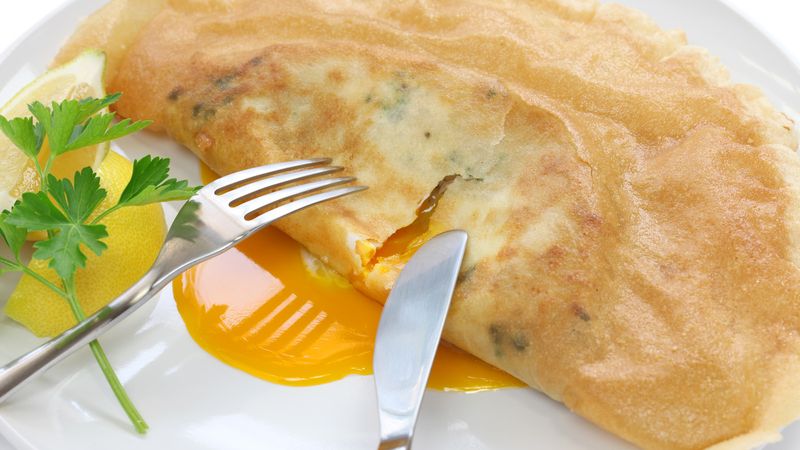
Eating a Tunisian brik is a fun challenge. Bite carefully, or runny egg yolk will drip down your chin!
This thin, crispy pastry is filled with egg, tuna, capers, and parsley, then fried until golden. It arrived with Ottoman influence, related to Turkish borek.
During Ramadan, brik is a favorite way to break the daily fast. There is even a playful custom of testing a future spouse by how neatly they eat one.
20. Sadza with Nyama
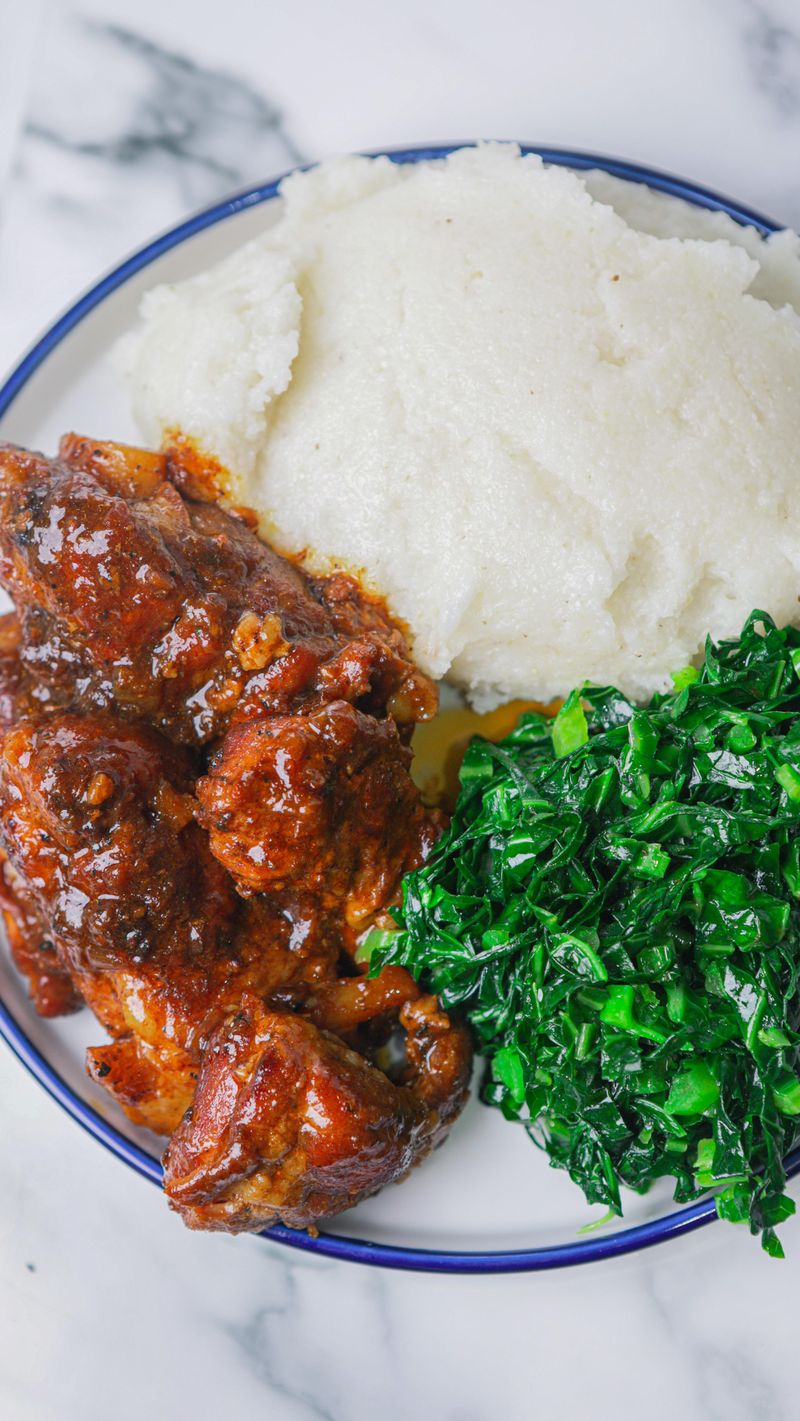
In Zimbabwe, people often say they have not eaten unless they have had sadza. It is that important.
Like ugali, sadza is a thick maize porridge, but it holds deep meaning. Long ago, it was made from millet or sorghum before maize arrived.
Families share it with nyama, meaning meat stew, plus greens.
Wash your hands first. Sadza is eaten with the right hand, rolled into a ball to scoop the stew.
21. Akara
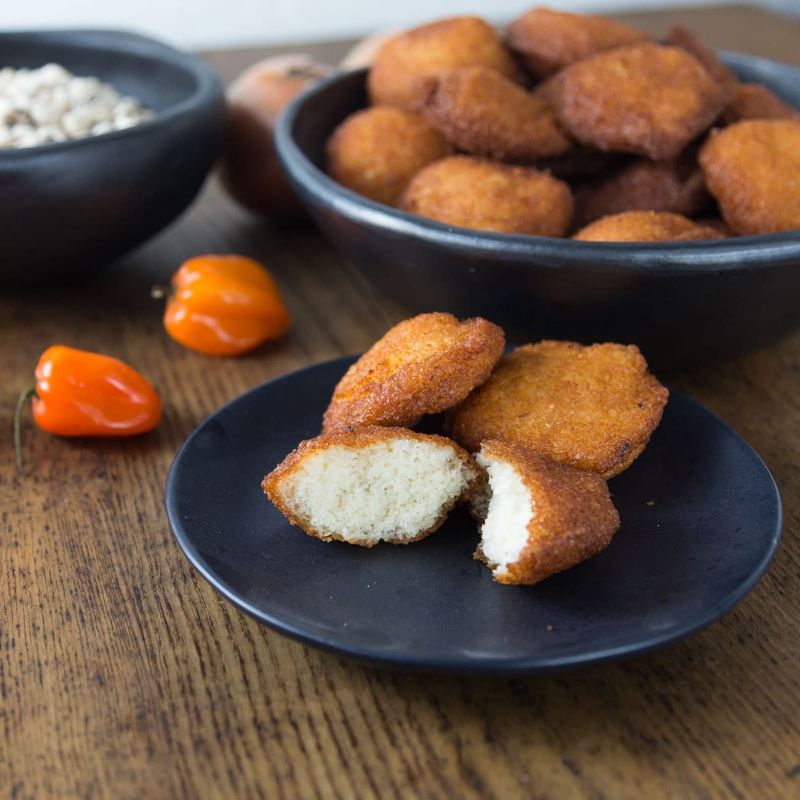
Crunchy outside, fluffy inside, akara makes breakfast feel like a party. These bean fritters are loved in Nigeria and across West Africa.
Here is a wild fact: enslaved Africans carried the recipe to Brazil, where it became acaraje, a famous street food in Bahia. One snack connects two continents.
Cooks soak and peel black-eyed peas, blend them with peppers and onions, then fry spoonfuls. Pair them with warm corn porridge.