
The Super Bowl halftime stage can turn a few minutes of music into years of debate. Sound problems, surprise gestures, and bold choices have all drawn complaints from fans and critics.
Some shows faced major backlash, while others earned strong praise alongside a smaller wave of criticism. These performances reveal how quickly the talk can shift from the songs to everything happening around them.
1. Janet Jackson and Justin Timberlake: A Lasting Controversy (2004)
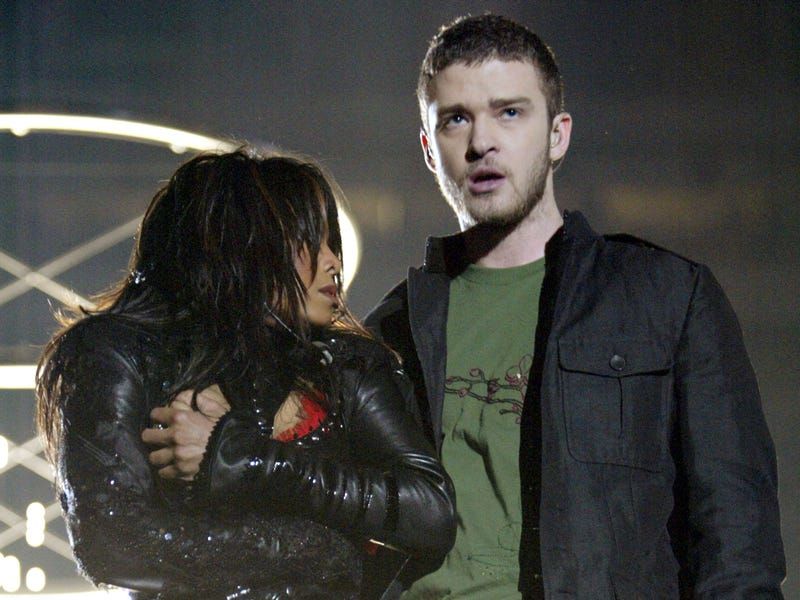
A split second overshadowed an entire night of music. During the closing song, Justin Timberlake pulled away part of Janet Jackson’s costume, briefly exposing her breast on live television.
The incident triggered public complaints, tighter broadcast controls, and an FCC fine against CBS that courts ultimately threw out. Jackson faced especially harsh career fallout.
Looking back, the unequal treatment of the two stars remains as central to the debate as the televised moment itself for many viewers.
2. Black Eyed Peas: Big Lights, Rough Sound (2011)
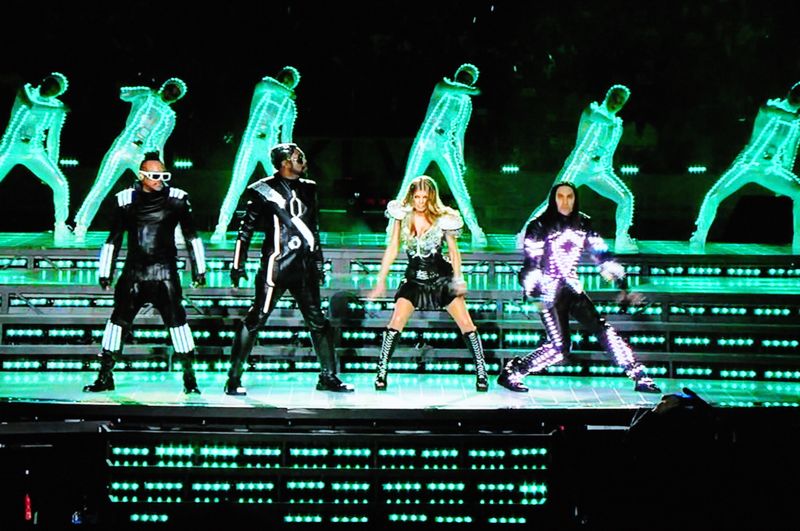
Glowing costumes promised a party, but the sound did not always cooperate. At Cowboys Stadium, the Black Eyed Peas struggled with uneven audio, and critics singled out shaky vocals and stiff moments.
Guests Slash and Usher added excitement, yet their appearances could not erase the rough edges for disappointed viewers. The performance offers a useful reminder: bright screens and huge dance groups cannot replace clear microphones, strong singing, and a connection with the audience at home.
3. Madonna and M.I.A.: One Gesture Steals the Headlines (2012)
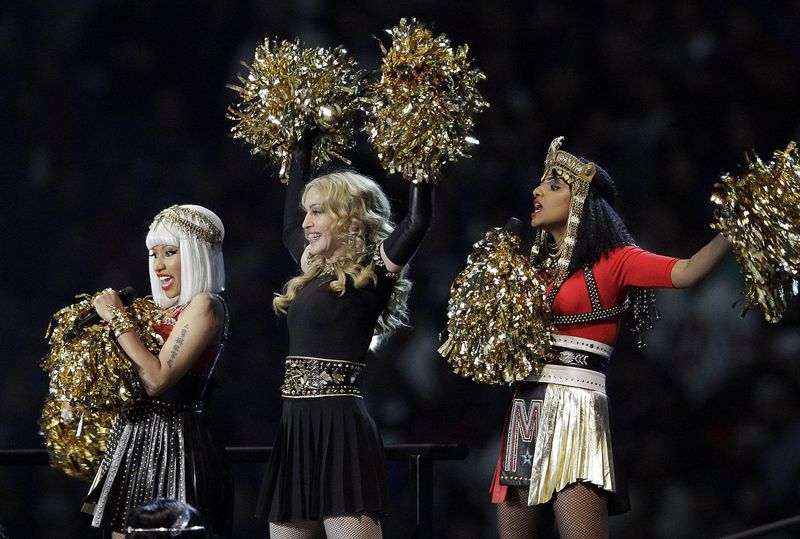
Royal costumes and a grand entrance were supposed to own the headlines. Instead, guest rapper M.I.A. raised her middle finger toward a camera, prompting an NBC apology and a dispute with the NFL.
Madonna also faced questions about how much of her singing was live, though many reviewers enjoyed the spectacle. Separating those reactions helps explain the controversy: complaints about one guest’s gesture were not the same as criticism of the headliner’s music or elaborate stage show.
4. Bruno Mars and Red Hot Chili Peppers: The Unplugged Debate (2014)
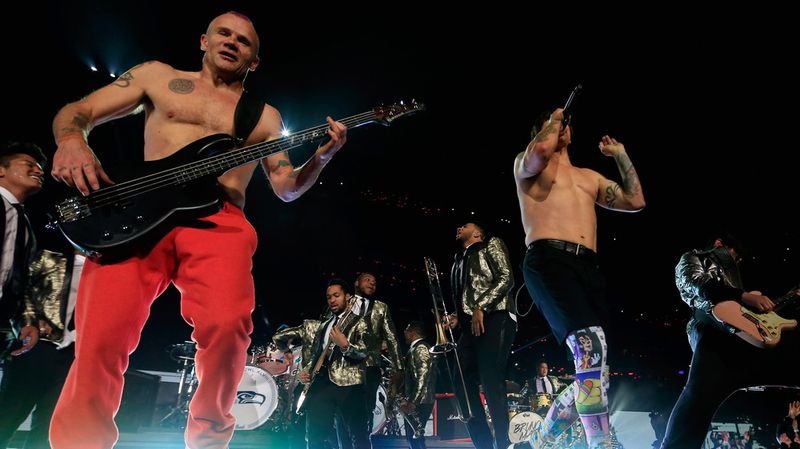
Look closely at the guitars, and the controversy becomes clear. After joining Bruno Mars, the Red Hot Chili Peppers confirmed that their instruments were not plugged in, although Anthony Kiedis sang live.
The band said the NFL required prerecorded instruments to avoid technical problems. Some fans felt cheated, while others accepted the limits of a fast stadium setup.
Mars, whose selection had drawn doubts beforehand, earned widespread praise, making this a mixed story rather than one failure.
5. Beyoncé: Formation Sparks a Political Fight (2016)
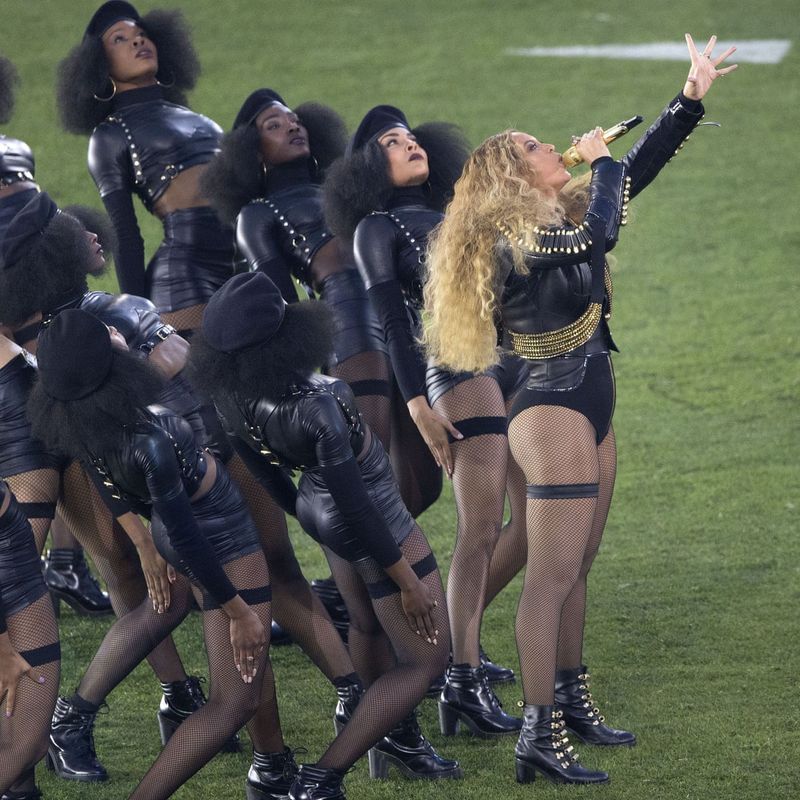
A football field became the center of a national argument. Performing Formation as Coldplay’s guest, Beyoncé celebrated Black identity with dancers whose clothing recalled the Black Panther Party.
Some police groups and conservative commentators called the presentation hostile toward law enforcement. Supporters saw pride, history, and a demand for justice instead.
Those opposing readings fueled the backlash. Understanding the dispute means recognizing that the loudest complaints focused on political meaning, not her singing or demanding dance routine.
6. Justin Timberlake: A Return That Fell Flat (2018)
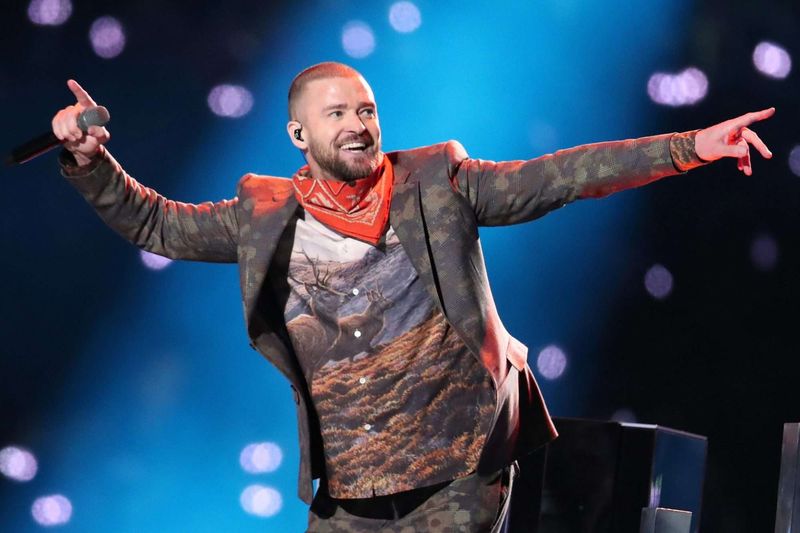
Expectations followed him onto the field before the first note. Justin Timberlake’s return brought memories of 2004, but his new show drew complaints about muddy sound and a performance some reviewers found flat.
A projected image of Prince also upset fans who questioned whether the late musician would have approved. Others hoped for Janet Jackson or an NSYNC reunion.
Those wishes were never promises, but they show how imagined surprises can shape reactions to an actual show.
7. Maroon 5: Backlash Before the Music Began (2019)
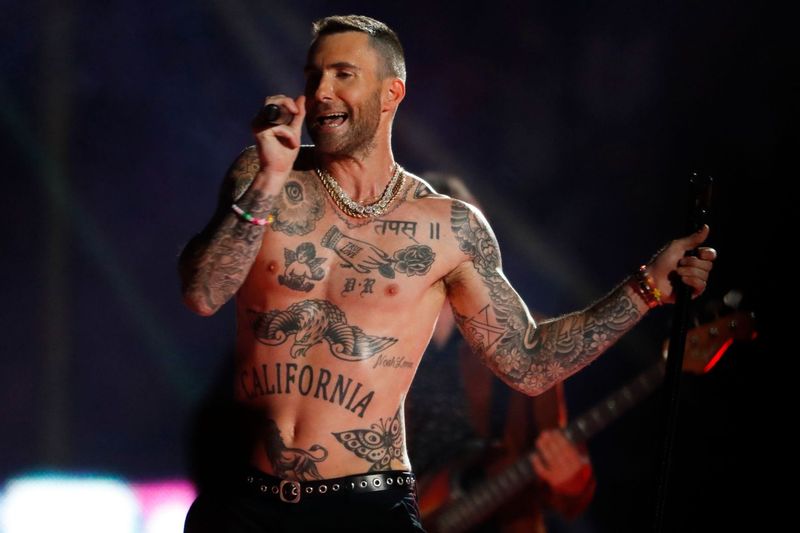
Accepting the booking was already controversial. Maroon 5 performed while the NFL faced criticism over Colin Kaepernick, whose protests against racial injustice had become a national flashpoint.
Once the music started, many reviewers found the set too safe. Adam Levine’s shirtless finish also revived questions about why Janet Jackson had received far harsher treatment for exposed skin.
The response mixed musical disappointment with a larger argument about fairness, protest, and who gets forgiven on television’s biggest stages.
8. The Weeknd: A Dazzling Maze Divides Viewers (2021)
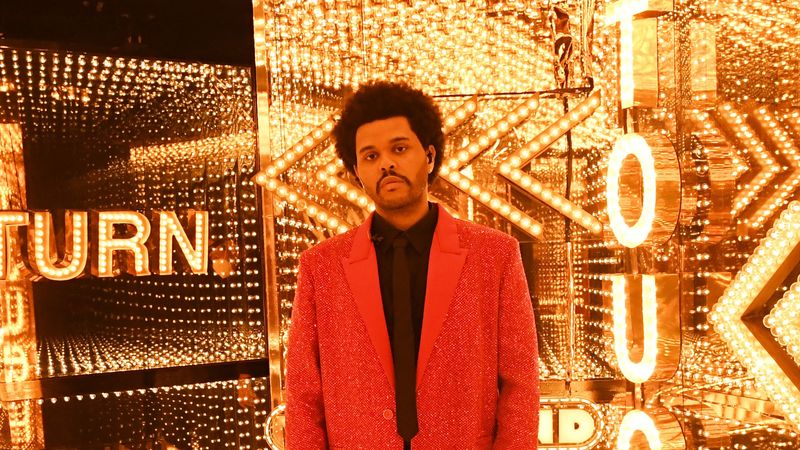
Inside a glowing hallway, the camera spun close to The Weeknd’s face. That dizzy sequence became a meme, while some viewers complained that the sound made his vocals hard to hear.
Reviews were divided rather than uniformly harsh, with others praising the ambitious staging. Pandemic limits also shaped the production at Tampa’s stadium.
Watching the full performance, rather than one hallway clip, gives a fairer picture of its unusual design and the reasons audiences reacted so differently.
9. The Who: Classic Hits Meet Tough Reviews (2010)
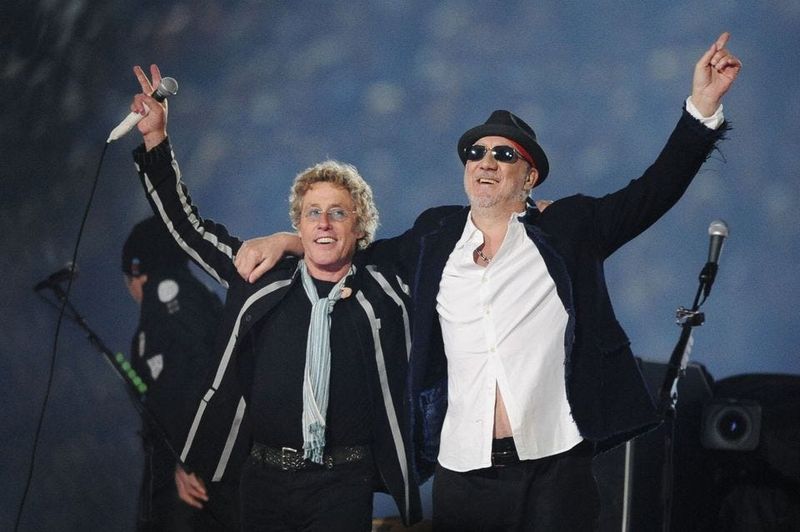
Familiar anthems gave longtime fans plenty to recognize. Yet The Who’s medley left several critics hearing strained vocals and seeing a performance that lacked the band’s old fire.
Roger Daltrey and Pete Townshend carried decades of rock history onto the stage, but a short television slot offered little room to build momentum. Their reception highlights a tricky balance for legacy acts: audiences want beloved songs, while also expecting the energy they remember from much earlier concert years.
10. Indiana Jones: An Adventure That Felt Like an Ad (1995)
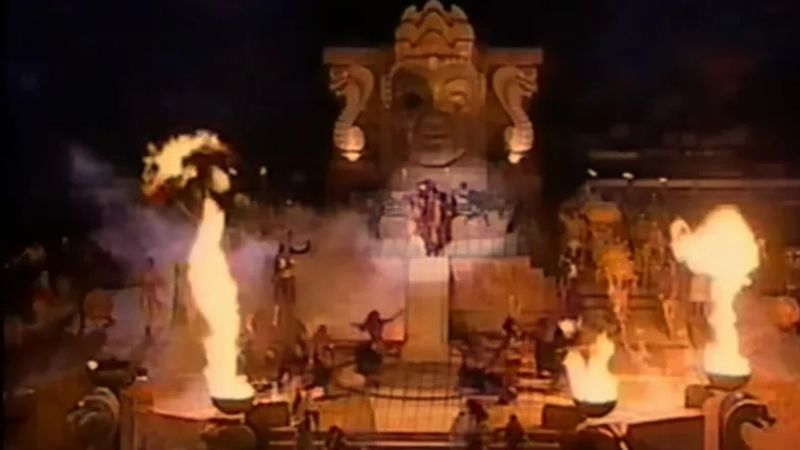
Instead of a straightforward concert, viewers got a rescue adventure. An Indiana Jones character raced through a theatrical production tied to Disneyland’s new attraction, with musical appearances adding another layer.
The mix of story, stunts, and promotion struck later reviewers as confusing and overly commercial. Plenty happened, but the central idea could be hard to follow from home.
Its odd reputation comes largely from retrospective rankings, so calling it a universally hated live event would overstate the evidence.
11. Elvis Presto: A Magic Trick That Lost Its Spark (1989)
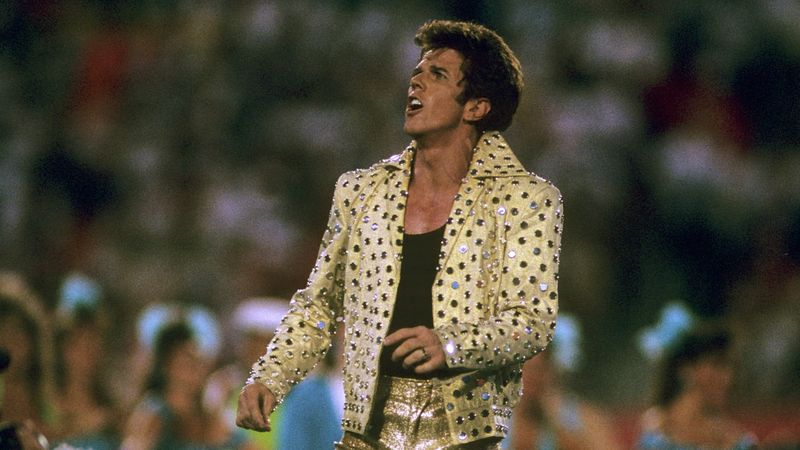
Card tricks, an Elvis look, and television effects made an unusual recipe. Elvis Presto led a magic themed halftime show designed partly around special glasses distributed for the broadcast.
The promised visual excitement did not impress everyone, and later lists often rank the production among the strangest halftime experiments. Calling the glasses simply broken misses the technical concept behind them.
Still, a show built around a viewing gimmick risks disappointing anyone who cannot clearly experience its intended effect.
12. Winter Magic: A Chilly Fit for Football (1992)
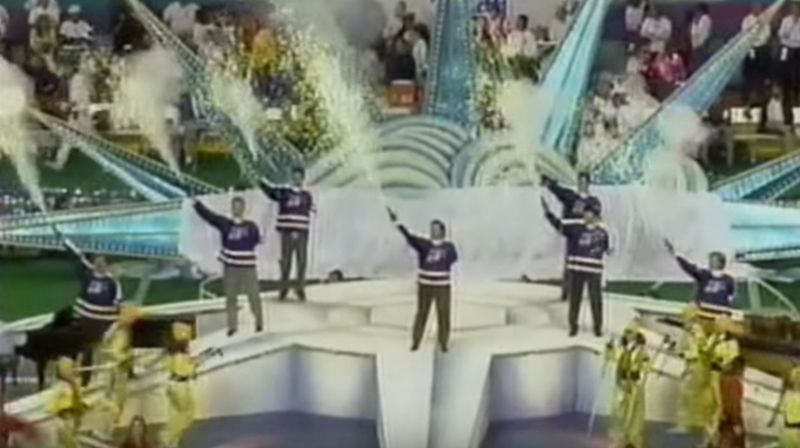
Snowflakes and skating brought a winter festival indoors. Minnesota’s Winter Magic production featured Olympic skaters Dorothy Hamill and Brian Boitano, plus a large cast and a closing appearance by Gloria Estefan.
Later critics often found the theme corny or poorly suited to football’s biggest audience. Meanwhile, a competing In Living Color special attracted viewers during halftime.
That rivalry helped reveal the need for stronger television appeal, though the show’s reputation today also reflects changing tastes in stadium entertainment.
13. Prince: A Celebrated Show With a Suggestive Shadow (2007)
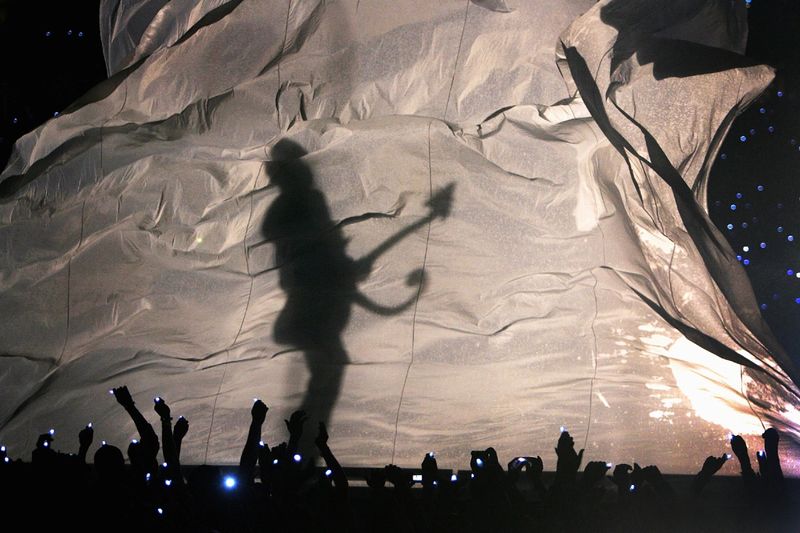
Rain helped create one of halftime’s most admired images. Prince played through the weather, but a large silhouette of his body and guitar led some viewers to complain about suggestive imagery.
Those objections were real, yet they did not define the overall response. Critics and fans widely praised the performance, especially Purple Rain.
Including it here requires that distinction: a famous show can attract complaints without being broadly rejected or remembered mainly as a failure by its audience.
14. Rolling Stones: Rock Under Broadcast Restrictions (2006)
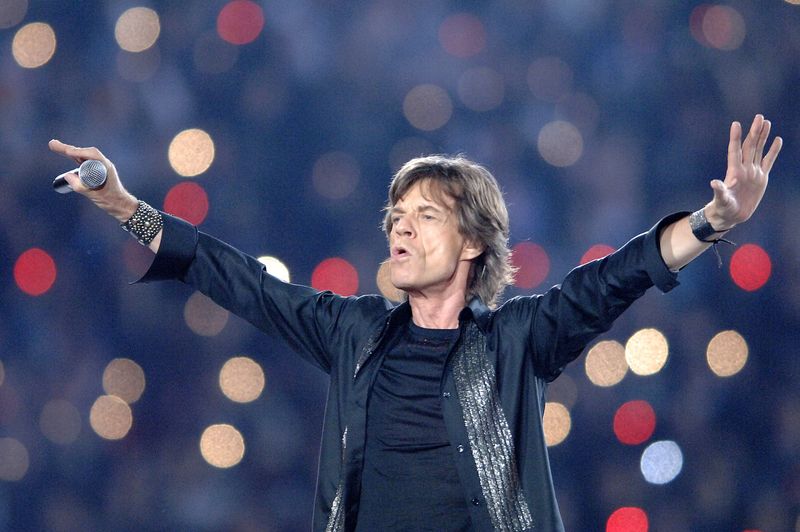
Even rock legends were not beyond the broadcast delay. Two years after the Jackson controversy, the Rolling Stones played a short set with selected lyrics muted for television viewers.
Some reviews found the appearance predictable, while others enjoyed the band’s familiar swagger. The censorship became a separate talking point from the music itself.
Rather than a clear disaster, the show illustrates the tension between a rebellious rock image and a tightly controlled family broadcast watched by millions nationwide.
15. Coldplay: Headliners Outshone by Their Guests (2016)
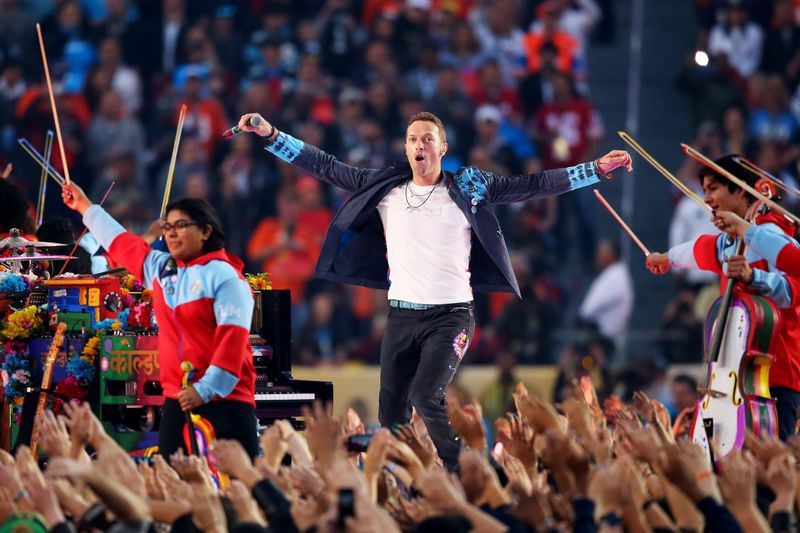
Bright flowers and cheerful colors could not guarantee the loudest cheers. Coldplay headlined Super Bowl 50, yet Beyoncé and Bruno Mars often seemed to command more attention when they joined the show.
Some reviewers called the band’s contribution mild beside its guests’ sharper routines. Others appreciated the hopeful mood and closing message of inclusion.
This entry covers the same event as Beyoncé’s appearance, but a different criticism: whether the official headliner delivered enough excitement to anchor the celebration.
16. New Kids on the Block: The Show Viewers Had to Wait For (1991)
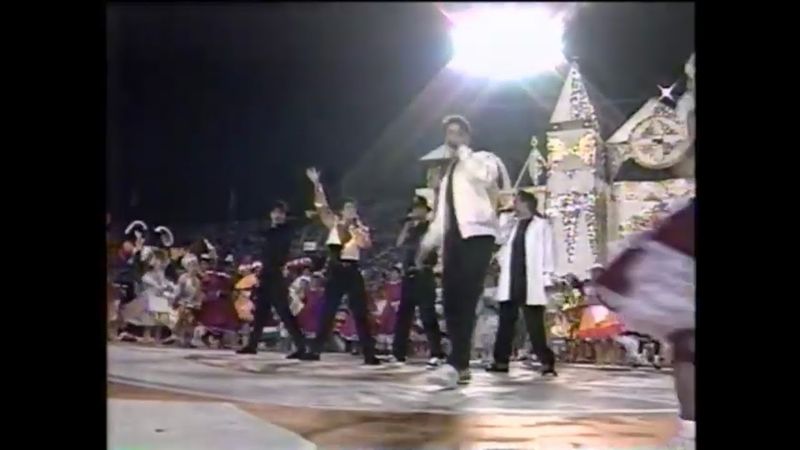
Fans expecting their favorite boy band faced an unexpected wait. ABC used the halftime window for Gulf War news coverage, delaying the entertainment broadcast until after the game.
New Kids on the Block appeared in a Disney production, but the scheduling decision is the main issue here, not strong evidence of a widely condemned performance. That distinction matters.
Disappointment over missing a show live should not be confused with critics deciding the artists performed badly on the field.