
A favorite character leaving Criminal Minds can feel like losing someone from the team. Behind those exits are stories about family, difficult working conditions, career goals, and network decisions.
Despite the title, not everyone on this list quit: some were fired, some finished their roles, and others simply missed the revival. Knowing the difference helps explain what really happened behind the scenes.
1. Mandy Patinkin: The Darkness Became Too Much
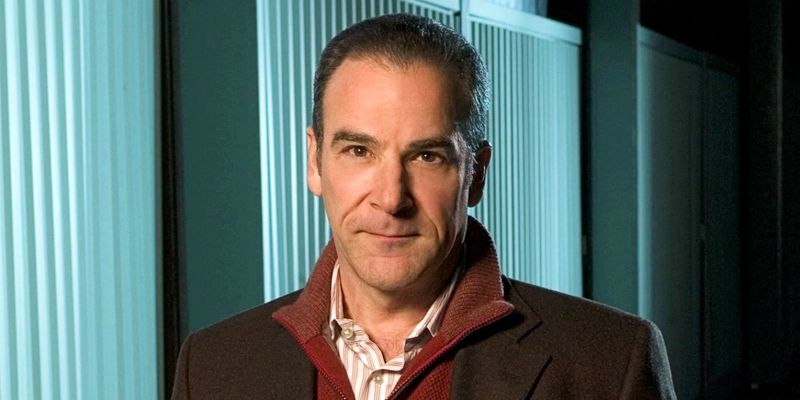
Playing a brilliant profiler came with an emotional cost. Mandy Patinkin left Jason Gideon behind early in Season 3, later explaining that the show’s violent stories deeply troubled him.
He described the experience as harmful to his soul and personality.
His departure was a personal choice, not simply a character twist. For viewers, his story offers a clear reminder that a successful job can still be the wrong fit for someone’s health and personal values.
2. Lola Glaudini: Home Mattered More Than Hollywood
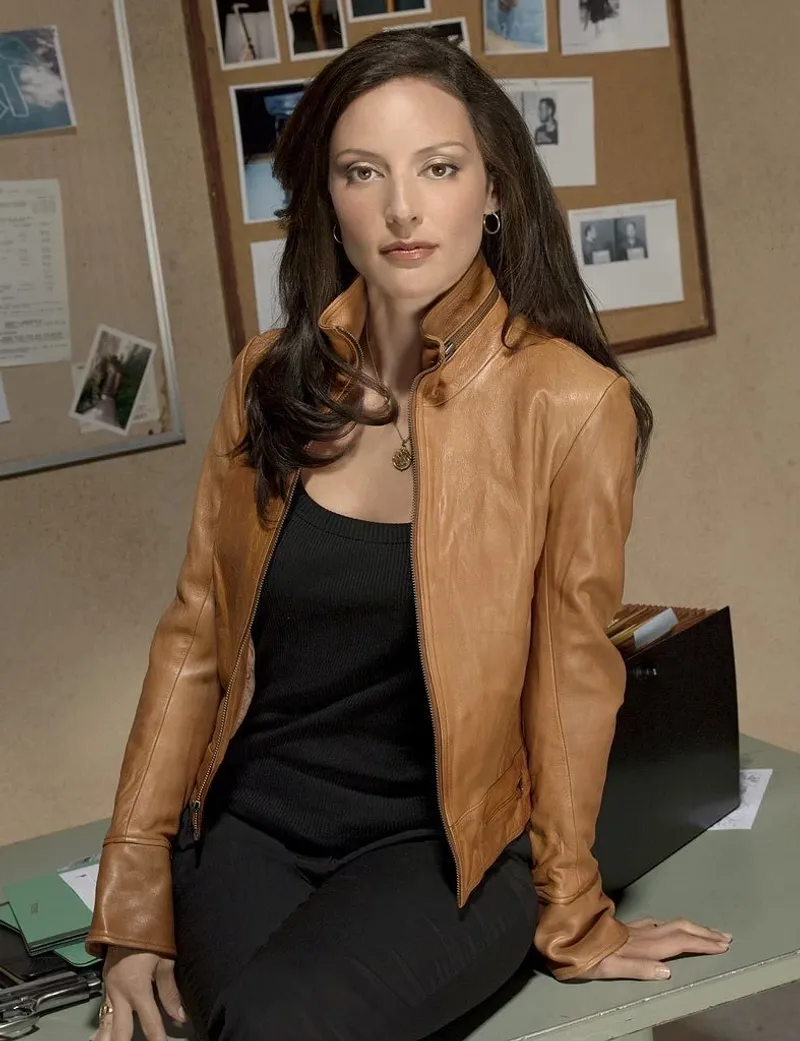
Sometimes the hardest part of a dream job is its address. Lola Glaudini, who played Elle Greenaway, reportedly felt unhappy living in Los Angeles and wanted to return to the East Coast.
She left during Season 2.
Elle’s troubled exit gave the writers a dramatic ending, but the reported reason offscreen was more ordinary. Location can shape daily happiness, even when the work looks exciting and glamorous to everyone watching comfortably from home each week.
3. Thomas Gibson: A Firing, Not a Resignation
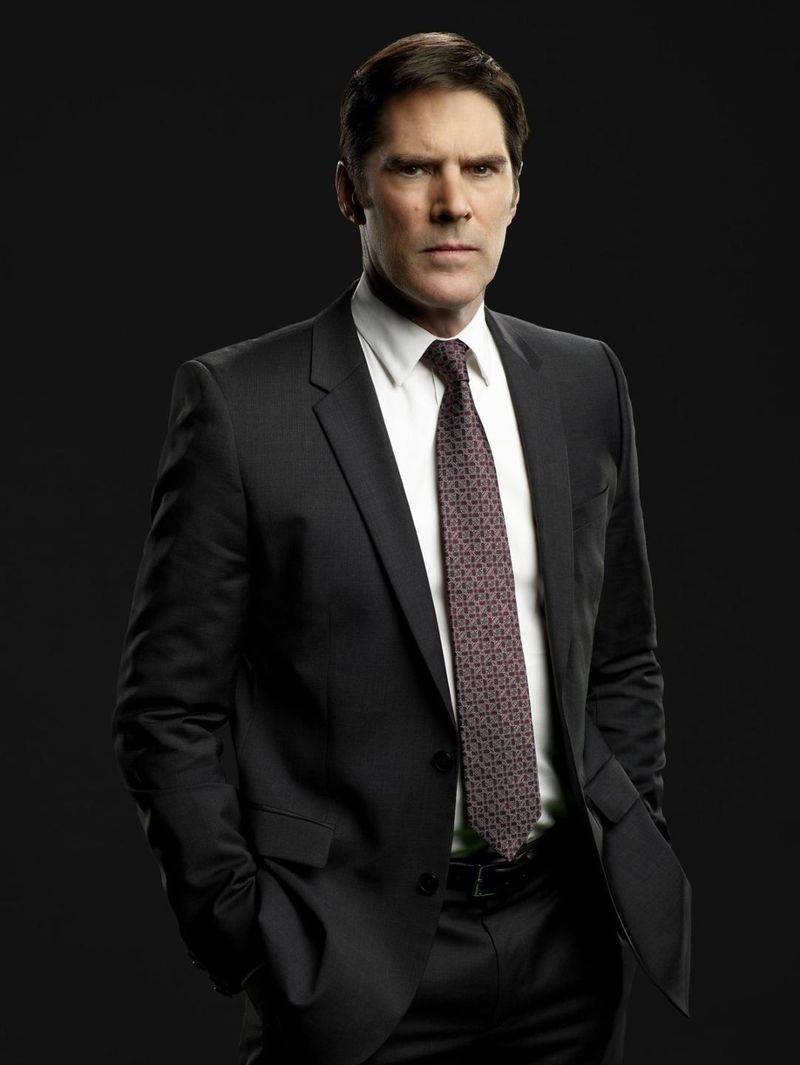
Aaron Hotchner’s sudden absence shocked longtime fans, but Thomas Gibson did not choose to quit. Producers fired him in 2016 after an on-set incident involving a physical confrontation with a writer and producer during Season 12.
Gibson publicly acknowledged a disagreement and apologized. The show later explained Hotchner’s absence through witness protection.
Keeping those two stories separate matters: the character needed a believable exit, while the actor’s departure followed a workplace incident rather than retirement.
4. Shemar Moore: Ready for Life Beyond the BAU
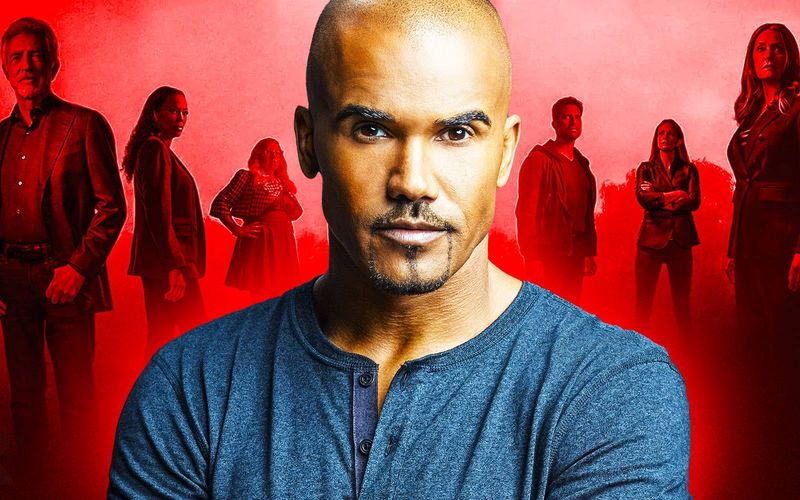
After eleven seasons of chasing criminals, another kind of future called. Shemar Moore left his regular role as Derek Morgan to seek fresh challenges and make more room for his personal life.
He spoke about wanting marriage and children.
His later lead role on S.W.A.T. became a major next chapter, not the original announced reason for leaving. Occasional returns also showed that stepping away from a demanding series does not always mean closing the door.
5. A.J. Cook: The Exit She Did Not Choose
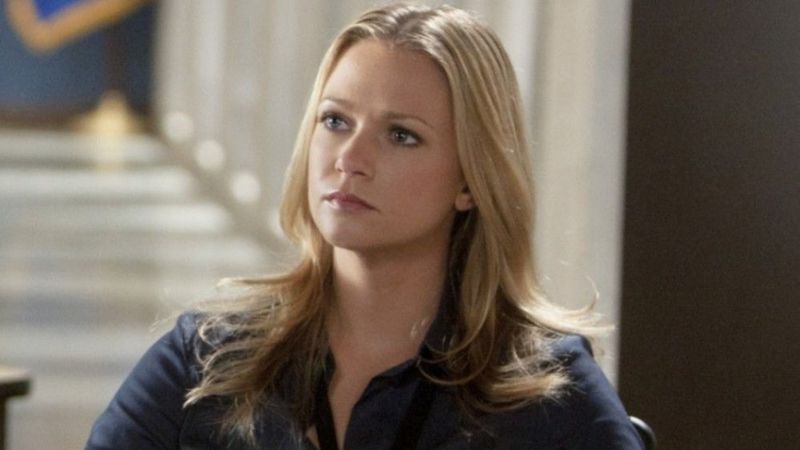
JJ’s first departure was not a case of an actor wanting out. A.J.
Cook was dropped as a regular ahead of Season 6, with budget and creative explanations surrounding the decision. Fans strongly objected to losing her.
Cook later returned full time in Season 7. Her experience is best understood as a casting reversal, not a voluntary resignation.
It also shows why headlines about actors quitting can hide a much messier story behind the scenes.
6. Paget Brewster: Frustration Followed by a Fresh Start
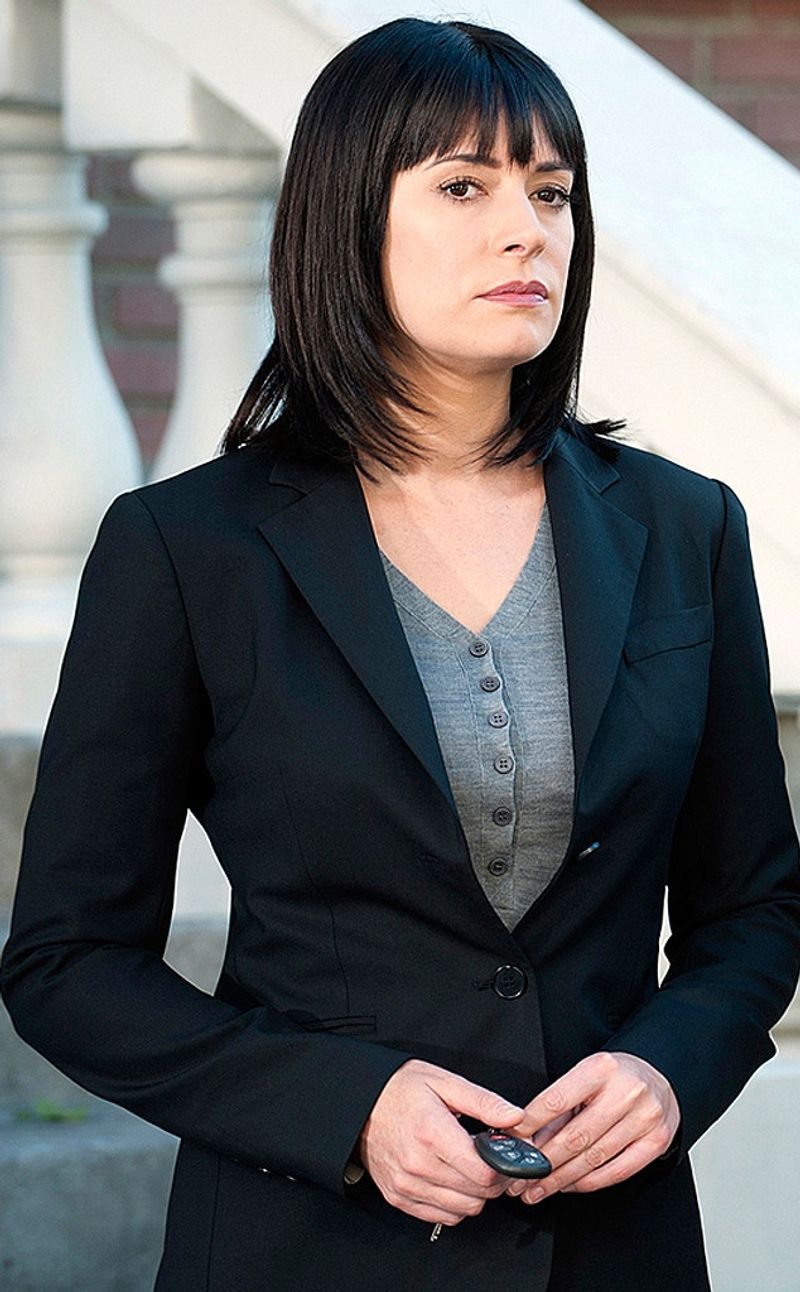
Few cast departures had as many turns as Emily Prentiss’s. Paget Brewster’s role was reduced during the same period that A.J.
Cook lost her regular place. Brewster later spoke openly about her anger over the network’s treatment.
After returning for Season 7, she chose to leave again and pursue other work. Guest appearances followed before her regular return in Season 12.
Her history includes both an unwanted disruption and a later decision of her own.
7. Jeanne Tripplehorn: A Two-Season Chapter Closed
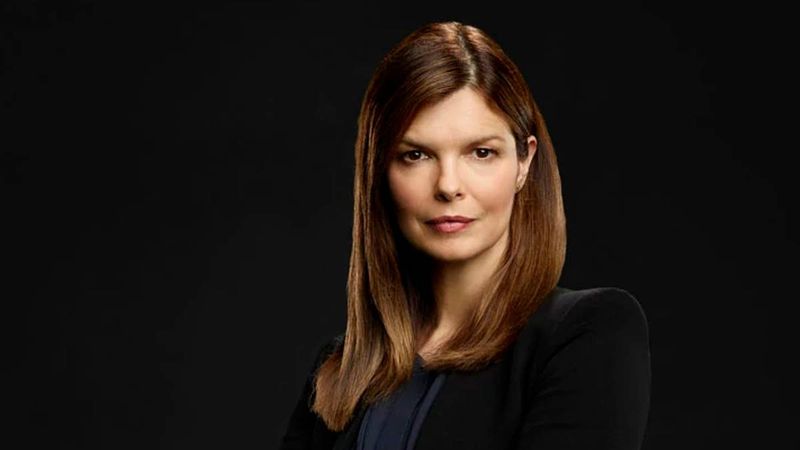
Alex Blake brought a thoughtful, scholarly presence to the team. Jeanne Tripplehorn played her during Seasons 8 and 9, then departed when that run ended.
Reports described her contract as not being renewed, rather than a dramatic walkout.
The character’s farewell focused on grief and a wish to step away from fieldwork. Those fictional motives should not be treated as Tripplehorn’s personal reasons.
Public accounts offer no solid basis for claiming a heated backstage dispute.
8. Jennifer Love Hewitt: Family Took Priority

A growing family changed the plan for Kate Callahan. Jennifer Love Hewitt joined in Season 10, then stepped away while expecting her second child.
She wanted time to focus on motherhood rather than continue the show’s demanding schedule.
Writers gave Kate a family-centered departure that left room for a possible return. There is no need to invent a feud here.
Her exit reflects a familiar choice many working parents face when home needs more attention.
9. Rachel Nichols: Caught in a Casting Reset

Ashley Seaver barely had time to settle into the team. Rachel Nichols joined during Season 6, when changes involving A.J.
Cook and Paget Brewster had already unsettled fans. Her regular role ended after that single season.
As the series moved back toward familiar cast members, Seaver disappeared from the lineup. Nichols did not publicly frame the exit as her choice to quit.
This was a casting decision, making her story different from actors seeking another opportunity.
10. Damon Gupton: A Short Stay Ended by Producers
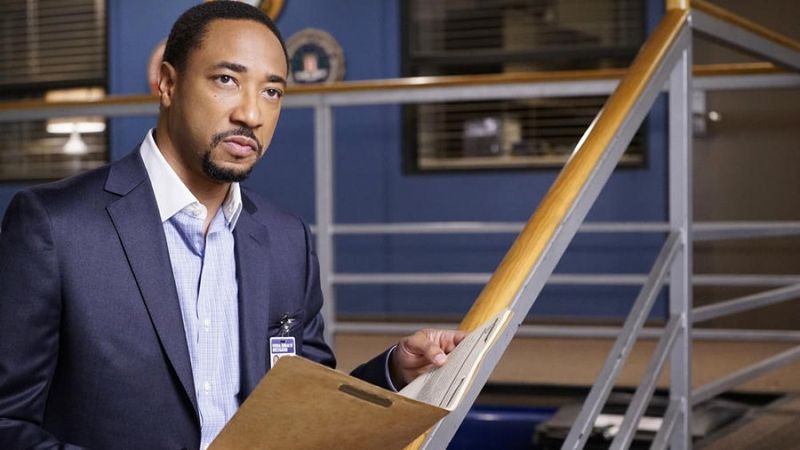
One season was all Stephen Walker received. Damon Gupton joined the regular cast in Season 12, but producers did not renew his contract for the next season.
His departure was reported as part of creative changes.
Walker was subsequently killed off in the story, giving that decision a permanent onscreen result. Gupton’s case belongs among involuntary exits, not confirmed resignations.
A brief run can reflect a show’s changing plans rather than an actor’s desire to leave.
11. Daniel Henney: Missing From the Revival

Matthew Simmons survived the original series, so his absence needed a different explanation. Daniel Henney did not return for the launch of Criminal Minds: Evolution while busy with The Wheel of Time.
Scheduling was the reported obstacle.
The revival placed Simmons on a classified assignment instead of killing him. That distinction leaves storytelling room without proving any future appearance.
Missing a new production is not the same as quitting the original show’s cast during its run.
12. Matthew Gray Gubler: Other Projects Delayed Reid’s Return

Spencer Reid’s empty chair sparked plenty of questions. Matthew Gray Gubler finished the original series but was absent when Evolution began.
Public explanations pointed to timing and other projects, rather than a confirmed feud or firing.
He later returned for a guest appearance in Season 18, showing that the break was not a permanent goodbye. His situation fits a revival absence, not a straightforward resignation.
Fans should separate scheduling gaps from claims that someone abandoned the show.
13. Josh Stewart: A Recurring Role Reached Its End
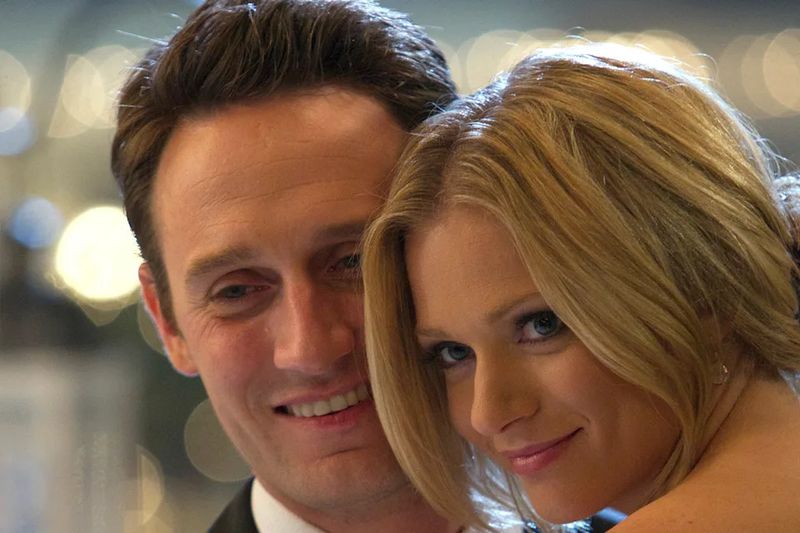
Will LaMontagne Jr. connected the cases to JJ’s home life. Josh Stewart played him across many years, then publicly indicated in 2024 that his time with the role had ended.
He did not provide a detailed public explanation.
That leaves a limit on what can fairly be claimed. His announcement supports saying he was finished, but not inventing conflict, money problems, or dissatisfaction.
A recurring actor’s departure also differs from leaving a full-time position on the team.
14. Jayne Atkinson: A Character Exit, Not a Confirmed Quit
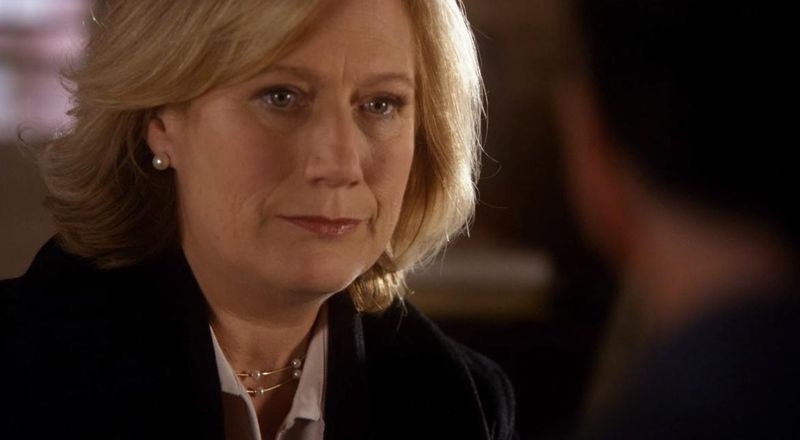
Erin Strauss often made the team’s working life harder, yet her final story brought unexpected sympathy. Jayne Atkinson’s recurring role ended when Strauss was killed in Season 8.
The series used that death to raise the stakes.
There is no established public account showing Atkinson quit because she wanted to escape the production. Her inclusion therefore needs a caveat: this was a character being written out, not evidence of an unhappy actor choosing to walk away.
15. Meta Golding: A Temporary Assignment Wrapped Up
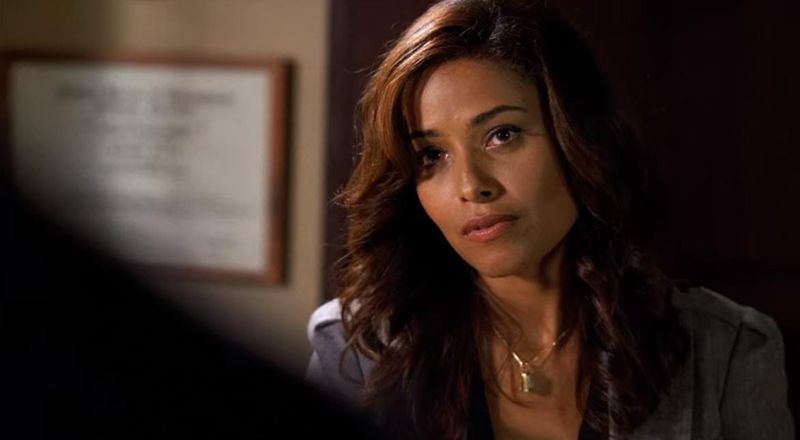
Jordan Todd arrived with a specific purpose: covering JJ’s work during maternity leave. Meta Golding played the temporary replacement in Season 4, giving the team a different voice while its familiar communications specialist was away.
Once that assignment ended, Jordan left the unit. No reliable public explanation establishes that Golding quit over backstage problems.
Her case rounds out the list as a planned recurring-role exit, a useful reminder that not every disappearing character signals trouble behind the cameras.