
Stephen King knows how to turn everyday places into nightmares, from a family car to a quiet hotel room. The best screen versions of his stories make us fear what might happen next, not just what jumps out of the dark.
These picks show how grief, isolation, and ordinary people can fuel lasting dread. One television classic joins the movies because its scares are too memorable to leave out.
1. The Shining (1980)
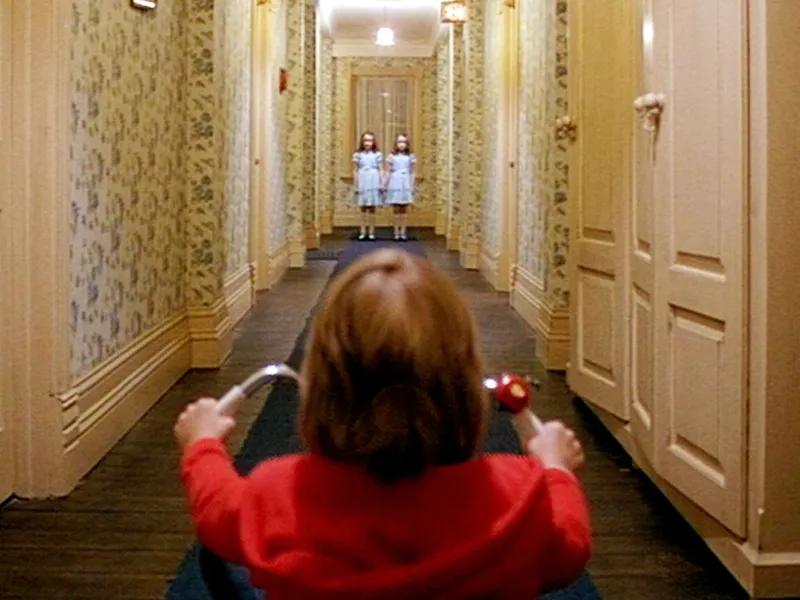
An empty hallway has rarely felt so threatening. Stanley Kubrick turns the isolated Overlook Hotel into a maze of dread as caretaker Jack Torrance grows dangerous.
Jack Nicholson’s wild expressions make even quiet conversations feel unsafe.
Watch how long camera movements and strange background details keep you searching the frame. Beyond its ghosts, the film explores family violence and isolation.
Its slow pace lets fear settle in before the terror finally breaks loose around them.
2. Carrie (1976)
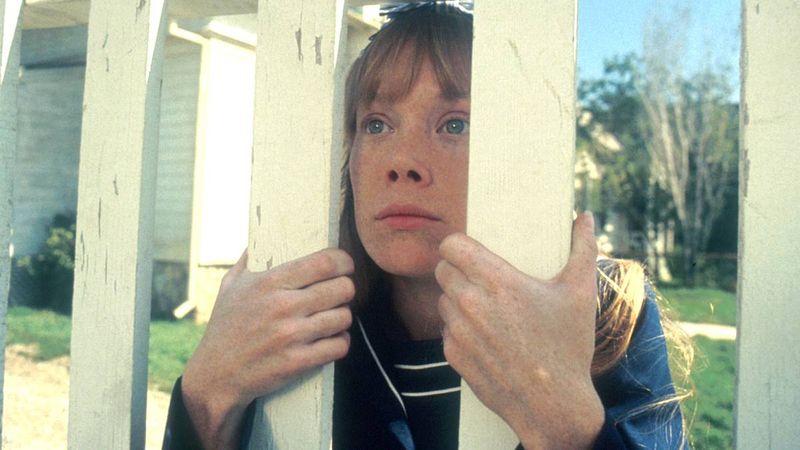
Prom night should offer a fresh start, not a waking nightmare. Sissy Spacek gives bullied teenager Carrie White a fragile warmth that makes her suffering hard to watch.
At home, her mother’s harsh religious beliefs leave little room for comfort.
Brian De Palma stretches the prom sequence until every glance feels loaded. Notice how hope and dread rise together.
The supernatural violence lands harder because the cruelty behind it feels painfully familiar long before disaster strikes.
3. Misery (1990)
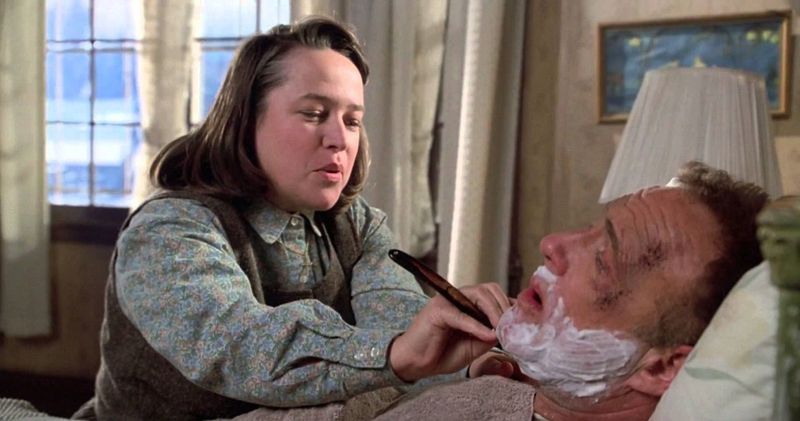
Being rescued becomes the worst thing that could happen to novelist Paul Sheldon. After a crash, he wakes in the home of Annie Wilkes, a devoted reader whose kindness comes with terrifying rules.
Kathy Bates makes her sudden mood changes deeply unnerving.
Rob Reiner keeps the danger close, with escape blocked by injury and isolation. Pay attention to everyday objects, including a doorway or a misplaced item.
Here, tiny mistakes can carry frightening consequences for Paul.
4. It (2017)
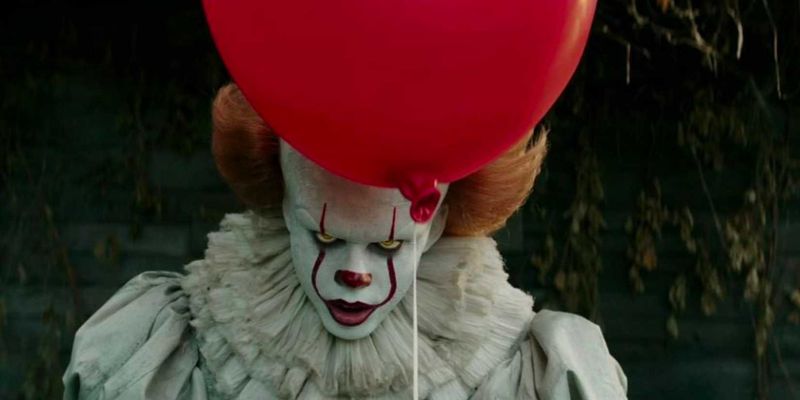
A red balloon turns an ordinary street into a warning sign. In Derry, Maine, a group of young outsiders faces Pennywise, a creature that shapes itself around their deepest fears.
Bill Skarsgård gives the clown an unsettling mix of playfulness and hunger.
Director Andy Muschietti balances frightening encounters with the warmth of childhood friendship. That bond gives the danger real weight.
Expect disturbing imagery and child endangerment, even when the friends’ jokes briefly lighten the mood.
5. Pet Sematary (1989)
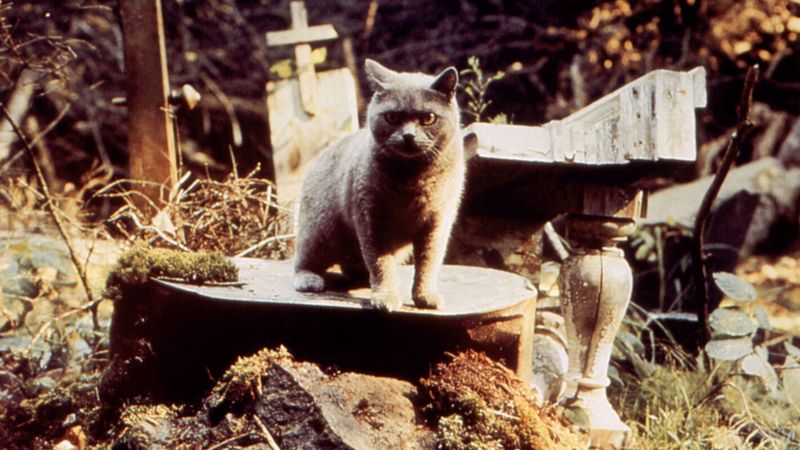
Grief opens a door that should stay shut. When a family discovers a burial ground with unnatural powers, the promise of bringing back the dead becomes dangerously tempting.
Director Mary Lambert makes the nearby road and surrounding woods feel threatening.
The real hook is a painful question: what would loss make you do? Rather than offering comfort, the story follows love into denial.
Be prepared for child death, disturbing memories, and a bleak view of resurrection.
6. The Mist (2007)
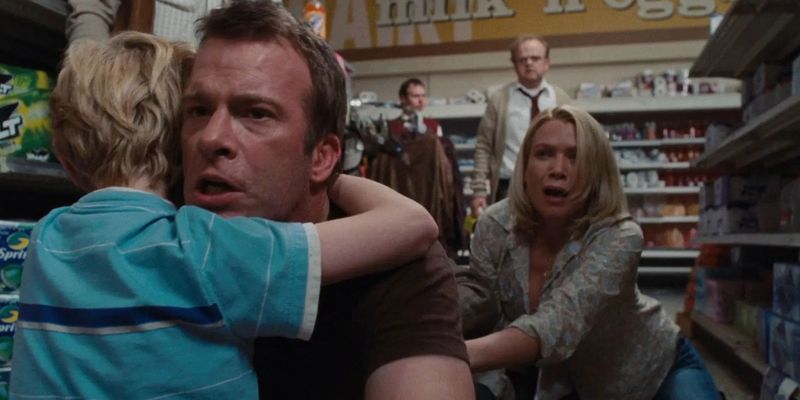
Shopping for groceries becomes a fight for survival when thick mist swallows a small town. Frank Darabont traps survivors inside a supermarket while strange creatures move outside.
Soon, the people sharing the aisles become another source of danger.
Watch how fear turns neighbors against each other, especially when one voice offers easy answers. The monsters deliver shocks, but the crowd creates lasting pressure.
Avoid spoilers if possible, because the ending depends on what you do not know.
7. Christine (1983)
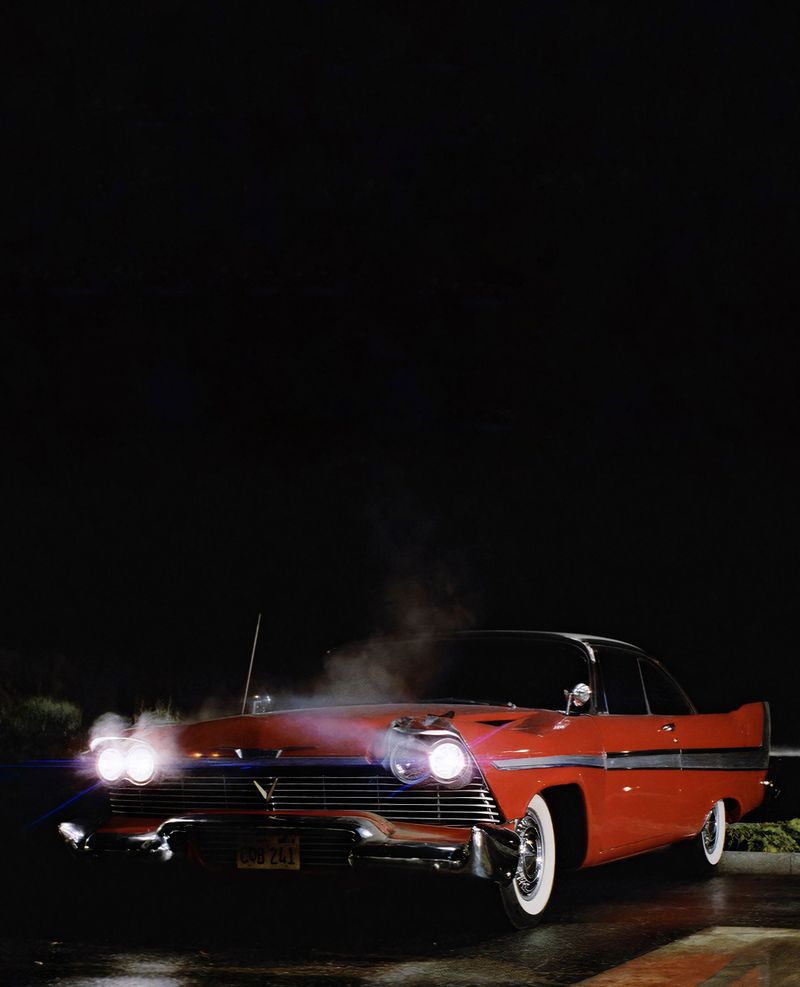
That shiny red car is not interested in sharing its owner. John Carpenter gives a 1958 Plymouth Fury a deadly personality as teenager Arnie Cunningham becomes obsessed with restoring it.
His growing confidence soon takes a cruel turn.
Look beyond the killer car setup and notice the story about control. Arnie’s closest relationships weaken as Christine takes over his life.
Glowing headlights, empty roads, and Carpenter’s music make a machine seem disturbingly capable of jealousy and revenge.
8. Salem’s Lot (1979)
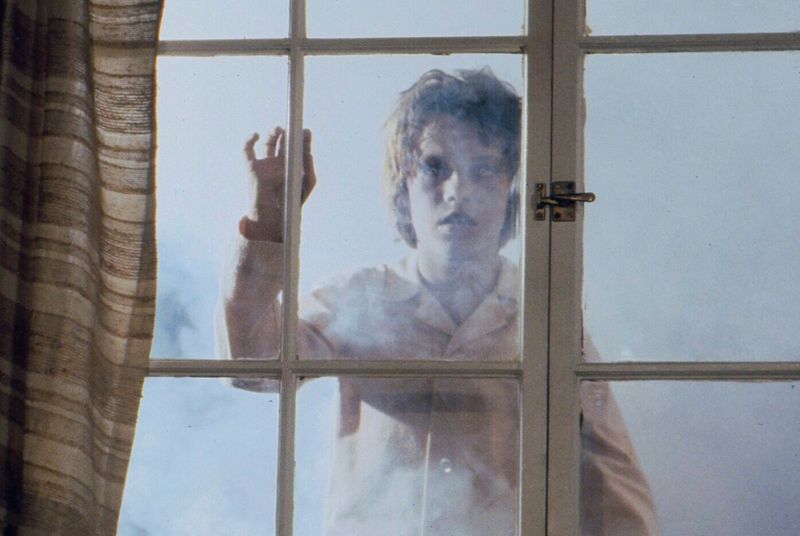
A tap at the window can haunt you for years. Tobe Hooper’s television miniseries brings vampires into a quiet Maine town, where familiar faces slowly become threats.
Its floating child and monstrous Barlow remain especially chilling images.
Although not originally a theatrical movie, it earns its place through patient suspense. The longer format lets you meet the community before darkness spreads.
Give it time to build, and notice how ordinary homes lose their sense of safety.
9. Cujo (1983)
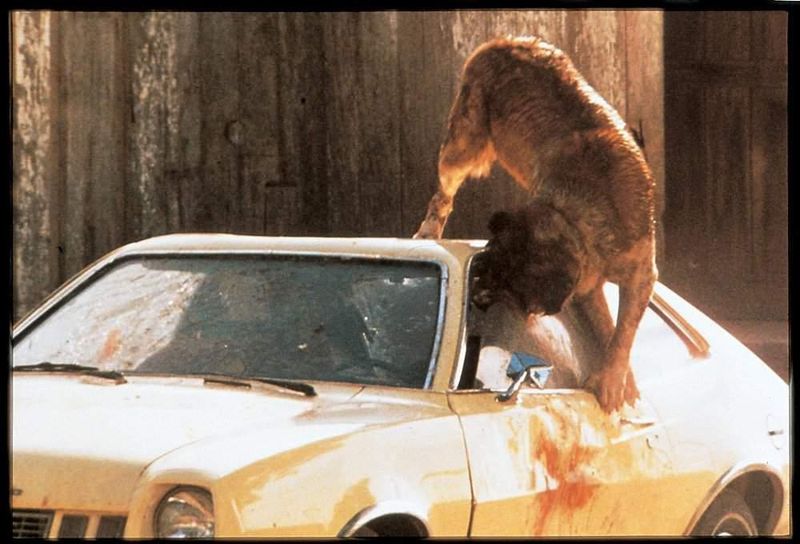
No haunted house is needed when a car becomes a prison. A mother and her young son are stranded in the heat while a rabid Saint Bernard waits outside.
Lewis Teague builds suspense from a frighteningly simple problem.
Every attempt to reach help risks another attack, while staying put brings its own danger. The heat makes the situation feel urgent and physical.
Remember that the dog is also a victim, which gives the horror a sad edge.
10. 1408 (2007)
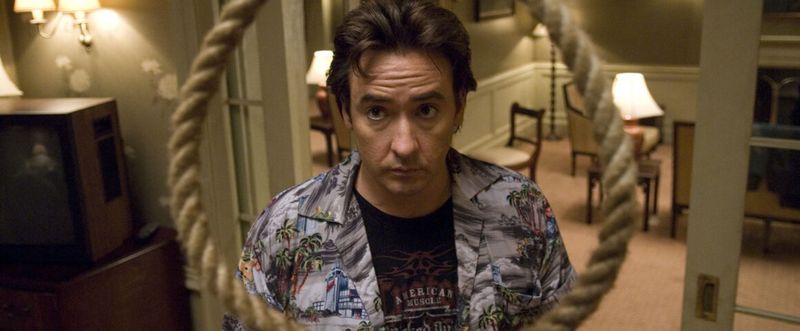
Checking out sounds easy until the room refuses to let you leave. John Cusack plays a skeptical writer who investigates haunted places and finally finds one that fights back.
Director Mikael Håfström turns a hotel room into shifting psychological territory.
Objects, sounds, and memories become weapons as the writer loses trust in his surroundings. Follow his emotional reactions rather than expecting clear rules.
The uncertainty is the point, and it keeps even familiar furniture feeling deeply wrong.
11. Gerald’s Game (2017)
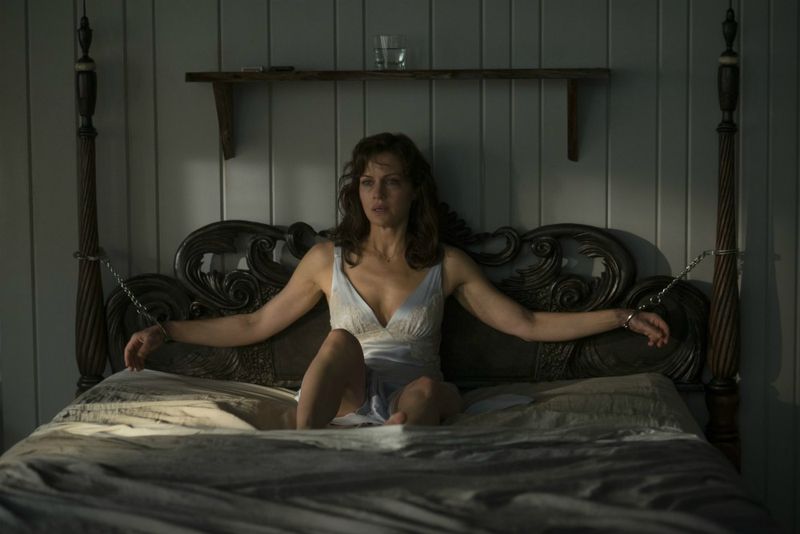
Help might as well be miles beyond the horizon. After her husband suddenly dies, Jessie is left handcuffed to a bed in an isolated house.
Carla Gugino carries the film through fear, painful memories, and desperate attempts to survive.
Mike Flanagan finds suspense in small movements and objects just out of reach. The story also confronts childhood abuse, making its emotional danger as serious as its physical trap.
Sensitive viewers should expect disturbing themes and graphic injury.
12. Doctor Sleep (2019)
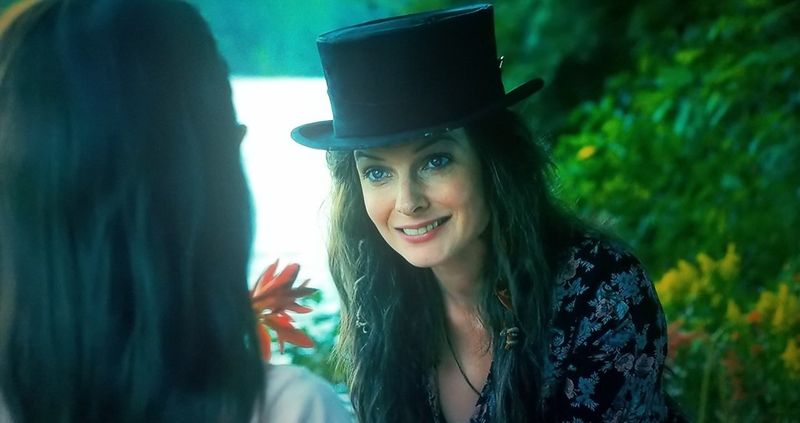
Growing up does not mean escaping the Overlook’s shadow. Ewan McGregor plays an adult Danny Torrance, who meets a gifted girl hunted by people who feed on psychic power.
Their leader, Rose the Hat, brings a calm, predatory menace.
Mike Flanagan connects recovery and old trauma with a dangerous new conflict. Watching The Shining first adds context, especially near the finish.
Be warned that violence against a child makes one sequence particularly difficult, despite the film’s hopeful streak.
13. Children of the Corn (1984)
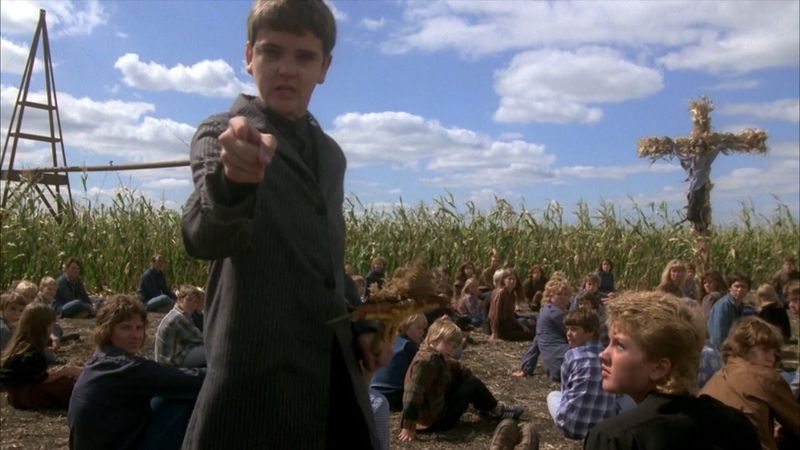
Cornfields stop looking peaceful when every path seems to hide a watcher. A traveling couple enters a Nebraska town ruled by children who follow a deadly religious leader.
The missing adults make the empty streets unsettling before the danger fully appears.
Fritz Kiersch uses the rural setting to cut the outsiders off from help. The film’s strongest idea is how belief can become a tool of control.
Expect rough edges, but also memorable images of childhood turned threatening.
14. Creepshow (1982)
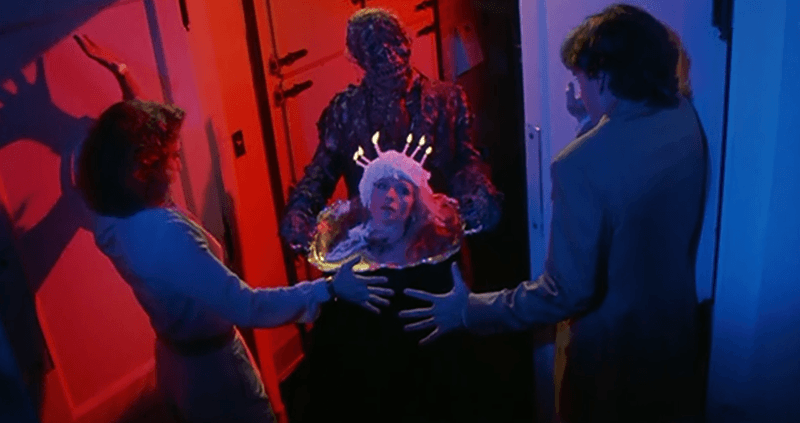
Horror gets a wicked grin in this comic book nightmare. George A.
Romero directs five stories written by Stephen King, mixing monsters, revenge, and nasty surprises. Bright colors and bold framing make the film resemble pages springing to life.
The tension arrives in bursts rather than one steady climb, so it suits viewers who enjoy variety. Watch for the contrast between playful style and cruel outcomes.
Its creatures and dark jokes make punishment feel both outrageous and creepy.
15. Silver Bullet (1985)
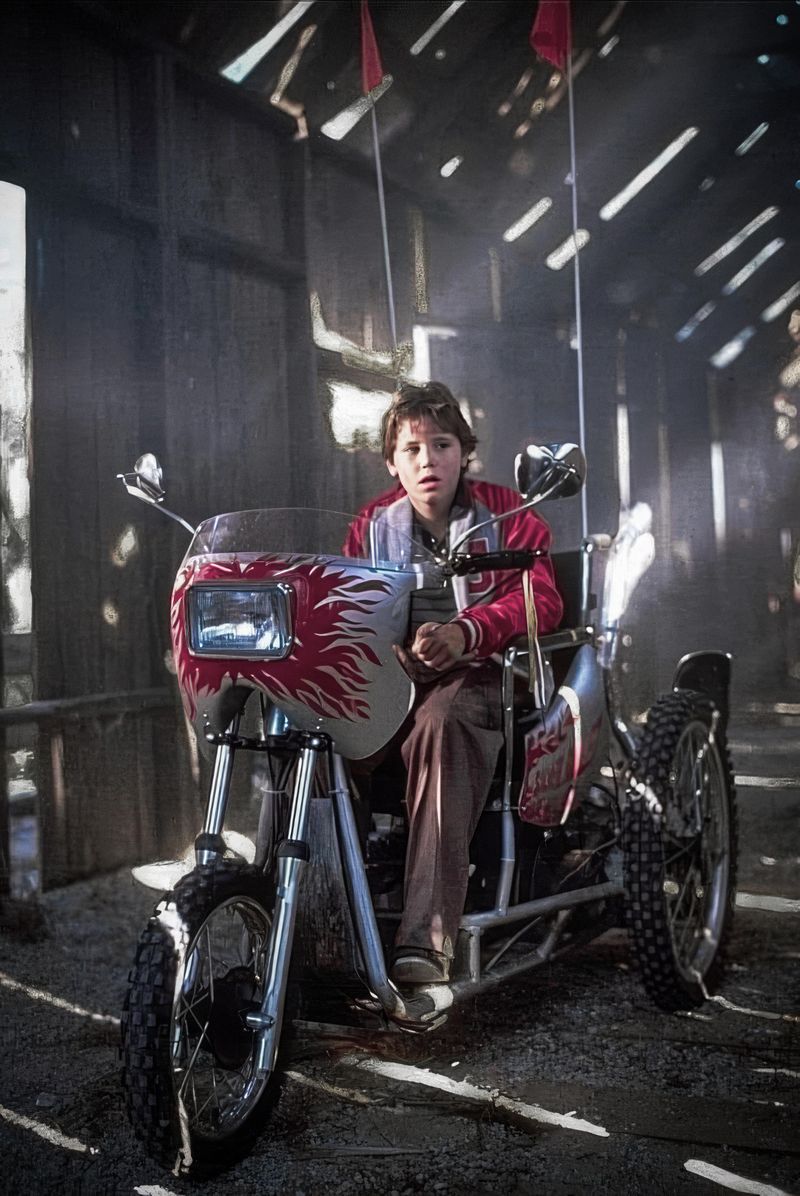
Nobody wants to believe the kid who spots the monster. Young Marty, who uses a wheelchair, suspects a werewolf is behind killings in his small town.
His sister and uncle become key allies as suspicion grows.
Daniel Attias mixes family warmth with a mystery about who hides beneath the fur. Marty’s resourcefulness gives the story its spark, not simply his danger.
Enjoy the sibling bond while watching how familiar community spaces become hunting grounds after dark falls.
16. The Dark Half (1993)
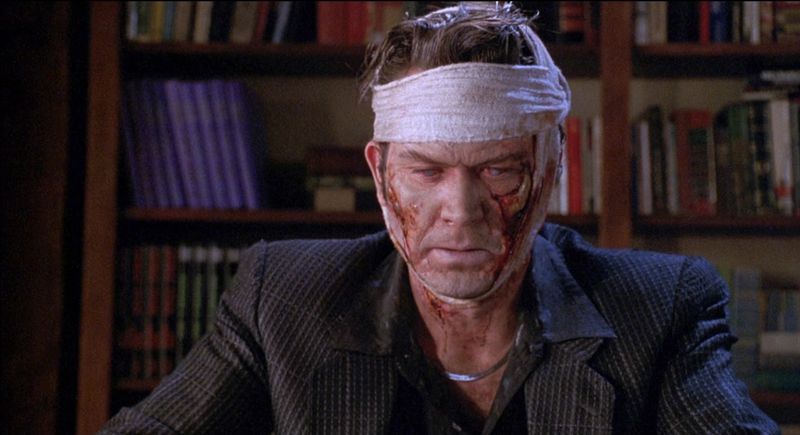
Killing off a pen name should not leave actual bodies behind. Timothy Hutton plays a writer whose fictional public identity takes physical form and begins murdering people.
George A. Romero turns a creative struggle into a bloody battle over ownership.
The double is frightening because he knows the writer’s life from inside. Notice how the story links imagination with hidden anger and ambition.
Graphic violence makes this a harsher watch, while its identity puzzle supplies the lasting unease.