
Grocery bills have a sneaky way of growing bigger every week, even when you buy the same things. Most of the extra cost comes from small habits you might not even notice.
Stores are designed to get you to spend more, and they are very good at it. Once you spot these common slipups, you can keep more money in your pocket without eating any less.
1. Walking In Without a List

Picture yourself wandering the aisles with no plan. Ten minutes later, your cart holds cookies, a fancy candle, and three kinds of cheese you never needed.
A written list acts like a map. It keeps you focused on what your kitchen actually lacks, so random items stay on the shelf.
Try keeping a running list on your fridge or phone all week. When something runs low, add it right away, and you will rarely forget anything again.
2. Shopping on an Empty Stomach
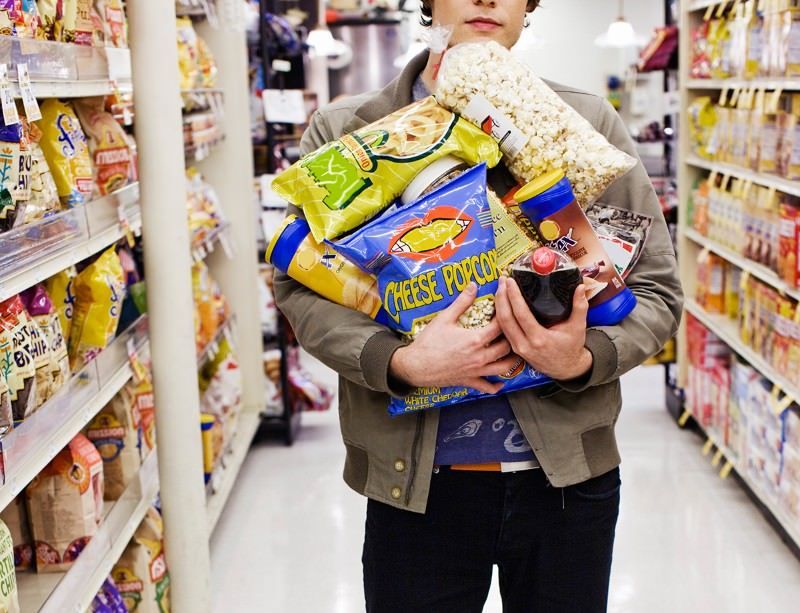
Ever notice how everything looks delicious when you skip lunch? Researchers have found that hungry shoppers tend to spend more and grab more high-calorie snacks.
Your growling belly starts making the decisions instead of your brain. Suddenly that bakery cake seems like a must-have.
Eat a quick snack, like an apple or a handful of nuts, before heading out. A full stomach keeps your wallet calm and your cart much lighter.
3. Trusting Eye-Level Shelves
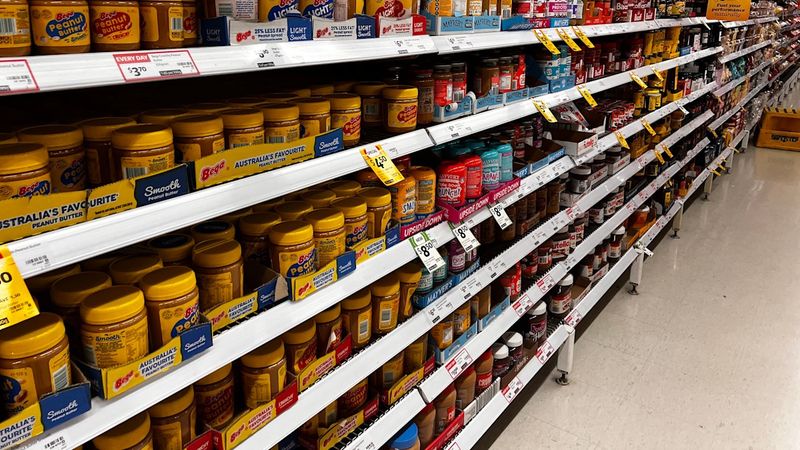
Stores play a clever game with shelf placement. Brands often pay for the best spots, which are usually right at eye level where you look first.
Meanwhile, cheaper options hide down near your ankles or way up high. Many shoppers never bother to bend down and look.
Make it a habit to scan the top and bottom shelves before choosing. That small stretch could save you a dollar or two on almost every item.
4. Ignoring the Unit Price
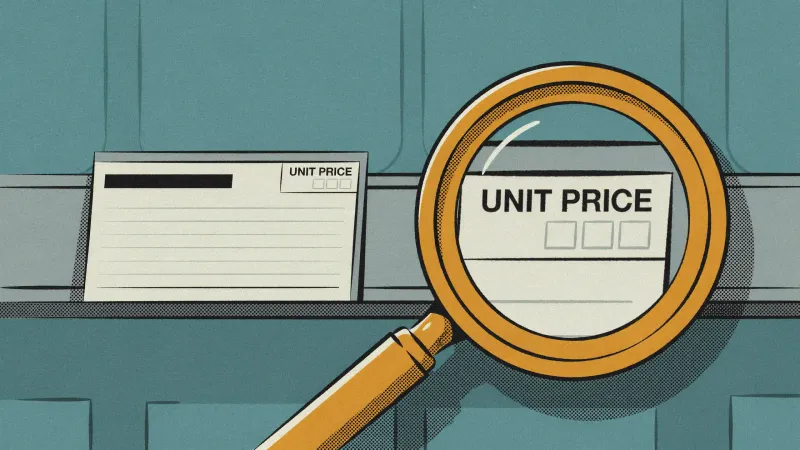
Bigger box, better deal, right? Not always.
Sometimes the large size actually costs more per ounce than the smaller one sitting beside it.
That tiny number on the shelf tag, called the unit price, tells the real story. It shows the cost per ounce, pound, or count so you can compare fairly.
Get in the habit of checking it every time. You might be surprised how often the giant package is the sneaky loser.
5. Falling for Endcap Displays
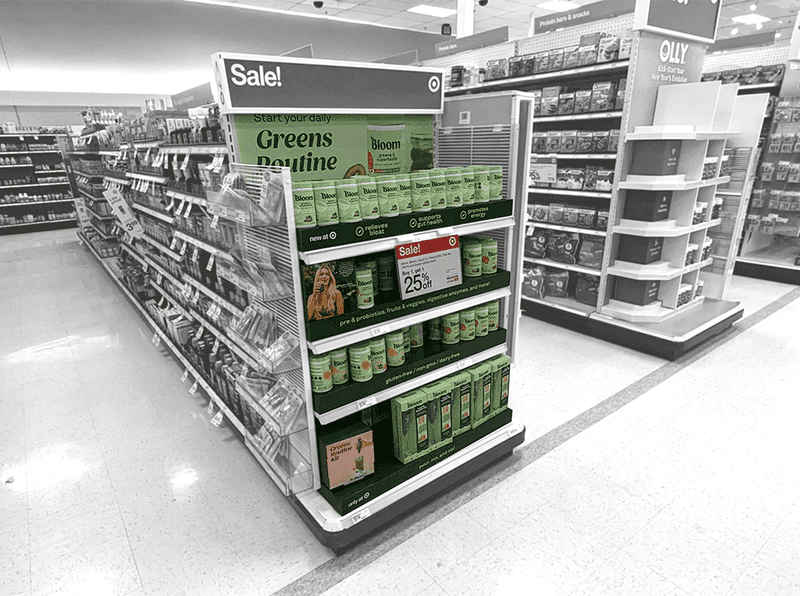
Those eye-catching displays at the end of each aisle are called endcaps. They look like special bargains, with bright signs and big stacks.
Here is the funny part. Plenty of those items are not on sale at all.
Stores simply know that shoppers assume anything placed there must be a deal.
Before grabbing something from an endcap, compare it with the same product in the regular aisle. Often the price is exactly the same.
6. Paying Extra for Pre-Cut Produce
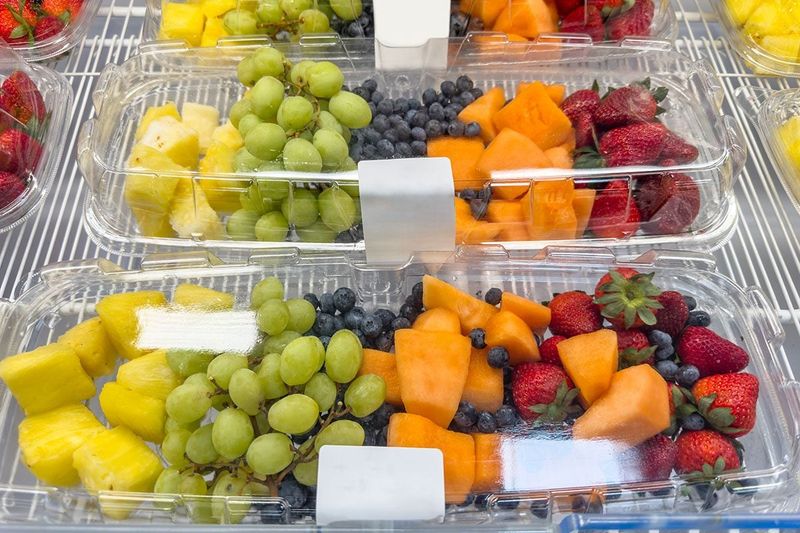
Convenience has a price tag, and it can be shocking. A container of sliced pineapple might cost three times more than a whole one.
You are basically paying someone to hold a knife for a couple of minutes. Pre-washed salads, chopped onions, and peeled carrots work the same way.
Spend ten minutes on Sunday prepping your own fruits and veggies. Store them in containers, and you get the same easy snacking for far less money.
7. Skipping Store Brands
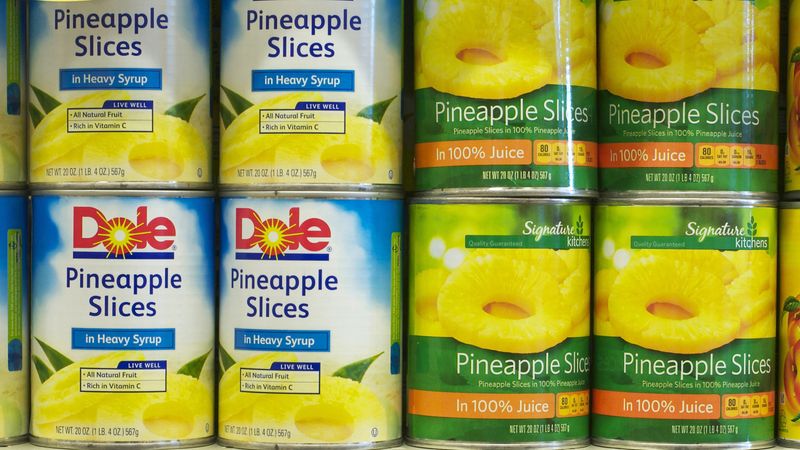
Many shoppers think generic means lower quality. In reality, store brands are often made in the very same factories as famous labels.
The main difference is the fancy packaging and pricey advertising. You can save around 20 to 30 percent just by switching on basics like flour, sugar, canned beans, and pasta.
Run a little taste test at home. Chances are your family will not notice a thing, but your bank account definitely will.
8. Buying Bulk You Will Never Use
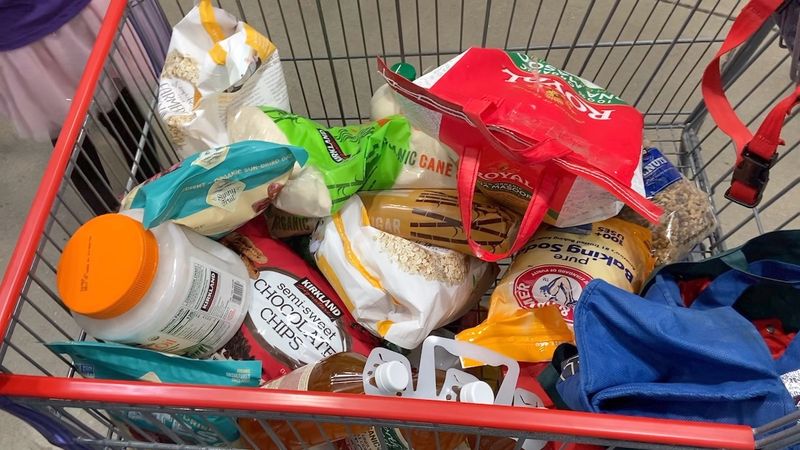
A ten-pound bag of spinach sounded smart at the warehouse store. Then half of it turned into green slime in the back of the fridge.
Bulk buying only saves money if you finish everything before it spoils. Otherwise, you are just paying to throw food away.
Stick to bulk deals on things that last, such as rice, toilet paper, or frozen goods. For fresh foods, buy only what you can realistically eat this week.
9. Bringing the Kids Along

Kids are adorable, persuasive little salespeople. Stores know it too, which is why sugary cereals with cartoon characters sit right at a child’s eye level.
One quick trip can turn into a tug-of-war over candy, toys, and colorful snacks. Giving in just once adds up fast.
Whenever possible, shop solo. If the kids must come, let them pick one treat ahead of time or give them a job, like finding items on the list.
10. Overlooking Weekly Sales Flyers
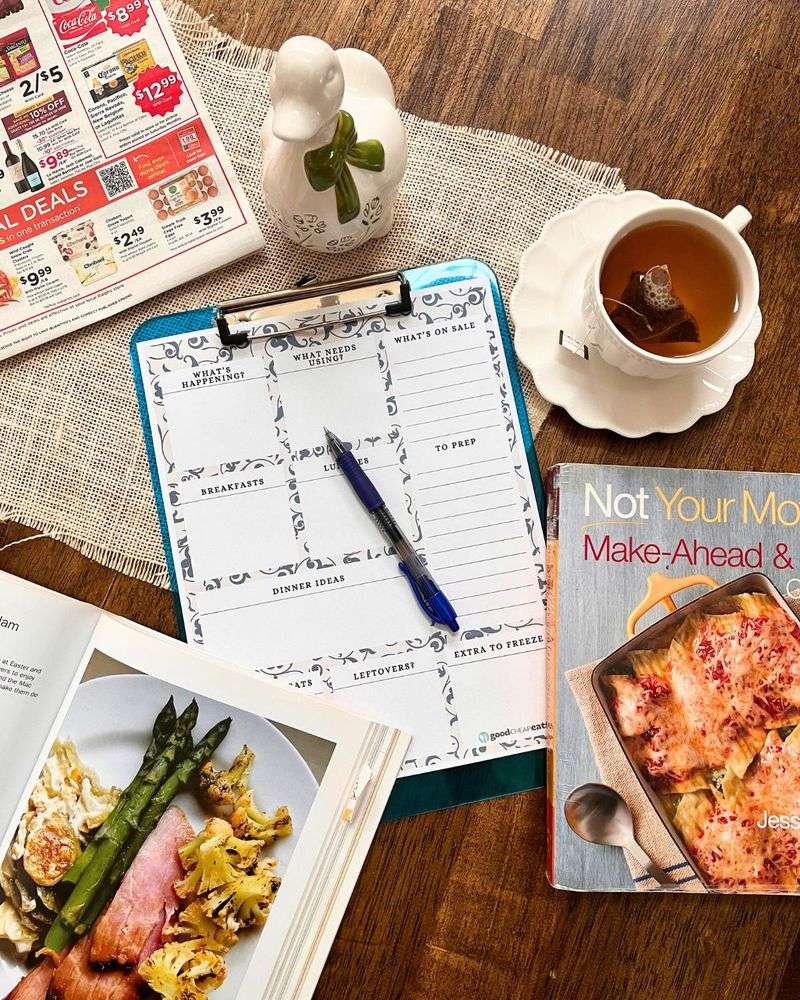
Your grandparents probably sat at the kitchen table circling deals in the Sunday paper. Turns out they were onto something smart.
Weekly flyers show which items are discounted, and most stores now post them online or in their apps. Planning meals around these sales can cut your bill noticeably.
If chicken is on sale, make it the star of the week. Let the deals guide your menu instead of the other way around.
11. Grabbing Checkout Lane Extras

You are almost done. Then you spot gum, a candy bar, and a chilled soda while waiting in line.
Into the cart they go.
Checkout lanes are packed with these impulse buys on purpose. Bored shoppers standing still are easy targets for tiny temptations.
A couple of dollars may not seem like much. Yet doing it every trip can add up to hundreds each year.
Keep your eyes on your phone or list instead.
12. Forgetting What Is Already at Home
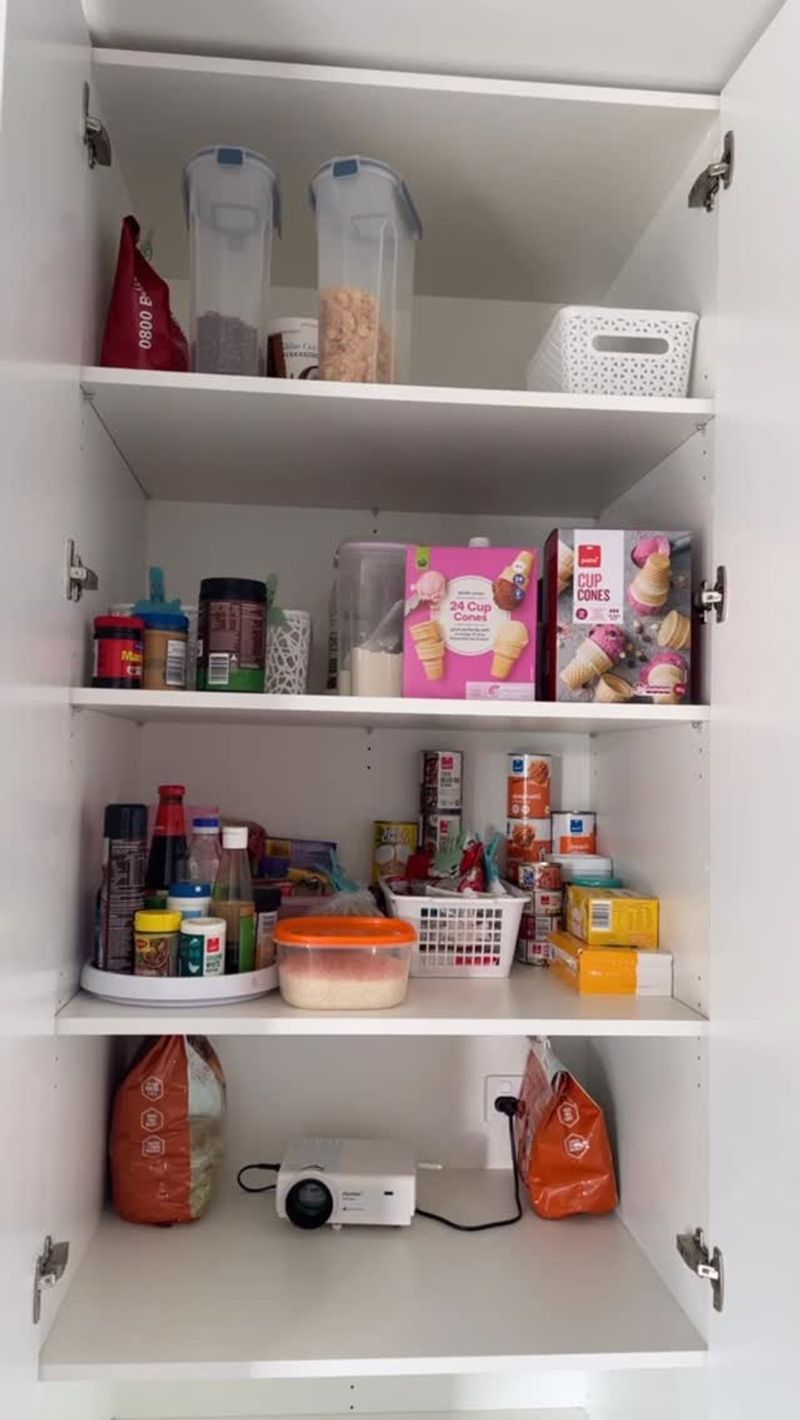
Three jars of peanut butter. Four bottles of ketchup.
Sound familiar? Buying things you already own is one of the sneakiest budget leaks.
It happens when you shop from memory instead of checking. Your pantry slowly fills with duplicates while the money disappears.
Take a quick peek in your fridge, freezer, and cupboards before every trip. Snapping a photo with your phone works great, so you can double-check while standing in the aisle.
13. Assuming Big Carts Are Harmless

Fun fact: shopping carts have grown much larger over the decades. Bigger carts make your items look small, so you feel like you have not bought much.
That little trick nudges you to keep adding more. A half-empty cart can feel strangely unfinished.
For quick trips, grab a hand basket instead. The weight on your arm reminds you to stop, and you will naturally buy only what you truly came for.
14. Getting Tricked by Multi-Buy Deals
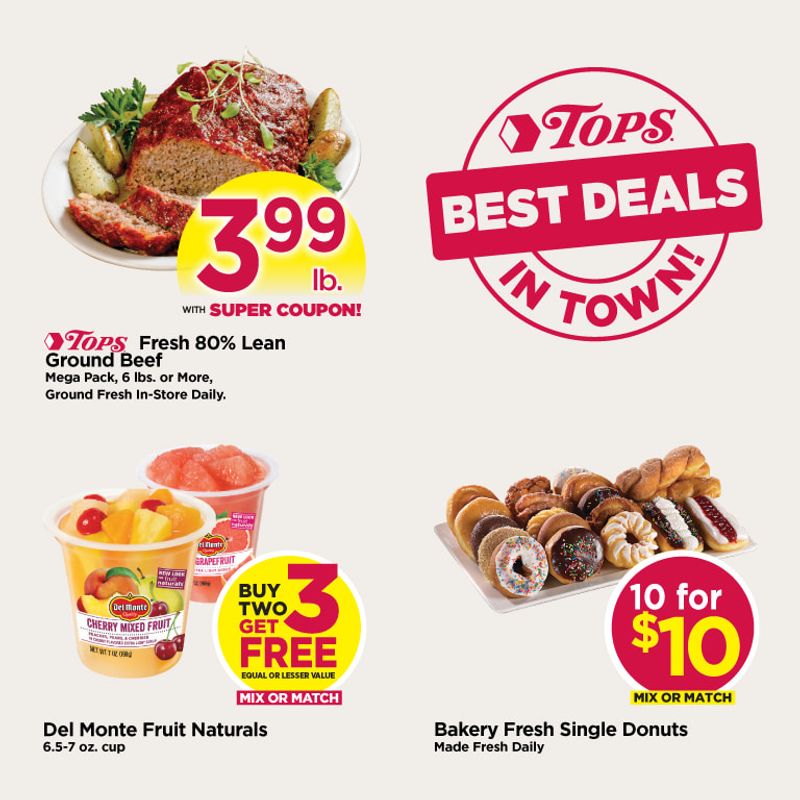
Ten for ten dollars! It sounds like you must buy ten, but usually you do not.
Many stores give the same one-dollar price for a single can.
These deals push people to load up on items they never planned to buy. Sometimes the regular price was barely higher anyway.
Read the fine print on the sign or ask a worker. Buy the amount you actually need and still enjoy the discounted price.
15. Not Watching the Register
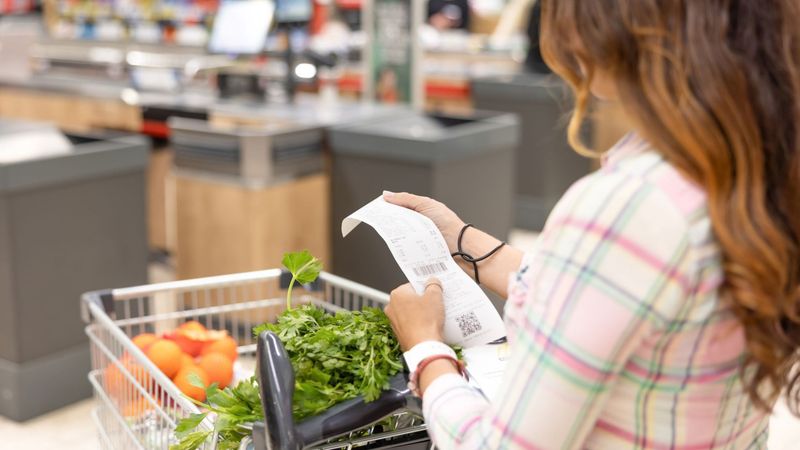
Scanners make mistakes more often than you might think. A sale price may not ring up, or an item could get scanned twice.
Most people are busy bagging groceries or chatting and never glance at the screen. Those small errors quietly slip through.
Keep an eye on prices as they pop up, and check your receipt before leaving. Some stores even have policies that give you the item free if it scans wrong.
16. Tossing Food Too Early
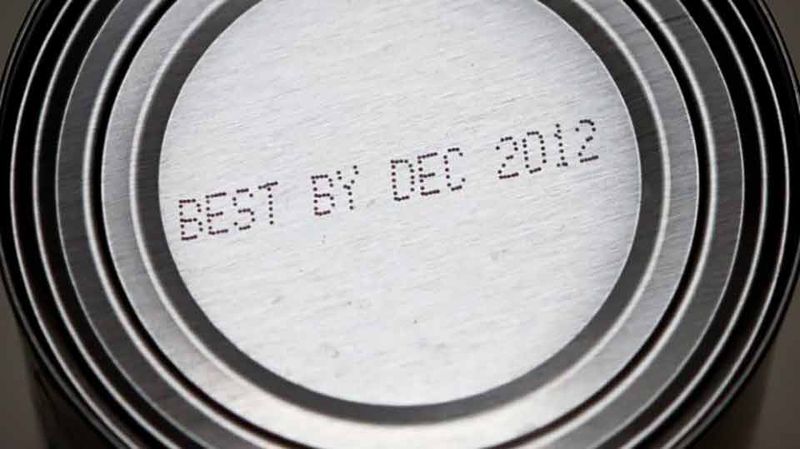
Did you know most date labels are about quality, not safety? Words like best by or sell by usually do not mean the food has gone bad.
Many families throw away perfectly good yogurt, bread, and canned goods just because a date passed. That is money going straight into the trash.
Use your senses. Look, smell, and taste a little.
Freeze extras before they spoil, and your groceries will stretch much further.
17. Shopping Too Often
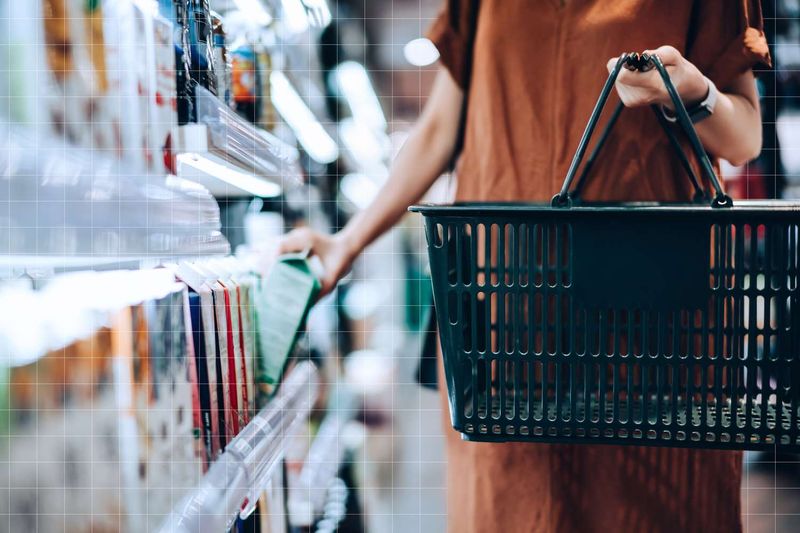
Just running in for milk? Famous last words.
Every quick stop is another chance for snacks and extras to jump into your basket.
Frequent trips also waste gas and time. People who shop once a week often spend less overall than those who pop in daily.
Plan bigger, less frequent trips. Keep backups like shelf-stable milk or frozen bread on hand, so a single missing item does not send you racing back.
18. Ignoring Loyalty Programs and Apps
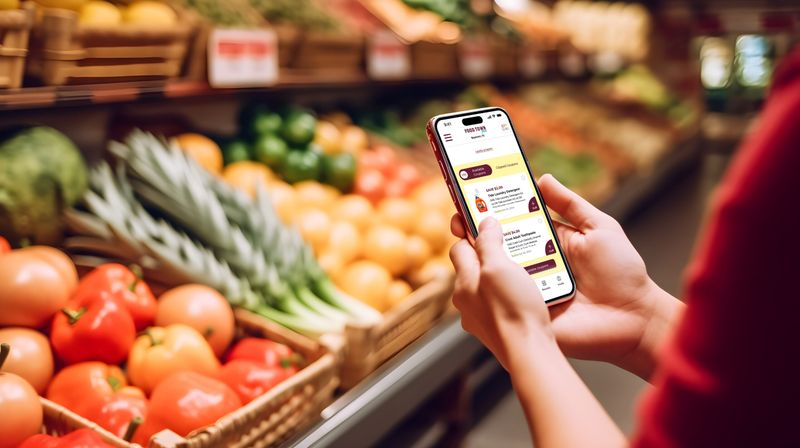
Free money is sitting in your phone, waiting to be claimed. Most supermarkets offer loyalty cards or apps packed with digital coupons and member-only prices.
Skipping them means paying full price while the person behind you saves a bundle on the exact same items.
Signing up usually takes five minutes. Clip a few digital coupons before each trip, and watch for fuel rewards too.
Those savings stack up surprisingly fast over a year.
19. Paying for Pricey Convenience Meals
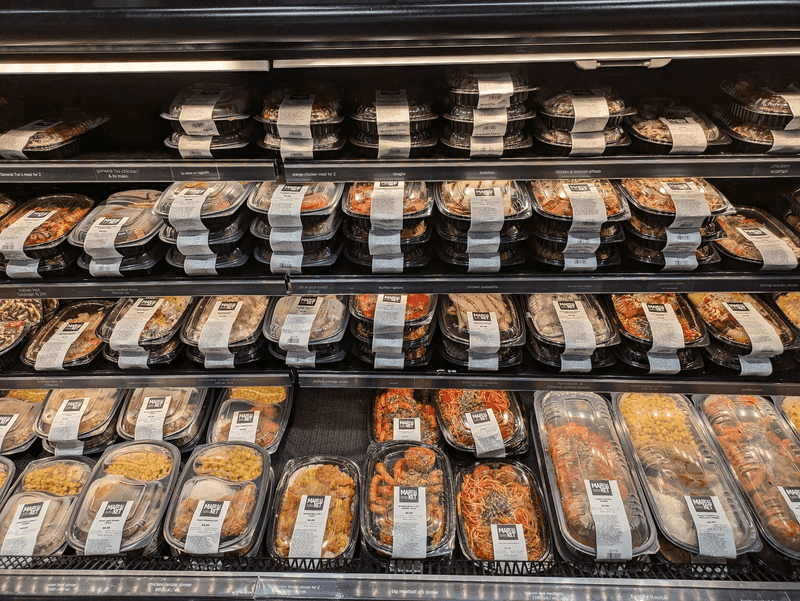
After a long day, that ready-made lasagna in the deli case looks like a lifesaver. Unfortunately, it often costs double what homemade would.
Prepared meals, frozen dinners, and single-serve snacks charge a premium for saving you effort. Buying them every week really hurts a budget.
Cook a big batch on the weekend and freeze portions. You get your own grab-and-go dinners, made just how you like them, for a fraction of the price.