
A catchy tune can hide a story we miss for years. Sometimes we sing along before we notice the sadness, sharp joke, or warning behind the words.
Looking closer can change how a favorite song feels and help us understand the person who wrote it. From party hits to quiet classics, these songs reward a second listen.
1. Poker Isn’t the Whole Game in AC/DC’s The Jack
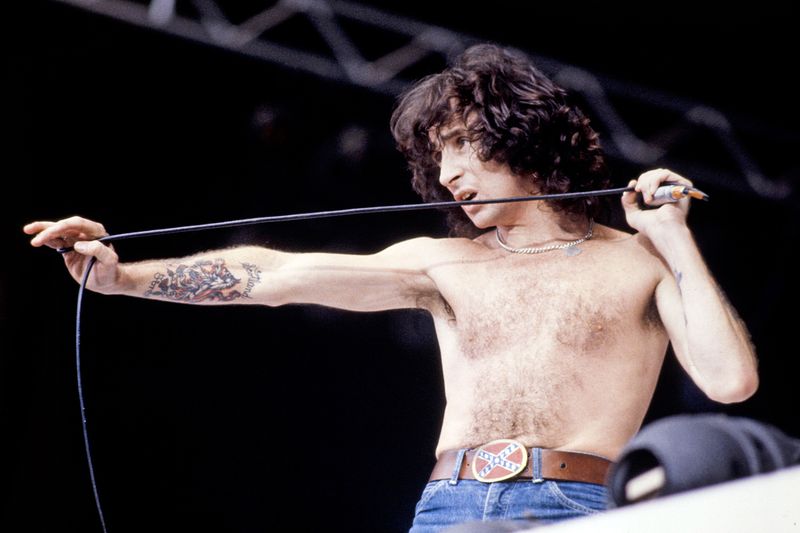
Cards on the table, AC/DC isn’t simply singing about poker. The gambling language in The Jack hides a joke about gonorrhea, a sexually transmitted infection, rather than an unlucky hand.
Once that slang clicks, the card references become a trail of clues. The lesson here is about listening, not taking the narrator’s attitude as advice.
Older slang can completely change a song’s meaning, especially when a band enjoys sneaking cheeky humor past its audience unnoticed.
2. A Debated Journey Behind the Beatles’ Ticket to Ride
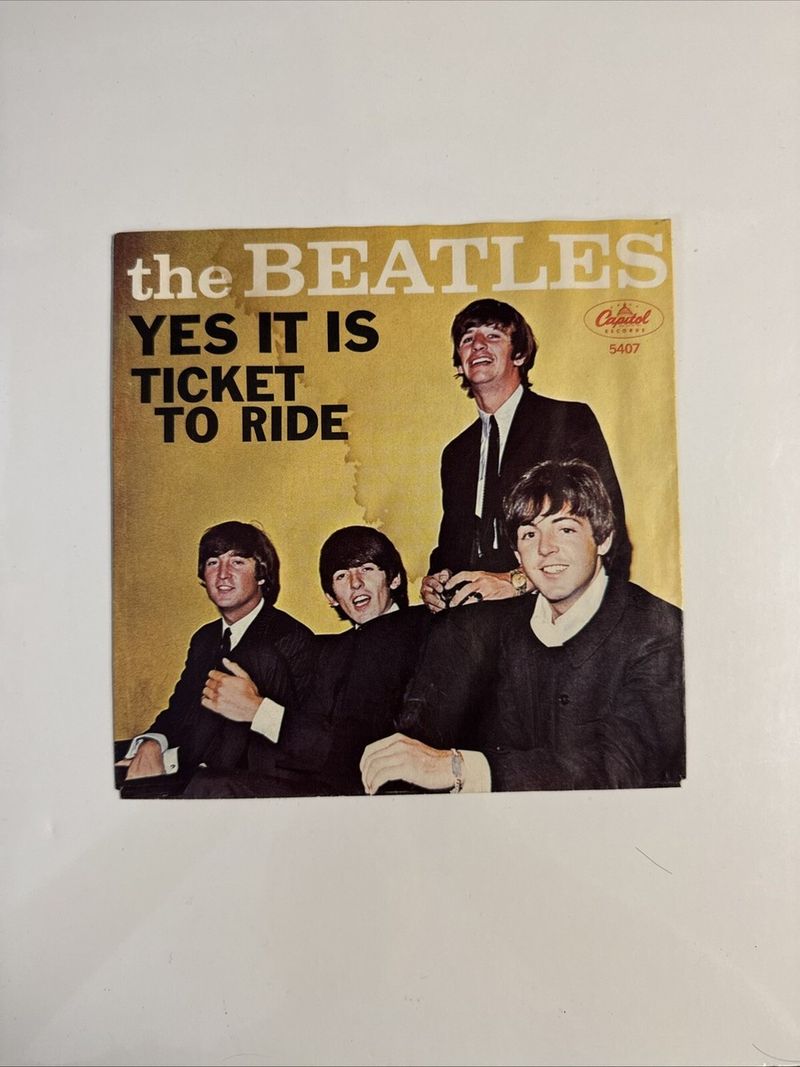
A train ticket seems like an easy clue, but this Beatles song has inspired competing explanations. On the surface, a woman is leaving, and the narrator knows their relationship is ending.
One theory links the title to health cards associated with sex workers in Hamburg. That reading is debated, not a settled fact.
Enjoy the possible wordplay, but keep interpretation separate from proof. The heartbreak in the lyrics remains clear without accepting every colorful origin story.
3. Accordion Mischief in the Who’s Squeeze Box
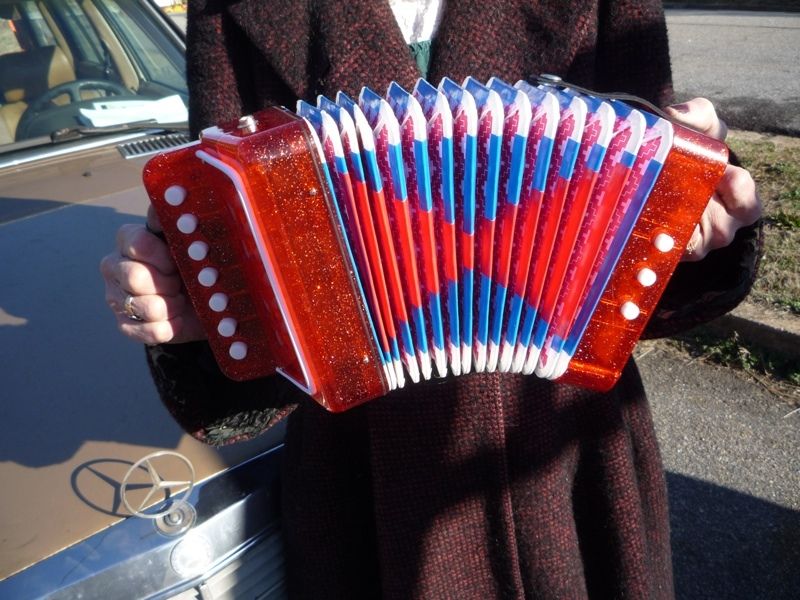
Some songs wink so hard that the innocent meaning gets lost. In Squeeze Box, the instrument is an accordion, and the noisy household could simply be dealing with someone who won’t stop playing.
Still, the repeated motions and family setup invite suggestive jokes. Those two layers are the point, rather than a puzzle with only one answer.
Picture an actual accordion while listening, then notice how the wording keeps nudging your imagination somewhere else entirely instead.
4. Uneasy Comfort in the Rolling Stones’ Let It Bleed
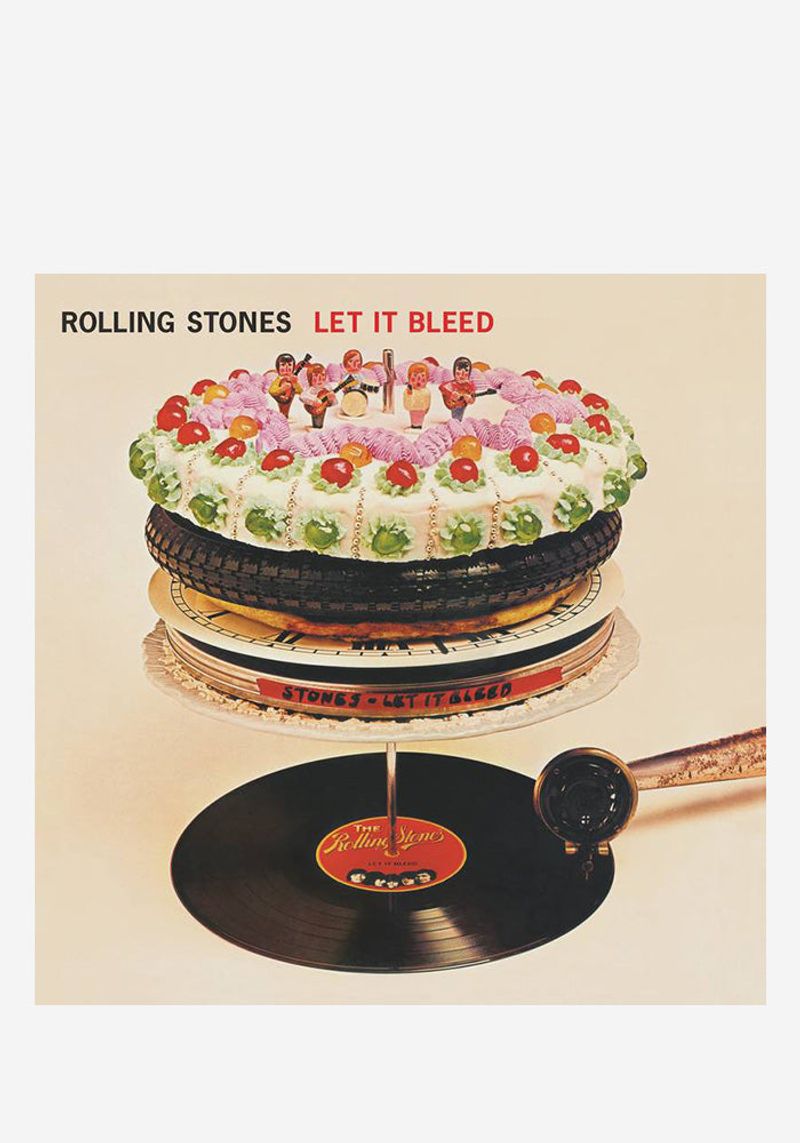
Comfort sounds rough around the edges in this Rolling Stones track. Its repeated offers of support suggest that people need somewhere to bring their pain, even when their relationships are messy.
Some listeners hear drug references in the bleeding imagery, but calling it a definite phrase about injecting heroin goes beyond clear evidence. A stronger reading keeps several possibilities open.
Pay attention to the mix of care, dependence, and danger rather than chasing one hidden definition.
5. The Punchline Arrives Late in Aerosmith’s Big Ten Inch
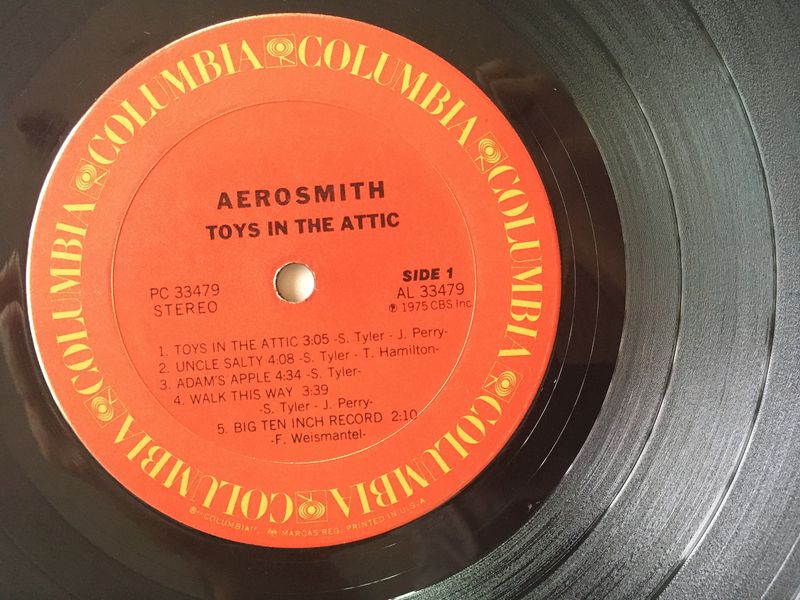
Wait for the final word, because that’s where the joke lands. Aerosmith’s Big Ten Inch (Record) borrows a blues song made famous by Bull Moose Jackson, using pauses to encourage a suggestive misunderstanding.
The reveal points to a record, an ordinary object with an actual size. Knowing that older records came in different formats makes the punchline clearer.
Listen to the timing as much as the words: the singer lets your expectations do half the work.
6. The Quiet War Story Inside Elton John’s Daniel
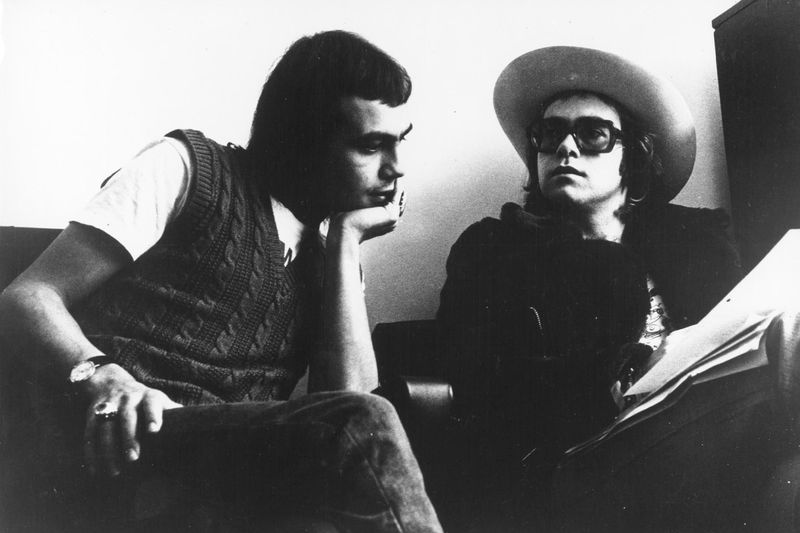
An airport farewell feels different when you learn who’s leaving. Bernie Taupin has explained that Daniel grew from a story about a Vietnam veteran who wanted to escape the attention surrounding his return home.
The younger brother’s voice makes the song tender, while references to pain suggest wounds that aren’t only physical. Rather than hearing a simple goodbye, consider how hard returning can be.
Someone may reach home safely yet still need distance, quiet, and understanding.
7. Rihanna’s S&M Turns the Spotlight Back on the Press

Camera flashes can sting, even when fame looks glamorous. Rihanna has connected S&M with her complicated relationship with the media, adding another layer to words that openly use sexual imagery.
That explanation doesn’t erase the surface meaning. Instead, it shows how a pop song can turn criticism, attention, and public pressure into a bold performance.
Think about who seems to hold power in the song, then consider how that balance shifts when the audience becomes the press.
8. Affection Becomes Disposable in R.E.M.’s The One I Love
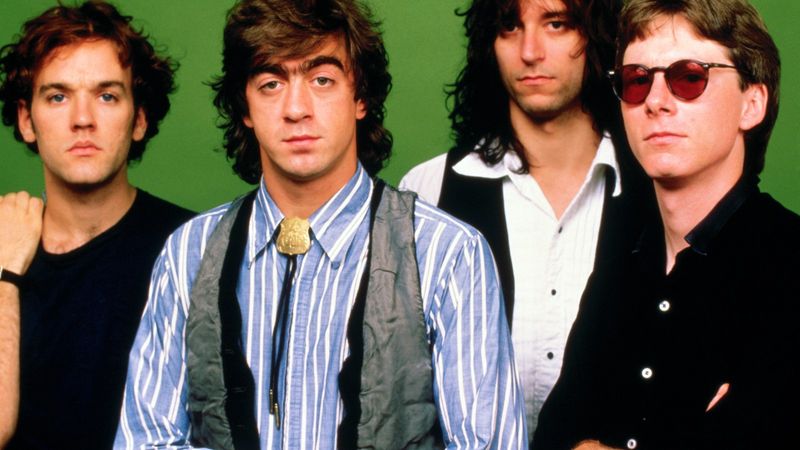
A dedication can sound sweet until the next lines arrive. R.E.M.’s The One I Love pairs its inviting title with a narrator who treats another person as something useful, temporary, and replaceable.
Michael Stipe has described the song as brutal, not a warm declaration of love. That’s a good reason to hear the whole story before choosing it for a romantic playlist.
A loving label means little when the surrounding words show coldness instead of care.
9. Green Day’s Good Riddance Offers a Bittersweet Goodbye
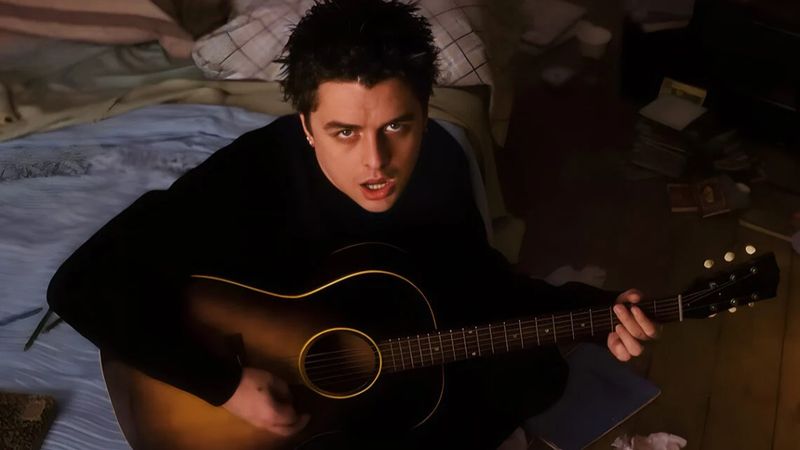
Graduations gave this acoustic song a second life. Its gentle sound and familiar farewell made it a natural choice for slideshows, even though Billie Joe Armstrong wrote it around a breakup.
The title, Good Riddance, hints at feelings that aren’t entirely grateful. There’s reflection here, but also a little bitterness.
You don’t need to stop enjoying its hopeful side. Just leave room for the mixed emotions that often follow an ending, whether you’re relieved, hurt, or both.
10. The Unheard Verses of Bruce Springsteen’s Born in the U.S.A.
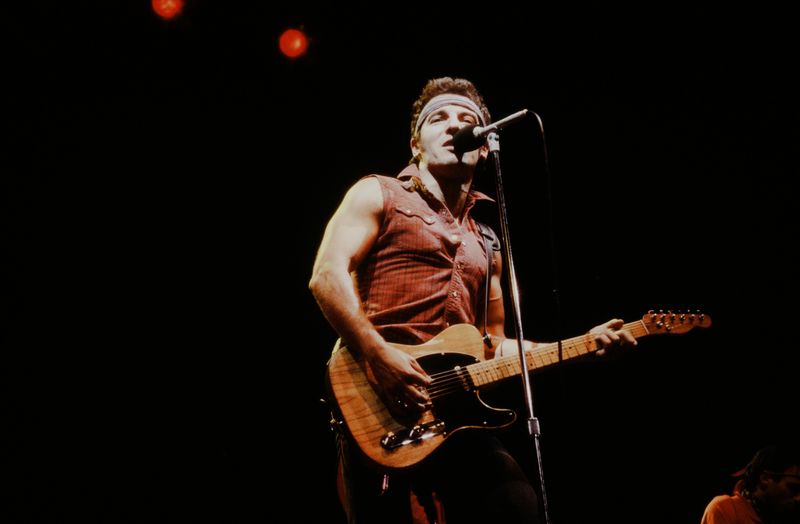
A stadium chorus can drown out a painful story. Born in the U.S.A. sounds huge and proud, but its verses follow a veteran facing hardship after Vietnam, including limited chances and deep personal loss.
Springsteen uses the gap between the forceful music and the troubled story to powerful effect. Before treating a chorus as a song’s entire message, read the verses.
Here, national identity comes with disappointment and a demand that struggling people be seen and heard.
11. Adult Decisions Arrive Early in the Goo Goo Dolls’ Slide
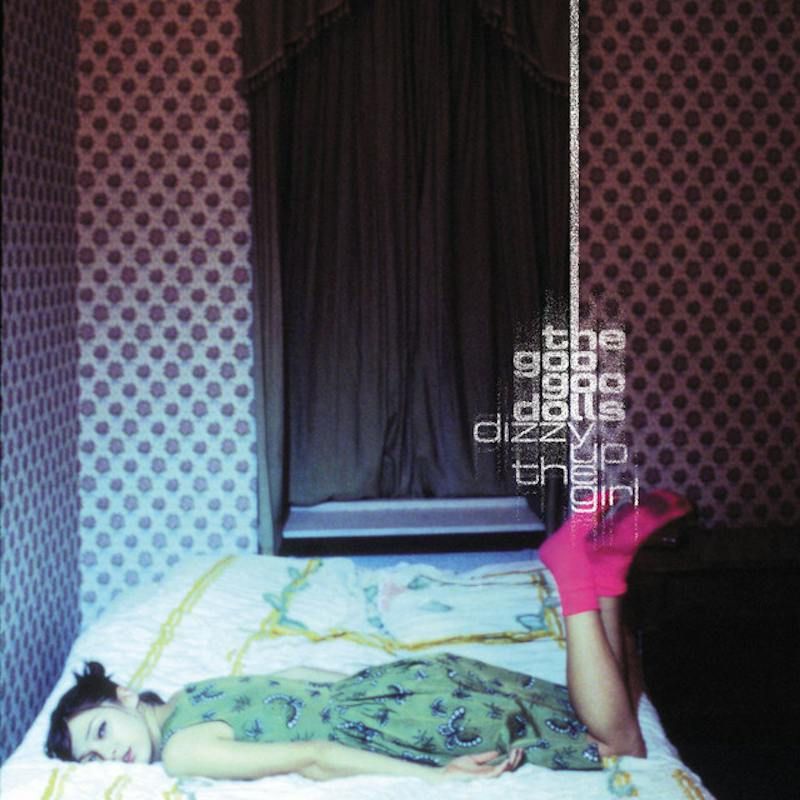
Under the bright guitars sits a frightening choice. John Rzeznik has explained that Slide concerns a young couple facing an unplanned pregnancy, with pressure from a strict religious background shaping their options.
What first sounds like a carefree invitation becomes a conversation about fear, commitment, and an uncertain future. Listen for the tension beneath the melody rather than expecting an easy answer.
The song captures how people can promise support while still feeling overwhelmed by what comes next.
12. Watching Isn’t Loving in the Police’s Every Breath You Take
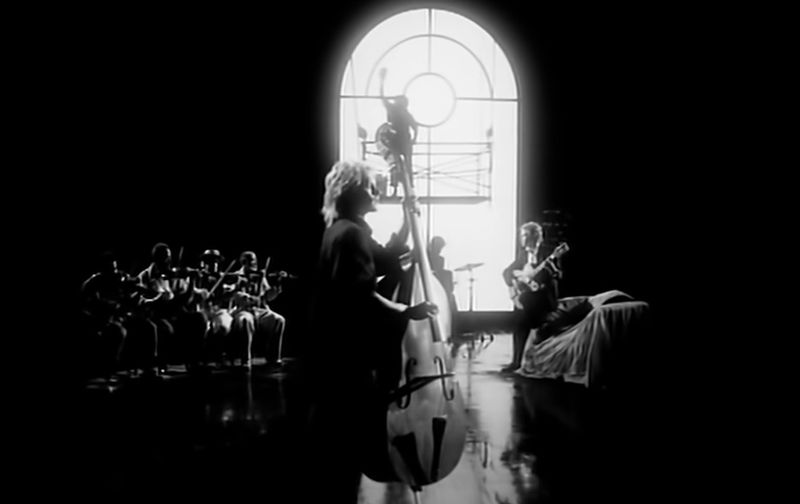
Would constant watching really feel like love? Sting has described Every Breath You Take as a dark song about possession and control, even though its smooth melody has carried it onto wedding playlists.
The narrator focuses on tracking someone, not respecting their freedom. Hearing that difference can turn a familiar slow dance into something unsettling.
In real relationships, care allows privacy and choice. The song becomes far clearer when you notice how little space its watcher gives anyone.
13. Freedom Takes Flight in the Beatles’ Blackbird
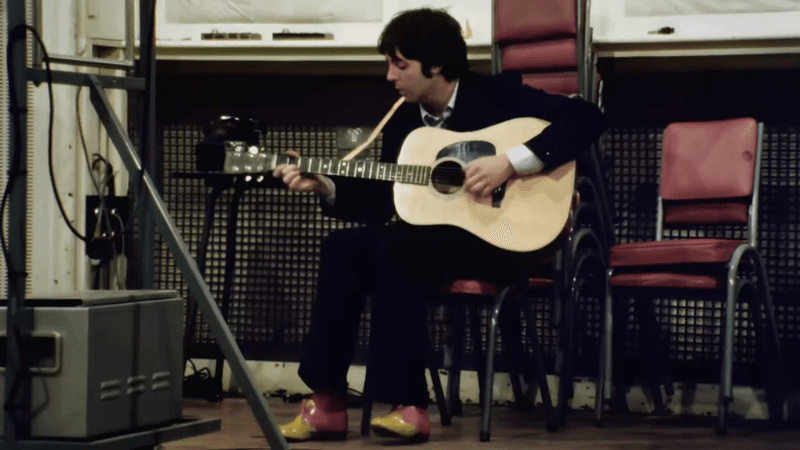
A small bird carries a much larger hope. Paul McCartney has connected Blackbird to the American civil rights struggle, explaining that he imagined encouragement for a Black woman facing racism and barriers.
The image of learning to fly becomes about freedom and possibility, not simply wildlife. Knowing that background adds weight to the song’s quiet delivery.
You can still hear personal comfort in it while remembering the real struggles that helped shape its message of change and hope.
14. Broken Love Shares Space With Faith in Leonard Cohen’s Hallelujah
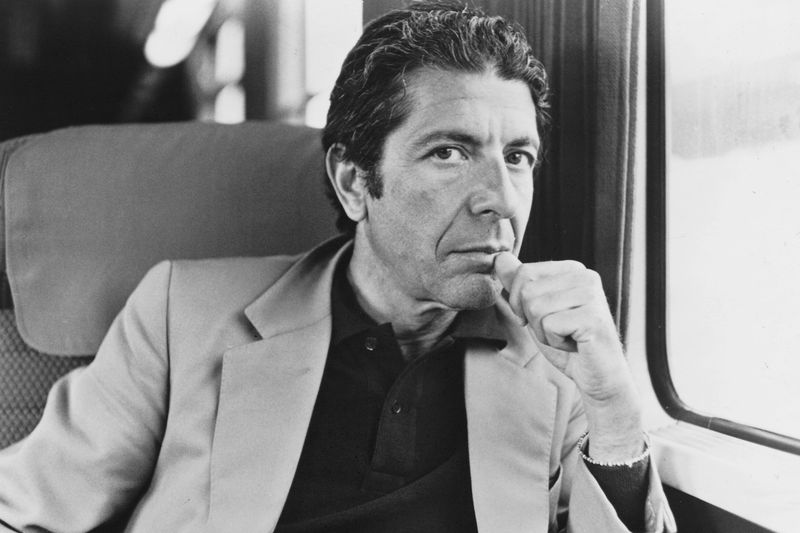
Churchlike beauty can hide a deeply human struggle. Hallelujah draws on biblical figures, including David and Samson, while moving through desire, failure, faith, and love that doesn’t turn out as hoped.
It isn’t only a hymn, and reducing it to one unhappy romance misses its range. Different recordings also use different verses, which can shift the mood.
Compare versions before deciding what the song means to you. Its power comes partly from holding praise and disappointment together.
15. A Word Puzzle Sharpens the Urge’s Four Letters in Two Words
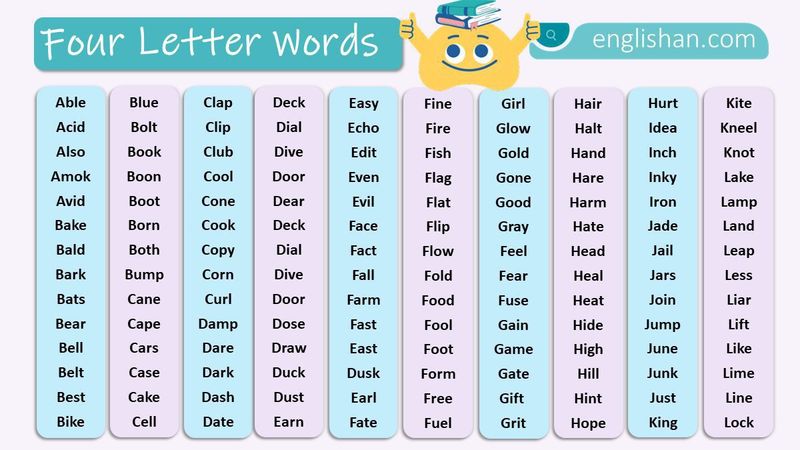
Rearranging letters gives this chorus its sting. A common reading of the Urge’s riddle pairs lust with slut, two words built from the same letters but carrying very different judgments.
That solution highlights a gap between describing desire and labeling a person. Treat it as an interpretation rather than an explanation confirmed here by the band.
Beyond solving the puzzle, consider why one word describes a feeling while the other often becomes an insult aimed at someone.
16. Outkast’s Hey Ya! Dances Around a Failing Relationship
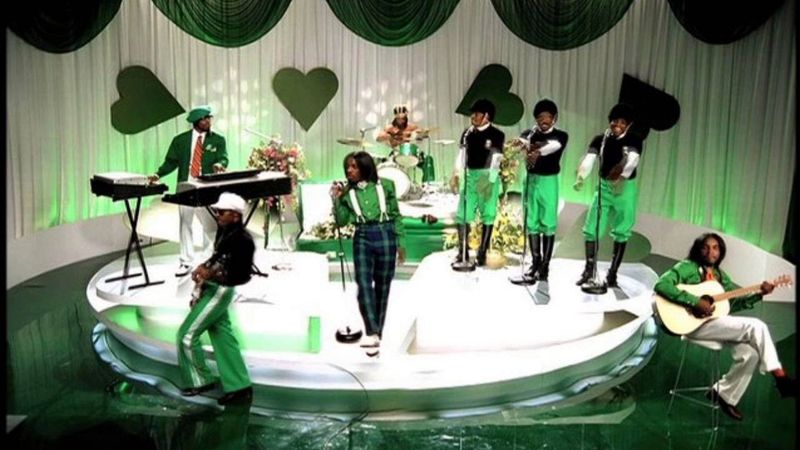
Your feet may catch the beat before your ears catch the worry. Outkast’s Hey Ya! wraps doubts about lasting love in a bright, restless performance that practically demands a party.
André 3000 questions whether couples stay together from real happiness or from fear and habit. The contrast isn’t accidental: the song even points toward listeners ignoring its message.
Try hearing it once without dancing. Beneath the celebration, you’ll find questions about loneliness, expectations, and when love stops working.