
Neon clothes, arcade games, and catchy songs make the 1980s look like one long party. But behind those bright memories were serious problems that shaped everyday life, especially in the United States.
Looking past the highlights helps us understand what people actually faced and why some changes since then matter. You can love the music without wishing for the whole decade back.
1. Recessions Turned Paychecks Into Pink Slips
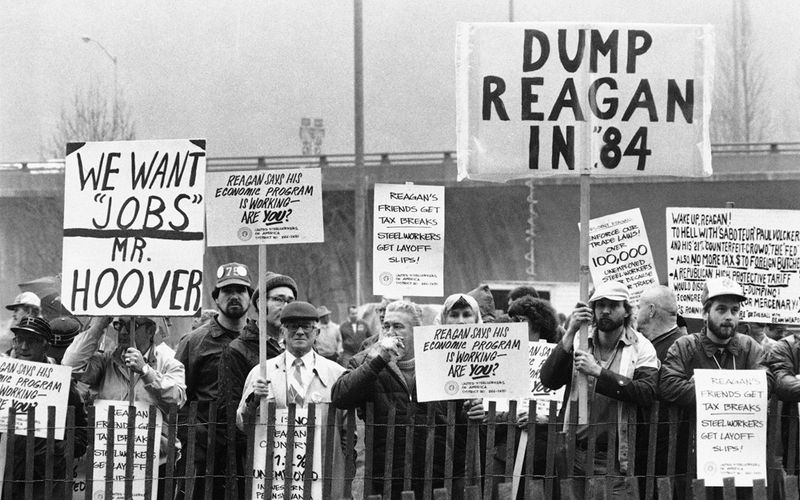
A favorite song could not pay the rent when a factory closed. The United States faced recessions in 1980 and again from 1981 to 1982, leaving many families struggling to cover basic bills.
Unemployment reached 10.8 percent in December 1982. Manufacturing and construction workers were hit especially hard.
When someone remembers the decade as a nonstop shopping spree, remember that many households were stretching groceries, postponing repairs, and searching desperately for steady work close to home.
2. Prosperity Did Not Reach Everyone
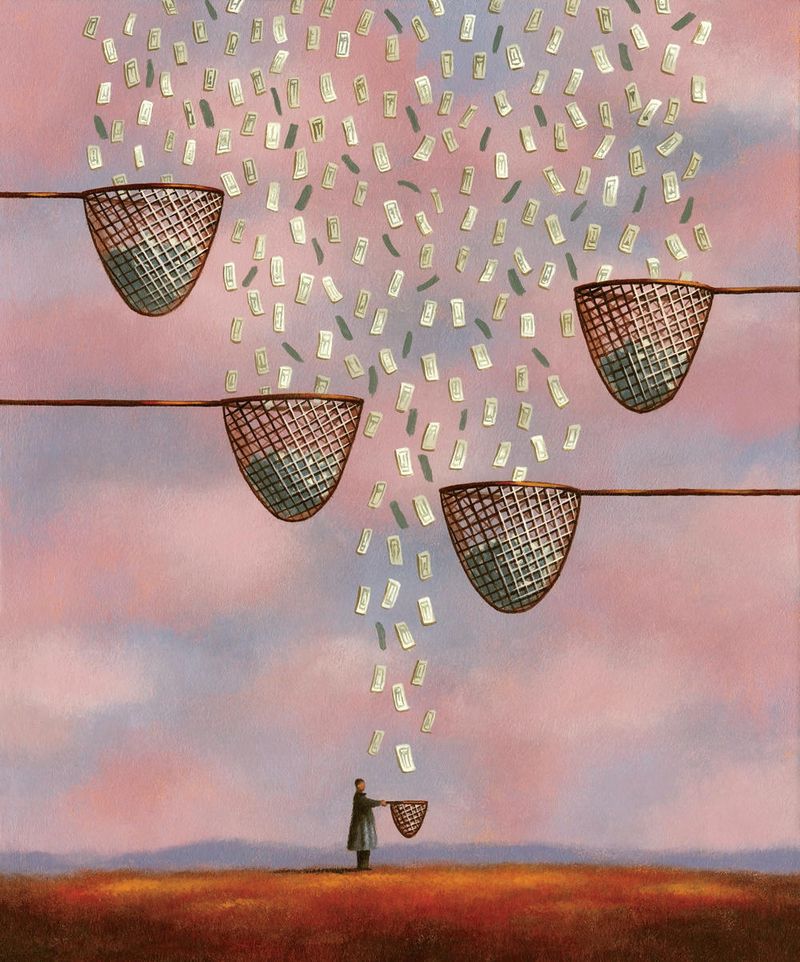
Behind the shiny shopping malls, the gap between rich and poor was growing. Tax changes, shifts in industry, and weaker unions helped reshape who benefited from economic growth during the decade.
Federal cuts also squeezed some programs serving people with low incomes. A rising stock market did not mean every family had money to invest.
Looking at wages, housing costs, and access to help gives a fuller picture than luxury advertisements or celebrity lifestyles ever could.
3. AIDS Brought Loss and Cruel Stigma
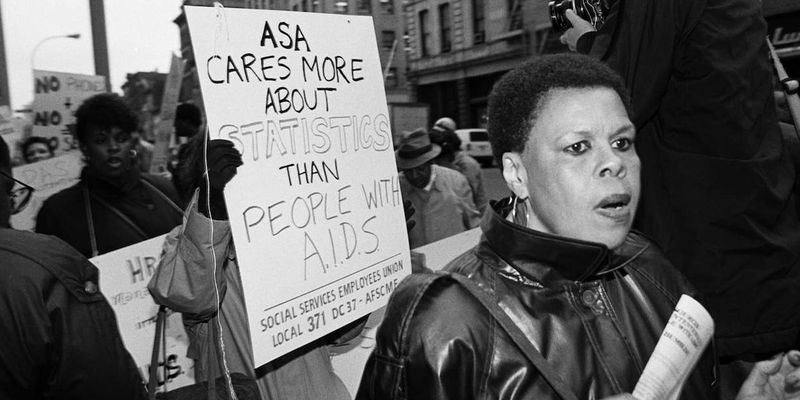
Getting sick could also mean losing friends, work, and basic kindness. AIDS emerged as a major health crisis, while false claims about how HIV spread fueled fear and discrimination.
Effective treatment options were limited, and the early public response fell short. Activists pushed for research, care, and clear information.
Their efforts offer a lasting lesson: listen to medical evidence, reject blame, and treat people facing illness with dignity rather than letting fear make decisions for you.
4. Crack Cocaine Hurt Entire Neighborhoods
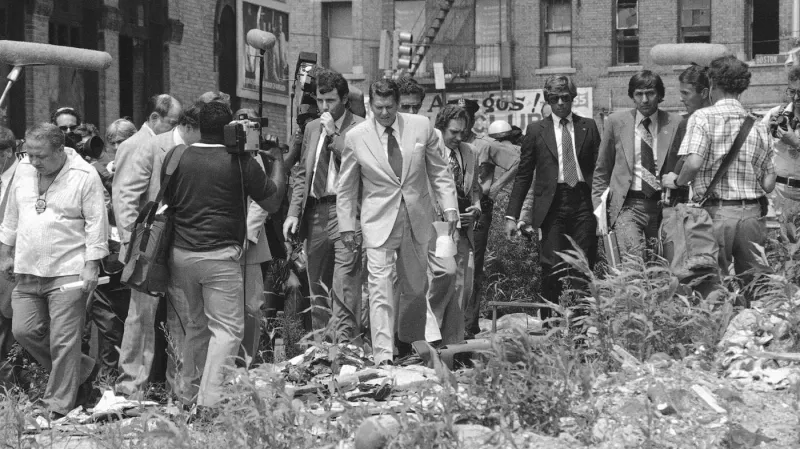
For some neighborhoods, the biggest worry was getting home safely. Crack cocaine spread through many American cities during the 1980s, bringing addiction and violent competition within illegal drug markets.
Families lost loved ones, and children faced stress that lasted far beyond the decade. Harsh sentencing laws also caused lasting harm, especially in Black communities.
Understanding this history means recognizing both the damage from drug addiction and the need for fair laws, treatment, and strong local support.
5. Cold War Rivalry Raised the Stakes
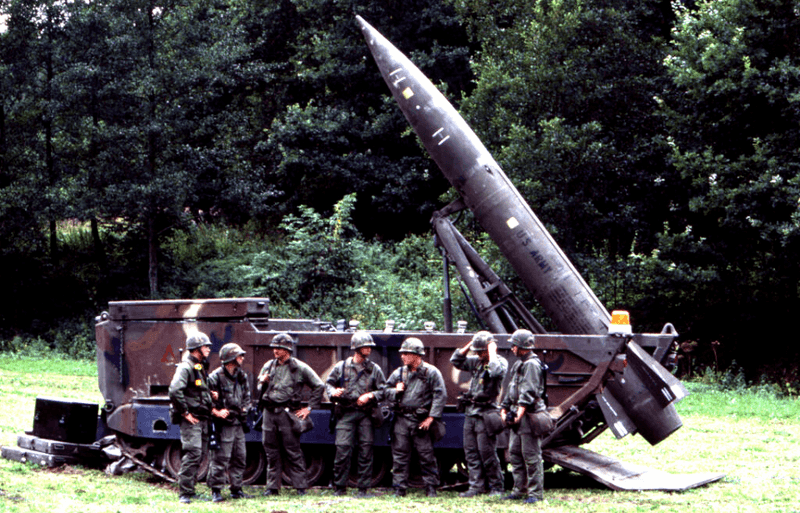
A military exercise was not always just practice in the eyes of the other side. During the early 1980s, mistrust between the United States and Soviet Union made routine moves seem threatening.
The 1983 NATO exercise Able Archer alarmed some Soviet officials, showing how dangerous mixed signals could become. Historians still debate the exact level of risk.
Either way, the episode shows why clear communication matters when heavily armed countries assume the worst about each other.
6. Iran-Contra Shook Trust in Government
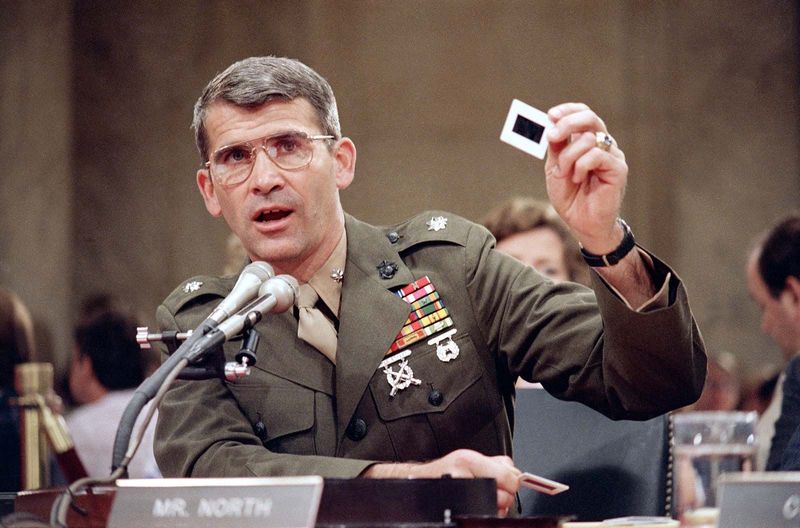
Imagine learning that officials had secretly worked around rules meant to limit their power. The Iran-Contra affair revealed arms sales to Iran and the diversion of some proceeds to Nicaragua’s Contra rebels.
Congress had restricted support for the rebels, making the operation a major scandal. Public hearings in 1987 brought the story into living rooms nationwide.
Beyond the confusing details, the lesson was straightforward: secret foreign policy can weaken oversight and damage public trust in government.
7. Fashion Could Be an Uncomfortable Commitment

Those giant shoulder pads looked ready to enter a room before you did. Fashion was fun, but stiff styling, heavy makeup, and clouds of hairspray could make getting dressed feel like a project.
Neon tracksuits and acid-washed jeans were not everyone’s dream wardrobe, either. Of course, taste is personal, and plenty of people still enjoy these looks.
The useful takeaway is simple: borrow the playful colors if you like, but leave uncomfortable trends in old photographs.
8. Staying Connected Took More Effort

Missed your friend at the mall? You could not simply send a quick text.
Most people depended on landlines, pay phones, and plans made before leaving home.
Mobile phones did exist, but early models were bulky and expensive. Long distance calls could cost plenty, while cassette players sometimes chewed up favorite tapes.
Paper maps and printed phone books had their uses, yet everyday tasks often required more waiting, preparation, and patience than nostalgic memories usually let on.
9. Pollution Was Hard to Ignore

A beautiful lake could hide a serious problem. Acid rain, linked to pollution from burning fossil fuels, damaged waters and forests across parts of North America and Europe.
Toxic waste and dirty air also raised concerns, while scientists warned about damage to the ozone layer. The 1987 Montreal Protocol became an important step toward protecting it.
Remembering these problems helps explain why pollution controls matter, even when the benefits are not obvious from your own window.
10. Some Screen Favorites Aged Badly
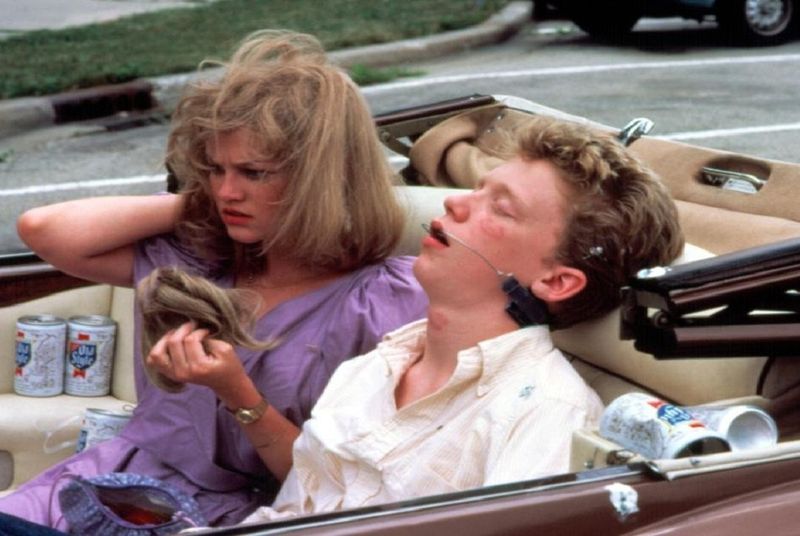
Rewatching a childhood favorite can bring an awkward surprise. Some popular comedies treated racism, bullying, or violations of consent as easy jokes rather than harmful behavior.
Films such as Sixteen Candles and Revenge of the Nerds are often discussed for these problems. That does not mean every old movie lacks value.
It means viewers can enjoy memorable music or performances while still noticing what went wrong and talking honestly about the messages younger audiences might take away.
11. Families Faced Gaps in Basic Support
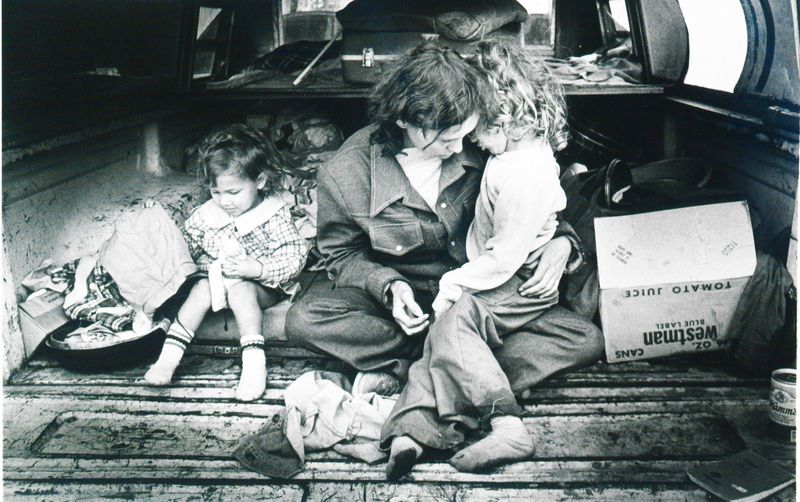
Not every childhood memory involved bike rides and Saturday cartoons. Growing homelessness and rising reports of child abuse placed heavy demands on shelters, caseworkers, and other services during the decade.
Higher reporting did not automatically mean abuse itself rose at the same rate; awareness and reporting practices also changed. Still, many families needed help that was hard to find.
Their experiences remind us to judge an era by how vulnerable people lived, not just its entertainment.
12. Rural Hospitals Struggled to Stay Open
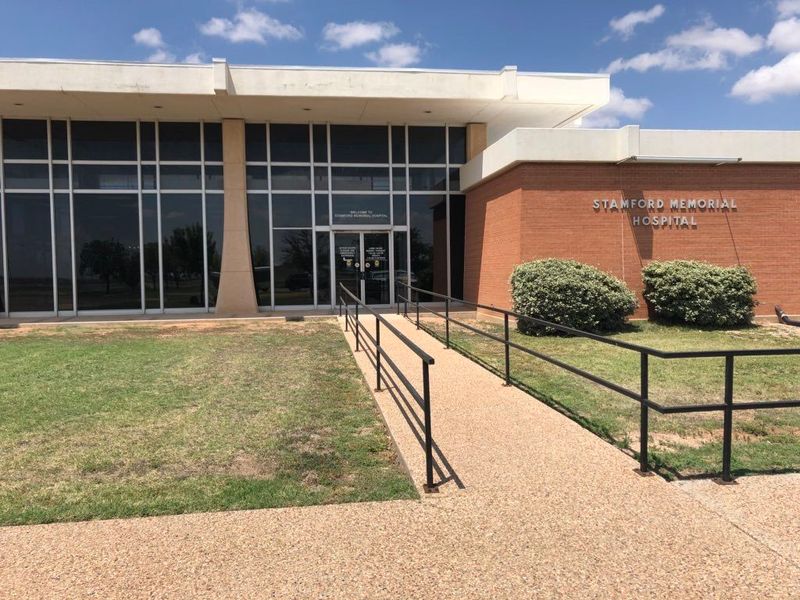
A longer drive can become a serious danger during a medical emergency. In rural America, hospital closures made care harder to reach for some communities during the 1980s.
Financial pressures included struggling farm economies, changing patient needs, and changes in Medicare payments. Losing a hospital also meant losing local jobs and an important community service.
When people praise small town life back then, the distance to dependable medical care deserves a place in that conversation as well.
13. Equal Rights Were Far From Secure
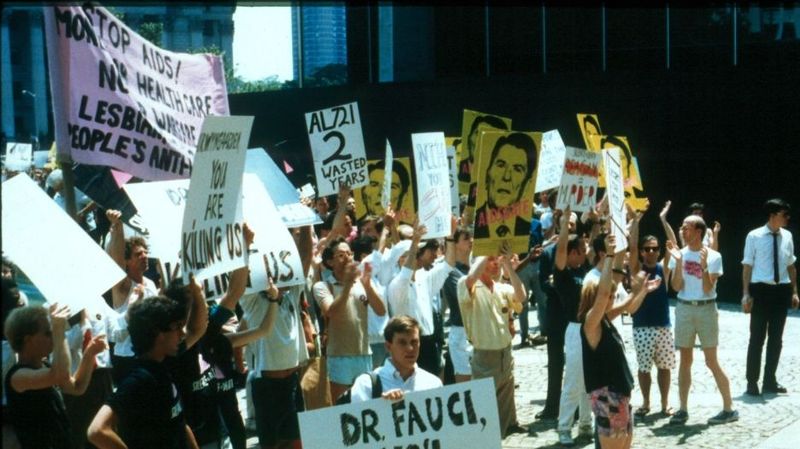
Being yourself could carry risks that a cheerful retro playlist never mentions. Many gay people faced job discrimination, rejection at home, and hostility made worse by fear surrounding AIDS.
Women continued fighting over reproductive rights and workplace fairness, while Native communities faced pressure on health and education resources. Progress existed, but it was uneven.
Looking back honestly means asking whose freedom was protected and whose daily choices were limited by prejudice, weak protections, or unequal access to opportunity.
14. Nuclear Fear Followed People Home
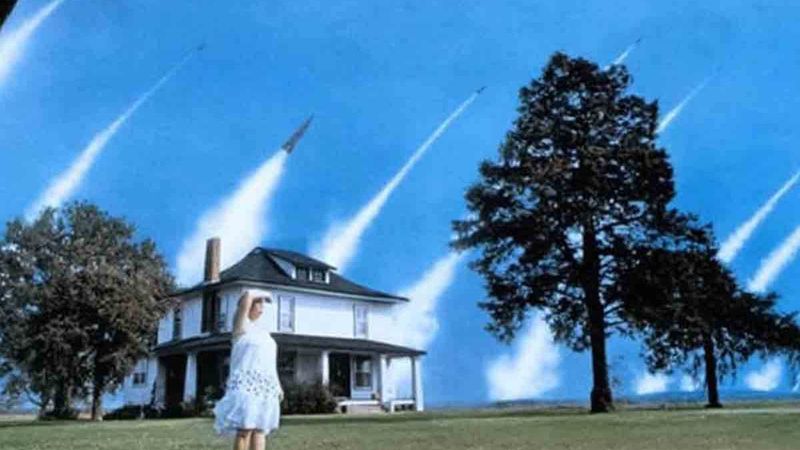
Even a quiet evening could come with thoughts of the world ending. Nuclear weapons were not just a distant policy topic; they shaped news reports, classroom discussions, and family worries.
The 1983 television film The Day After brought the horror of nuclear war into American homes. Peace marches showed how deeply many people felt the threat.
Unlike today’s playful Cold War references, living with that uncertainty could be exhausting, especially for children trying to imagine their futures.
15. Moral Panics Turned Rumors Into Threats
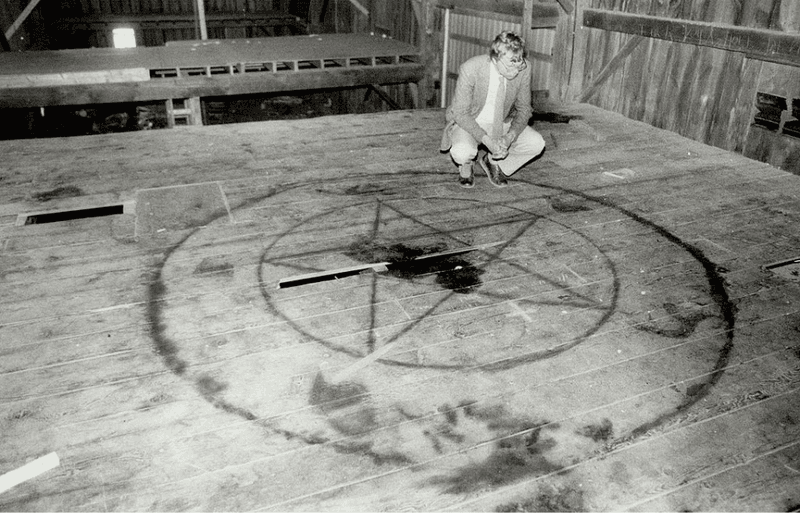
A fantasy game or heavy metal album could suddenly become a suspect. During the Satanic Panic, frightening claims about hidden abuse networks spread widely, often without reliable supporting evidence.
Some investigations damaged lives through suggestive questioning and unsupported accusations. Arguments over music, religion, and family values added to the tension.
Protecting children matters, but panic is a poor guide. Checking evidence, questioning dramatic rumors, and listening to qualified experts are better habits than treating fear as proof of danger.