
Breakfast in Britain is not the same everywhere you go. A plate in Belfast can look very different from one in Cornwall or Glasgow.
The foods people love in the morning often show where they grew up, and spotting those clues is a fun way to learn about local history. Grab a cup of tea and see how many of these habits you recognize.
1. Square Sausage on a Roll
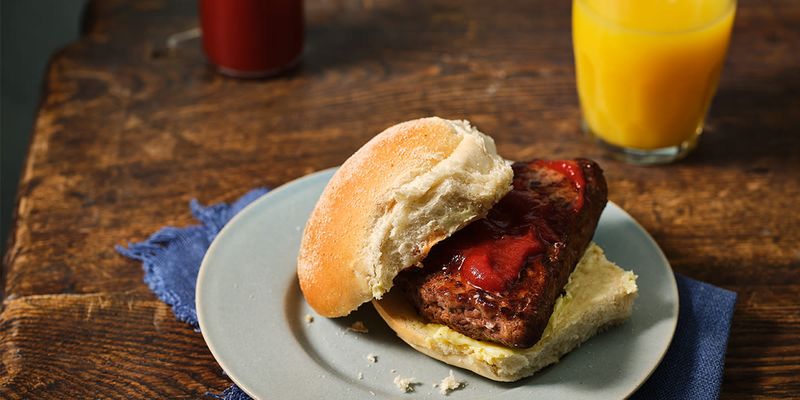
Ask a Scot for a sausage and you might get a flat, square slice instead of a tube. Called Lorne sausage, it fits perfectly inside a soft morning roll.
Many families in Glasgow and Edinburgh buy it fresh from the local butcher every week. Some say it was named after a comedian, though nobody knows for sure.
If someone asks whether you want red or brown sauce on it, you are almost certainly in Scotland.
2. Soda Bread and Potato Farls
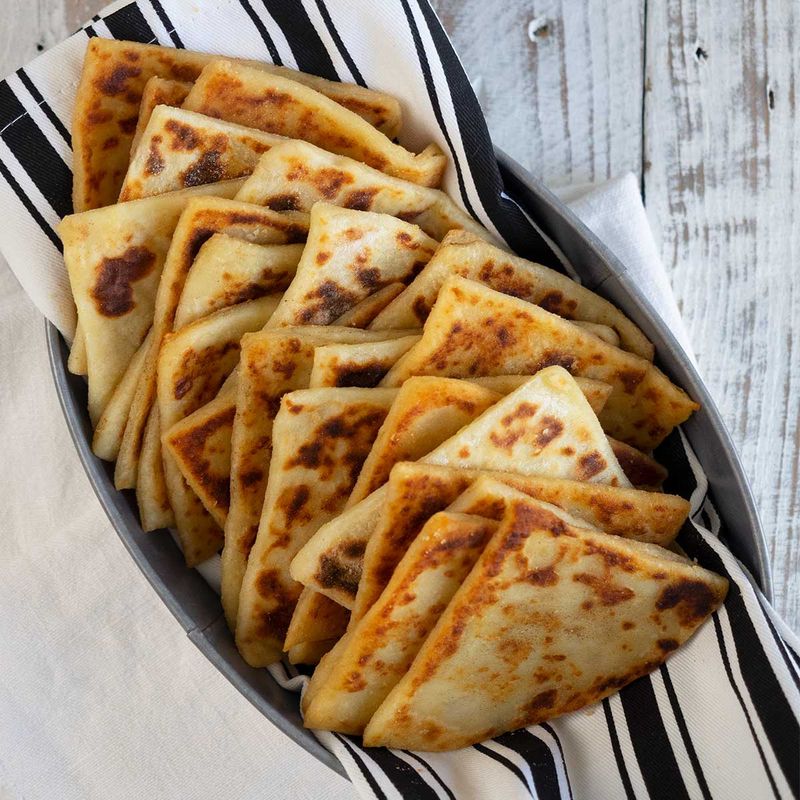
Picture a sizzling pan full of golden triangles of bread. In Northern Ireland, the Ulster fry is not complete without soda farls and potato bread.
Both are cooked on a griddle and then fried until crispy at the edges. The word farl comes from an old Scots term meaning a fourth part, because the round loaf gets cut into quarters.
Anyone who misses these on holiday probably has Belfast roots.
3. Laverbread with Cockles
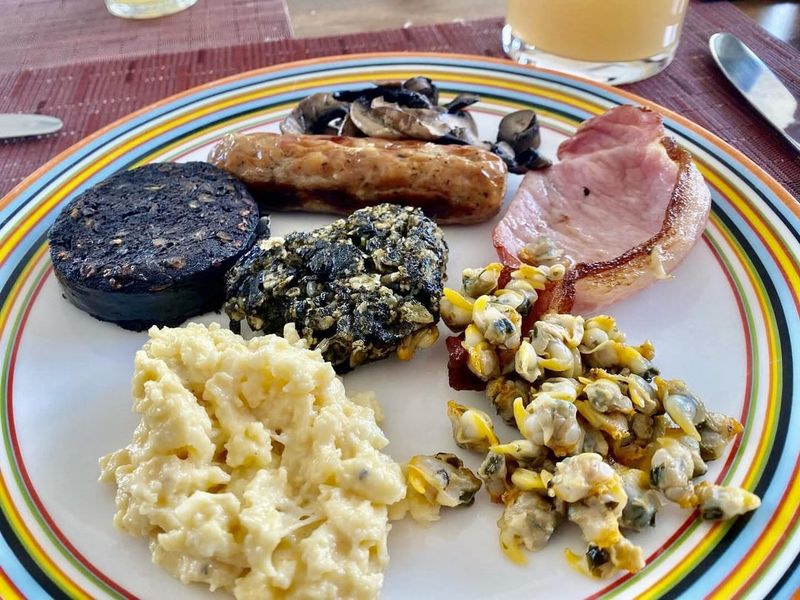
Seaweed for breakfast? In South Wales, absolutely.
Laverbread is a dark, soft paste made from boiled seaweed, often rolled in oats and fried.
Swansea locals pair it with cockles gathered from the Gower coast and crispy bacon. The actor Richard Burton once called laverbread Welshman’s caviar.
It tastes salty and a little like the sea. If someone gets excited about it at a cafe, chances are they grew up near the Welsh shoreline.
4. Black Pudding from Bury
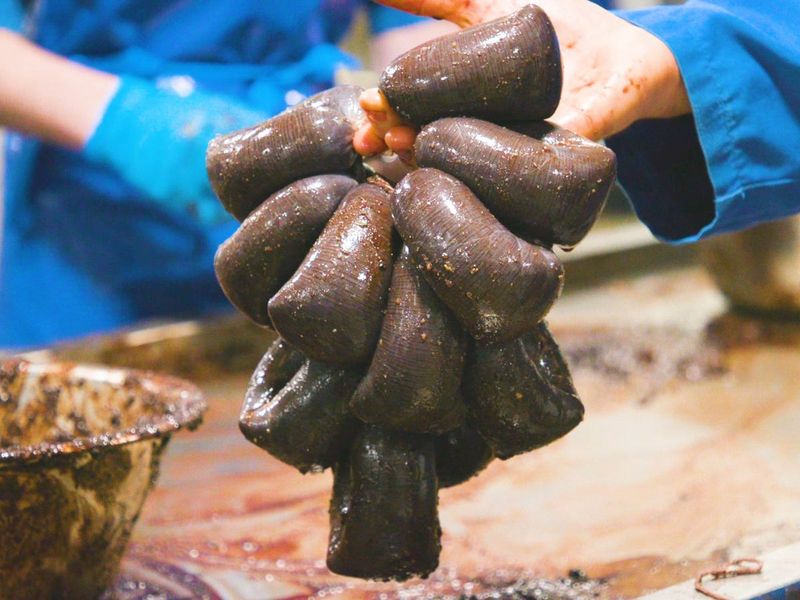
Lancashire folk take their black pudding very seriously. The town of Bury is famous for it, and its market sells thick, rich rounds every day.
Made from blood, oats, and spices, it may sound odd to newcomers. Yet fans say a crispy slice is the best part of the plate.
There is even a contest in Ramsbottom where people throw black puddings at a stack of Yorkshire puddings. Proud Lancashire pride, served hot.
5. Oatcakes from the Potteries
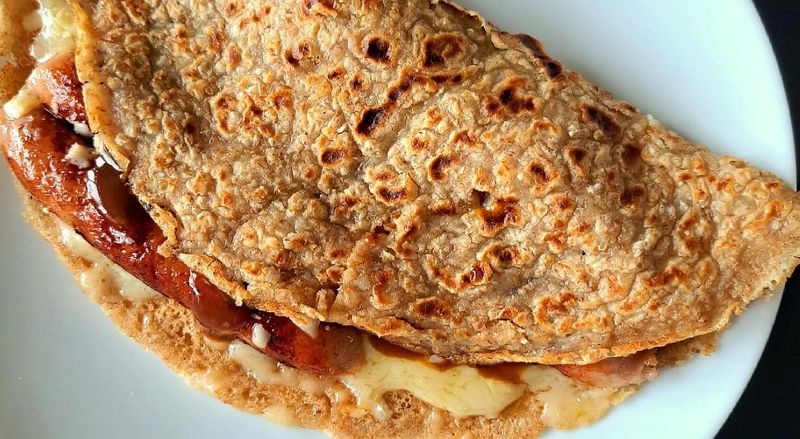
Forget the crunchy Scottish kind. In Stoke-on-Trent, an oatcake is a soft, floppy pancake made with oats and yeast.
Locals fill them with cheese, bacon, sausage, or mushrooms, then roll them up like a wrap. Small hatch shops once sold them straight from front windows of terraced houses.
Someone from the Potteries will happily explain the difference to anyone who mixes them up. Try one warm, and you will see why they defend it.
6. Porridge with Salt
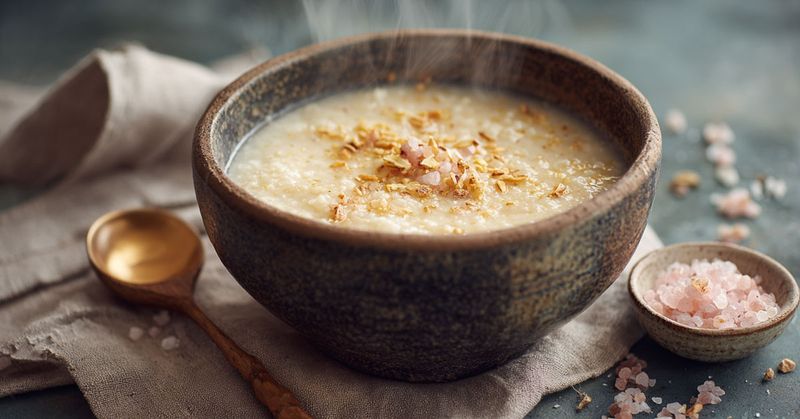
Sugar or salt? That one question can start a friendly argument across the border.
Traditional Scots often make porridge with just oats, water, and a pinch of salt.
Some still stir it with a wooden stick called a spurtle, always clockwise for good luck. There is even a World Porridge Making Championship held in the Highlands each year.
A person who frowns at golden syrup on their oats may have grown up north of Hadrian’s Wall.
7. Hog’s Pudding in the West Country
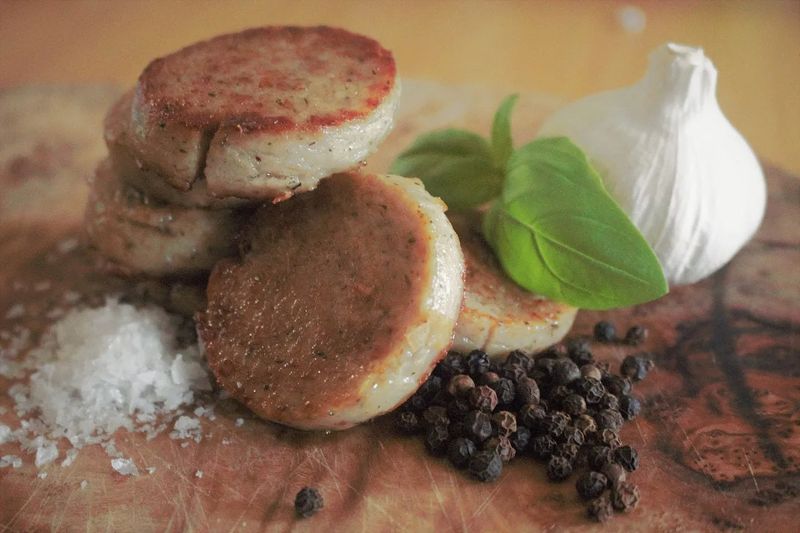
Down in Devon and Cornwall, there is a pale cousin of black pudding. Hog’s pudding is a white sausage made with pork, oats, and peppery spices.
Locals slice it and fry it until golden, then add it to their full breakfast. Outside the West Country, you can hardly find it in shops.
So if a friend asks for hog’s pudding at a London cafe and gets blank stares, you know exactly where their heart belongs.
8. Bacon Barm or Bap Debate
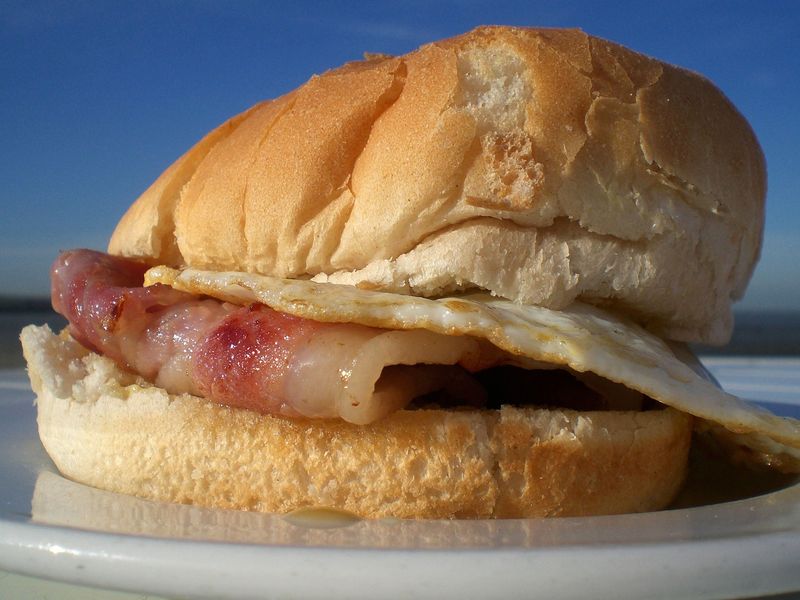
Order a bacon sandwich in a roll, and the name you use gives you away fast.
Manchester calls it a barm cake. Nottingham says cob, Birmingham might say batch, and plenty of southerners say bap or bun.
Even within one county, people disagree!
Listening to how someone orders their morning bacon is like a word map of England. It is one of the easiest ways to guess a hometown without even asking.
9. Tattie Scones on the Side
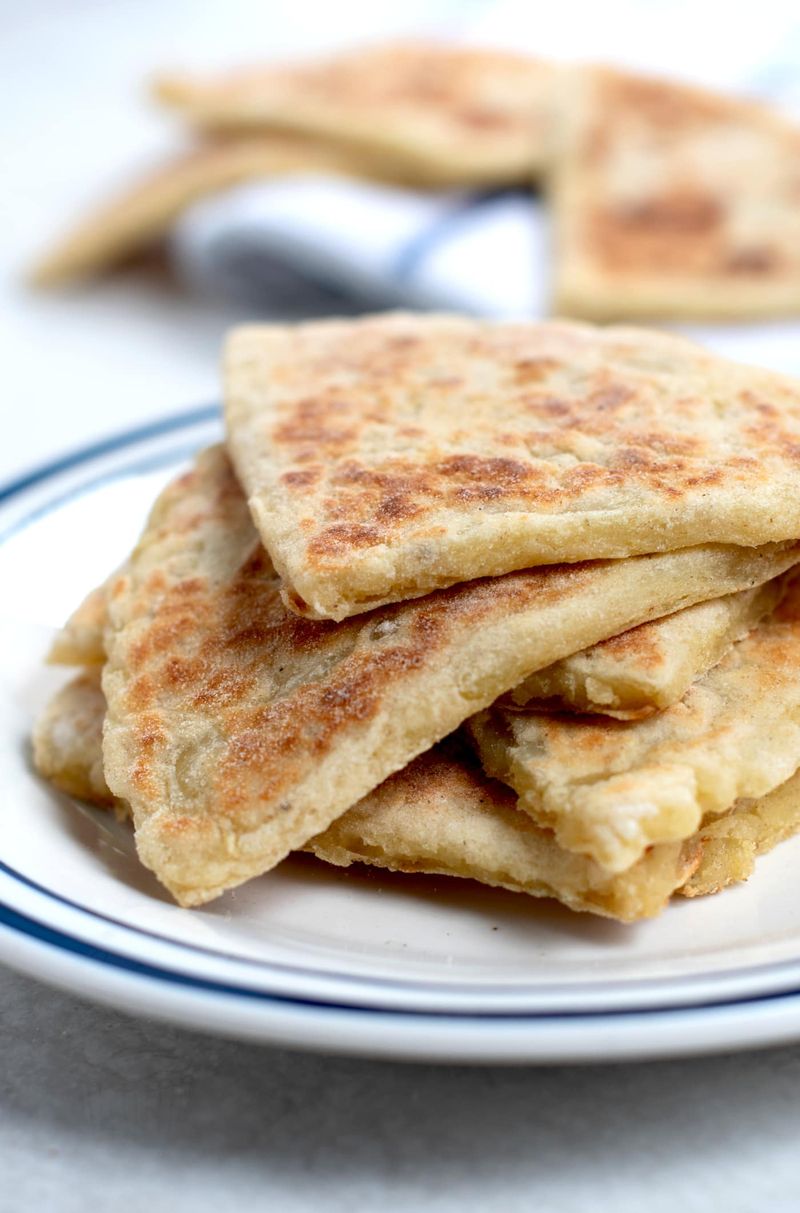
Leftover mashed potato rarely goes to waste in a Scottish kitchen. Mixed with flour and butter, it becomes thin tattie scones, cooked on a hot griddle.
They sit happily beside eggs, haggis, and baked beans on a full Scottish plate. Grandparents often taught kids how to make them on weekend mornings.
Cheap, filling, and tasty, they show how families stretched simple food. Spot them on a menu, and you are likely somewhere in Scotland.
10. Haggis Next to the Eggs
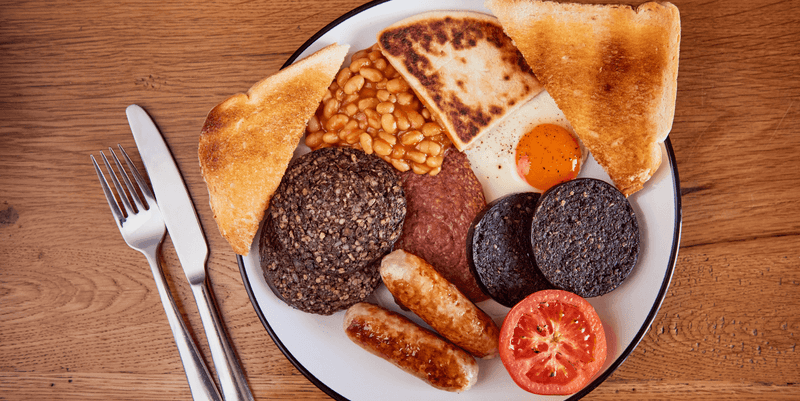
Haggis is not just for Burns Night in January. Across Scotland, a crumbly slice often appears on the breakfast plate too.
It is made from sheep’s heart, liver, and lungs mixed with oats, onion, and spices. That sounds strange, but the flavor is peppery and warm, a bit like a spicy sausage.
Visitors sometimes push it aside nervously. Locals, though, will happily take the extra piece off your plate without a second thought.
11. Bubble and Squeak
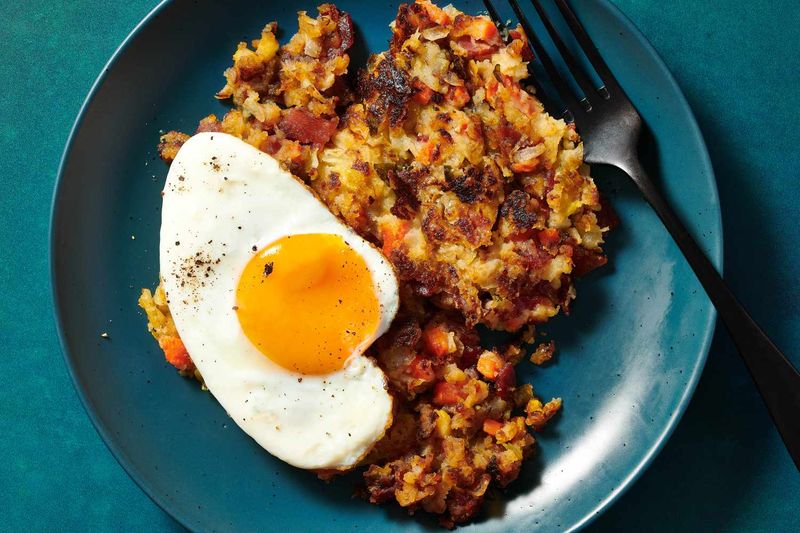
Sunday dinner leftovers turn into Monday magic in many southern English homes. Bubble and squeak mixes yesterday’s potatoes and cabbage, fried together in a pan.
The funny name comes from the sounds it makes while cooking. Londoners especially love it in old-school cafes called greasy spoons.
Families during wartime rationing relied on it to avoid wasting food. Today it still tastes like comfort, especially topped with a runny fried egg.
12. Kippers by the Coast
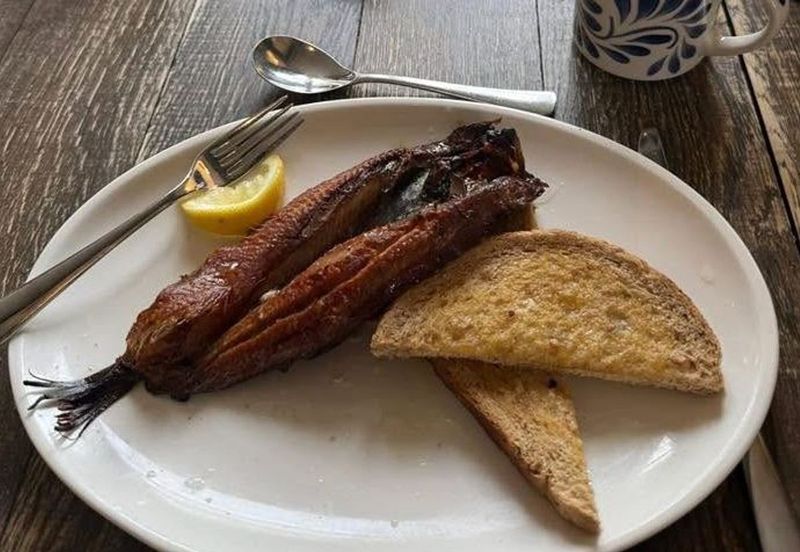
Smoky, oily, and full of bones, kippers are a true seaside treat. The village of Craster in Northumberland has smoked herring in the same smokehouse for over a hundred years.
Many coastal families grew up eating them with buttered toast and a squeeze of lemon. The Isle of Man is also proud of its kippers.
Tip: pull the backbone out in one go to avoid most of the tiny bones.
13. Stottie Cake Sandwiches
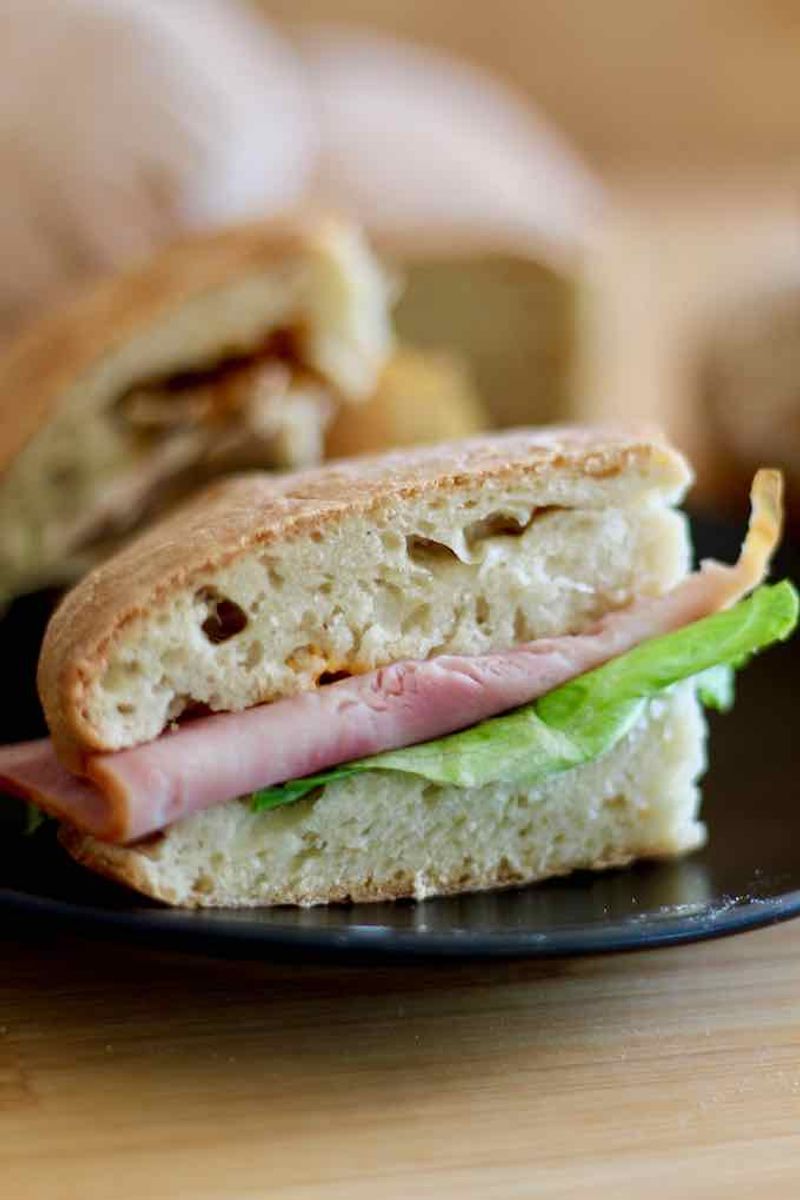
Geordies have their own giant bread. A stottie is a flat, round, chewy loaf from the North East of England, especially around Newcastle.
The name comes from a local word meaning to bounce. Legend says a good stottie should bounce if you drop it on the floor!
Split open and stuffed with bacon, egg, or ham, it makes a hearty start to the day. Ask for one in Cornwall and expect confused looks.
14. Fried Bread Instead of Toast
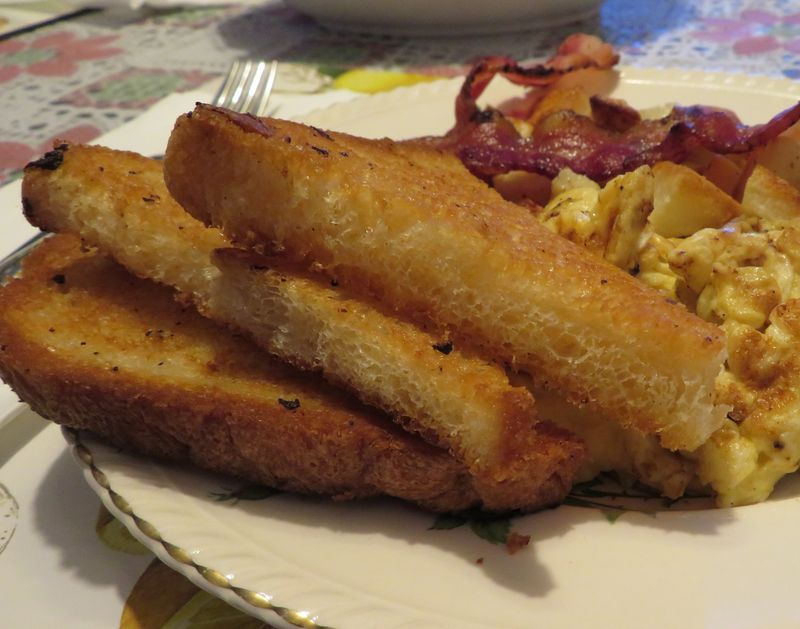
Toast is fine, but some northern grandparents swear by fried bread. A slice of white bread goes into the bacon fat until it turns golden and crunchy.
It used to be a smart way of using every bit of flavor in the pan. Many Yorkshire and Midlands cafes still offer it.
Doctors might not cheer about it, so maybe enjoy it as a weekend treat. Fans say nothing soaks up runny egg better.
15. White Pudding in Ulster
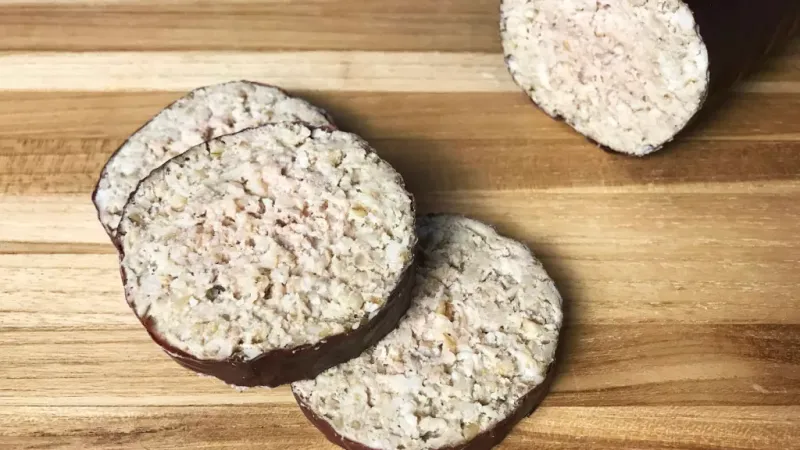
Northern Ireland and Scotland both love white pudding, a mix of oatmeal, suet, and pork without any blood.
It tastes milder than black pudding, with a soft, nutty texture once fried. Families often serve both kinds side by side on a big weekend plate.
Here is a quick test. If a friend asks for black and white pudding together without blinking, they likely grew up somewhere in Ulster or Scotland.
16. Welsh Cakes with Morning Tea
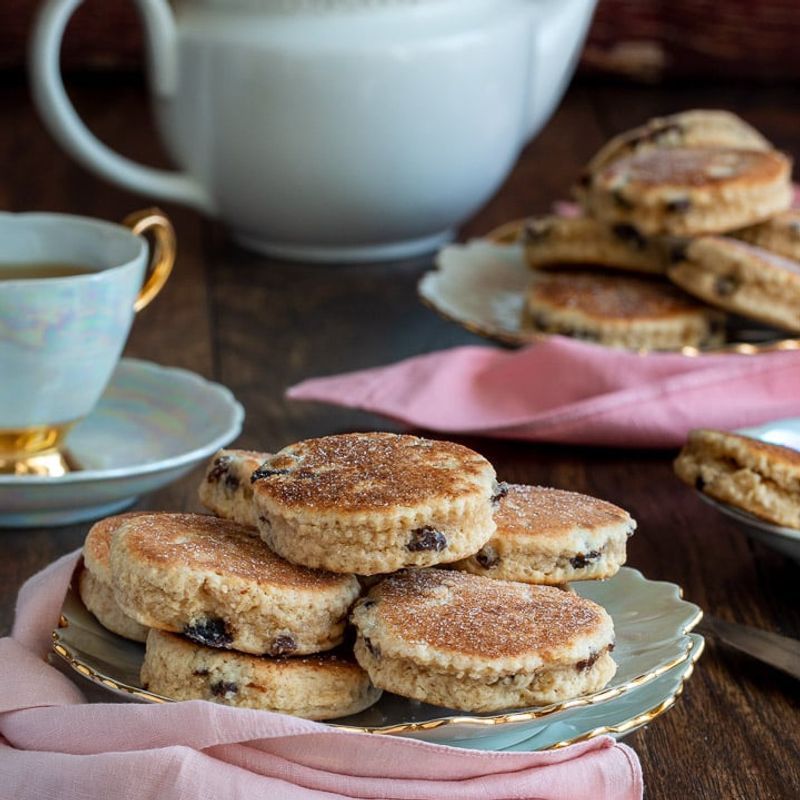
Warm from the griddle and dusted with sugar, Welsh cakes are a sweet morning favorite in Wales. They sit somewhere between a cookie and a scone, studded with currants.
Miners once carried them in their pockets for a quick snack underground. In Welsh, they are called picau ar y maen, meaning cakes on the stone.
A Welsh nan will probably insist you have another one with your cup of tea.
17. Builder’s Tea Strength
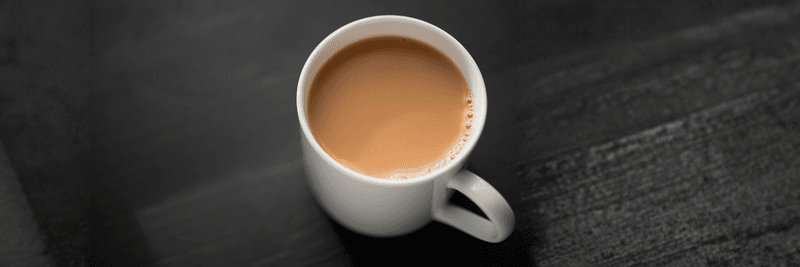
Everyone in Britain drinks tea, but how strong they like it tells a story. Northerners often brew a dark, orange builder’s tea with plenty of milk.
Yorkshire Tea even built a brand around that bold taste. Some southerners prefer lighter cups, while many in the Midlands drink it super sweet.
Pay attention next time someone makes you a cuppa. Their teabag habits might reveal more about their hometown than their accent.