
Your great-grandparents cooked with foods you might never have heard of. Many of these old ingredients were cheap, healthy, and packed with flavor, but they slowly vanished from grocery lists.
Bringing them back can make your meals more interesting and even save you money. Here are some tasty treasures worth rediscovering.
1. Lard
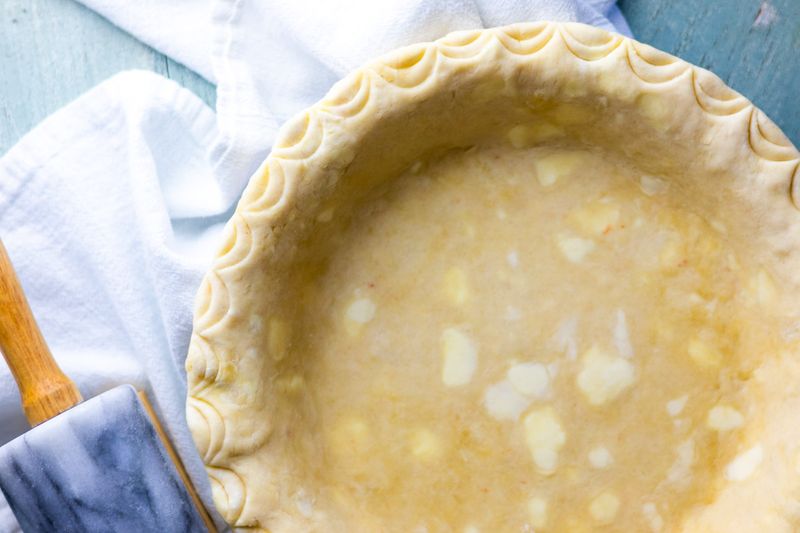
Grandma’s legendary pie crust had a secret, and it was probably lard. Rendered pork fat creates tiny pockets in dough that puff into flaky layers butter just cannot match.
Lard also has a high smoke point, so it fries potatoes and chicken to a crisp golden finish. Look for leaf lard from a local butcher for the cleanest taste.
Store it in the fridge, and a single tub lasts for months.
2. Buttermilk

Ever wonder why diner pancakes taste so tender? Buttermilk is the hero.
Its gentle tang reacts with baking soda, making batters rise high and light.
Long ago, it was the liquid left after churning butter. Today’s version is cultured, but it works the same magic in biscuits, cakes, and fried chicken marinades.
Out of buttermilk? Stir a spoonful of lemon juice into regular milk and wait ten minutes.
3. Molasses

Thick, dark, and a little bitter, molasses once sweetened nearly every pantry in America. Pioneers used it more than white sugar because it was cheaper.
Fun fact: in 1919, a giant molasses tank burst in Boston, flooding streets with a sticky wave! Yikes.
In your kitchen, a spoonful adds deep richness to baked beans, gingerbread, and barbecue sauce. Blackstrap molasses even provides iron and calcium, making it a sweetener with real benefits.
4. Suet
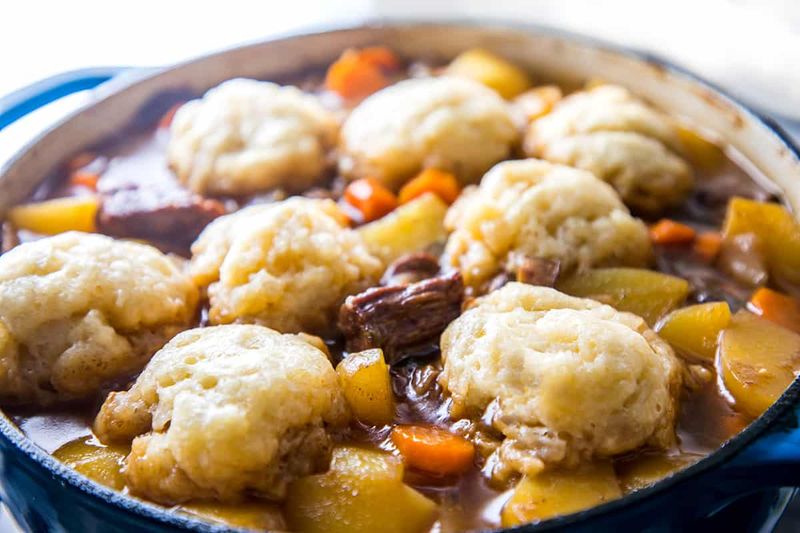
British cooks would never skip suet. This firm fat from around beef kidneys is the backbone of fluffy dumplings, steamed puddings, and classic mince pies.
Because it melts slowly, suet creates a light, airy texture in doughs. Your stews will feel extra cozy with suet dumplings bobbing on top.
You can buy it shredded in boxes or ask a butcher for fresh pieces. Keep it chilled and grate it while cold.
5. Rutabaga
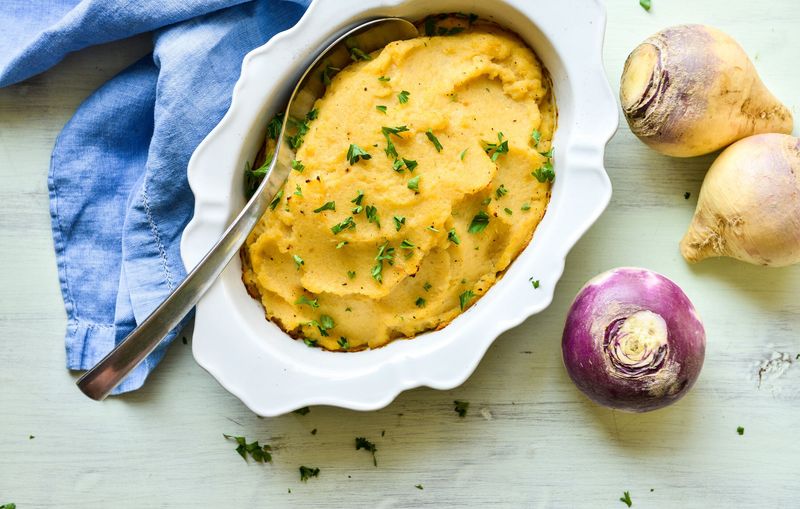
Picture a turnip and a cabbage having a baby. That is basically a rutabaga, a chunky root with a sweet, peppery bite.
Farmers loved it because it stores all winter long in a cool cellar. Mash it with butter, roast it in cubes, or toss it into soups.
Shoppers often walk right past those waxy purple globes. Grab one next time, peel off the thick skin, and enjoy an affordable veggie surprise.
6. Salsify
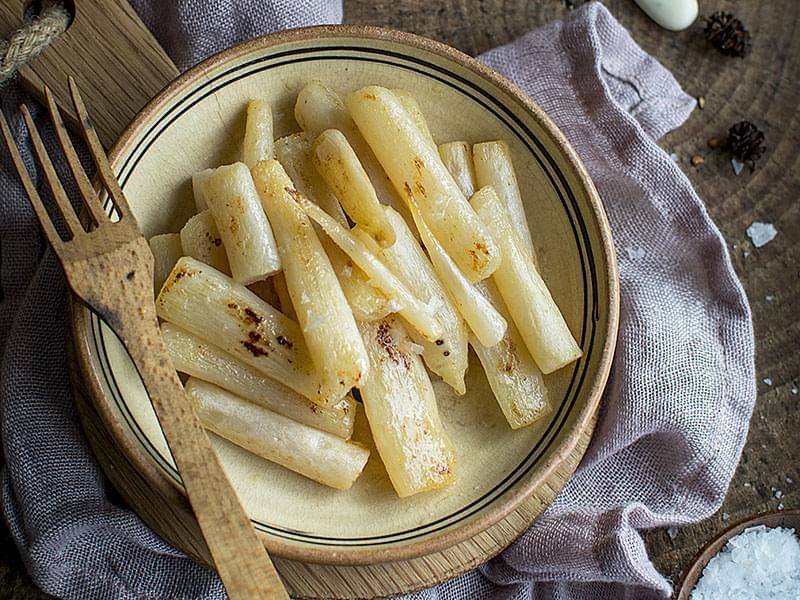
Nicknamed the oyster plant, salsify supposedly tastes a bit like seafood. Most people describe it as nutty, earthy, and similar to artichoke hearts.
Victorian gardeners grew it everywhere, yet today it hides in specialty markets. The roots look like skinny brown sticks, so they are easy to overlook.
Peel them and drop pieces into lemon water to stop browning. Then saute in butter for a fancy side dish that will impress guests.
7. Bone Marrow

Cavemen cracked bones to reach the rich marrow inside, and fancy restaurants now charge big bucks for it. Talk about a comeback!
Marrow bones are surprisingly cheap at butcher shops. Roast them at high heat for about fifteen minutes until the centers turn soft and buttery.
Scoop the marrow onto warm toast with a pinch of salt. You can also simmer bones for a deeply flavored broth that warms you right up.
8. Quince
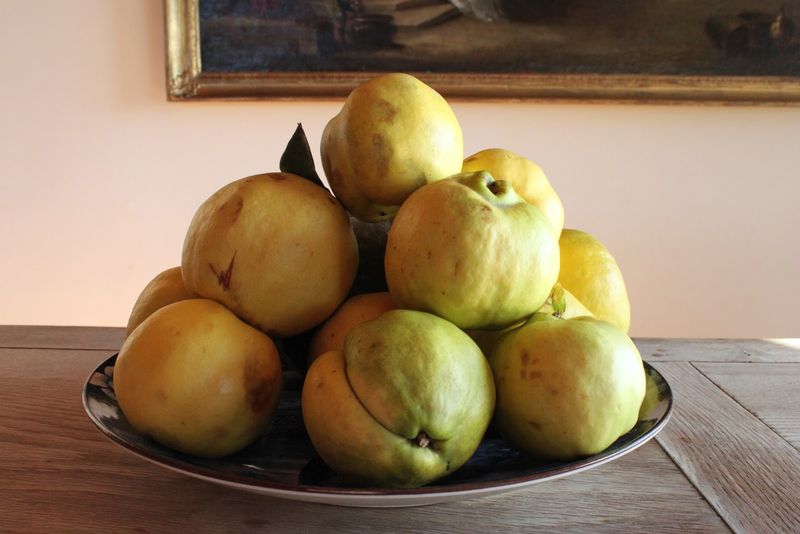
Raw quince is hard, sour, and almost impossible to bite. Cook it, though, and something magical happens.
The pale fruit slowly turns a gorgeous rosy pink and smells like honey and flowers. Some historians think the golden apple in Greek myths was actually a quince.
Poach slices in sugar syrup, bake them with pork, or make quince paste to pair with cheese. Its natural pectin also helps homemade jams set beautifully.
9. Barley
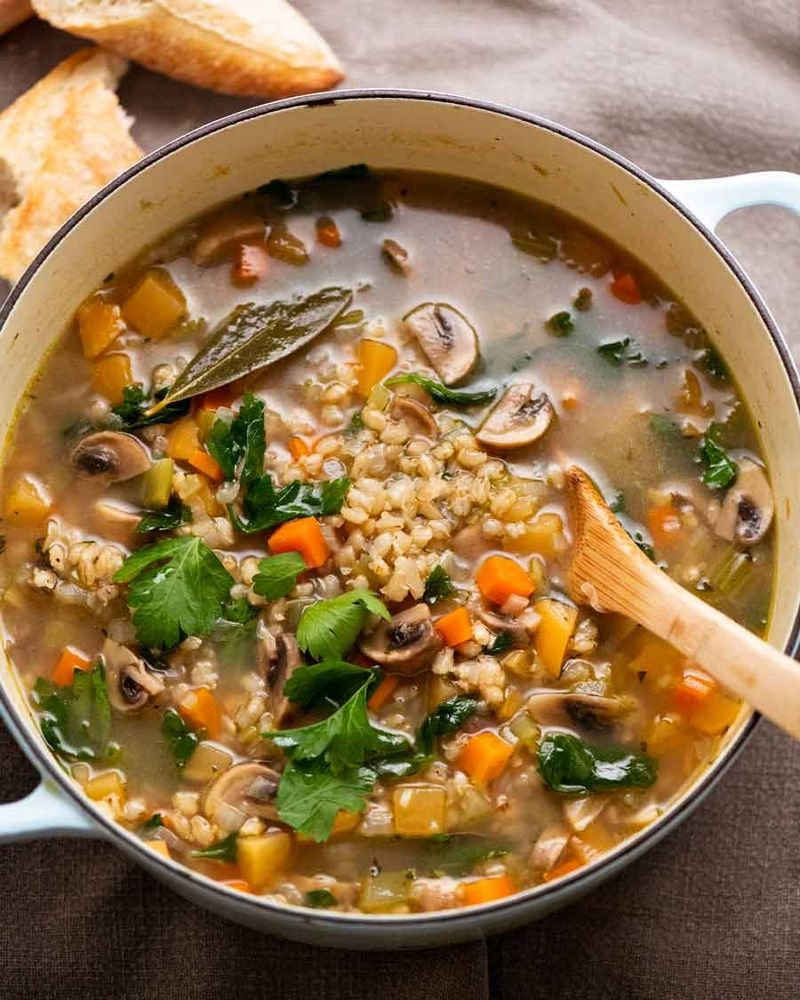
Long before rice and quinoa ruled dinner plates, barley filled bellies around the world. Roman gladiators were even called barley men because they ate so much.
The chewy grain is loaded with fiber that keeps you full for hours. Pearl barley cooks fastest, while hulled barley keeps more nutrients.
Stir it into beef soup, swap it for rice in risotto, or toss cooled grains into a crunchy salad with veggies.
10. Chicken Schmaltz
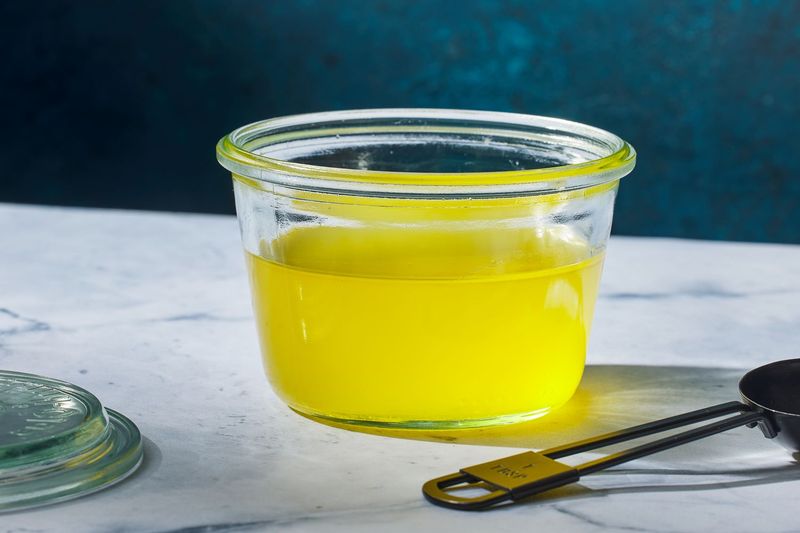
Jewish grandmothers have guarded this golden secret for generations. Schmaltz is simply rendered chicken fat, often cooked with onions until crispy bits form.
Spread it on rye bread, use it in matzo balls, or roast potatoes in it for unbeatable flavor. Honestly, once you try schmaltz potatoes, plain oil feels boring.
Making it is easy. Save chicken skin, cook it low and slow, then strain the liquid gold into a jar.
11. Sorghum Syrup
Down South, folks once gathered every fall to press sorghum cane and boil the juice into syrup. Those cooking parties were big community events.
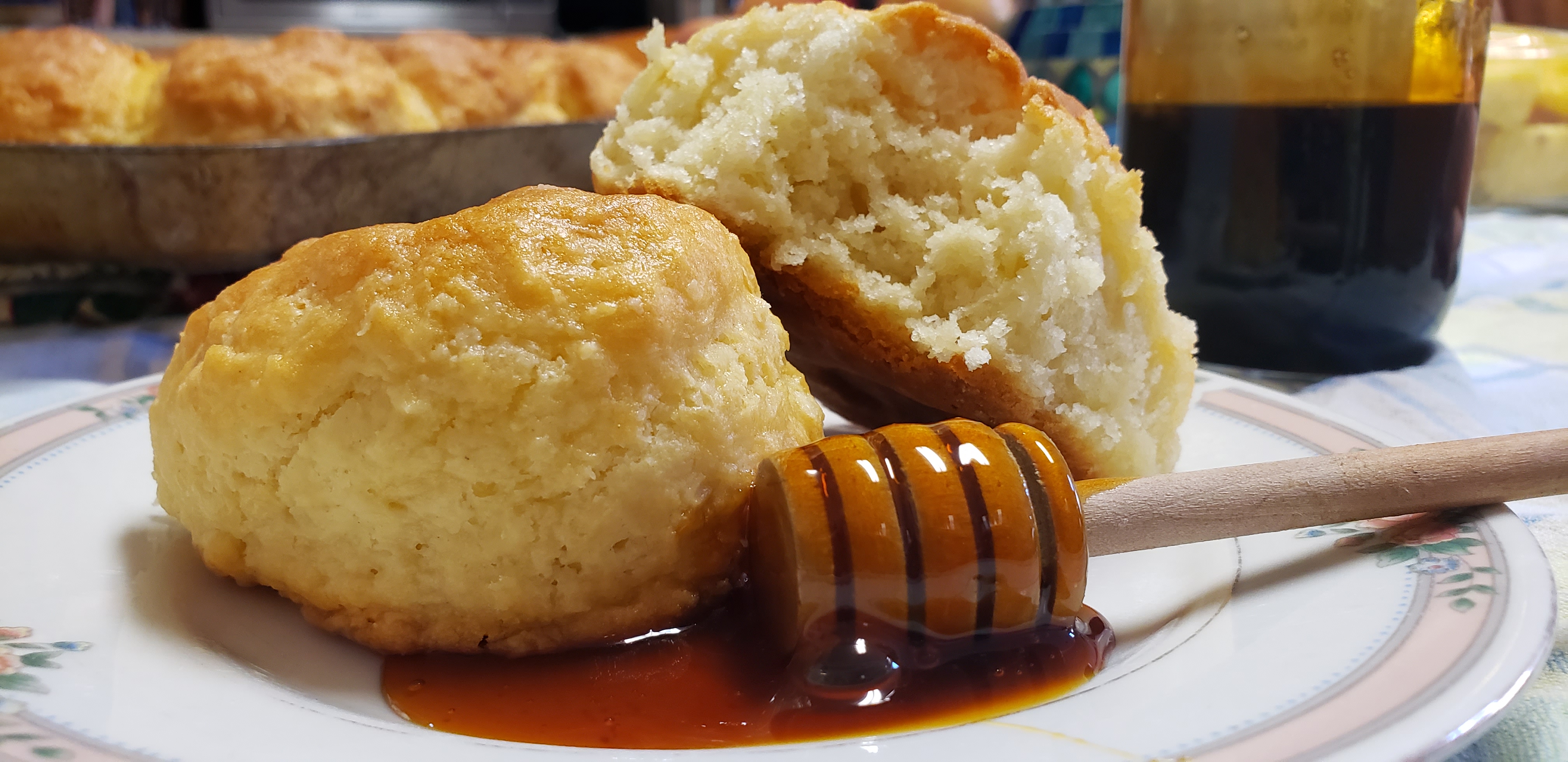
The amber syrup tastes earthy and a little tangy, kind of like a cousin of molasses. It works wonderfully drizzled on biscuits, cornbread, or oatmeal.
Try it in salad dressings or glazes for roasted carrots. Small farms still make it, so buying a jar supports local growers.
12. Organ Meats
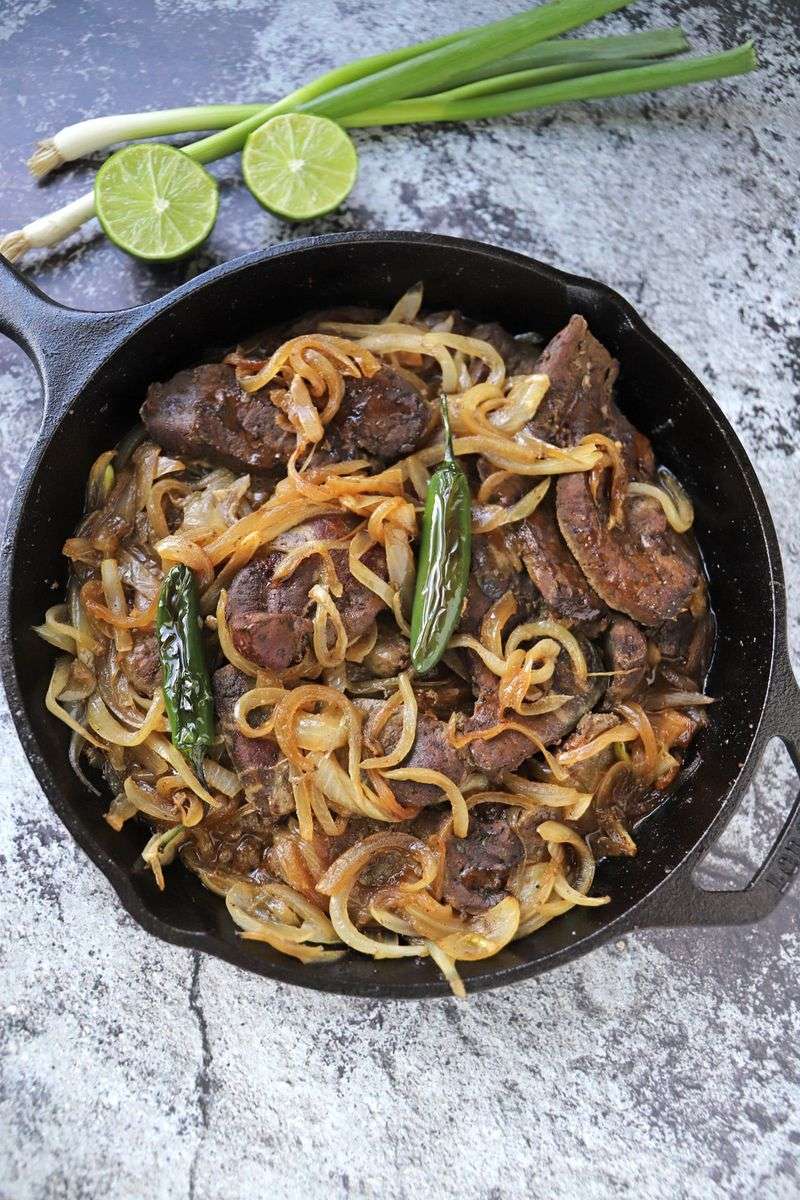
Liver and onions might make you wrinkle your nose, but hear us out. Organ meats are some of the most nutritious foods on the planet.
Beef liver delivers huge amounts of vitamin A, iron, and B12. Hearts are lean and taste like steak, while kidneys shine in classic pies.
Start small by mixing a little ground liver into burgers or meatballs. Nobody will notice, and your body will thank you.
13. Gooseberries
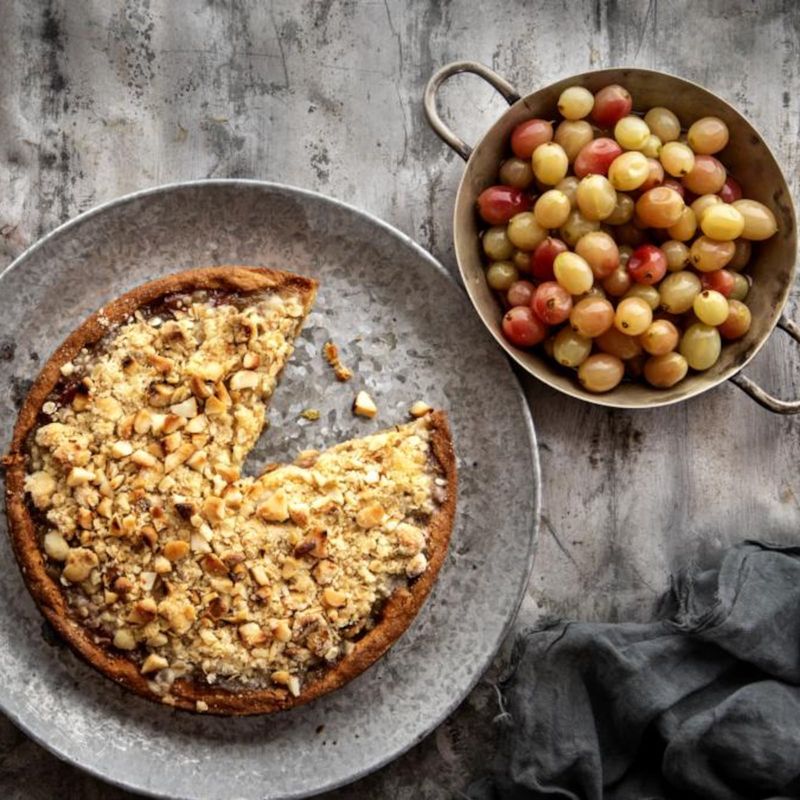
Tart enough to make your eyes squint, gooseberries were once a backyard favorite across England and America. Gardeners even held contests to grow the biggest berries.
Their sour punch makes them perfect for pies, crumbles, and jams. Ripe red varieties are sweeter and can be eaten fresh.
Gooseberry bushes are easy to grow in cool climates. Plant one, and you could enjoy buckets of berries every summer with little effort.
14. Celeriac
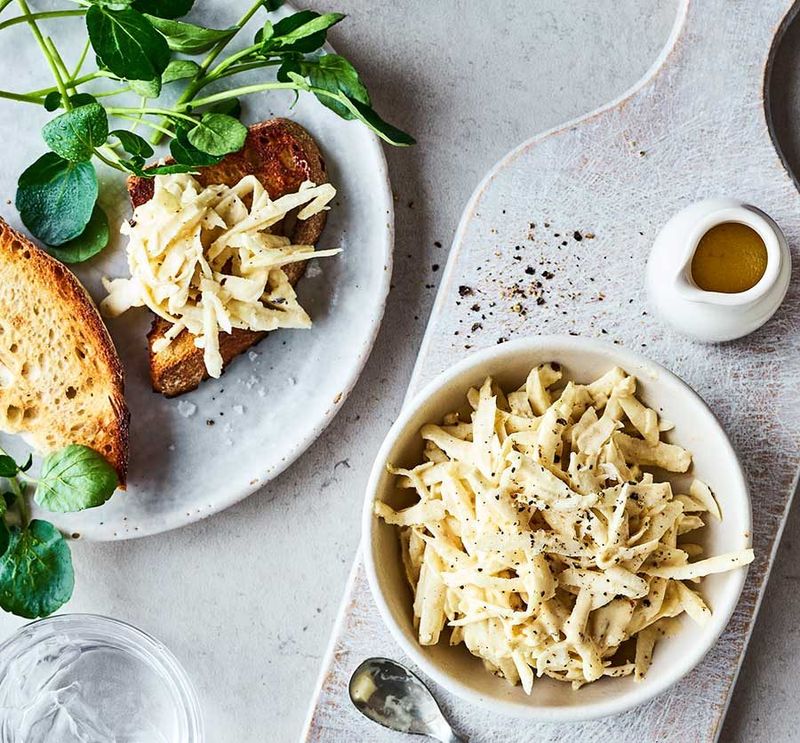
Okay, celeriac wins no beauty contests. This lumpy, hairy root looks like something from a monster movie.
Underneath that rough skin, though, hides creamy white flesh with a mild celery and parsley flavor. Chefs love it pureed as a lighter swap for mashed potatoes.
Shred it raw into remoulade, a classic French slaw, or roast thick slices like steaks. It is low in carbs, making it great for many diets.
15. Rye Flour
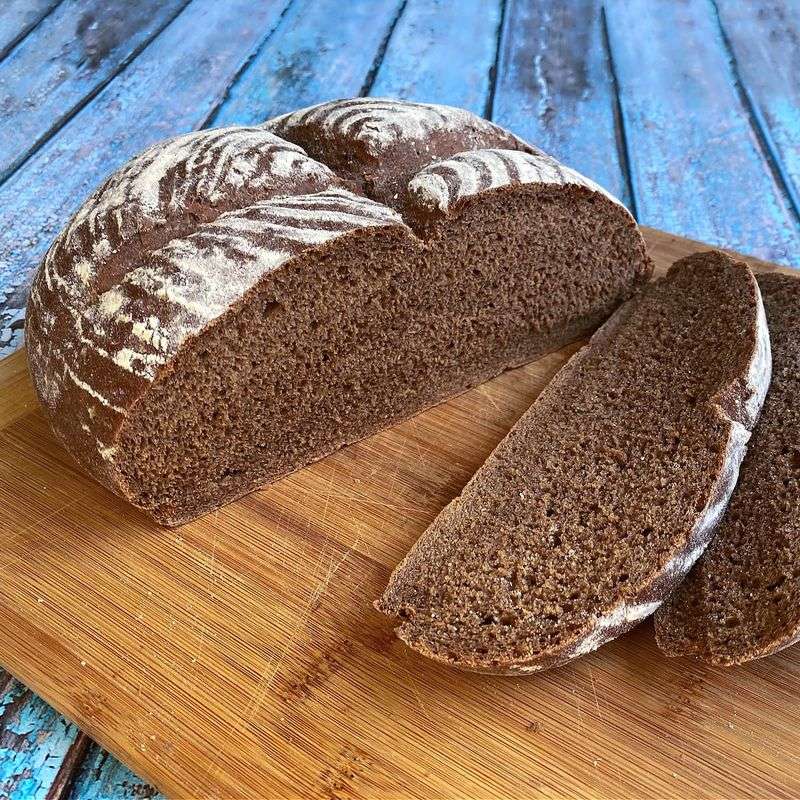
Hearty, tangy, and full of character, rye flour fed Northern Europe for centuries. It grows in cold, poor soil where wheat struggles.
Rye bread stays fresh longer and keeps you full thanks to its high fiber. Home bakers love adding a handful to sourdough for a deeper, slightly sour taste.
You can also use rye in cookies, pancakes, and even brownies. Its nutty notes pair surprisingly well with chocolate.
16. Watercress
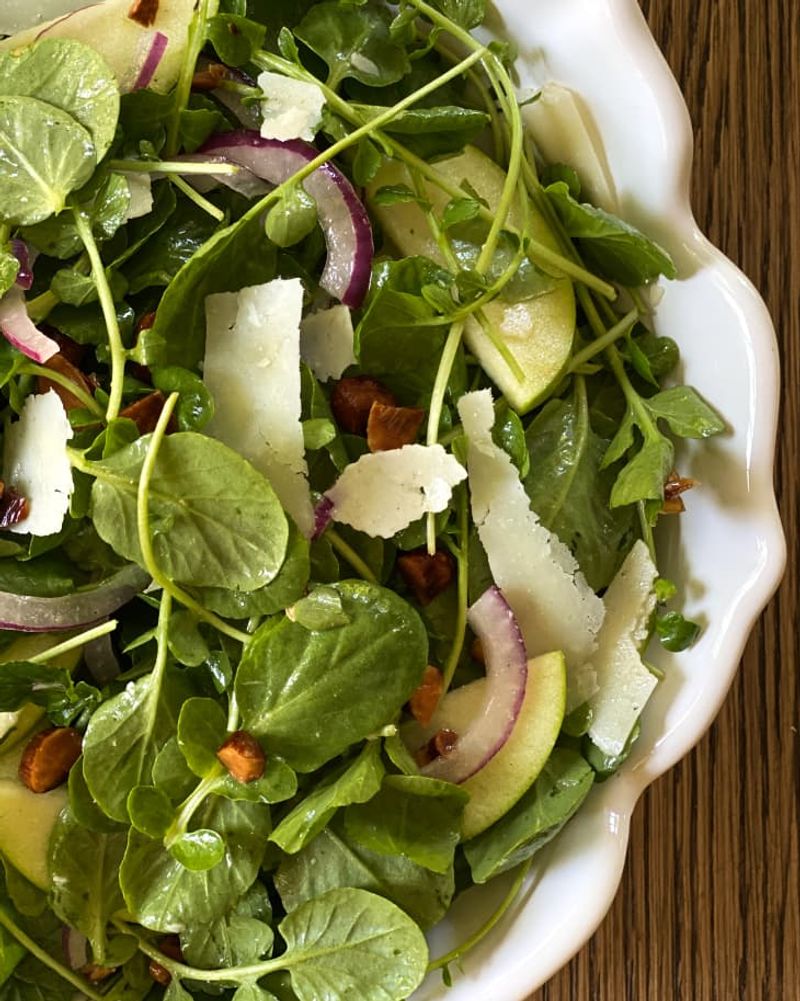
Victorian workers in London munched watercress sandwiches for breakfast, calling it poor man’s bread. Street sellers carried baskets of it everywhere.
The leafy green packs a peppery kick and more vitamin C per bite than oranges. Some studies rank it as one of the most nutrient-dense foods around.
Toss it into salads, blend it into soup, or layer it on sandwiches. Rinse well and use within a few days for the freshest crunch.
17. Cornmeal Grits and Hominy

Native Americans figured out how to soak corn in lime water, creating hominy with puffy kernels and better nutrition. That clever trick shaped American cooking forever.
Ground hominy becomes grits, a creamy Southern breakfast classic. Whole hominy stars in Mexican pozole, a warming stew perfect for chilly nights.
Choose stone-ground grits for the best texture. Cook them slowly with milk and cheese, and instant oatmeal will never look the same again.