
Some of the foods on your plate today were also eaten by people thousands of years ago. Pharaohs, Roman soldiers, and Chinese emperors enjoyed many of the same snacks and meals you might grab after school.
Learning about these old favorites helps us see how people lived, traveled, and shared ideas long ago. Get ready to discover which tasty treats have stood the test of time.
1. Bread, the Original Comfort Food
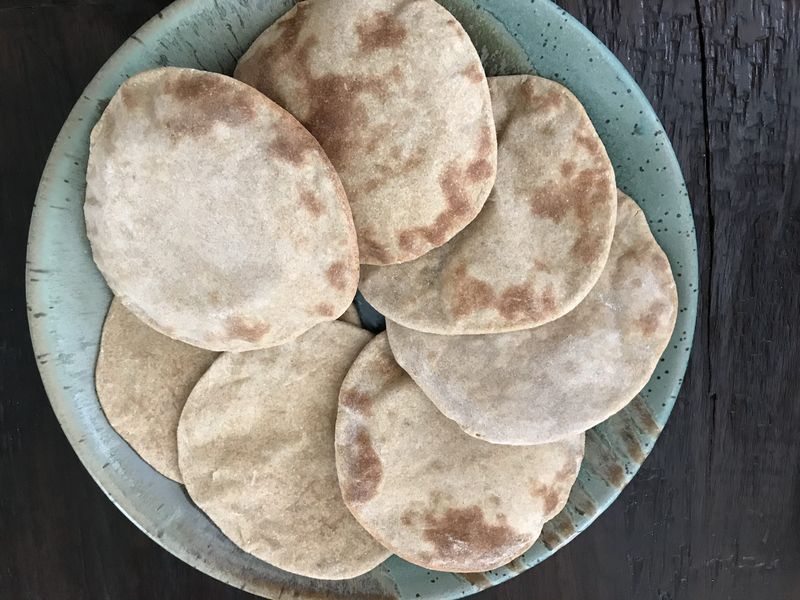
Archaeologists found bread crumbs in Jordan that are about 14,000 years old. That means people were baking before they even started farming!
Early bakers simply mixed wild grains with water and cooked the dough on hot stones.
Ancient Egyptians later discovered yeast, which made bread puffy and soft. Workers who built the pyramids were often paid partly in loaves.
Next time you make a sandwich, remember you are enjoying one of the oldest recipes on Earth.
2. Honey That Never Spoils
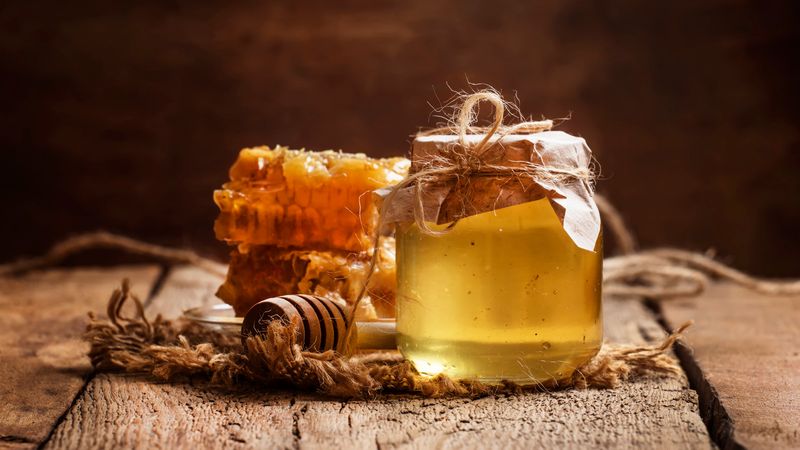
Here is a wild fact: explorers found pots of honey in Egyptian tombs that were still safe to eat after 3,000 years. Honey is so low in water that germs simply cannot grow in it.
Cave paintings in Spain show people collecting honey around 8,000 years ago.
Store yours in a sealed jar at room temperature. If it turns crunchy, warm the jar gently in water and it becomes smooth again.
3. Rice, Feeder of Billions
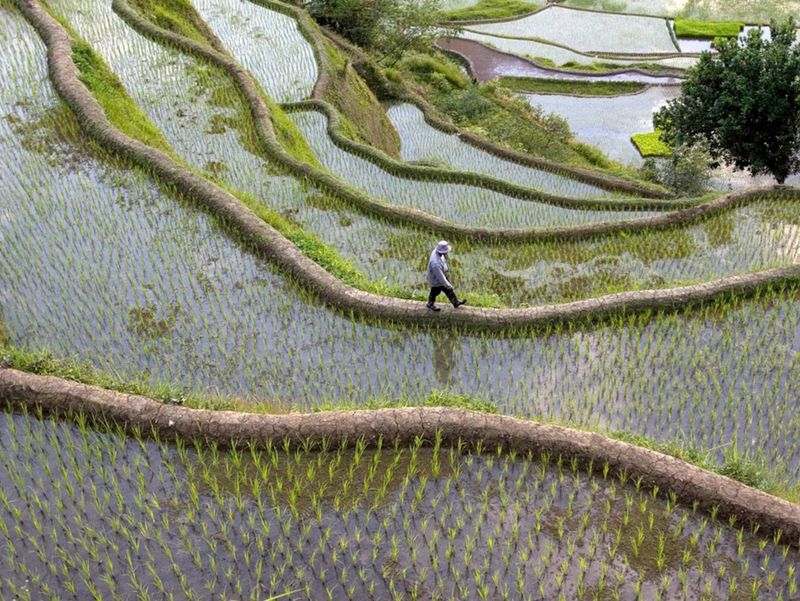
More than half the people on our planet eat rice almost every day. Farmers in China began growing it nearly 9,000 years ago along the Yangtze River.
From there, rice spread across Asia, Africa, and eventually the Americas. Every culture made it its own, creating dishes like sushi, paella, jollof, and risotto.
Quick tip: rinse rice before cooking to wash away extra starch. Your grains will turn out fluffy instead of sticky.
4. Cheese from a Happy Accident
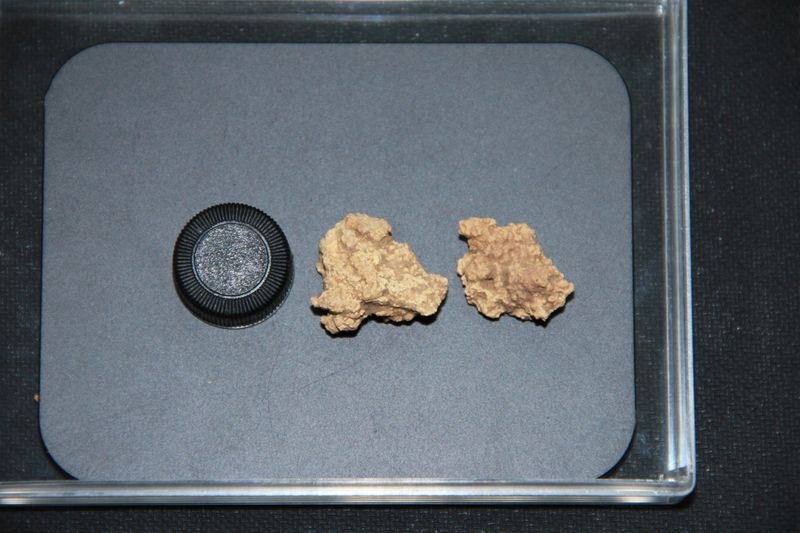
Legend says a traveler once carried milk in a pouch made from an animal stomach. After a long, hot journey, the milk had turned into soft curds.
Surprise, cheese!
Whether that story is true or not, scientists found 7,000 year old cheese traces on pottery in Poland.
Today there are over 1,000 kinds of cheese worldwide. Try a new one each month and you will still have years of tasting ahead.
5. Olive Oil, Liquid Gold
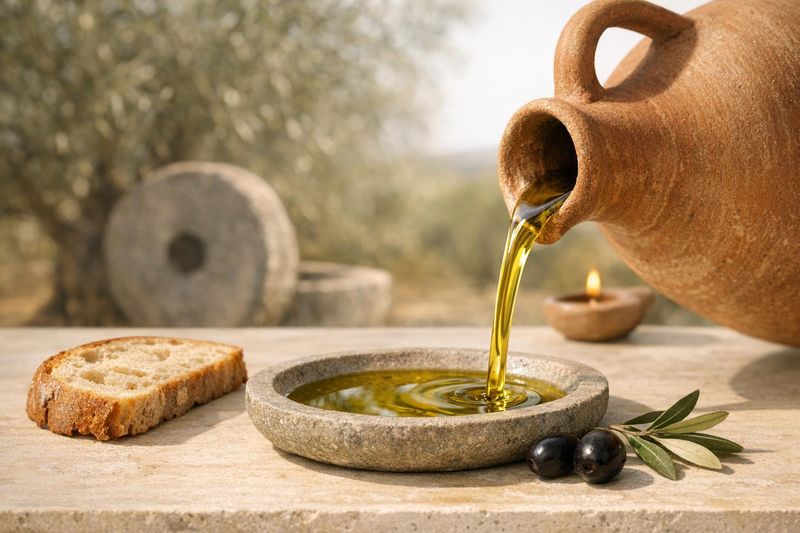
Ancient Greeks loved olive oil so much they called it liquid gold. They cooked with it, rubbed it on their skin, and even burned it in lamps for light.
Olympic winners received jars of it as prizes instead of medals.
Olive trees can live for over 1,000 years, and some still produce fruit today. For the best flavor, store your oil in a dark, cool cupboard away from the stove.
6. Yogurt, a Nomad’s Secret
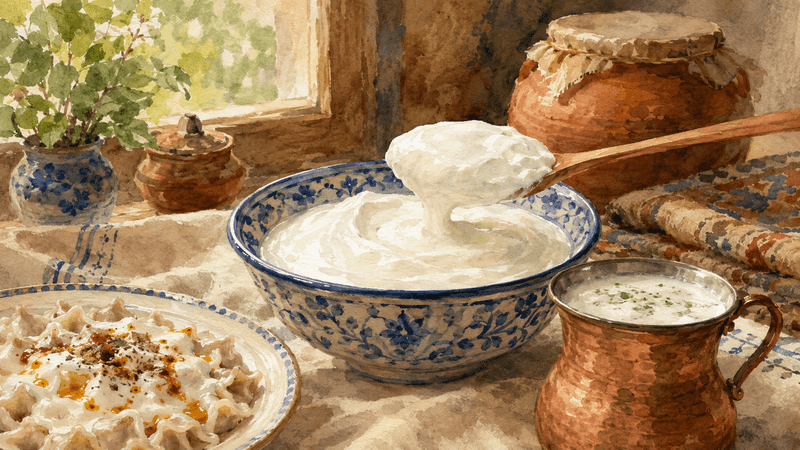
Picture herders roaming the hot plains of Central Asia around 5000 BC. Their milk kept thickening into a tangy, creamy treat, thanks to helpful bacteria.
That treat was yogurt, and it quickly became a travel favorite because it lasted longer than fresh milk.
Those same friendly bacteria help your stomach stay healthy today. Choose plain yogurt and add fruit yourself to skip the extra sugar found in many flavored cups.
7. Dates from the Desert
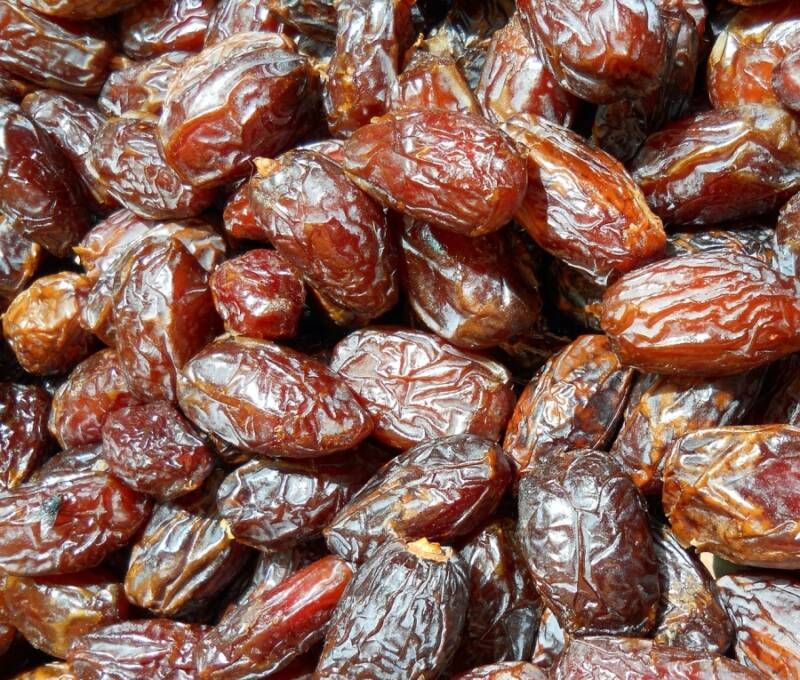
Sweet, chewy, and packed with energy, dates were the original candy of the Middle East. People in ancient Mesopotamia grew date palms more than 6,000 years ago.
Desert travelers depended on them because they stay fresh for months without a fridge.
Fun fact: scientists grew a date palm from a 2,000 year old seed found near the Dead Sea. Try stuffing a date with peanut butter for a quick snack.
8. Lentils in the Pot

Humble lentils might not look exciting, but they have fed people for roughly 9,000 years. Farmers in the Fertile Crescent were among the first to grow them.
Even the Bible mentions a bowl of lentil stew being traded for something valuable.
Lentils are cheap, full of protein, and cook faster than most beans. No soaking needed!
Toss a handful into soup and you will have a filling meal in about twenty minutes.
9. Chocolate, Drink of the Gods
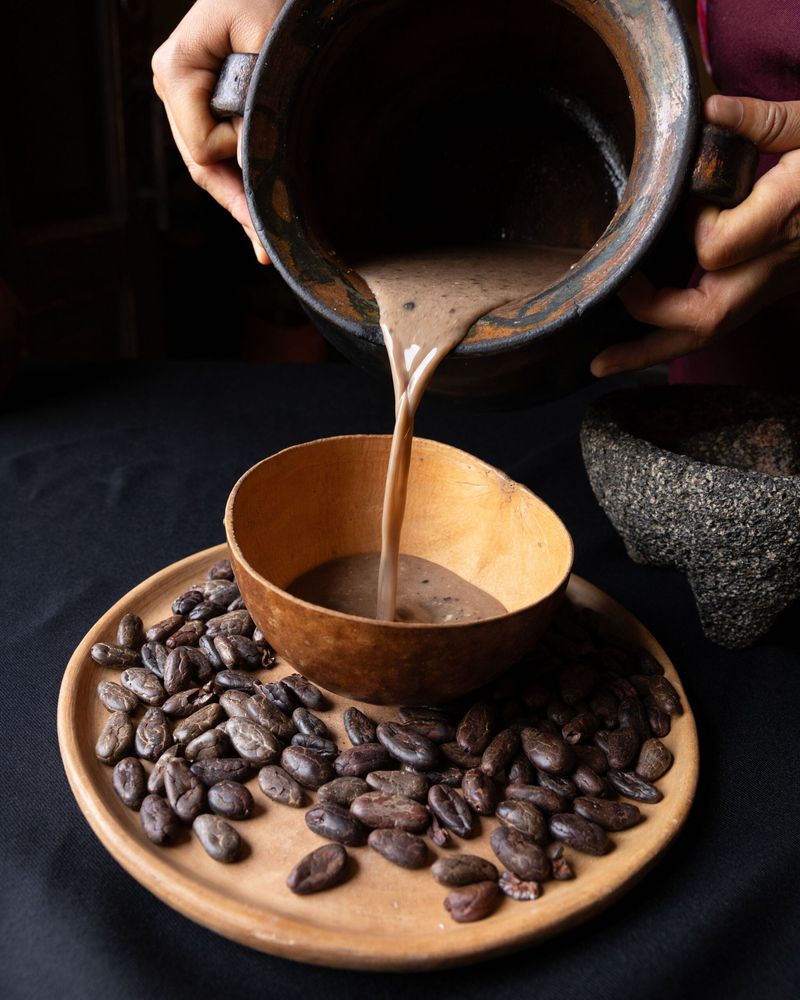
Long before candy bars, the Olmec and Maya of Central America sipped chocolate as a bitter, spicy drink. Sometimes they even added chili peppers!
Cacao beans were so valuable the Aztecs used them as money. A rabbit might cost about ten beans.
Sugar was only added after the drink reached Europe. Want a taste of history?
Stir a pinch of cinnamon and chili into your next hot cocoa.
10. Corn, Mexico’s Gift
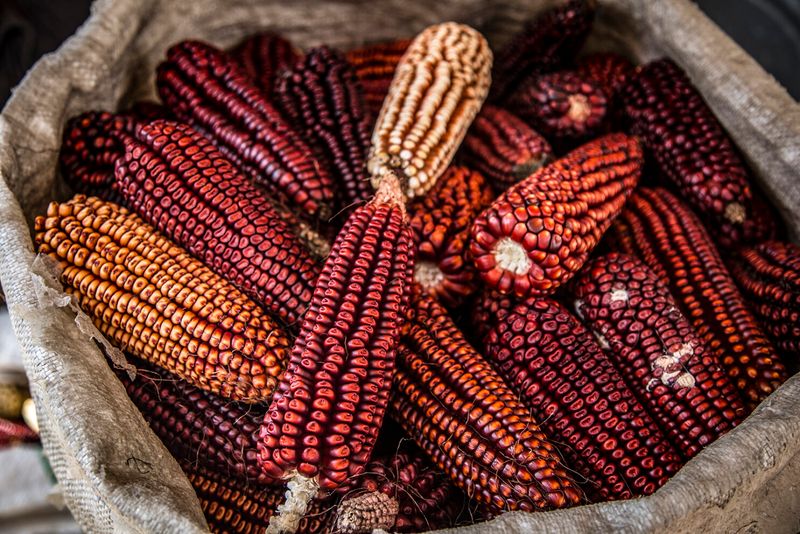
Believe it or not, corn started as a scraggly wild grass called teosinte with tiny, rock hard kernels. Farmers in Mexico spent thousands of years turning it into the big, juicy ears we know.
Native peoples treated corn as sacred and made tortillas, tamales, and more.
Corn now grows on every continent except Antarctica. Popcorn is one of its oldest forms, so movie night snacks connect you straight to ancient history.
11. Noodles Older Than You Think
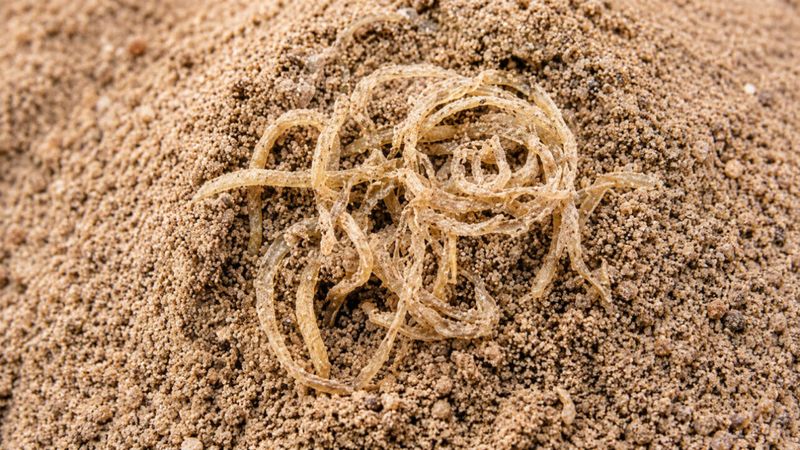
In 2005, scientists dug up a bowl of noodles in China that was about 4,000 years old. They were thin, yellow, and made from millet.
That discovery proved noodles existed in Asia long before Italian pasta became famous.
Today, ramen, udon, lo mein, and spaghetti all share this long family tree. Slurping noodles is actually polite in Japan, since it shows you are enjoying the meal.
12. Garum’s Cousin, Fish Sauce
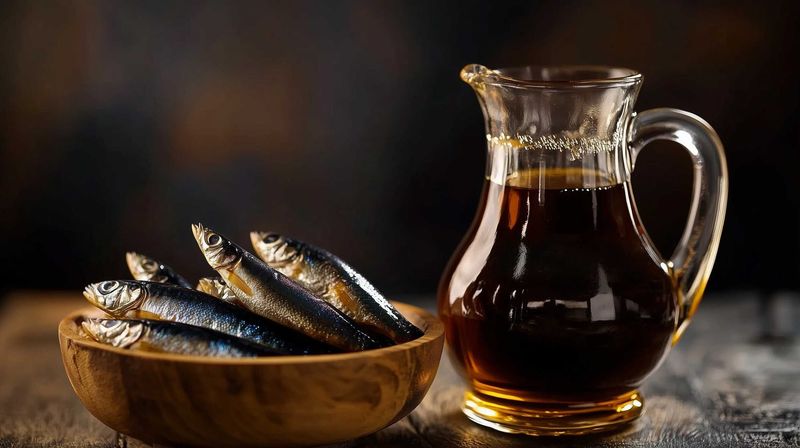
Romans couldn’t get enough of garum, a salty sauce made by letting fish ferment in the sun. They splashed it on almost everything, even desserts.
The smell was famously strong, so factories were often built outside of town.
Garum faded in Europe, yet very similar fish sauces thrive in Vietnam and Thailand. A few drops add rich, savory flavor to soups and stir fries.
13. Hummus and Chickpeas
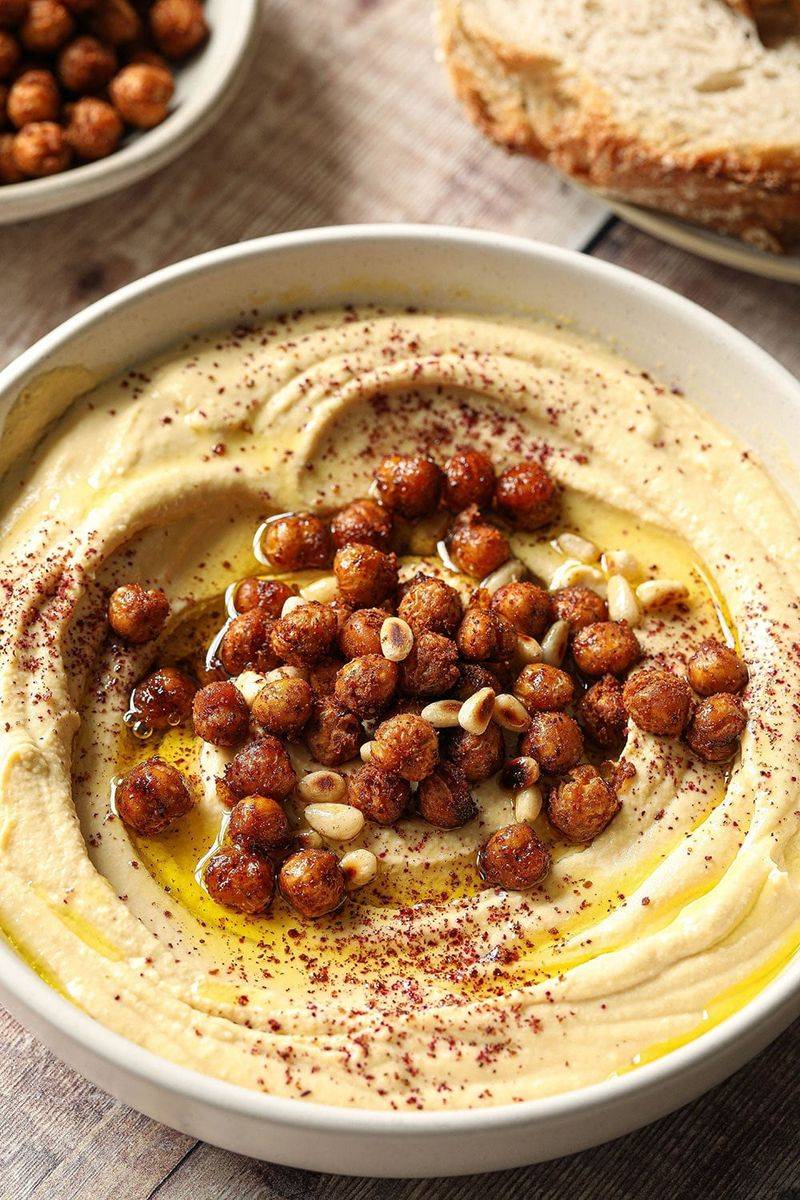
Chickpeas are among the earliest farmed crops, grown in Turkey about 10,000 years ago. Ancient Romans roasted them as a crunchy street snack.
Blending them with sesame paste, lemon, and garlic gave the world hummus, a Middle Eastern favorite.
Making your own is easy. Toss canned chickpeas, tahini, lemon juice, and a garlic clove into a blender.
Dip carrots or pita and enjoy a dish with deep roots.
14. Tea Leaves in the Cup

According to Chinese legend, Emperor Shen Nong was boiling water around 2737 BC when a few leaves blew into his pot. He took a sip, liked it, and tea was born.
Monks later used tea to stay alert during long meditations.
Tea is now the second most popular drink in the world after water. Steep green tea in hot, not boiling, water so it won’t taste bitter.
15. Pickles in a Jar
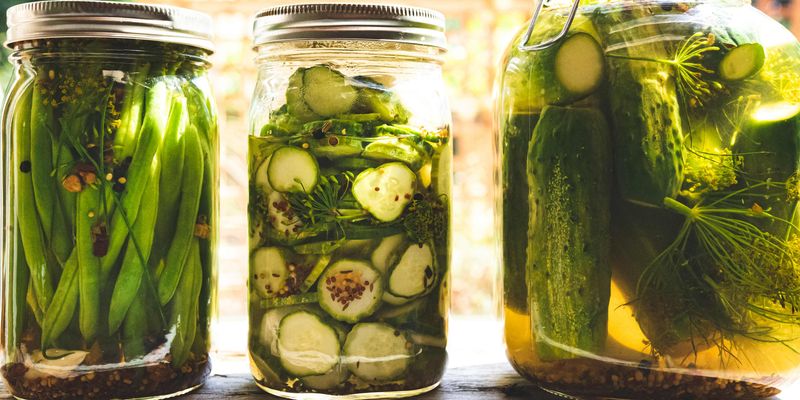
Crunch! That satisfying snap has been around for over 4,000 years.
People in ancient Mesopotamia soaked cucumbers in salty water to keep them from spoiling.
Cleopatra reportedly credited pickles for her beauty, and Julius Caesar fed them to soldiers for strength.
Pickling is still a smart way to save extra veggies. Try quick pickles at home with vinegar, water, salt, and a little sugar overnight.
16. Wine Grapes and Raisins
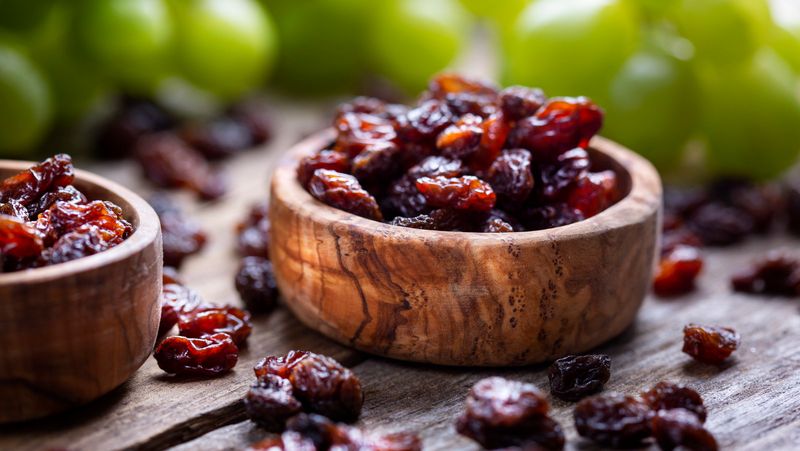
Grapes left out in the sun shrivel into raisins, and ancient people noticed this trick early. Raisins appear in records from Persia and Egypt dating back thousands of years.
Romans valued them so highly that they sometimes used them to pay off debts.
Grape growing began around 8,000 years ago in the area that is now Georgia. Toss raisins into oatmeal or trail mix for natural sweetness.
17. Soy Sauce’s Salty Story
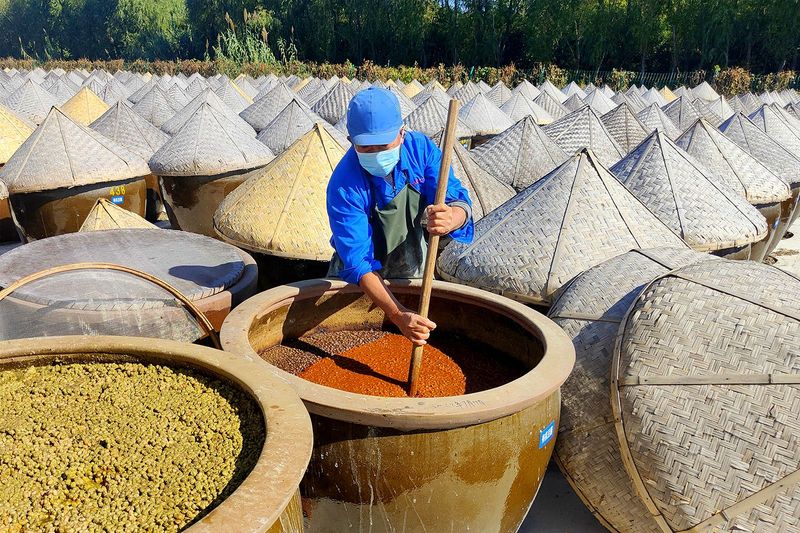
Some 2,500 years ago, Chinese cooks fermented soybeans with salt to stretch their supply through winter. The dark liquid that formed became soy sauce.
Buddhist monks carried the recipe to Japan, where it grew into a kitchen staple.
A little goes a long way because it is very salty. Look for low sodium versions if you use it often, and add a splash to fried rice or marinades.
18. Porridge for Breakfast
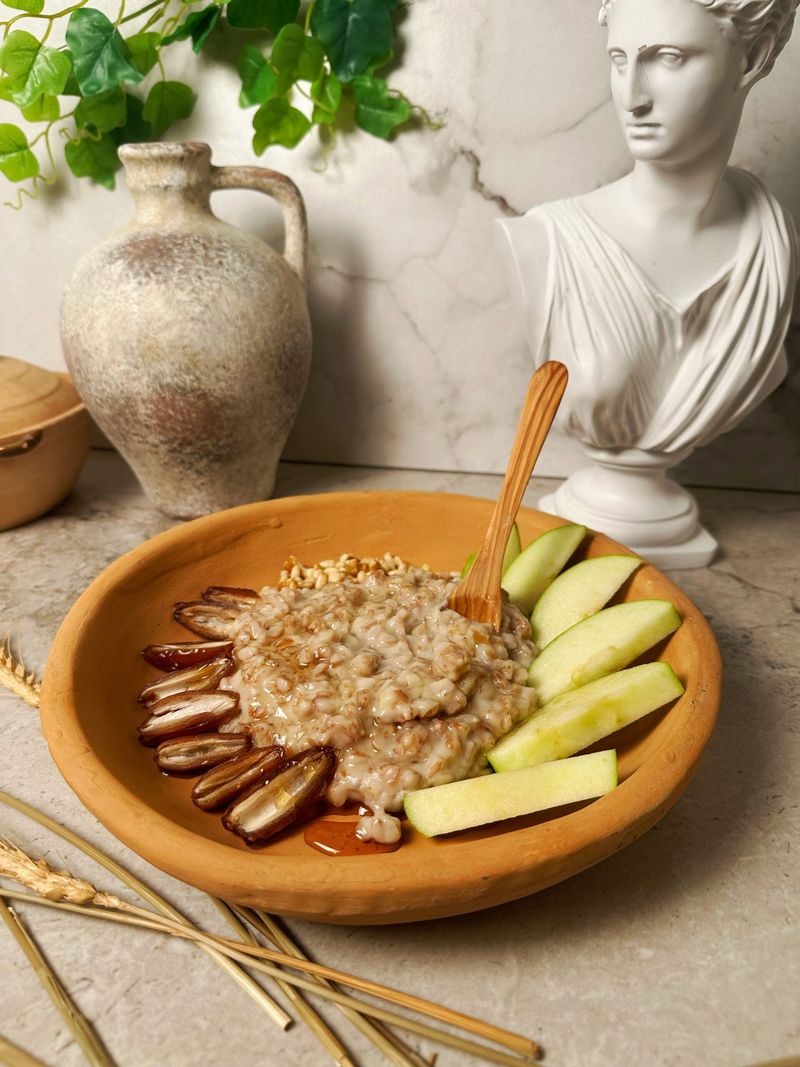
Ever had oatmeal on a chilly morning? Congratulations, you ate like a Stone Age human.
Boiling grains in water to make porridge is one of the oldest cooking methods known.
Romans ate a version called puls, while Scots made oats famous.
Porridge keeps you full for hours because of its fiber. Top it with fruit, nuts, or a spoonful of honey for a breakfast with real history.
19. Figs, Fruit of Antiquity
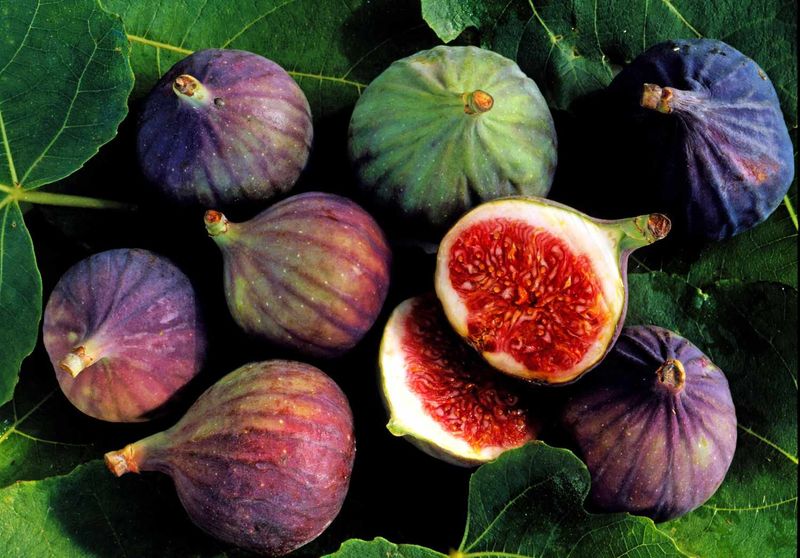
Some scientists believe figs were the very first fruit people ever farmed, possibly 11,000 years ago in the Jordan Valley. That is even earlier than wheat!
Greek athletes snacked on them for energy before competitions.
Fresh figs are soft and only last a few days, so enjoy them quickly. Dried figs keep much longer and make a sweet, chewy lunchbox treat full of fiber.
20. Potatoes from the Andes
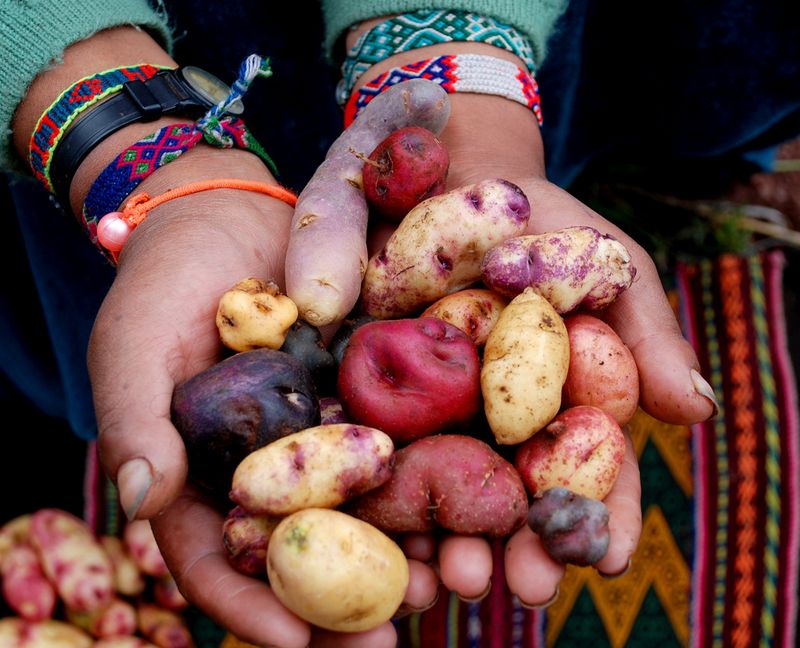
High in the Andes Mountains of Peru, the Inca grew thousands of potato varieties in purple, red, yellow, and blue. Farming started there around 8,000 years ago.
They even freeze dried potatoes into chuño, which could last for years.
Spanish explorers brought potatoes to Europe in the 1500s, and they changed diets everywhere. Leave the skins on when cooking because they hold many of the nutrients.
21. Salted Fish That Fed Explorers
Without fridges, how did sailors survive months at sea? Salted and dried fish was the answer.
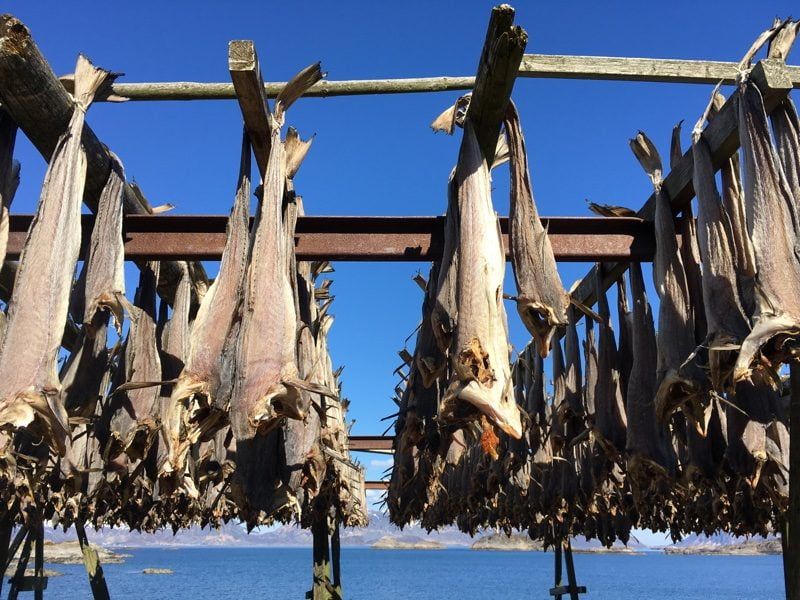
Vikings hung cod in the cold wind until it turned stiff as wood.
That stockfish could last for years and traveled across oceans.
Portugal alone claims hundreds of salt cod recipes today. Before cooking it, soak the fish in cold water for a day or two to remove the extra salt.