
Every tool in your kitchen has a story, and some of those stories changed how families eat every single day. Long ago, cooking meant hours of chopping, stirring, and waiting by a hot stove.
Then clever inventors came along with gadgets that saved time, cut down on mess, and made new foods possible. From the early 1900s to today, here are the kitchen helpers that truly shaped the way we cook at home.
1. The Electric Toaster (1910s)
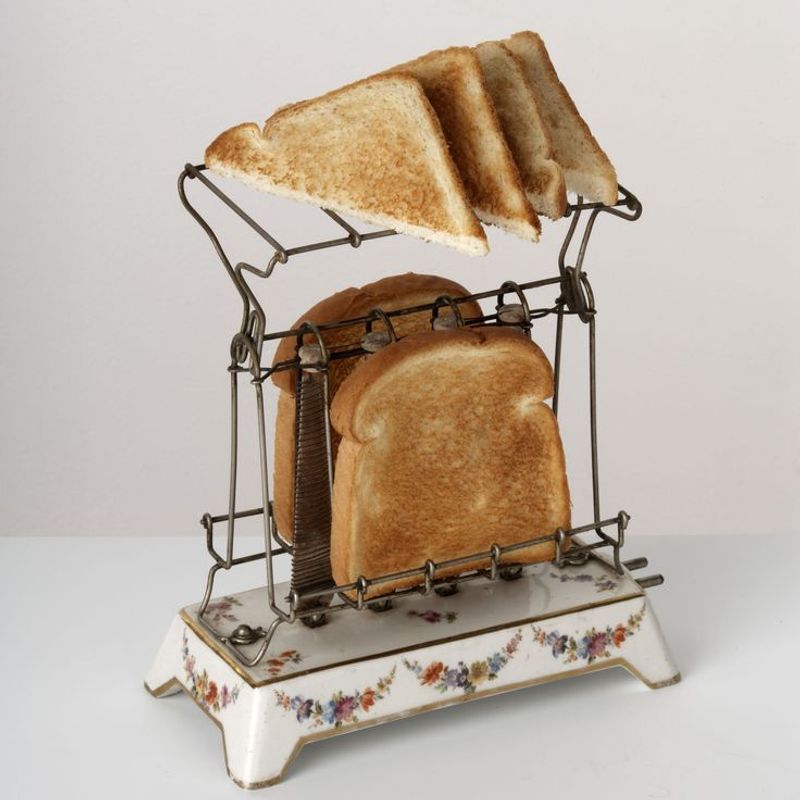
Picture holding bread over a fire with a long fork every morning. That was breakfast before 1909, when General Electric sold one of the first electric toasters.
Early models only toasted one side at a time, so you had to flip the bread by hand. Still, people loved skipping the open flame.
Next time your toast pops up golden, thank those early tinkerers who made a quick, warm breakfast possible.
2. Pop-Up Toaster (1920s)
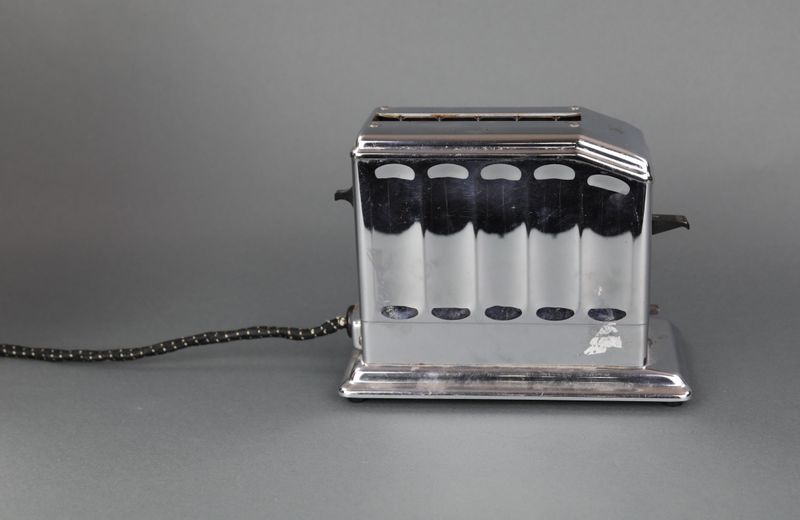
Burnt toast was a daily problem until Charles Strite got fed up with it. He was a factory worker who hated the scorched bread served in his cafeteria.
His fix was a spring and a timer that pushed toast up when it was done. The Toastmaster hit home kitchens in 1926.
Fun fact: sliced bread arrived just a few years later, making this gadget even more popular.
3. Electric Refrigerator (1920s)
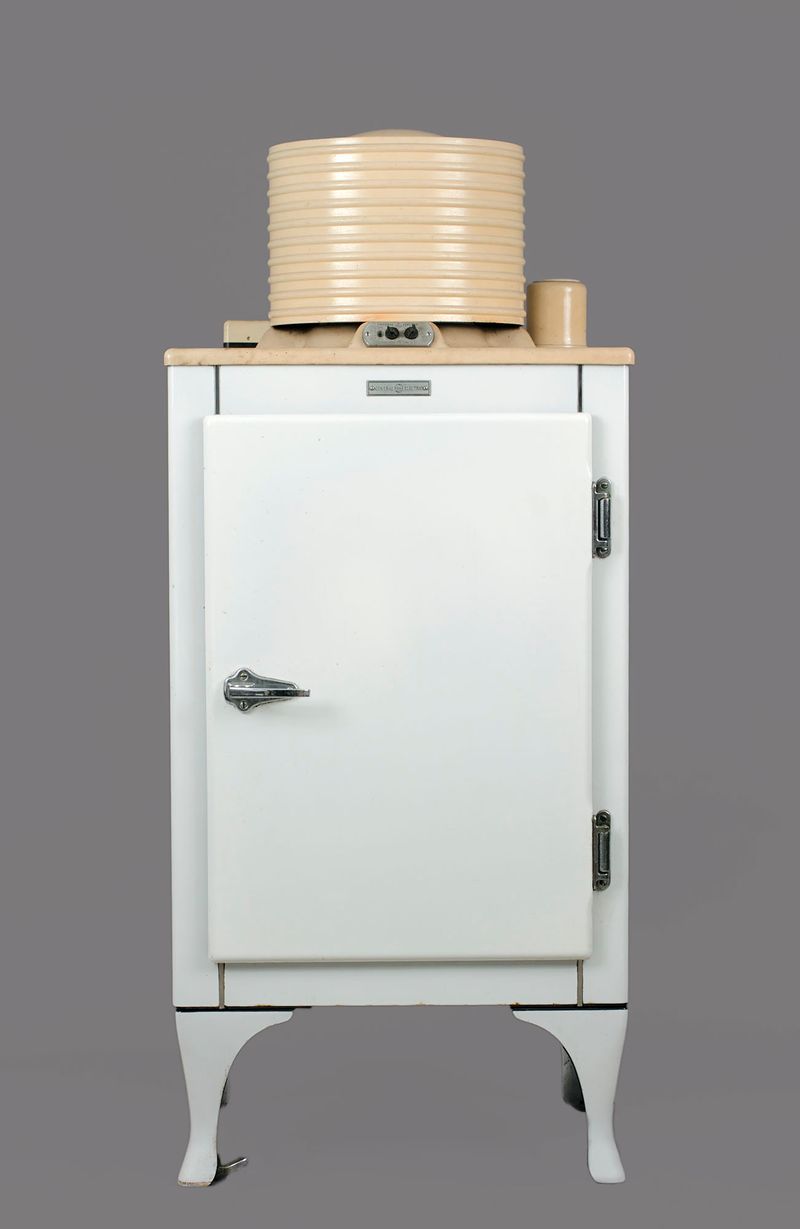
Grandma’s grandma probably had an icebox. A delivery man brought big blocks of ice to keep food cold, and the melted water dripped into a pan.
Electric fridges changed everything in the late 1920s. Families could store milk, meat, and leftovers for days without worry.
Shopping trips got less frequent, and food waste dropped a lot. Honestly, it’s hard to imagine any modern kitchen without one humming in the corner.
4. The Stand Mixer (1910s-1930s)
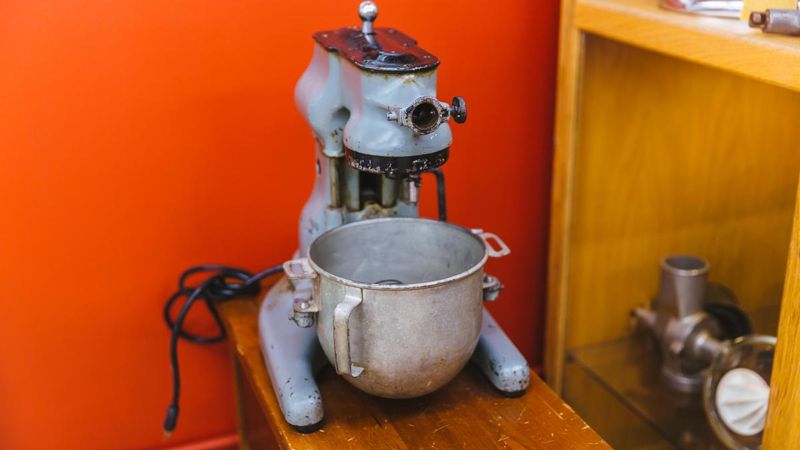
Ever tried whipping cream by hand? Your arm gets tired fast.
Bakers knew that pain well before the stand mixer showed up.
KitchenAid released its home model in 1919, and the Sunbeam Mixmaster followed in 1930. Suddenly, cakes, cookies, and bread dough came together without the sore muscles.
Many families still pass down their old mixers like treasures. If you find one at a yard sale, grab it.
5. The Blender (1930s)
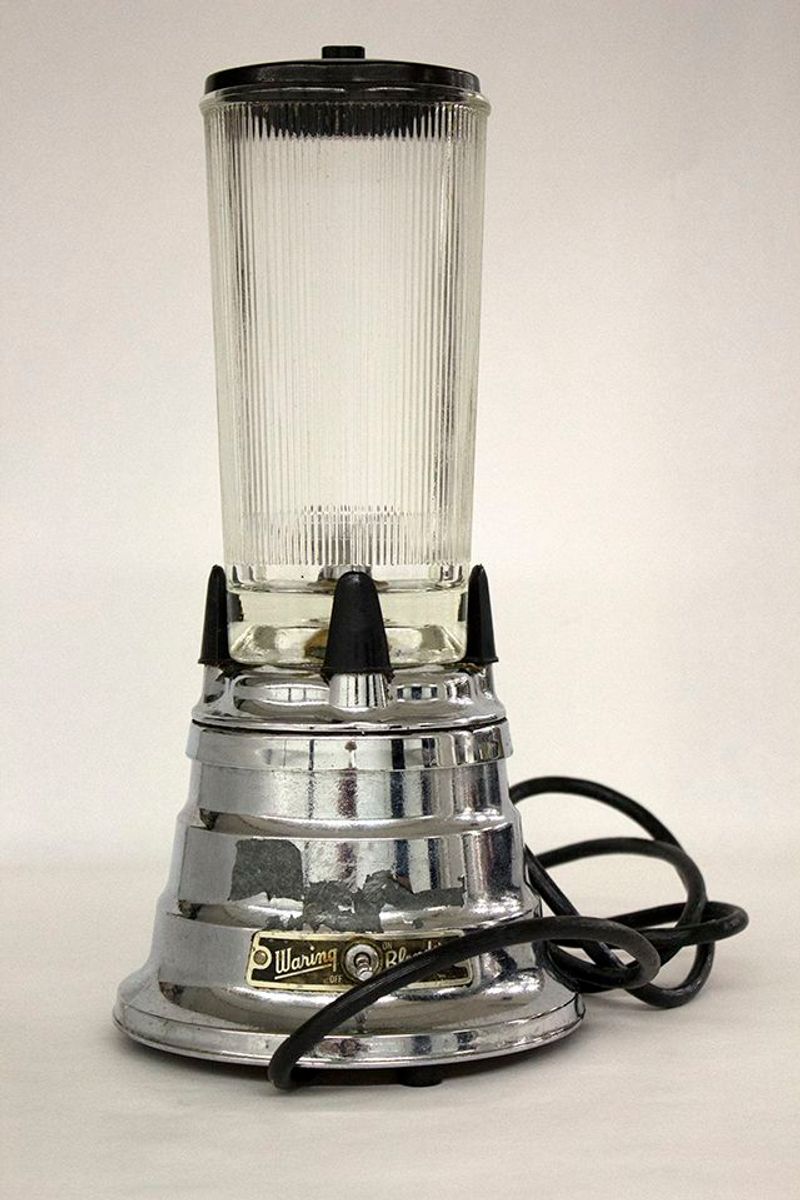
Believe it or not, a bandleader helped make the blender famous. Fred Waring backed the Waring Blendor in 1937, and the odd spelling stuck for years.
At first, people mostly used it for drinks at fancy parties. Later, home cooks discovered soups, sauces, and baby food could be smooth in seconds.
Today’s smoothie fans owe a big thank you to a musician who believed in a whirling glass jar.
6. Pressure Cooker (1930s-1940s)
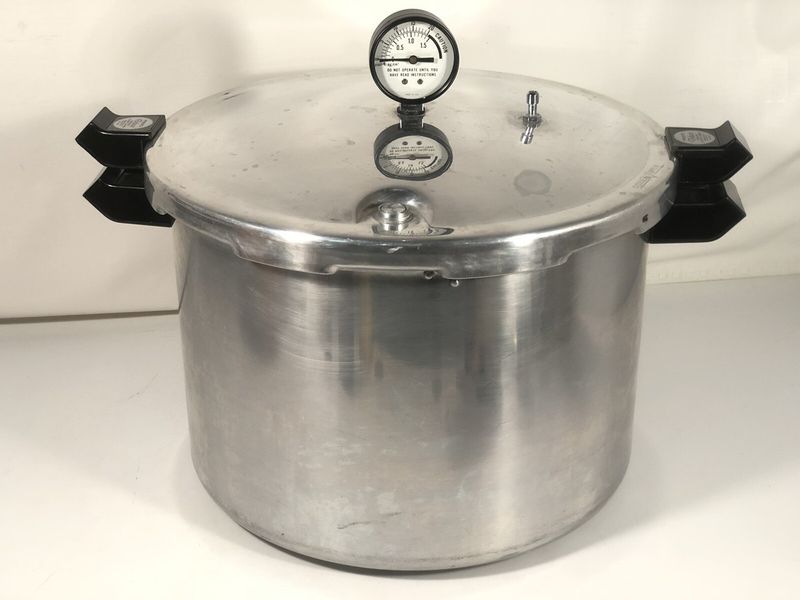
Tough beans and chewy meat used to take all afternoon. Then the pressure cooker arrived, trapping steam to cook food much faster.
Presto introduced a popular home version in 1939. During World War II, families used it to stretch cheap ingredients into hearty meals.
A quick tip: always check the rubber seal before using an older model. A good seal means safe, speedy cooking every time.
7. Tupperware (1940s)
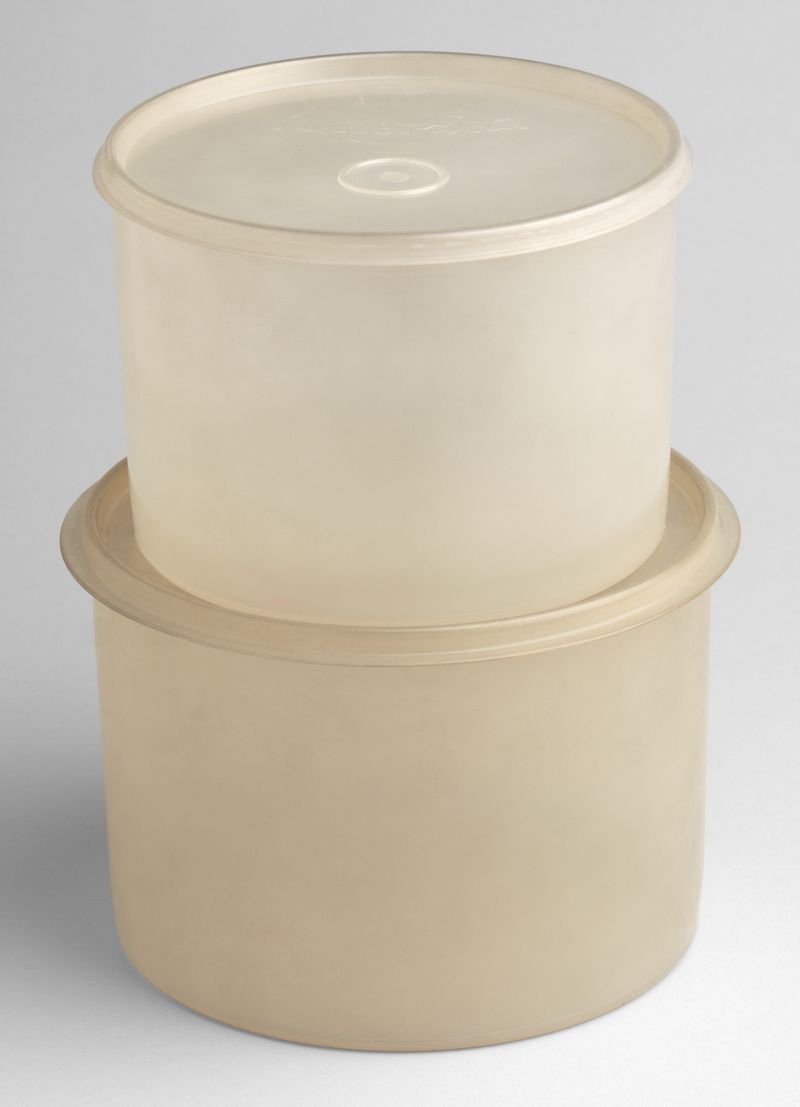
Leftovers got a whole lot fresher in 1946. Earl Tupper created plastic containers with a special lid that sealed tight, almost like a paint can.
Stores struggled to sell them at first because people didn’t know how they worked. So Brownie Wise started Tupperware parties, where friends showed off the famous burp seal.
Those parties became a social event for millions of families. Pretty clever marketing, right?
8. Electric Can Opener (1950s)
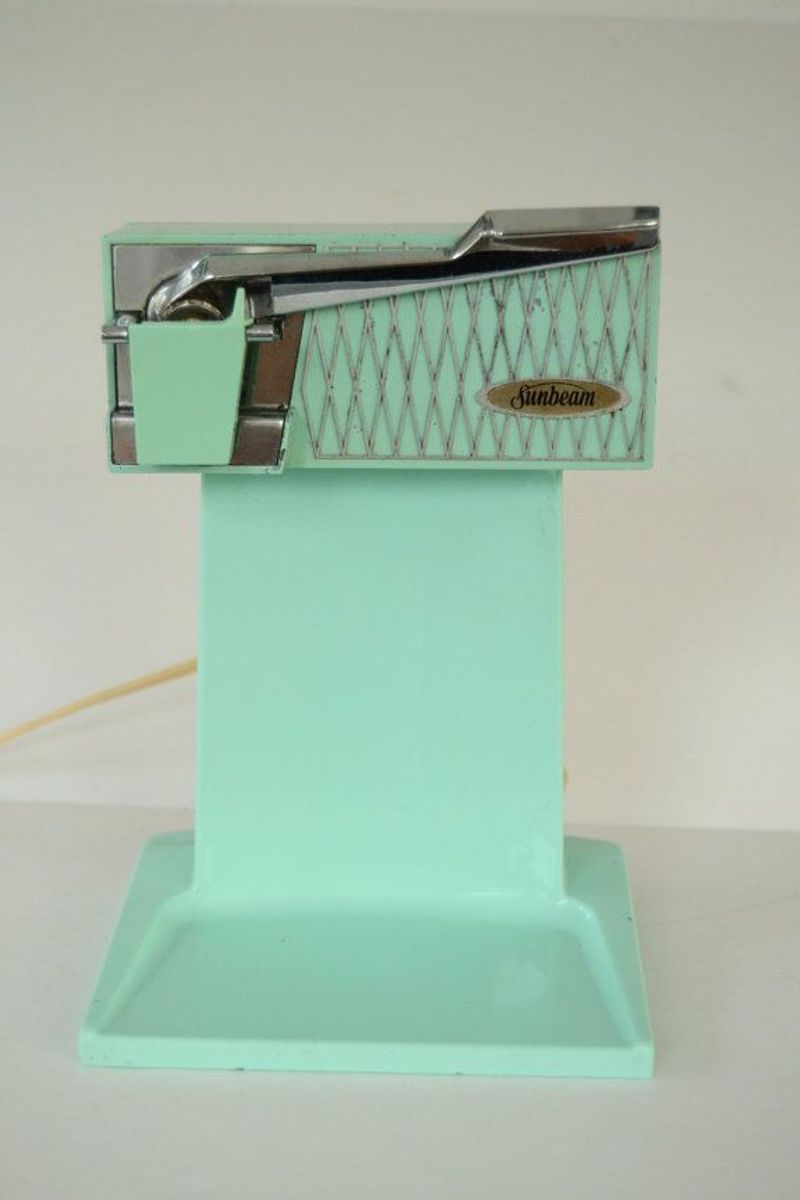
Canned food was everywhere by the 1950s, but opening those cans could be a wrestling match. Sharp edges and stubborn lids caused plenty of cut fingers.
Electric can openers hit stores in 1956 and quickly became a must-have. Just clamp the can, press a lever, and watch it spin.
For older folks or anyone with weak hands, this little machine made dinner prep easier and safer.
9. Nonstick Pan (1950s-1960s)
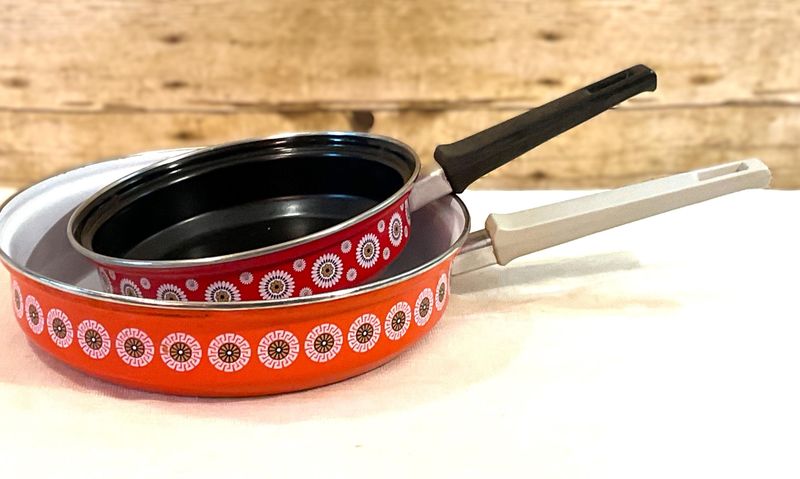
Scrubbing stuck eggs off a pan is nobody’s idea of fun. A French engineer’s wife reportedly suggested coating pans with Teflon, a slippery material her husband used on fishing gear.
The Tefal brand launched in 1956, and Americans grabbed nonstick pans in the 1960s.
Here’s some advice: use wooden or silicone spoons on these pans. Metal tools scratch the coating and shorten its life.
10. Countertop Microwave (1960s)
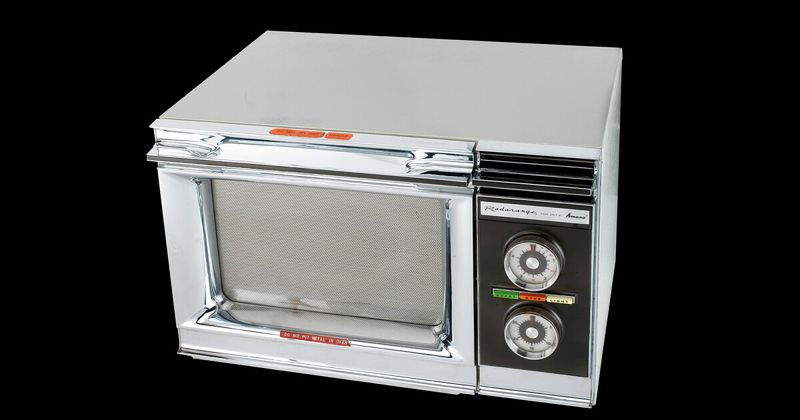
A melted chocolate bar sparked one of history’s biggest kitchen changes. Engineer Percy Spencer noticed candy melting in his pocket while working near radar equipment.
Early microwaves were as tall as a fridge and cost a fortune. In 1967, Amana released the Radarange, a countertop version families could actually afford.
Popcorn, reheated pizza, and quick snacks have never been the same since that sticky pocket surprise.
11. Slow Cooker (1970s)
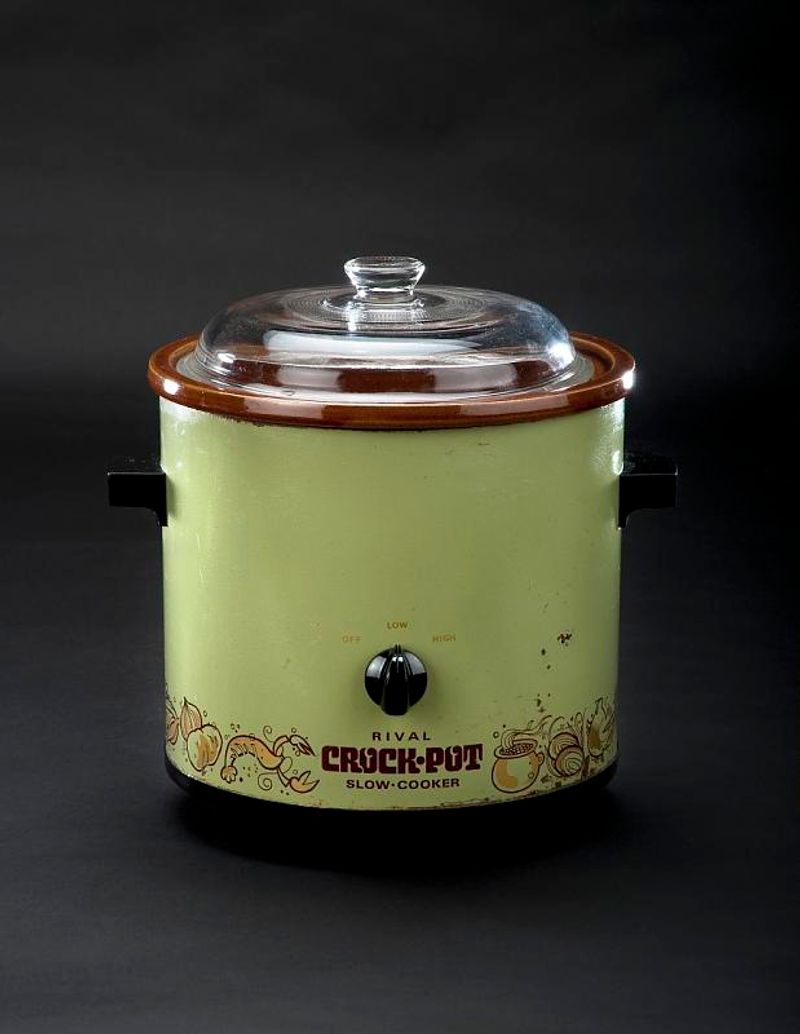
Walking into a house that smells like warm stew feels like a hug. That cozy moment became common in 1971, when Rival introduced the Crock-Pot.
More parents were working outside the home, so dinner needed to cook itself. Toss in ingredients in the morning, and supper is ready by evening.
Bright orange and avocado green models were especially trendy. Some still work perfectly decades later.
12. Food Processor (1970s)
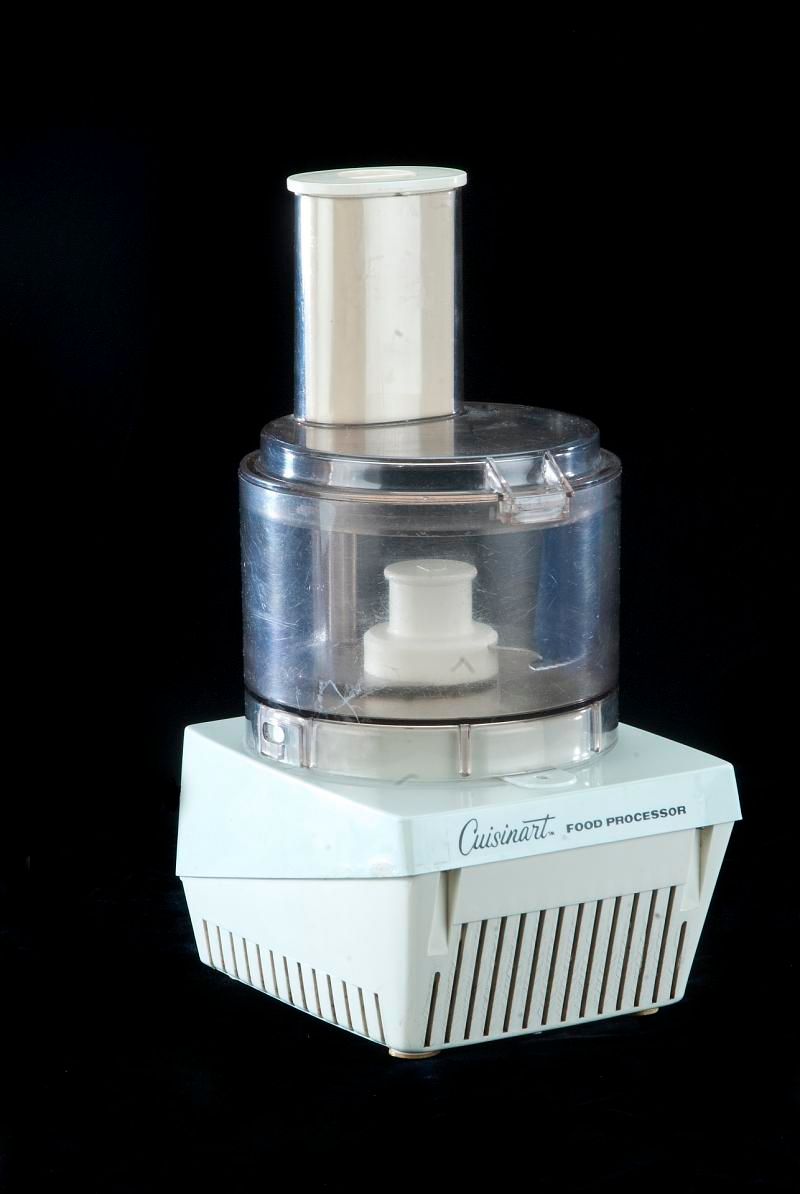
Chopping a mountain of onions used to bring tears and take forever. Carl Sontheimer changed that in 1973 when he brought the Cuisinart to America.
Famous chefs like Julia Child praised it on TV, and sales took off. Slicing, shredding, and mixing dough suddenly took seconds.
Try using one to make homemade salsa or hummus. You’ll be surprised how quickly fresh food comes together.
13. Automatic Drip Coffee Maker (1970s)
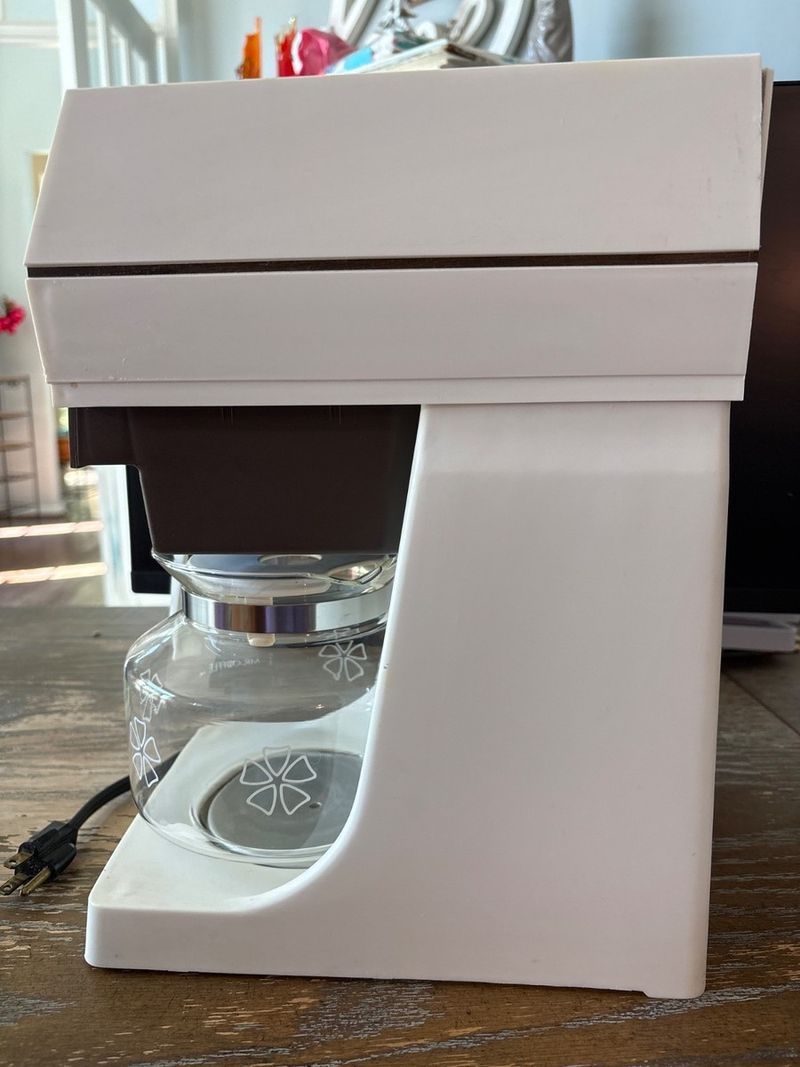
Grown-ups used to fuss with noisy percolators that often made bitter coffee. Mr. Coffee arrived in 1972 and promised a smoother cup with almost no effort.
Baseball legend Joe DiMaggio appeared in its ads, which helped it become a household name. Within a few years, millions of homes had one.
Mornings got calmer, and the smell of fresh coffee became a classic part of breakfast.
14. Salad Spinner (1970s)
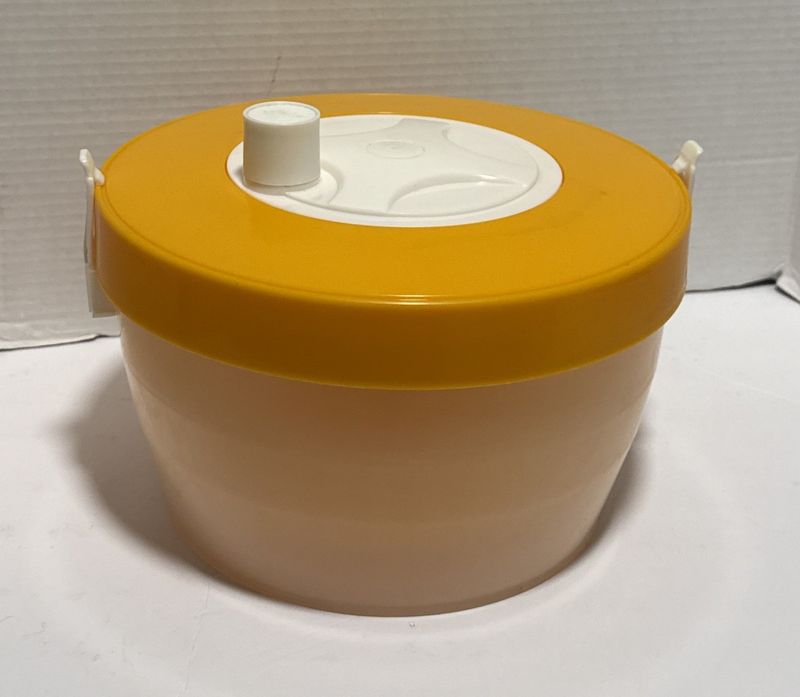
Soggy salad is sad salad. Wet lettuce makes dressing slide right off, leaving a watery mess at the bottom of your bowl.
The salad spinner, popularized in the 1970s, fixed that with simple spinning power. Pull a cord or pump a knob, and water flies away.
Kids usually love helping with this one because it feels like a toy. Let them spin while you chop.
15. Bread Machine (1980s)
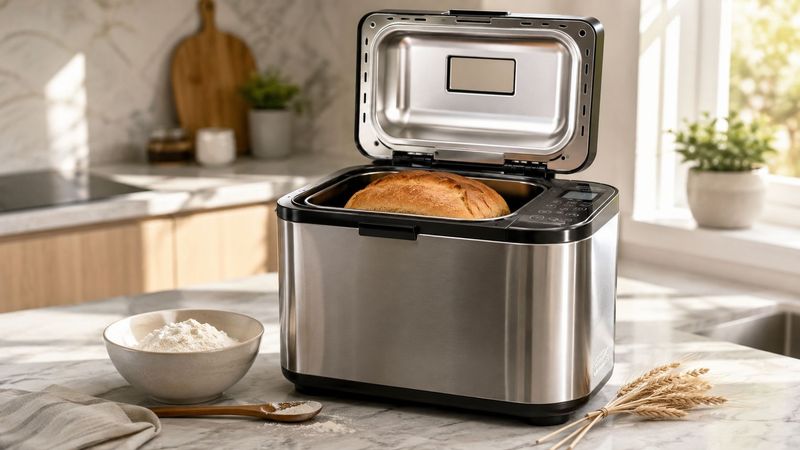
Fresh bread smells amazing, but kneading dough is hard work. Japanese company Panasonic solved that in 1986 with the first home bread machine.
Add flour, water, yeast, and salt, then push a button. Hours later, a warm loaf appears like magic.
Bread machines became a hot gift in the 1990s. Try adding raisins or cinnamon for a sweet weekend breakfast treat.
16. Microplane Zester (1990s)
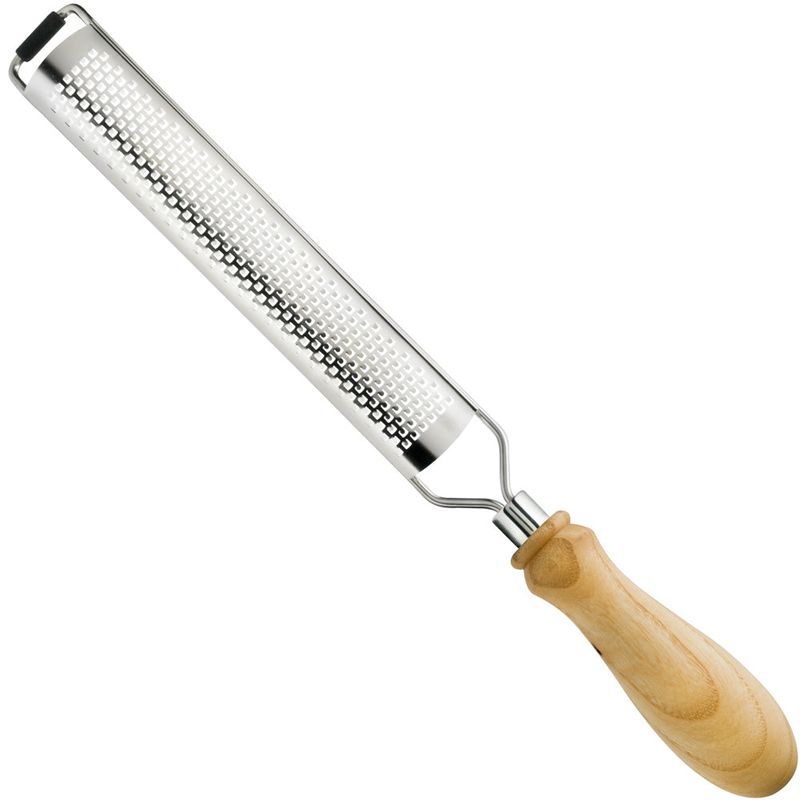
Here’s a funny origin story: the Microplane started as a woodworking tool. In 1994, a Canadian home cook borrowed her husband’s rasp to zest an orange.
It worked so well that the company began selling it for kitchens. Now chefs use it for citrus, cheese, garlic, and even chocolate.
One swipe gives you fluffy, fine shavings packed with flavor. Small tool, big impact.
17. Rice Cooker (1950s-1990s)
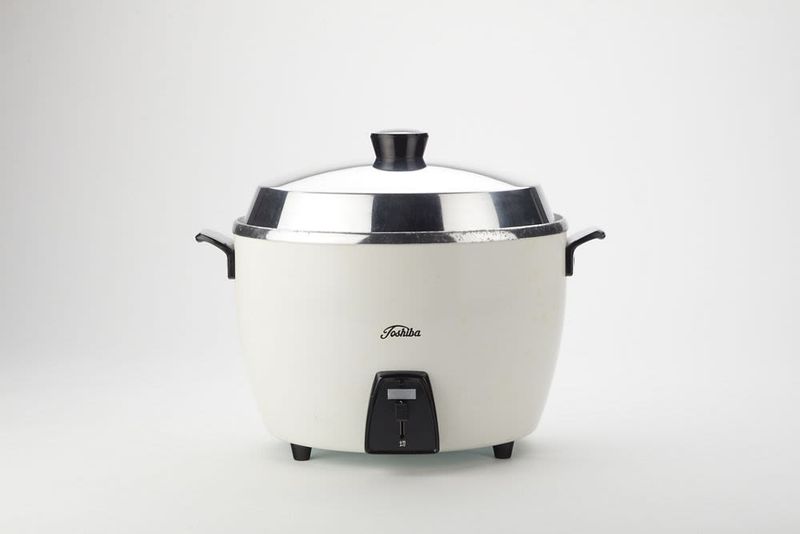
Toshiba sold the first automatic electric rice cooker in Japan in 1955, and it was a game changer for busy families.
No more watching the pot or scraping burnt grains off the bottom. Later models in the 1990s added smart sensors to cook rice perfectly every time.
Many people also use rice cookers for oatmeal, quinoa, and steamed veggies. It’s more flexible than it looks.
18. Silicone Baking Mat (1990s-2000s)
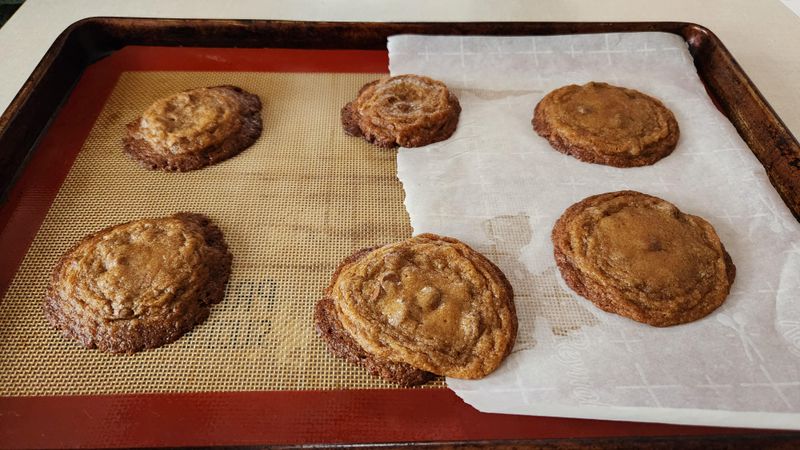
Cookies stuck to the pan? A silicone baking mat says goodbye to that.
French company Silpat made these flexible mats popular, and home bakers caught on around the 2000s.
They replace parchment paper and can be washed and reused hundreds of times. That means less trash and less money spent.
Just remember not to cut on them with a knife. Slide the cookies off instead.
19. Immersion Blender (2000s)
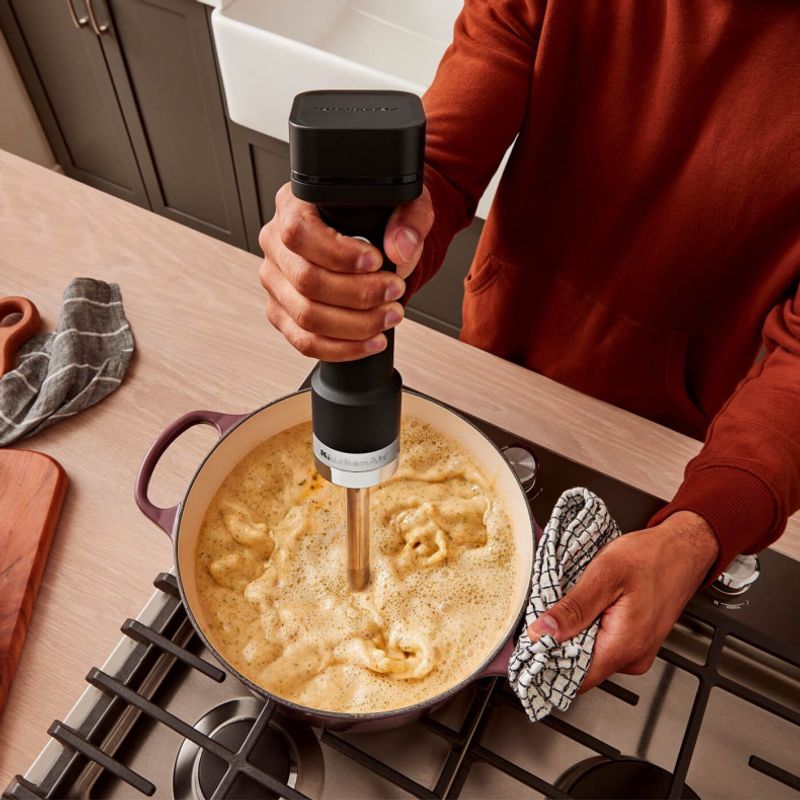
Pouring hot soup into a blender can get messy and even dangerous. The immersion blender, also called a stick blender, lets you blend right in the pot.
It was invented in Switzerland in 1950, but home cooks really embraced it in the 2000s.
Use it for creamy soups, smoothies, or quick whipped cream. Cleanup takes seconds, which might be the best part of all.
20. Instant Pot (2010s)
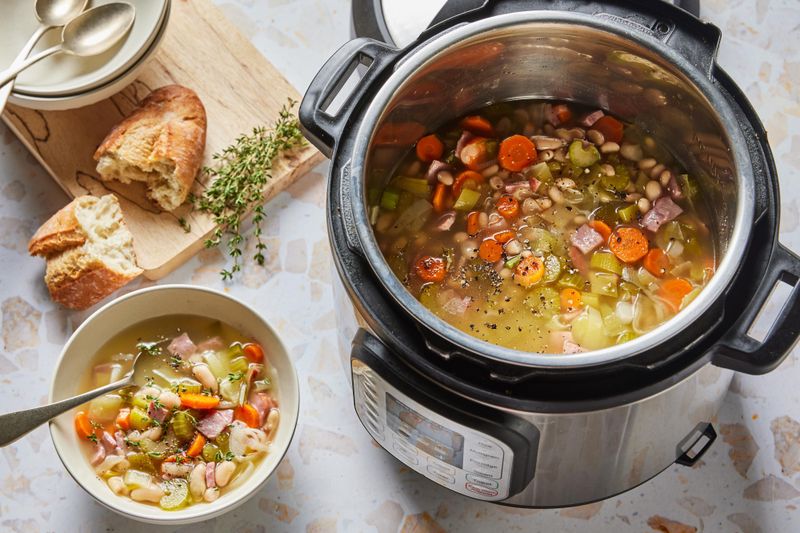
Few gadgets have fans as loyal as the Instant Pot. Launched in 2010, it combined a pressure cooker, slow cooker, rice cooker, and more into one machine.
Online recipe groups grew to millions of members sharing tips and dinner ideas. It sold out on Amazon Prime Day again and again.
Beginners should start with easy recipes like hard-boiled eggs or chili before trying fancier dishes.
21. Air Fryer (2010s)
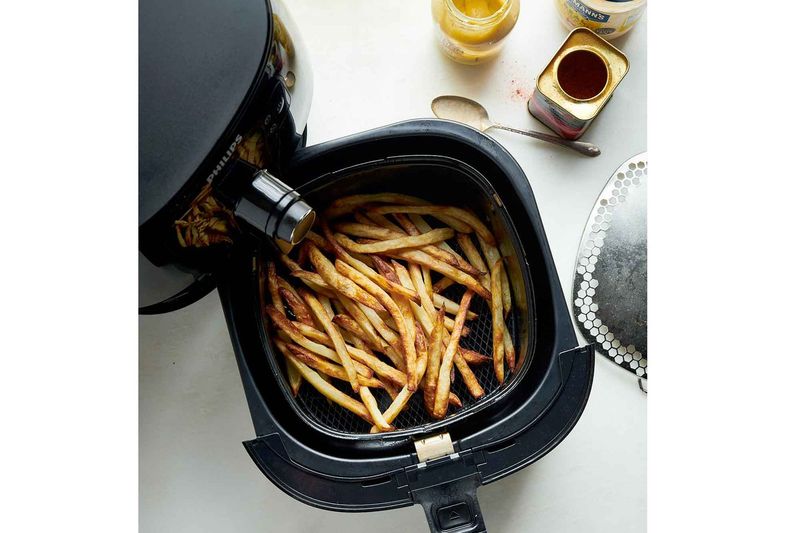
Crispy fries without a vat of oil? Sounds too good to be true, but the air fryer pulled it off.
Philips introduced it in 2010, using hot, fast-moving air to crisp food.
By the late 2010s, it seemed like every kitchen had one. Chicken wings, veggies, and even cookies come out crunchy.
Shake the basket halfway through cooking for even browning all around.