
Some meals taste amazing but leave your whole house smelling like a science experiment gone wrong. The smell can cling to curtains, couches, and even your clothes for days.
Knowing which foods cause the worst odors helps you plan ahead, open a window, or cook them outside. Here are the biggest stink-makers and some simple tricks to keep your home smelling fresh.
1. Fried Fish
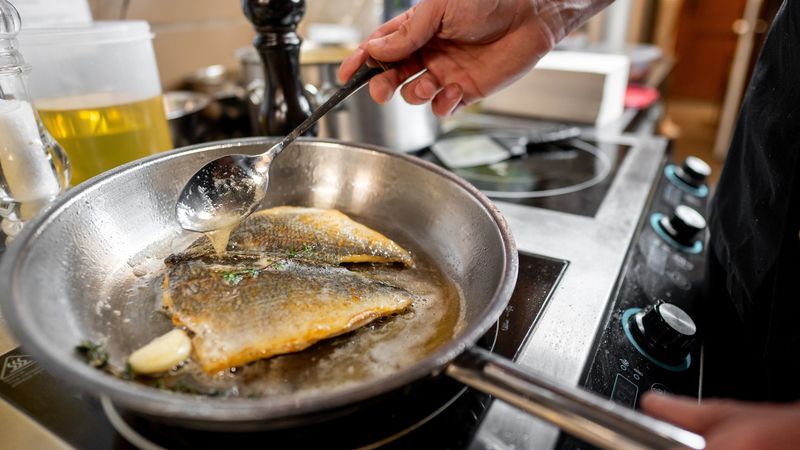
Friday fish fry sounds fun until your hallway smells like a dock three days later. Hot oil carries fishy compounds into the air, and they stick to fabric and walls.
Try frying with the range hood on high and a window cracked open. Simmering a pot of water with lemon slices afterward helps cut the lingering smell.
Better yet, bake fish on warm days or fry it on an outdoor burner.
2. Broccoli
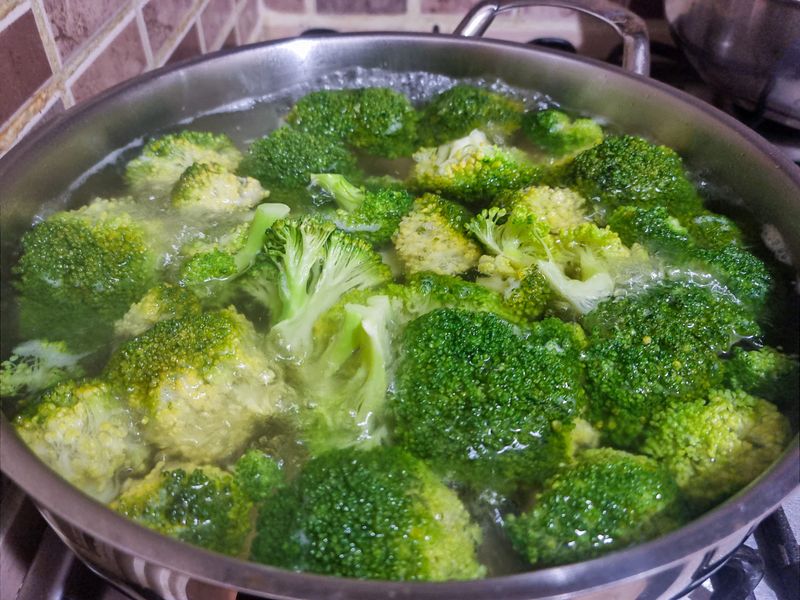
Kids aren’t the only ones who complain about broccoli. Once it boils too long, it releases sulfur compounds that smell a lot like rotten eggs.
The trick is speed. Steam or roast broccoli for just a few minutes until it turns bright green, then stop.
Fun fact: the longer it cooks, the stronger the stink gets, so overcooked broccoli is both mushy and smelly. Quick cooking wins every time.
3. Cabbage
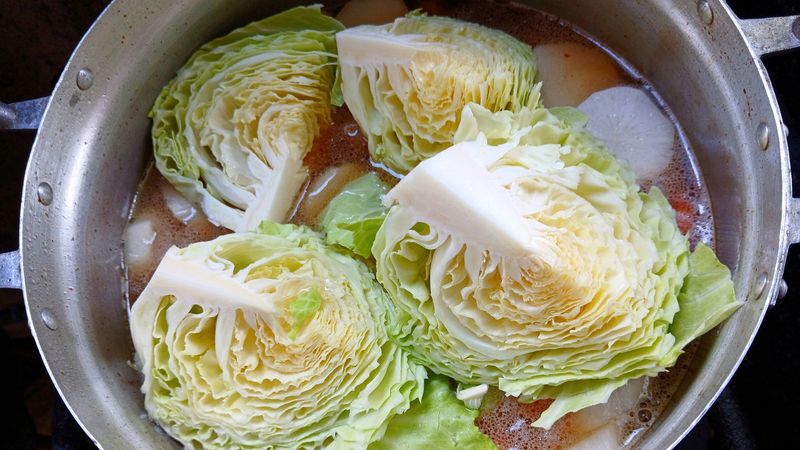
Grandma’s boiled cabbage dinners came with a famous side dish: a house that smelled like old socks. Cabbage holds lots of sulfur, and heat sets it free.
Shorter cooking times help a ton. Sauteing shredded cabbage quickly keeps it sweet and less smelly.
Some cooks toss a bay leaf or a splash of vinegar into the pot. It won’t erase the odor completely, but it softens it nicely.
4. Brussels Sprouts
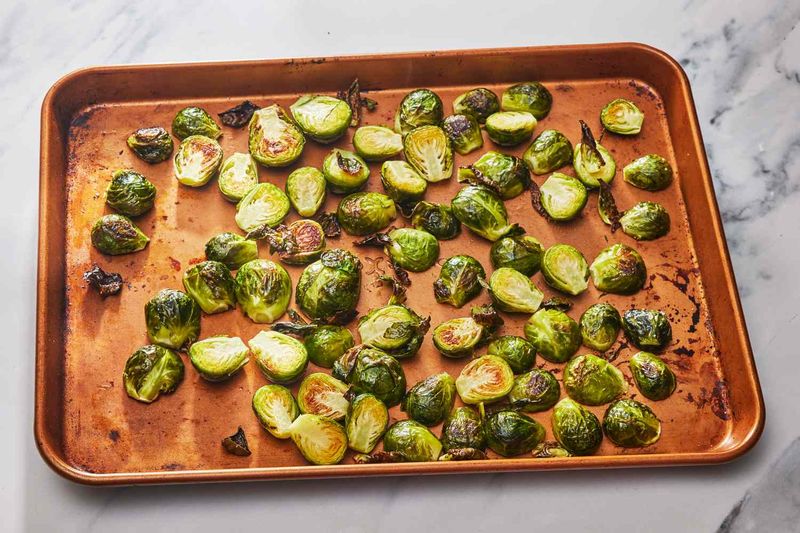
Little green globes, giant smell. Brussels sprouts belong to the same family as cabbage, so boiling them can fill a room with a sour, eggy scent.
Roasting is the friendlier option. High heat browns the outsides and creates nutty flavors that smell way better.
Cut them in half, toss with oil and salt, and roast at 425 degrees. Your nose and your family will both be thankful.
5. Bacon
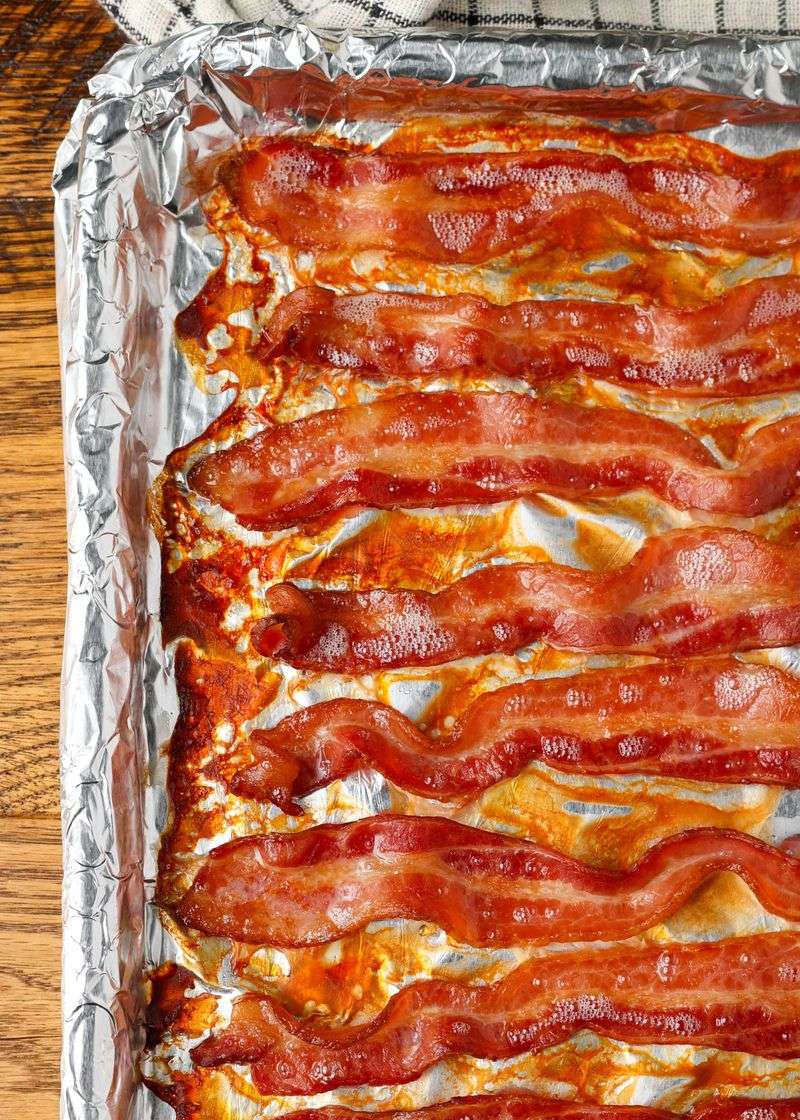
Bacon smells heavenly for about ten minutes. Then the greasy, smoky odor settles into your couch and hangs around until dinner.
Splattering fat is the real troublemaker. Tiny droplets float through the air and coat surfaces.
Baking bacon on a sheet pan in the oven cuts down on splatters and smoke. Line the pan with foil for easy cleanup, and you’ll still get crispy, tasty strips.
6. Burnt Popcorn
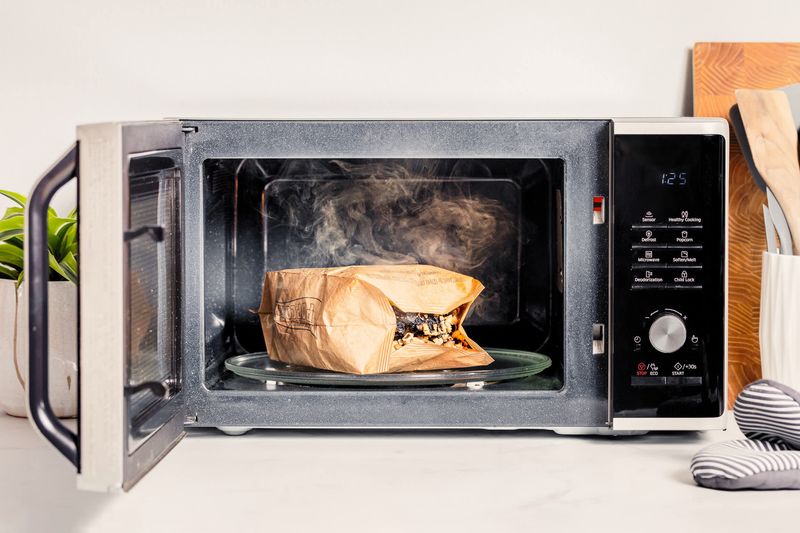
Ask anyone who works in an office: burnt popcorn is the ultimate crime. One scorched bag can make an entire building smell bitter and smoky.
Microwave settings vary, so don’t trust the popcorn button. Listen instead, and stop when pops slow to about two seconds apart.
If disaster strikes, microwave a bowl of water with vinegar for a few minutes. It helps clean the odor right out.
7. Hard-Boiled Eggs
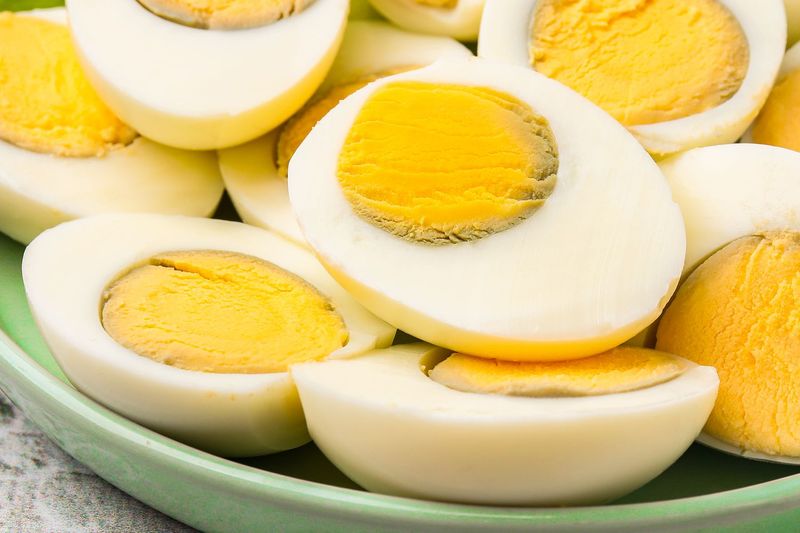
Ever noticed a gray-green ring around a boiled yolk? That’s a sign the egg cooked too long and released stinky sulfur gas.
Perfect eggs smell much milder. Bring water to a boil, turn off the heat, cover, and wait about twelve minutes.
Then plunge them into ice water right away. You’ll get bright yellow yolks, easier peeling, and a kitchen that doesn’t smell like a swamp.
8. Cauliflower

Cauliflower is having a moment, showing up as rice, pizza crust, and even wings. Sadly, its fame doesn’t stop it from smelling funky when boiled.
Like its cousins broccoli and cabbage, it’s packed with sulfur. Long cooking makes the odor stronger.
Roast it with garlic and spices, or add a slice of bread to the boiling pot. Many home cooks swear the bread soaks up some smell.
9. Fish Sauce
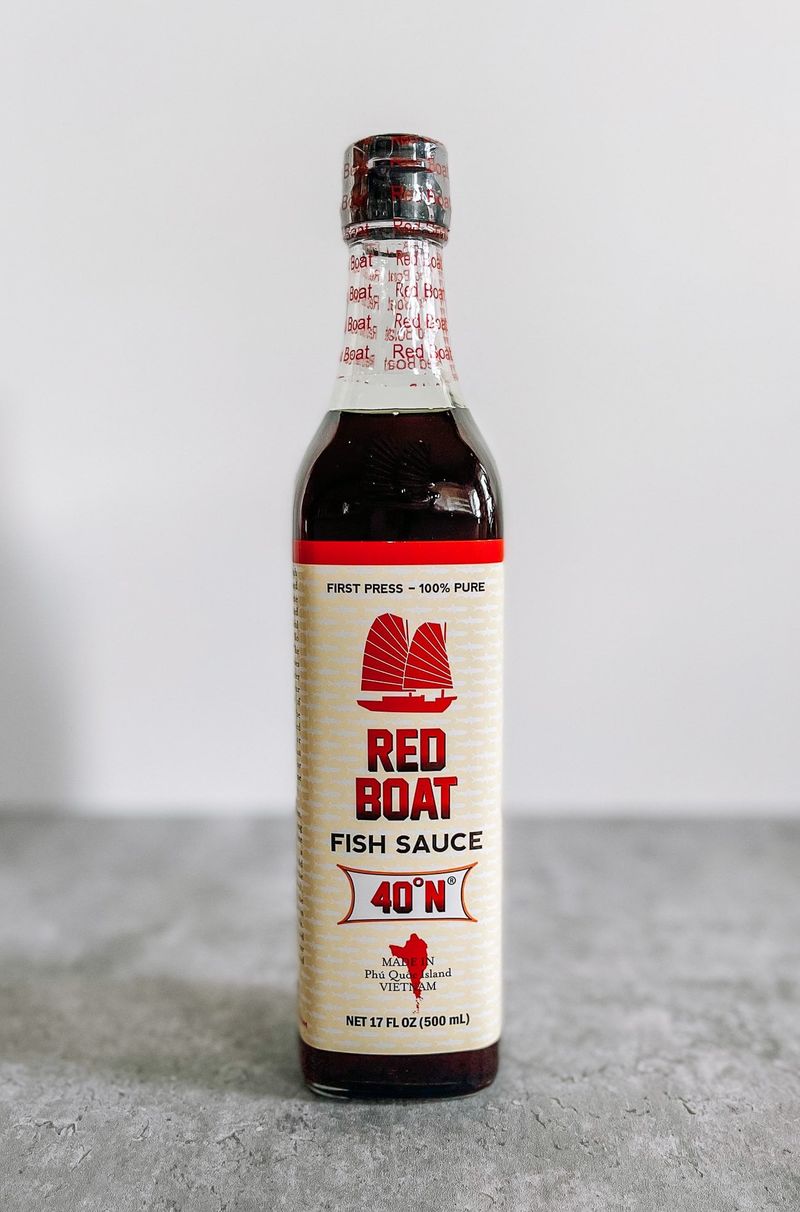
Pour a splash of fish sauce into a hot pan, and whoa. The smell can knock you back a step.
Made from fermented anchovies, it adds amazing salty depth to Thai and Vietnamese food. The flavor is wonderful once mixed in, but heat makes the scent explode.
Add it near the end of cooking or into sauces off the heat. That keeps the taste strong and the stink low.
10. Garlic
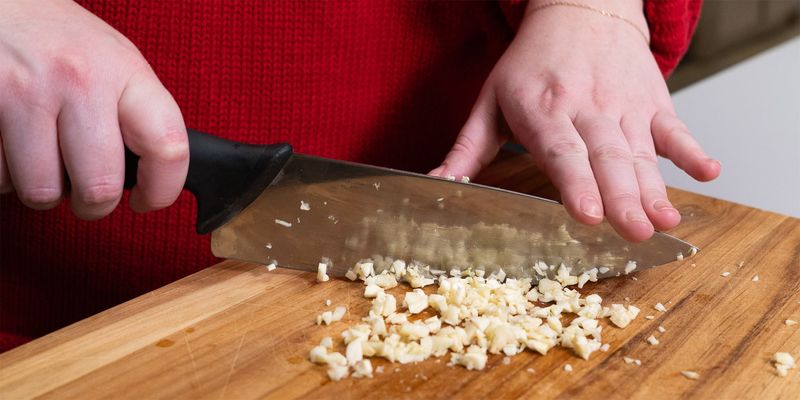
Garlic lovers, we see you. Sizzling garlic smells incredible while cooking, but by morning the whole house can smell like a pizza shop.
Its strong oils travel far and stick to hands, cutting boards, and fabric.
Rub your fingers on a stainless steel spoon under running water to remove the smell. For the house, run a fan and wipe down counters with lemon water after cooking.
11. Onions
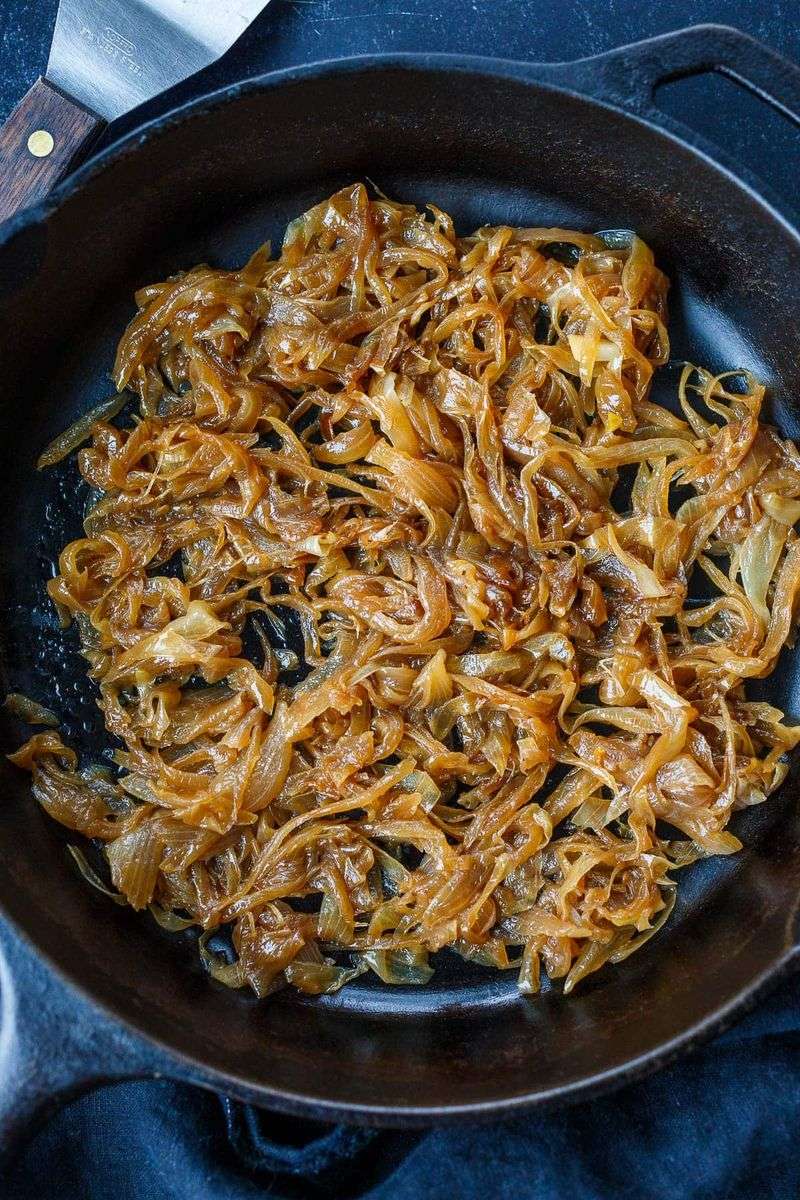
Tears are only half the problem. Sauteed onions leave behind a heavy, sweet-sour smell that loves to hide in curtains and carpets.
Caramelizing them takes a long time, which means more odor floating around.
Here’s a handy idea: cook a big batch at once and freeze extras in small bags. Fewer cooking sessions mean fewer smelly days, and you’ll always have flavor ready to go.
12. Curry
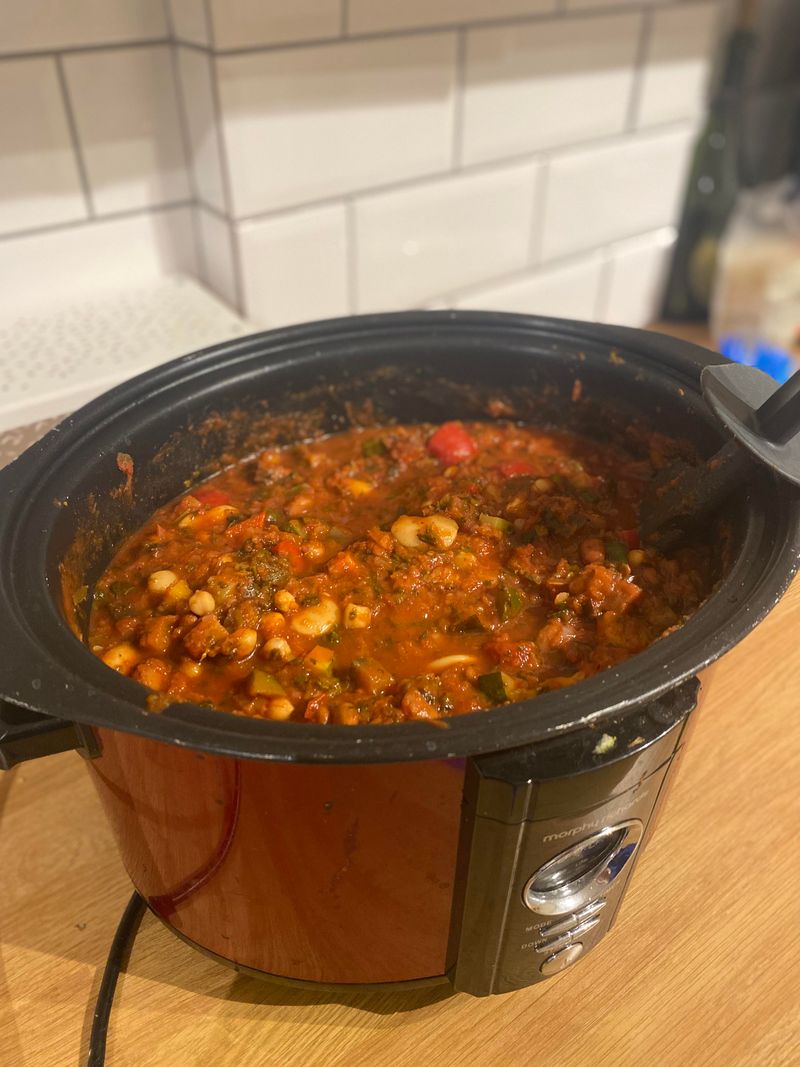
Spicy, warm, and full of flavor, curry is a dinner favorite worldwide. Its fragrance, though, can stick around for days.
Spices like cumin, turmeric, and fenugreek release strong oils when toasted. Those oils cling to walls and cushions.
Enjoy the meal anyway! Just open windows, run the exhaust fan, and set out a bowl of baking soda or coffee grounds overnight to absorb leftover scents.
13. Liver and Onions

Old-school diners still serve it, and some folks adore it. Cooking liver at home, however, produces a metallic, earthy smell many people can’t stand.
Liver is rich in iron, which partly explains that strong scent.
Soaking it in milk for an hour before cooking can mellow both flavor and odor. Cook it quickly over medium-high heat, since overcooked liver smells stronger and turns tough and rubbery.
14. Kimchi Stew

Korean kimchi jjigae is cozy comfort in a bowl. Heating fermented cabbage, though, sends a tangy, sour smell drifting into every room.
Fermentation creates strong acids and sulfur notes that get even louder when boiled.
Keep a lid on the pot as it simmers, and store kimchi in airtight glass jars. Your fridge, and your roommates, will appreciate the extra effort.
15. Burnt Toast
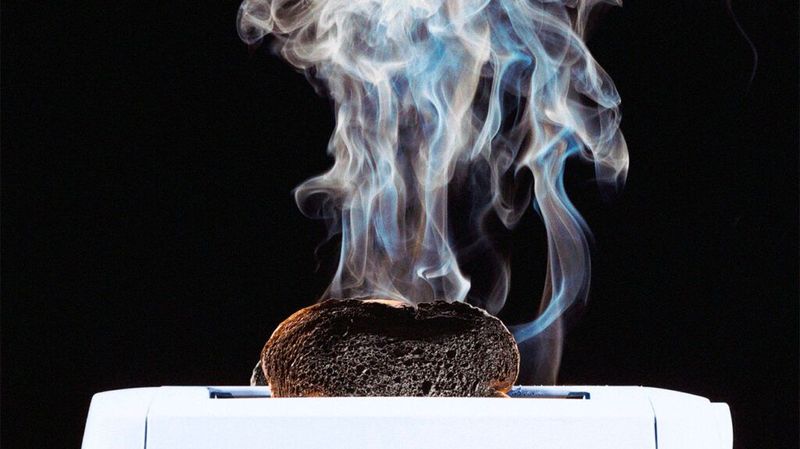
We’ve all done it. You walk away for one minute, and suddenly the smoke alarm is screaming.
Burnt bread gives off a sharp, bitter smell that spreads fast. It’s one of the most common kitchen oopsies around.
Stay close to the toaster and use a lower setting. If it happens, toss the toast outside right away so it doesn’t keep smoking in your trash can.
16. Asparagus
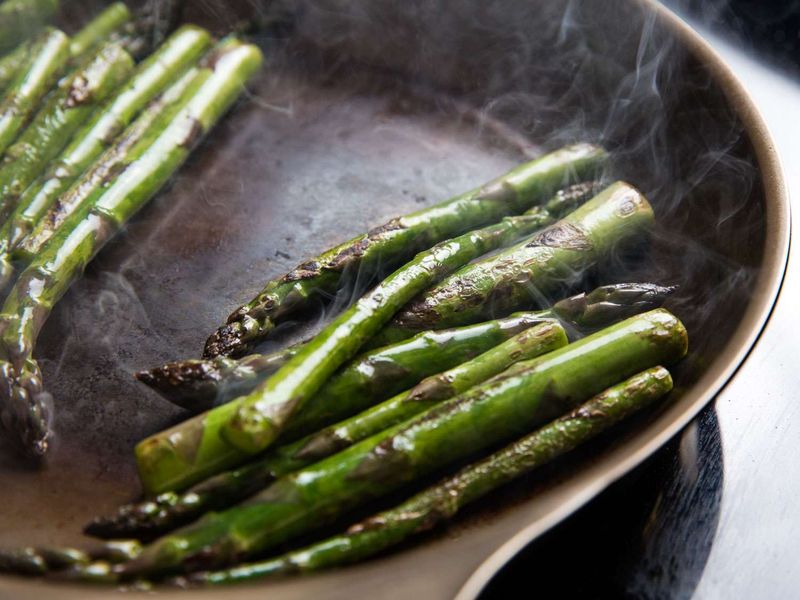
Most people know asparagus has a weird effect later on. Fewer realize it can also make the kitchen smell grassy and sulfur-like while it cooks.
Thin spears cook in minutes, so watch them closely.
Grilling outdoors is a great choice in spring, when asparagus tastes best. A squeeze of lemon and a little parmesan finish it off beautifully without the indoor smell.
17. Chitterlings

In many Southern homes, chitterlings are a holiday tradition. They’re also famous for making the house smell powerful for hours.
Chitterlings are pig intestines, and cleaning them takes serious time. The smell starts even before cooking begins.
Many families cook them in a garage or outside on a propane burner. Adding onion, celery, and a potato to the pot helps calm the smell down a bit.
18. Dried Shrimp
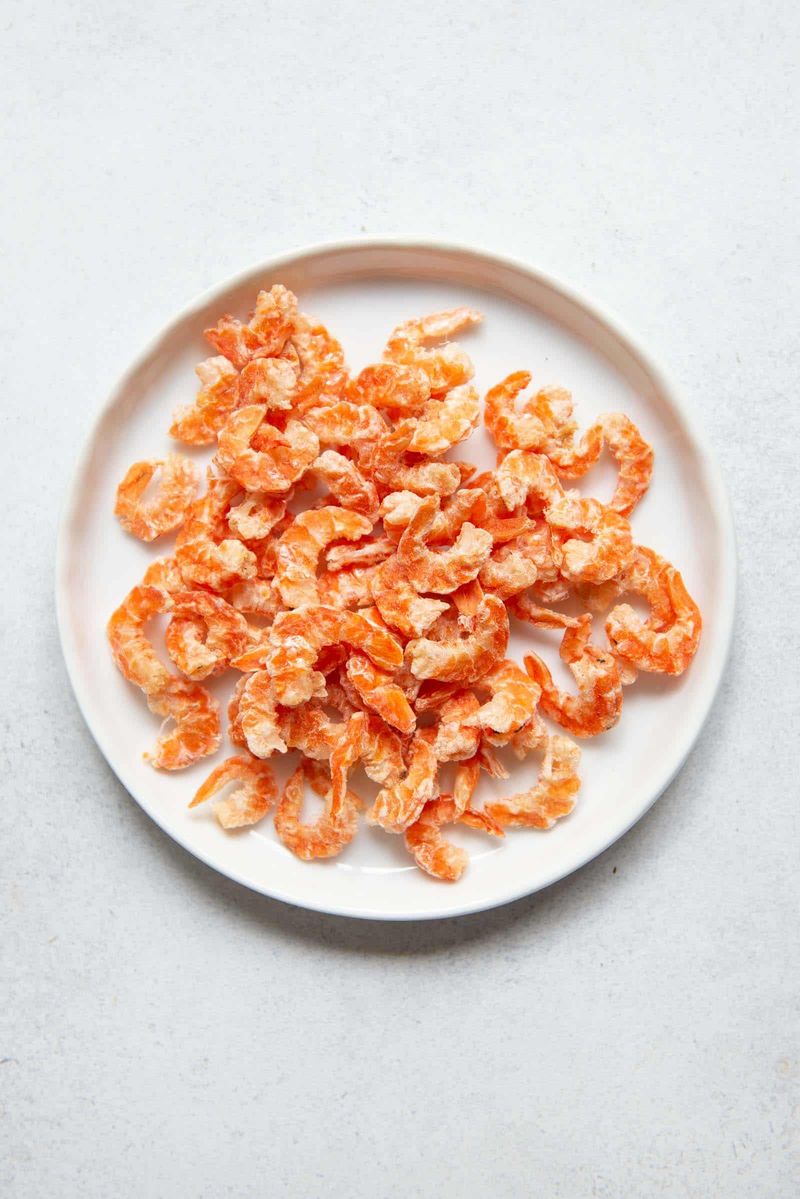
Tiny but mighty! Dried shrimp pack loads of salty ocean flavor into soups, fried rice, and sauces.
Toasting or frying them, however, unleashes a smell that’s like low tide on a hot day.
Soak them in warm water first, which softens both the shrimp and the scent. Cook with good airflow, and store leftovers in a sealed container so your pantry stays odor-free.
19. Durian
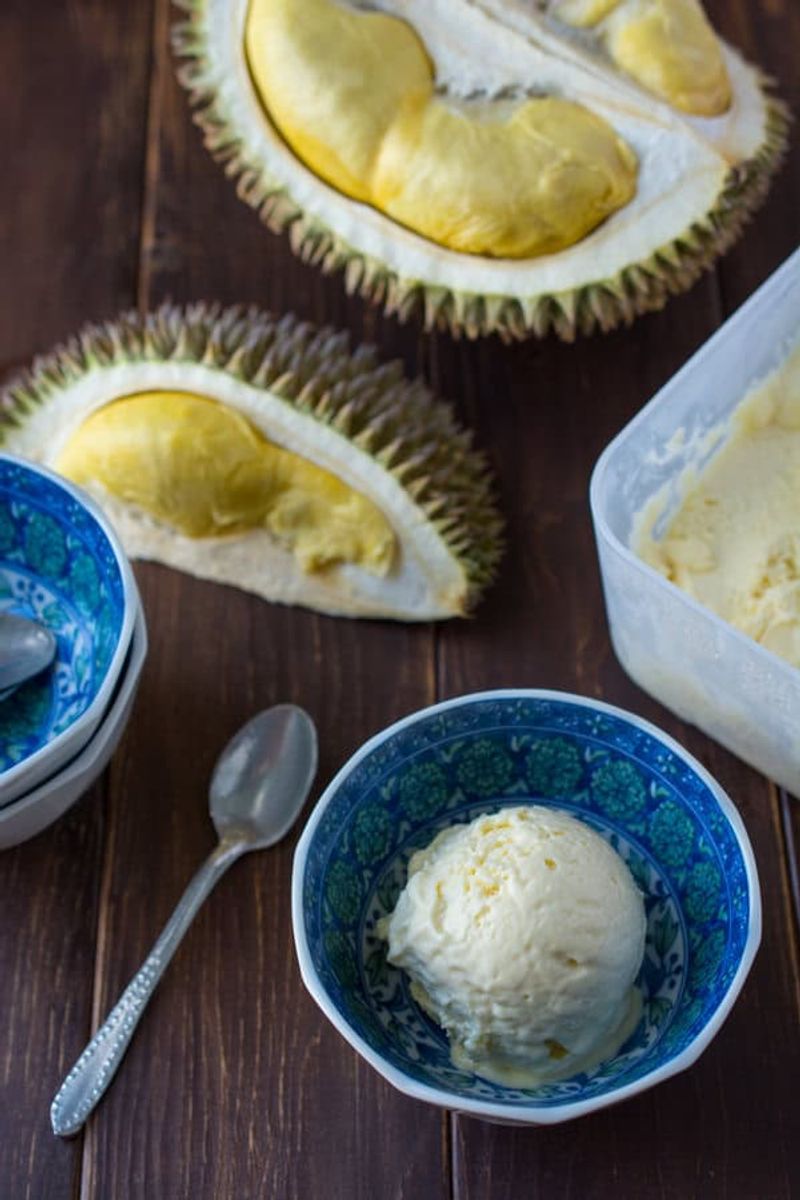
Some hotels in Southeast Asia actually ban durian. Called the king of fruits, it smells like onions, gym socks, and garbage mixed together.
Cooking durian into cakes or desserts can spread that wild aroma even further.
Fans say the creamy, custard-like taste is worth it. If you’re curious, try it outdoors first, and wrap leftovers tightly in several layers before they ever go near your fridge.