
Have you ever eaten breakfast and then felt your stomach growling by mid-morning? That empty feeling can make it hard to focus at school or work.
The good news is that a few simple changes to your morning meal can keep you full and happy for hours. Let’s look at the common slip-ups that might be sneaking into your breakfast routine.
1. Skipping Protein Completely

Picture a car running on fumes. A breakfast with no protein works the same way, giving you a quick start but little staying power.
Protein digests slowly, so it keeps hunger hormones calm for hours. Eggs, Greek yogurt, cottage cheese, and peanut butter are easy choices.
Aim for about 15 to 25 grams in the morning. Even adding a hard-boiled egg to your toast can make a real difference before lunch arrives.
2. Pouring a Bowl of Sugary Cereal
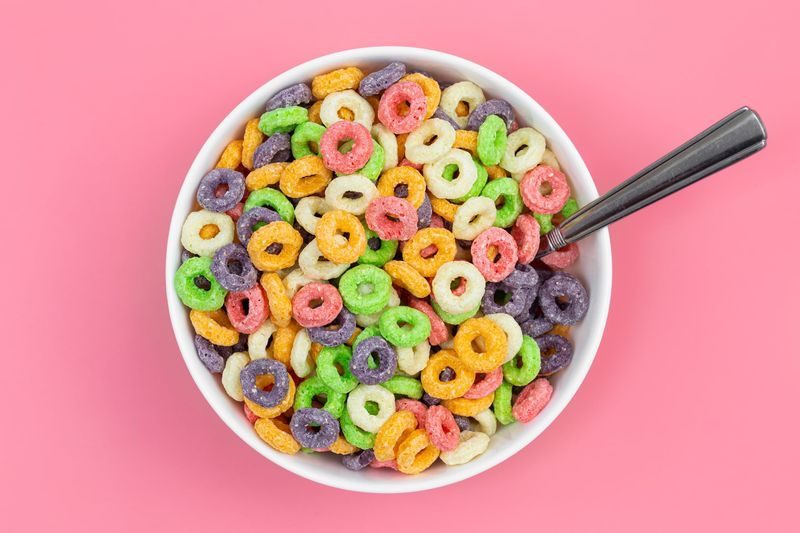
Cartoon mascots sure know how to sell cereal. Sadly, many of those bright, crunchy bowls are packed with sugar and very little fiber.
Sugar sends your blood sugar soaring, then crashing an hour later. That crash feels a lot like hunger, even when your body has plenty of fuel.
Look for cereals with at least 3 grams of fiber and less than 6 grams of sugar per serving. Toss in some nuts for extra crunch.
3. Drinking Your Breakfast as Juice

Orange juice tastes like sunshine in a glass. Still, a single cup can hold the sugar of three or four oranges without any of the filling fiber.
Liquids also pass through your stomach fast. Your brain barely notices you consumed anything.
Try eating a whole orange instead. Chewing takes longer, the pulp and skin add fiber, and you will likely feel satisfied much longer than you would after gulping juice.
4. Forgetting About Fiber

Fiber is the quiet hero of breakfast. Nobody brags about it, yet it does serious work keeping you full.
It soaks up water and expands in your stomach, slowing digestion. Oats, berries, chia seeds, whole grain bread, and pears are all great sources.
Fun fact: just two tablespoons of chia seeds pack around 10 grams of fiber. Sprinkle them on yogurt or oatmeal for an easy boost that lasts until noon.
5. Fearing Healthy Fats
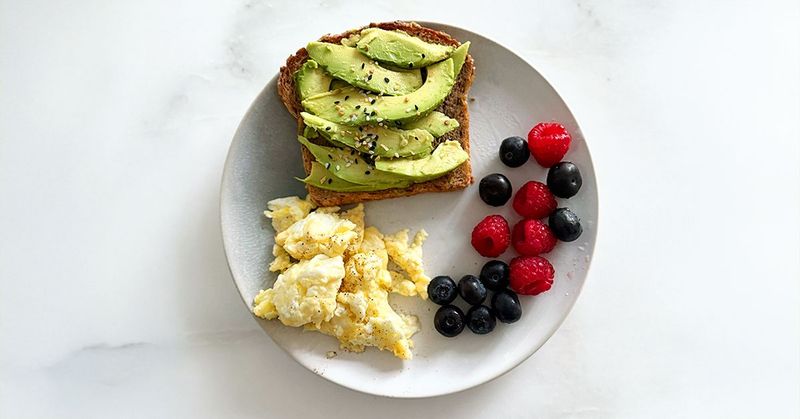
Back in the 1990s, everyone ran from fat like it was a monster. Low-fat muffins filled grocery shelves, and people stayed hungry.
Healthy fats actually slow down digestion and help your body feel content. Avocado, nuts, seeds, olive oil, and nut butters are smart picks.
You do not need much. A quarter of an avocado or a spoonful of almond butter can turn a basic breakfast into one that keeps you going strong.
6. Eating Way Too Little

Half a banana while running out the door? That counts as a snack, not a meal.
Plenty of people undereat in the morning, hoping to save calories. Instead, they end up starving by 10 a.m. and grabbing vending machine chips.
A filling breakfast for most teens and adults lands somewhere around 300 to 500 calories. Pair a fruit with protein and a whole grain, and your stomach will thank you later.
7. Grabbing a Pastry on the Go

Bakery smells are hard to resist, especially when you are rushing. Donuts, croissants, and danishes feel like a treat, and they are.
The trouble is they mix white flour, sugar, and fat with almost zero protein or fiber. Hunger returns fast.
If you love pastries, save them for weekends. On busy mornings, a whole grain wrap with egg and cheese travels just as easily and keeps you full far longer.
8. Relying Only on Coffee

“I’ll just have coffee.” Sound familiar? Lots of adults swap breakfast for a cup of joe and call it good.
Caffeine can dull your appetite for a little while. Once it wears off, though, hunger often hits like a wave, and cravings for sweets jump.
Enjoy your coffee, but pair it with real food. Even a slice of whole grain toast with peanut butter gives your body something solid to work with.
9. Choosing Flavored Yogurt Cups

Yogurt sounds healthy, right? Many fruit-flavored cups, sadly, contain as much sugar as a candy bar.
Those sweet flavors often hide 15 to 20 grams of added sugar. That spike leaves you hungry again in no time.
Switch to plain Greek yogurt, which has nearly double the protein of regular yogurt. Add fresh berries and a drizzle of honey for sweetness you control.
Your taste buds will adjust within a week or two.
10. Trusting Granola Too Much

Granola wears a health halo. Crunchy oats, nuts, and honey seem wholesome enough.
Here’s the catch: many brands are baked with lots of oil and sugar, and a typical serving is only a quarter cup. Most of us pour three times that amount.
Use granola as a topping, not the whole meal. Sprinkle a small handful over Greek yogurt, and you get the crunch you love along with protein that sticks around.
11. Building a Fruit-Only Smoothie

Bananas, mango, pineapple, juice, blend. Delicious, colorful, and gone in five minutes, along with your fullness.
Smoothies made with just fruit are basically sugar in a cup. Without protein or fat, they digest super quickly.
Upgrade yours with a scoop of Greek yogurt or protein powder, a spoonful of nut butter, and a handful of spinach. You’ll still enjoy that fruity flavor, but now it actually powers you through the morning.
12. Picking White Bread Over Whole Grain

Soft, fluffy white bread has been a lunchbox favorite for generations. At breakfast, though, it lets you down quickly.
White bread has had the bran and germ stripped away, so it behaves almost like sugar in your body. Whole grain bread keeps those parts, adding fiber and nutrients.
Check the label for “100% whole wheat” or “whole grain” as the first ingredient. Words like “wheat flour” alone can be sneaky.
13. Eating Too Fast

Gobbling breakfast in two minutes flat is a morning sport in many homes. Unfortunately, speed works against you.
Your brain needs around 20 minutes to get the message that your stomach is full. Rush, and you might finish before those signals even arrive.
Try sitting down, putting your phone away, and chewing slowly. Waking up ten minutes earlier can make breakfast calmer and help you feel satisfied much longer.
14. Skipping Breakfast Entirely
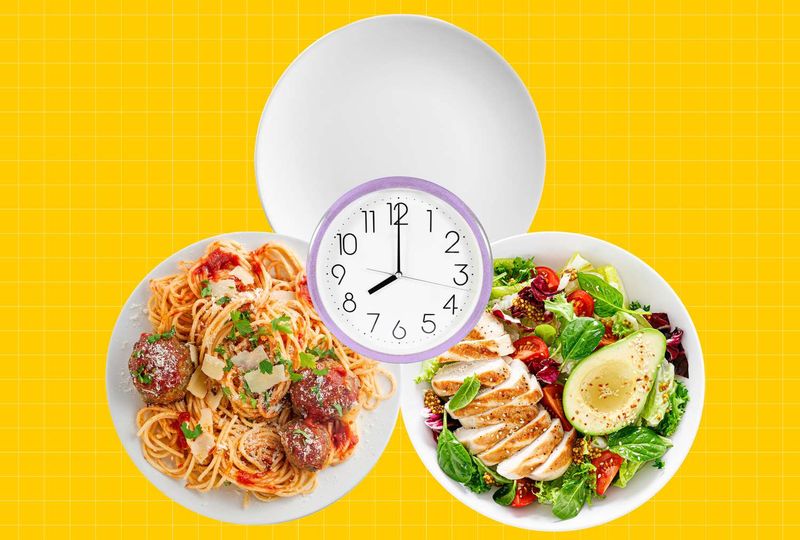
Some folks just aren’t hungry when they wake up. That’s okay, but skipping food completely can backfire for many people.
By late morning, energy drops, focus fades, and lunch becomes a giant feast. Studies show students who eat breakfast often pay better attention in class.
Not a morning eater? Start small with a cheese stick and an apple, or pack something to eat an hour after you wake up.
15. Ignoring Your Water Intake

Thirst is a great pretender. Your body sometimes mixes up the signals for thirst and hunger.
After a full night’s sleep, you are naturally a little dehydrated. That dry feeling can show up later as a rumbling, snacky urge.
Drink a glass of water when you first wake up, and keep a bottle nearby all morning. It’s a simple habit that might cut down on those mystery cravings before lunch.
16. Loading Up on Syrup

Saturday pancakes swimming in syrup? Pure joy, until you’re raiding the pantry two hours later.
Pancakes made with white flour plus a flood of syrup create a huge sugar rush. Your energy climbs, then tumbles.
You don’t have to give them up. Make pancakes with oat or whole wheat flour, mix in an egg or protein powder, and top with berries and a small drizzle of syrup.
Weekend tradition saved!
17. Falling for Breakfast Bars
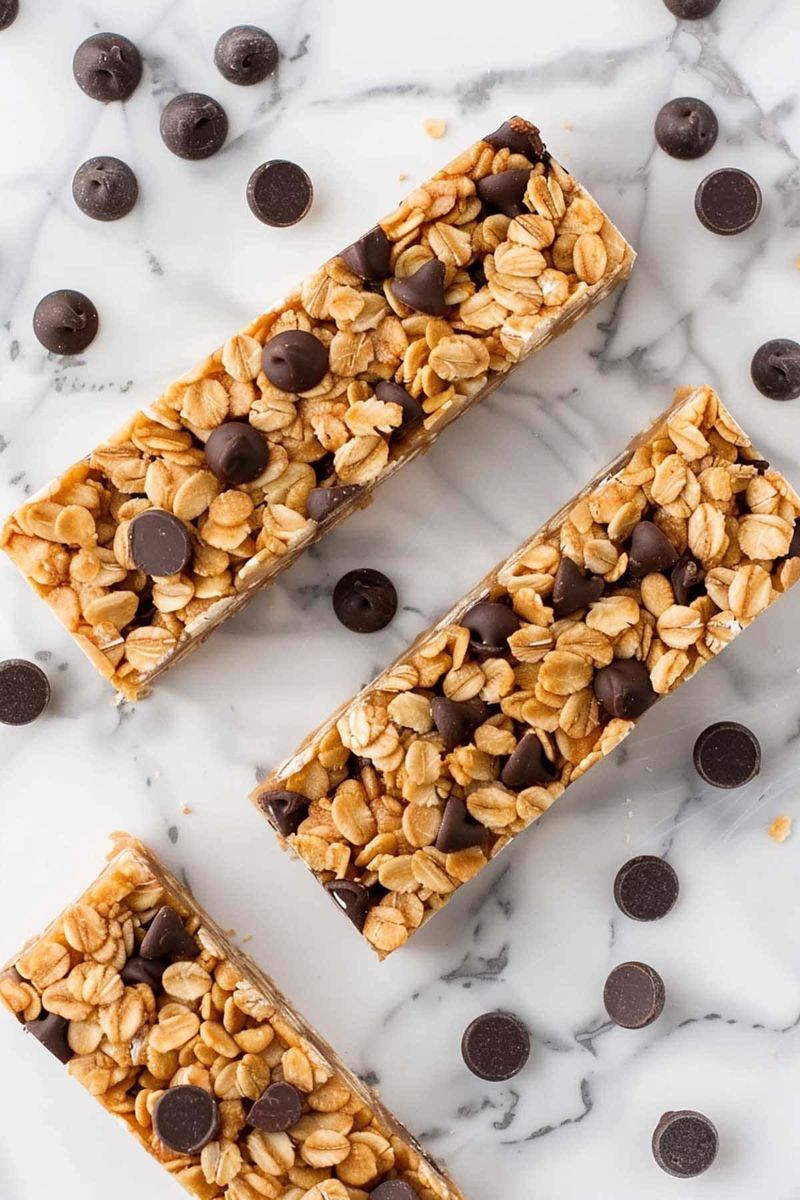
Wrapped bars are the ultimate grab-and-go food. Many of them, though, are closer to cookies than real meals.
A typical cereal bar might have only 2 grams of protein and plenty of added sugar. It’s gone in four bites and forgotten by 9 a.m.
If you need a bar, choose one with at least 10 grams of protein and 5 grams of fiber. Pair it with a piece of fruit for extra staying power.
18. Leaving Out Vegetables

Veggies at breakfast might sound odd, yet in places like Japan and Turkey, it’s totally normal.
Vegetables add volume, water, and fiber without many calories. That means a bigger, more filling plate that keeps you satisfied.
Toss spinach, peppers, mushrooms, or tomatoes into scrambled eggs. Leftover roasted veggies work great too.
You’ll be surprised how much heartier your morning meal feels with a colorful handful tossed in.
19. Eating at Different Times Every Day
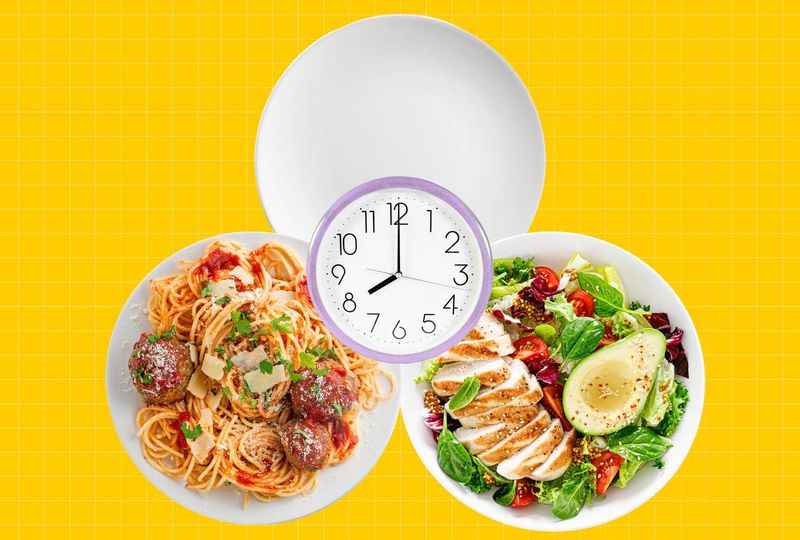
Your body loves a good routine, kind of like a pet that expects dinner at six sharp.
When breakfast happens at 6 a.m. one day and 10 a.m. the next, your hunger signals get confused. You might feel starving at random times.
Try eating within an hour or so of the same time each morning. Over a couple of weeks, your appetite settles into a steady rhythm that makes lunch easier to wait for.