
Mushrooms come in more shapes, colors, and tastes than most people ever imagine. Some taste nutty, some taste like seafood, and others are rich and meaty like steak.
Knowing how to cook each type can turn a plain meal into something truly delicious. Grab a pan and get ready to meet some of the tastiest fungi on the planet.
1. White Button: The Everyday Hero
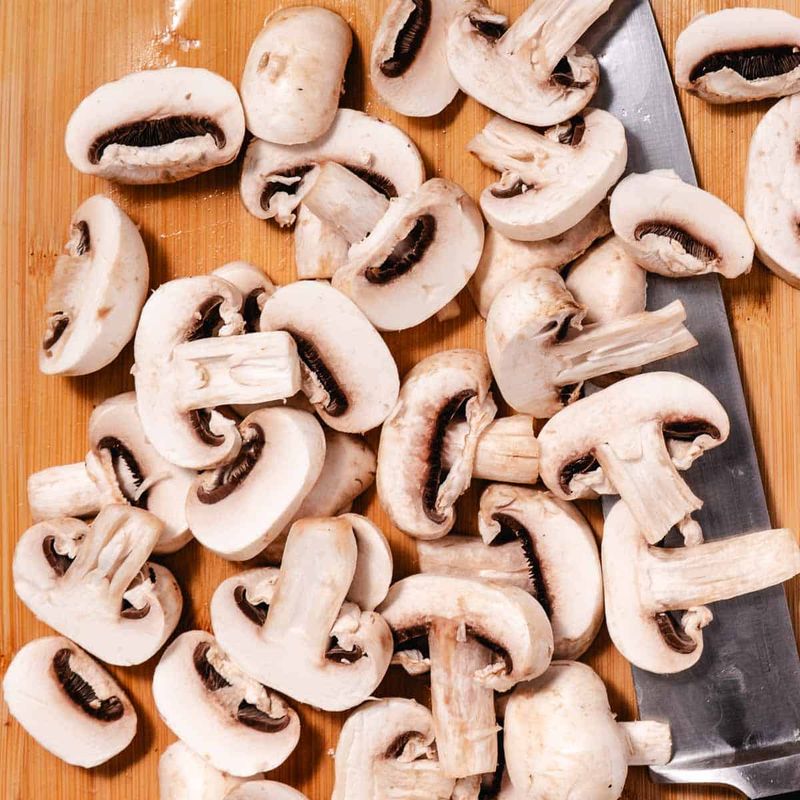
Most of us met mushrooms through the humble white button. It sits in nearly every grocery store, and it is cheap, mild, and easy to love.
The secret to great flavour is a hot, dry pan. Spread them out in one layer and wait before stirring so they turn golden instead of soggy.
Add salt only at the end. A pat of butter and a sprinkle of thyme finish them perfectly.
2. Cremini, the Button’s Bolder Cousin
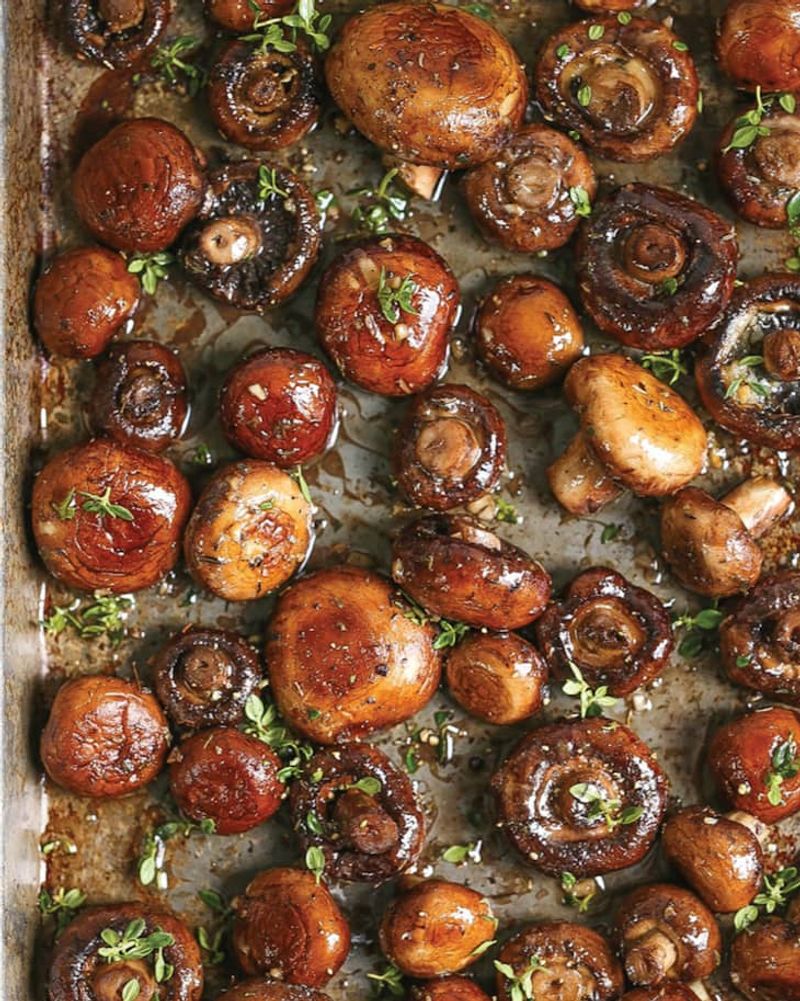
Here is a fun surprise: cremini are just young portobellos. They have brown caps and a deeper, earthier taste than white buttons.
Roasting is where they really shine. Toss them with olive oil, garlic, and a pinch of salt, then bake at a high heat for about twenty minutes.
The edges get crispy while the centers stay juicy. Serve them beside chicken or stir them into pasta.
3. Portobello Burgers Worth Bragging About
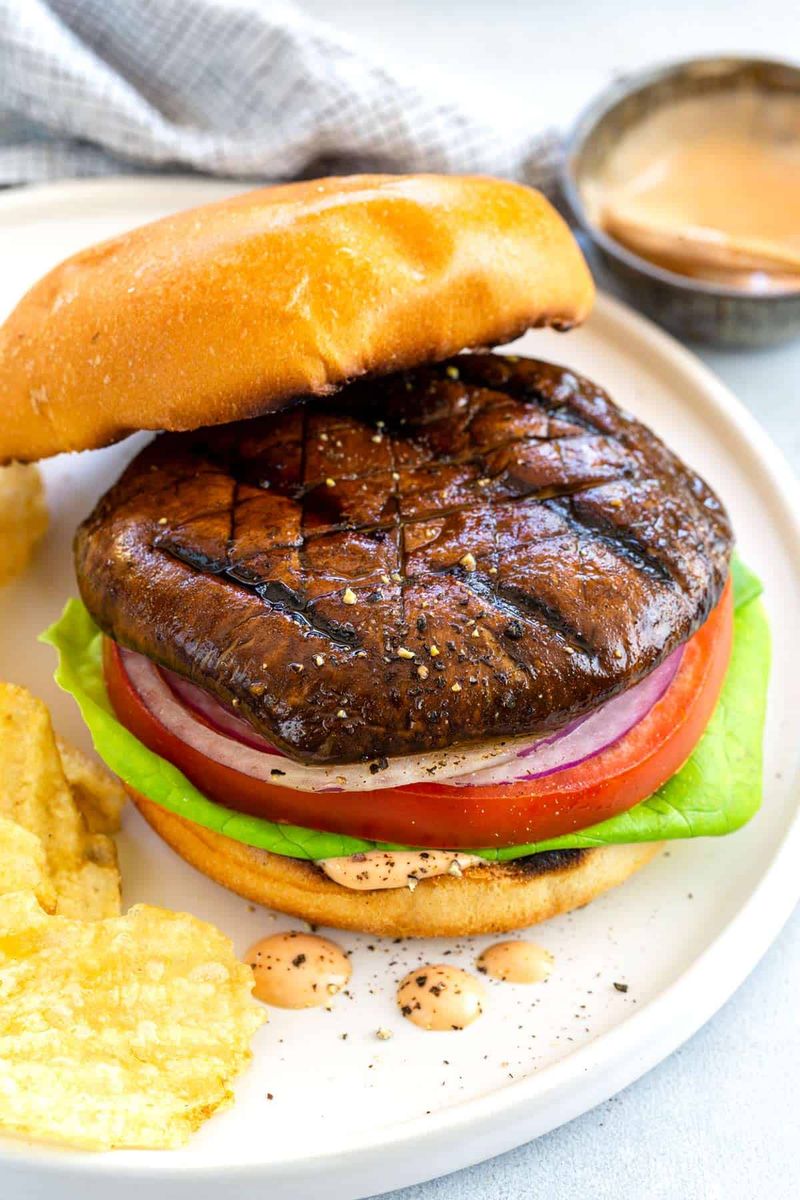
Picture a mushroom so big it can replace a burger patty. Portobellos are wide, thick, and wonderfully meaty.
Scrape out the dark gills with a spoon first, since they can turn sauces muddy. Then soak the caps in a quick marinade of balsamic vinegar, soy sauce, and garlic.
Grill them for about five minutes per side. Pile on cheese, lettuce, and tomato, and even meat lovers might ask for seconds.
4. Shiitake and Its Smoky Charm
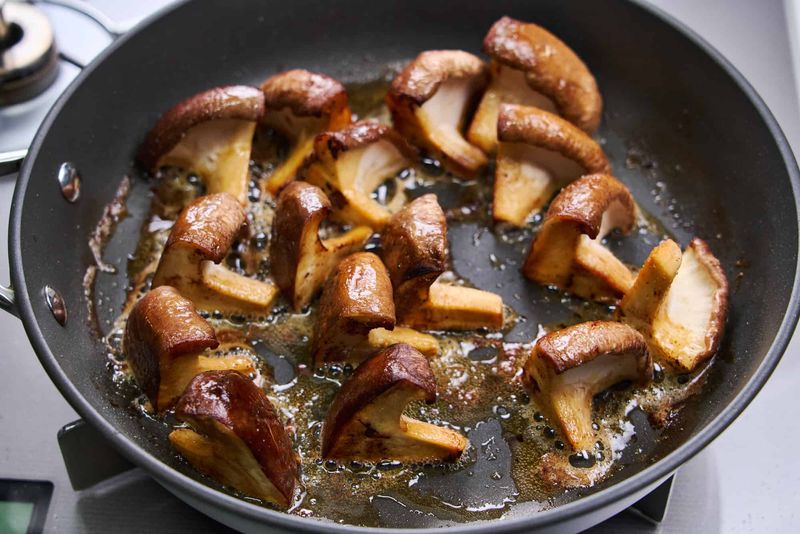
Farmers in China and Japan have grown shiitake for over a thousand years. Their flavour is smoky, savory, and a little garlicky.
Always remove the tough stems, but do not toss them. They make a fantastic broth for soups.
For the caps, a hot wok works wonders. Stir fry them with ginger, soy sauce, and green onions.
Dried shiitake are even stronger, so soak them in warm water before cooking.
5. Oyster Mushrooms That Crisp Like Magic
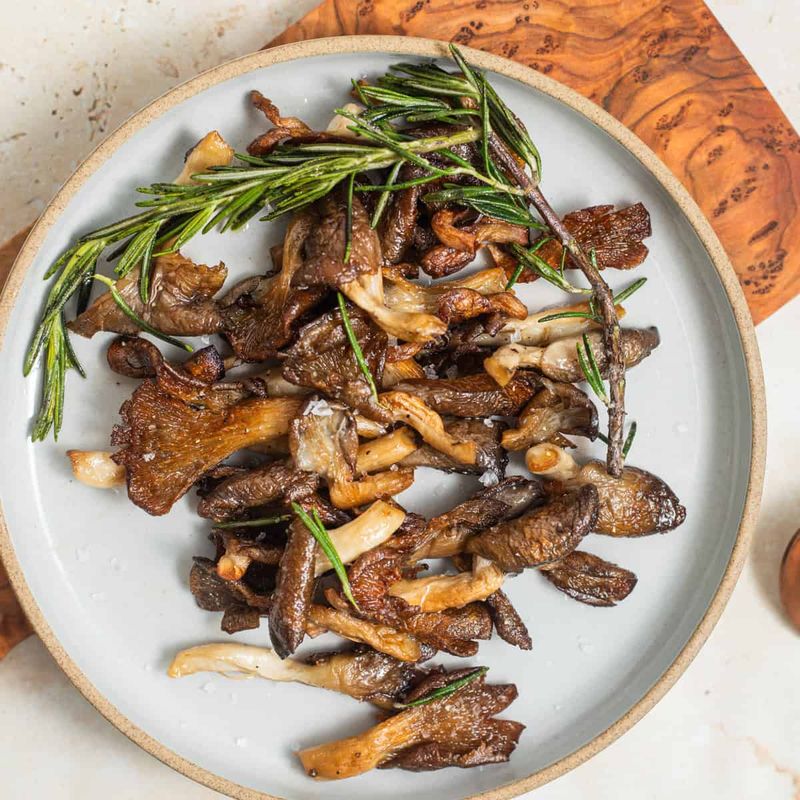
Soft, fan-shaped, and slightly sweet, oyster mushrooms grow in pretty clusters on trees. Their gentle flavour reminds some people of seafood.
Tear them by hand instead of slicing. The ragged edges get wonderfully crunchy when pan fried in a little oil.
Press them down with a heavy pan or spatula while cooking. You will end up with crispy, golden bites that taste great in tacos, sandwiches, or just straight from the skillet.
6. King Oyster Scallops
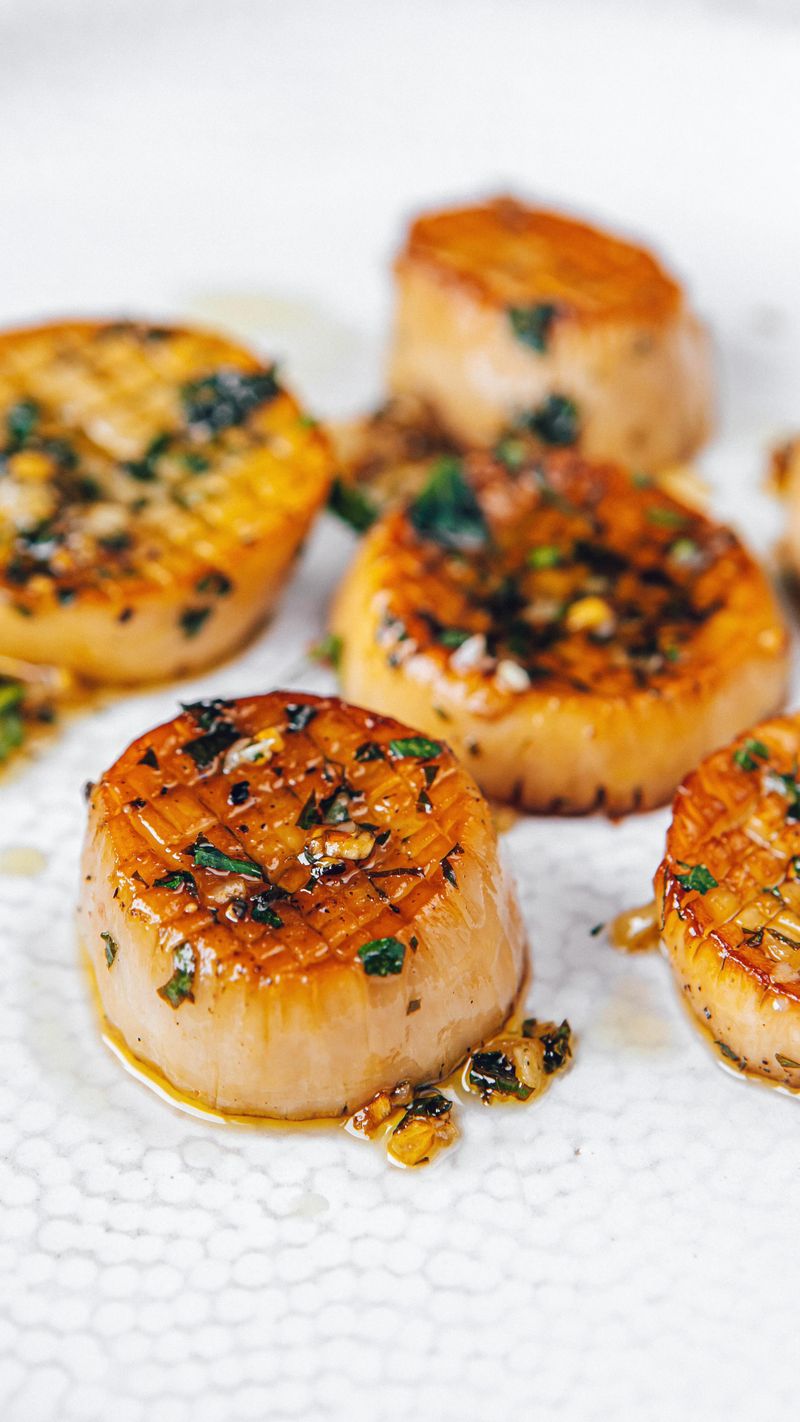
Ever seen a mushroom with a stem thicker than its cap? King oysters are mostly chunky white stems with a firm, bouncy bite.
Slice those stems into thick rounds and score the tops in a crisscross pattern. Sear them in butter until deep golden on both sides.
They look and feel surprisingly like sea scallops. A splash of lemon juice and some fresh parsley make them taste fancy without much effort.
7. Enoki Noodles of the Forest
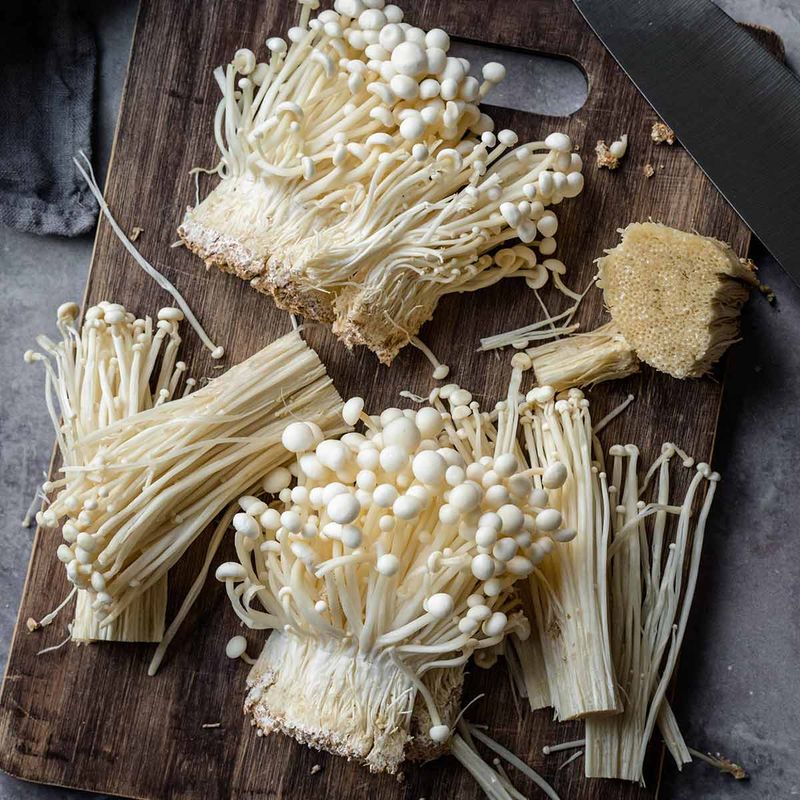
Long, skinny, and bright white, enoki look more like bean sprouts than mushrooms. Their taste is light and a tiny bit fruity.
Because they are so delicate, quick cooking keeps them crunchy. Drop them into hot ramen or soup during the final minute.
Want something more exciting? Wrap little bundles in bacon and pan fry them.
Trim the spongy base first, and gently pull the strands apart before cooking.
8. Maitake, the Dancing Mushroom
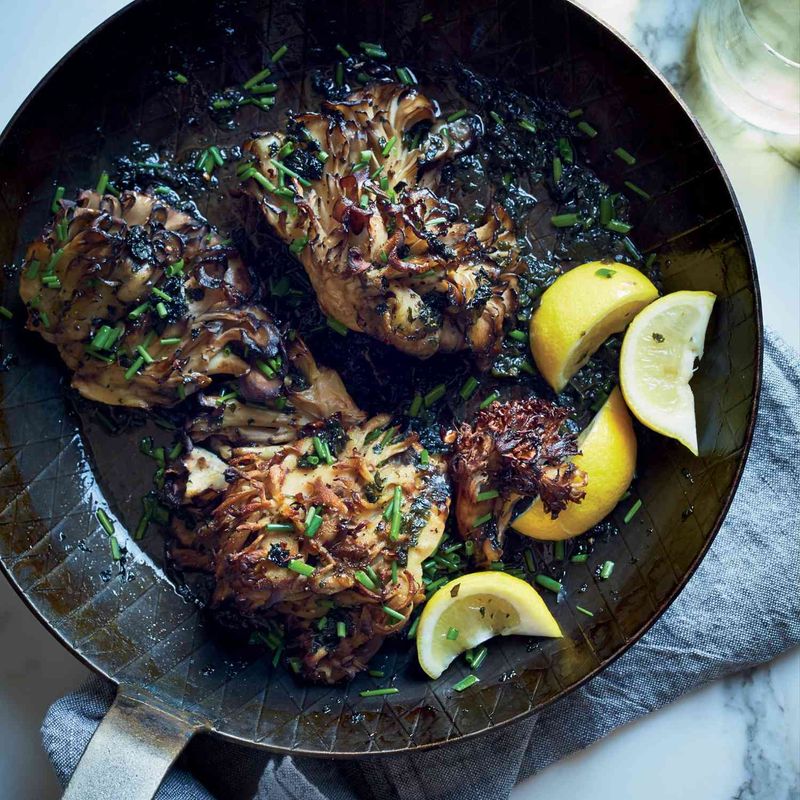
In Japanese, maitake means dancing mushroom. Legend says people danced with joy when they found one in the woods.
Also called hen of the woods, it grows in big frilly clumps. The flavour is rich, earthy, and almost peppery.
Roast it whole or in large pieces with plenty of oil. The thin, feathery edges turn crispy like chips, while the thick center stays tender and juicy.
9. Chanterelles in Golden Butter
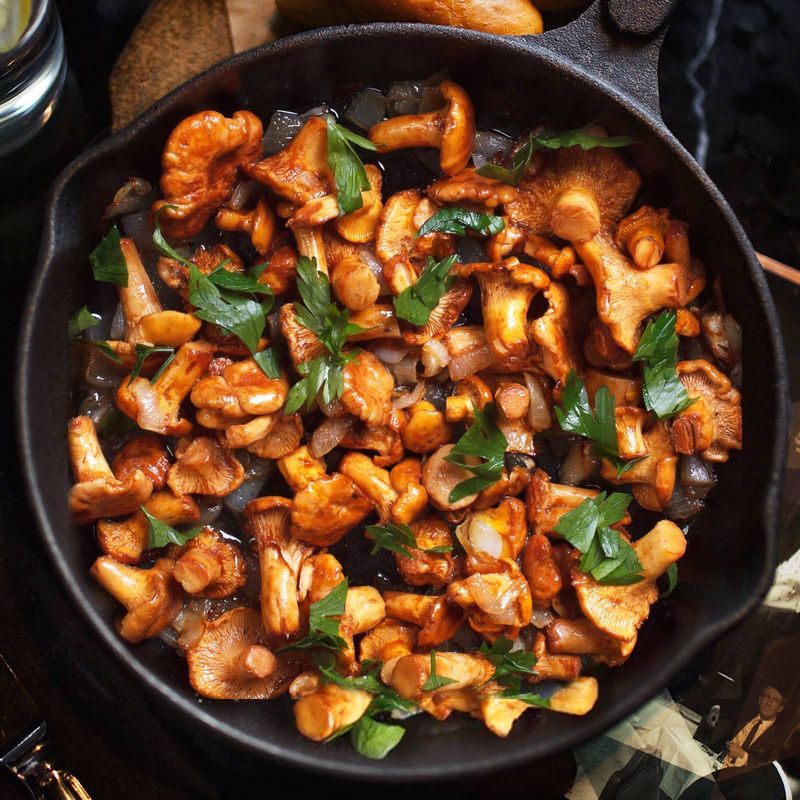
Hikers often spot chanterelles glowing like little golden trumpets on the forest floor. They smell faintly of apricots and taste peppery and sweet.
Keep things simple to let that flavour shine. Cook them in a dry pan first to release their water, then add butter and chopped shallots.
Spoon them over scrambled eggs, toast, or creamy pasta. Brush off dirt gently instead of soaking, because they absorb water like sponges.
10. Morels: Spring’s Hidden Treasure
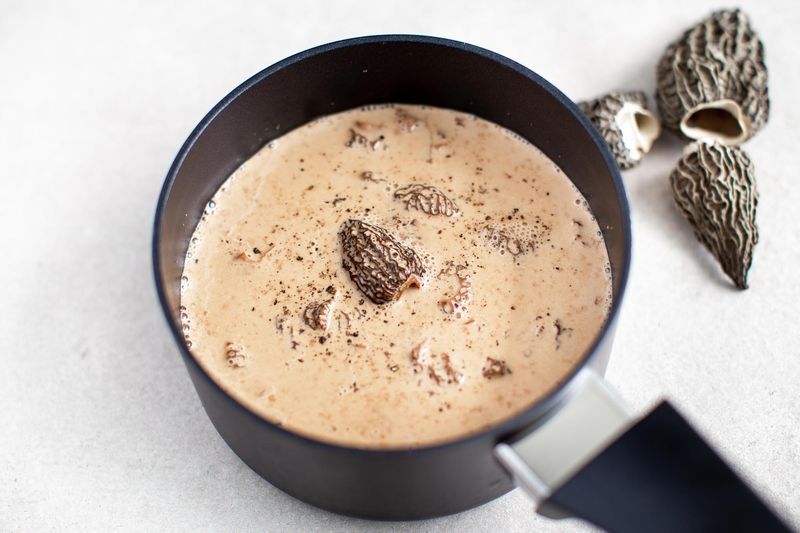
Spring mushroom hunters guard their morel spots like secret treasure maps. These honeycomb-shaped beauties have a deep, nutty, woodsy flavour.
Slice them in half and rinse quickly, since bugs and grit love hiding in all those little pockets.
Morels pair beautifully with cream. Sauté them in butter, pour in a splash of cream, and let it simmer until thick.
Never eat them raw, because uncooked morels can upset your stomach.
11. Porcini Packed With Flavour
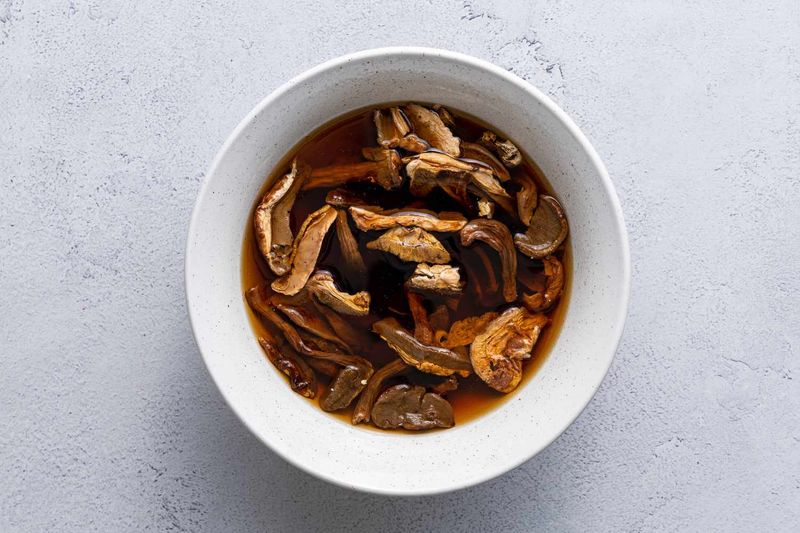
Italian cooks call porcini the king of mushrooms. Fresh ones are rare, but dried porcini pack an amazing punch of savory flavour.
Soak the dried pieces in warm water for twenty minutes. Keep that brown soaking liquid, since it tastes like liquid gold.
Stir both the mushrooms and the strained liquid into risotto, gravy, or stew. Even a small handful makes a whole pot taste richer and deeper.
12. Lion’s Mane, the Fluffy Crab Cake
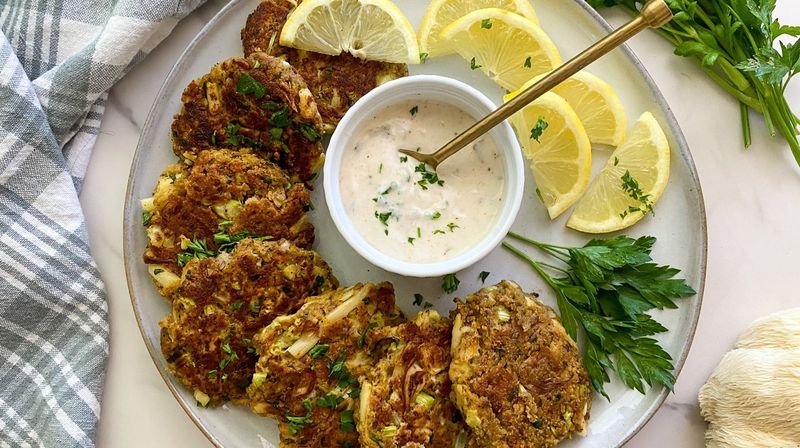
Shaggy and white, lion’s mane looks like a pom-pom or a tiny snowy waterfall. Cooked, its texture is soft and stringy, much like crab meat.
Tear it into chunks and press them in a hot pan to squeeze out water. Then add butter and let them brown.
Many cooks shred it and mix it with breadcrumbs, egg, and seasoning to make crab-style cakes. Try it with tartar sauce!
13. Black Trumpets for Bold Cooks
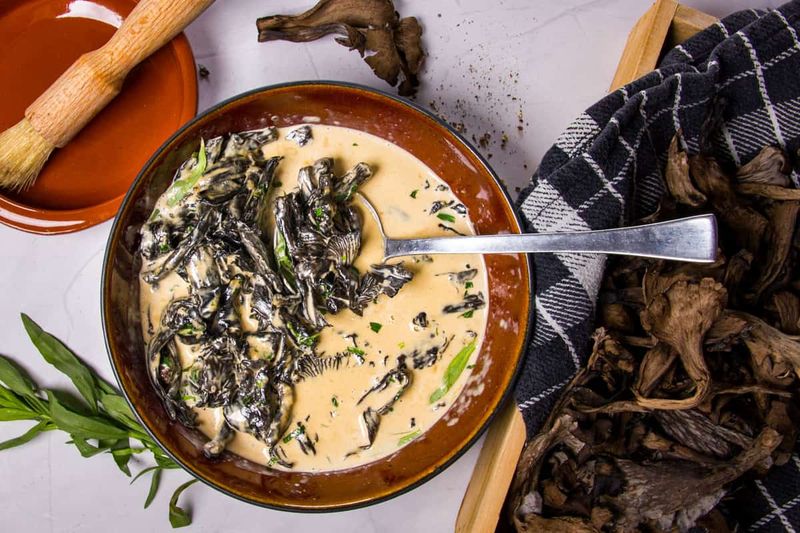
Don’t let the spooky dark color scare you off. Black trumpets are sometimes called the poor man’s truffle because of their strong, smoky aroma.
They are thin and cook very fast. A minute or two in butter is plenty.
Toss them through pasta, fold them into omelets, or sprinkle them on pizza. Dried black trumpets can be ground into a powder that adds deep flavour to sauces and soups.
14. Hedgehog Mushrooms With Tiny Spikes
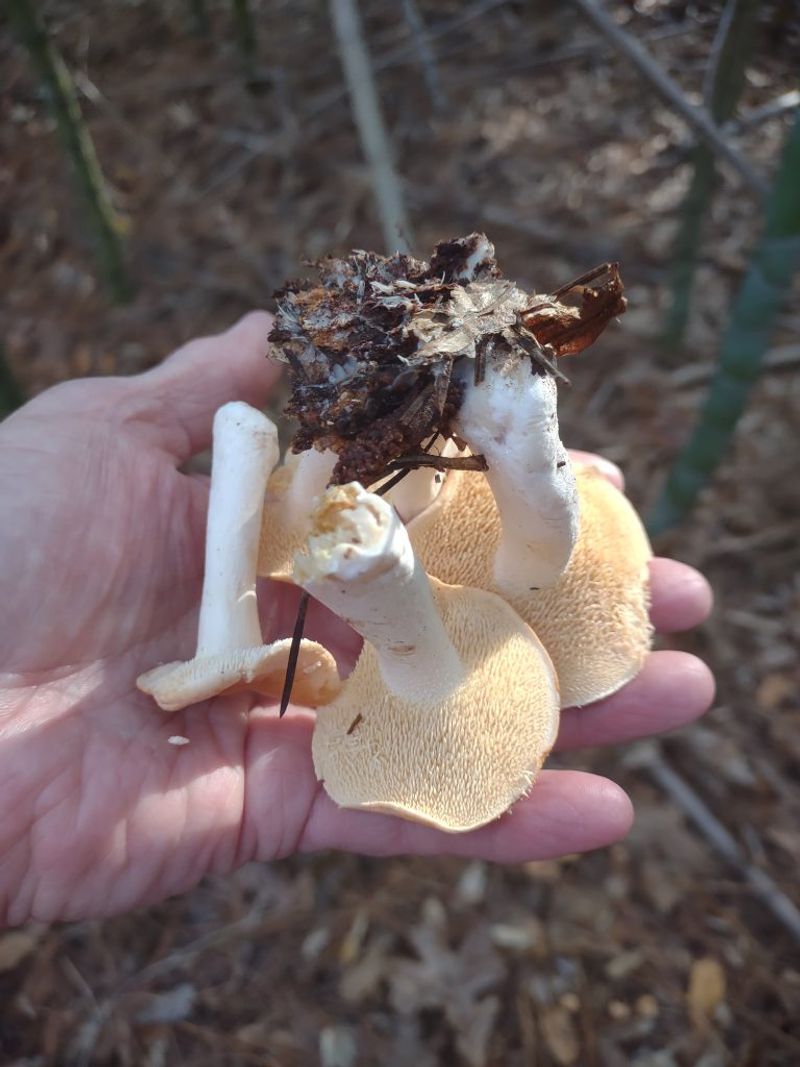
Flip a hedgehog mushroom over and you will find tiny spikes instead of gills. That cute feature makes them easy for beginners to identify.
Their flavour is sweet and nutty, a bit like chanterelles but firmer. Older ones can taste slightly bitter, so pick young, fresh mushrooms when possible.
A quick sauté with garlic and olive oil works best. Serve over polenta or toast for a cozy autumn meal.
15. Chicken of the Woods Fried Tenders
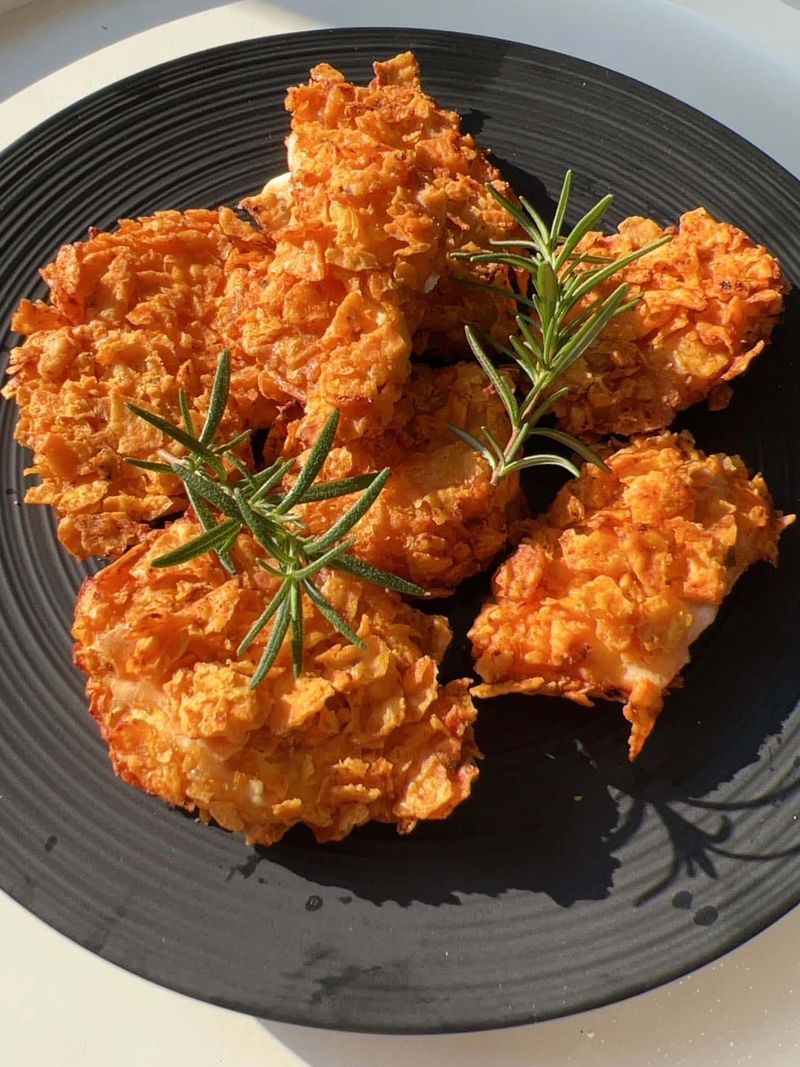
Bright orange and shaped like shelves on tree trunks, chicken of the woods is impossible to miss. Believe it or not, it really does taste a lot like chicken.
Cut the tender outer edges into strips. Dip them in egg, roll in seasoned breadcrumbs, and fry until crunchy.
Always cook it thoroughly, and try a small amount first, since some people are sensitive to it. Only eat ones identified by an expert.
16. Beech Mushrooms in Tiny Bunches
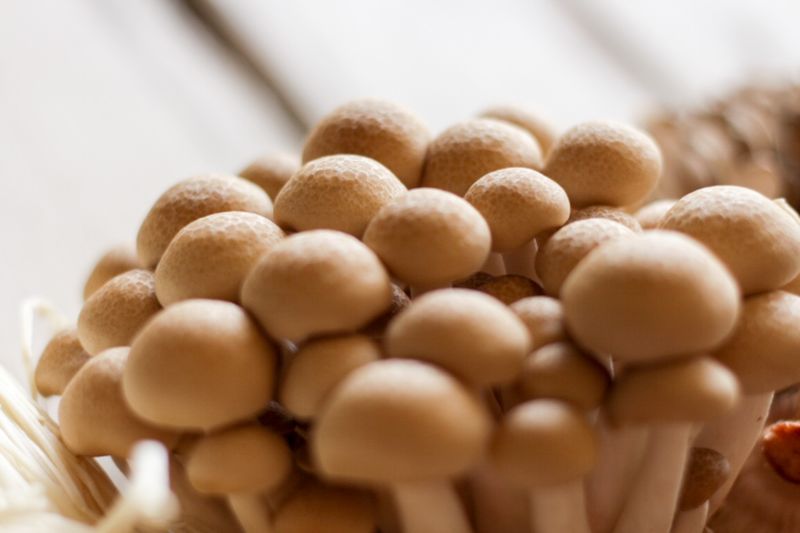
Little clusters of beech mushrooms look like a miniature forest sprouting in your fridge. They are sold in brown and white versions.
Raw, they taste bitter. Cooking changes everything, bringing out a sweet, nutty flavour and a pleasant crunch.
Cut off the base, separate the stems, and sauté them with a spoonful of miso butter. They are also lovely in soups, stir fries, and fried rice.
17. Wood Ear and Its Crunchy Bite
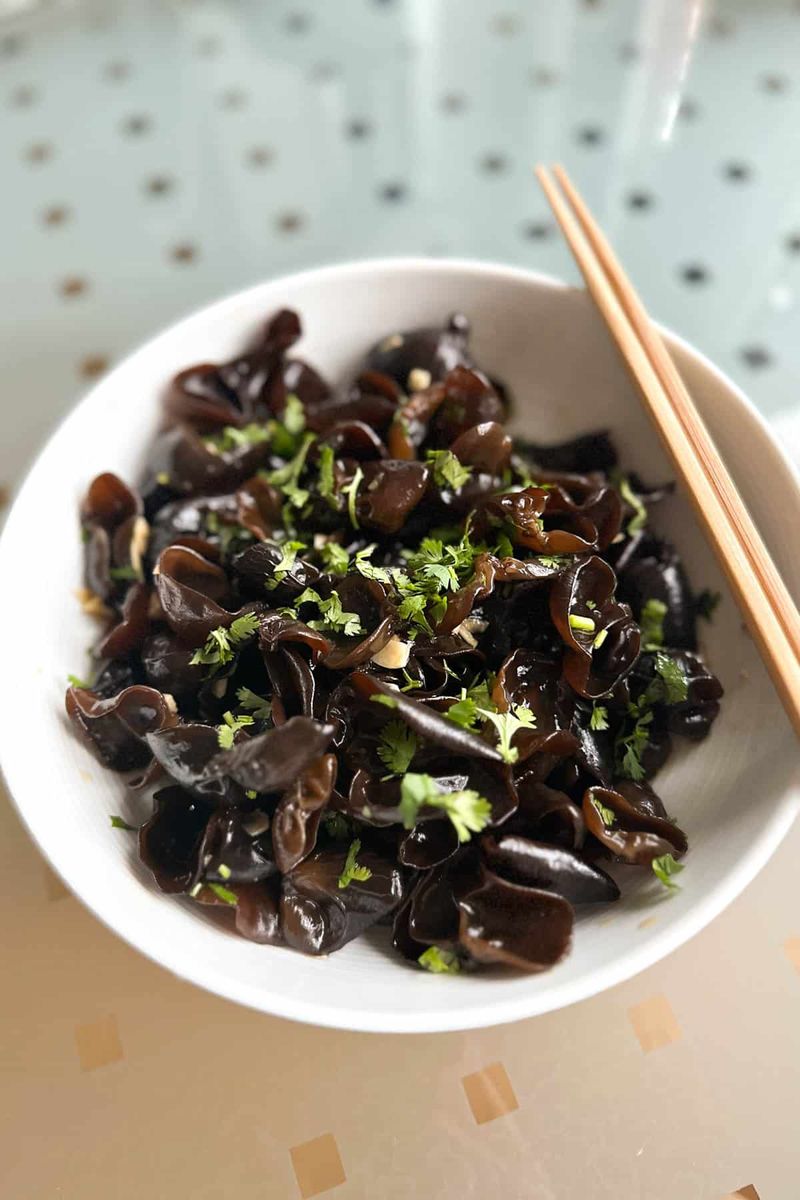
Shaped like floppy little ears, wood ear mushrooms are all about texture. They barely have any taste on their own, yet they stay delightfully crunchy.
Usually sold dried, they puff up to several times their size after soaking.
That plain flavour makes them sponges for sauces. Try them in hot and sour soup or a cold salad with vinegar, garlic, and chili oil.
Your mouth will love the snappy crunch.
18. Truffles, the Fancy Superstar
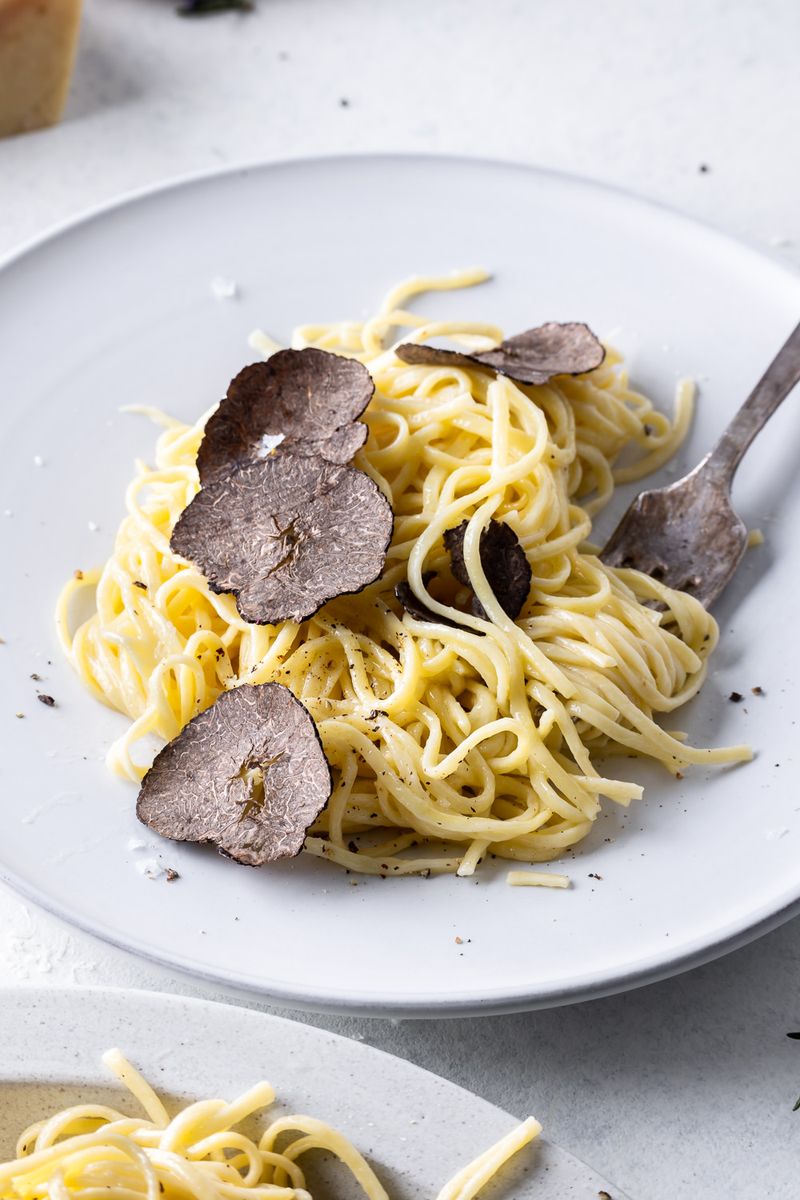
Some truffles cost more than a new video game console per pound! These underground fungi are found by specially trained dogs and pigs.
Here is the big rule: never cook truffles too much. Heat destroys their amazing smell.
Instead, shave thin slices over warm foods right before eating. Buttery pasta, scrambled eggs, and mashed potatoes are perfect partners.
A little truffle goes a very long way.
19. Lobster Mushrooms, Red and Ready
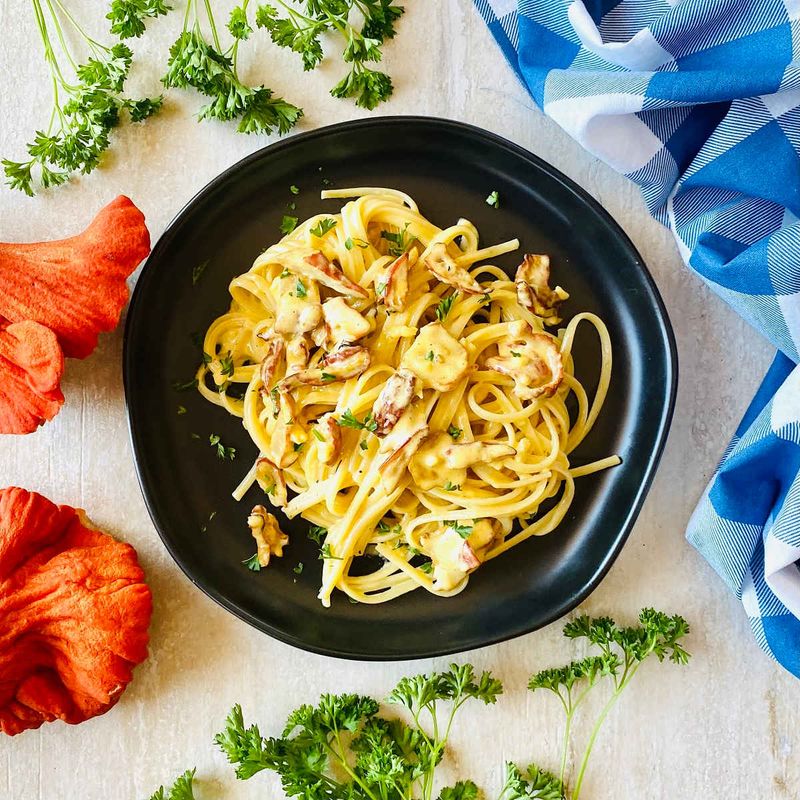
Funny thing about lobster mushrooms: they are not really one mushroom. They form when a special mold covers another mushroom, turning it bright reddish orange.
The result tastes mildly like seafood and has a firm, dense texture that holds up well to cooking.
Slice and sauté them slowly in butter. They make a great addition to creamy soups, seafood-free bisques, and risotto, bringing beautiful color to the plate.
20. Nameko Brings the Slurp
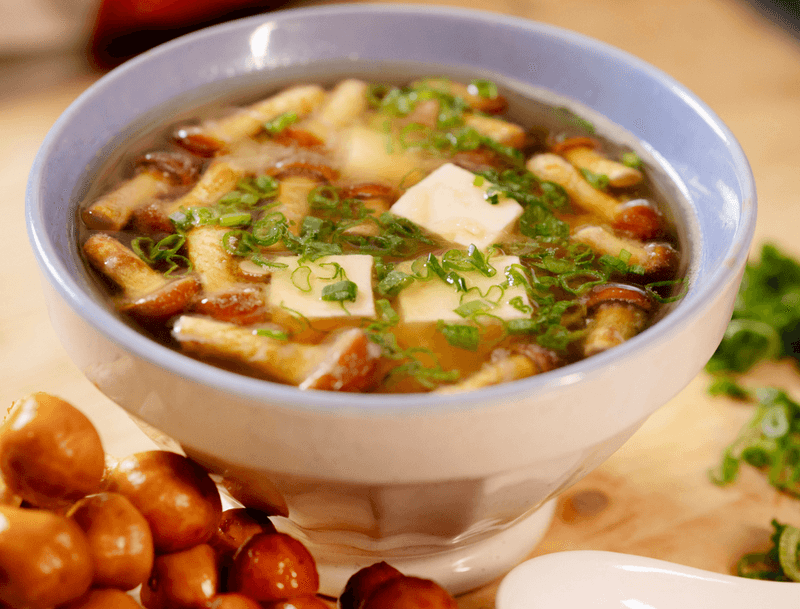
Japanese families love tossing nameko into miso soup. These small, amber mushrooms have a shiny, slippery coating that might surprise you.
That gel is actually helpful. It thickens soups and broths naturally, giving them a silky feel.
Flavour wise, nameko are gently nutty and earthy. Simmer them in miso soup with tofu and green onion, or toss them into noodle dishes.
Give them a quick rinse before cooking.
21. Pioppino and Its Peppery Kick
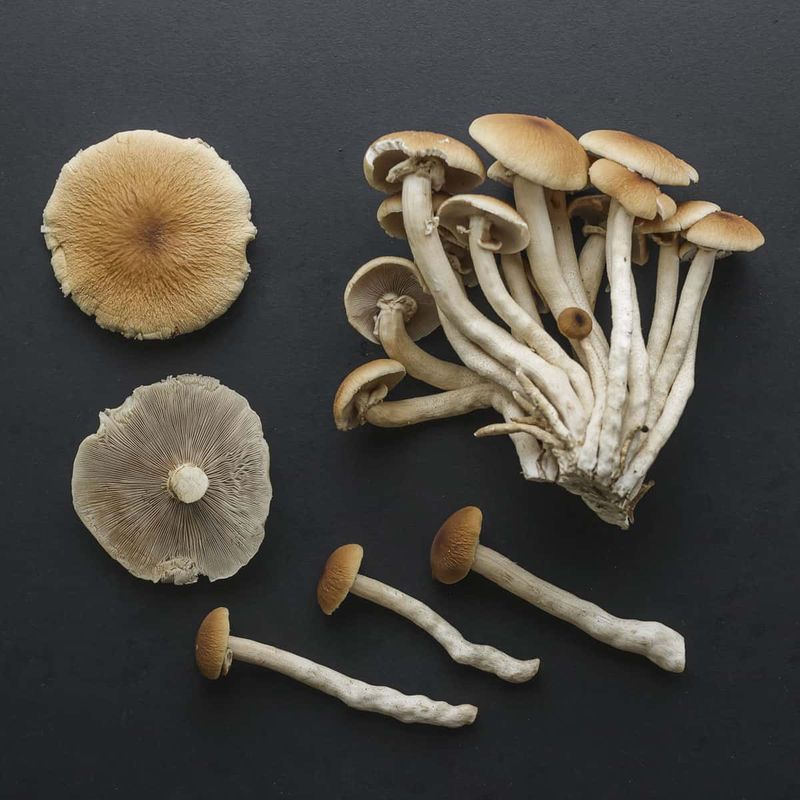
Popular in Italian kitchens, pioppino mushrooms have long slender stems topped with small brown caps. Their taste is peppery, earthy, and a tiny bit sweet.
Because the stems stay crunchy even after cooking, they add great texture to slow-cooked dishes.
Braise them with tomatoes, garlic, and white wine or broth. They also pair nicely with sausage and pasta.
Keep the clusters together for a pretty presentation on the plate.