
A warm Krispy Kreme doughnut comes with more history than you might expect. Behind that shiny glaze are family businesses, clever machines, and a bakery window that changed everything.
Some stories are well documented, while others remain part of the brand’s legend. Knowing the difference makes your next doughnut run a little more interesting.
1. A New Orleans Recipe Started the Story
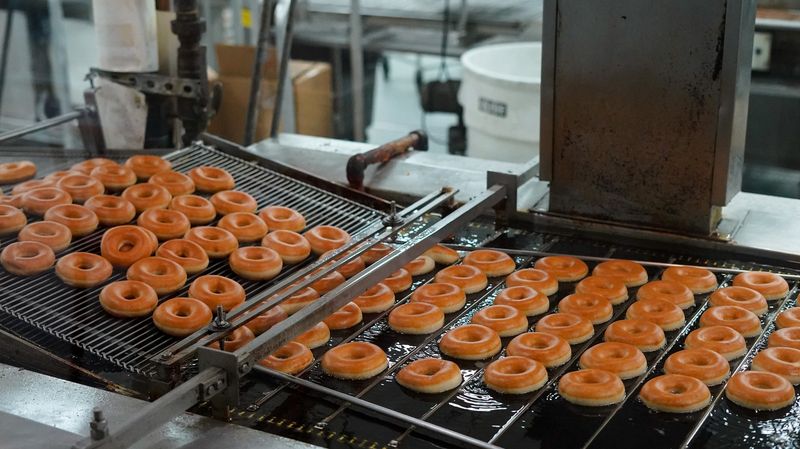
Before the famous glaze came a recipe with a colorful backstory. Company histories trace its purchase to a French chef in New Orleans, usually named Joseph LeBeouf, though spellings vary across accounts.
Some versions describe him as a riverboat cook known for especially light doughnuts. Treat those extra details as historical storytelling rather than settled fact.
The lasting point is simpler: Krispy Kreme grew from a recipe its founder acquired, not one he invented entirely alone.
2. Potatoes May Have Helped Make the Dough Fluffy
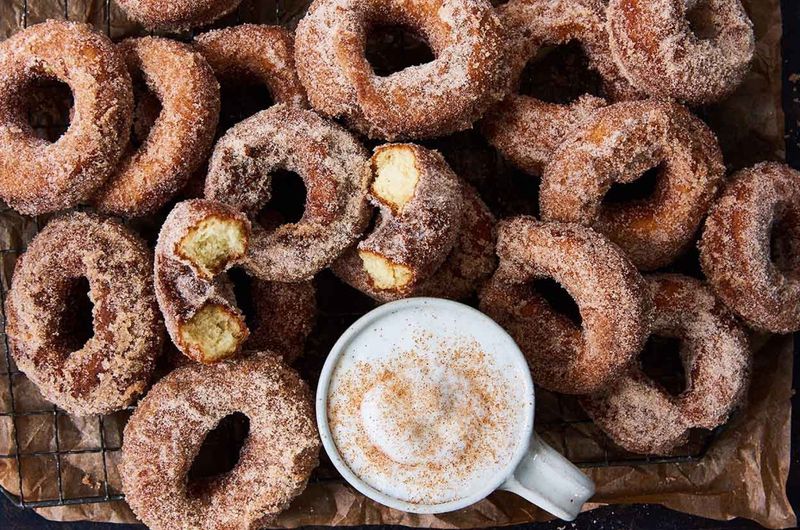
Mashed potatoes in a doughnut? That surprising ingredient appears in stories about the early recipe, although Krispy Kreme has not publicly confirmed its complete formula.
Potatoes can help bread dough hold moisture and create a tender texture.
They were also a useful way to stretch flour during difficult times. Enjoy this as a possible piece of baking history, not a verified ingredient list.
For allergies or dietary needs, always consult the company’s current published ingredient information.
3. Kentucky Comes Before North Carolina
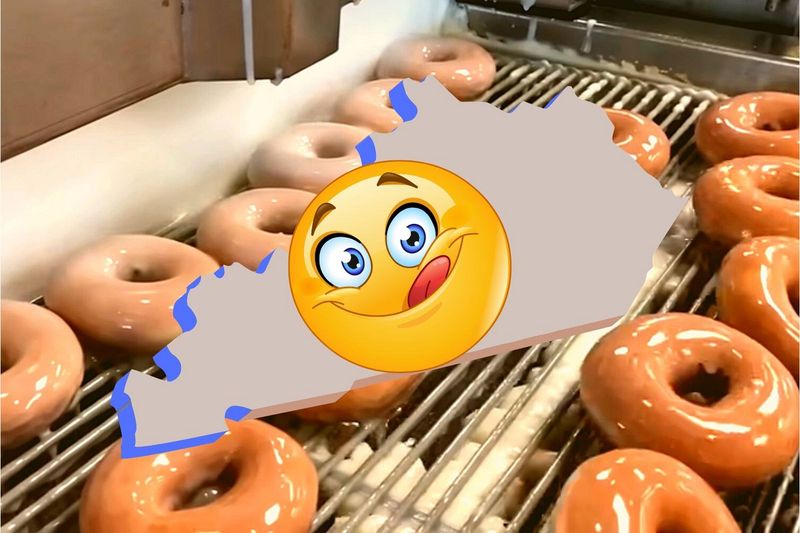
North Carolina gets the spotlight, but Kentucky belongs in the opening chapter. In 1933, Vernon Rudolph’s uncle, Ishmael Armstrong, bought a small business in Paducah that included a doughnut recipe and the Krispy Kreme name.
Rudolph worked in that early operation before building the company people recognize today. That distinction helps explain why histories sometimes offer different starting dates.
The business had roots before the Winston-Salem bakery opened, even though 1937 remains the brand’s official founding year.
4. Nashville Was an Early Stop
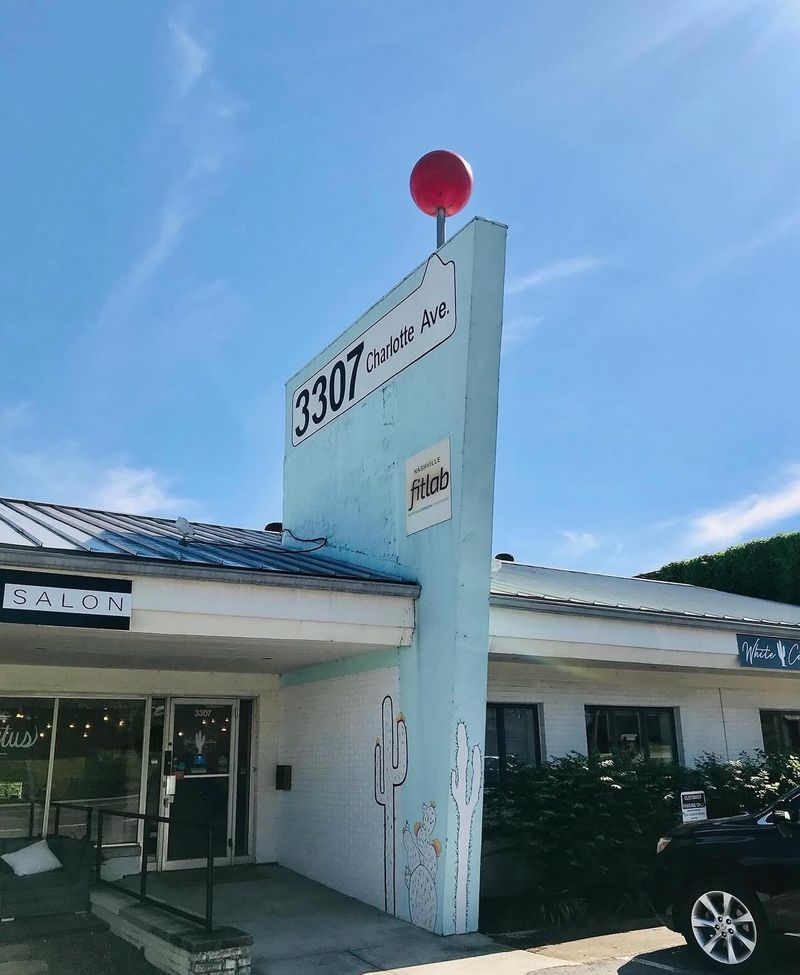
Music City has a place in this doughnut tale, too. Before the famous Winston-Salem opening, Rudolph and his uncle moved their business to Nashville, Tennessee, where their work became more focused on making and selling doughnuts.
Some histories call that operation an early Krispy Kreme Doughnut Company shop. It should not be confused with the company’s official 1937 founding location.
Think of Nashville as a stepping stone that helped turn a small family business toward something bigger.
5. Camel Cigarettes Reportedly Influenced the Location
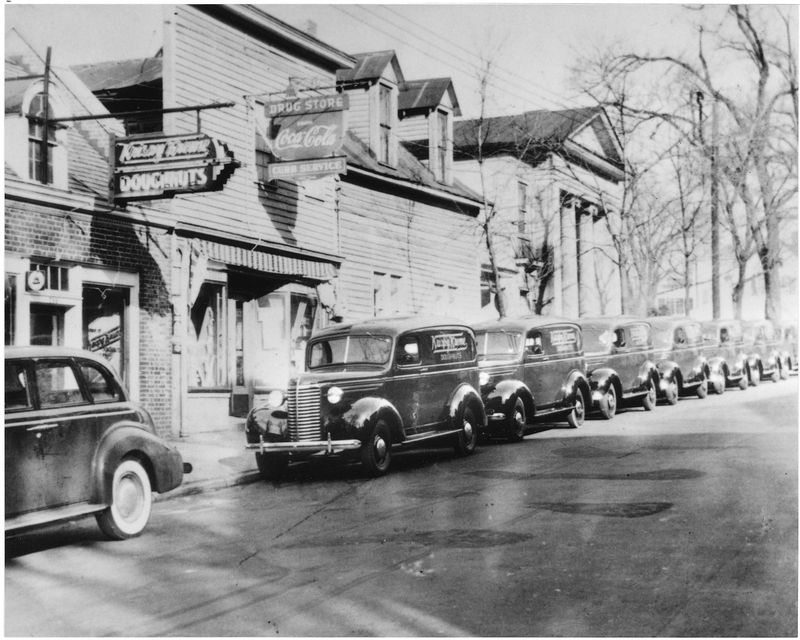
A cigarette company may seem like an odd guide for choosing a bakery location. Yet popular accounts say Rudolph noticed Winston-Salem because it was home to R.J.
Reynolds, the maker of Camel cigarettes.
The story suggests he saw a busy industrial city as a promising place to build another business. His exact reasoning is harder to prove than the opening itself.
What is clear is that Winston-Salem became Krispy Kreme’s lasting hometown and its best-known historical anchor.
6. Grocery Stores Were the First Main Customers
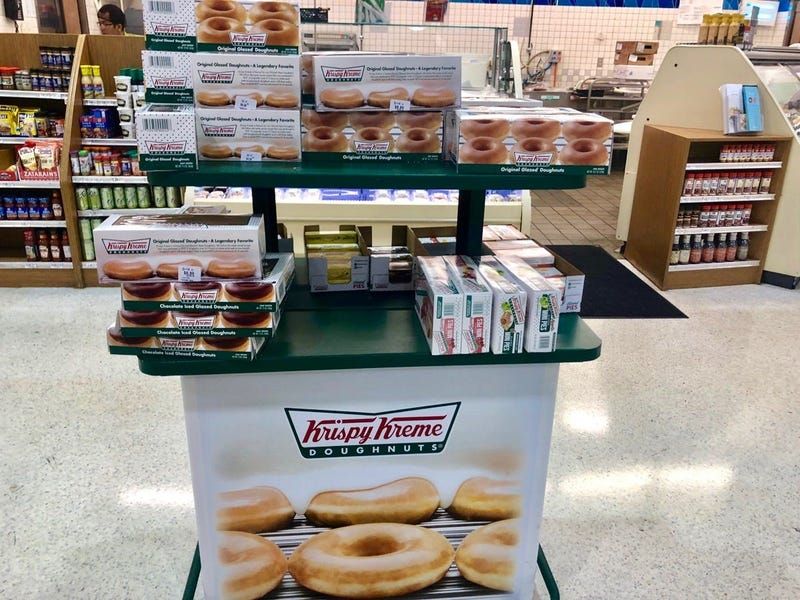
Your grocery store doughnut box has a surprisingly old family tree. When Rudolph opened his Winston-Salem bakery in 1937, the main plan was to make doughnuts for local grocery stores rather than serve crowds at a counter.
That wholesale approach let other businesses handle the final sale. Direct customer demand soon added another path.
Today’s mix of bakery shops and outside retail partners therefore echoes the original business model, even though modern delivery networks are far larger.
7. Customers Inspired the Famous Wall Opening
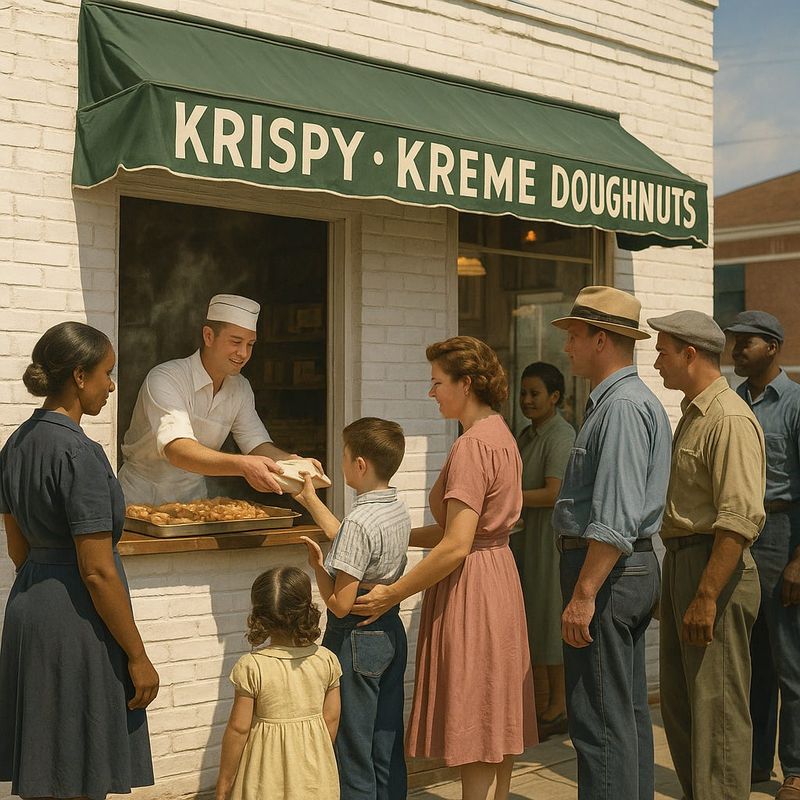
Follow your nose, and you might change a company’s future. According to Krispy Kreme’s history, people walking near the original bakery smelled fresh doughnuts and asked to buy them directly instead of visiting a grocery store.
Rudolph responded by cutting an opening in an outside wall and serving customers there. That simple change turned a production space into a neighborhood stop.
It also offers a business lesson: sometimes customers reveal an opportunity before an owner plans it.
8. The Recipe Has a Vault Legend
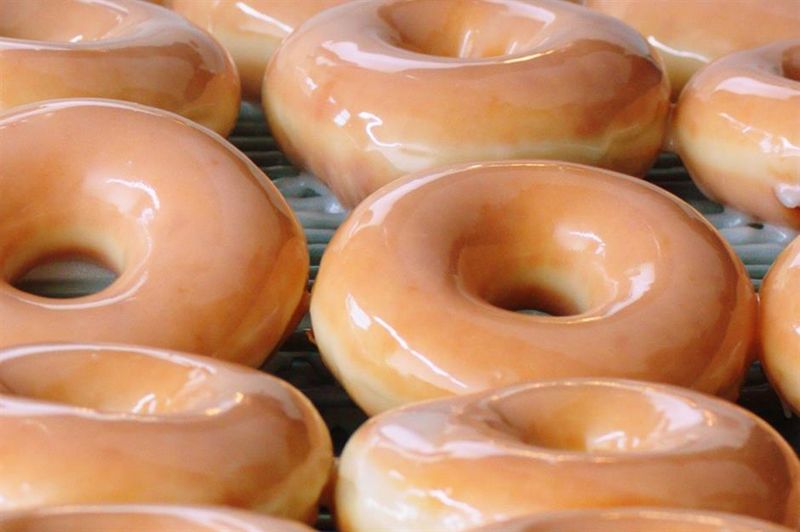
A secret recipe deserves a dramatic hiding place, and Krispy Kreme certainly has that reputation. Reports have long described its formula as being protected in a vault at the company’s Winston-Salem facility.
The public cannot inspect those security arrangements, so the vault detail is best treated as reported lore. The recipe’s secrecy, however, fits the company’s tightly controlled production system.
Watching doughnuts being made through a shop window does not reveal everything that goes into the mix.
9. Homemade Machinery Helped Keep Doughnuts Consistent
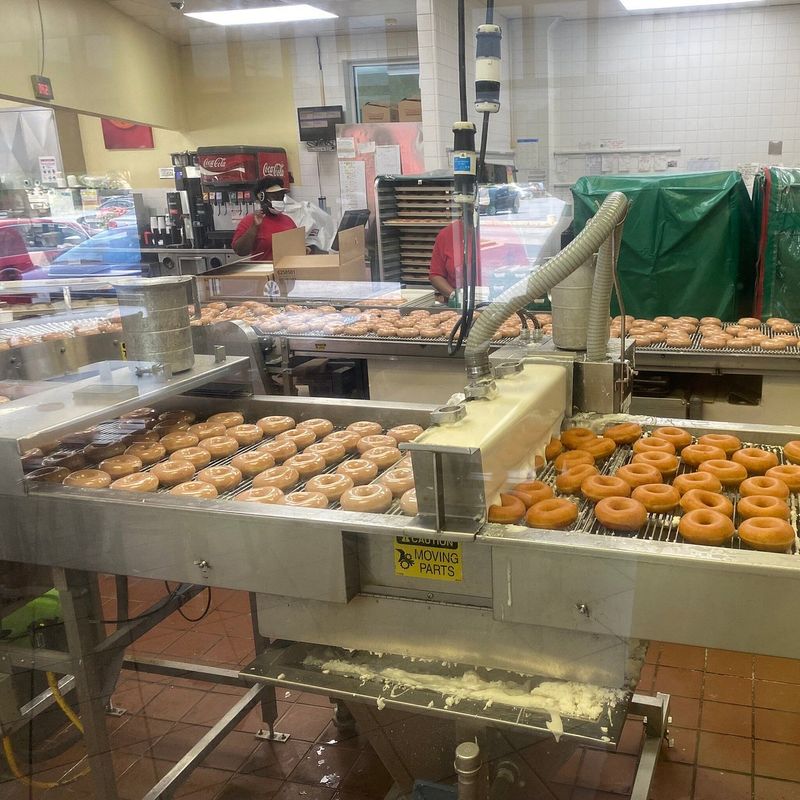
Great doughnuts need more than a good recipe when thousands of customers expect the same bite. As Krispy Kreme expanded, it developed equipment and a central mix system to make results more consistent across shops.
Machines associated with the Ring King name became part of that production story. Standard dry mix helped reduce differences between locations, while automation controlled key steps.
Next time you watch the conveyor belt, remember that the machinery helped build the brand’s reputation.
10. Green Roofs Became a Brand Signature
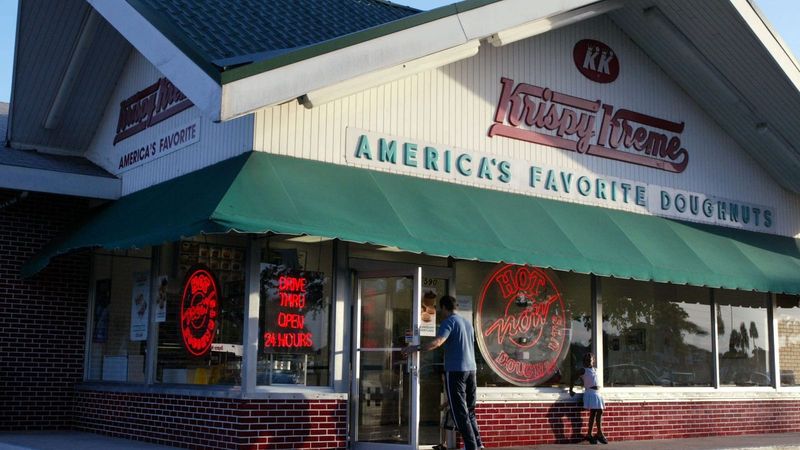
Spot a green roof beside a familiar roadside sign, and you may recognize the shop before reading its name. During the 1960s, Krispy Kreme standardized design features that made its stores easier to identify.
Those buildings helped give separate locations a shared personality long before phone maps guided customers everywhere. Not every modern shop follows the same design, especially in shopping centers or other countries.
Still, the classic roof and sign remain clues to the chain’s history.
11. Franchise Owners Bought the Company Back
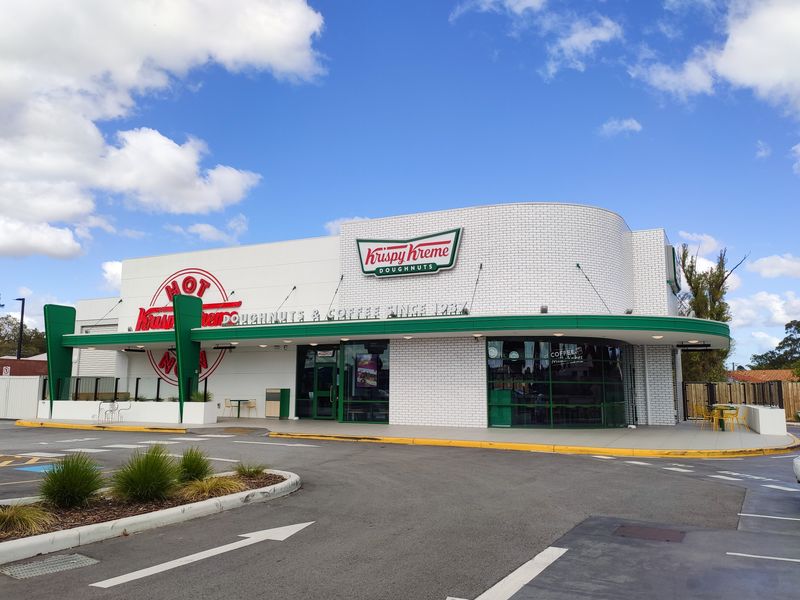
Ownership took a detour after founder Vernon Rudolph died in 1973. Beatrice Foods purchased Krispy Kreme in 1976, placing the doughnut business inside a much larger food company.
That chapter lasted only a few years. In 1982, a group led by longtime franchise owners bought Krispy Kreme back, returning control to people closely connected with its shops.
The change matters because a familiar brand can survive major shifts behind the counter without customers noticing the business drama.
12. The Hot Light Arrived Decades After the Doughnuts
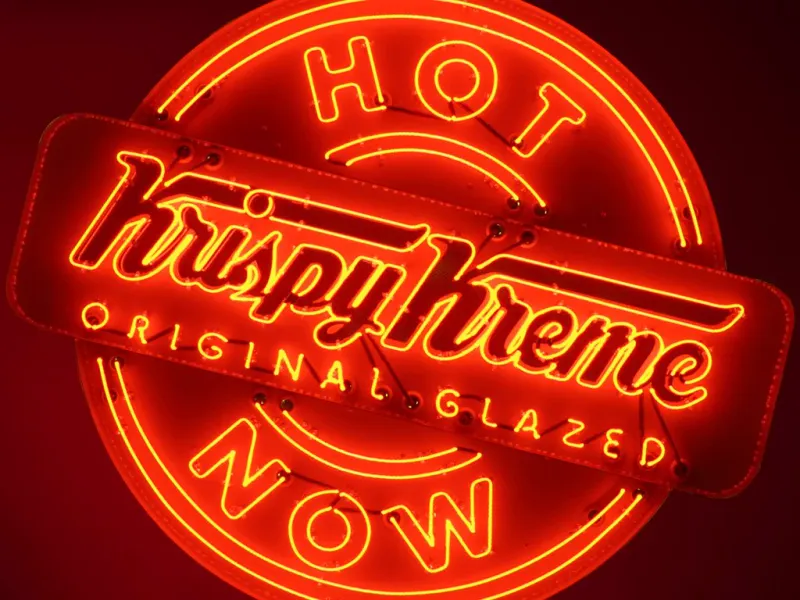
That glowing red signal feels timeless, but it was not part of the original bakery. Krispy Kreme dates the introduction of its famous Hot Light to 1992, decades after customers first lined up for warm doughnuts.
The light tells visitors that fresh Original Glazed doughnuts are being made. It does not promise every variety is hot, and it does not automatically mean a free treat.
Check your local shop’s schedule rather than assuming the light stays on.
13. Charlotte Got a Doughnut Vending Machine
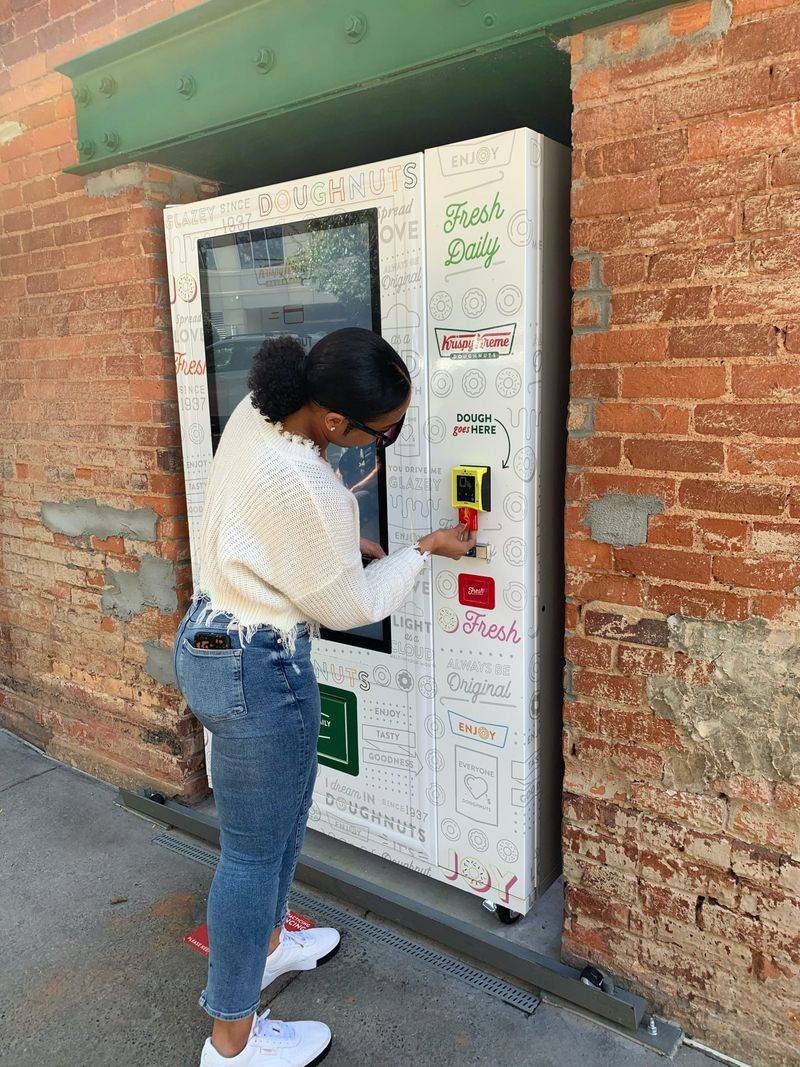
Midnight doughnut cravings inspired a very modern solution in Charlotte, North Carolina. A Krispy Kreme shop in the South End neighborhood introduced a vending machine offering doughnuts outside normal counter service.
It drew attention as a way to buy treats around the clock. However, a machine’s stock, working condition, and access can change, so do not plan a special trip without checking first.
Think convenience rather than a guarantee of warm doughnuts straight from the production line.
14. Production Lines Can Turn Out Thousands an Hour
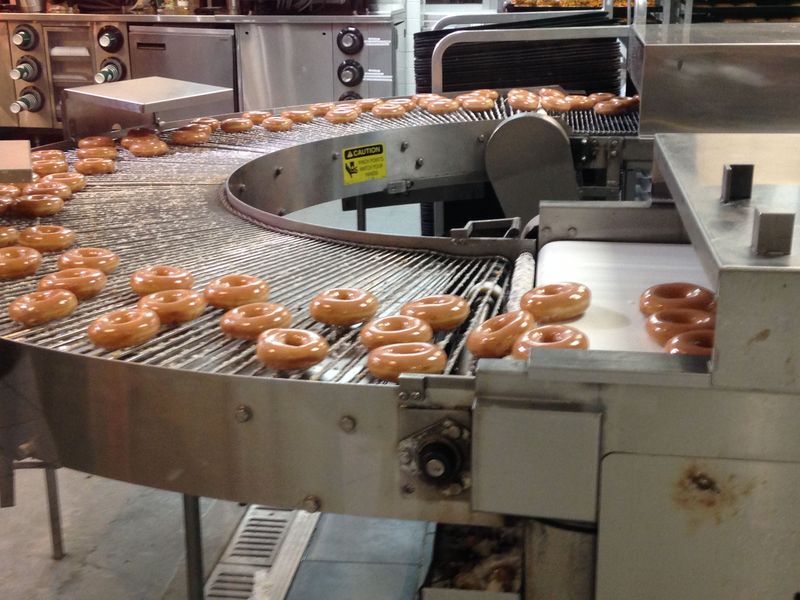
Count the doughnuts passing a glaze waterfall, and the numbers quickly become impressive. Production capacity varies by equipment and location, but published examples describe shops making roughly 3,000 doughnuts per hour and larger operations reaching around 12,000.
Those figures describe possible output, not a promise that every store runs at that speed. Smaller locations may receive deliveries instead of making doughnuts onsite.
For the full factory-style show, look for a shop that advertises an operating doughnut theater.
15. Kosher Ingredients Do Not Tell the Whole Story
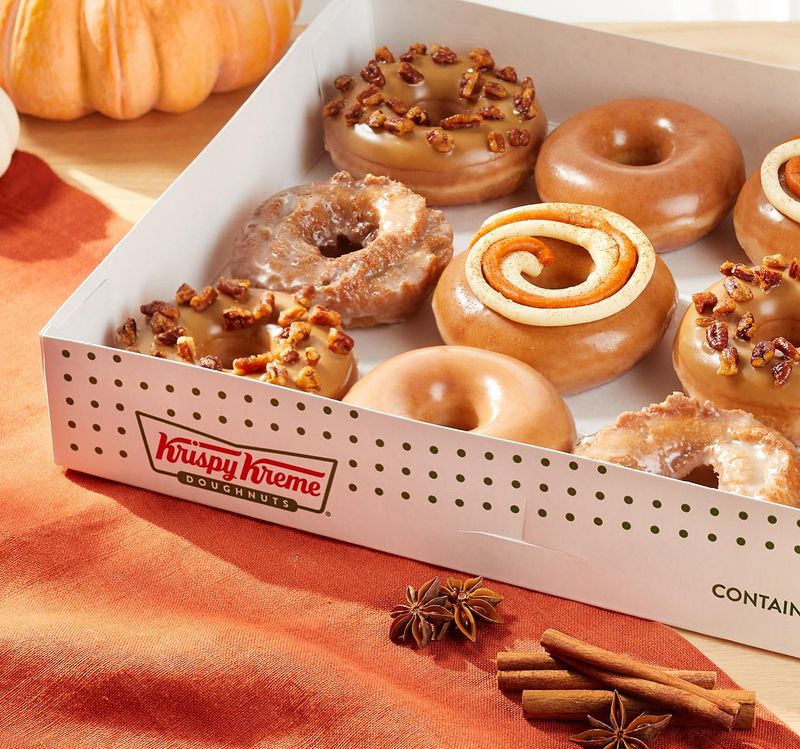
Dietary labels deserve a closer look than a quick headline. Krispy Kreme has stated that its doughnut ingredients are kosher and that its Winston-Salem mix facility holds kosher certification.
However, certified ingredients do not automatically mean every finished product or individual shop has the same certification. Local preparation and oversight matter, and international menus can differ.
If you keep kosher, check the specific location’s current certificate and ask which products it covers before you place an order.
16. Zero Trans Fat Still Needs Context
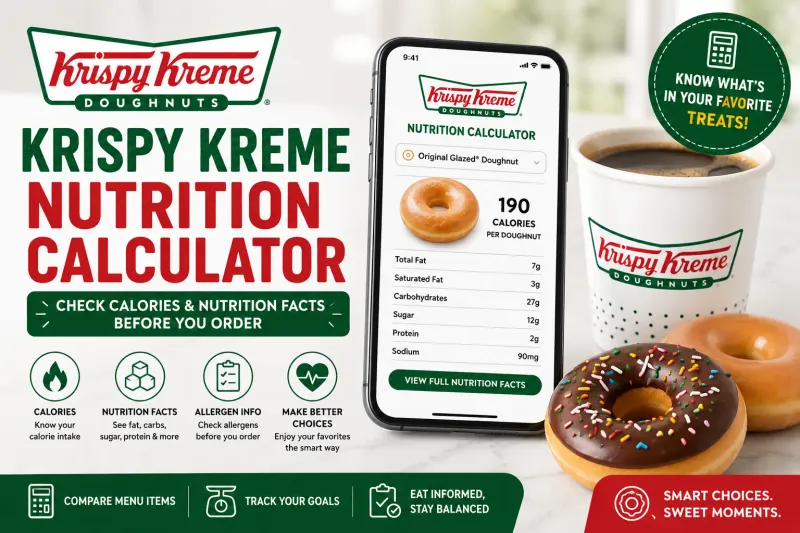
A nutrition label can be accurate without telling the whole story at a glance. Krispy Kreme uses vegetable shortening, and its United States nutrition information lists zero grams of trans fat per serving for its doughnuts.
Under federal labeling rules, amounts below half a gram may be rounded to zero. Oil blends and recipes can also vary by product or market.
Read the current nutrition panel for your choice, including saturated fat and sugar, rather than judging by one number.
17. Smithsonian Collections Include Its History
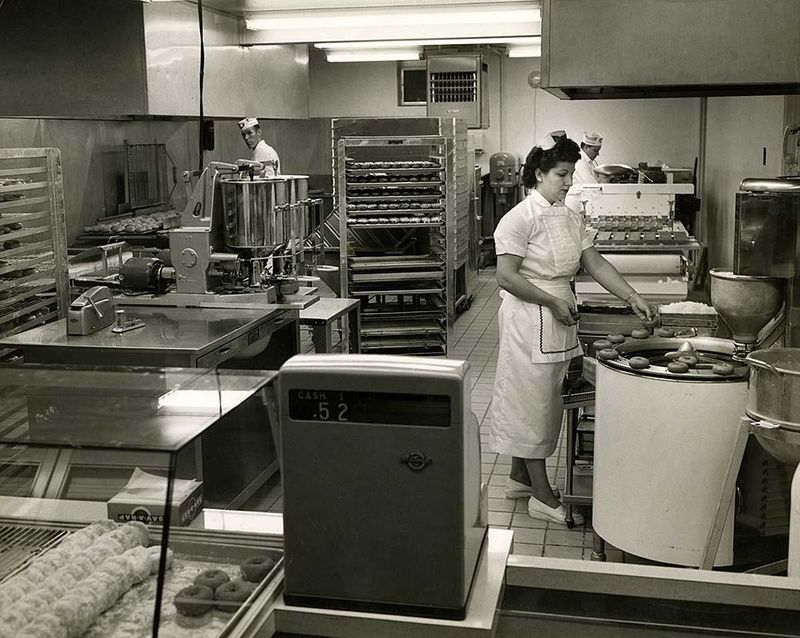
Most doughnuts disappear in minutes; some of their history belongs in a museum. In 1997, Krispy Kreme marked its sixtieth anniversary by donating company artifacts to the Smithsonian’s National Museum of American History.
The donation recognized the brand’s place in American business and food culture. Calling it an American icon is understandable, but that wording should not be mistaken for a formal government award.
Museum objects help explain how everyday foods become part of a shared national story.
18. Fundraising Is a Major Part of the Business
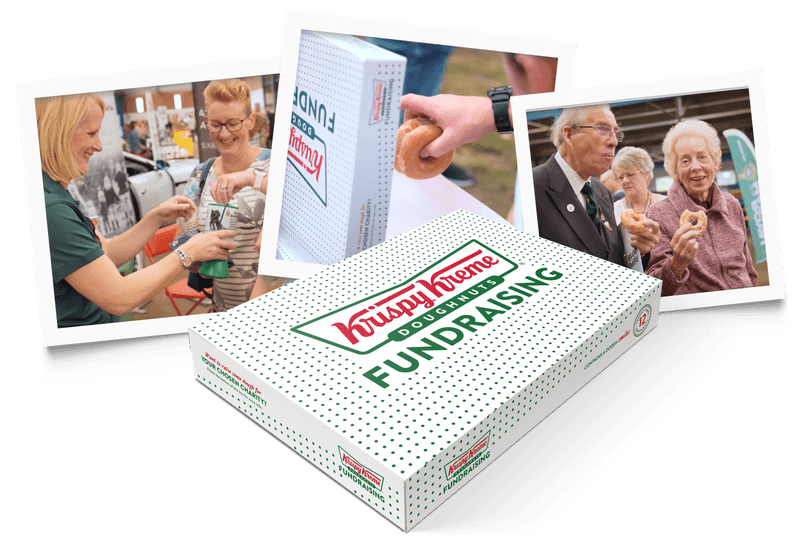
A box of doughnuts can help pay for more than breakfast. Schools, churches, sports teams, and other groups have long used Krispy Kreme fundraising programs to support their activities.
The company reported that these efforts helped organizations raise about $37 million in 2020. That figure refers to funds raised through the programs, not necessarily a direct corporate donation.
Groups considering a sale should check local prices, eligibility, ordering rules, and expected profit before setting their fundraising goal.
19. Australia Hosted Its First Shop Beyond North America
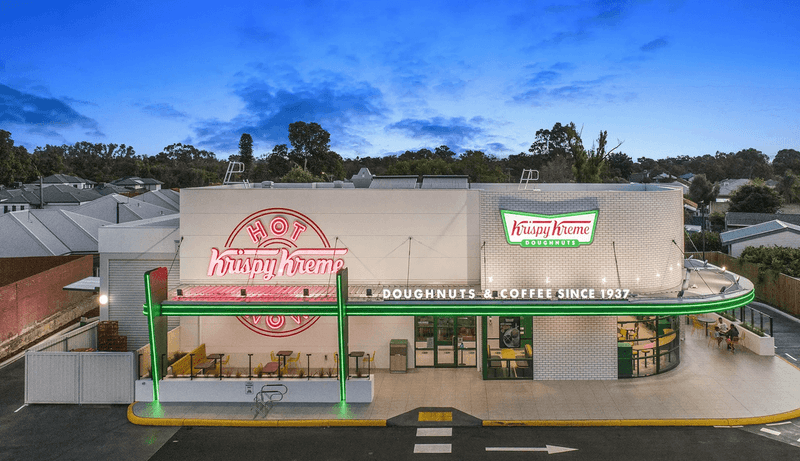
Australia earned a special place on Krispy Kreme’s world map. The chain opened its first store outside North America in Penrith, near Sydney, in 2003, bringing its signature glazed doughnuts to a new continent.
The wording matters because Canada had already welcomed the brand in 2001. Australia was not its first international market, but it was the first beyond North America.
When comparing expansion milestones, check whether a source means outside America, outside the United States, or overseas.
20. Insomnia Cookies Became Part of the Family
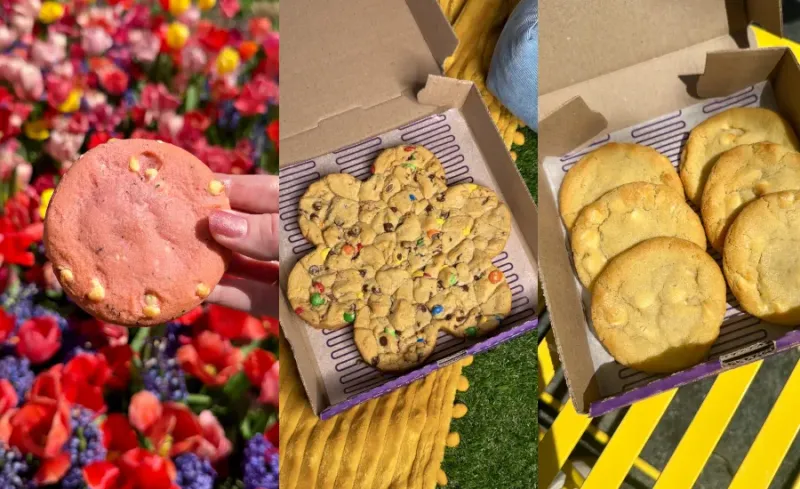
Late-night cookies and morning doughnuts once shared a corporate parent. Krispy Kreme acquired a majority stake in Insomnia Cookies in 2018, linking two brands known for sweet treats and loyal fans.
The ownership story later changed: in 2024, Krispy Kreme sold a majority interest while retaining a minority stake. That makes the original acquisition a historical fact, not proof that it still controls the cookie chain.
Business relationships can change even when familiar storefront names stay the same.