
Some of the best cakes ever baked were written on stained little cards tucked inside Mum’s old recipe box. They came from a time when people baked with simple pantry items and lots of love.
Bringing these classics back is a sweet way to connect with family history and share it with new people. Grab your apron, because these old favorites are still worth every crumb.
1. Victoria Sponge
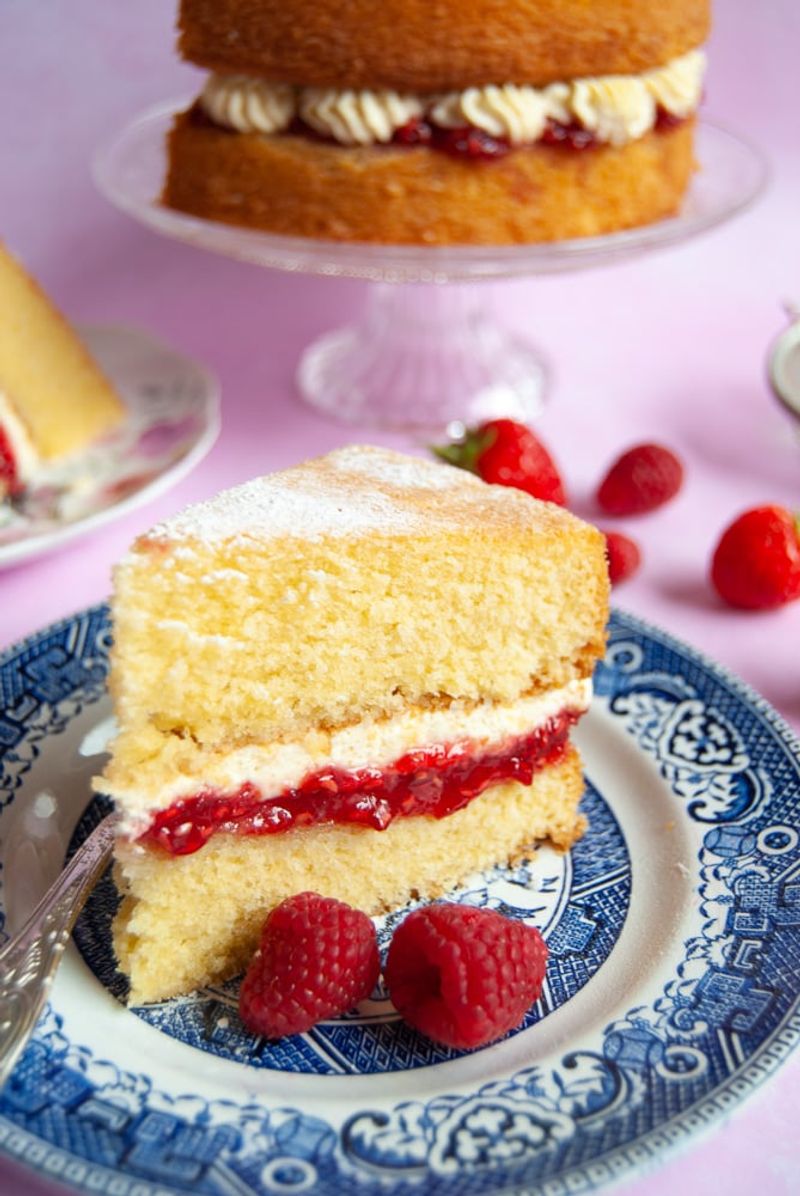
Queen Victoria loved a slice of sponge with her afternoon tea, and the cake was named after her. Two fluffy layers hold a sweet center of raspberry jam and whipped cream.
The trick is weighing your eggs, then using the same weight of butter, sugar, and flour. That balance keeps the crumb light and soft.
Dust the top with powdered sugar and serve it with a hot pot of tea for the full experience.
2. Pineapple Upside-Down Cake
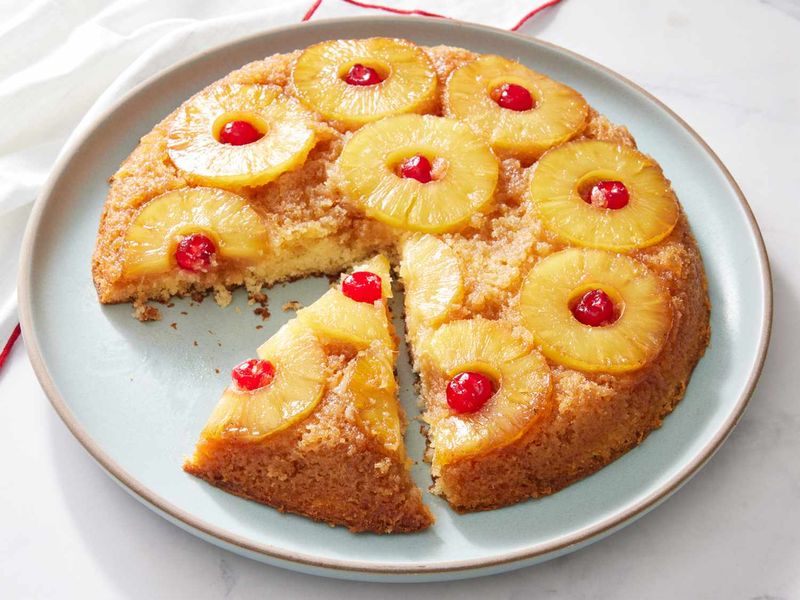
Flipping this cake over always felt like a magic trick at Grandma’s table. Golden pineapple rings and bright cherries sit on top, shining with buttery brown sugar.
Canned pineapple became popular in the 1920s, and this cake soon showed up everywhere. Use a heavy cast iron pan for the best caramel.
Wait about five minutes after baking before turning it out. Too soon, it falls apart.
Too late, it sticks.
3. Lemon Drizzle Loaf
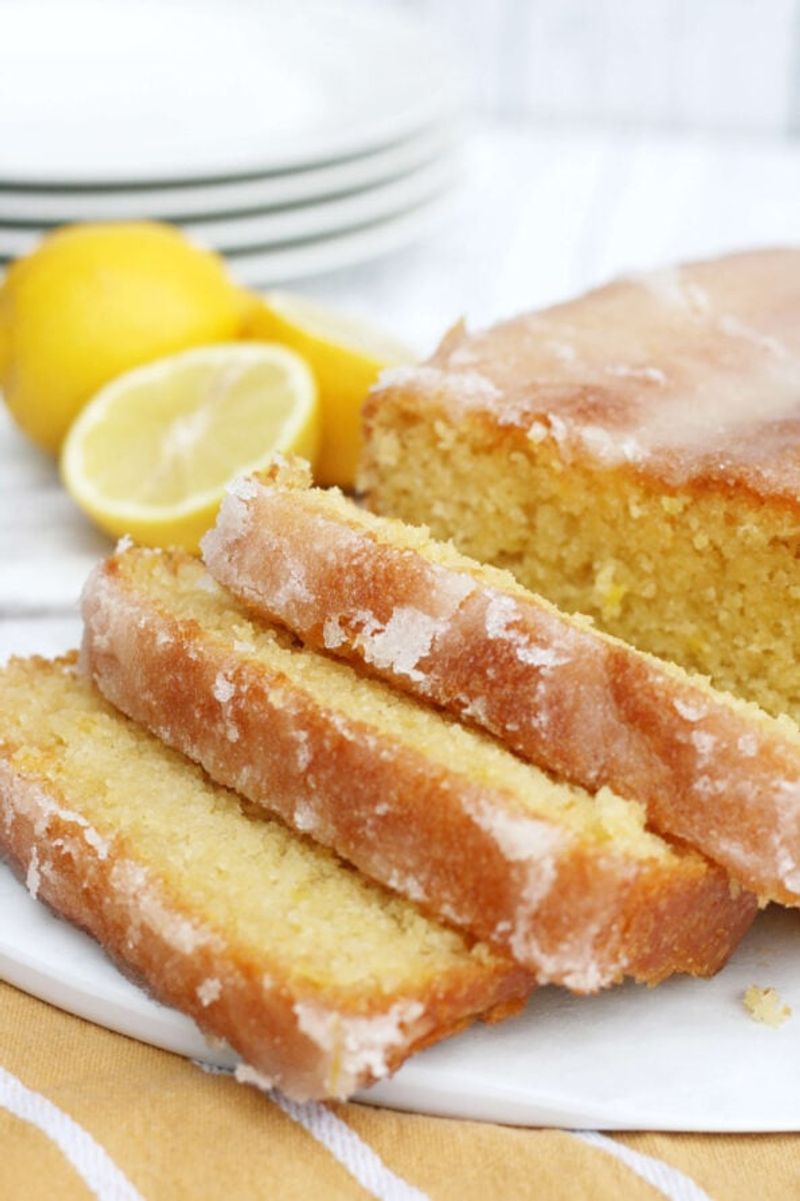
Pucker up! A tangy lemon drizzle loaf is sunshine you can slice.
Poking holes in the warm cake lets the sour sugar syrup soak deep inside.
As it cools, the topping forms a crunchy, sparkly crust that kids love to pick at. Use fresh lemons, since bottled juice tastes flat.
Wrap leftovers in foil and the loaf gets even moister by the next day. It also travels well for picnics and lunchboxes.
4. Chocolate Wacky Cake
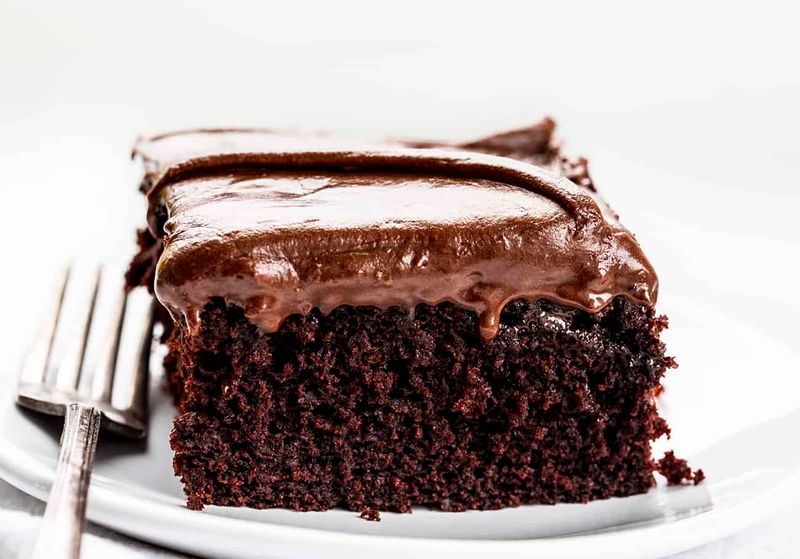
No eggs, no butter, no milk, and yet it tastes amazing. Wacky cake, also called depression cake, came from times when those foods were rationed or too pricey.
Vinegar and baking soda create bubbles that make it rise. Some families even mixed it right in the baking pan to save dishes.
It is a smart pick for friends with egg or dairy allergies. Top it with a quick chocolate frosting or powdered sugar.
5. Coffee and Walnut Cake
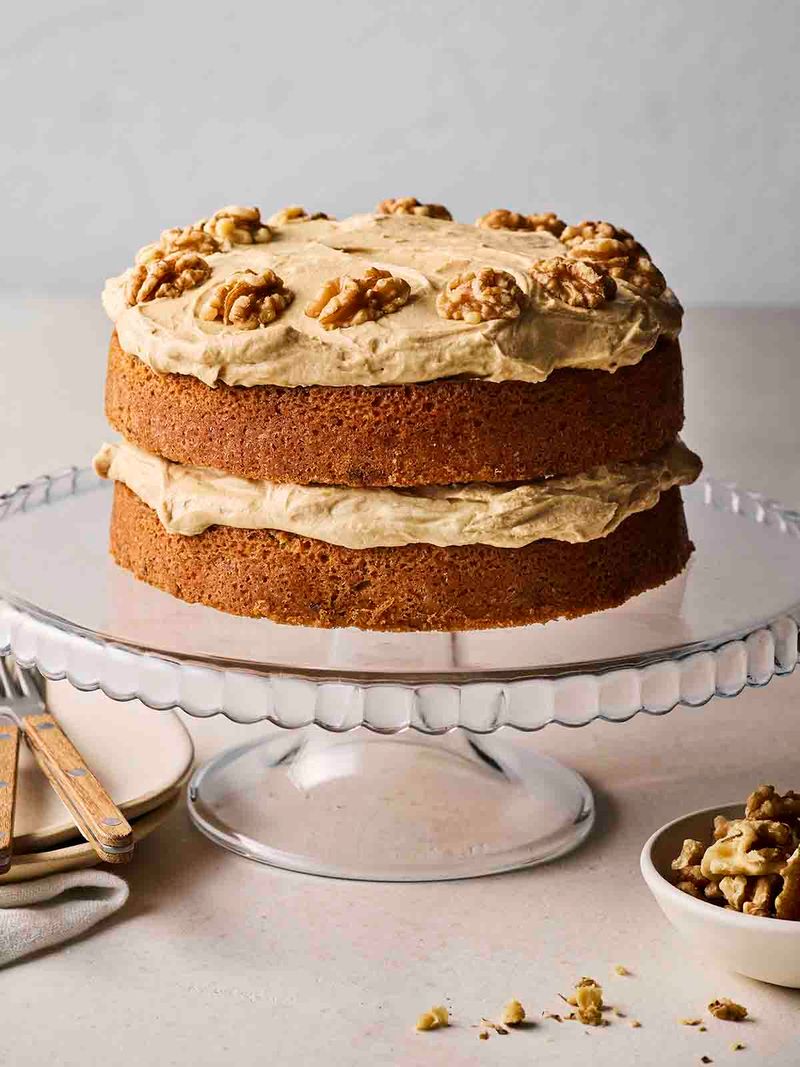
Here is a grown-up favorite that still wins over curious kids. Strong coffee flavors the sponge and the creamy buttercream, while walnuts add a pleasing crunch.
Mum usually dissolved instant coffee in a splash of hot water. It gives bold taste without making the batter runny.
Toast the walnuts first for a deeper, nuttier flavor. Then press neat halves around the top like a crown, and watch everyone reach for seconds.
6. Carrot Cake With Cream Cheese Frosting
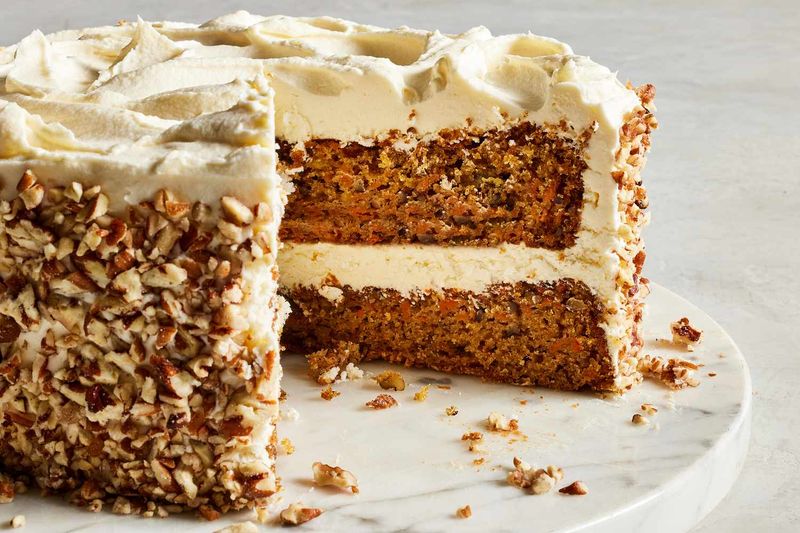
Did you know carrots were used to sweeten cakes during World War II when sugar was scarce? That clever idea gave us one of today’s most loved bakes.
Grated carrots keep the cake soft and moist for days. Cinnamon, nutmeg, and a handful of raisins or nuts make every bite cozy.
Frost only when the cake is completely cool. Otherwise the cream cheese topping melts and slides right off the sides.
7. Angel Food Cake
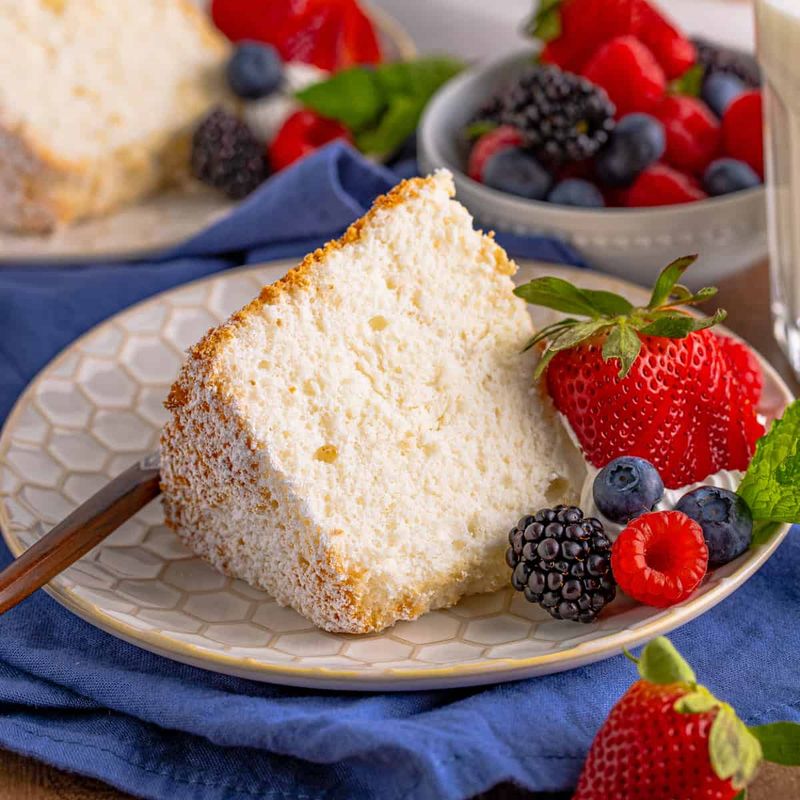
Light as a cloud and pure white inside, angel food cake earned its heavenly name. It uses only egg whites, so there is no butter or yolk at all.
Whip those whites until stiff peaks form, then fold the flour in gently. Rough stirring pops the air bubbles.
Cool the cake upside down in its tube pan so it stays tall. Fresh berries make a pretty, juicy partner.
8. Red Velvet Cake
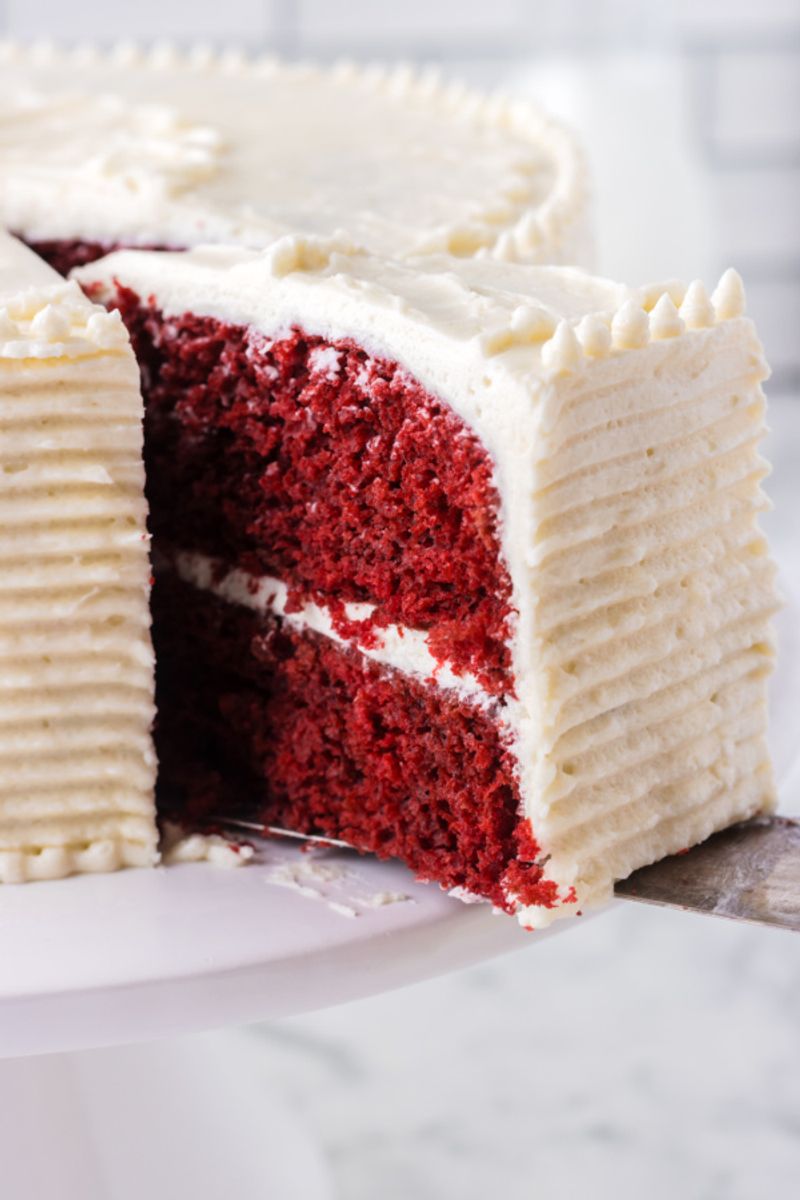
Bright red layers with snowy frosting always cause a stir at parties. Long ago, the reddish color came from cocoa reacting with buttermilk and vinegar.
Later, bakers added food coloring to make it really pop. The flavor is mild chocolate with a gentle tang.
Old recipes often used a cooked flour frosting called ermine icing. It is fluffy and less sweet than buttercream, so give it a try for something truly old school.
9. Battenberg Cake
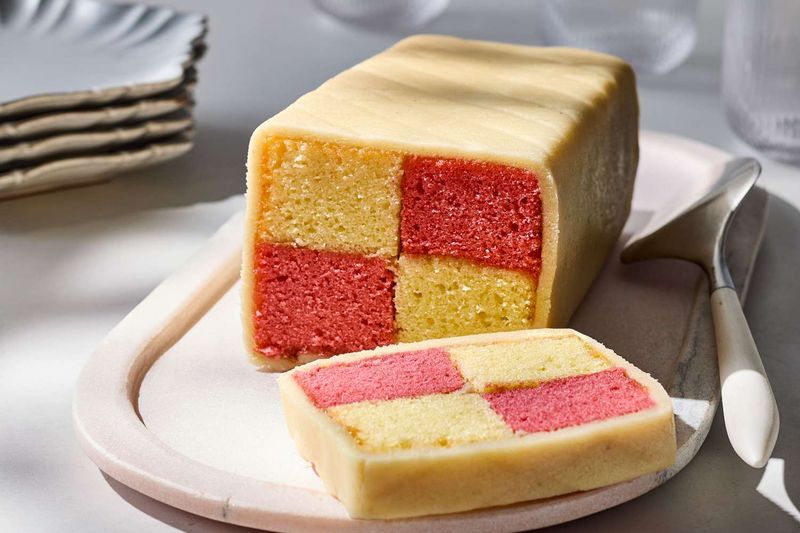
Pink and yellow squares hiding under a marzipan blanket make Battenberg look like a tiny checkerboard. Legend says it was made for a royal wedding in 1884.
Bakers stick the colored sponges together with apricot jam. Then the whole bar gets wrapped neatly in marzipan.
It takes patience, but cutting the first slice feels so rewarding. Use a ruler to trim your strips evenly for that sharp, tidy pattern.
10. Hummingbird Cake
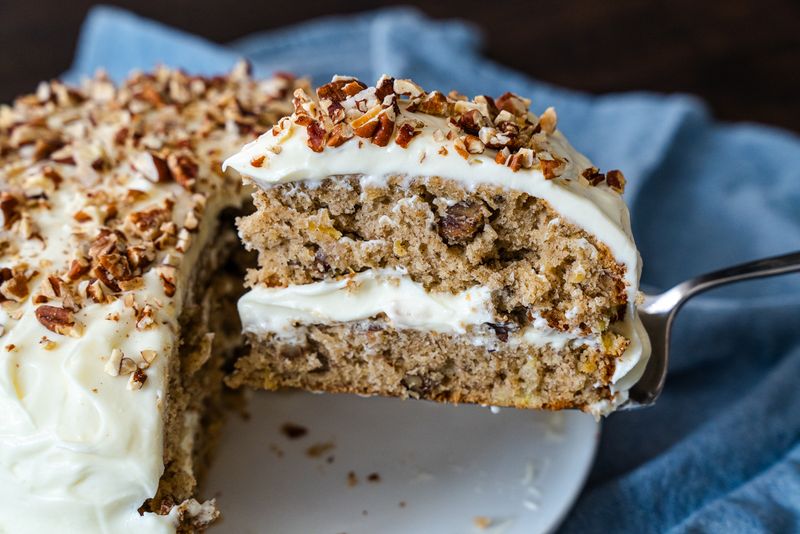
Bananas, pineapple, and pecans walk into a cake pan, and something delicious happens. Hummingbird cake became famous after a Southern Living magazine recipe in 1978.
Very ripe bananas with brown spots work best. They add natural sweetness and keep the layers moist.
Cream cheese frosting ties everything together nicely. Sprinkle chopped pecans on top, and you have a fruity showstopper perfect for birthdays or summer cookouts.
11. Classic Pound Cake
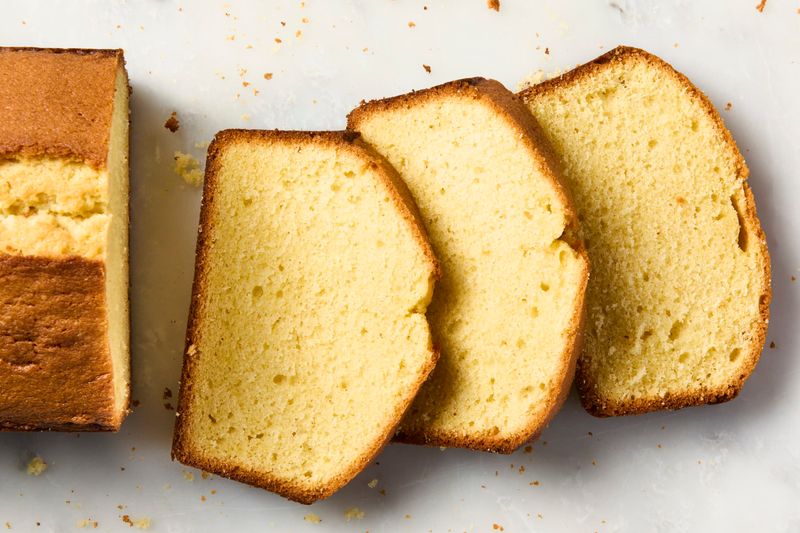
Original pound cake recipes were easy to remember: a pound each of butter, sugar, eggs, and flour. No measuring cups needed, just a kitchen scale.
Modern versions are smaller, but the rich, buttery taste stays the same. Beat the butter and sugar for several minutes until pale and fluffy.
That step adds air, so the cake rises without much baking powder. Toast a slice and add berries for a simple treat.
12. Black Forest Gateau
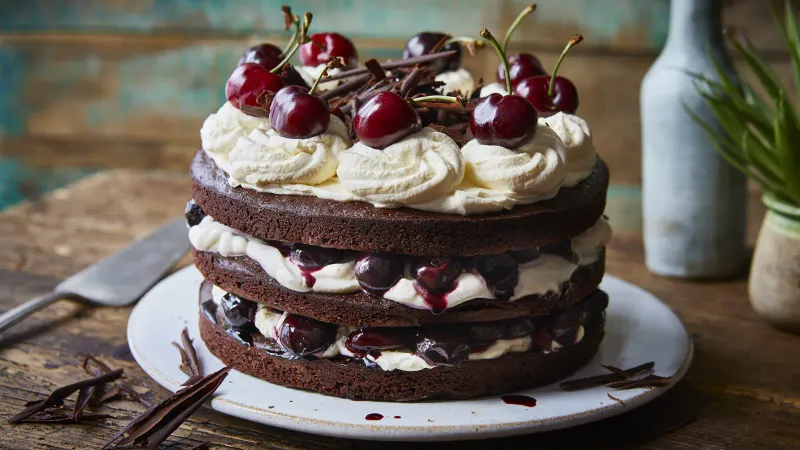
Nothing said fancy dinner party in the 1970s quite like a Black Forest gateau. Chocolate sponge, cherries, and clouds of cream made guests gasp.
It comes from Germany, where the cherries are often soaked in cherry juice or syrup. Kids can enjoy a version with simple cherry pie filling.
Finish with chocolate curls made by scraping a vegetable peeler along a bar. It looks impressive yet takes seconds.
13. Boston Cream Pie
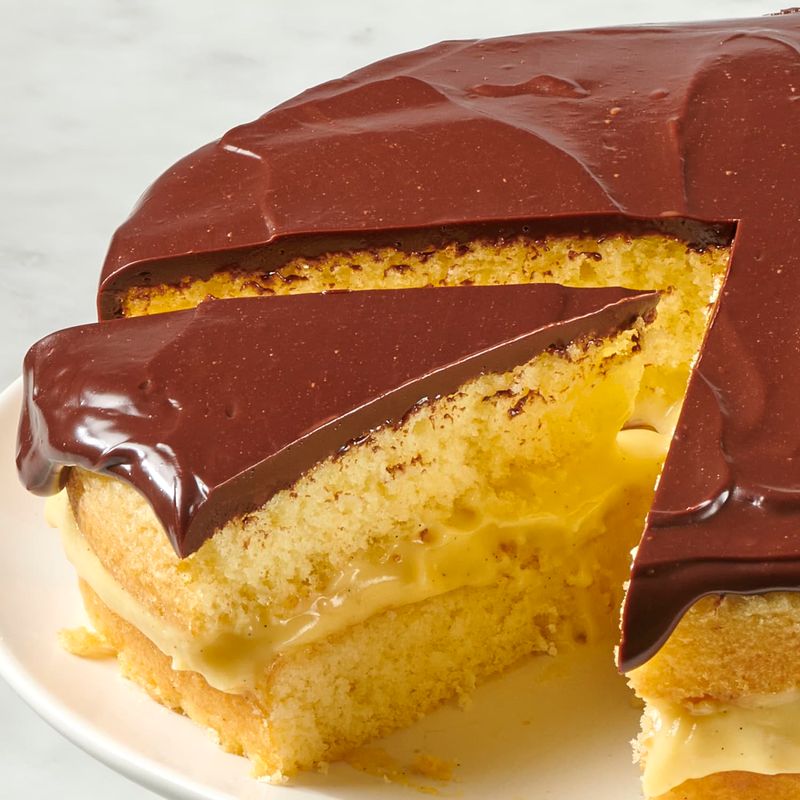
Funny thing, Boston cream pie is actually a cake! It was created at Boston’s Parker House Hotel back in the 1850s.
Soft sponge layers hug a thick vanilla custard. A glossy chocolate glaze drips over the top and down the edges.
Make the custard a day early so it sets firmly. Keep the finished cake in the fridge, and slice with a warm knife for clean pieces.
14. Marble Cake
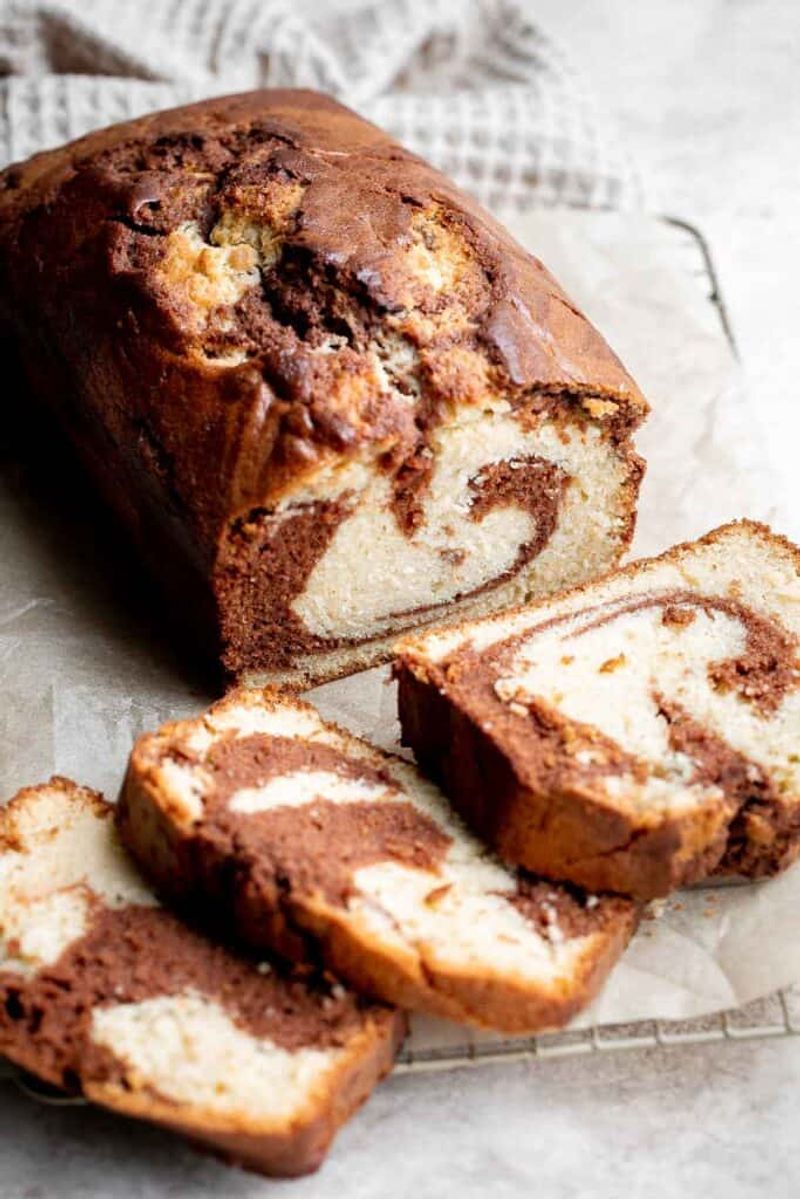
Can’t pick between vanilla and chocolate? Marble cake says you don’t have to.
Swirls of both batters twist together into a fun pattern in every slice.
Split your batter in two and stir cocoa into one half. Spoon them into the pan in alternating blobs.
Drag a knife through just a few times. Too much swirling turns it muddy brown.
Every slice reveals a surprise design, which kids think is pretty cool.
15. Jam Roly-Poly Sponge
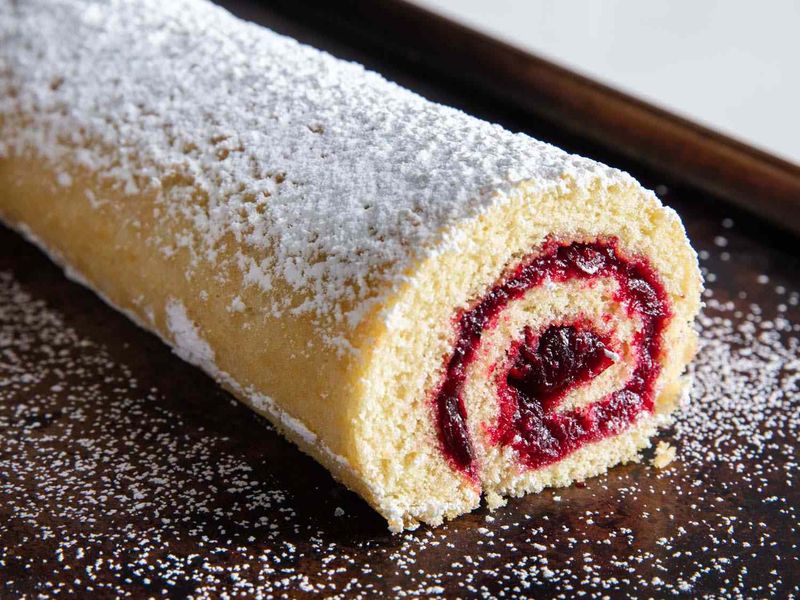
Rolling a warm sponge into a spiral sounds tricky, but Mum made it look easy. The secret was rolling it up in a sugared tea towel while still hot.
That training shape stops cracks later. Once cool, unroll it, spread jam, and roll again.
Each slice shows a pretty red swirl. School dinners in Britain often served it with warm custard, a memory many grown-ups still talk about fondly.
16. Banana Bread Cake
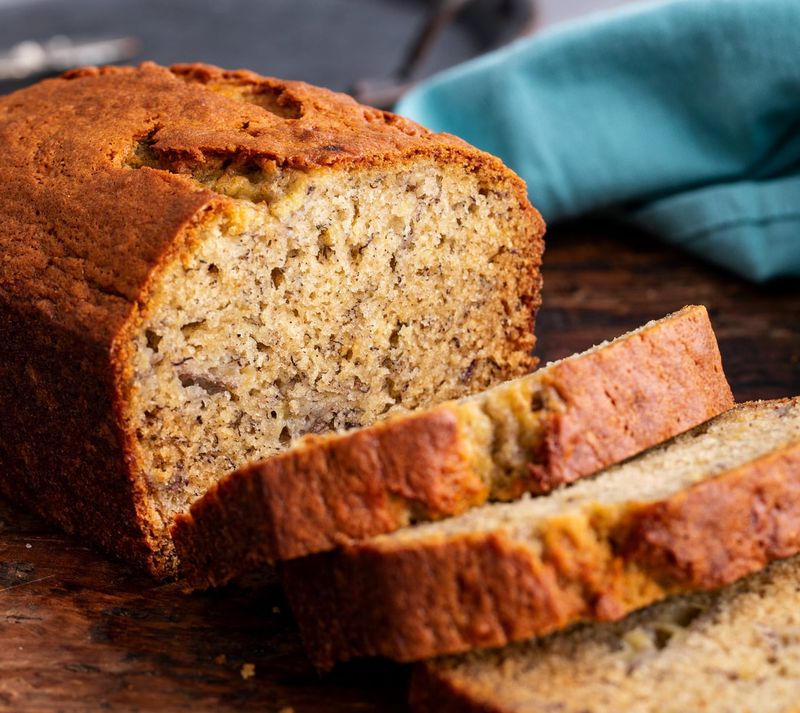
Spotty bananas on the counter were never wasted in Mum’s kitchen. They became a soft, sweet loaf that filled the house with a warm smell.
Banana bread grew popular in the 1930s when baking soda became common. Mash the bananas well for an even texture.
Add chocolate chips or walnuts if you like. Freeze ripe bananas whenever you have extras, so you are always ready to bake one.
17. German Chocolate Cake
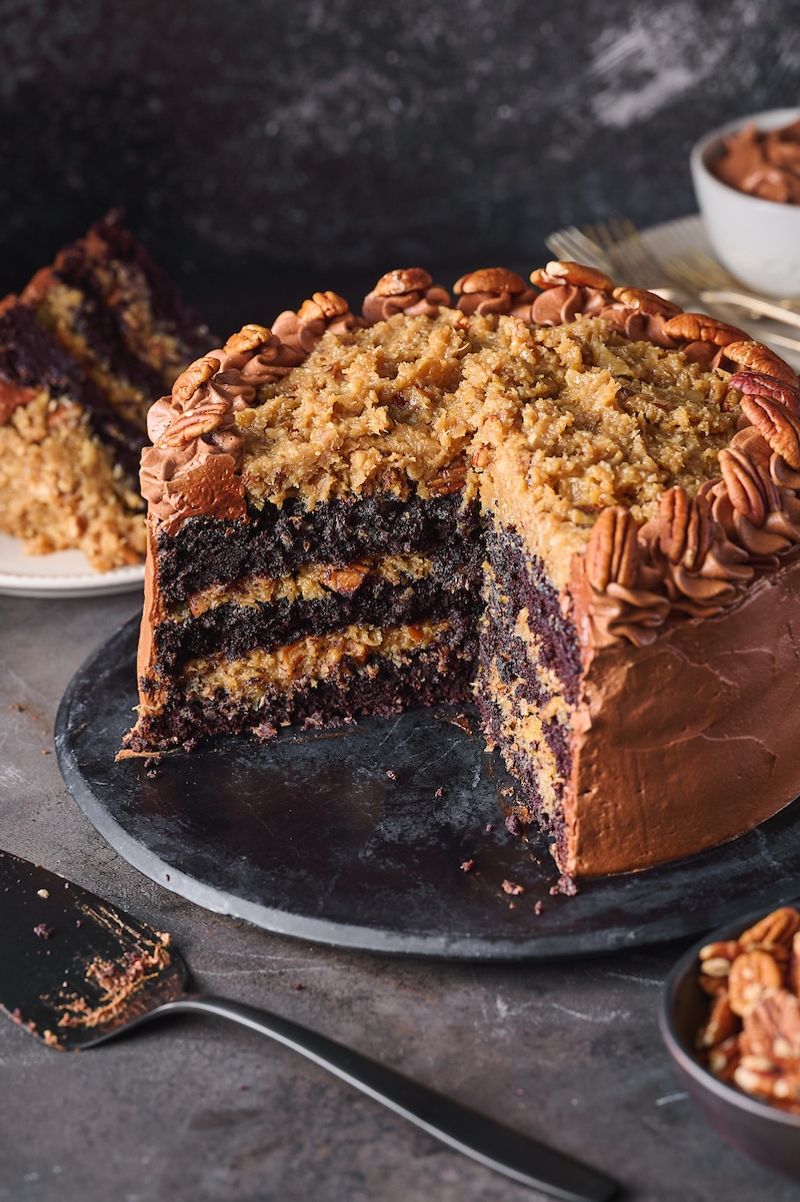
Surprise, German chocolate cake isn’t German at all. It’s named after Sam German, an American who created a sweet baking chocolate in 1852.
The real star is the gooey frosting made with coconut, pecans, and caramel-like custard. It goes between the layers and on top.
Stir the frosting constantly while it cooks so it won’t burn. Let it cool and thicken before spreading for neat, tasty layers.
18. Rich Fruit Cake
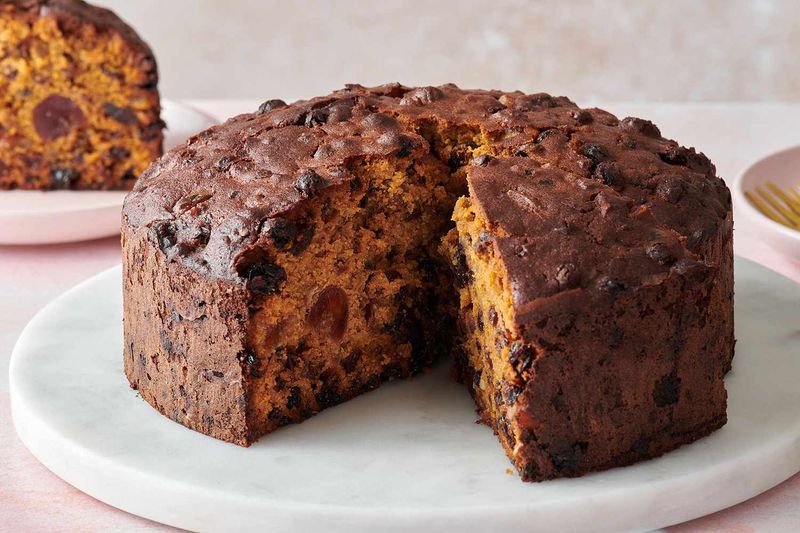
Fruit cake gets teased, but a good homemade one is a real treasure. Packed with raisins, cherries, and spices, it tastes like the holidays.
Many families baked theirs weeks before Christmas. They fed it orange juice or tea over time to keep it moist.
Soak the dried fruit overnight before baking for plumper bites. Wrapped well, this cake can last for months, which is why it was popular before fridges.
19. Tomato Soup Cake
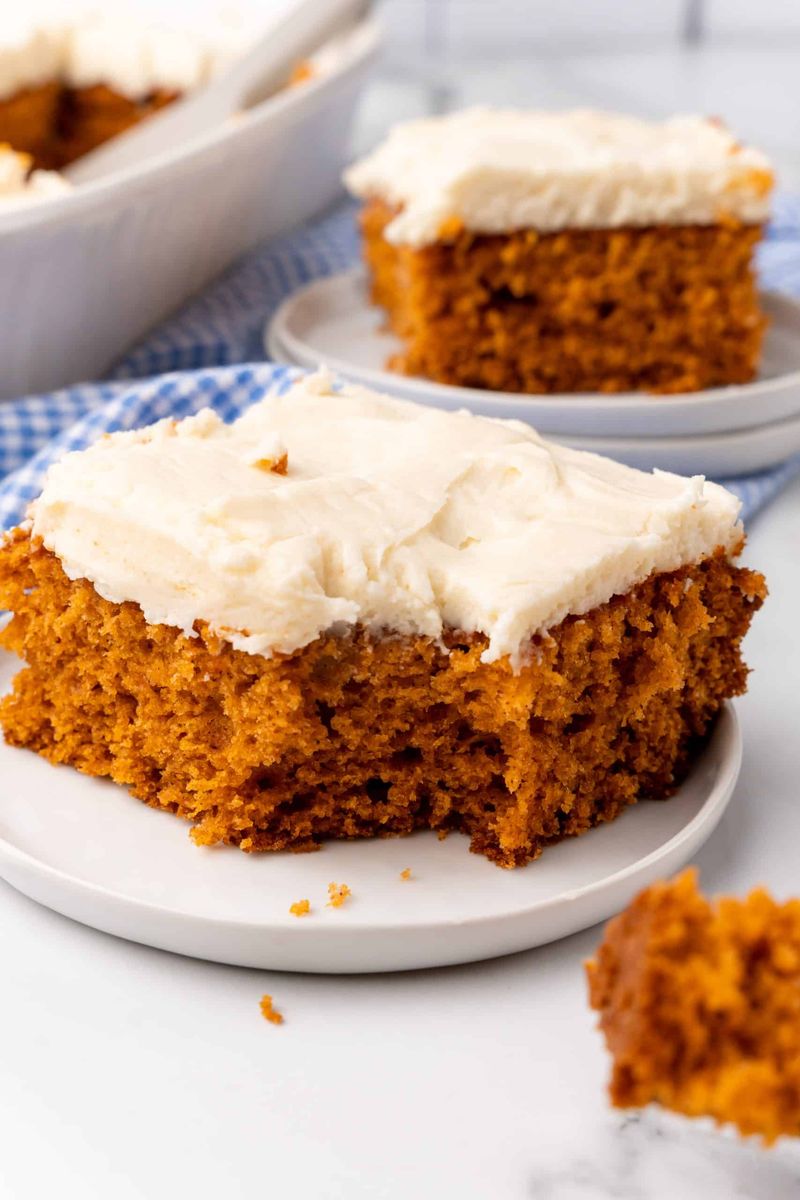
Yes, really, soup in a cake! Tomato soup cake was a clever hit in the 1920s and 1930s, when pantry items had to stretch far.
Don’t worry, it doesn’t taste like tomatoes. Cinnamon, cloves, and nutmeg take over, giving it a flavor close to spice cake.
The soup keeps it tender and adds a rosy color. Serve it to friends and make them guess the secret ingredient.
20. Lady Baltimore Cake
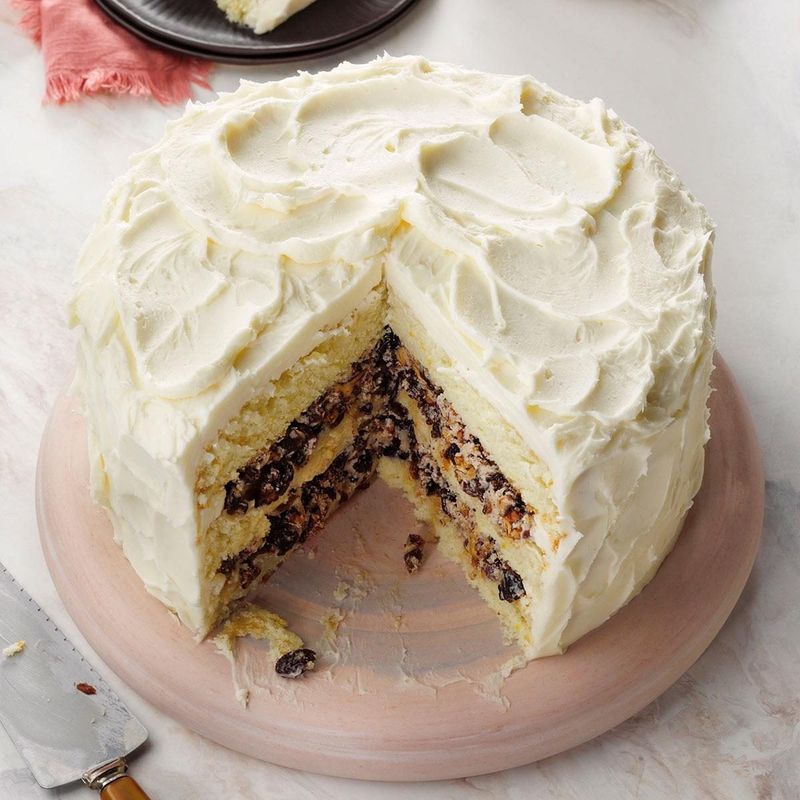
Back in 1906, a novel called Lady Baltimore made this elegant cake famous across America. Readers wanted to bake the treat from the story.
White cake layers are filled with chopped figs, raisins, and pecans. A fluffy, marshmallow-like frosting covers everything.
The boiled frosting needs a candy thermometer for best results. It’s a special-occasion bake, perfect for weddings, anniversaries, or showing off your growing kitchen skills.
21. Apple Cake
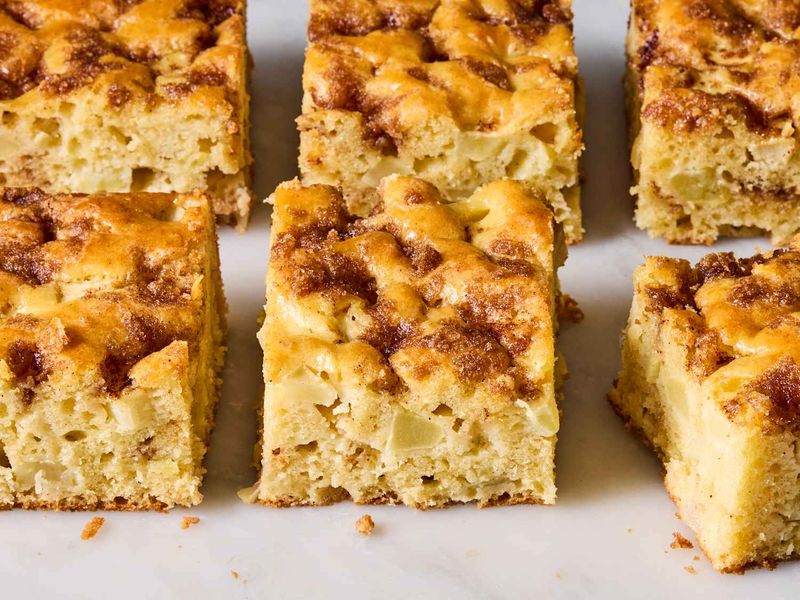
When autumn arrived, bags of apples meant one thing at home: apple cake. Chunks of fruit stay juicy inside a spiced, buttery batter.
Tart apples like Granny Smith hold their shape and balance the sweetness. Toss them in cinnamon sugar before folding them in.
Serve it warm with vanilla ice cream or a drizzle of cream. Leftovers make a cozy breakfast, and nobody will complain about it.
22. Chiffon Cake
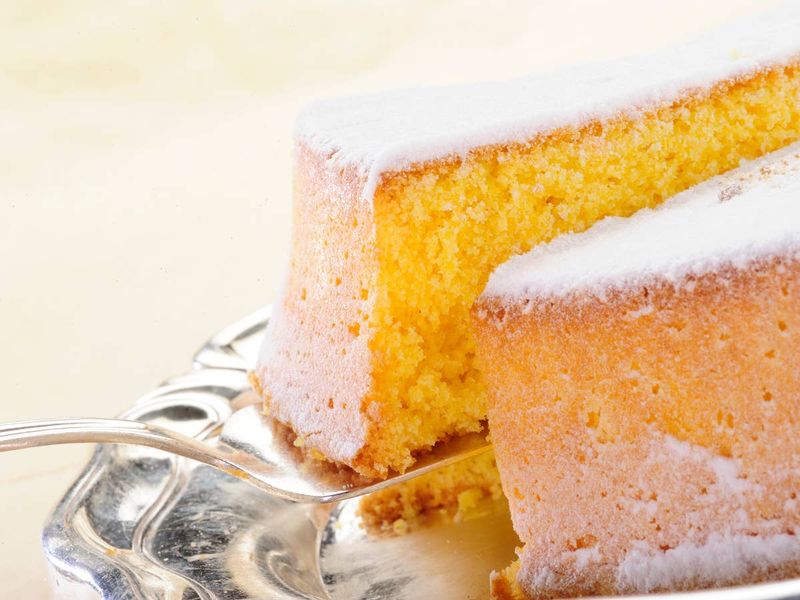
A California insurance salesman named Harry Baker invented chiffon cake in 1927 and kept the recipe secret for twenty years. Finally, he sold it to General Mills.
His big trick was using vegetable oil instead of butter. That makes the cake airy yet extra moist.
Orange zest gives a fresh, bright flavor. Like angel food cake, cool it upside down so the tall, springy texture holds up beautifully.
23. Sticky Gingerbread Cake
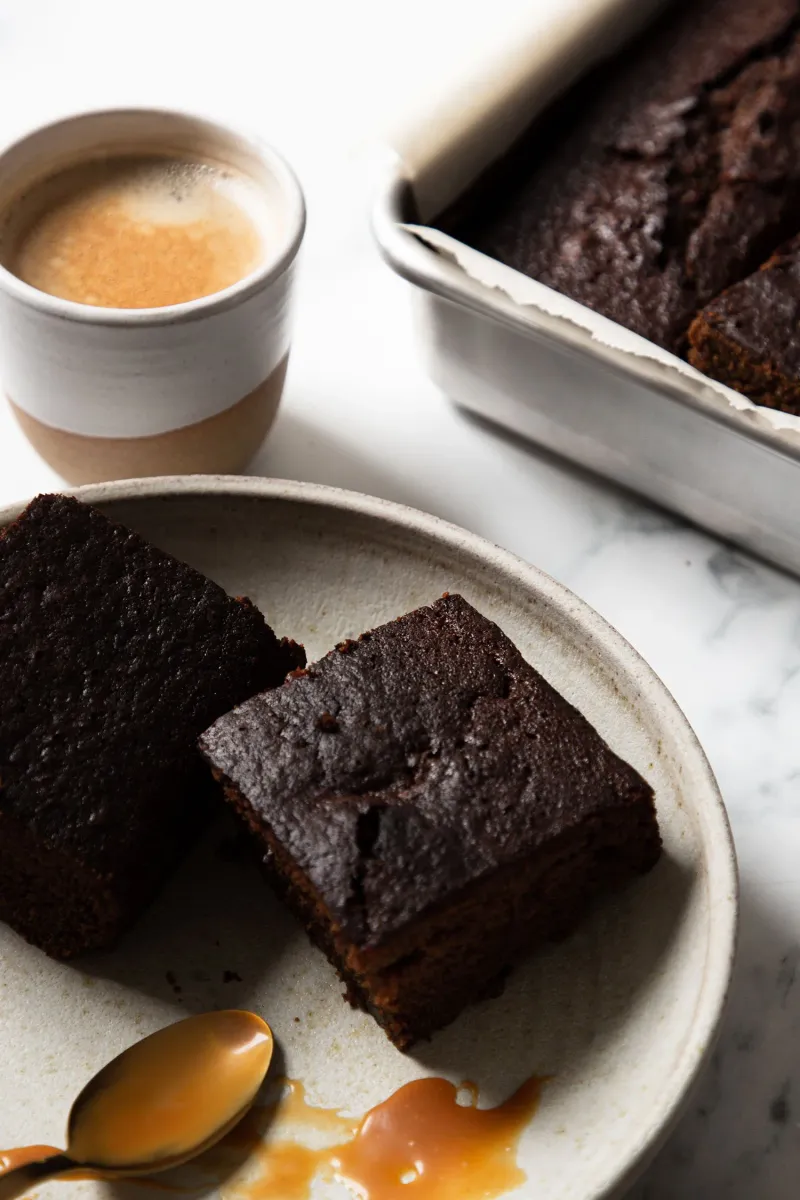
Warm, spicy, and wonderfully sticky, gingerbread cake smells like a winter hug. Old recipes used black treacle or molasses for its dark color and deep flavor.
Ground ginger, cinnamon, and a pinch of cloves give it a gentle kick. Bake it in a square pan and cut into chunky pieces.
Wrap it and wait a day before eating. The top turns tacky and the flavors get even better.