
Europe has plenty of places that deserve a spot on your travel list beyond its famous capitals. Smaller cities, mountain lakes, and quiet coastal corners can bring you closer to local life.
Some of these escapes are already popular with nearby travelers, but they still get missed on many European trips. Pack your curiosity and leave room for a few surprises.
1. Ghent, Belgium: Canal Views Without the Rush
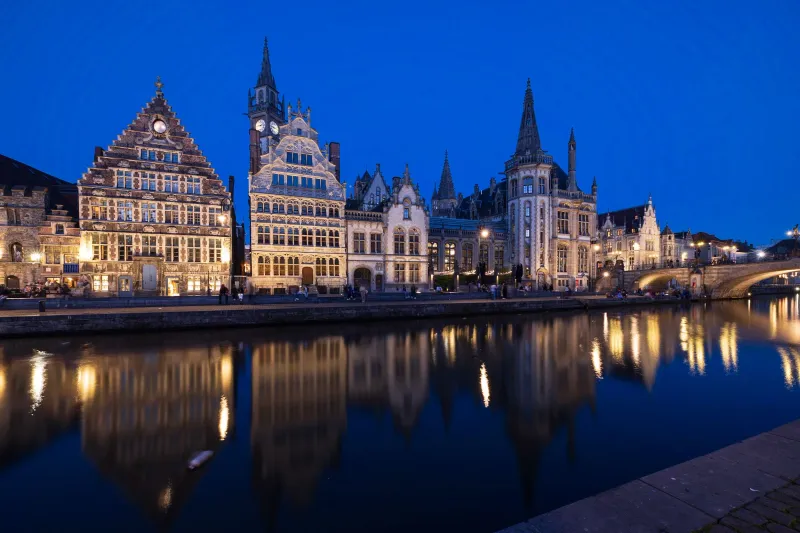
Castle towers and canal reflections give Belgium’s lively university city a storybook look without turning it into a museum. Walk along Graslei, then explore Gravensteen Castle for a closer look at its powerful past.
Stay overnight rather than squeezing everything into a day trip. After sunset, lit buildings make the waterfront especially lovely.
Comfortable shoes help on the cobbled streets, and local bakeries offer an easy breakfast before the busiest sightseeing hours begin the next morning.
2. Giethoorn, Netherlands: Follow the Waterways
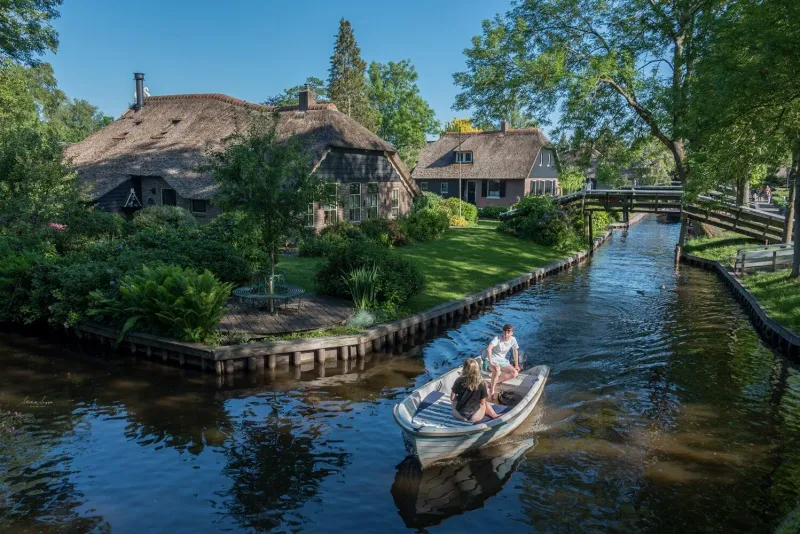
A boat can feel more useful than a car in this Dutch village of narrow canals and wooden bridges. Thatched houses sit beside gardens, making even a short walk feel wonderfully unhurried.
However, the central waterways attract plenty of visitors, especially in summer. Arrive early or stay nearby to enjoy quieter hours.
Rent an electric boat only after learning the rules, respect private gardens, and explore surrounding paths when the main canal gets too crowded.
3. Saxon Switzerland, Germany: Sandstone Adventures
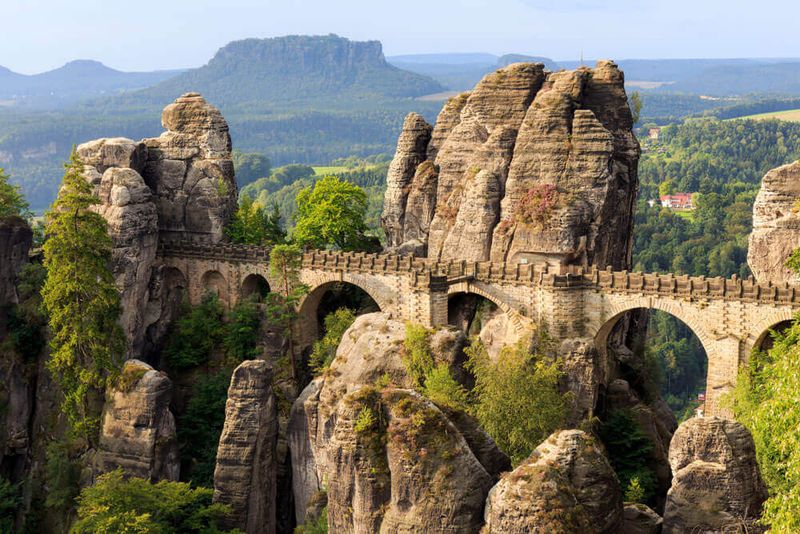
Huge sandstone towers rise above wooded valleys, creating scenery that looks almost too strange to be real. Near Dresden, this national park rewards walkers with dramatic views, including the famous Bastei Bridge.
Choose a marked route that matches your fitness, since some paths include steep steps or ladders. Bring water, sturdy shoes, and a weatherproof layer.
Check current trail closures before setting out, and use nearby trains or buses where practical to simplify your visit.
4. Albarracín, Spain: A Town Above the Rocks
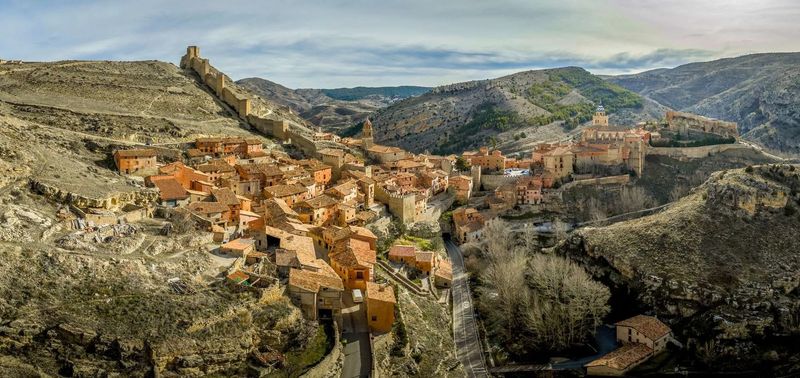
Pink walls, crooked lanes, and hillside defenses make this small Spanish town feel like a place from an old adventure tale. Its setting above the Guadalaviar River adds drama around nearly every corner.
Wear shoes with good grip because the streets climb sharply. Early morning brings softer light and cooler walking conditions, especially in summer.
Allow time for the town walls, but avoid exposed sections in bad weather. A night here lets the evening unfold.
5. Piran, Slovenia: A Small Seaside Stage
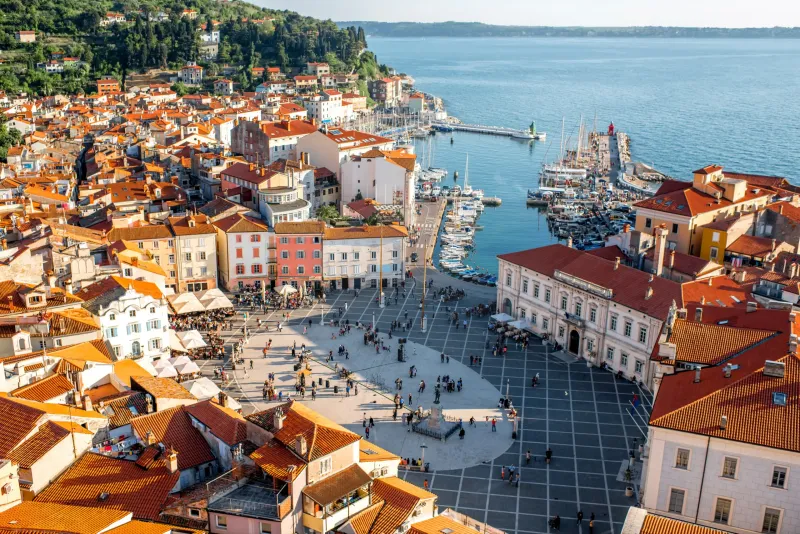
Sea breezes slip through narrow lanes before opening onto bright Tartini Square. Slovenia’s coastal town carries a strong Venetian influence, visible in its buildings and the bell tower above the rooftops.
Climb toward the church for wide views, then return to the waterfront for seafood. Parking in the old center is restricted, so check arrangements before arrival.
Spring and autumn often suit relaxed exploring, while summer brings swimmers, busy restaurants, and a much livelier atmosphere.
6. Český Krumlov, Czech Republic: Stay for the Evening
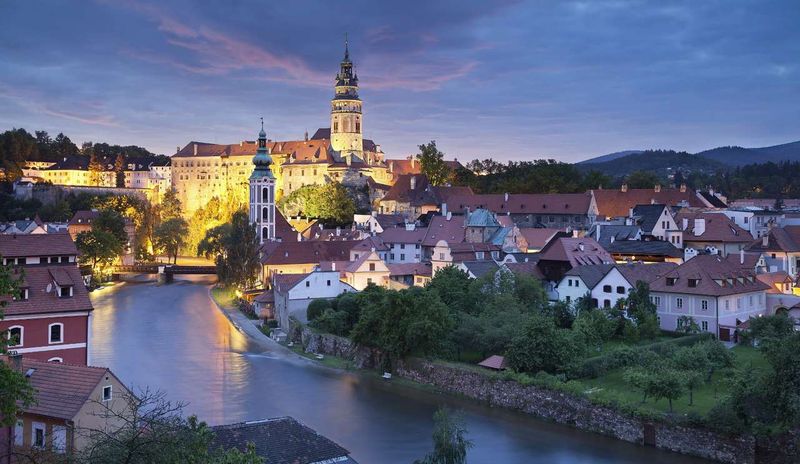
A looping river wraps around red rooftops beneath an enormous castle complex. The scene explains why this Czech town draws visitors, even if it gets less attention than Prague on longer travel plans.
Day trips can make central streets crowded, so an overnight stay changes the experience. Explore early, check castle opening times, and save an evening for wandering beside the Vltava.
For river activities, use a reputable operator and ask about water conditions before booking.
7. Gjirokastër, Albania: Stories Written in Stone
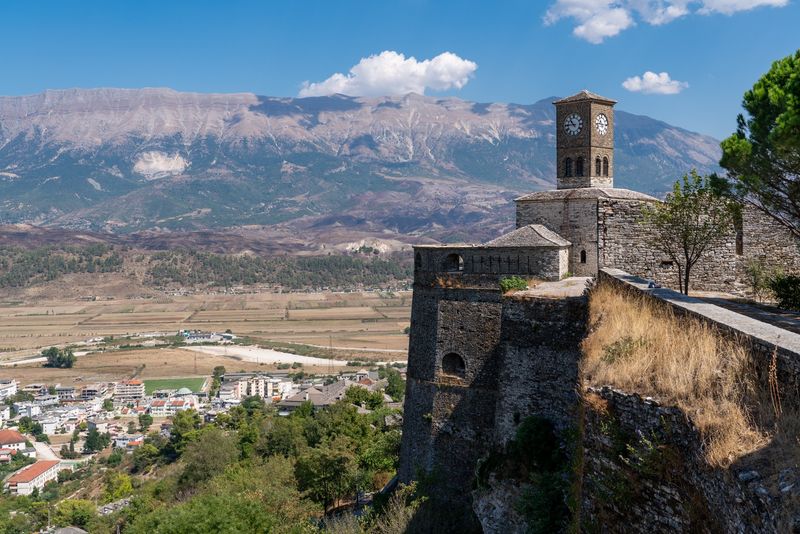
Stone roofs stack across a steep hillside beneath a castle that dominates the valley. Albania’s historic city is known for its distinctive houses, many shaped by life during the Ottoman period.
Visit a traditional house museum to understand what lies behind those sturdy walls. The bazaar offers crafts and places to pause over coffee.
Cobblestones become slippery when wet, so sensible footwear matters. Start uphill walks before midday during summer, and carry drinking water with you.
8. Rovinj, Croatia: Rooftops Beside the Adriatic
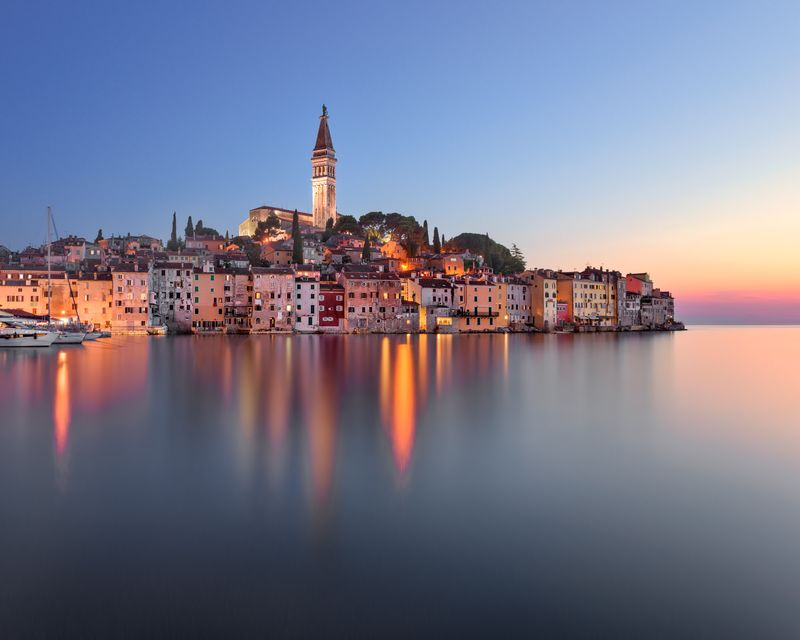
Fishing boats bob below colorful houses while narrow streets lead toward a church above the sea. On Croatia’s Istrian coast, this town mixes working harbor life with a polished holiday mood.
Visit outside peak summer if quiet wandering is your goal. Rocky swimming spots mean water shoes can be useful, and sunset draws people to the waterfront.
Leave time for nearby forest paths or a cycling outing, rather than spending your whole stay among souvenir shops.
9. Lake Bohinj, Slovenia: Mountains at Water Level
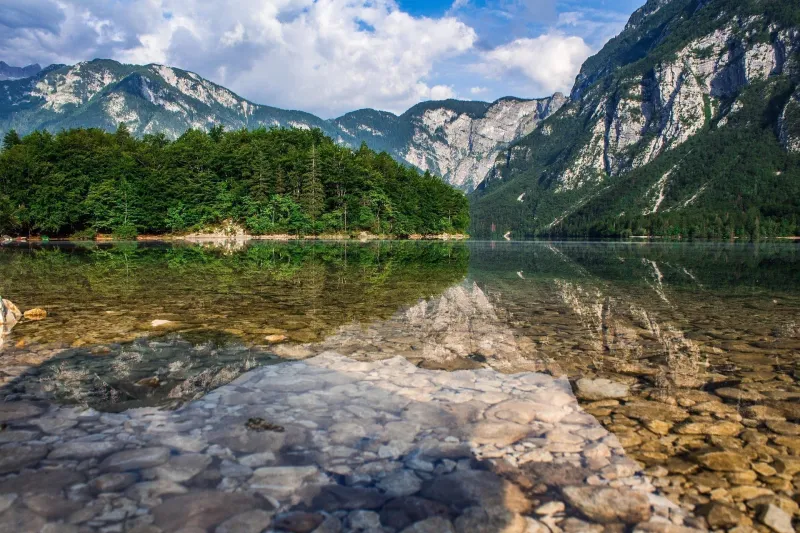
Mountain reflections stretch across clear water, inviting you to slow down before choosing your next adventure. Set within Triglav National Park, this Slovenian lake offers walking, paddling, and striking views of the Julian Alps.
Rent a kayak or paddleboard from an established provider and check weather conditions first. Electric passenger boats also operate, so expect company on the water.
Use marked swimming areas, respect protected shores, and consider local buses when summer parking becomes a challenge.
10. Graz, Austria: Come Hungry, Walk Slowly
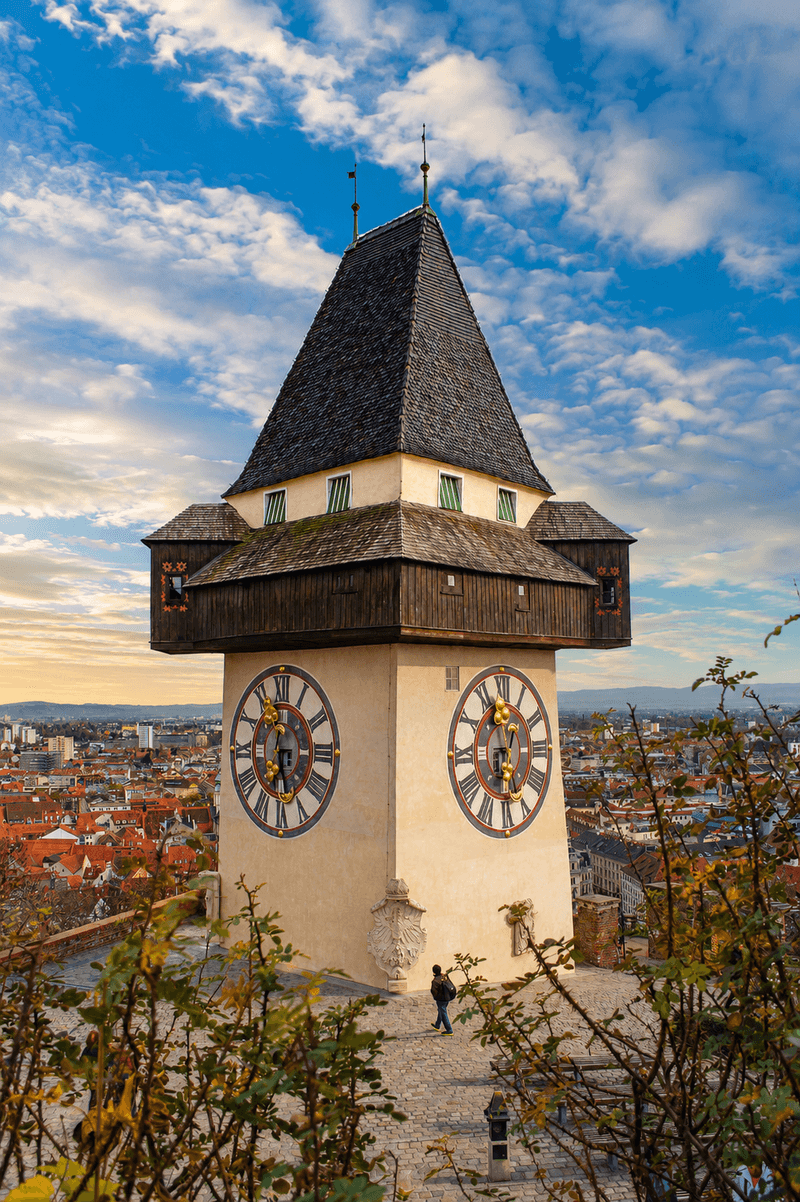
Your lunch plans might become the highlight in Austria’s food loving city. Farmers’ markets, regional produce, and welcoming restaurants give visitors plenty to enjoy between walks through the historic center.
Head up Schlossberg for the clock tower and rooftop views, using the lift or funicular if the climb feels demanding. Balance old streets with modern sights such as the Kunsthaus.
Market schedules vary, so check ahead and leave space in your day for an unplanned snack.
11. Aeolian Islands, Italy: Choose Your Island Rhythm
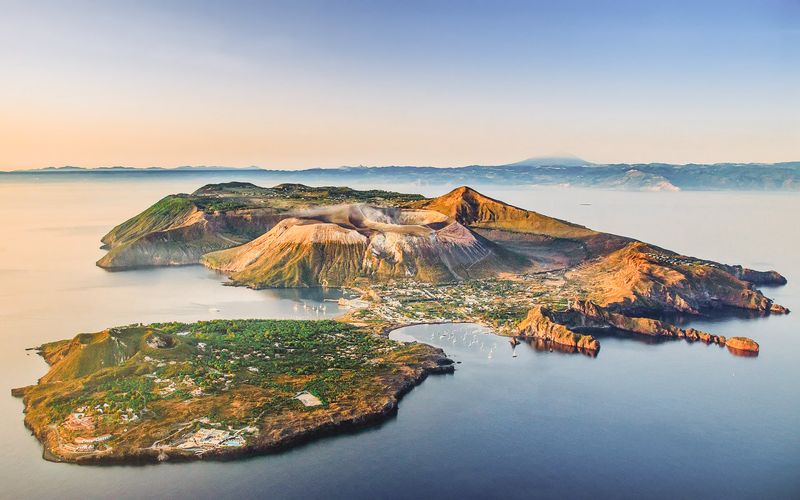
Black volcanic shores and bright blue water make this island group north of Sicily feel wonderfully different. Lipari offers a useful base, while other islands suit beach days, village walks, or volcanic scenery.
Ferry schedules depend on season and weather, so avoid tight connections. On Stromboli, hiking access changes with volcanic activity and local rules.
Check official guidance and book a licensed guide where required. Never assume that a route described online remains open or safe.
12. Vietri sul Mare, Italy: Color Around Every Corner
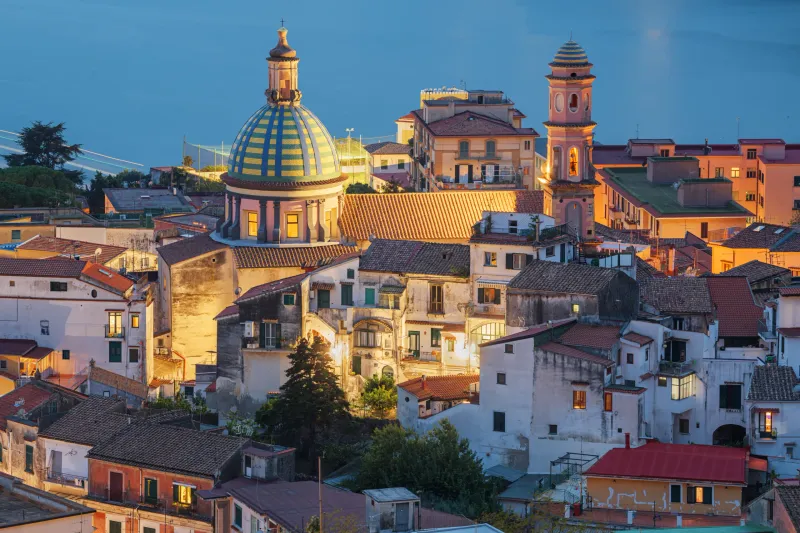
Ceramic tiles turn everyday walls into cheerful displays in this town at the eastern end of the Amalfi Coast. Shops sell painted bowls and plates, while the church dome adds another splash of color.
Browse carefully and ask how fragile purchases can be packed for travel. Salerno makes a practical nearby transport hub, but confirm local connections before planning outings.
The beach area sits below the town, so expect slopes and allow extra time between stops.
13. Tallinn, Estonia: Medieval Streets, Modern Energy
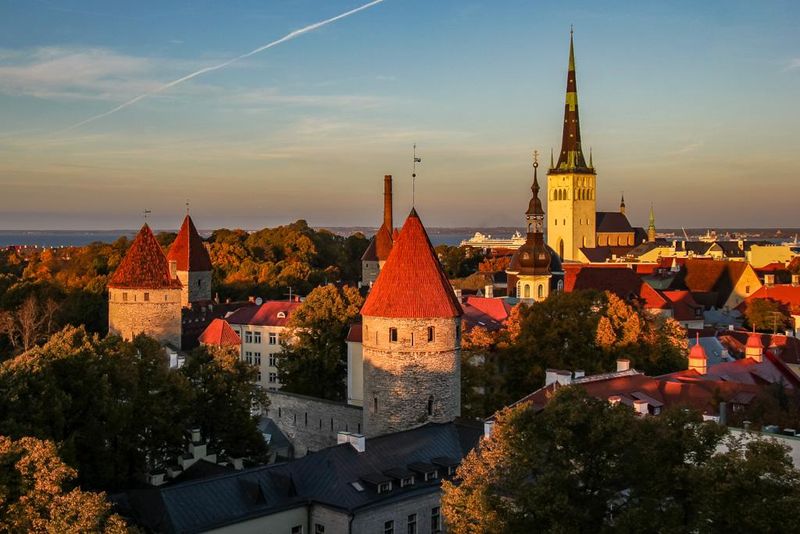
Behind sturdy city walls, Estonia’s capital pairs medieval towers with a creative modern side. The old town rewards wandering, but neighborhoods beyond it reveal cafes, design shops, and reused industrial buildings.
Walk up Toompea for views, then explore Telliskivi for a different mood. Cruise arrivals can make central lanes busy, so start sightseeing early.
Winter brings short days and possible ice; summer offers long evenings. Choose footwear and daily plans that match the season you visit.
14. Kosovo: Cafes, Bridges, and Canyon Trails
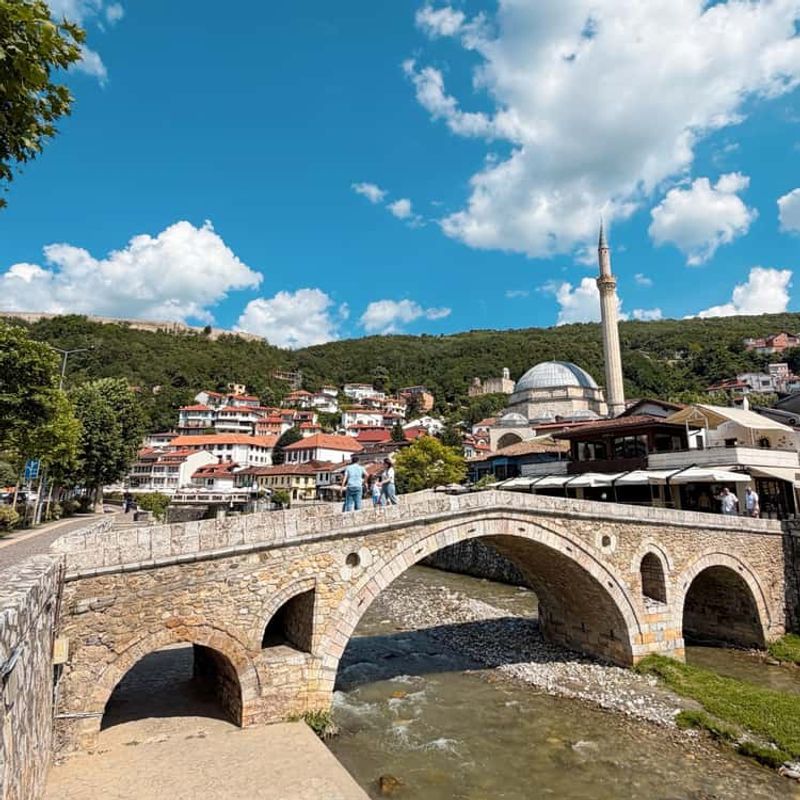
Coffee breaks become part of the journey in Pristina, where lively cafes invite long conversations. Pair the capital with Prizren, known for its riverside setting, historic stone bridge, and Ottoman heritage.
For mountain scenery, plan a separate outing toward Rugova Canyon near Peja. Transport between these places takes time, so avoid packing everything into one day.
Check current travel advice, insurance coverage, and border entry rules before arranging a route that crosses into neighboring countries nearby.
15. Aarhus, Denmark: Big Culture on a Smaller Scale
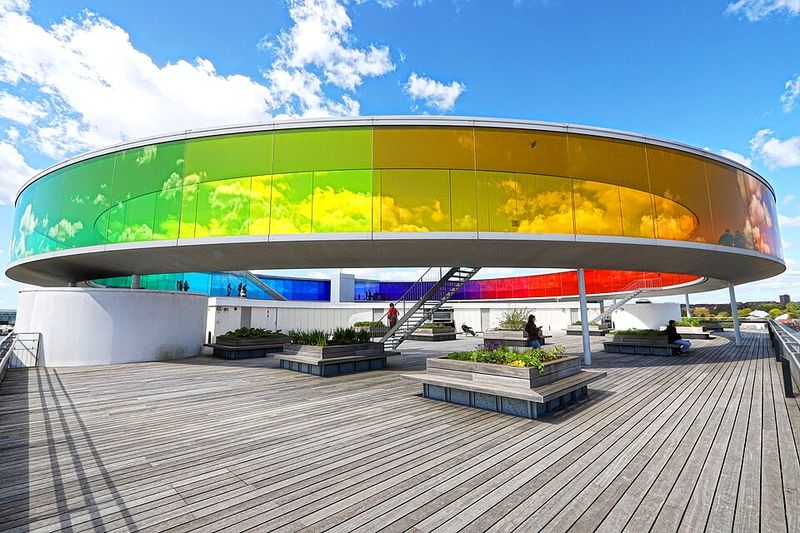
A rainbow walkway above an art museum gives Denmark’s second city a playful calling card. ARoS is only part of the appeal, with waterfront architecture and inviting neighborhoods adding variety.
Set aside time for Den Gamle By, where historic buildings help tell the story of Danish daily life. Walking and cycling work well for many outings, though coastal weather can change quickly.
Pack a light rain layer and compare attraction prices before choosing your museum days.
16. Moldova: Wine Cellars and Quiet Valleys
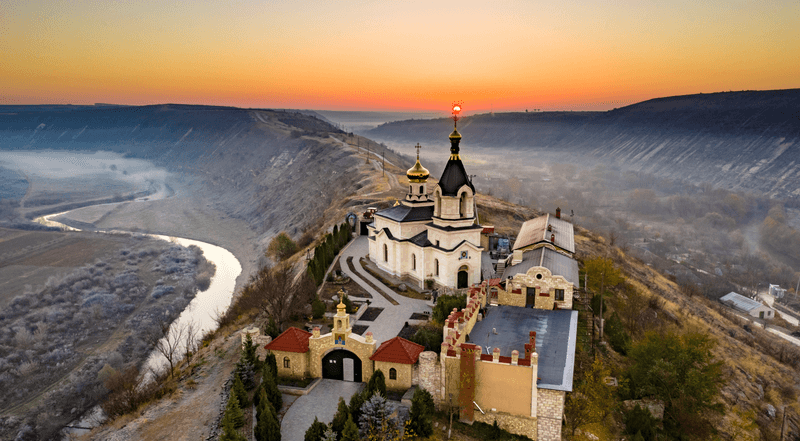
Underground wine cellars offer one memorable introduction to a country many European itineraries skip. Start in Chișinău, then explore Moldova’s rural scenery and the archaeological landscape around Orheiul Vechi.
Book cellar tours ahead, especially if you need an English speaking guide. Rural transport can require planning, making a reputable local tour useful.
Check current official travel advice before booking, particularly regarding Transnistria. At monasteries, dress respectfully and ask before photographing worshippers or entering spaces during services.
17. Varna, Bulgaria: Beach Days With a History Lesson
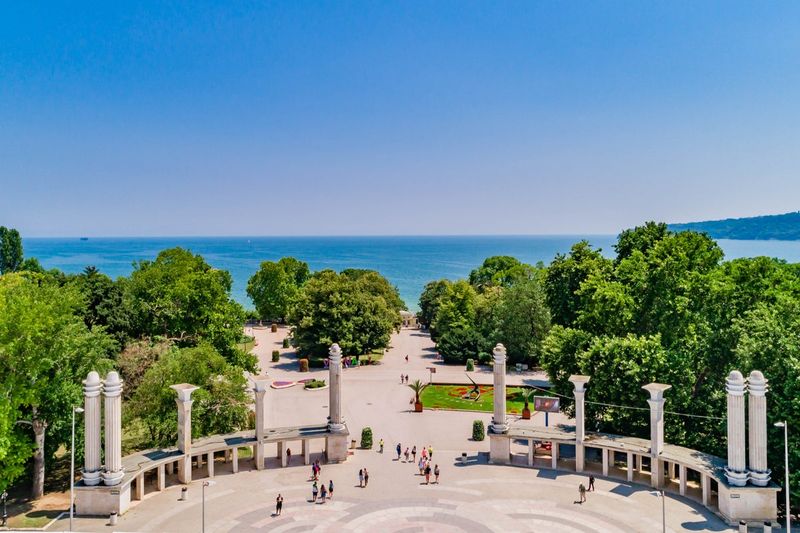
Sand between your toes need not replace a little sightseeing on Bulgaria’s Black Sea coast. Ancient Roman baths and the Archaeological Museum give this seaside city depth beyond its beaches.
Walk through the Sea Garden when you want shade, then consider an outing to nearby Aladzha Monastery, carved into rock. Summer brings the busiest beach scene, while cooler months suit museums and walks.
Check swimming flags, and confirm transport before visiting attractions outside the city center.
18. Puglia, Italy: Follow the Food South
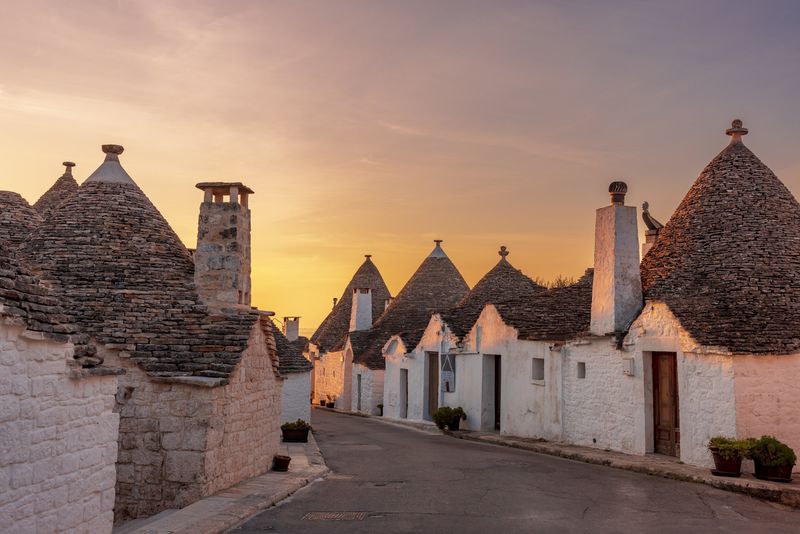
Fresh pasta, olive groves, and whitewashed towns make Italy’s heel an easy place to linger. Explore Lecce for ornate stone buildings, Alberobello for its distinctive trulli houses, and coastal towns for sea views.
Distances are larger than they look on a map, so choose a base around your priorities. Trains connect some towns, while rural stops may need a car.
July and August can be crowded and hot; spring or autumn often brings easier sightseeing conditions.
19. Asturias, Spain: Green Hills Meet Wild Shores
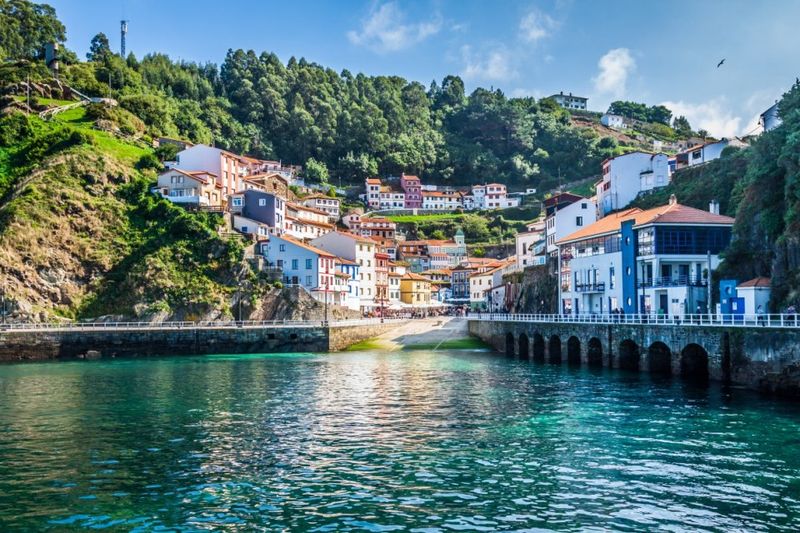
Forget the idea that every Spanish holiday means dry hills and blazing sunshine. Along the northern coast, green landscapes, fishing towns, and the nearby Picos de Europa create a different kind of escape.
Mix coastal walks with mountain outings, but let the weather guide your plans. Carry waterproof clothing and choose hiking routes carefully.
Seafood and local cider add flavor to evenings. A car helps reach smaller villages, though city stays can work well without one.
20. Sighișoara, Romania: Life Inside the Citadel
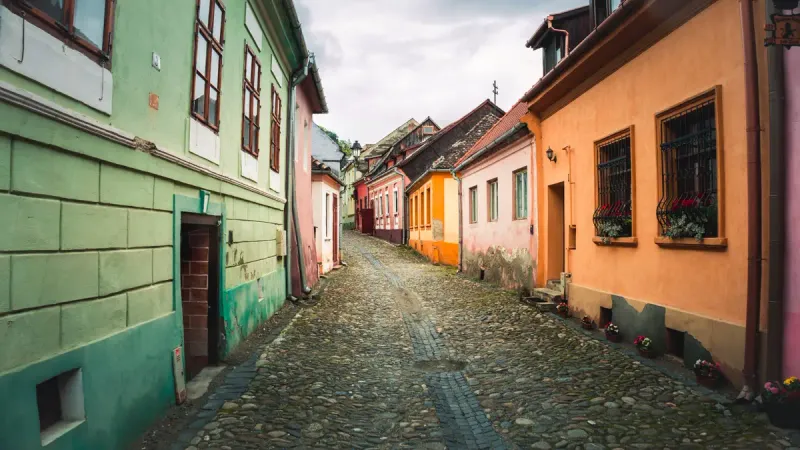
People still live among the towers and colorful houses of this medieval citadel. That everyday presence makes Romania’s historic town feel more personal than a collection of monuments behind ticket gates.
Explore the Clock Tower area, then climb the covered staircase toward the church on the hill. Cobblestones and slopes reward sturdy shoes.
Stay overnight to enjoy calmer streets after tour groups leave, and remember that attractive doorways may belong to residents rather than public attractions.