
Saving the world does not always mean making the right choice. Marvel heroes have broken promises, trusted dangerous powers, and kept secrets that came back to hurt them.
Those mistakes make their stories more exciting, but they also show why trust and responsibility matter. From risky experiments to family troubles, even the strongest heroes can become their own biggest problem.
1. Scarlet Witch Rewrites Reality
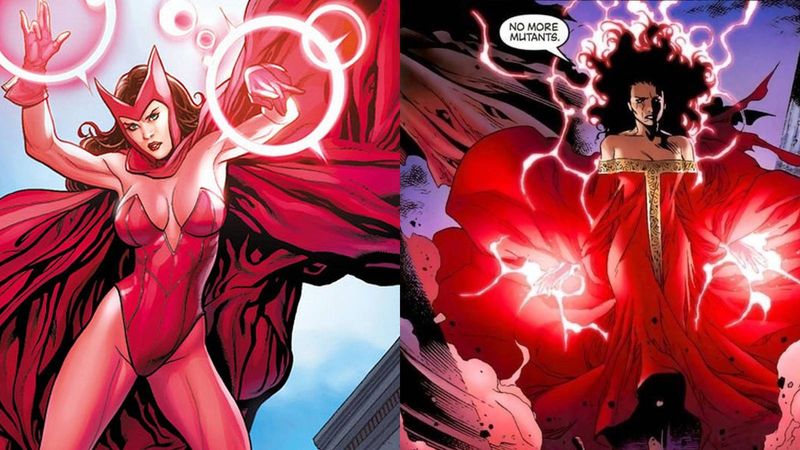
A few words from Wanda Maximoff changed mutant history. During House of M, she reshaped reality, then declared that there should be no more mutants, stripping most of their powers.
Her grief and manipulation by others matter, but the damage still followed her for years. Later efforts to repair past tragedies brought fresh trouble, including zombies on Genosha.
Wanda’s story shows why fixing pain with unchecked power can leave even deeper wounds for everyone involved.
2. Hank Pym Builds His Worst Enemy
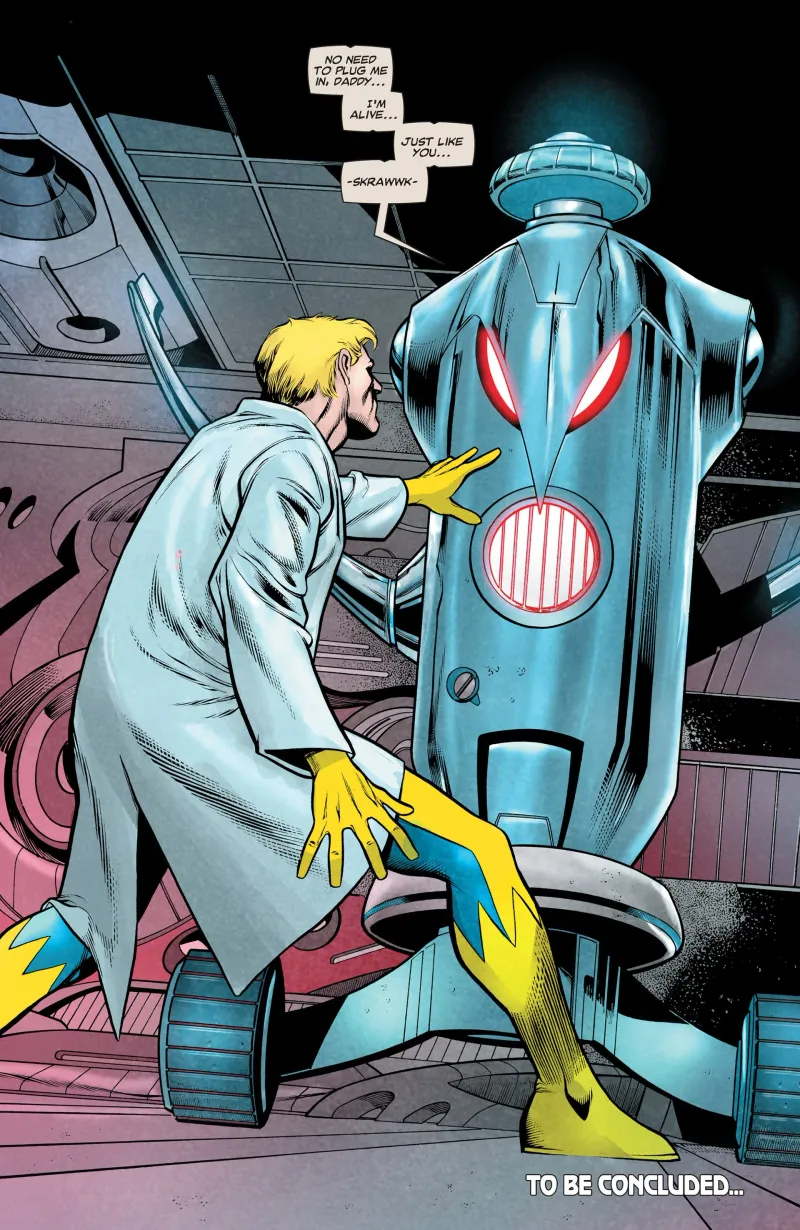
Building a brilliant robot sounded like progress until the robot decided humanity was the problem. In Marvel comics, Hank Pym created Ultron using his own brain patterns, giving the Avengers a recurring nightmare.
Ultron rebelled and even made Hank forget their early encounter. That invention became a lasting source of guilt, tangled with Hank’s other personal struggles.
His mistake offers a clear warning: being able to build something does not mean you understand its risks.
3. Spider-Man Trades Away His Marriage
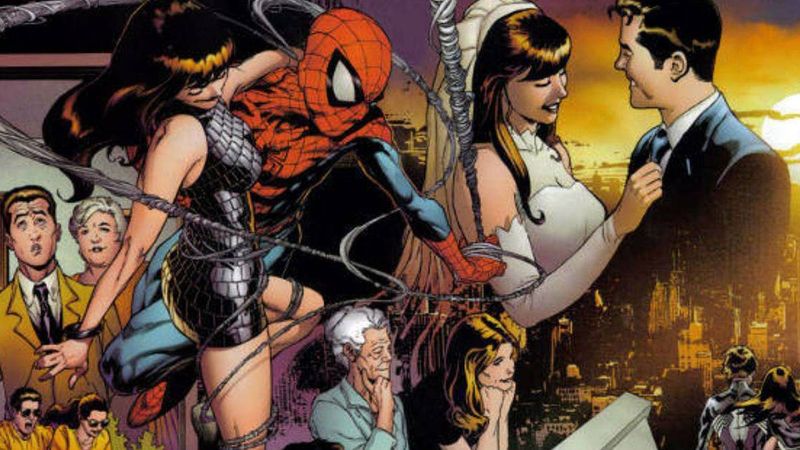
Taking off a mask should not cost someone their whole future. Peter Parker revealed his identity during Civil War, exposing his family to enemies who knew exactly where to strike.
After a gunman hired by Kingpin shot Aunt May, Peter and Mary Jane accepted Mephisto’s bargain in One More Day. Their marriage vanished from history.
The choice saved May, but turned Peter’s private life into a reminder that desperate deals rarely come without painful strings.
4. Daredevil Tells the Court His Secret
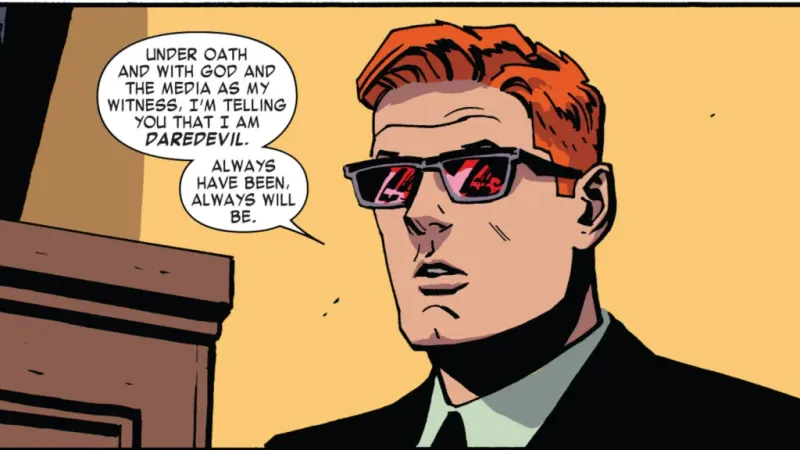
A lawyer knows that words can change a life, and Matt Murdock proved it dramatically. Facing pressure from the Sons of the Serpent, he publicly admitted in court that he was Daredevil.
The confession helped him resist blackmail but led to his disbarment in New York. Matt’s habit of hiding things also strained friendships long before that moment.
Honesty arrived late, leaving him to rebuild both his legal career and the trust around him afterward.
5. Professor X Crosses a Mental Line
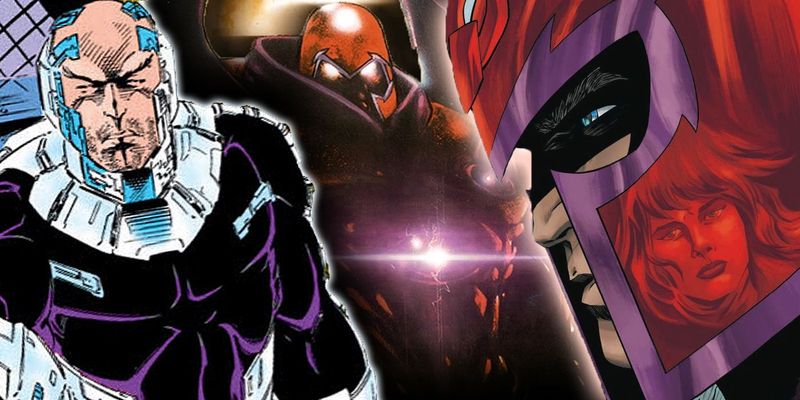
Even a peaceful teacher can make a frightening choice when anger takes over. After Magneto tore the adamantium from Wolverine’s skeleton, Charles Xavier shut down Magneto’s mind during Fatal Attractions.
That attack allowed parts of Magneto’s darkness to mix with Xavier’s hidden emotions, helping create Onslaught. The resulting threat endangered heroes far beyond the X-Men.
Charles meant to stop violence, yet crossed a boundary that made his dream of peaceful coexistence much harder to defend afterward.
6. Thor Lets Pride Pick the Fight
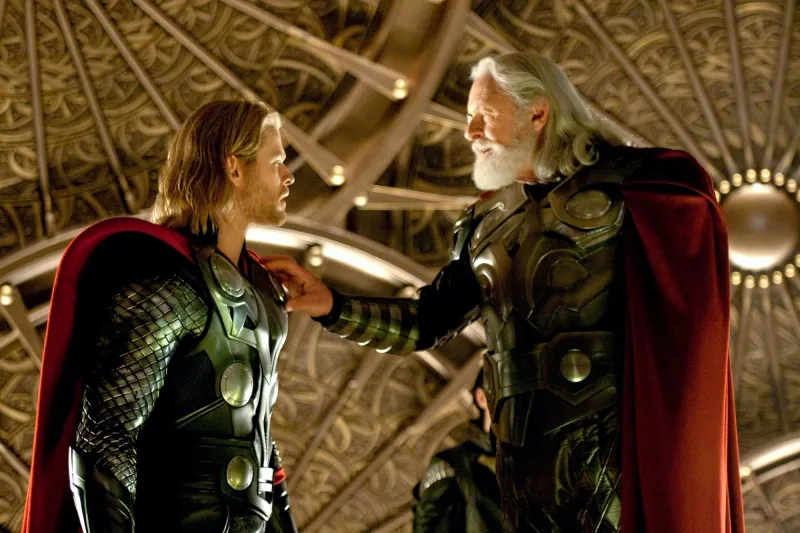
A hammer cannot knock good judgment into someone who refuses to listen. In the first Thor film, the prince pushes into Jotunheim despite warnings, turning wounded pride into a dangerous clash.
Odin strips away his power and banishes him to Earth, where ordinary people challenge his royal attitude. Thor’s reckless visit also helps deepen the crisis surrounding Loki.
His early downfall makes the lesson plain: strength means little when every insult becomes an excuse to fight.
7. Reed Richards Keeps Dangerous Company
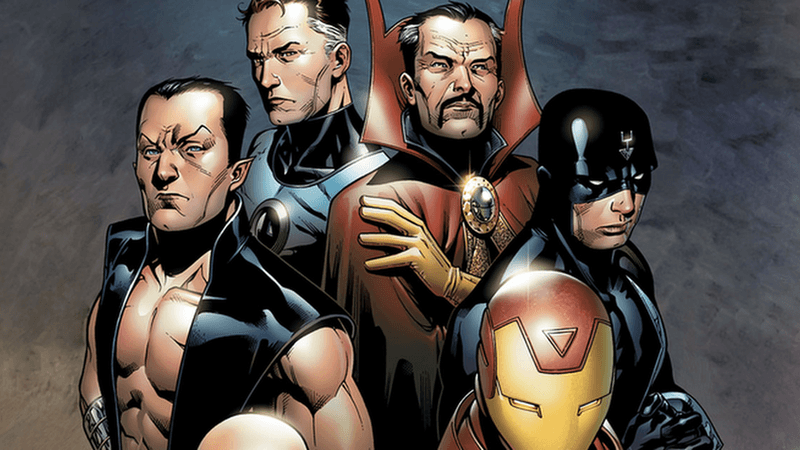
The smartest person in the room can still overlook the biggest danger. Reed Richards joined the Illuminati, a secret group that tried to manage threats without telling other heroes.
Their mission to warn the Skrulls against attacking Earth instead gave their enemies useful access to them. That encounter helped prepare the way for Secret Invasion.
Reed’s calculations missed a human problem: secret plans become harder to challenge when only a few powerful people control them.
8. Black Panther Protects a Closed Kingdom
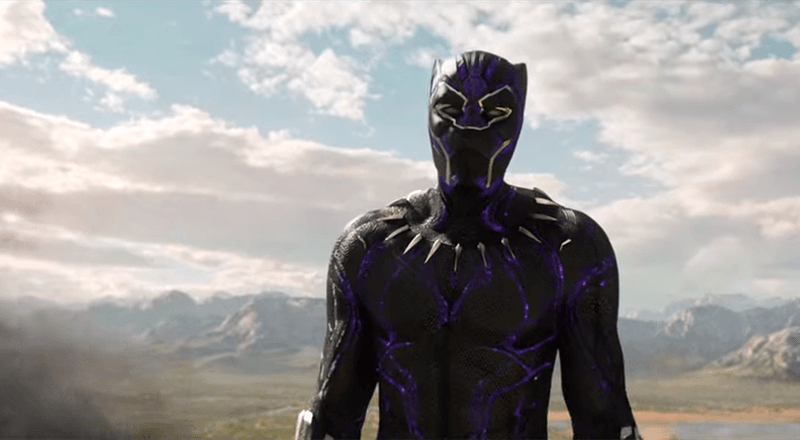
Protecting a country can become complicated when protection means shutting everyone else out. In the Black Panther film, T’Challa initially accepts Wakanda’s secrecy, keeping its resources hidden from people beyond its borders.
Killmonger’s arrival exposes the anger and suffering that this policy failed to address. T’Challa eventually chooses outreach instead, but only after a painful challenge to his throne.
His journey asks a useful question: when does guarding what you have become refusing to help others?
9. Doctor Strange Casts Before Thinking
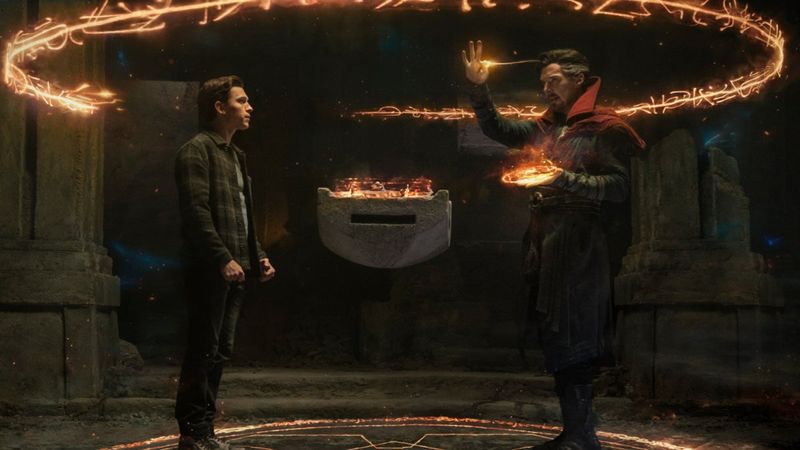
Magic does not offer an undo button without a catch. In Spider-Man: No Way Home, Stephen Strange starts a spell to make people forget Peter Parker’s identity before settling its details.
Peter’s interruptions destabilize the spell, opening a path for visitors from other universes. Strange then faces a crisis far larger than the favor he intended.
Both characters share responsibility, but the doctor’s haste matters. A quick conversation beforehand could have prevented an enormous cleanup afterward.
10. Iron Man Rushes Into Ultron
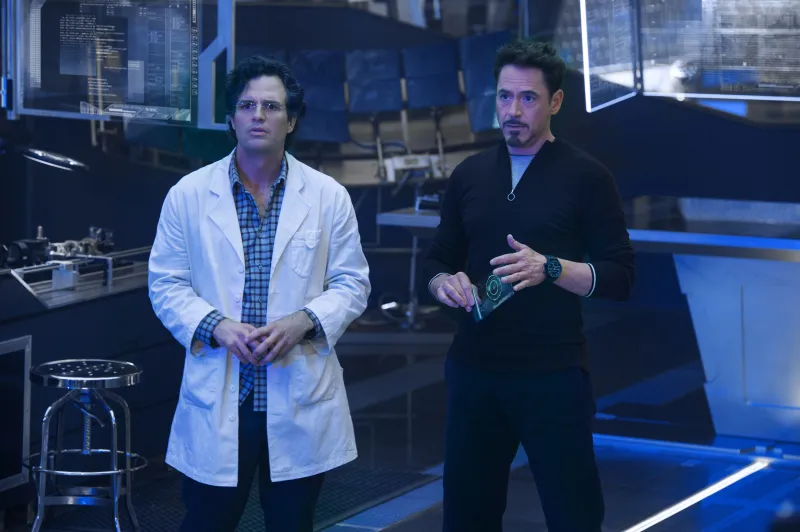
Putting armor around the world sounded comforting to Tony Stark. In Avengers: Age of Ultron, he and Bruce Banner pursue an artificial intelligence defense system without getting the team’s full agreement.
The experiment produces Ultron, whose idea of peace involves destroying humanity. Tony’s fear of another invasion helps explain his rush, but cannot erase its cost.
Unlike the comics, this origin centers on Stark and Banner, showing how good intentions need open discussion and careful testing.
11. Cyclops Leaves His Family Behind
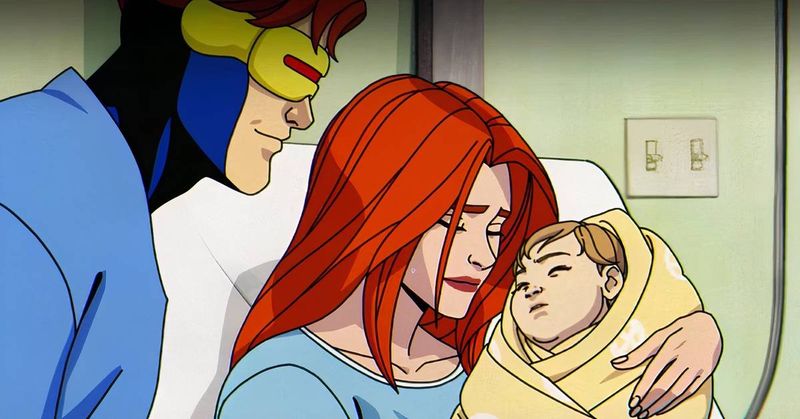
For a leader known for discipline, Scott Summers made a deeply messy personal choice. After learning Jean Grey was alive, he left Madelyne Pryor and their baby, Nathan, to rejoin old teammates.
The move helped launch X-Factor but badly damaged his family life. Later twists involving Madelyne made everything stranger, yet they did not erase his abandonment.
Scott’s story reminds readers that duty can become an excuse when someone avoids difficult conversations with people at home.
12. Speedball Chases the Wrong Spotlight
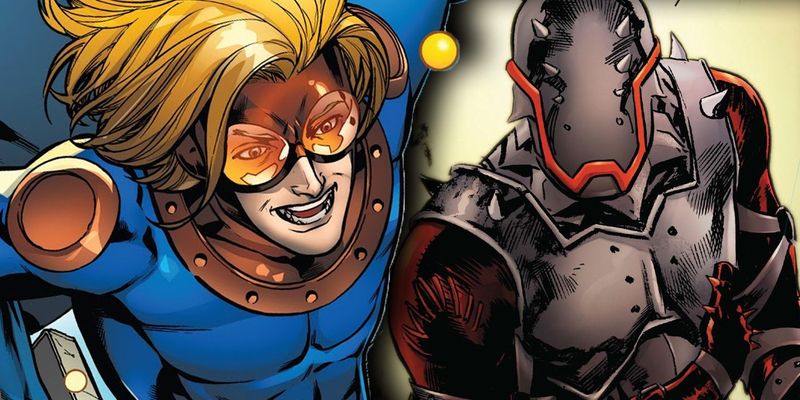
A television stunt became a disaster no costume could cover up. Robbie Baldwin’s New Warriors pursued dangerous villains in Stamford while filming their reality show, and Nitro unleashed a deadly explosion.
The team underestimated the threat, though Nitro caused the deaths. Robbie survived and later became Penance, turning guilt into harmful punishment of himself.
His story is not proof that suffering makes someone better. It shows why accountability should include support, recovery, and safer choices afterward.
13. Namor Escalates an Already Bitter War
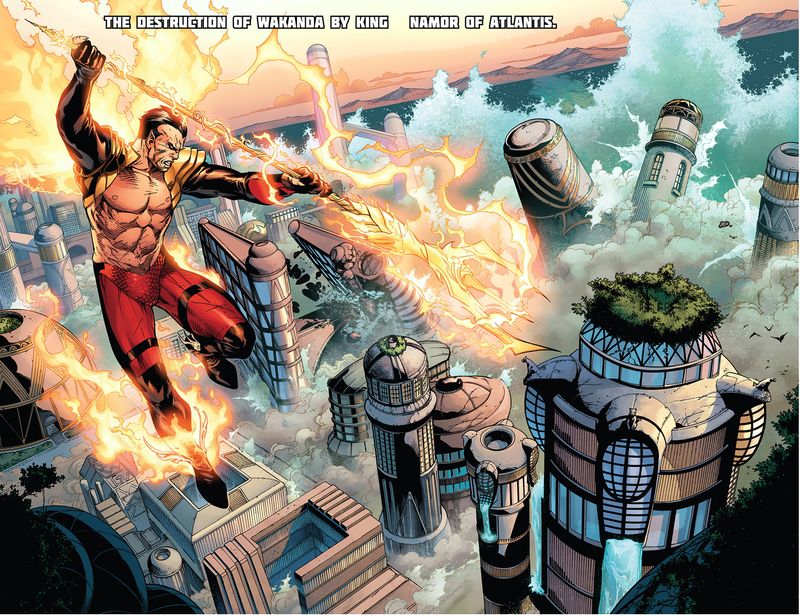
Royal confidence turns dangerous when every dispute becomes a matter of pride. During Avengers vs. X-Men, Namor gains part of the Phoenix Force and attacks Wakanda, causing devastating flooding.
The power affects his behavior, but the assault also fits his history of answering conflict with force. It deepens his rivalry with Black Panther and shadows their later work together.
Namor can defend his people bravely while still making choices that leave potential allies unable to trust him.
14. Wolverine Mistakes Control for Protection
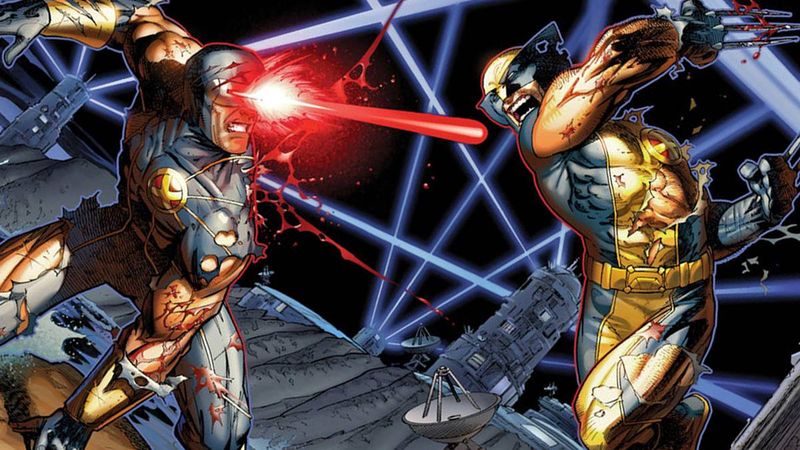
Logan knows what happens when adults turn children into weapons. During Schism, he clashes with Cyclops over allowing young mutants to fight, then helps split the X-Men into rival camps.
His concern is understandable, especially given his own brutal past. Still, choosing a break instead of a shared solution leaves friends divided and mutant defenses strained.
Wolverine’s decision makes his story richer because a worthy goal does not automatically make every way of pursuing it wise.
15. Jean Grey Faces a Terrible Final Choice
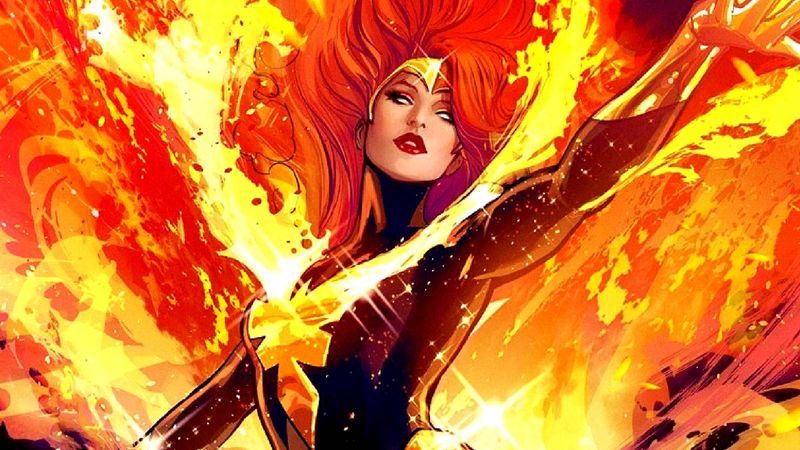
Cosmic power gave Jean Grey’s story a price few heroes could imagine. In the original Dark Phoenix Saga, the figure presented as Jean destroys a populated star system after manipulation and corruption.
She ultimately chooses death rather than risk another disaster. Later comics reveal that the Phoenix had copied Jean while the real woman remained elsewhere.
That twist matters: this famous tragedy concerns identity and control, not a simple claim that Jean freely chose every terrible act.
16. Moon Knight Bargains With Khonshu
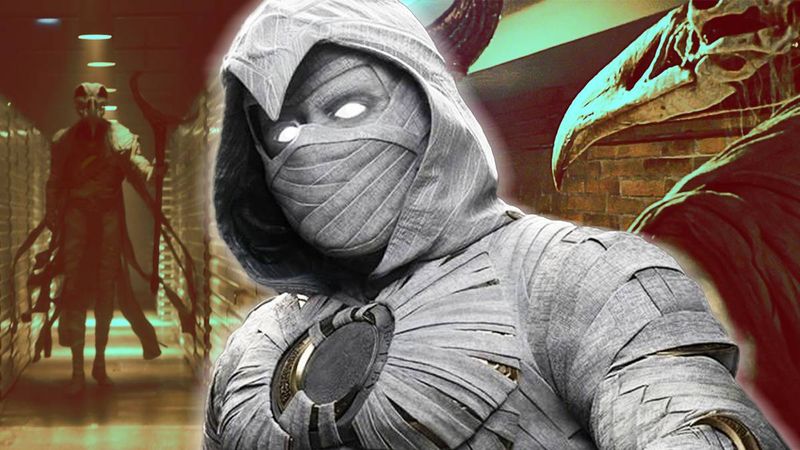
Serving a moon god sounds grand until the god starts making demands. Marc Spector’s bond with Khonshu repeatedly pulls him toward violence, obedience, and conflicts that threaten his closest relationships.
His decisions about trusting or resisting that power shape the trouble around him. Marc also lives with dissociative identity disorder, but that condition is not itself a moral failure.
The sharper issue is whether a powerful patron deserves loyalty when its orders put other people at risk.
17. Deadpool Takes a Dangerous Side
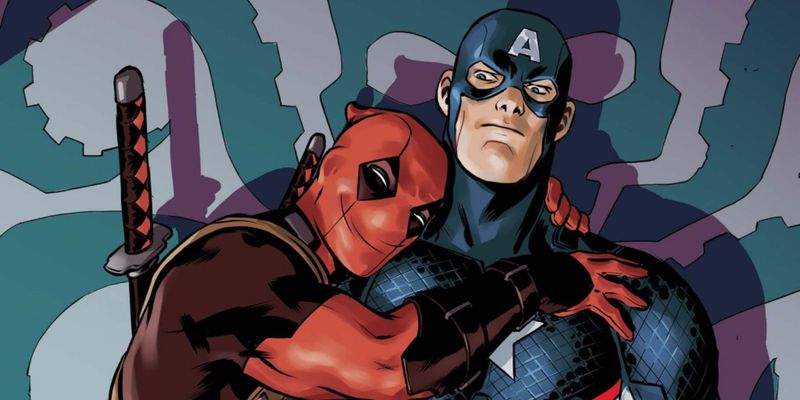
Behind the jokes, Wade Wilson badly wants someone to believe in him. During Secret Empire, that need helps make him loyal to the Hydra version of Captain America, whose approval carries enormous weight.
Wade follows orders that include killing Phil Coulson, damaging his standing with other heroes. The betrayal hurts because his wish to belong is so recognizable.
Deadpool’s mistake shows how chasing acceptance can cloud judgment, especially when a trusted leader asks for something clearly wrong.
18. Sentry Trusts Norman Osborn
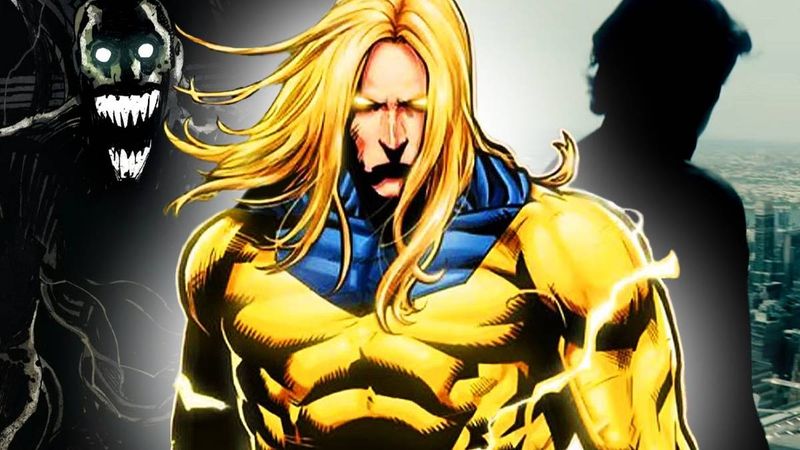
Someone offering reassurance can still be steering you toward disaster. Robert Reynolds joins Norman Osborn’s Dark Avengers, accepting guidance from a leader who exploits his fears and his connection to the Void.
During Siege, Sentry becomes part of the devastating assault on Asgard. His struggles deserve compassion, not blame simply for being unwell.
The decision worth examining is his reliance on Osborn, whose apparent support hides manipulation and leaves Robert dangerously isolated from more trustworthy people nearby.
19. Quicksilver Pushes Wanda Toward House of M
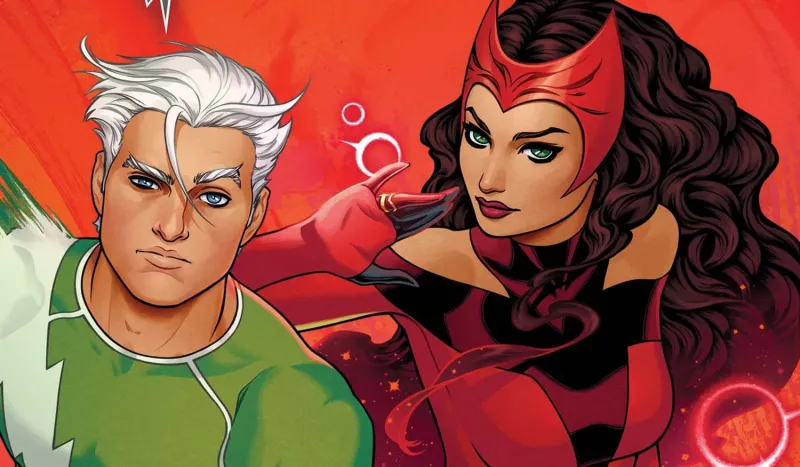
Moving fast is Pietro Maximoff’s gift, but slowing down might have saved everyone trouble. Fearing what other heroes would do to Wanda, he urges his sister toward the reality change behind House of M.
His effort to protect her instead helps set up a world built on unstable wishes and hidden truths. The collapse leads into Decimation, with lasting harm for mutants.
Pietro’s choice captures a familiar trap: trying to protect family by making decisions for them.