
The things that once made your day can start to feel less fun as the years pass. Sometimes your body needs more rest, and sometimes your priorities simply change.
Not everyone feels the same way, but noticing these shifts can help you make room for what you enjoy now. Growing older does not have to mean less joy, just a different idea of what feels worth your time.
1. Staying Up Until Midnight

One more episode sounds tempting until tomorrow morning arrives. As people grow older, sleep patterns can shift, and a late night may feel less rewarding than waking up rested.
Work schedules, health needs, and daily routines also shape bedtime choices.
Try moving movie nights or gaming sessions earlier instead of giving them up. Keep a steady sleep schedule when possible.
Choosing your pillow over another episode is not boring; it may simply match what your body needs right now.
2. Collecting Every Little Keepsake
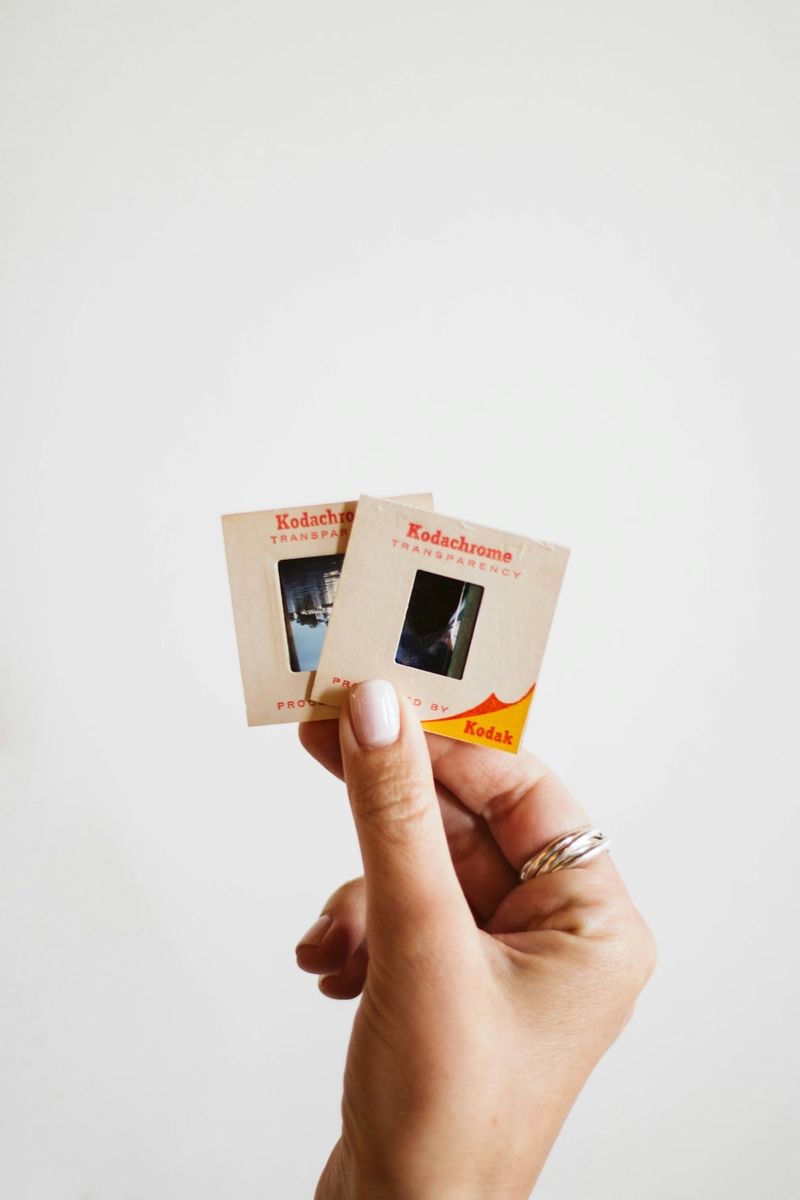
A shelf full of souvenirs can eventually look more like a dusting assignment than a treasure chest. Some adults become less interested in collecting small objects as they think about moving, simplifying their homes, or leaving fewer things for family to sort.
Keep the pieces that tell your favorite stories. Photograph others before donating them, and write down the memories they hold.
A smaller collection can still feel deeply personal without taking over every spare corner of your home.
3. Taking Trips Without a Plan

Grabbing a bag and figuring everything out later can lose its sparkle. Comfortable beds, reliable transport, medication schedules, and enough downtime may matter more than they once did.
That does not mean adventure has disappeared; the planning simply becomes part of enjoying it.
Leave room for surprises within a sensible plan. Book your first night, check accessibility needs, and avoid packing each day too tightly.
A relaxed trip can offer discovery without making every small decision feel unnecessarily stressful.
4. Browsing Stores Just for Fun

Hours at the mall may stop feeling like a treat when you already know what you need. Crowds, parking, sore feet, and tempting purchases can turn casual browsing into an expensive chore.
Some people simply find other ways to spend a free afternoon.
Shop with a short list and a clear budget if wandering leaves you tired. For a social outing, suggest coffee, a park walk, or a local exhibit instead.
You can enjoy company without bringing home another bag.
5. Eating Foods That No Longer Appeal

That favorite meal might not taste quite as exciting anymore. Taste and smell can change with age, while dental problems, medicines, or health conditions may also affect eating.
These changes vary, and a sudden loss of taste deserves medical attention.
Experiment with herbs, colorful ingredients, and different textures rather than adding lots of salt. Share meals when possible, since company can make eating more pleasant.
Ask a clinician about lasting changes, especially if your appetite or weight also drops.
6. Struggling With Small Print

Tiny instructions can turn a simple task into a guessing game. Age-related changes in near vision often make small print harder to read, and some eye conditions can affect contrast or low-light vision.
The frustration may reduce enjoyment of reading or detailed crafts.
Use brighter lighting, larger text, or a magnifier before abandoning a favorite activity. Regular eye exams can help identify treatable problems.
Sudden vision changes need prompt medical care, not just a stronger pair of reading glasses.
7. Talking Over Restaurant Noise

Dinner loses some charm when every sentence needs repeating. Age-related hearing loss can make speech harder to follow, especially when music, dishes, and nearby conversations compete for attention.
Even good company can feel tiring in a loud room.
Choose quieter restaurants, visit outside busy hours, and sit where you can see people’s faces. Let friends know what helps instead of pretending you heard everything.
A hearing check can reveal useful options and make shared meals feel much more welcoming again.
8. Pushing Through Hard Sports

The competitive spirit may stay strong even when recovery takes longer. Joint discomfort, past injuries, and changes in strength can make demanding sports feel less appealing.
Still, age alone does not decide what someone can safely enjoy.
Adjust the activity rather than assuming you must stop moving. Shorter sessions, proper warmups, and strength training may help, depending on your health.
Ask a qualified professional about persistent pain. Swimming, walking, or modified games can preserve both movement and the social fun.
9. Keeping a Huge Social Circle

A packed contact list does not always mean a full heart. Some people become more selective about friendships as they age, choosing familiar faces and deeper conversations over constant introductions.
Time and energy can make close relationships feel especially valuable.
Focus on people who offer kindness, trust, and shared effort. Schedule regular calls or simple visits instead of waiting for a big event.
Keep opportunities for new connections too, because a smaller circle should feel supportive rather than lonely or closed.
10. Chasing Every Promotion

The next job title may matter less than getting home for dinner. After years of working, some adults value steady hours, meaningful tasks, or financial security more than climbing another rung.
Others remain ambitious, so this shift is far from universal.
Review what you want work to provide now. Consider mentoring, flexible schedules, or roles that use your strongest skills without constant pressure.
Check your finances before making changes. Success can include protecting your time, not only increasing your salary.
11. Following Gossip and Petty Drama

Someone else’s latest feud can start to feel like homework you never agreed to do. With experience, some adults become less interested in rumors, taking sides, or keeping track of every small disagreement.
Peace begins to look more attractive than being fully informed.
Change the subject kindly when a conversation turns mean. Avoid passing along claims you cannot check, and step back from group chats that leave you tense.
Saving your attention for useful conversations can make everyday life calmer.
12. Trying to Impress Everyone

Comfortable shoes can become more appealing than anyone’s approval. Some people grow more confident about their tastes with age and feel less pressure to look successful, stay fashionable, or explain every choice.
Experience can help separate useful feedback from passing judgment.
Choose clothes, hobbies, and goals that fit your actual life. Listen when someone offers thoughtful advice, but question whether you are changing only to win praise.
Being yourself does not require ignoring others; it means keeping your own values visible.
13. Performing the First-Date Routine

Another polished introduction can feel tiring when you would rather have an honest conversation. Some older adults lose interest in dating games, awkward small talk, or pretending to share interests.
Others enjoy meeting partners later in life, so the issue may be the routine rather than romance.
Suggest a short coffee meeting in a public place. Be clear about your hopes and boundaries, and protect personal information.
A simple, low-pressure approach leaves more room to notice whether a connection feels genuine.
14. Owning More Than You Need
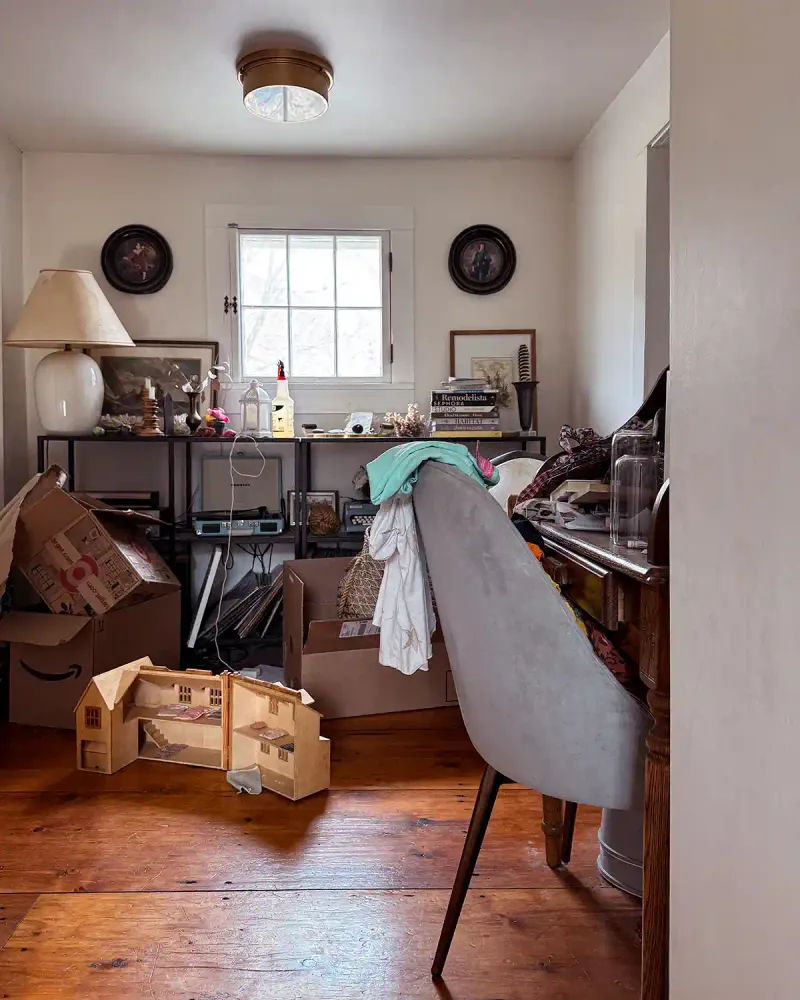
Extra belongings come with hidden jobs: cleaning, repairing, storing, and remembering where everything went. Unlike a treasured collection, general clutter may offer little pleasure in return.
Some adults begin to prefer useful possessions and open space over cupboards packed with rarely used purchases.
Start with one drawer rather than the whole house. Donate working items you no longer need, and pause before buying replacements.
Keep comfort and safety in mind. A simpler home should support your life, not feel bare.
15. Arguing Just to Win
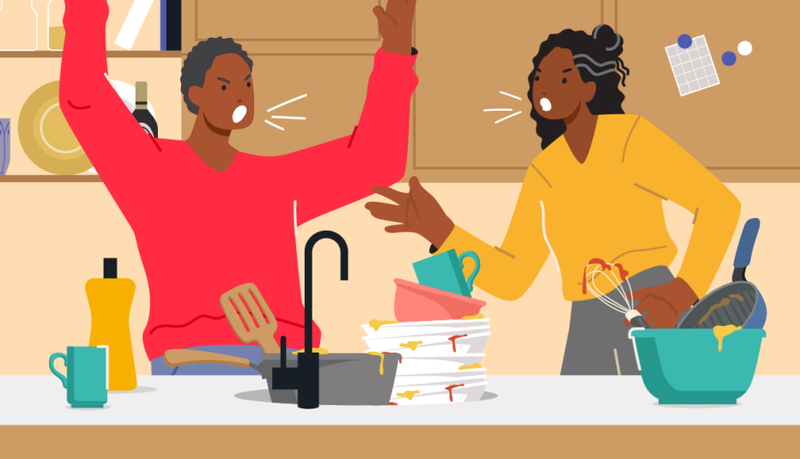
Winning a small argument can cost a surprisingly large amount of energy. With time, some people become less willing to debate every opinion or correct every comment.
They may care more about keeping a relationship healthy than proving a point.
Pause before replying and ask whether the issue affects safety, respect, or an important decision. Speak clearly when it does.
For minor differences, agreeing to disagree can be enough. Avoiding needless conflict is useful, but your boundaries still deserve a voice.
16. Keeping Up With Every New Release

A familiar song can feel like visiting an old friend. Some adults prefer the music, movies, and shows connected to earlier memories, while newer styles may not suit their tastes.
That preference is personal, not proof that modern entertainment is worse.
Enjoy your favorites without feeling obliged to follow every trend. Occasionally sample something recommended by a friend or younger relative.
You might discover a fresh favorite, and sharing choices across generations can turn entertainment into a pleasant conversation starter.
17. Drinking Enough to Feel Awful

The morning after can erase the fun of the night before. Alcohol may affect people differently as they age, and some medicines interact dangerously with it.
Poor sleep, balance problems, and health concerns can make heavy drinking especially unappealing.
Choose alcohol-free drinks, avoid pressure to keep up, and ask a clinician or pharmacist about medication interactions. Never drive after drinking.
If cutting back feels difficult, seek support. Enjoying a celebration does not require getting drunk or accepting another miserable morning.
18. Repeating Days That Feel Empty
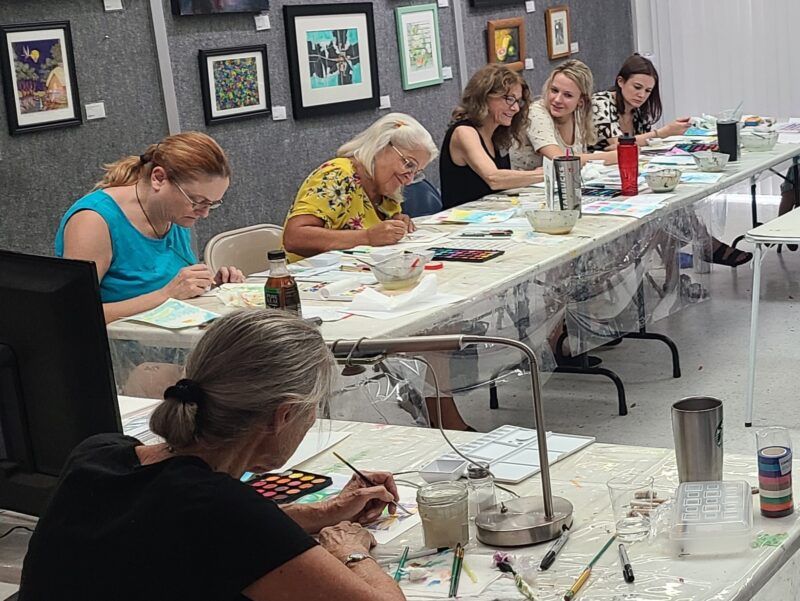
Predictable routines can be comforting, but endless sameness may start to feel dull. Some adults become more aware of how they spend their time and less willing to postpone meaningful interests.
Growing older can bring curiosity as well as a wish for stability.
Add one manageable change: try a class, explore a nearby walking route, or volunteer locally. New experiences need not be costly or physically demanding.
Keep routines that help you, while leaving a little space for learning and surprise.
19. Saying Yes to Empty Obligations

A calendar full of duties can leave little room for people you truly enjoy. Some relationships continue mainly from habit, guilt, or convenience.
Over time, adults may become less willing to attend every gathering or maintain connections that offer little care in return.
Decline politely without building a long excuse. Offer another plan when you genuinely want contact, and discuss problems before ending a valued friendship.
Protecting your energy works best when it also leaves room for kindness and connection.
20. Measuring Life Against Someone Else’s
Someone will always retire earlier, travel farther, or post a shinier family photo. Comparing those highlights with your whole life can become exhausting.
Some people find greater peace with age by recognizing that health, money, family needs, and opportunities differ.
Measure progress against your own values and circumstances. Write down small gains, limit accounts that stir envy, and remember that milestones have no single deadline.
Your life does not need to match another person’s schedule to hold meaning, pride, and joy.