
A great movie twist can turn a trusted friend into the most dangerous person in the room. Suddenly, small clues make sense, and scenes you thought you understood feel completely different.
These villain reveals show how a hidden identity or secret plan can change an entire story. Major spoilers follow for every movie on this list.
1. Norman Bates Hides Behind Mother in Psycho (1960)
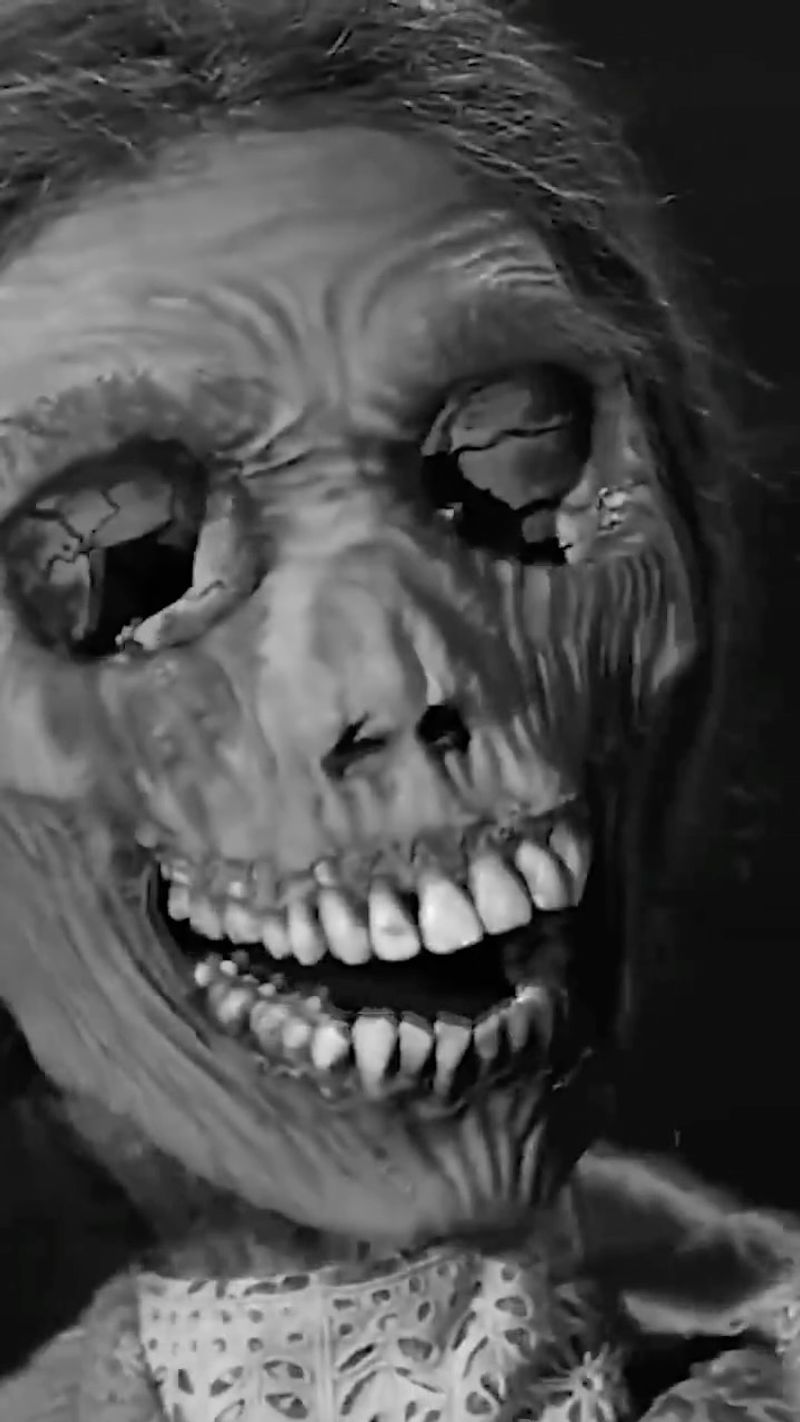
A shy smile and a quiet motel desk hardly scream danger. Norman Bates seems trapped by his controlling mother, until the ending reveals that she is dead and he has been killing while taking on her identity.
The discovery turns his earlier conversations into something deeply unsettling. Watch his nervous reactions during dinner with Marion Crane.
They reveal how carefully the movie hides its threat behind a lonely young man who first appears almost harmless.
2. Jigsaw Gets Up in Saw (2004)
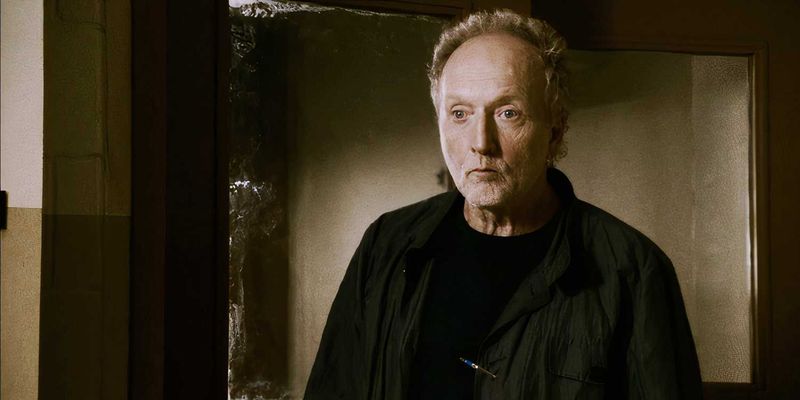
Imagine watching a body for an entire movie, then seeing it stand up. That is the nasty surprise waiting in Saw, where John Kramer lies on the bathroom floor while two trapped men struggle through his game.
He is not another victim. He is Jigsaw, the person behind their nightmare.
The room becomes a stage he has controlled all along. On another viewing, notice how your attention follows the prisoners instead of that silent figure.
3. Verbal Kint Walks Away in The Usual Suspects (1995)
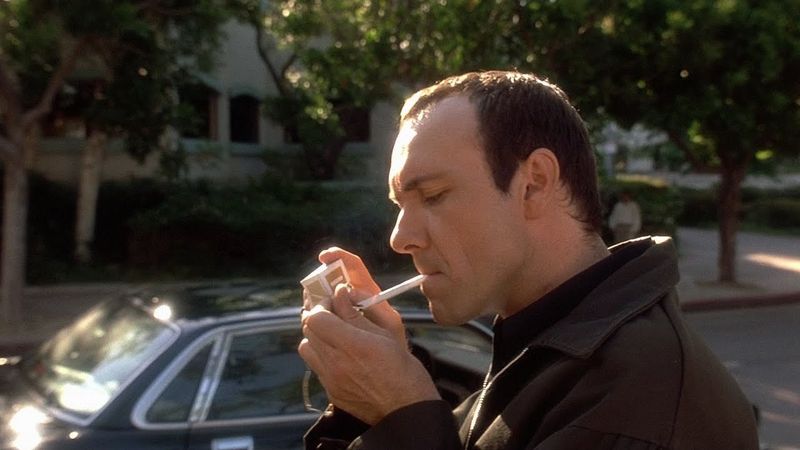
Few endings make a simple walk feel so threatening. After telling police a winding crime story, Verbal Kint leaves the station, and his limp gradually disappears.
The supposedly helpless witness is revealed as the feared Keyser Söze.
Meanwhile, the detective spots names and details from Verbal’s tale scattered around his office. His sympathy helped sell the lie.
Look closely at the background during the interview, because ordinary objects become the building blocks of an extraordinary deception.
4. Tyler Durden Is Already Inside Fight Club (1999)
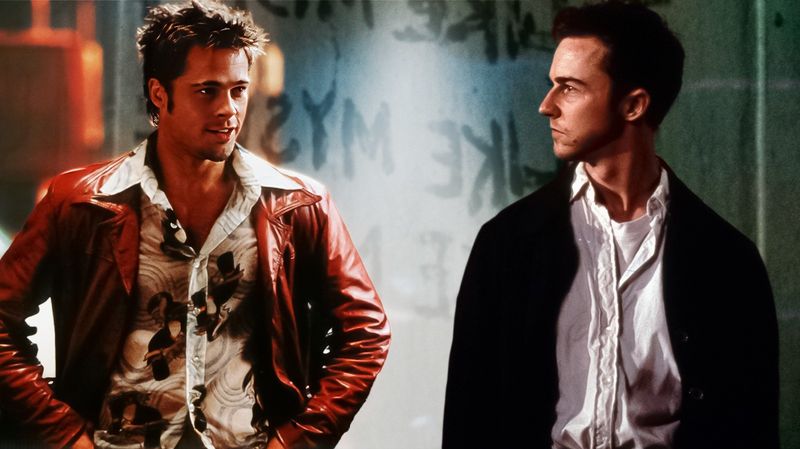
Confidence can be a powerful disguise, especially when it belongs to someone who does not exist separately. Tyler Durden seems like the narrator’s fearless friend, but he is actually another identity within the same person.
That discovery changes the fights, secret plans, and missing time into pieces of one disturbing puzzle. The narrator has helped build the danger he wants to stop.
Revisit scenes where other people interact with Tyler; their reactions carry a different meaning.
5. Mr. Glass Builds His Own Hero in Unbreakable (2000)
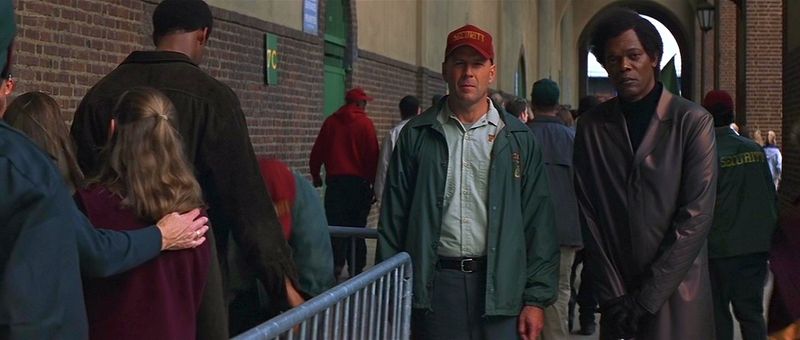
A search for meaning becomes something monstrous when innocent lives are treated like experiments. Elijah Price helps David Dunn understand his unusual strength, appearing to be a thoughtful guide with fragile bones and a love of comics.
Then David learns that Elijah caused deadly disasters to find someone who could survive them. His helpful advice served a terrible purpose.
The handshake reveal works because it transforms their connection from shared discovery into a villain’s carefully arranged origin.
6. Amy Dunne Rewrites the Story in Gone Girl (2014)

Halfway through the mystery, the missing woman takes control of the story. Amy Dunne is alive, and the evidence pointing toward her husband was carefully planted.
Her disappearance is revenge, not the crime viewers first imagined.
The switch forces us to question the diary, the marriage, and the public rush to judge. Pay attention to how different versions of events shape your opinion.
The movie’s sharpest trick is making a convincing story feel like unquestionable truth.
7. Pamela Voorhees Takes Revenge in Friday the 13th (1980)
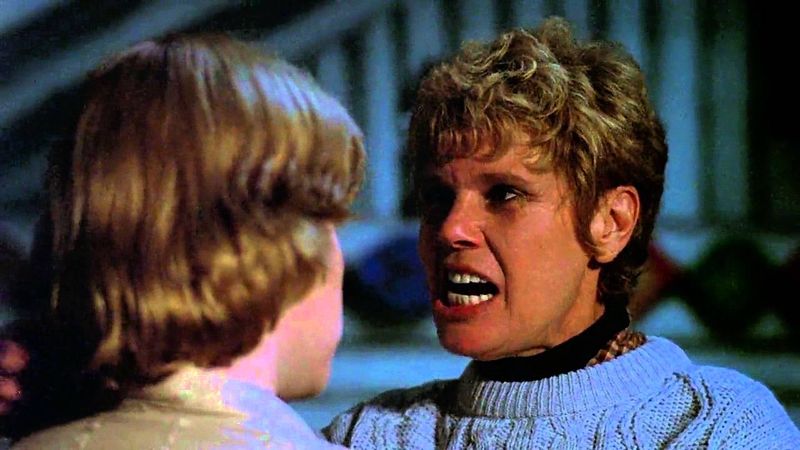
Forget the hockey mask for a moment. The original Friday the 13th ends with Pamela Voorhees revealing that she has been killing the camp counselors.
She blames careless staff for the drowning of her son, Jason.
Her arrival initially feels like help has finally reached the camp. Instead, that comforting presence becomes the final threat.
Knowing the later movies can make this surprise even stranger, because the first film’s killer is Jason’s mother, not Jason himself.
8. Bellwether Weaponizes Fear in Zootopia (2016)
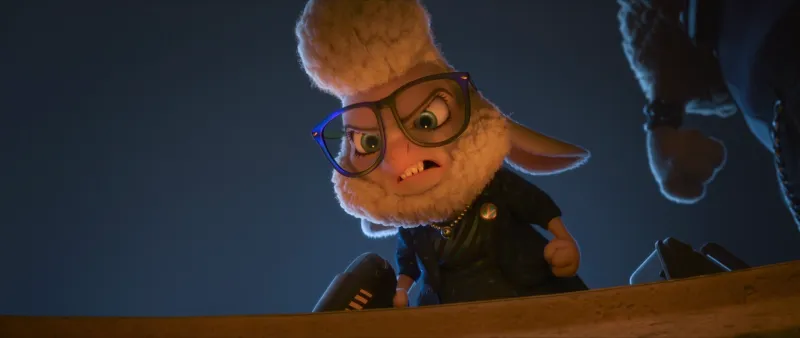
Soft wool and oversized glasses make Bellwether easy to underestimate. The assistant mayor seems overlooked and helpful, but she secretly arranges attacks that make predators appear dangerous.
Her goal is political power built on fear.
Judy and Nick uncover a plan that turns neighbors against one another. Beneath the colorful adventure sits a clear lesson about prejudice: looking harmless does not make someone honest.
Notice how Bellwether uses her outsider image to win trust before exploiting it.
9. Ernesto de la Cruz Stole More Than Songs in Coco (2017)
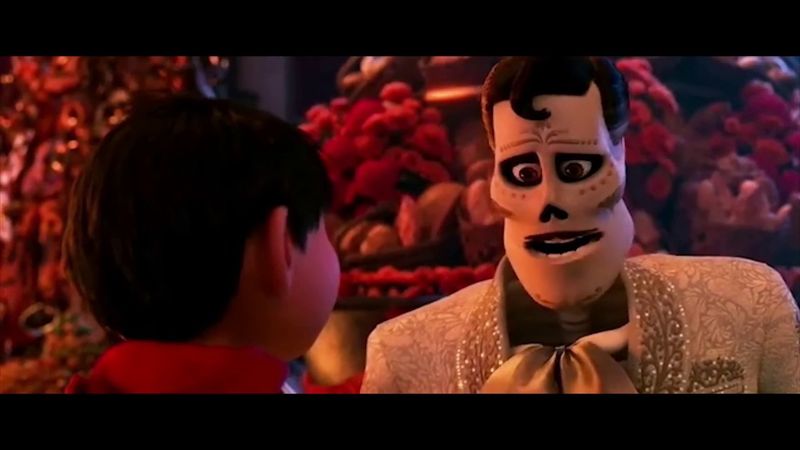
Meeting your musical hero should feel magical, not terrifying. Miguel admires Ernesto de la Cruz until he learns that the famous singer murdered Héctor and took credit for his songs.
The shining legend rests on betrayal.
That truth also changes Miguel’s understanding of his family. Fame no longer proves greatness, and an overlooked musician becomes the person worth remembering.
Listen closely to how songs connect characters across generations; the music carries evidence that public praise has buried.
10. Buddy Pine Returns as Syndrome in The Incredibles (2004)
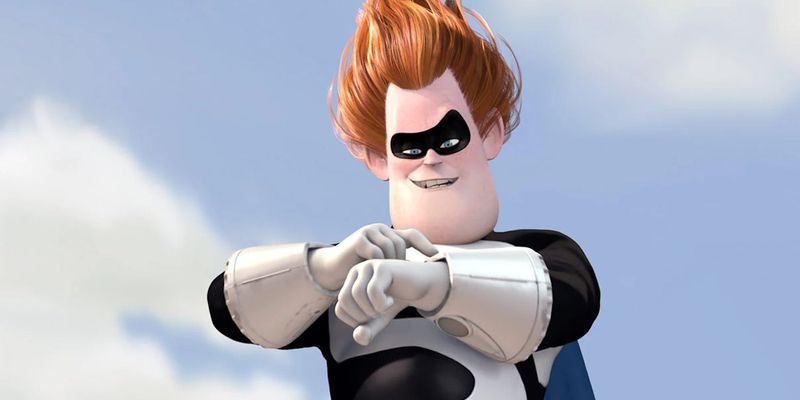
A rejected autograph hunter grows into a villain with a deadly grudge. Syndrome is Buddy Pine, the eager boy who once wanted to join Mr. Incredible’s adventures.
Years later, he uses powerful inventions to hunt superheroes.
The identity reveal gives his flashy attacks a personal edge. He wants admiration without accepting responsibility, and he plans to manufacture his own heroic moment.
Compare young Buddy’s demands with Syndrome’s speeches: both show someone who mistakes attention for genuine respect.
11. Darth Vader Makes It Personal in The Empire Strikes Back (1980)

The enemy does not need a new mask to become more frightening. During their duel, Darth Vader tells Luke Skywalker that he is Luke’s father.
A battle between good and evil suddenly becomes a broken family story.
Unlike many twists here, the surprise is not that Vader is a villain. It is who he is beneath that role.
Luke must face a truth that challenges everything he believed, making the scene hurt beyond the danger of combat.
12. Ransom’s Helpful Act Cracks in Knives Out (2019)
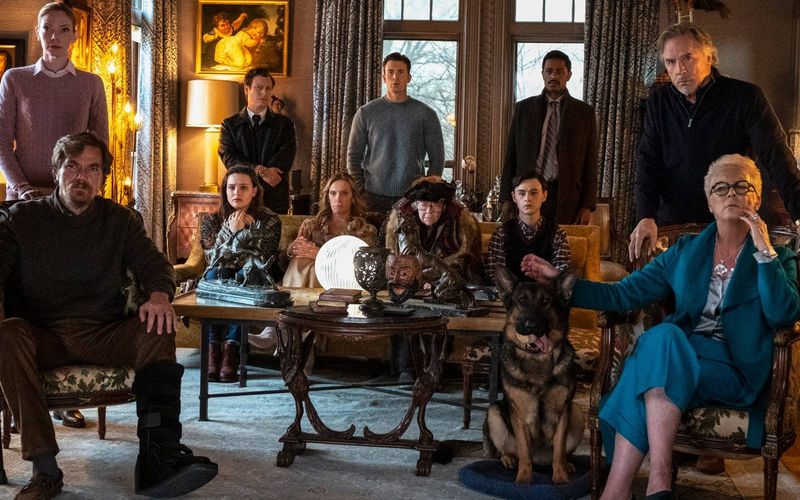
Among a roomful of greedy relatives, the rebel can look surprisingly trustworthy. Ransom Drysdale offers Marta support, but his kindness hides a plan to take back the inheritance.
He tampered with Harlan’s medicine to frame her.
When that scheme fails, he tries to cover his tracks and kills Fran. The final explanation untangles actions that first seemed helpful.
Watch the difference between what Ransom says and what benefits him; his charm works best when nobody checks motives.
13. The Supplier Is on Staff in 21 Jump Street (2012)
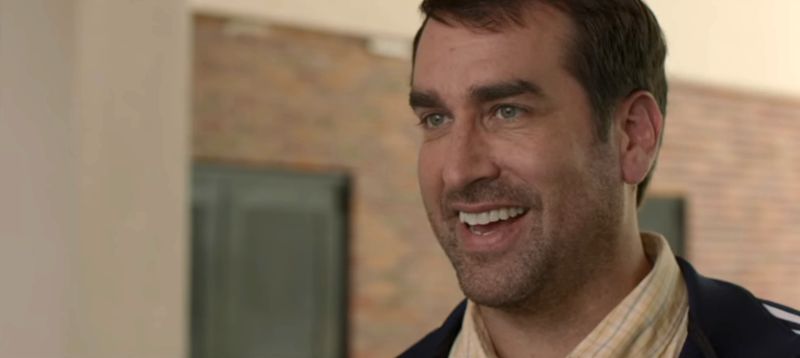
The school drug case hides its biggest answer among the adults. Eric Molson deals HFS to students, but he is not the secret supplier the officers need to expose.
That role belongs to their teacher, Mr. Walters.
This distinction matters because Eric’s involvement is established before the final reveal. The surprise connects everyday school authority with the larger criminal operation.
Beneath the jokes and prom chaos, the case reminds viewers that the obvious suspect may have a boss.
14. Jill Roberts Wants the Spotlight in Scream 4 (2011)

Being the next survivor is not enough for Jill Roberts. Sidney Prescott’s cousin reveals that she helped carry out the Ghostface murders with Charlie Walker.
She wants the fame Sidney gained from surviving earlier attacks.
Jill plans to frame others and present herself as the wounded heroine. Her motive makes the familiar horror setup feel bitterly modern: attention matters more to her than human life.
The reveal asks viewers to separate genuine suffering from someone carefully staging it.
15. Esther’s Age Changes Everything in Orphan (2009)
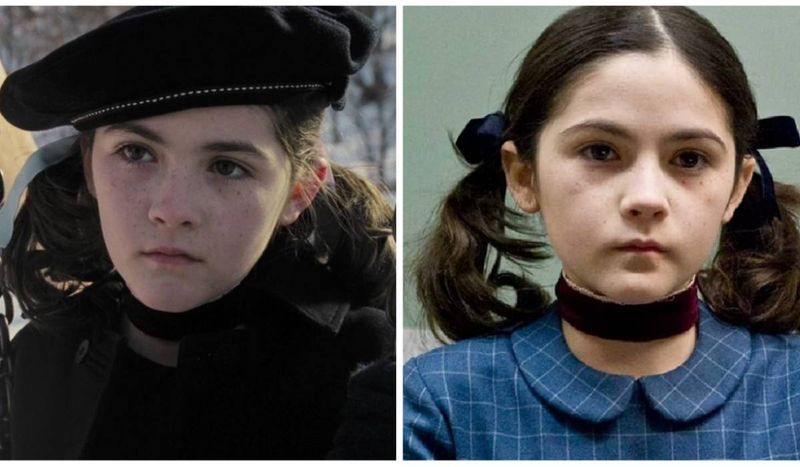
The ribbons and careful manners hide a terrifying lie. Esther is not the young orphan her adoptive family believes she is.
She is Leena Klammer, a murderous adult whose medical condition makes her appear much younger.
The reveal explains her unusual knowledge and her attempts to manipulate the household. It does not mean people with that condition are dangerous; the threat is this character’s choices.
Earlier scenes become especially disturbing once viewers understand that her childhood was an act.
16. The Real Monsters Run The Cabin in the Woods (2012)
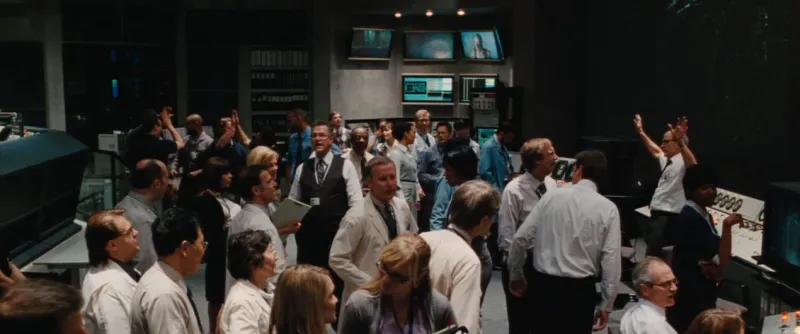
Behind the creepy cabin sits something colder than a monster: an office full of workers managing deaths. The facility staff manipulate the visitors into a ritual meant to keep ancient gods asleep.
Their casual chatter makes the cruelty worse.
The operation is shown early, but its full purpose changes the scale of the horror. These people believe sacrifice prevents disaster.
That creates an uncomfortable question about their choices without erasing the fact that they treat victims as equipment.
17. Rose Armitage Drops the Act in Get Out (2017)

Car keys become terrifying when the person holding them was never your ally. Rose Armitage pretends to help Chris leave, then calmly reveals her loyalty to her family.
She has been luring Black victims into their brain transplant scheme.
Her earlier defense of Chris makes the betrayal especially sharp. What looked like support was part of the trap.
On a second viewing, watch her control of tense conversations; she protects the family’s plan while appearing to protect him.