
Quentin Tarantino’s movies owe a lot to dusty towns, tense showdowns, and outlaws with scores to settle. His love of Westerns helps explain the bold music, sudden violence, and long waits that make his films stand out.
Sergio Leone and other Western directors gave him ideas he could reshape into something new. Watching these films offers a fun way to spot those connections, though some links are clearer than others.
1. The Good, the Bad and the Ugly (1966)
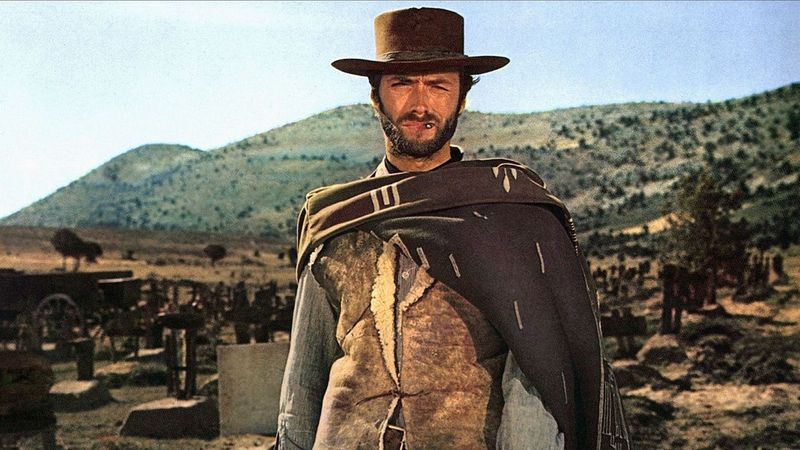
A showdown can feel huge before anyone fires a shot. Sergio Leone proves it with three rivals, buried gold, and a cemetery filled with tension.
Tarantino has repeatedly named this film his favorite, making it a natural starting point for understanding his taste.
Watch how wide shots give way to tight views of eyes and hands. Ennio Morricone’s music turns waiting into excitement, a lesson that echoes throughout Tarantino’s own carefully staged confrontations on screen.
2. A Fistful of Dollars (1964)
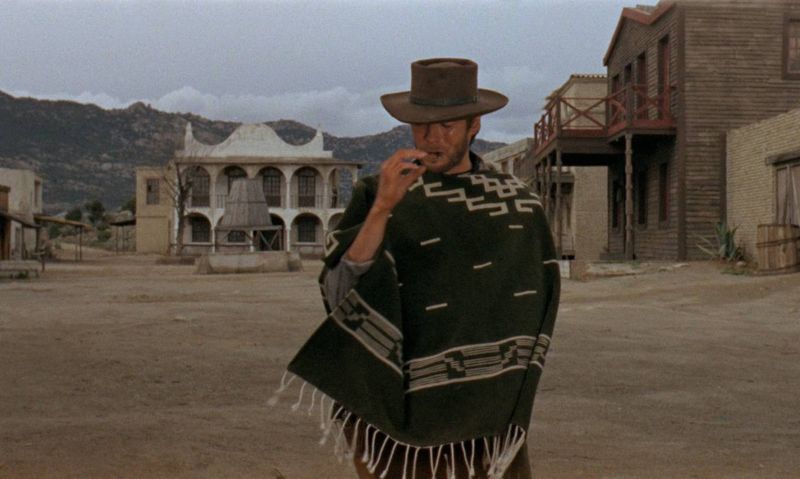
One stranger walks into town and turns two rival gangs against each other. Clint Eastwood’s quiet gunfighter helped establish the rough, sly mood of Sergio Leone’s first Dollars film.
Heroes no longer needed spotless manners or noble speeches to hold the screen.
For Tarantino fans, the appeal lies in clever schemes and sudden changes of power. Notice how little the stranger explains himself; his clothes, posture, and choices do much of the storytelling for him.
3. For a Few Dollars More (1965)
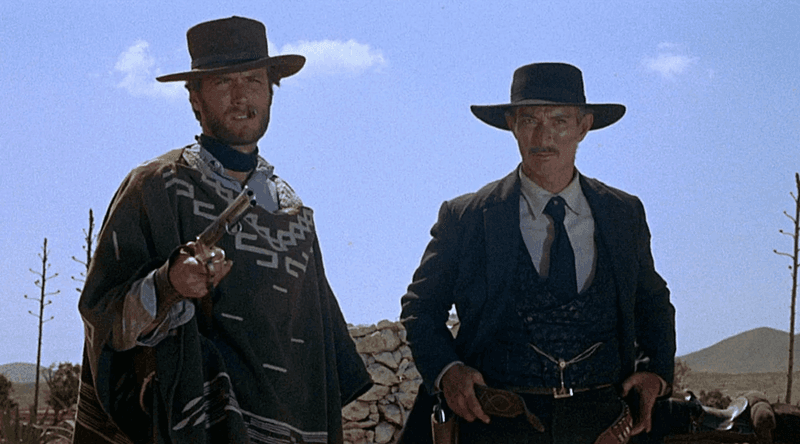
A pocket watch becomes far more than a way to tell time. Its tune carries painful memories through Leone’s story of two bounty hunters pursuing a dangerous outlaw.
Eastwood and Lee Van Cleef make their uneasy partnership both cool and surprisingly moving.
Tarantino’s taste for memorable objects, musical signals, and delayed revenge fits comfortably beside this film. Pay attention to when the watch appears: a small detail can build emotion before the final confrontation arrives.
4. Once Upon a Time in the West (1968)
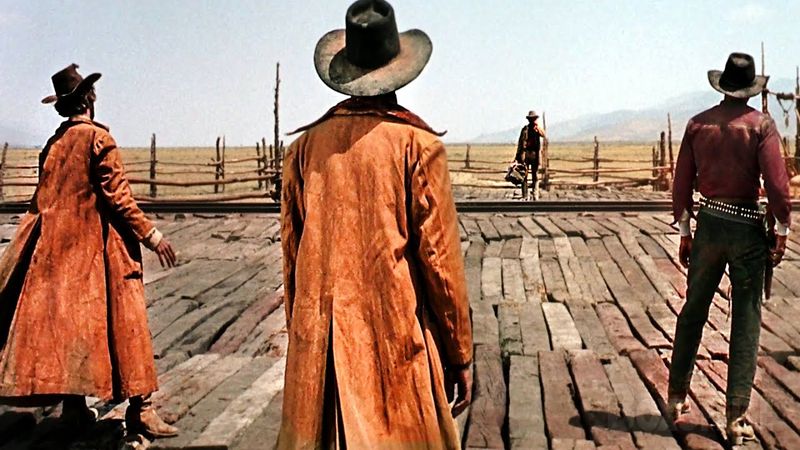
Waiting for a train has rarely felt so threatening. Leone opens his epic with creaking wood, dripping water, and men who barely speak.
Tarantino has described the film as an early lesson in how a director controls the audience through the camera.
Its patient pacing rewards anyone willing to watch closely. Listen to the ordinary sounds before the action begins, then notice how music and closeups change the mood once the story reveals its secrets.
5. Django (1966)
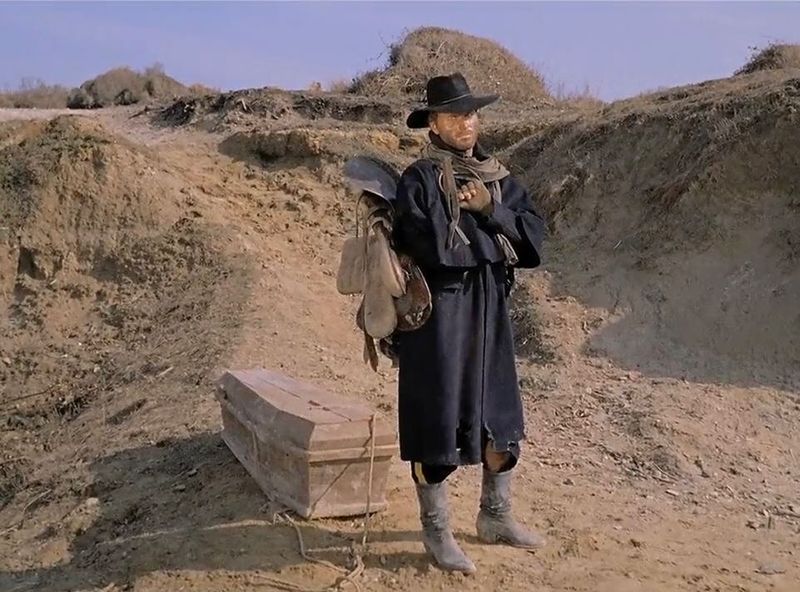
Dragging a coffin through mud is quite an entrance. Franco Nero’s mysterious drifter brings a grim, rough energy to Sergio Corbucci’s famous Western.
The film’s name became a clear touchstone for Tarantino’s Django Unchained, which also gives Nero a brief appearance.
Beyond the title, look for the mix of bold style and harsh violence. Corbucci makes his world feel broken and dangerous, helping explain why Tarantino admires Westerns that refuse to polish their heroes clean.
6. The Great Silence (1968)
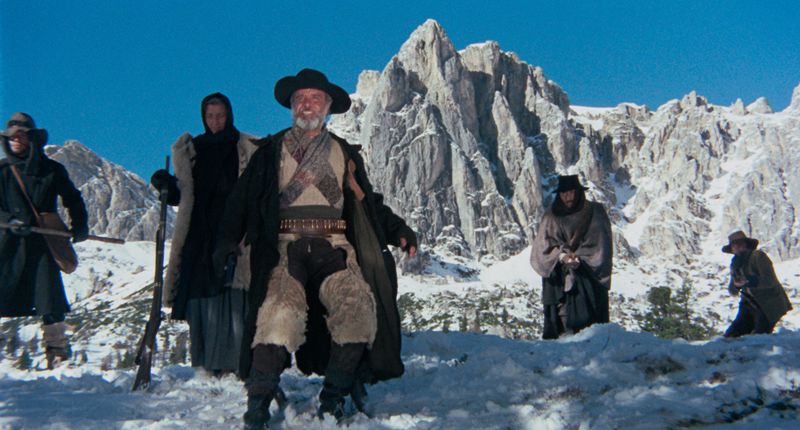
Forget sunburned deserts: snow makes this Western feel cold in every sense. Sergio Corbucci follows a silent gunfighter through a mountain community threatened by ruthless bounty hunters.
The setting offers a striking companion to the frozen danger of Tarantino’s The Hateful Eight.
Do not expect a comforting adventure. The film challenges familiar ideas about fairness and heroic rescue.
Watch how the white landscape traps people rather than freeing them, turning beautiful scenery into something deeply unsettling.
7. Day of Anger (1967)
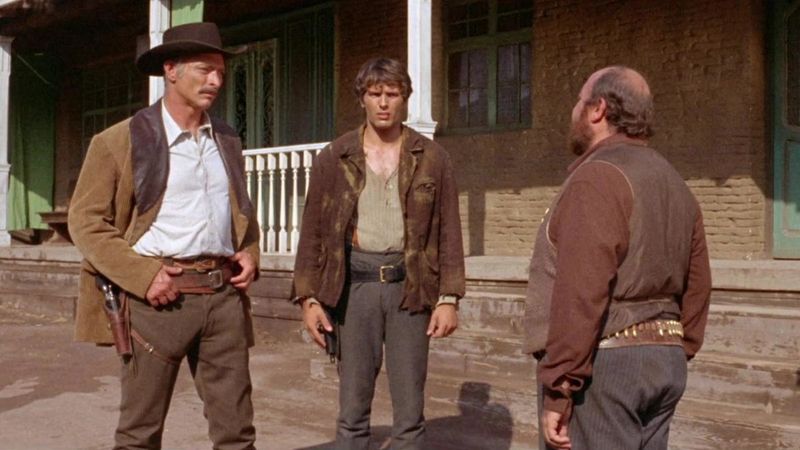
Learning from the toughest man in town sounds useful until his lessons turn ugly. Lee Van Cleef plays a gunfighter whose young follower discovers that skill and wisdom are not always the same thing.
Tarantino has included this film among his favorite Italian Westerns.
Its energetic score also appears in Django Unchained. Follow the changing bond between teacher and student, and consider how gaining power can force someone to question the person who supplied it.
8. One-Eyed Jacks (1961)
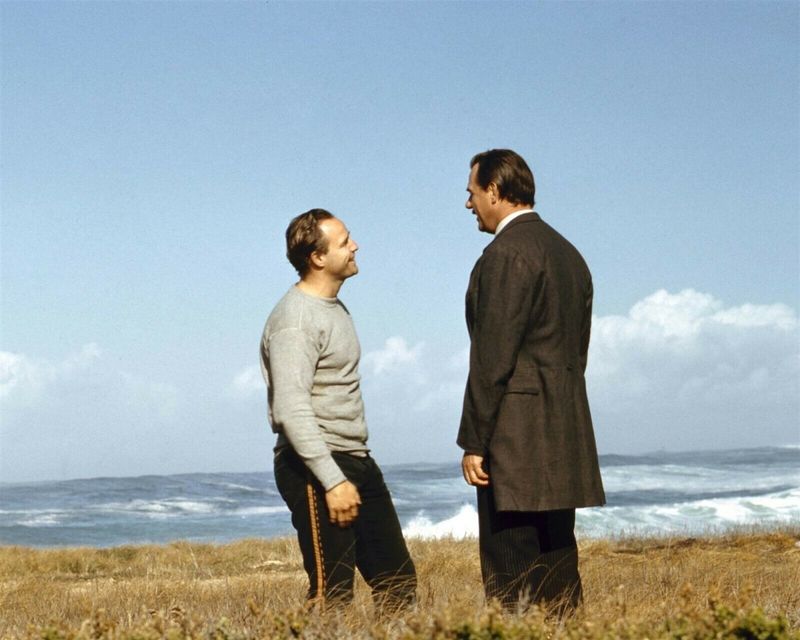
Betrayal hurts more when it comes from a friend. Marlon Brando directs and stars in this coastal Western about an outlaw seeking revenge against his former partner.
It remains the only feature film Brando directed, giving it a special place in movie history.
Tarantino’s admiration fits its uneasy blend of wounded pride, deception, and revenge. Notice the ocean setting and lingering faces; the film lets emotional damage matter as much as the threat of gunfire.
9. Navajo Joe (1966)
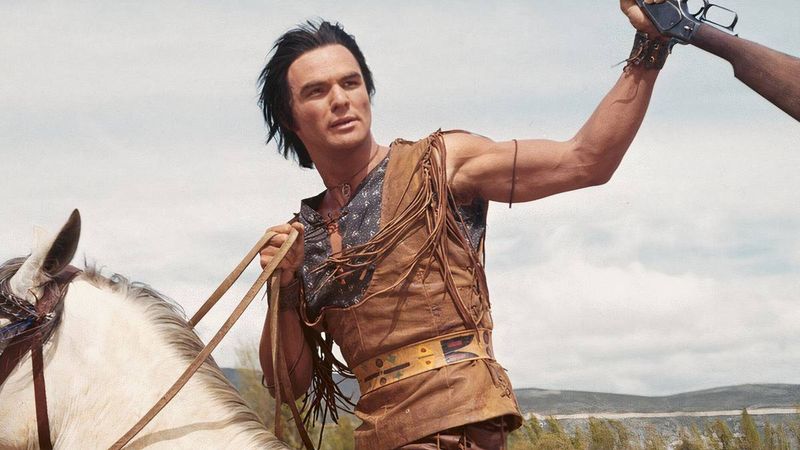
The music practically charges out of the speakers. Corbucci’s revenge Western stars Burt Reynolds as a Native American survivor pursuing the gang responsible for a massacre.
Its casting and portrayal deserve a critical eye, even while its fierce pace remains striking.
Tarantino drew directly from Ennio Morricone’s score for Kill Bill. Listen for the voices and pounding rhythm, which show how a soundtrack can give action a larger emotional force without needing much spoken explanation.
10. The Hellbenders (1967)
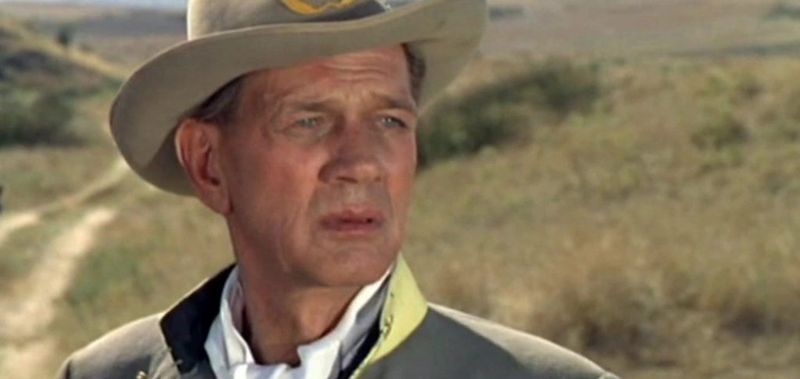
A coffin provides cover for a plan that is rotten from the start. Joseph Cotten plays a former Confederate officer traveling with his sons and stolen money.
Corbucci turns their journey into a bitter look at greed, cruelty, and a lost cause.
The film belongs to the darker side of Tarantino’s Western interests. Rather than searching for someone to cheer, study how family loyalty becomes poisonous.
That discomfort helps explain the appeal of stories driven by terrible people.
11. Winchester ’73 (1950)
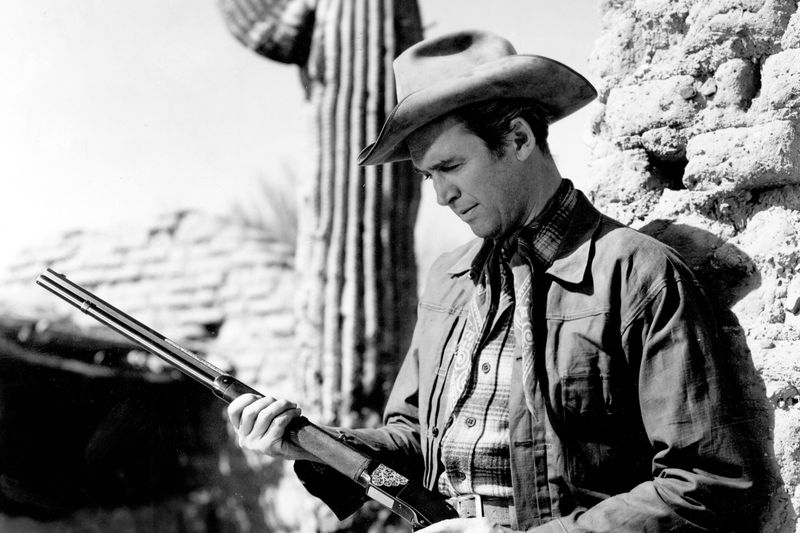
A prized rifle links people who might otherwise never meet. Anthony Mann builds this James Stewart Western around a weapon passing from owner to owner, while a personal feud drives the larger story.
Stewart’s troubled anger gives the adventure an unexpectedly sharp edge.
For viewers exploring Tarantino’s influences, its structure offers a useful comparison with stories connected by objects and chance encounters. Track each handoff of the rifle, and see how possession changes the danger around it.
12. Little Big Man (1970)
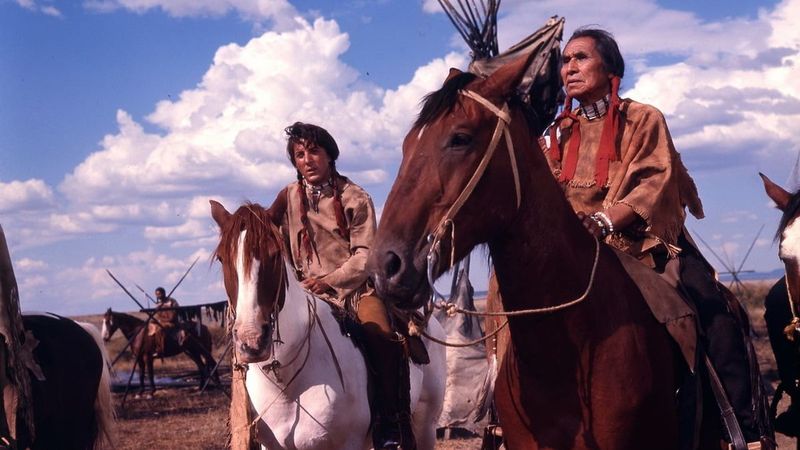
Frontier legends look different when the storyteller refuses to worship them. Dustin Hoffman plays a man recalling a life spent between white settlers and the Cheyenne.
Comedy and tragedy sit close together, while familiar heroic images receive a hard second look.
Tarantino has discussed this film within the wave of Westerns that challenged old myths. Watch for sudden changes in tone.
They show how laughter can make the cruelty that follows feel even harder to dismiss.
13. Death Rides a Horse (1967)
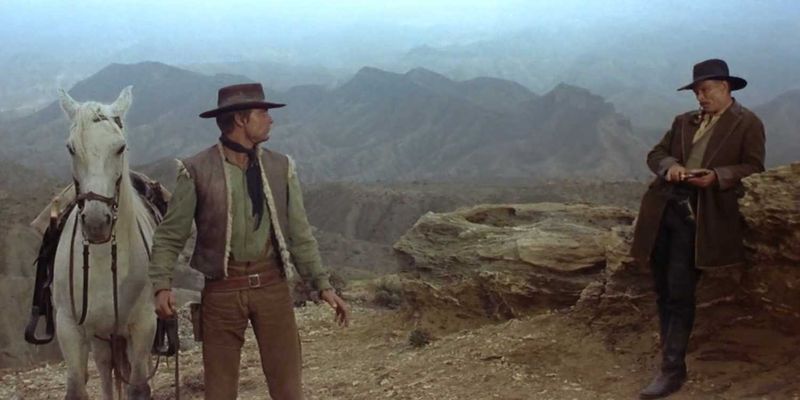
Childhood memories become a map for revenge in this hard-edged Italian Western. A young survivor hunts the men who killed his family, crossing paths with an older gunfighter played by Lee Van Cleef.
Their connection adds another layer to the chase.
Tarantino has openly praised the film and acknowledged its influence on Kill Bill. Look for remembered faces, uneasy teamwork, and dialogue about revenge.
Those details offer some of the clearest links between his work and this genre.
14. Ulzana’s Raid (1972)
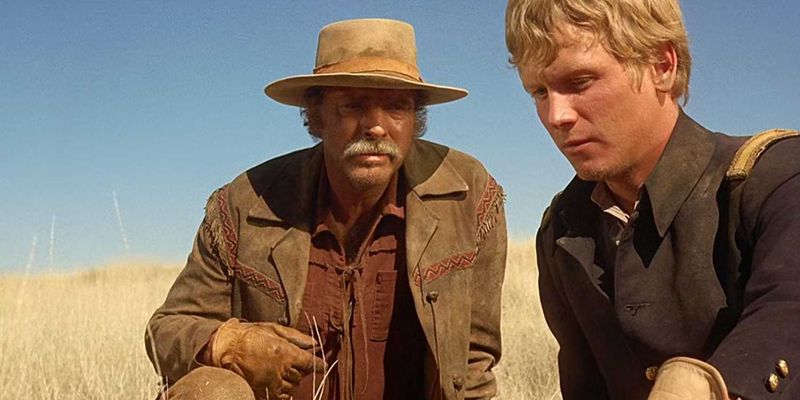
Easy answers disappear quickly on this dangerous cavalry mission. Burt Lancaster plays a seasoned scout helping a young officer pursue an Apache raiding party.
Director Robert Aldrich presents a harsh frontier where experience, fear, and misunderstanding shape every choice.
Tarantino has singled out its bitter outlook when discussing Westerns. Approach its violence and racial framing thoughtfully rather than treating it as simple adventure.
The useful connection is its refusal to promise that good intentions will prevent terrible outcomes.
15. Stagecoach (1939)
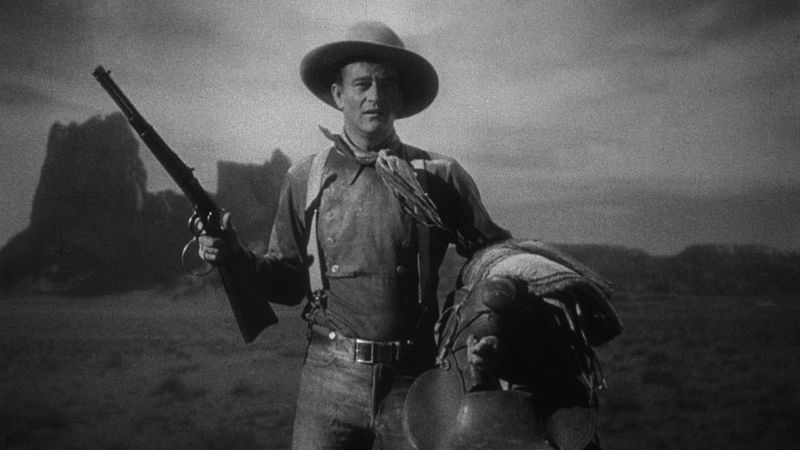
A crowded coach turns strangers into a small, tense society. John Ford’s landmark Western sends passengers from different backgrounds across dangerous territory, with John Wayne’s arrival providing a famous star-making moment.
The group must navigate prejudice as well as outside threats.
Its place beside Tarantino’s favorites needs caution: he has also strongly criticized Ford. Still, the film offers a useful comparison for confined groups and clashing personalities, especially when watching the suspicious travelers of The Hateful Eight.
16. Rio Bravo (1959)
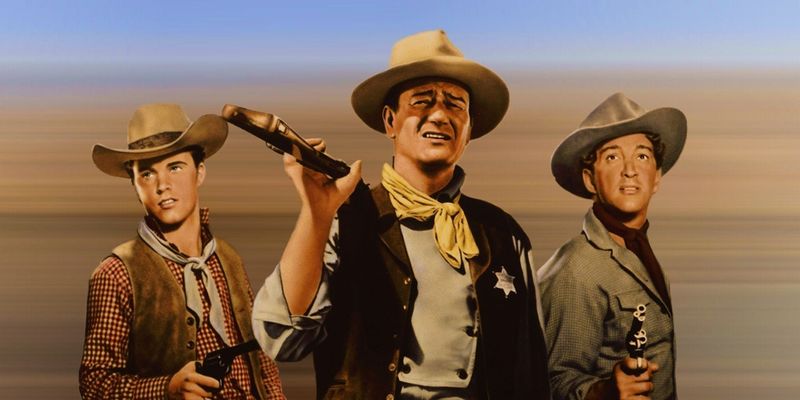
Sometimes the pleasure comes from simply spending time with the people on screen. Howard Hawks gives John Wayne’s sheriff a small circle of allies as they hold a prisoner against powerful enemies.
Conversation, humor, and music make the waiting feel alive.
Tarantino has often praised Rio Bravo, and its relaxed attention to friendship helps explain his love of extended dialogue. Enjoy the quieter scenes instead of rushing toward the shootout; they make the group’s loyalty worth caring about.