
Fame can open doors, but it does not guarantee a welcome at every border. Stars have faced travel restrictions over criminal records, political views, stage behavior, and even clothing choices.
Some cases involved denied visas or canceled concerts rather than permanent entry bans. The stories below explain those differences, since an old headline does not always reflect today’s travel rules.
1. Miley Cyrus: A Concert That Crossed a Line
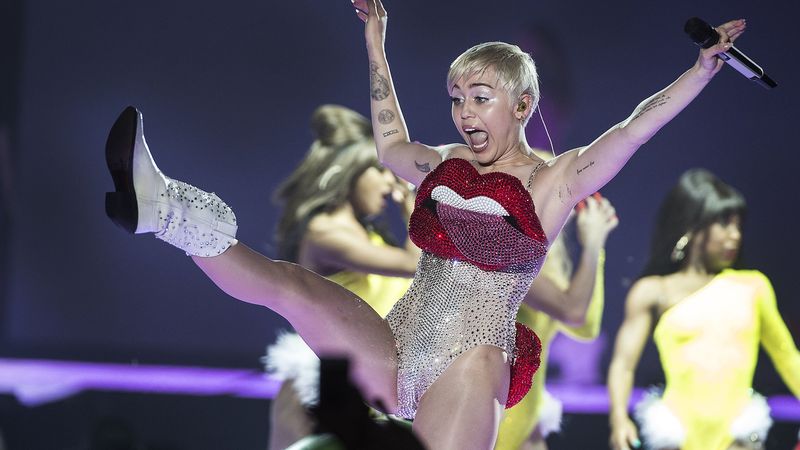
A bold stage act helped turn a Disney star into a global pop name, but not every audience welcomed it. Dominican Republic officials blocked her planned 2014 concert, saying her performances went against local morals and customs.
A separate claim that China banned her over an offensive 2009 photo is harder to verify. Keep those stories separate: stopping one concert is not automatically the same as permanently refusing someone entry into a country.
2. Brad Pitt: Tibet on Screen, Trouble Abroad
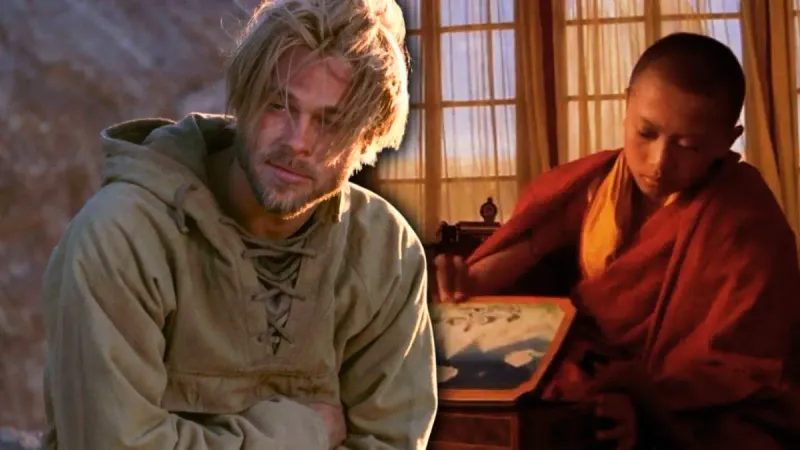
Playing a mountain climber brought consequences far beyond the movie theater. After Seven Years in Tibet appeared in 1997, reports said Chinese authorities barred its leading actor because they objected to the film’s treatment of Chinese rule in Tibet.
That restriction did not last forever. He visited China in 2014 and later promoted Allied there.
His experience is a useful reminder that famous travel bans can change, even when older articles keep repeating them.
3. Katy Perry: When a Dress Became Political
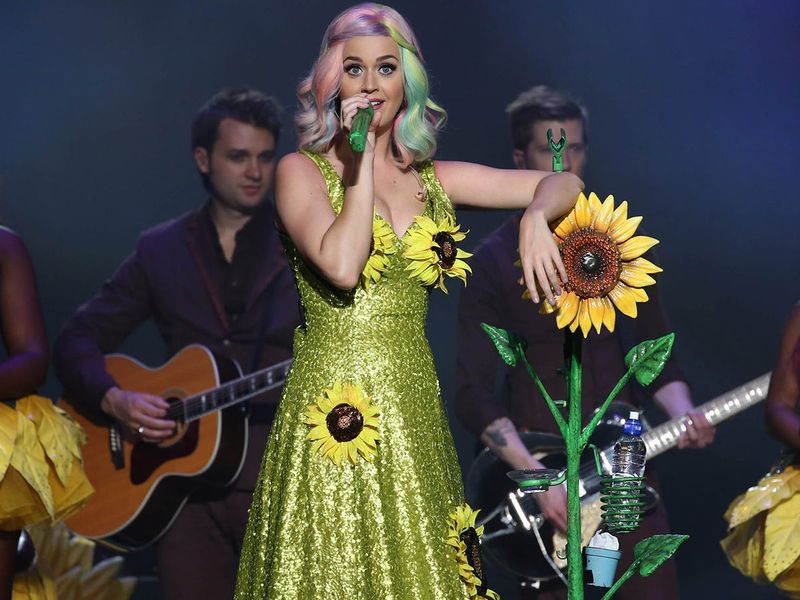
Sunflowers usually suggest summer, not a visa dispute. Yet a sunflower dress worn during a 2015 Taiwan performance became part of reports explaining why the singer could not attend a major Shanghai fashion show in 2017.
She had also displayed Taiwan’s flag, while sunflowers were linked to Taiwan’s student protest movement. Reports connected those details to Chinese officials’ decision.
The lesson for touring stars: clothing and symbols can carry meanings beyond their intended message.
4. Snoop Dogg: Airport Trouble Interrupted the Tour
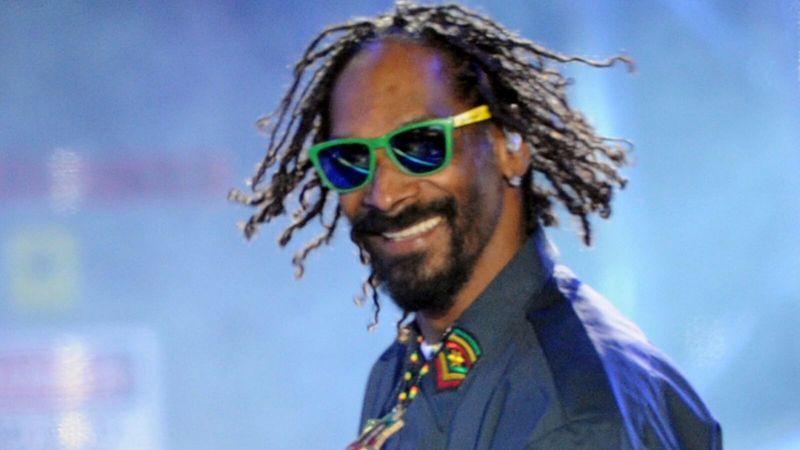
Even a relaxed rap legend can run into strict airport rules. Norwegian authorities imposed a two year entry ban in 2012 after the musician was caught carrying cannabis.
Earlier trouble at London’s Heathrow Airport also led to British visa problems.
Australia refused him a visa in 2007 on character grounds, although he later returned. These were separate decisions under different laws.
Travelers should never assume that rules about cannabis are identical from country to country.
5. Chris Brown: A Conviction With Border Consequences
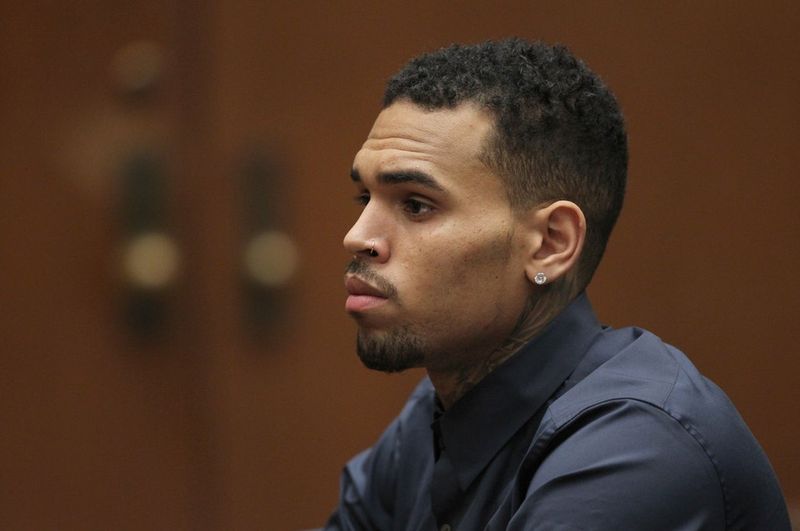
Sold out shows cannot erase a criminal record. The singer’s 2009 conviction for assaulting Rihanna became a major issue when he sought permission to perform overseas.
Britain refused him entry in 2010, and Canadian concerts were canceled after an entry refusal in 2015.
Australia also moved to deny him a visa that year. These cases concerned particular immigration decisions, not necessarily permanent bans.
A conviction can affect travel long after a court sentence is completed.
6. Lady Gaga: A Stage Show Met Strong Opposition
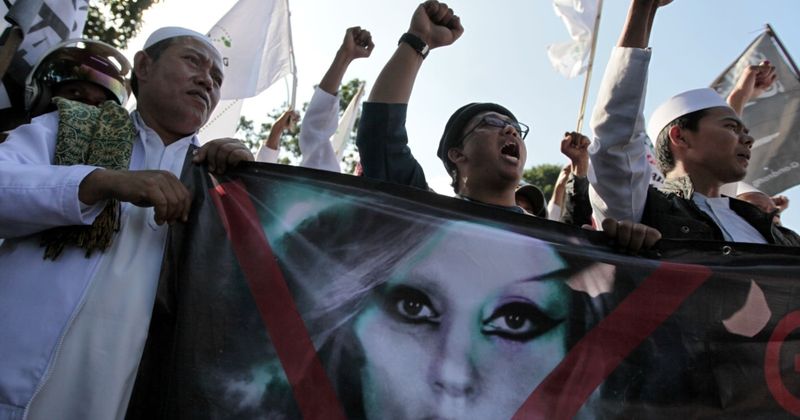
Outrageous costumes are part of her brand, but a planned Jakarta show became a serious safety dispute. In 2012, Indonesian police refused concert permission after opposition from conservative groups, and organizers canceled the event amid threats.
That was not clearly a permanent immigration ban. China also restricted some music, while her 2016 meeting with the Dalai Lama brought further reported restrictions.
Separating blocked performances from denied entry helps explain what authorities actually did in each case.
7. Justin Bieber: Bad Behavior Cited by Officials
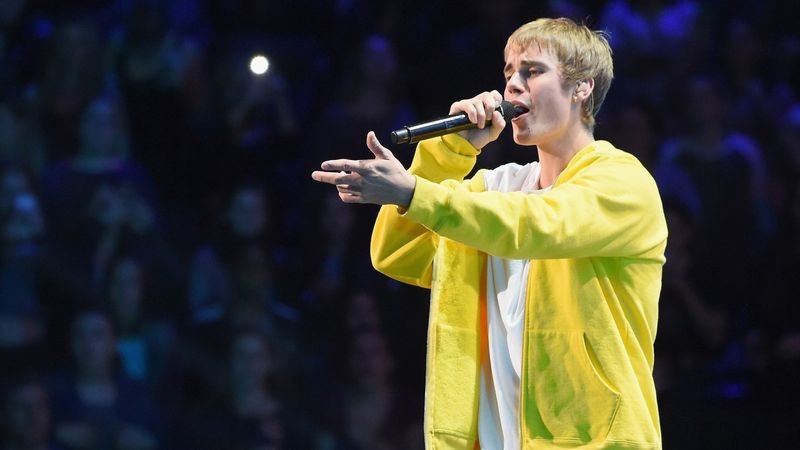
Teen fame brought screaming crowds, but also close attention to every mistake. In 2017, Beijing’s culture authorities said the Canadian singer would not be allowed to perform, citing bad behavior and a desire to protect the local entertainment environment.
Argentina presented a different problem: legal proceedings linked to an alleged photographer assault disrupted touring plans. Those allegations should not be described as proven guilt.
Both stories show why performance restrictions and immigration bans need careful wording.
8. Richard Gere: Speaking Out for Tibet
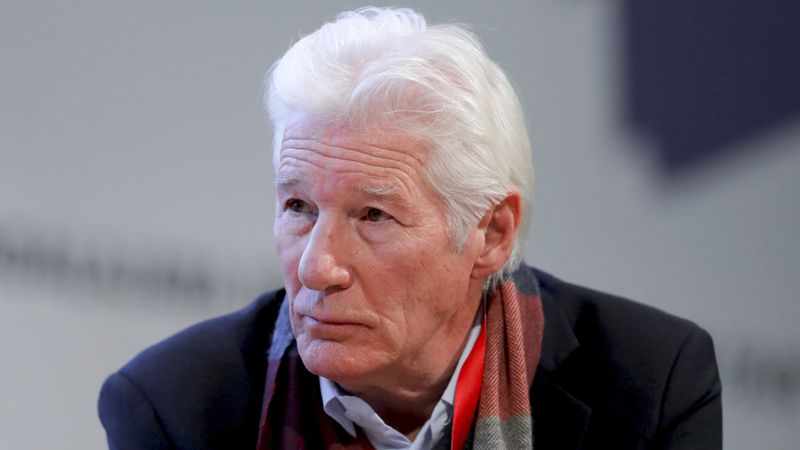
For this actor, speaking publicly about Tibet mattered more than avoiding controversy. His criticism of Chinese policies, including remarks at the 1993 Academy Awards, and support for the Dalai Lama have long been linked to reports of an entry ban.
Many accounts describe the restriction as lifelong, though its precise official terms are not readily available. His case highlights a difficult choice for public figures: political advocacy may affect travel and professional opportunities in other countries.
9. Selena Gomez: Visa Trouble Stopped the Music

A concert tour needs more than catchy songs and packed arenas. Russian shows were canceled in 2013 after the pop star failed to obtain a visa.
Reports linked the decision to concerns about foreign performers discussing gay rights.
Later reports connected canceled Chinese performances to a photograph with the Dalai Lama. Public explanations were limited, so neither story proves a permanent entry ban.
Fans checking tour rumors should look for confirmed visa decisions rather than assumptions.
10. Tyler, the Creator: Lyrics Under Government Review
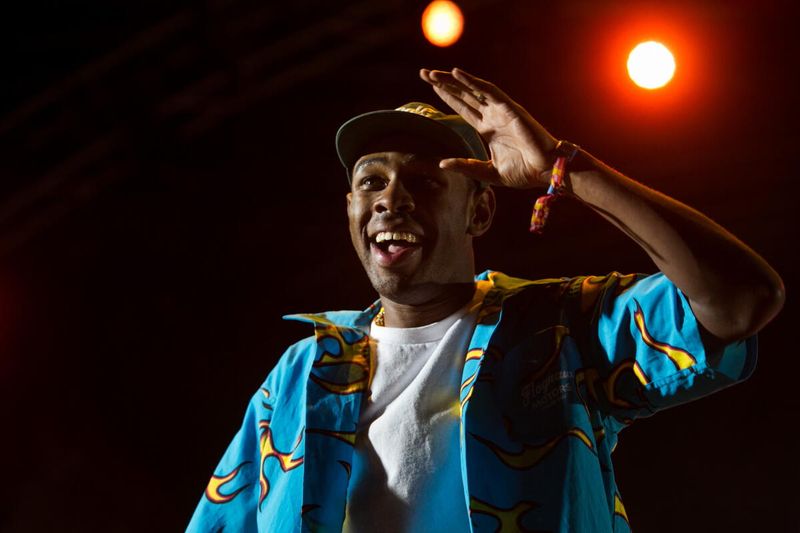
Provocative lyrics helped build his early reputation, then complicated his travel plans. British authorities refused him entry in 2015, citing older songs they considered harmful.
New Zealand had also refused visas to members of Odd Future, including him, in 2014.
His Australian touring dispute involved campaign pressure and contested claims about visa status, so it deserves separate treatment. He later returned to perform in Britain.
An artist’s past work can influence officials even after their style changes.
11. Gigi Hadid: A Missing Face on the Runway
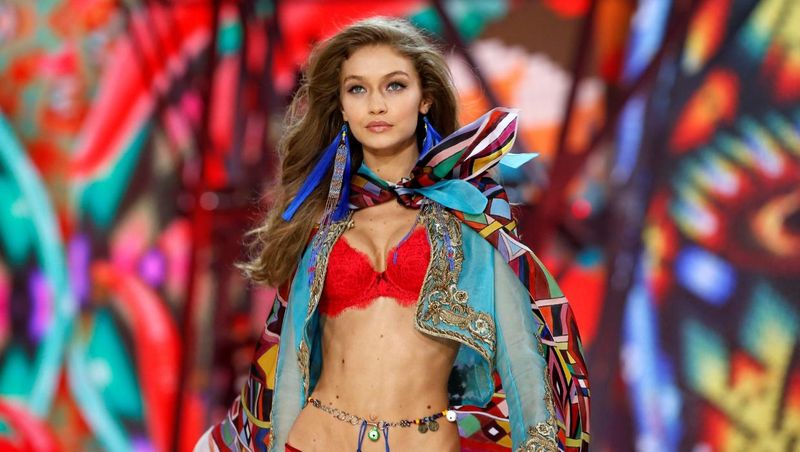
A short video overshadowed a major runway appearance. Before the 2017 Victoria’s Secret show in Shanghai, the model faced criticism over footage showing her narrowing her eyes while holding a Buddha shaped cookie.
She apologized for the gesture.
She later announced she would not attend the show. Reports said her Chinese visa was denied, but authorities did not publicly confirm that explanation.
Treating the reported reason as established fact would make this story sound more certain than it is.
12. Martha Stewart: Britain Refused a Business Visit

Recipes and home decorating could not smooth over this immigration hurdle. In 2008, British authorities refused the businesswoman a visa for a planned visit, citing her criminal conviction.
Her case involved obstruction, false statements, and conspiracy linked to a stock sale investigation.
She was not convicted of insider trading, despite that common shorthand. The distinction matters when discussing anyone’s record.
Even a trip built around work meetings can be blocked when immigration rules consider previous convictions.
13. Alec Baldwin: A Talk Show Joke Backfired
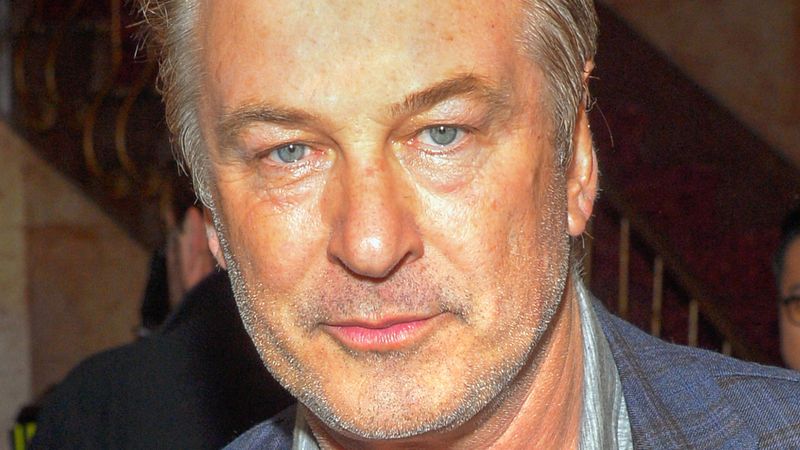
One joke traveled much farther than its speaker expected. During a 2009 television appearance, the actor joked about getting a Filipino mail order bride.
Philippine officials condemned the comment, and immigration authorities placed him on their blacklist.
He later apologized, saying he had not intended to offend anyone. The reaction shows how casual remarks can sound deeply disrespectful across borders.
Humor about nationality or exploitation can carry real consequences, especially when delivered on a public platform.
14. 50 Cent: Calls for a Ban Need Context
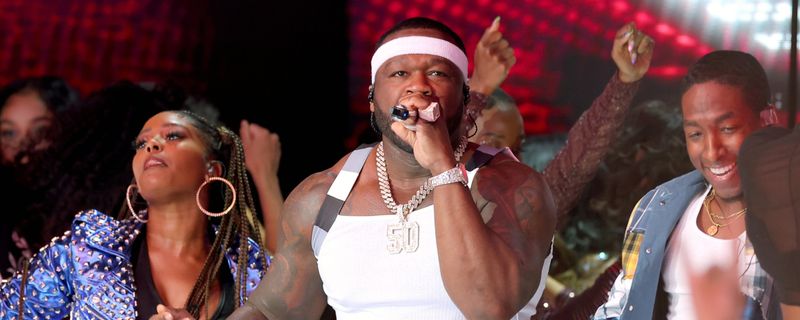
A tough public image can attract political pressure as well as fans. In 2005, a Canadian politician called for the rapper to be barred, pointing to his criminal history and concerns about gun violence.
That campaign became widely repeated as a ban story.
However, demands for exclusion are not proof that officials imposed a lasting nationwide ban. His case needs that distinction.
When reading celebrity travel headlines, check whether they describe an actual decision or someone’s request.
15. Harrison Ford: Advocacy Beyond the Adventure Films
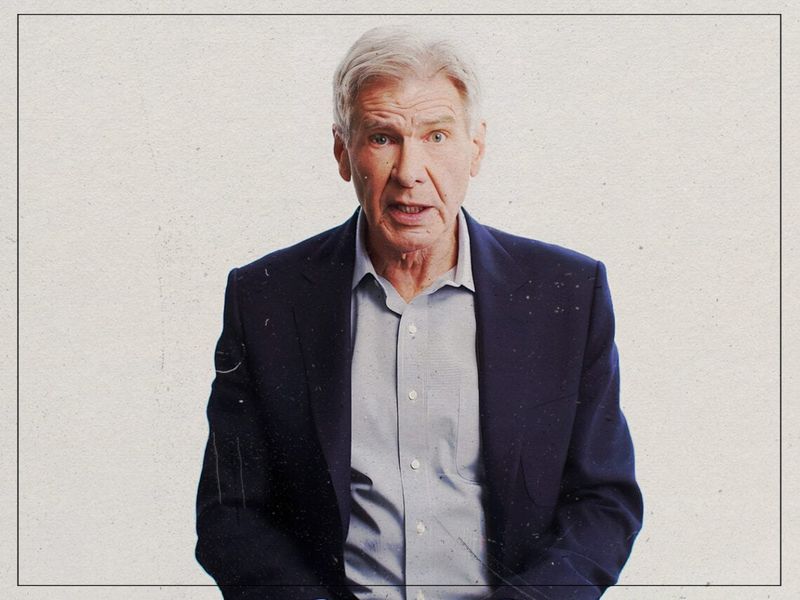
Adventure movies made him famous, but his support for Tibet placed him in a different kind of international story. Accounts of celebrities excluded from China often name the actor because of his public advocacy and support for the Dalai Lama.
Clear official details about the reported restriction are scarce. It should not be presented as a newly verified or permanent ban.
His inclusion shows how political positions can become attached to a celebrity’s travel reputation for decades.
16. Martin Scorsese: A Film With Diplomatic Fallout
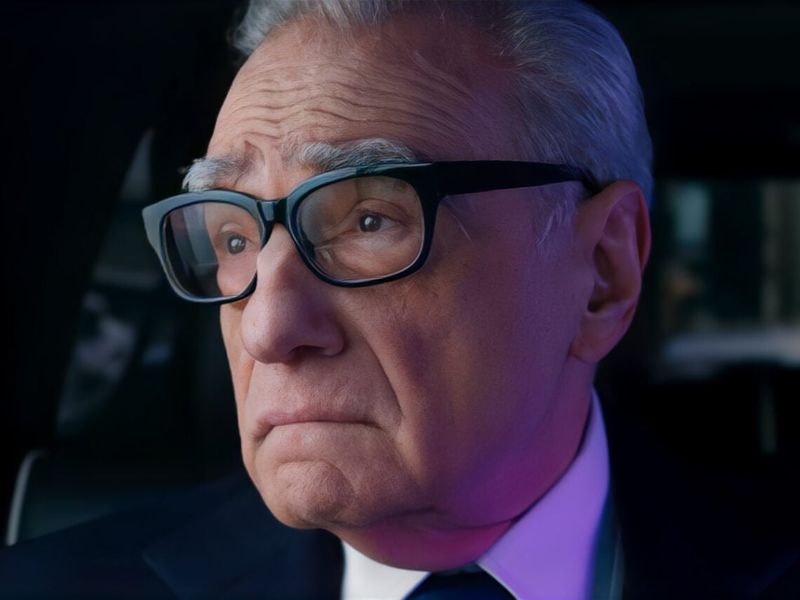
Behind the camera, a director can still become part of a border dispute. His 1997 film Kundun told the story of the Dalai Lama’s early life and escape from Tibet.
Chinese officials strongly opposed it, and reports linked the production to entry restrictions.
The movie also strained Disney’s relationship with China because the company distributed it. Public details about the director’s current travel status remain limited.
A film’s political impact can reach well beyond reviews and ticket sales.
17. Elton John: A Performance Blocked in Egypt
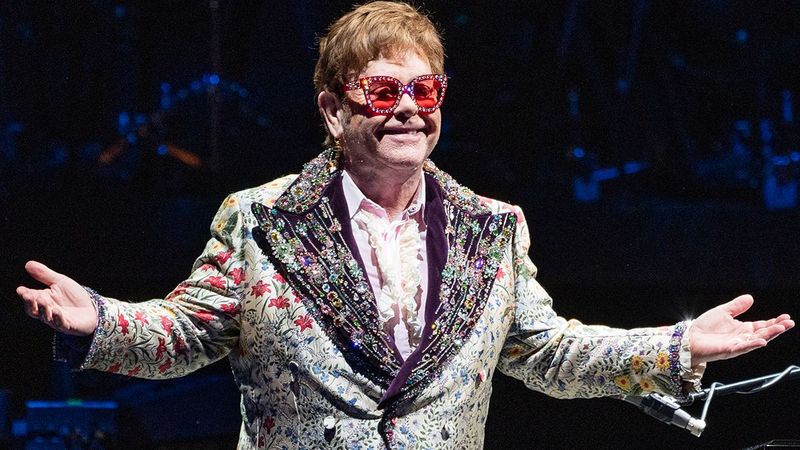
Bright glasses and piano hits were not enough to secure an Egyptian stage. In 2010, a musicians’ union official said the singer would not be allowed to perform, citing his sexuality and controversial comments about religion.
That announcement concerned concert permission, not a clearly documented permanent immigration ban. The distinction should stay visible, especially when discrimination is involved.
Performers may face restrictions on their work abroad even when there is no public order barring all personal travel.
18. Mike Tyson: A Speaking Tour Hit Visa Rules
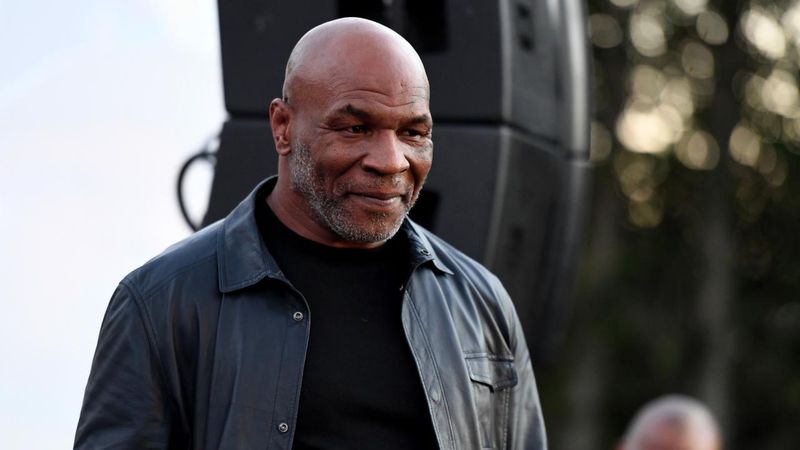
A former boxing champion’s speaking tour ran into rules far removed from the ring. New Zealand canceled his visa in 2012 after a sponsoring organization withdrew its support.
His 1992 rape conviction was central because immigration rules restricted entry for people with serious sentences.
British rules also disrupted a later promotional visit. Australia handled his applications differently, so sweeping claims of identical bans are misleading.
Criminal records can require special permission, even for brief paid appearances overseas.
19. Akon: A Music Video Sparked Religious Anger
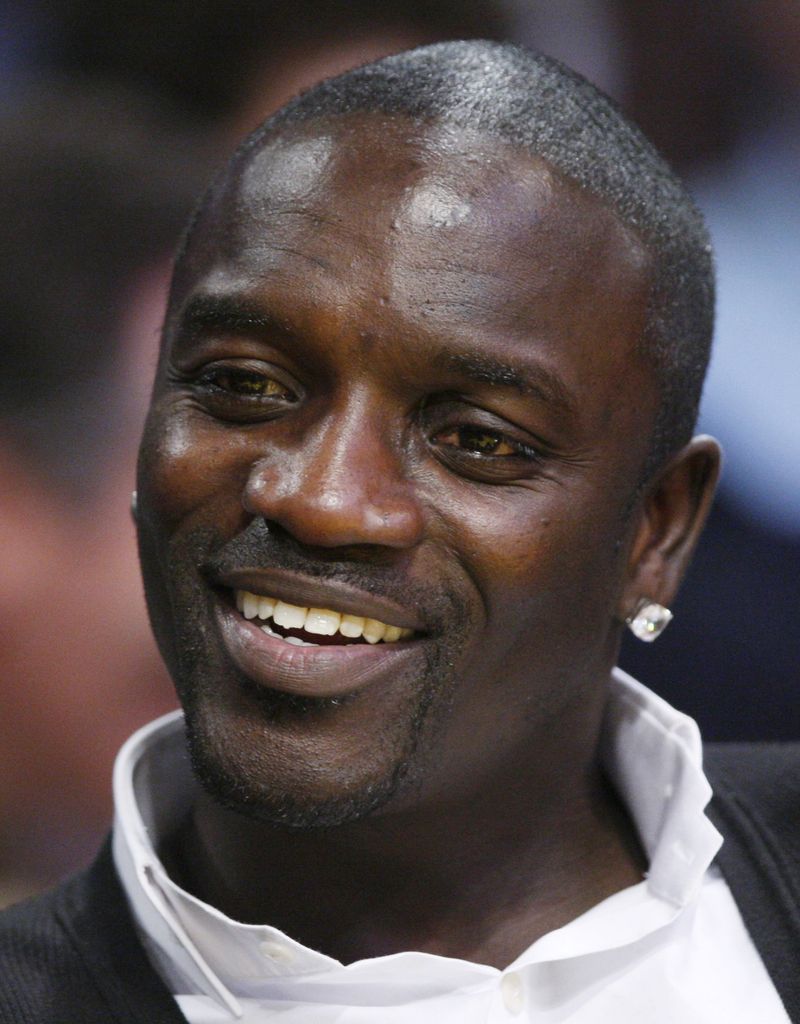
A pool party scene led to consequences thousands of miles away. Sri Lanka refused the singer a visa in 2010 after protests over the Sexy Chick video, which showed dancing near a Buddha statue.
Critics considered the setting disrespectful to Buddhism.
He expressed regret and said he had not noticed the statue during filming. The canceled visit illustrates why production teams should check backgrounds carefully.
Religious symbols can hold deep meaning, even when they appear briefly in entertainment.
20. Matty Healy: An Onstage Protest Ended the Show
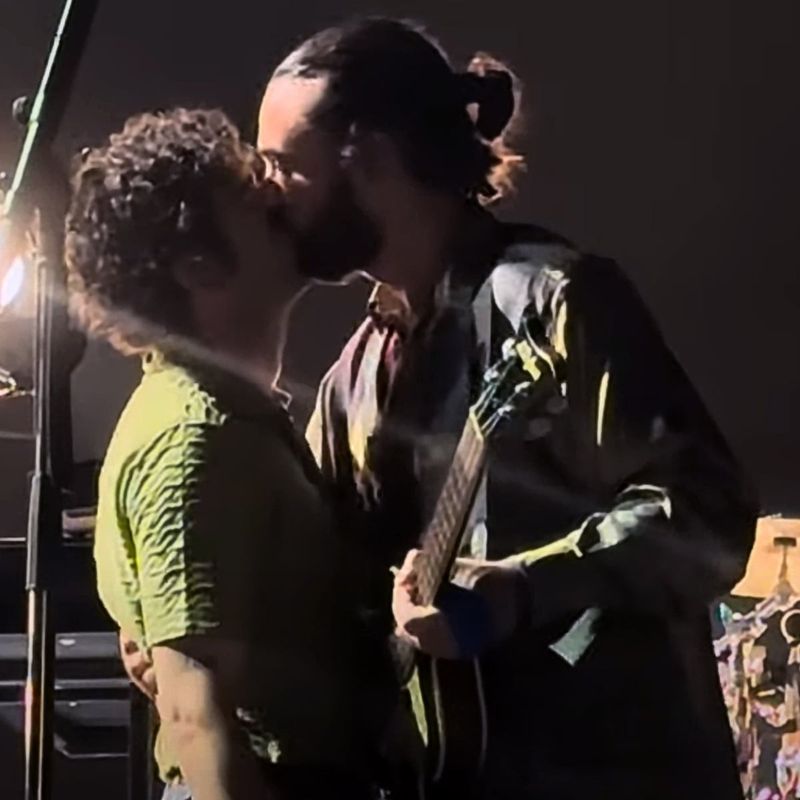
A festival set became an international dispute in July 2023. The 1975 frontman criticized Malaysia’s laws against same sex relationships and kissed male bandmate Ross MacDonald onstage.
Authorities stopped the performance, and the remaining Good Vibes Festival dates were canceled.
Malaysia’s performance approval body blacklisted the band from performing in the country. That confirmed concert restriction should not automatically be called a permanent immigration ban.
The incident also affected local workers, organizers, and fans beyond the musicians themselves.