
Britain is a small island, but every corner of it has its own special food. Some local dishes are loved in one town and almost unknown just fifty miles away.
Learning about them is a tasty way to understand the people and history behind each place. Get ready to meet some delicious meals that really should be on every table in the country.
1. Stottie Cake from the North East
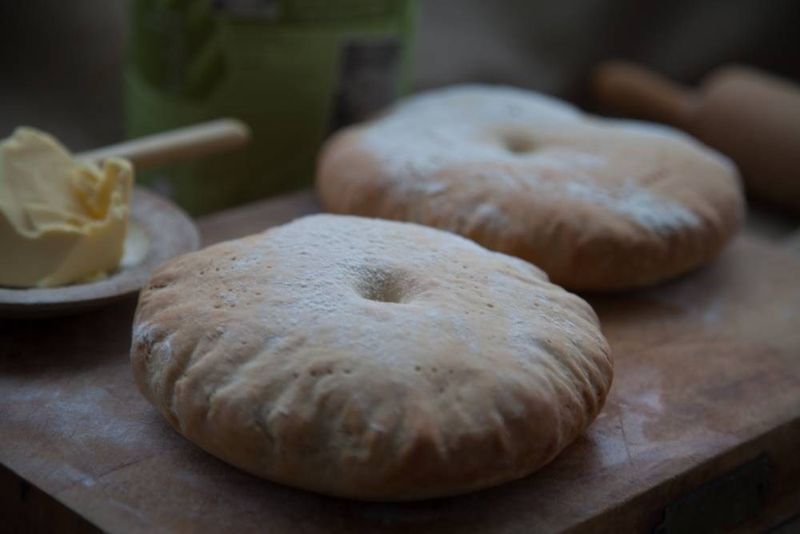
Ask anyone from Newcastle about lunch, and a stottie will probably come up. It is a big, round, flat bread with a chewy inside and a soft crust.
The name comes from the old local word stot, meaning to bounce. Bakers once said a good one would bounce if dropped!
Try it stuffed with ham and pease pudding for the classic Geordie experience. It also makes a brilliant bacon sandwich on a cold morning.
2. Scouse, Liverpool’s Hearty Stew
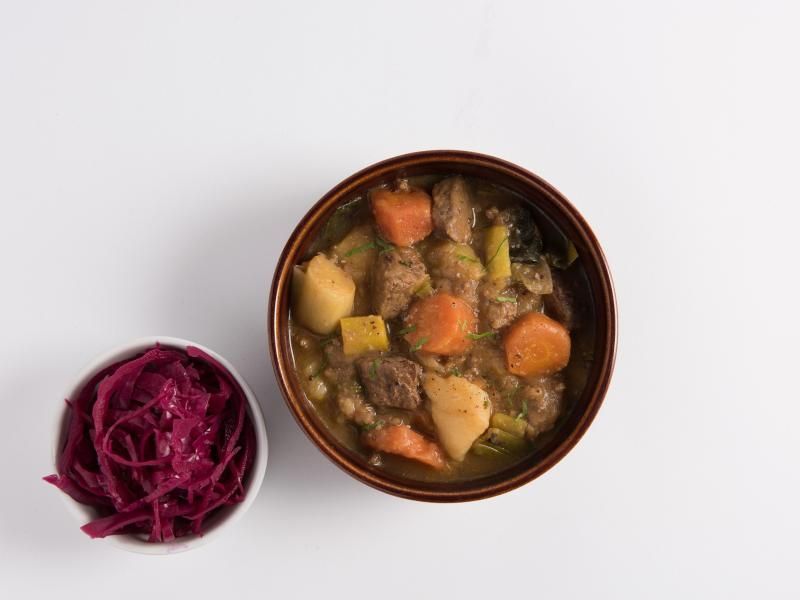
Here is a stew so loved that a whole city took its name. People from Liverpool are called Scousers because of it.
Sailors from Northern Europe brought a dish called lobscouse to the port long ago. Locals made it their own with beef or lamb, potatoes, carrots and onions, all cooked slowly for hours.
Serve it with pickled red cabbage and buttered bread. Leftovers taste even better the next day.
3. Staffordshire Oatcakes
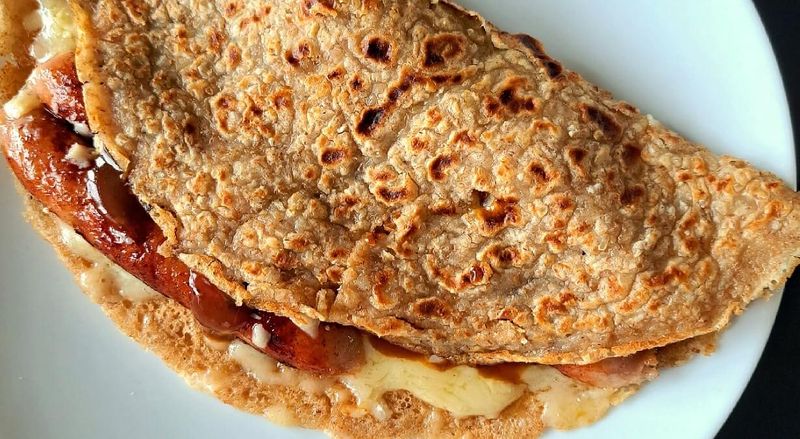
Forget the crunchy Scottish kind. In Stoke-on-Trent, oatcakes are soft, floppy pancakes made with oats, flour and yeast.
Pottery workers once grabbed them for a quick, filling breakfast. Little hatch shops sold them straight through a window, and a few still do today.
Fill one with cheese, bacon and mushrooms, then fold it and warm it until the cheese melts. You can even freeze a stack and heat them in a pan later.
4. Bedfordshire Clanger
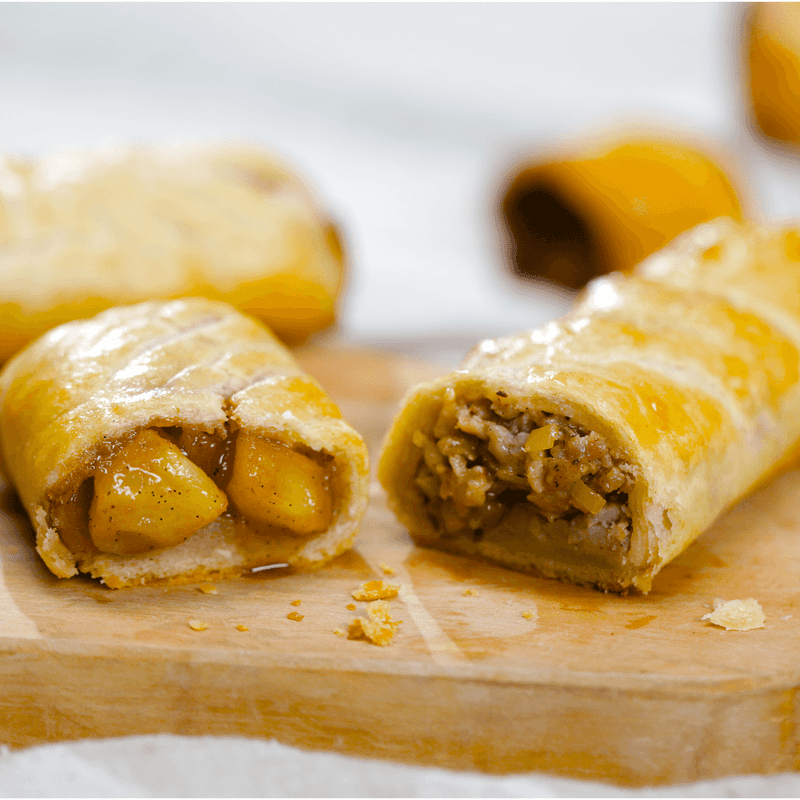
Imagine a pasty with dinner at one end and pudding at the other. That clever idea is the Bedfordshire Clanger.
Farm workers needed a single snack that could last all day in the fields. Bakers filled one side with meat and vegetables and the other with jam or apple.
Little marks on the crust show which end is sweet. Kids usually love deciding whether to eat dessert first.
5. Cullen Skink
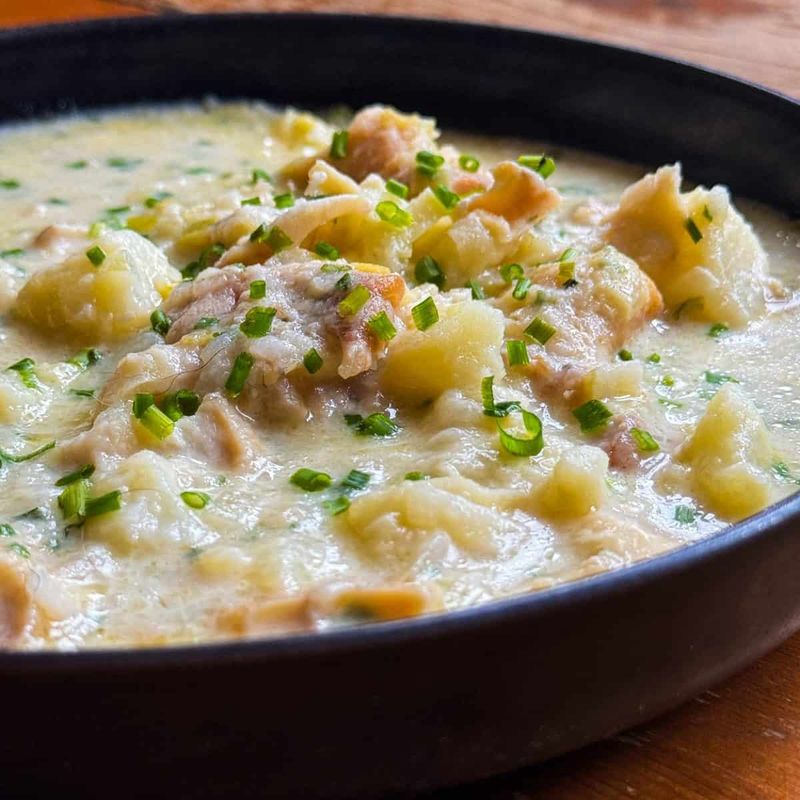
Smoky, creamy and warming, Cullen Skink is a soup that tastes like the Scottish seaside. It started in the fishing village of Cullen on the Moray coast.
The main ingredients are simple: smoked haddock, potatoes, onions and milk. Even so, the flavour is rich and deep.
Look for undyed smoked haddock for the best taste. A slice of crusty bread on the side turns it into a proper meal.
6. Welsh Cawl
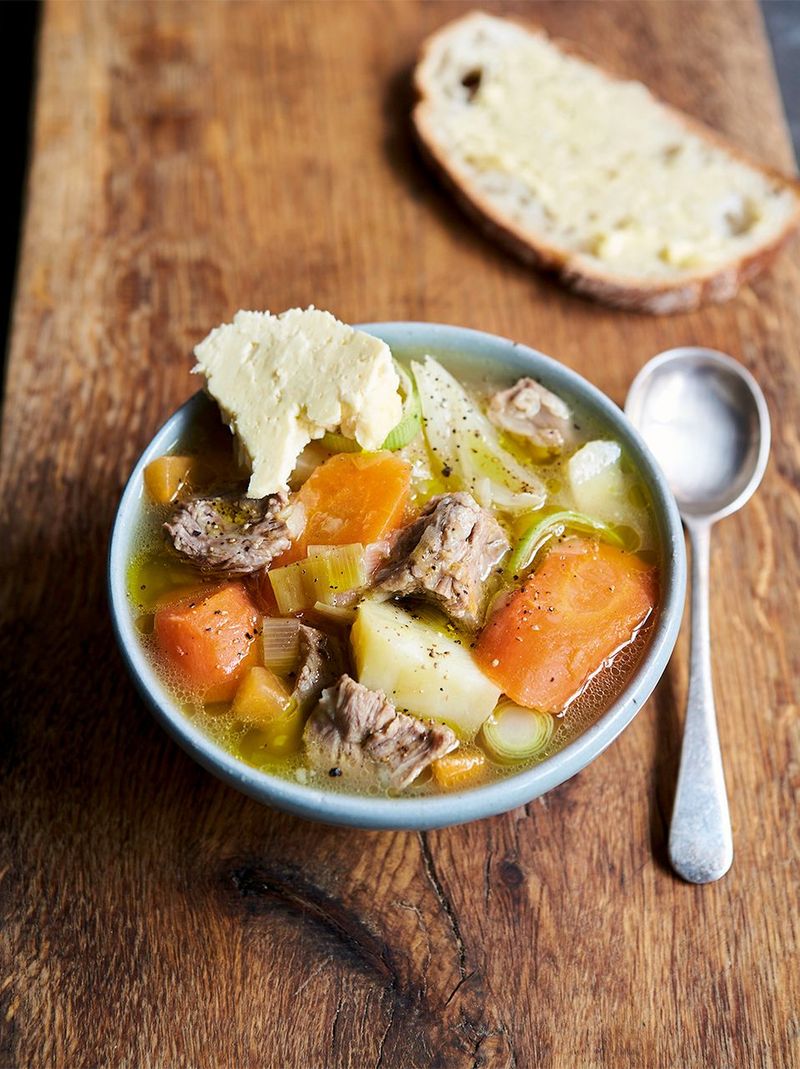
On a rainy day in Wales, a bowl of cawl feels like a warm hug from your grandmother. Many Welsh families say it is their national dish.
Lamb, leeks, swede and potatoes simmer gently together. Some people eat the broth first and the meat and vegetables after.
A wedge of Caerphilly cheese and fresh bread are perfect sidekicks. Make a big pot, because cawl gets tastier when reheated.
7. Ulster Fry
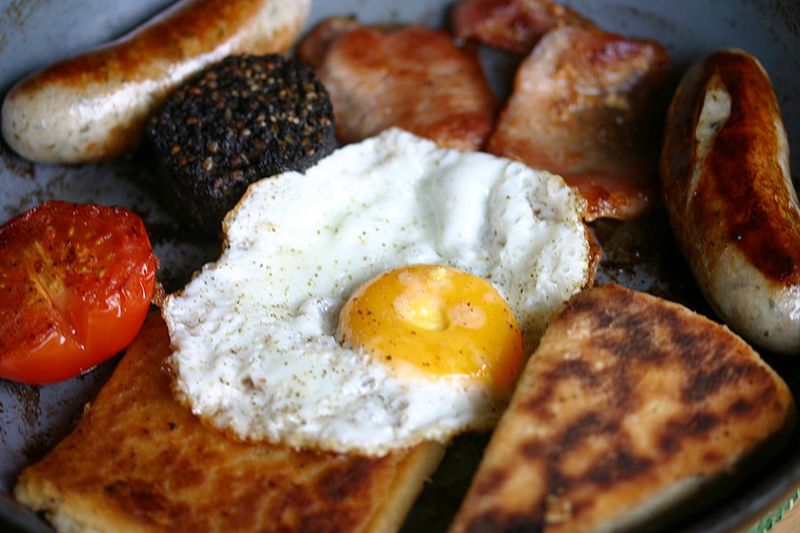
Plenty of places serve a fried breakfast. Northern Ireland adds two secret weapons that make theirs special.
Soda farls and potato bread are fried until golden and crispy. They sit next to eggs, bacon, sausages and tomatoes.
Potato bread is easy to make at home with leftover mash, flour and butter. Weekend brunch will never be the same again once you try it.
8. Lancashire Hotpot
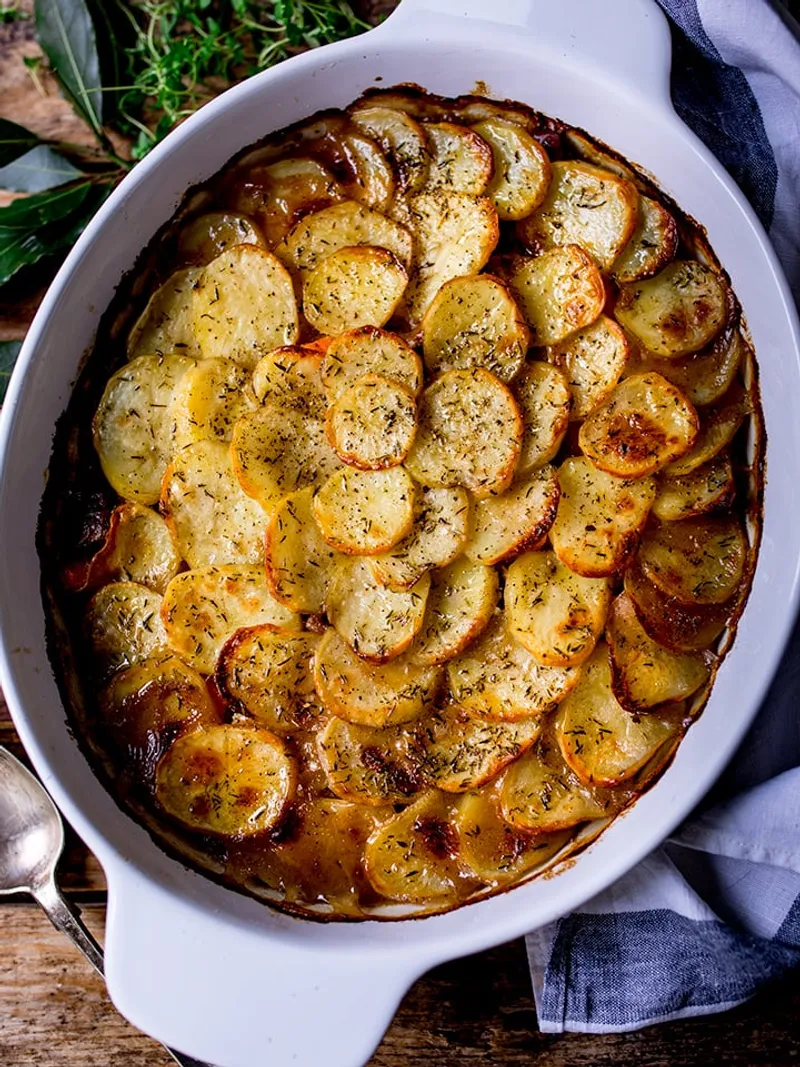
Picture crispy golden potato slices sitting on top of tender lamb. That is the magic of a Lancashire hotpot.
Mill workers could leave it cooking slowly all day while they worked. When they came home, dinner was ready and smelling amazing.
The trick is overlapping the potato slices like roof tiles. Brush them with butter before baking.
Pickled red cabbage on the side is a Lancashire tradition worth keeping.
9. Lincolnshire Plum Bread
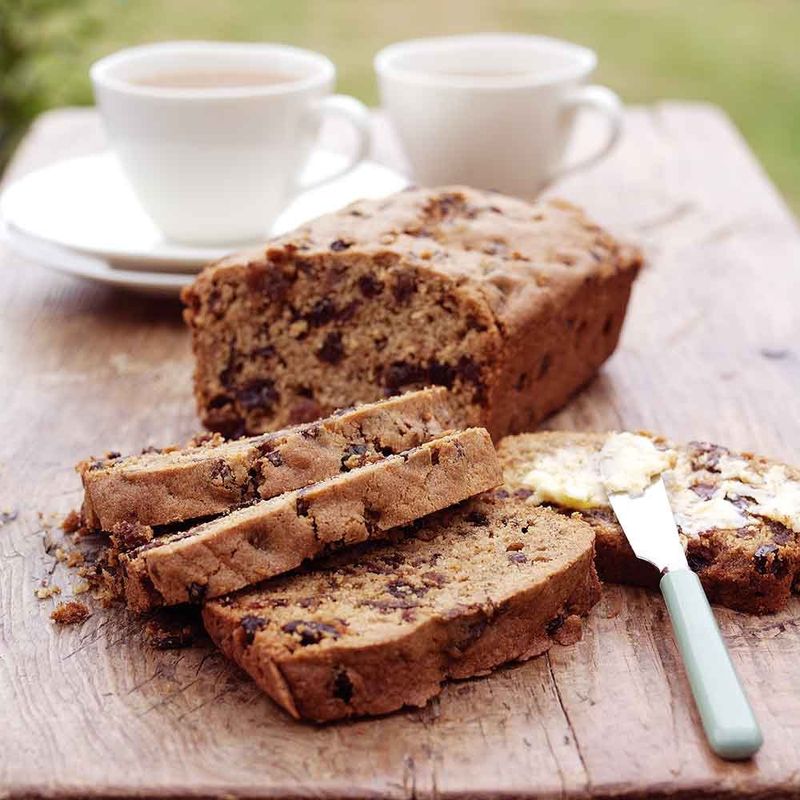
Funny thing: there are no plums in Lincolnshire plum bread! Long ago, people called all dried fruit plums.
The loaf is soft, sweet and packed with raisins, currants and warm spices. It sits somewhere between bread and cake.
Locals love it sliced thick with butter. For a twist, try it with a piece of crumbly cheese.
It is also brilliant toasted for breakfast on a frosty morning.
10. Pan Haggerty
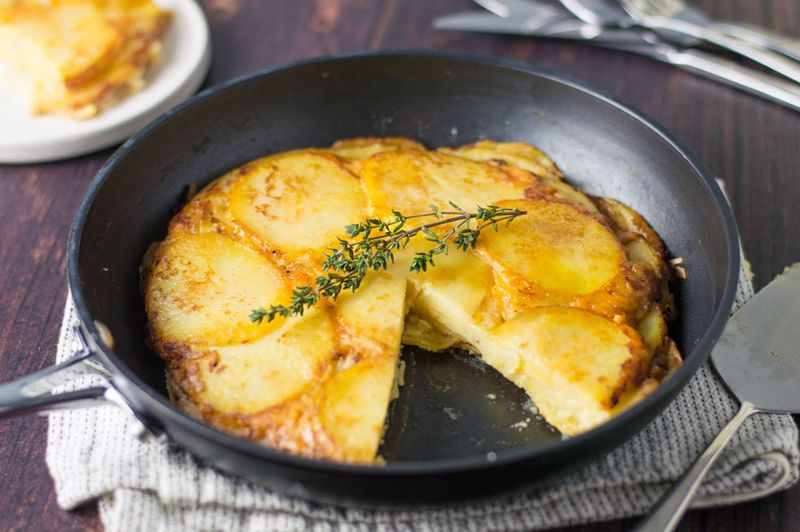
Got potatoes, onions and cheese? Then you can make a Northumberland favourite tonight.
Pan haggerty layers thin potato slices with soft onions and grated cheese in a frying pan. It cooks slowly until the bottom turns crisp and the top bubbles.
It is cheap, filling and great for using up odds and ends. Serve it on its own or next to sausages for a cosy family supper.
11. Bakewell Pudding
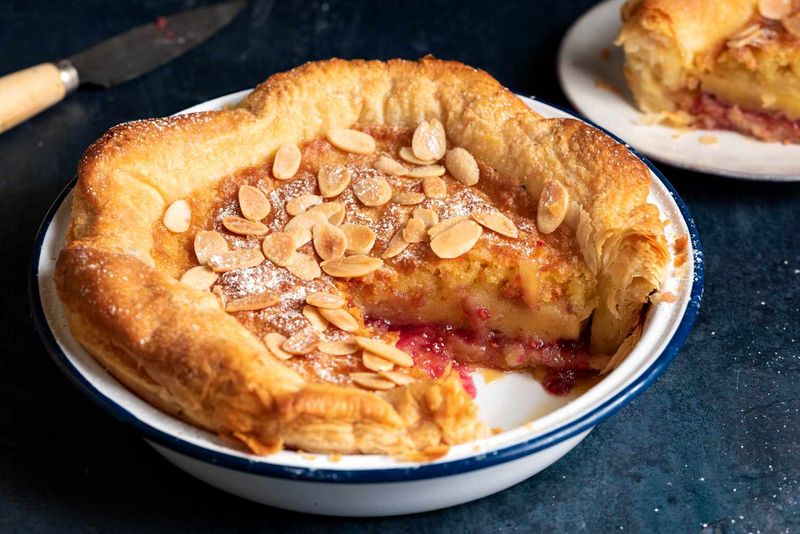
Legend says a cook in Bakewell got a recipe wrong in the 1800s. Her mistake became a famous treat.
Most people know the iced Bakewell tart, but the original pudding is different. It has flaky pastry, a layer of jam and a rich eggy almond filling.
Visitors to Derbyshire queue for it in local shops. Eat it warm with custard or cream for the full experience.
12. Parkin from Yorkshire
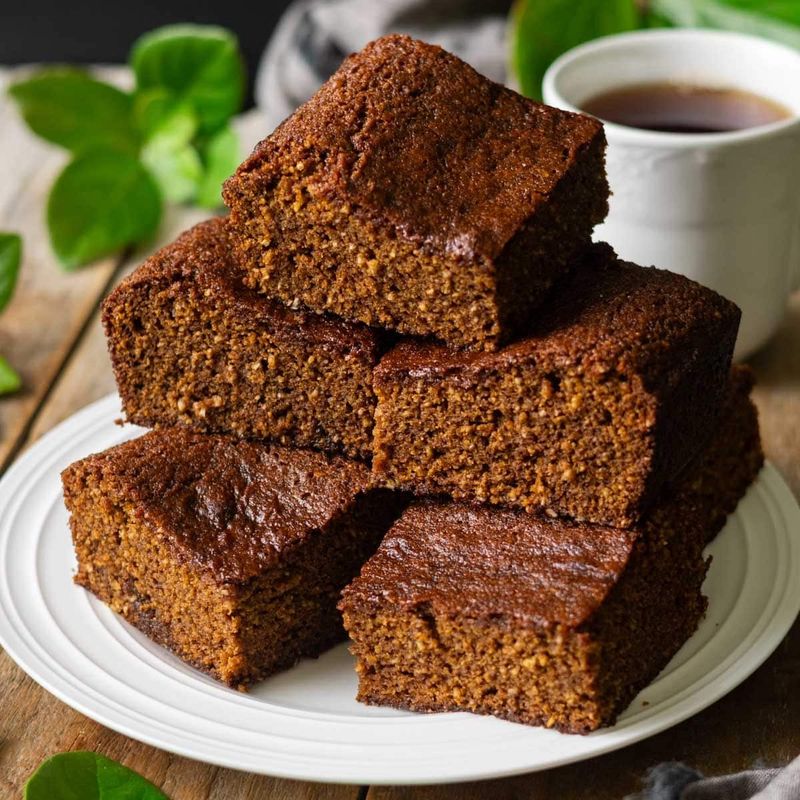
Bonfire Night in Yorkshire just would not feel right without parkin. This dark, sticky cake is made with oats, ginger and black treacle.
Here is a top tip: never eat it fresh. Wrap it up and wait a few days, and it becomes even stickier and more delicious.
Pair a square with a mug of hot chocolate while watching fireworks. Your friends will ask for the recipe.
13. Arbroath Smokies
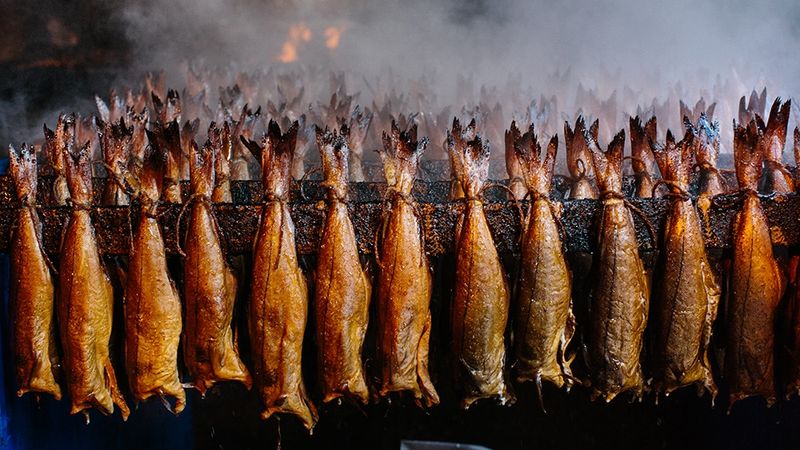
Walk around Arbroath harbour and you might smell wood smoke drifting through the air. That is the scent of smokies being made.
Fresh haddock are tied in pairs and smoked over hardwood fires in barrels. The fish turn a beautiful copper colour.
Only fish smoked near Arbroath can use the name. Flake them into scrambled eggs, pasta or a salad for an easy smoky boost.
14. Laverbread
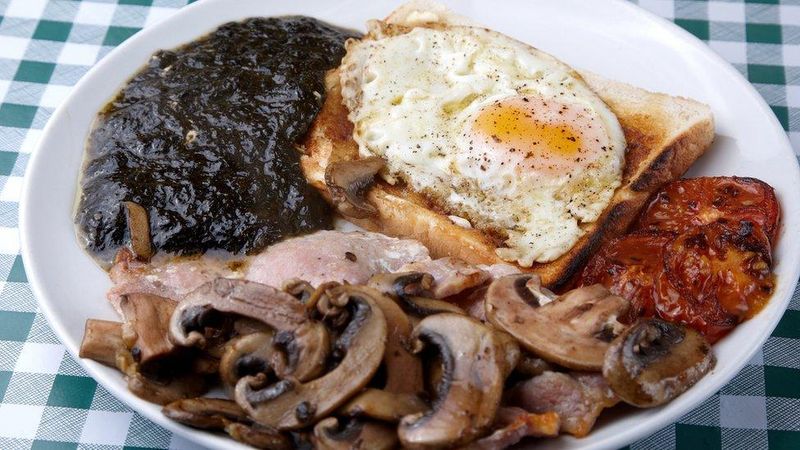
Seaweed for breakfast? In South Wales, absolutely!
Laverbread is not bread at all.
It is laver seaweed, collected from rocky beaches and cooked for hours until it becomes a dark, soft paste. Mixed with oats, it can be fried into little cakes.
Welsh families serve it with bacon and cockles. It is full of vitamins and iron, so it is surprisingly healthy too.
Be brave and give it a go.
15. Stargazy Pie
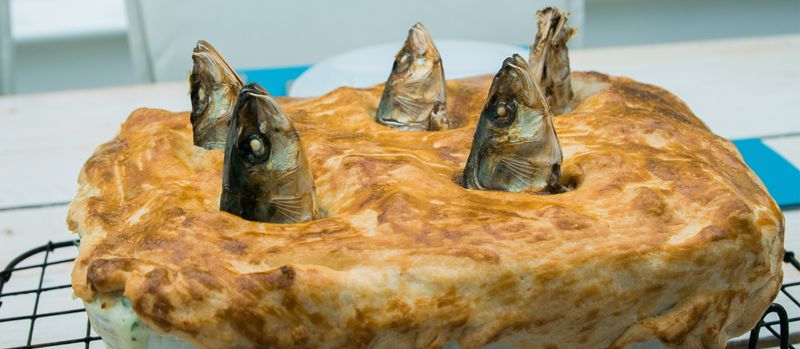
Fish heads poking out of a pie crust, staring at the stars. Strange?
Sure. Unforgettable?
Definitely!
Stargazy pie comes from Mousehole in Cornwall. A brave fisherman named Tom Bawcock is said to have sailed out in a storm to save the starving village.
Locals celebrate him every December with this pie. The heads let tasty oil drip into the filling while it bakes.
Great story, great dinner.
16. Chip Butty with Scraps
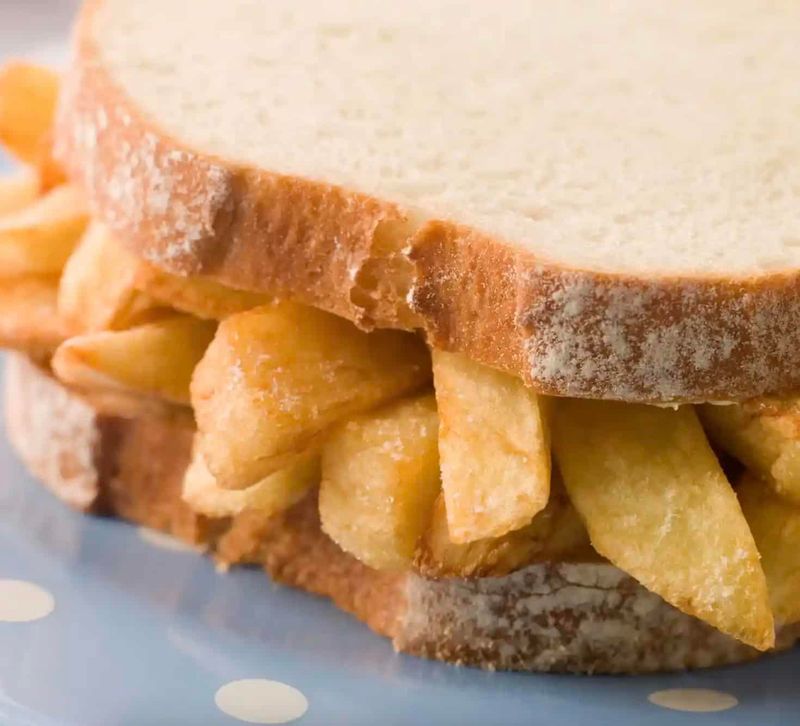
Chips inside bread might sound silly to some people. Up North, it is pure comfort food.
A chip butty is simply hot chips stuffed into a buttered roll. Ask for scraps, the crunchy bits of leftover batter, and sprinkle them on top for extra crunch.
Salt and vinegar are a must. Brown sauce or ketchup?
That debate could last all night, so just pick your favourite.
17. Norfolk Dumplings
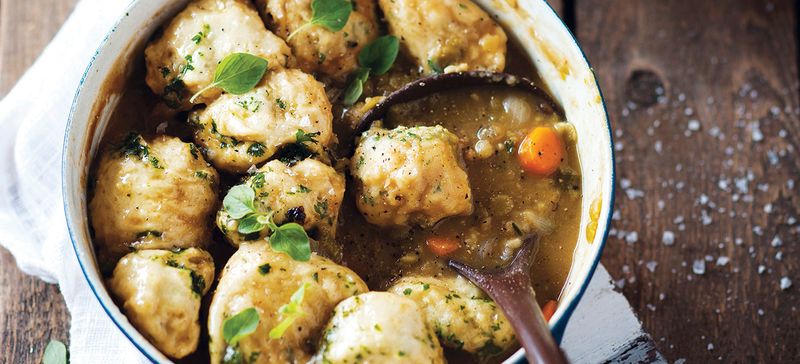
Most dumplings use suet, but Norfolk does things its own way. Their version is made from bread dough with no fat at all.
The result is light, fluffy and great at soaking up gravy. People call them swimmers or floaters because they bob on top of stew.
Drop them into any soup or casserole for the last twenty minutes. Keep the lid on so they puff up nicely.
18. Pikelets from the Midlands
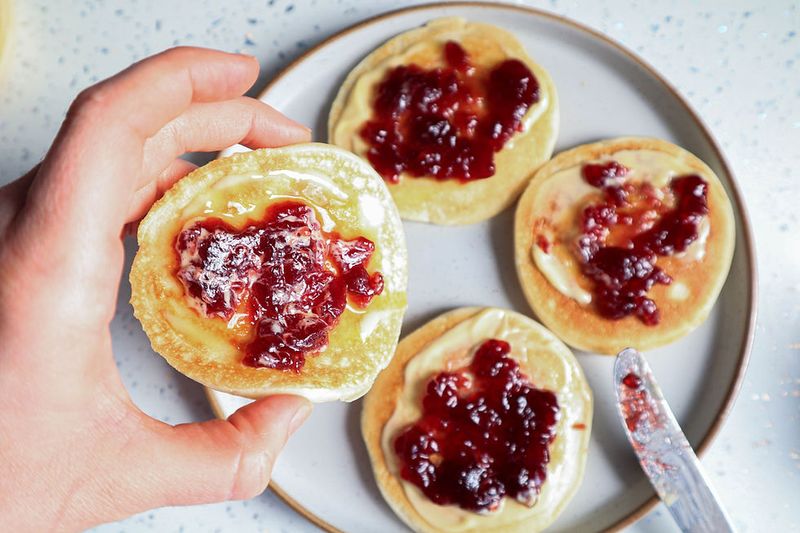
Think of a crumpet that got flattened and went a bit wild. That is a pikelet.
Bakers pour the batter straight onto a hot griddle without rings, so each one spreads into a thin, uneven circle. Tiny holes cover the top.
Toast them and spread on lots of butter so it sinks into every hole. Honey or jam makes them even better.
They are perfect for a quick afternoon snack.
19. Bara Brith
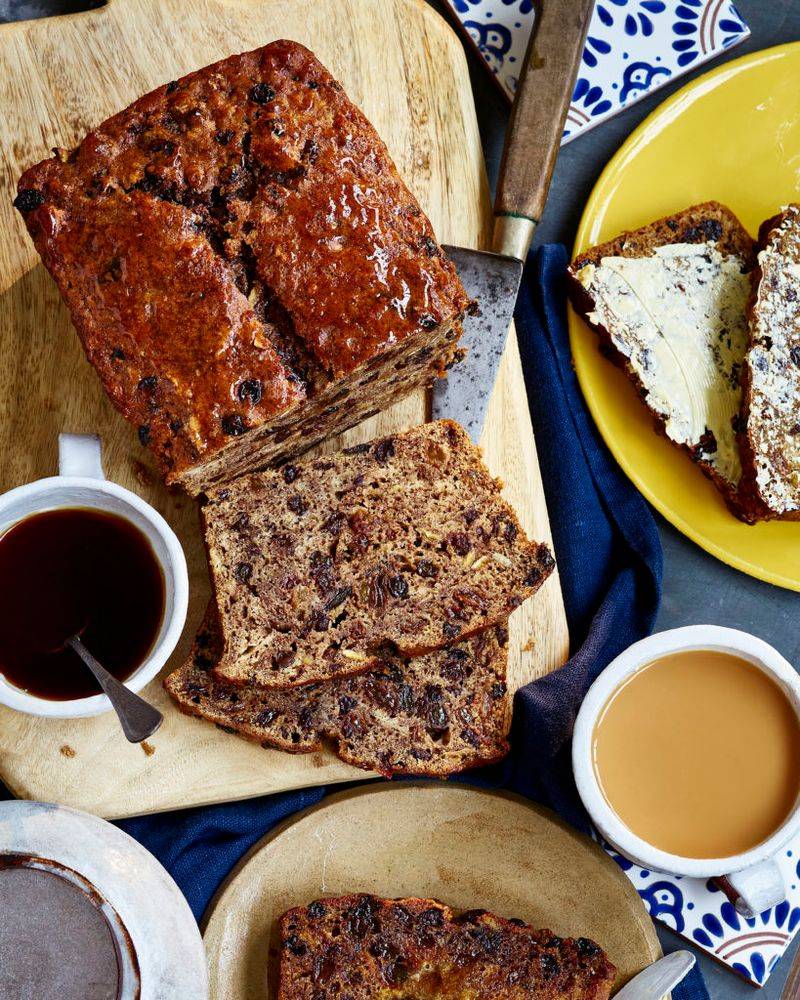
Bara brith means speckled bread in Welsh, and one look explains why. Dried fruit dots every slice.
The secret is soaking the fruit overnight in cold tea. That makes the loaf moist and gives it a gentle malty flavour.
Spread it with salted Welsh butter and enjoy it with a cuppa. Wrapped well, it stays fresh for nearly a week, making it great for lunchboxes.
20. Pease Pudding
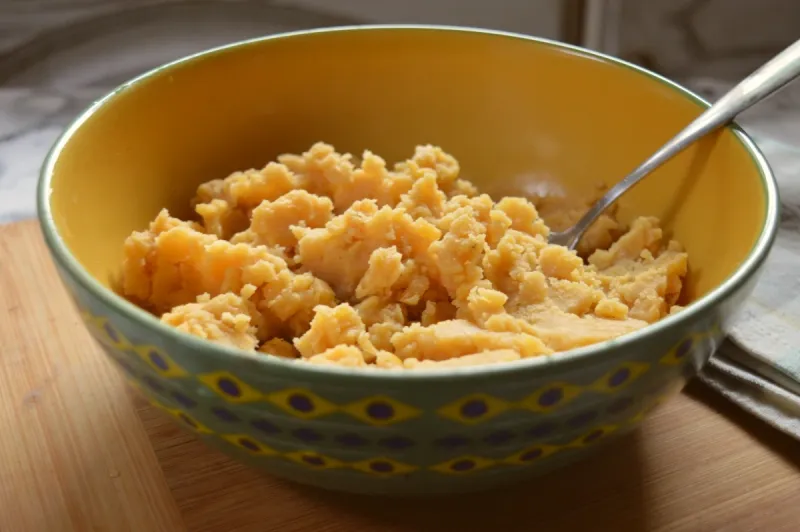
Remember the old nursery rhyme, pease pudding hot, pease pudding cold? People really have eaten it for centuries.
It is made by boiling yellow split peas with a ham hock until thick and spreadable. The taste is smooth, mild and a little smoky.
In the North East, it is spread on sandwiches with ham. It is also cheap, high in protein and wonderful as a dip with crusty bread.
21. Eccles Cakes
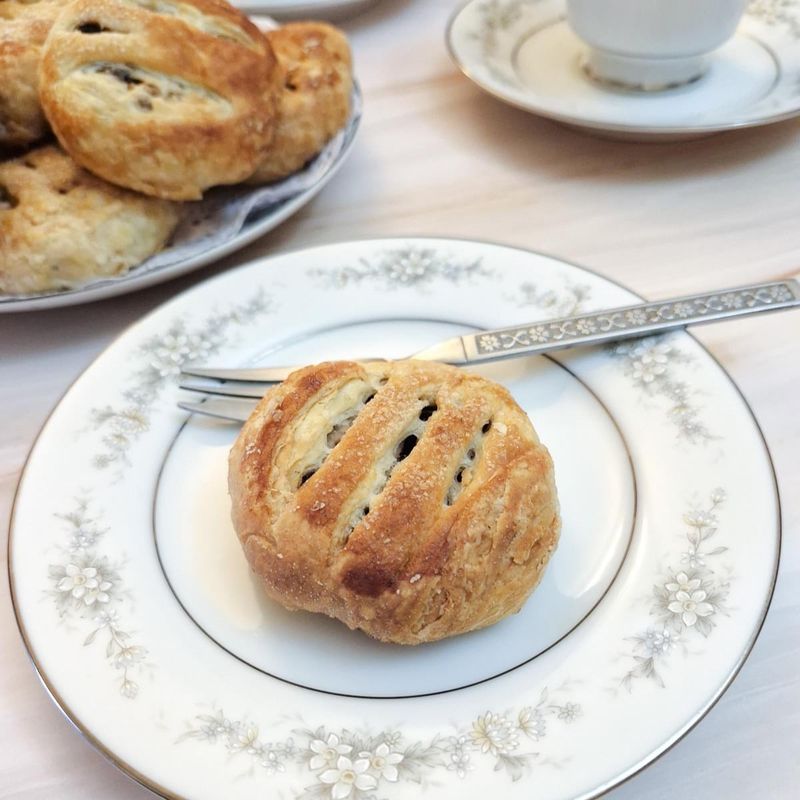
Flaky, buttery and stuffed with juicy currants, Eccles cakes come from a small town near Manchester.
Back in the 1600s, Puritans actually banned them because they seemed too fancy for celebrations. Luckily, the ban did not last.
Look for three slashes on top, which some say stand for the Holy Trinity. Try one with a slice of crumbly Lancashire cheese.
The sweet and salty mix is amazing.