
Imagine holding a sheet of dough so thin you could read a newspaper through it. Cooks around the world have spent centuries learning how to pull, toss, and roll dough until it becomes almost see-through.
These skills turn simple flour and water into flaky pastries, crispy breads, and tender wraps. Once you learn the stories behind these foods, you may never look at a slice of bread the same way again.
1. Strudel From Austria
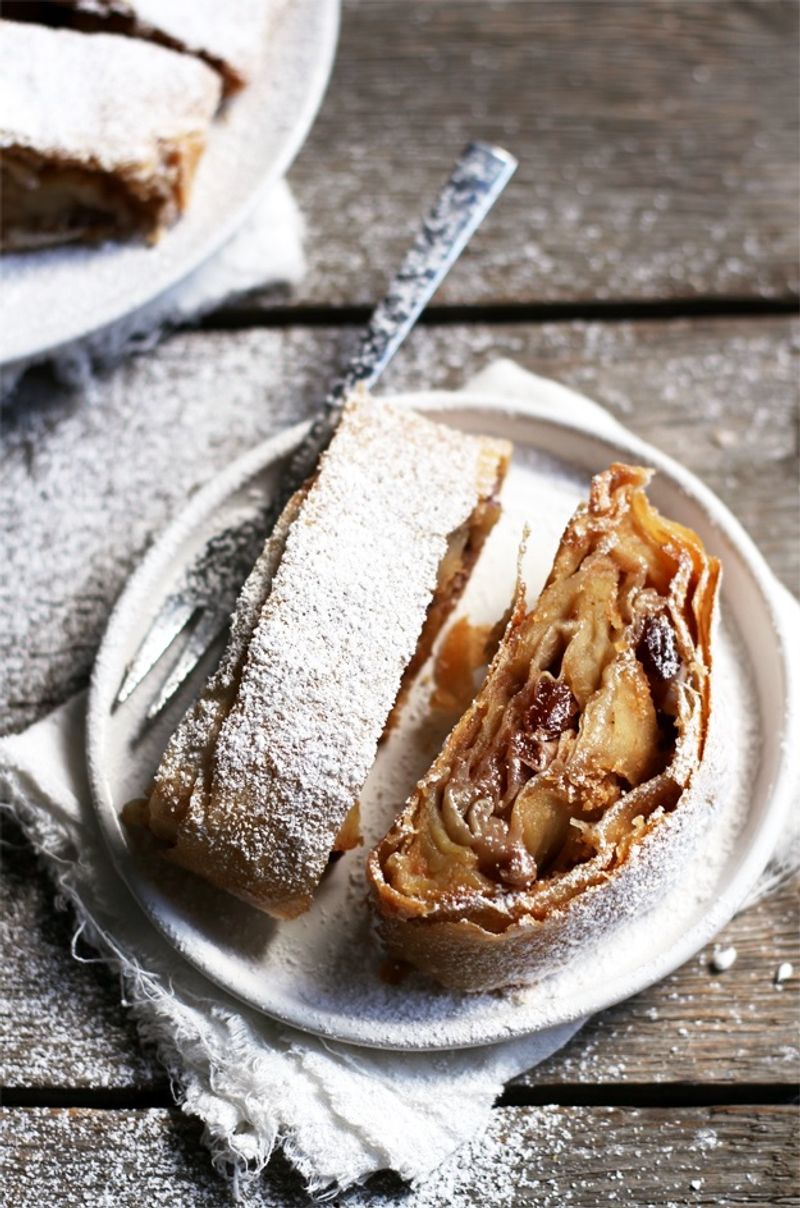
Old Viennese bakers had a famous test. They said strudel dough was ready only when you could read a love letter through it.
The dough gets stretched by hand over a floured tablecloth until it covers the whole table. Then it is filled with apples, cinnamon, raisins, and breadcrumbs before being rolled up.
Want to try it at home? Use the backs of your hands to stretch, since fingertips can easily poke holes.
2. Phyllo, Greece’s Flaky Treasure
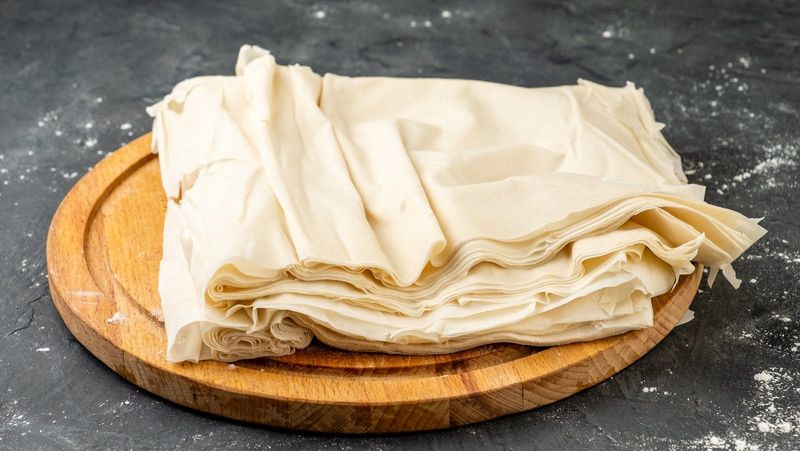
Crunch! That sound is what phyllo is all about.
The Greek word phyllo means leaf, and each sheet really is as thin as one.
Bakers brush melted butter between dozens of layers, so the pastry puffs and shatters when baked. You will find it in baklava, spanakopita, and many other dishes.
Tip: keep store-bought phyllo covered with a damp towel while working. It dries out and cracks in just minutes.
3. Baklava’s Sweet Layers
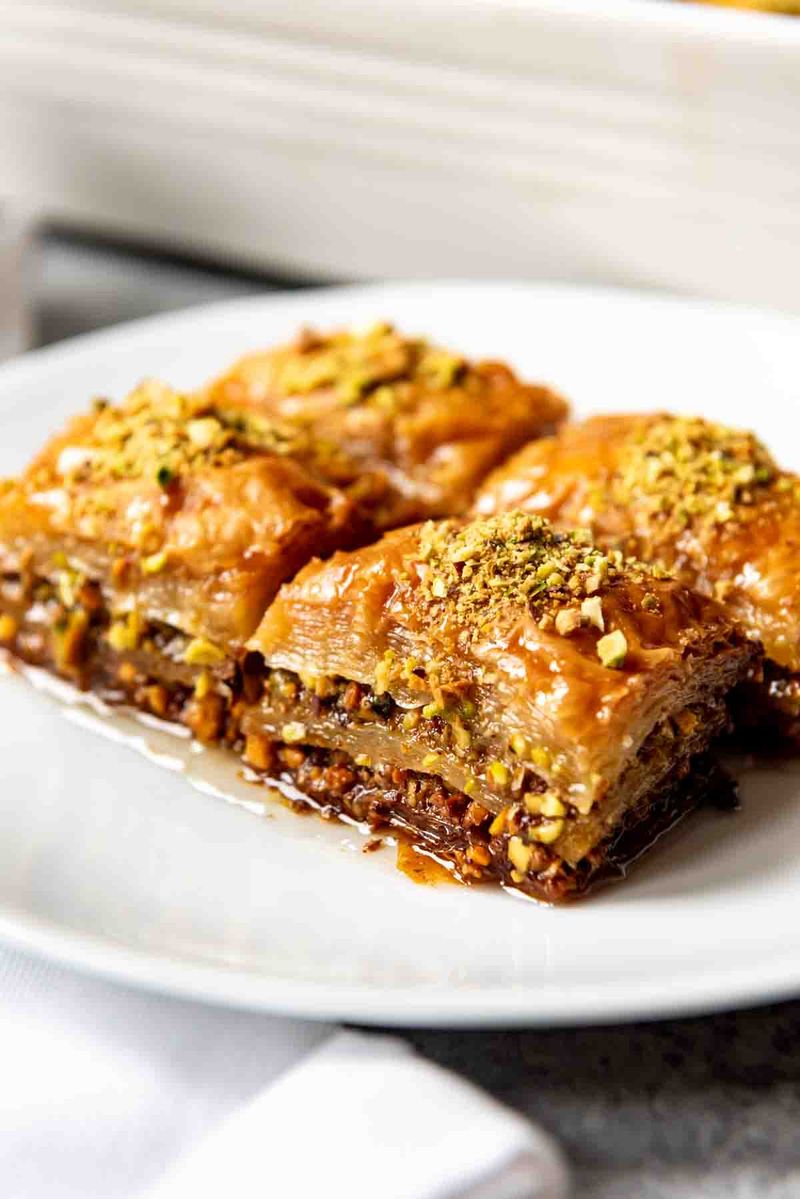
Sticky fingers are basically guaranteed. Baklava stacks up to forty layers of thin dough with chopped nuts, then soaks the whole tray in honey or sugar syrup.
Turkey, Greece, and many Middle Eastern countries all proudly claim it. In Gaziantep, Turkey, master bakers roll the dough so thin it seems to float in the air.
Fun fact: Ottoman sultans once gave baklava to soldiers during a special holiday parade.
4. Roti Canai of Malaysia
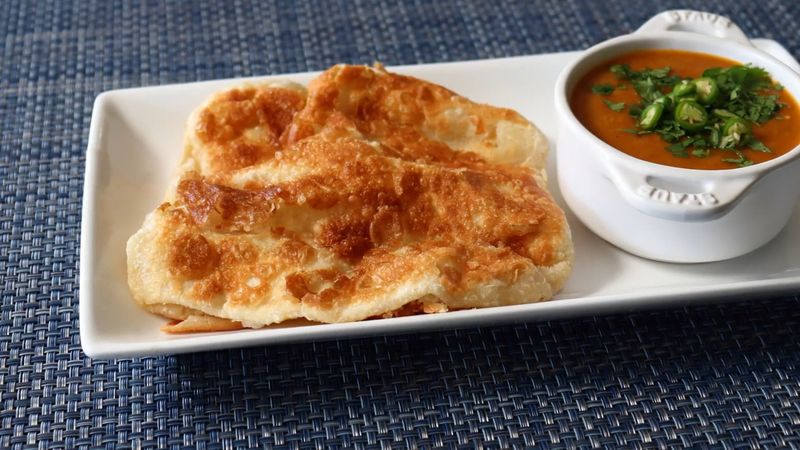
Watching a roti canai cook in Kuala Lumpur feels like seeing a magic show. The cook slaps and spins a ball of oily dough until it becomes a huge, nearly clear sheet.
Next, it gets folded into a square and fried on a hot griddle. The result is crispy outside and soft inside.
Locals dip it in lentil dal or chicken curry for breakfast. Sweet versions come with condensed milk.
5. Yufka Flatbread
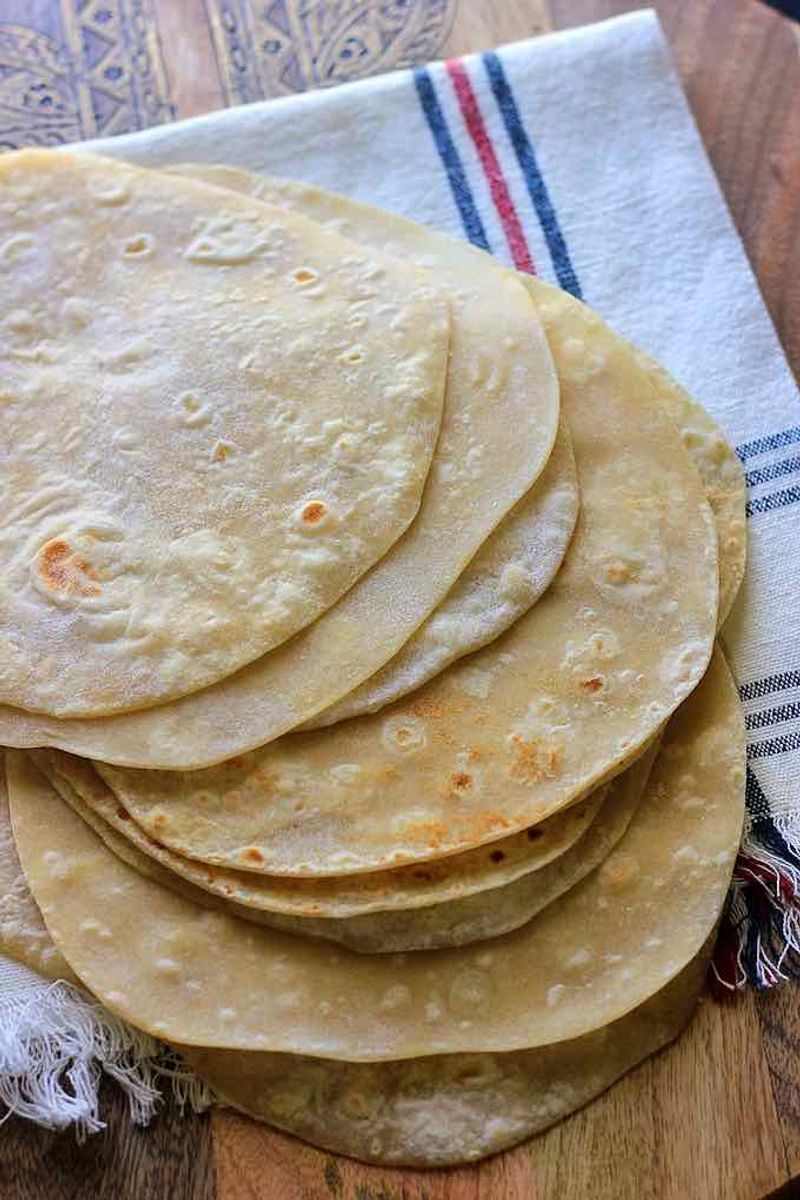
In Turkish villages, grandmothers often gather to roll yufka together, chatting for hours. They use a long, skinny rolling pin called an oklava.
Each round sheet gets rolled until it is wide and paper thin, then cooked quickly on a dome-shaped griddle. Dried sheets can last for months.
When it is time to eat, families sprinkle a little water to soften them. Yufka works great for wraps and savory pies.
6. Börek Pastry
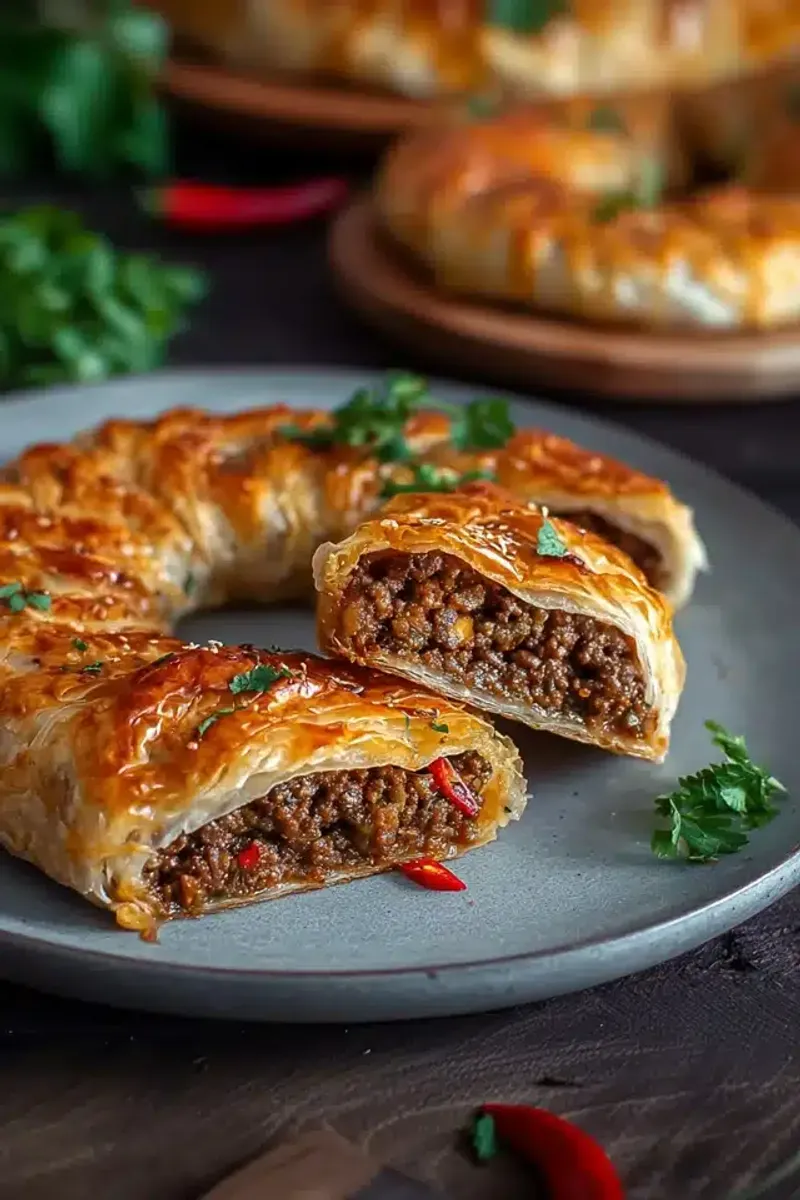
Spinach, cheese, or spiced meat tucked inside crispy layers? Yes, please.
Börek is a savory pie made from yufka or phyllo-style sheets.
Bakers in Turkey and the Balkans shape it into spirals, rolls, or big trays. Bosnians call the meat version burek and eat it any time of day.
A simple trick for extra flavor is brushing the layers with a mix of yogurt, egg, and butter before baking.
7. Lavash Bread
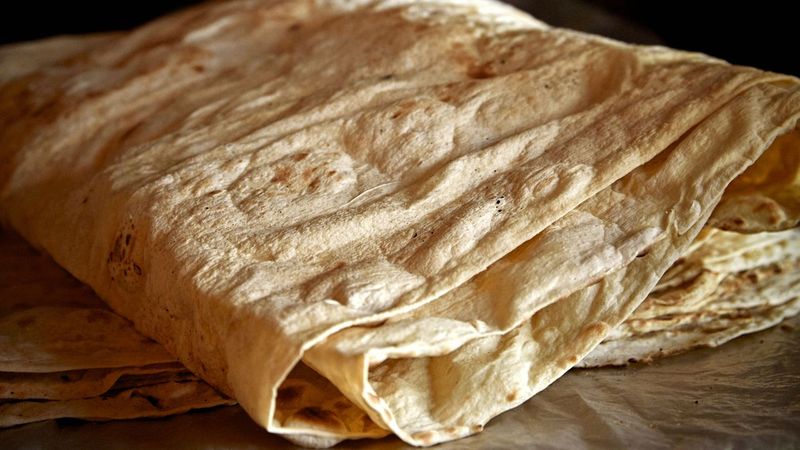
UNESCO actually lists lavash as a cultural treasure of Armenia. That is a big honor for bread!
Bakers stretch dough over a padded cushion, then slap it onto the hot wall of an underground clay oven called a tonir. It bakes in under a minute.
Lavash is soft when fresh but turns crisp as it dries. Families often store stacks of it and wrap herbs, cheese, and kebabs inside.
8. Hand-Pulled Lamian Noodles
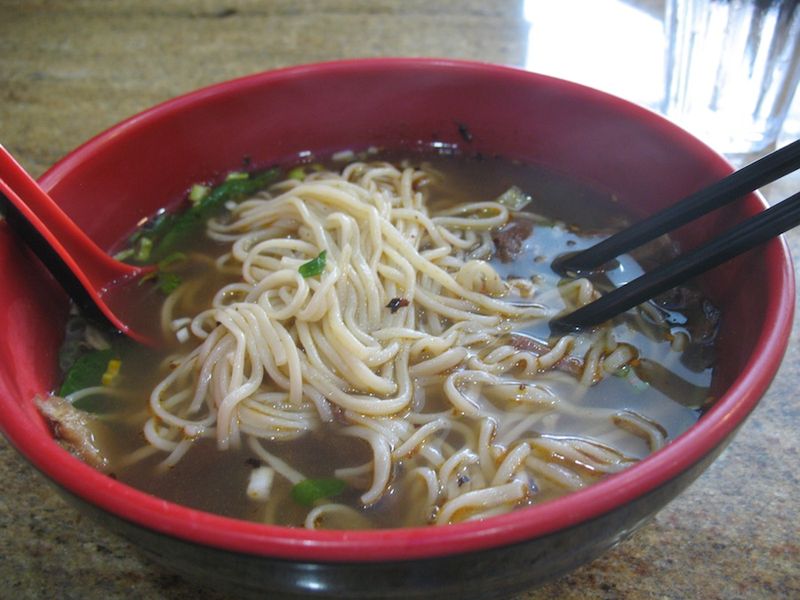
One lump of dough becomes thousands of strands in seconds. That is the wonder of Lanzhou lamian from northwest China.
Chefs twist and swing the dough, folding it again and again. Each fold doubles the noodle count, until strands are thinner than spaghetti.
They are usually served in a clear beef broth with chili oil and cilantro. Some record holders have pulled noodles thin enough to thread through a needle.
9. Spring Roll Wrappers
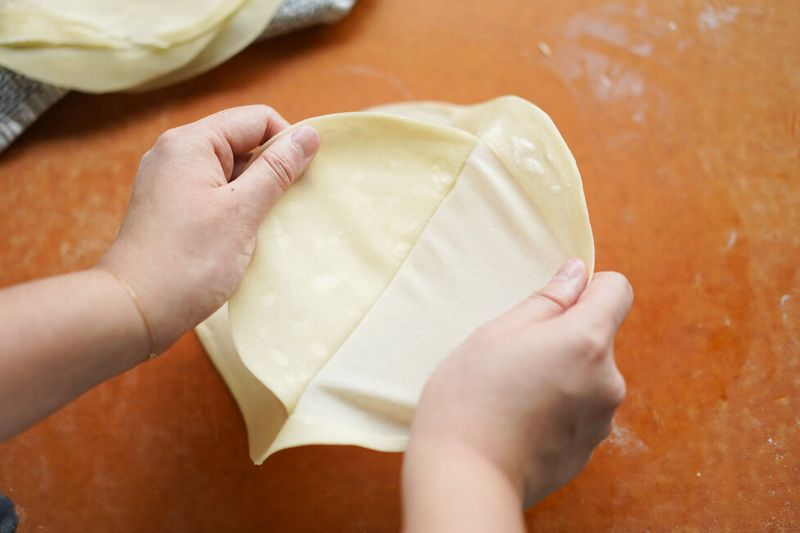
Here is a clever trick worth watching. In Taiwan and Southeast Asia, cooks hold a sticky ball of wet dough and quickly dab it on a hot griddle.
A super thin film sticks and cooks in seconds, then gets peeled off. That is a spring roll wrapper.
Fill them with veggies and peanut powder for Taiwanese runbing, or fry them crispy. They taste far better than frozen ones.
10. Brik Pastry Wrappers
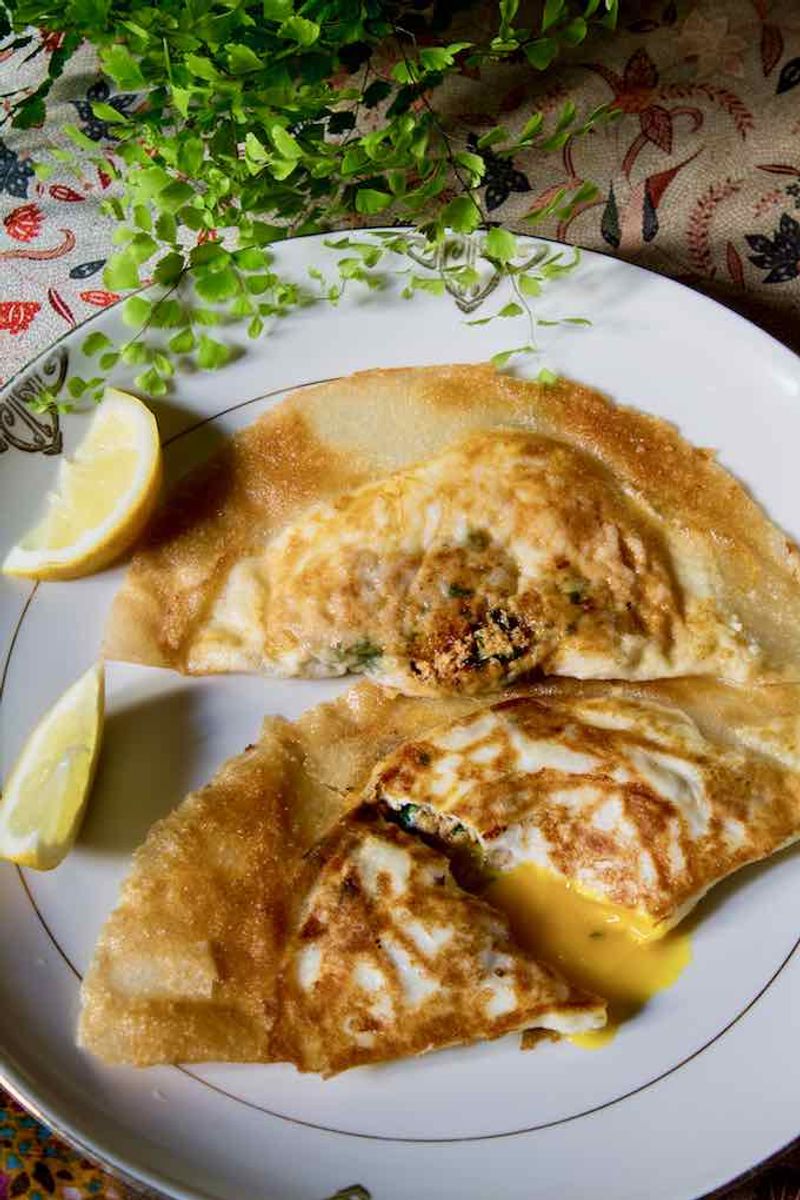
Tunisia’s favorite snack comes with a challenge. Can you eat it without dripping egg yolk down your chin?
Brik uses warka, a thin pastry made by tapping dough onto a hot pan. The sheet is folded around tuna, parsley, capers, and a raw egg, then fried.
During Ramadan, families often serve brik when breaking the fast. Eat it quickly, holding the corners, so the crunch stays perfect.
11. Moroccan Pastilla
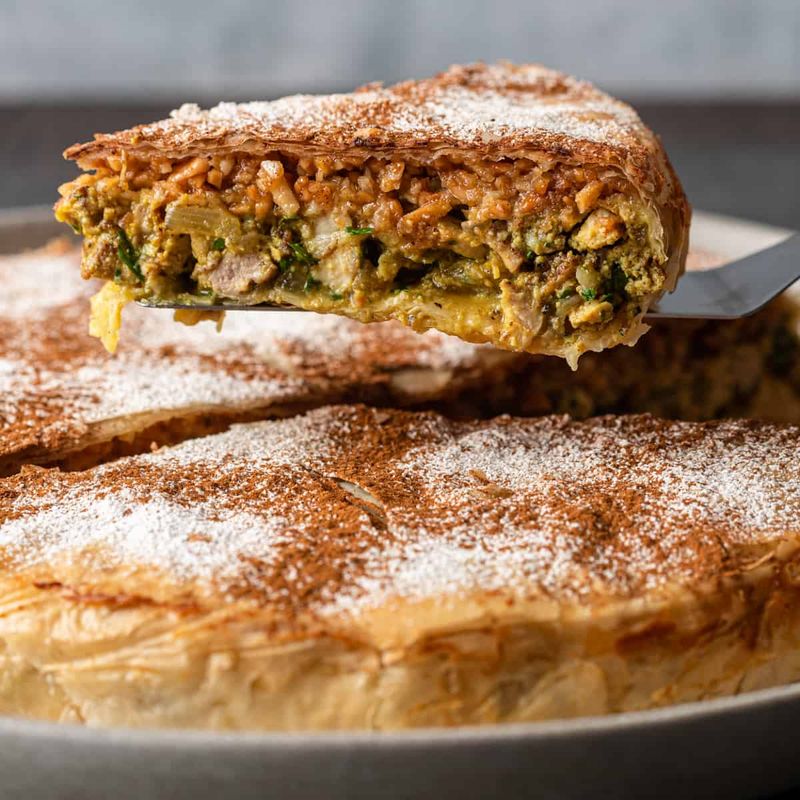
Sweet and salty at the same time sounds strange, but pastilla makes it work beautifully. This Moroccan pie wraps spiced chicken, almonds, and eggs inside thin warqa sheets.
The top gets dusted with powdered sugar and cinnamon in pretty patterns. Traditionally, it was made with pigeon for weddings.
In the city of Fez, cooks are famous for making the flakiest layers. Seafood versions are popular near the coast.
12. Rumali Roti
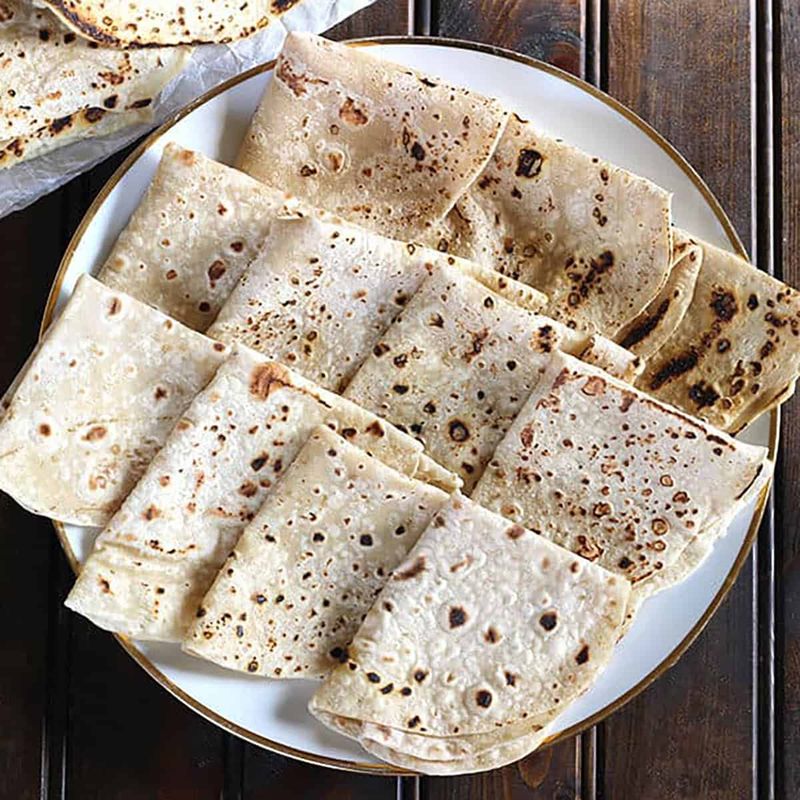
Rumali means handkerchief in Hindi, and the name fits perfectly. This Indian bread is soft and thin enough to fold like cloth.
Cooks toss the dough in the air, spinning it wider and wider. Then they cook it on the outside of an upside-down wok.
It pairs nicely with rich curries and kebabs. If you ever see it made at a restaurant, grab a seat close by.
13. Neapolitan Pizza Base
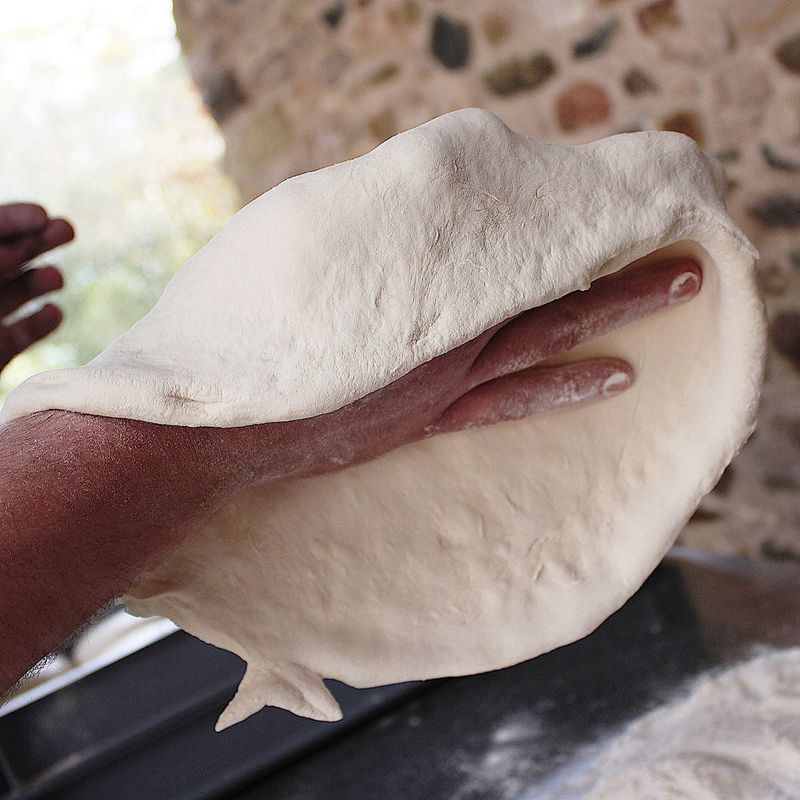
Real pizza makers in Naples never use a rolling pin. Instead, they press and stretch the dough with their hands, keeping the center thin and the edges puffy.
Some spin it in the air to stretch it evenly. The pizza bakes in a wood oven at around 900 degrees for just ninety seconds.
In 2017, UNESCO honored this pizza-making art. Practice at home with slightly warm dough, which stretches more easily.
14. Piadina Romagnola
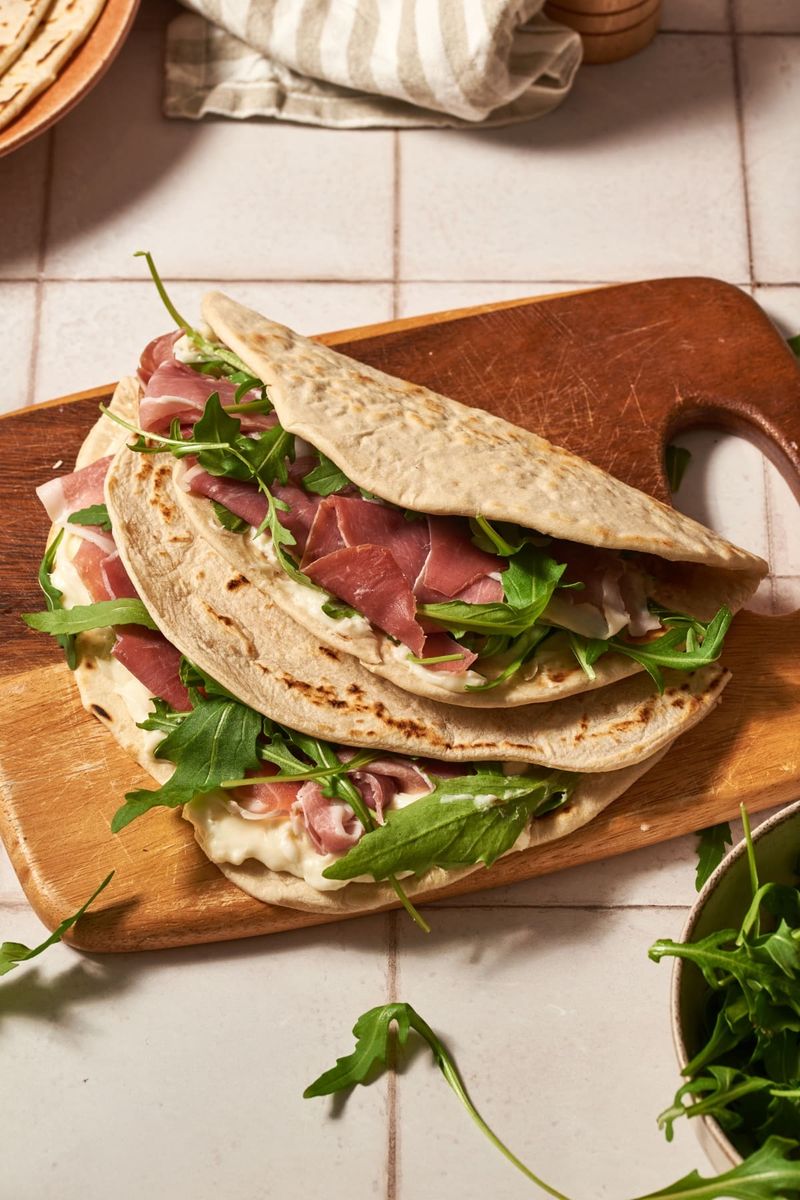
Beach kiosks along Italy’s Adriatic coast smell amazing in summer. That is the scent of piadina, a thin flatbread from the Romagna region.
Rolled flat and cooked on a hot clay or metal plate, it stays soft and bendy. People fill it with prosciutto, soft cheese, and greens.
Poet Giovanni Pascoli once called it the national food of Romagna. It makes an easy lunch any day.
15. French Crêpes
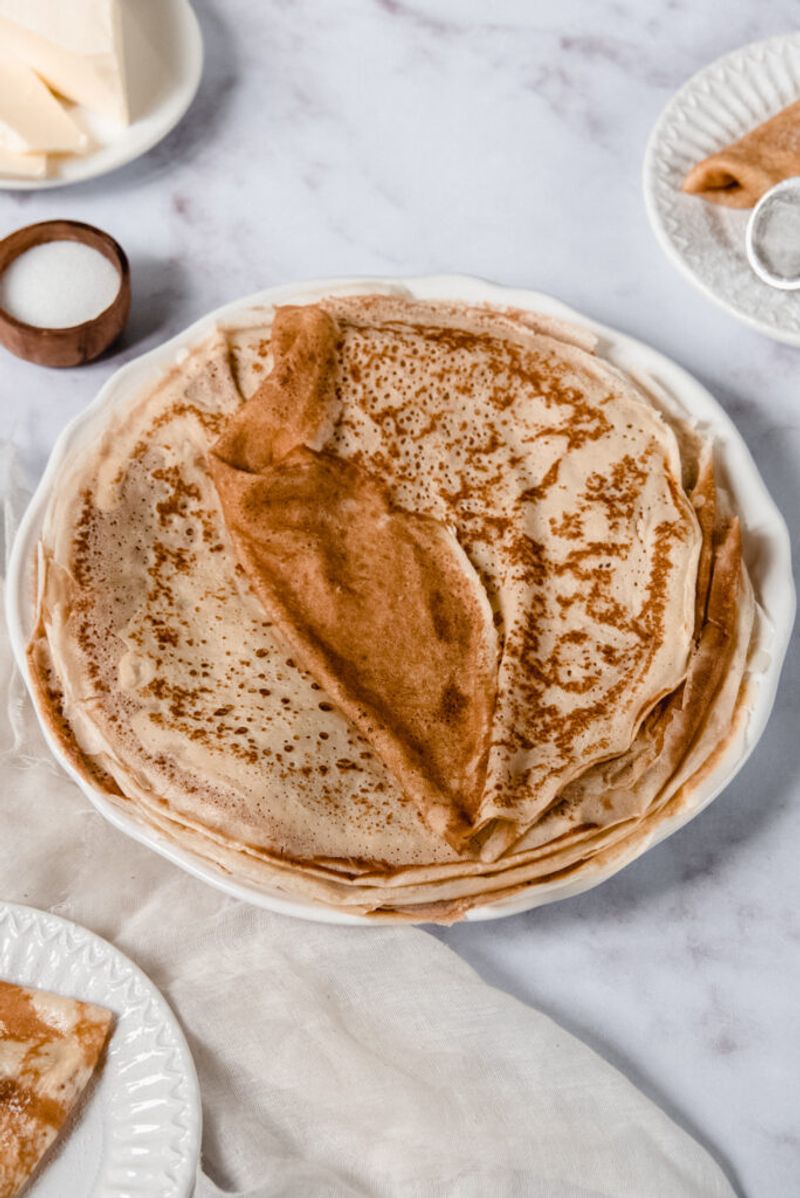
Picture a Paris street corner on a chilly evening. A vendor swirls batter across a round griddle with a little wooden tool called a rozell.
Crêpes start as thin batter rather than stretched dough, yet they end up just as delicate. Brittany, in northern France, is their true home.
Sweet fillings include sugar, lemon, and chocolate spread. Savory buckwheat versions called galettes hold ham, cheese, and egg.
16. Gözleme
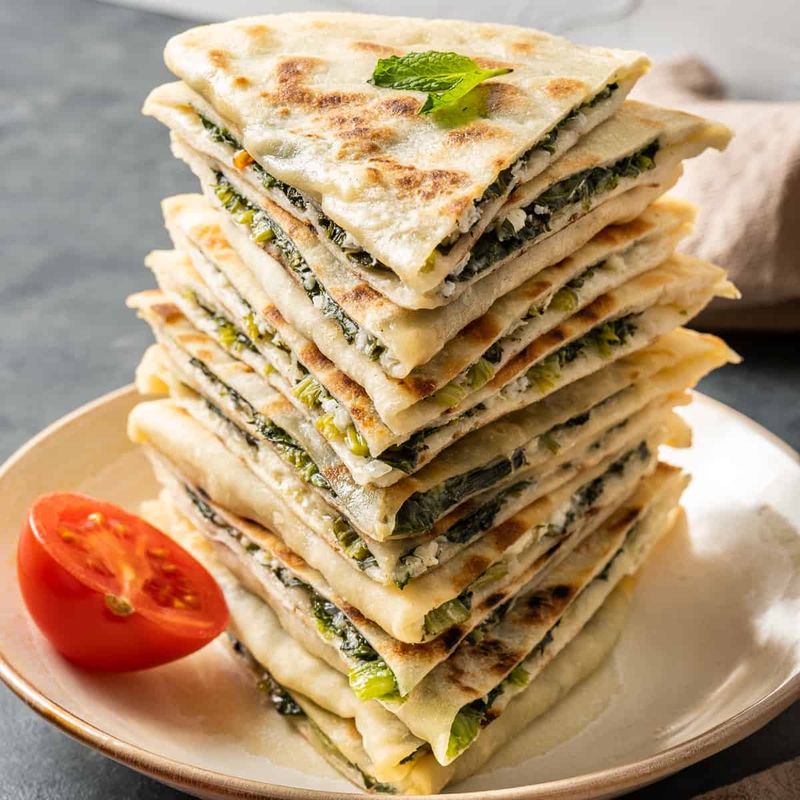
At Turkish markets, you can often spot women sitting by a domed griddle, rolling dough nonstop. They are making gözleme.
The thin yufka sheet is filled with cheese, spinach, potato, or minced meat, then folded and cooked until golden spots appear. The name comes from the word for eye, describing those little brown marks.
Squeeze some lemon on top. It tastes best eaten hot right off the griddle.
17. Ka’ak and Markook Shrak
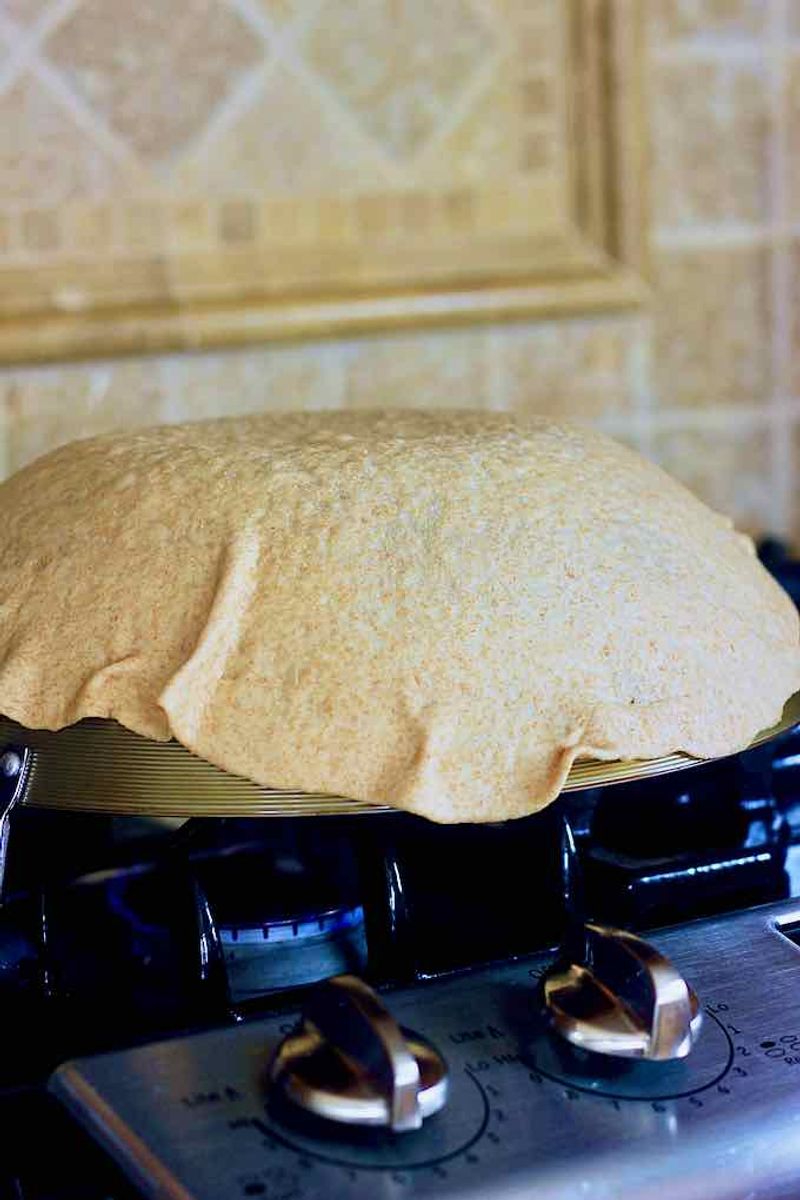
Shepherds in Jordan and Palestine have made this bread for generations. Markook, also called shrak, is tossed between the hands until wide and thin.
Bakers flip it over a cushion, then drape it on a dome-shaped saj griddle. It cooks fast and folds like a soft napkin.
Families tear pieces to scoop up hummus, labneh, or mansaf. One sheet can be bigger than a whole table top.
18. Danish Pastry Dough
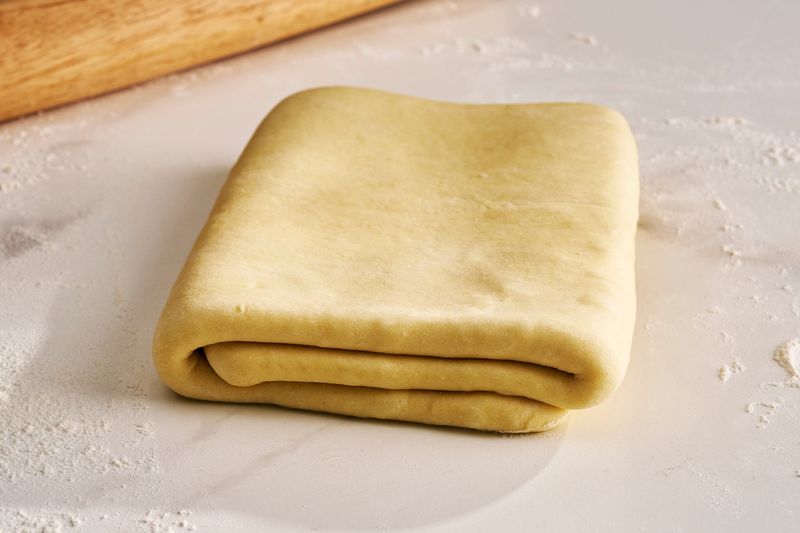
Funny enough, Danes call these pastries Viennese bread. Austrian bakers brought the technique to Denmark in the 1800s.
The dough gets rolled thin, layered with cold butter, then folded and rolled again many times. This creates dozens of tissue-thin layers that puff in the oven.
Fillings like custard, jam, and almond paste make each one special. Keep everything cold while working, or the butter melts away.
19. Bosnian Pita
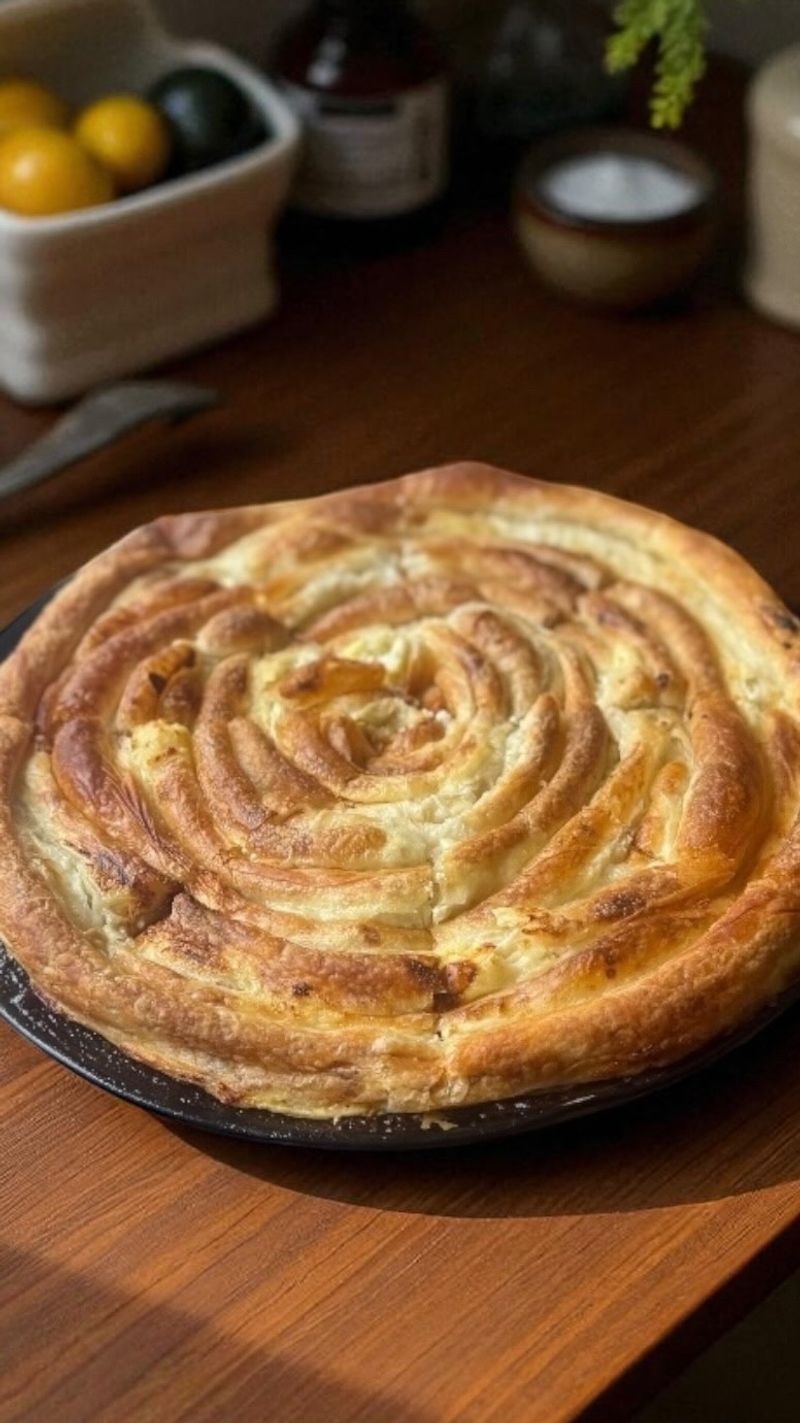
Bosnian kitchens hold a special kind of pride. Grandmothers stretch dough over a round table until it hangs down the edges like a tablecloth.
They fill it with meat, cheese, potato, or pumpkin, then roll it into long tubes and coil them in a pan. Each filling has its own name.
Families often enjoy pita with a bowl of yogurt. Learning it usually takes years of patient practice.
20. Paratha Lachha
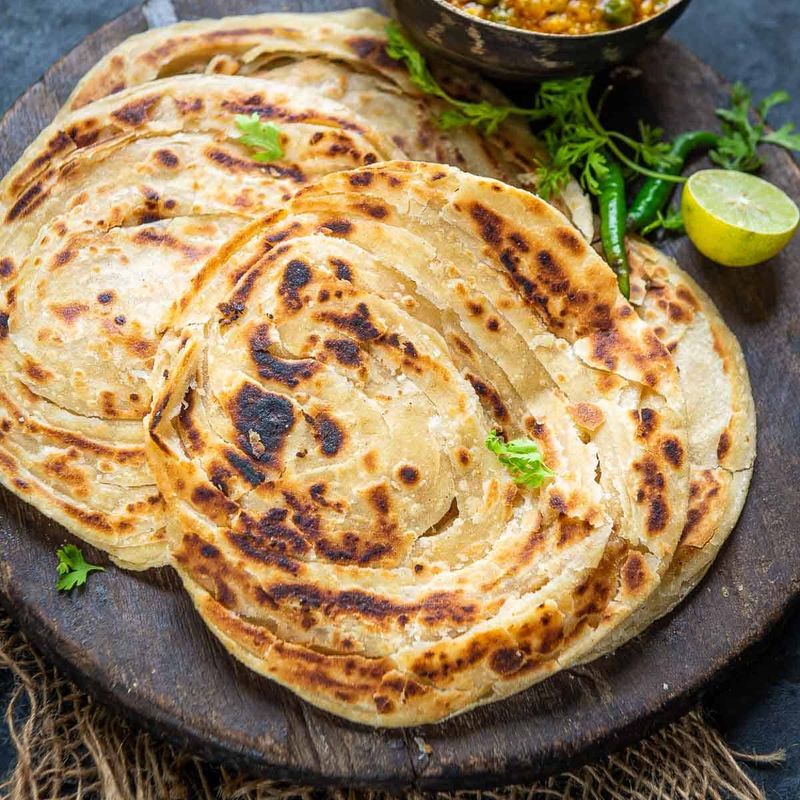
Ever pulled apart a bread and watched it unwind like a spring? Lachha paratha from North India does exactly that.
Cooks roll dough very thin, brush it with ghee, pleat it like a paper fan, and coil it into a spiral. Rolled flat again, it cooks into crispy rings.
Crush it gently between your hands after cooking to open the layers. Pair it with butter chicken or pickles.
21. Mexican Flour Tortillas
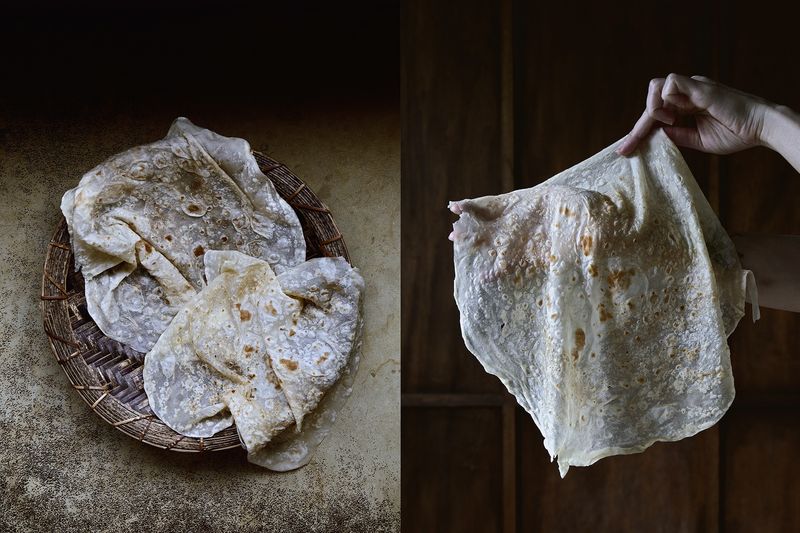
Sonora, in northern Mexico, is home to some truly giant tortillas. Sobaqueras can stretch over two feet wide and be thin enough to see light through.
Cooks stretch the dough over their forearms before laying it on a hot comal. The name loosely refers to the armpit, since the dough reaches that far.
They are perfect for big burritos. Warm leftovers in a dry pan to keep them soft.