
Some of the best meals in the world lean on just one fresh herb to make them shine. A handful of basil, a sprinkle of dill, or a few sage leaves can turn simple ingredients into something special.
Learning which herb fits which dish is one of the easiest ways to cook better food at home. Grab a cutting board, because these recipes prove that a little green goes a long way.
1. Pesto Genovese and Basil
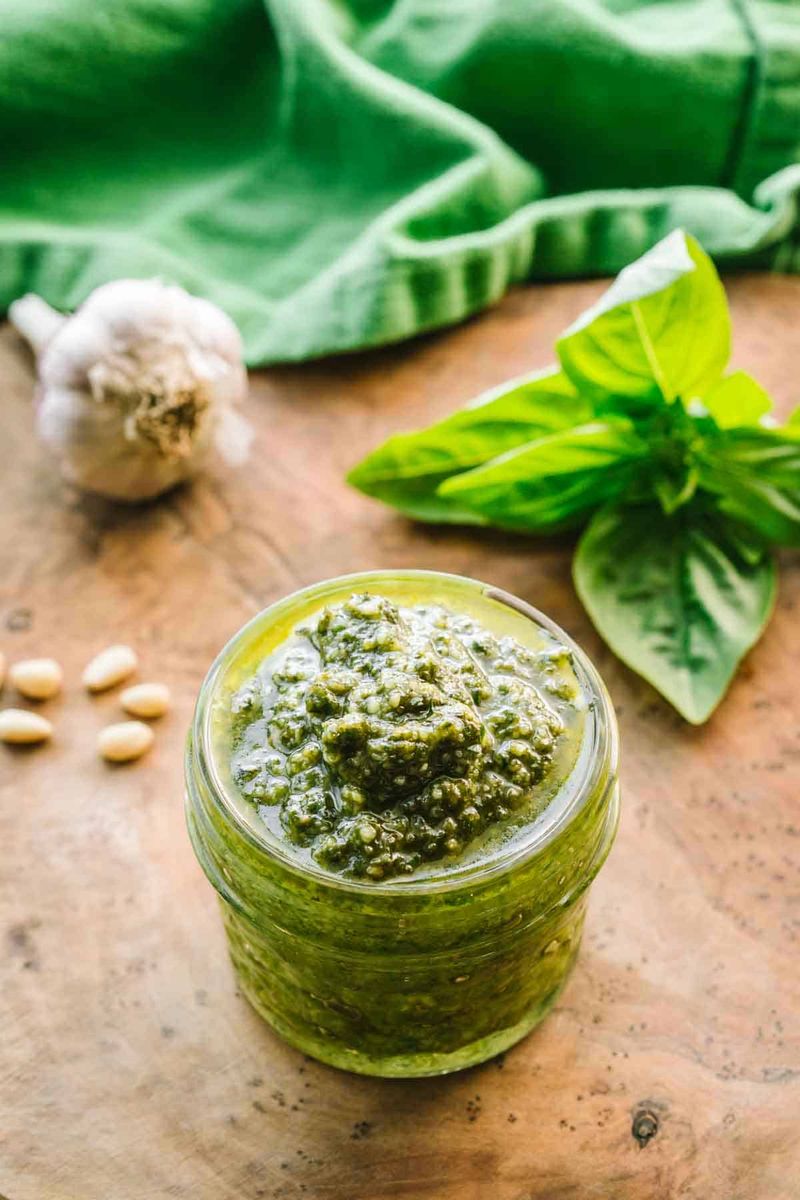
Ask anyone from Genoa, Italy, and they will tell you real pesto lives or dies by its basil. Garlic, pine nuts, cheese, and olive oil all play supporting roles.
Pick young, small leaves for the sweetest flavor. Older leaves can taste a little minty or bitter.
Here is a handy trick: pound the basil in a mortar instead of blending it. The leaves stay brighter green and the sauce tastes fresher on warm pasta.
2. Brown Butter Sage Gnocchi
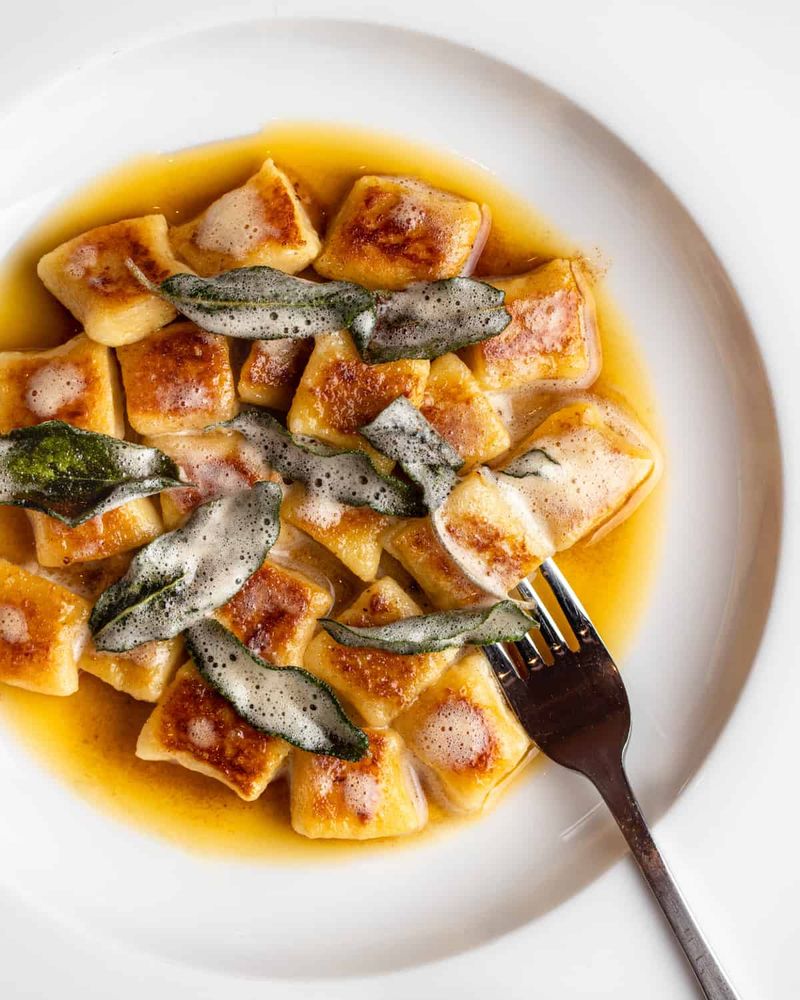
Picture a chilly autumn night and a skillet that smells like toasted nuts. That cozy aroma comes from butter slowly turning brown while sage leaves crackle inside it.
Frying sage changes everything. The fuzzy, earthy leaves turn crisp, almost like tiny chips, and their flavor melts into the butter.
Toss in soft potato gnocchi and add a pinch of salt. Dinner is ready in about fifteen minutes, and it tastes fancy.
3. Dill-Packed Tzatziki
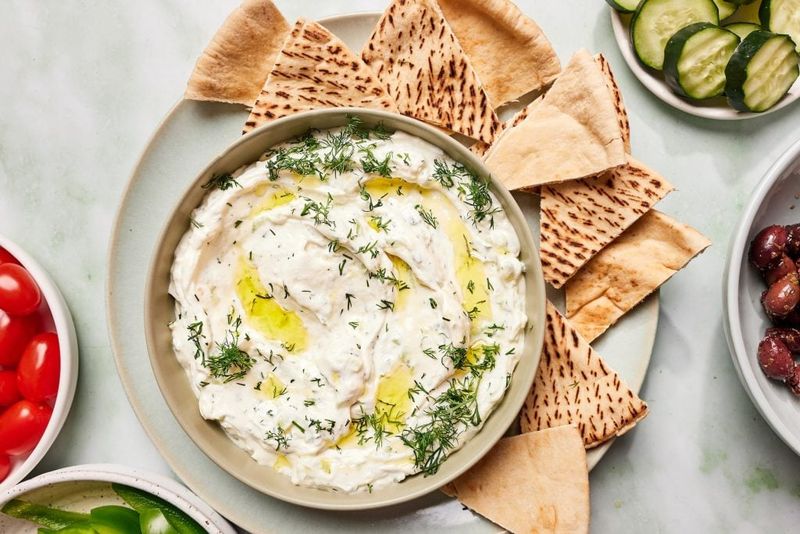
Cool, creamy, and a little tangy, tzatziki is the dip that disappears first at any party. Greek yogurt and cucumber build the base, but dill gives it that fresh, grassy zing.
Squeeze the grated cucumber in a towel first. Otherwise, the dip gets watery fast.
Chop the dill finely and let everything rest in the fridge for an hour. The flavors blend together, making it perfect for pita, veggies, or grilled chicken.
4. Mint Lamb Chops
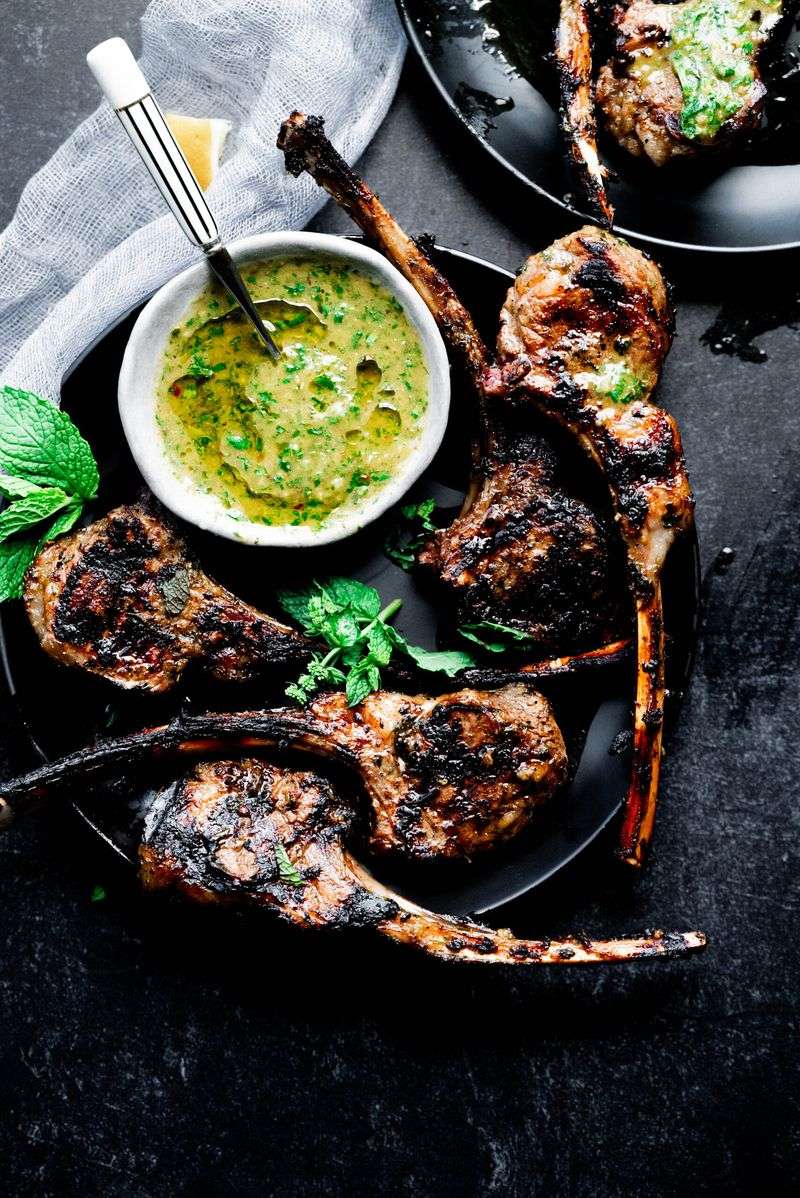
Grandmas in Britain have served lamb with mint sauce for generations, and they had a good reason. Rich lamb can feel heavy, while mint feels light and cooling.
Making the sauce is simple. Chop a big bunch of mint, then stir in a little sugar, hot water, and vinegar.
Spoon it over juicy grilled chops. Every bite swings between savory and refreshing, which keeps you reaching for one more piece.
5. Cilantro Lime Rice
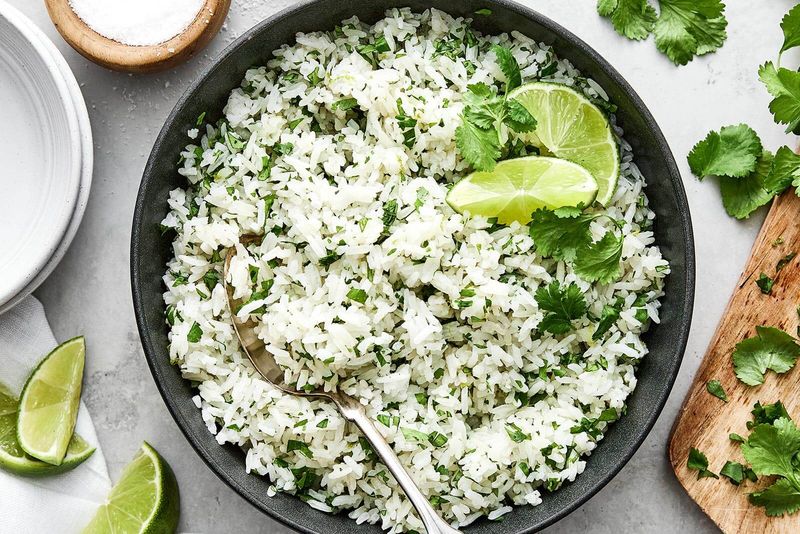
Did you know some people taste soap when they eat cilantro? Scientists think a gene causes it.
For everyone else, this herb tastes bright, citrusy, and lively.
Plain rice becomes exciting once you fold in chopped cilantro and fresh lime juice. Add the herb after cooking so it stays vibrant.
Serve it beside tacos, burrito bowls, or grilled shrimp. Leftovers make a speedy lunch the next day, too.
6. Rosemary Roasted Potatoes
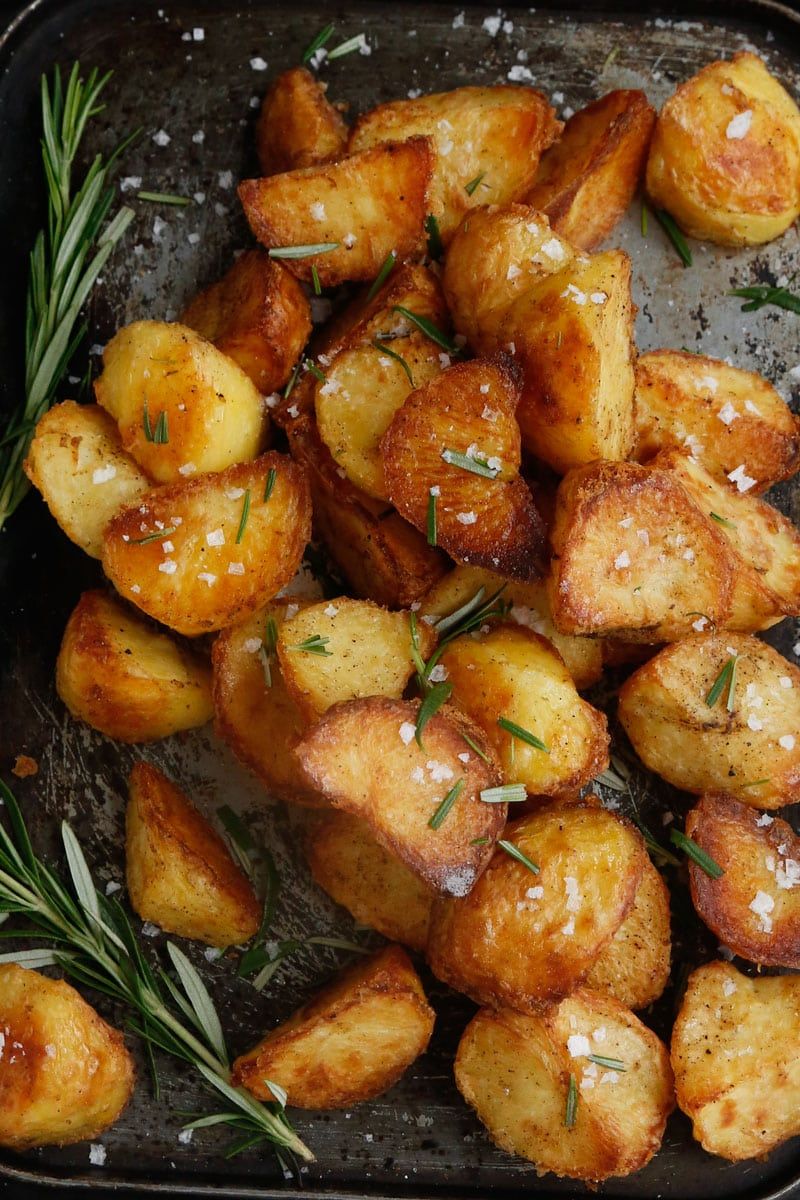
Crunchy edges, fluffy middles, and a piney smell filling the whole house. Rosemary roasted potatoes are basically a hug on a baking sheet.
Rosemary is tough and woody, so it can handle high oven heat without burning quickly. Strip the needles, chop them, and toss with oil and salt.
Roast at a hot temperature until the potatoes turn deep gold. Shake the pan halfway through so every side gets crispy.
7. Thyme Mushroom Toast
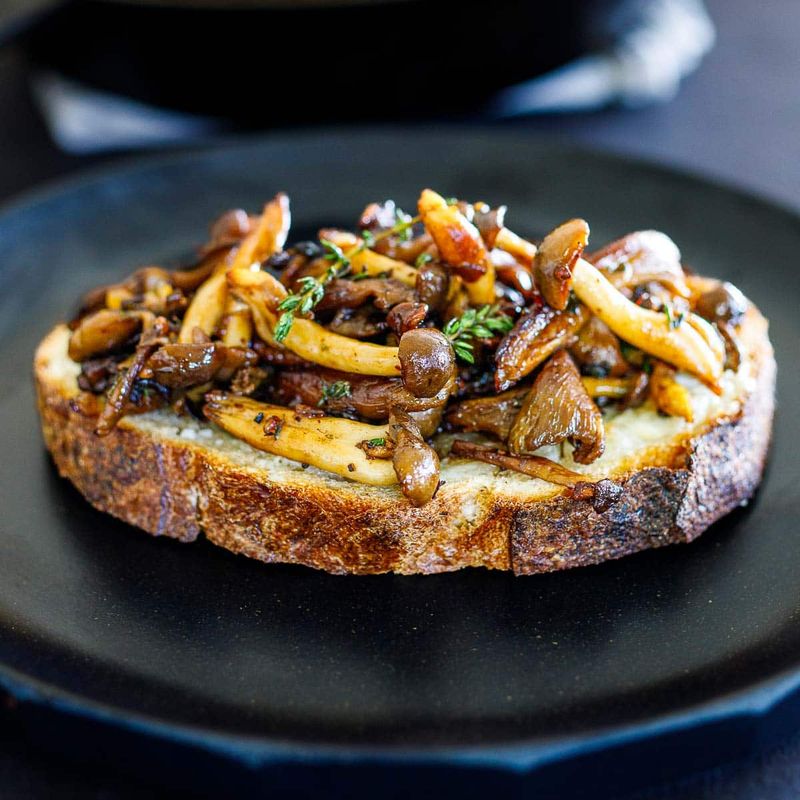
Mushrooms and thyme are old friends. Both have deep, woodsy flavors that make each other taste even better.
Start by cooking sliced mushrooms in a hot pan without crowding them. Crowded mushrooms steam instead of browning.
Once golden, add butter, garlic, and a few thyme sprigs.
Pile everything onto toasted sourdough. It works for breakfast, lunch, or a late snack, and it feels much fancier than the effort involved.
8. Tarragon Chicken
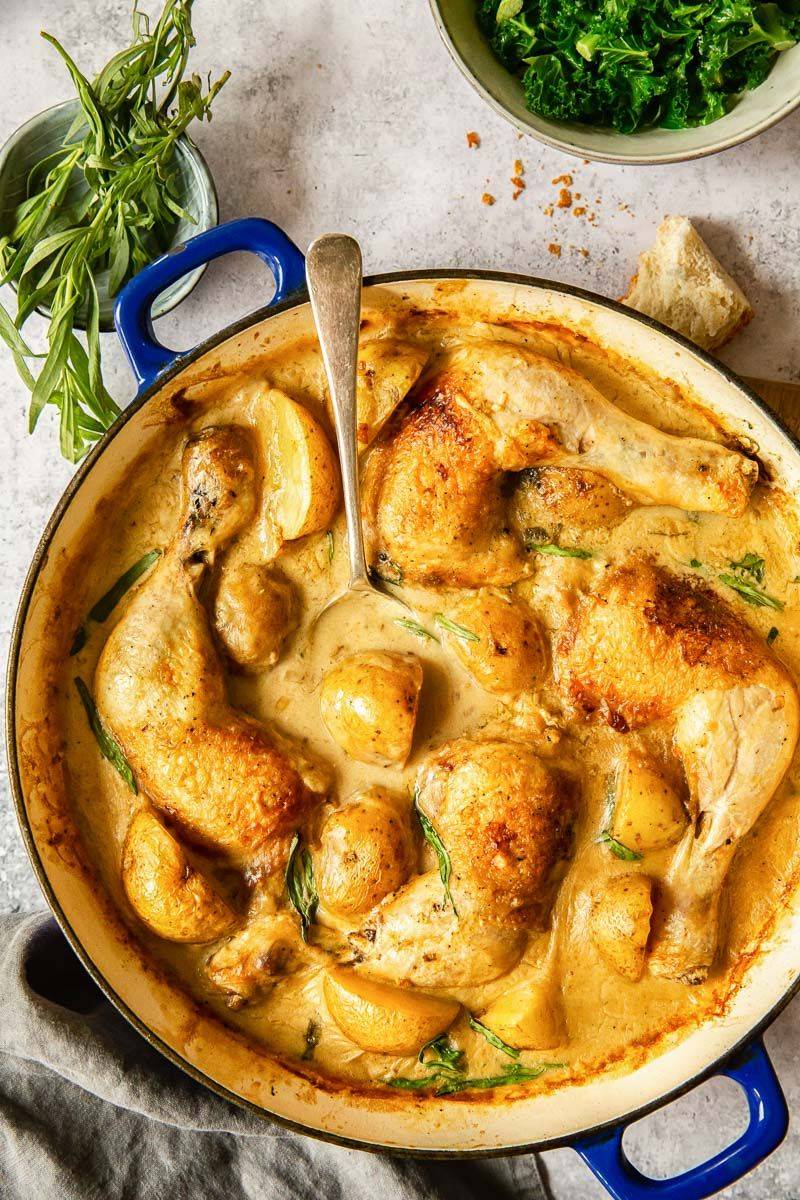
French cooks treat tarragon like a secret weapon. Its gentle licorice flavor surprises people who think they dislike that taste.
For a classic bistro dinner, brown chicken pieces, then make a quick pan sauce with broth, cream, and Dijon mustard. Stir in chopped tarragon right at the end.
A little goes a long way, so start with a tablespoon. Serve with crusty bread to mop up every drop of sauce.
9. Vietnamese Pho with Thai Basil

Walk past any pho shop in Vietnam and you will spot plates piled high with Thai basil. Diners tear the leaves right into their steaming soup.
Thai basil differs from Italian basil. It has purple stems and a spicy, anise-like flavor that stands up to hot broth.
Add the leaves just before eating. The heat wakes up their perfume, and your bowl smells amazing in seconds.
10. Chimichurri Steak
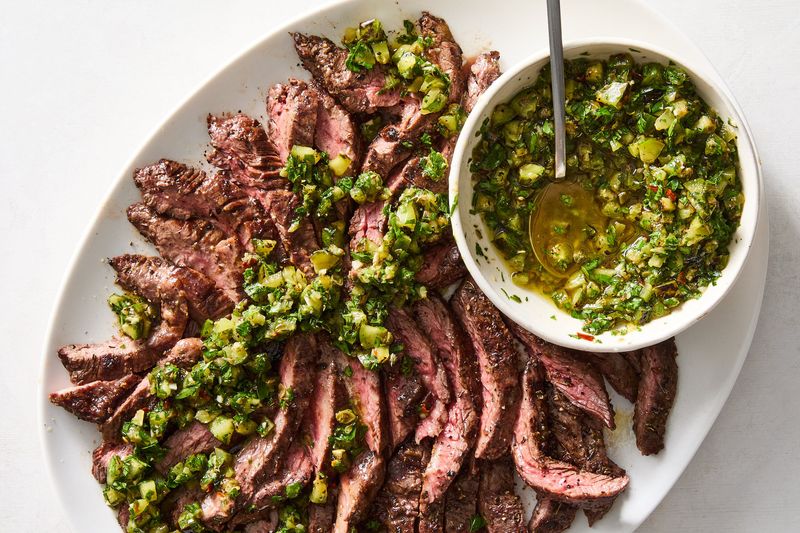
Parsley often gets stuck as a boring garnish. In Argentina, though, it stars in chimichurri, a zesty sauce poured over grilled beef.
Use flat-leaf parsley, which has more flavor than the curly kind. Chop it by hand with garlic, then mix with olive oil, vinegar, and chili flakes.
Let it sit for twenty minutes. Spoon it over sliced steak, and watch that humble green herb finally get its moment.
11. Oregano Greek Salad
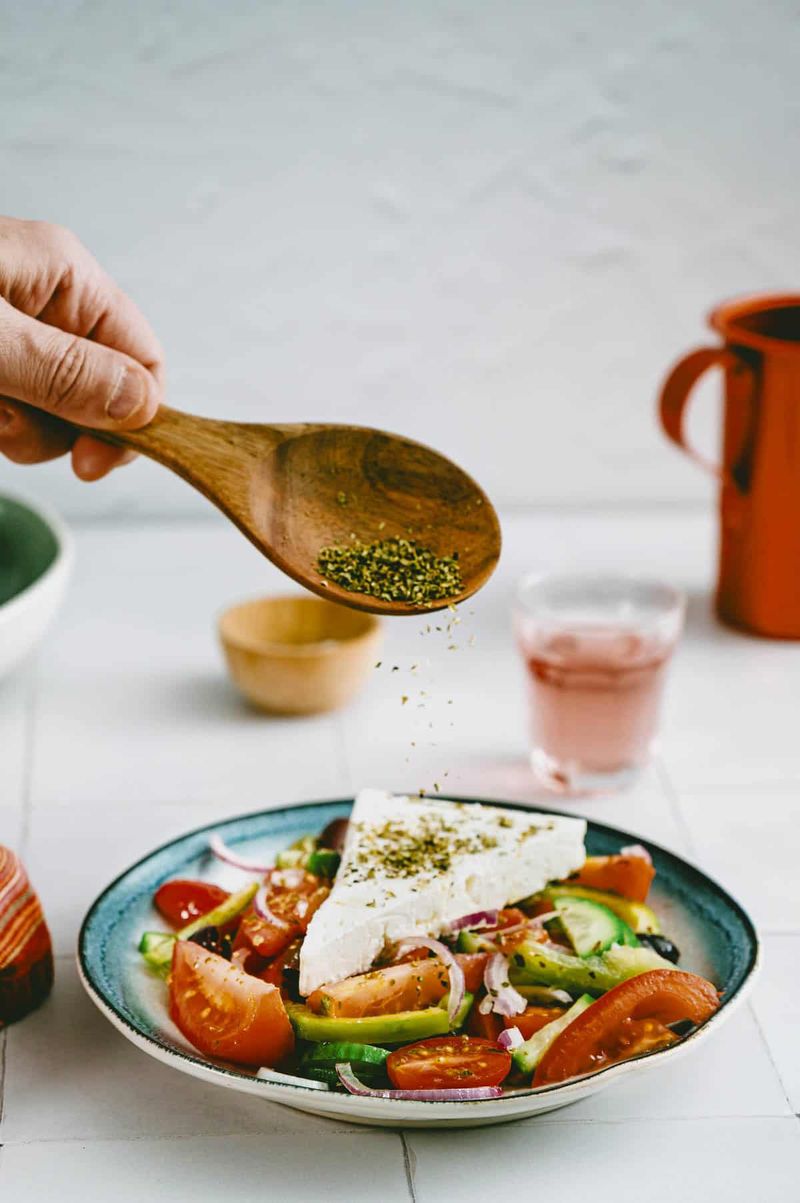
Here is something surprising: dried oregano often tastes better than fresh in Greek salad. Drying makes its flavor stronger and more peppery.
Chop juicy tomatoes, cucumbers, red onion, and olives. Top with a thick slab of feta, a drizzle of olive oil, and a generous pinch of oregano.
Rub the oregano between your fingers as you sprinkle it. That releases the oils and makes the whole salad smell like a Greek island.
12. Chive Scrambled Eggs
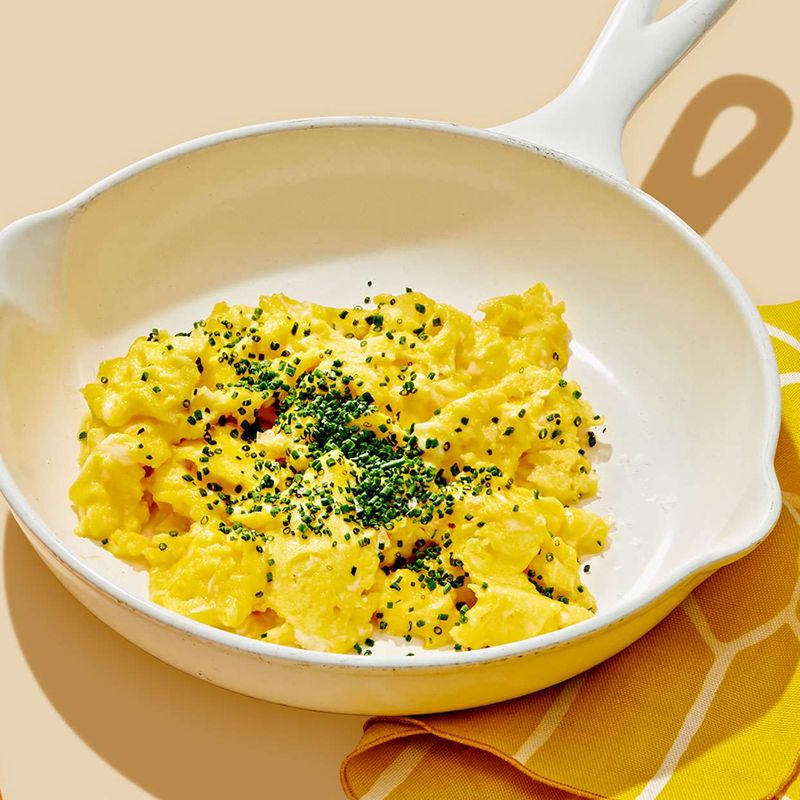
Soft, buttery eggs need only one tiny upgrade to taste restaurant-worthy. Snip some chives over the top, and breakfast suddenly feels special.
Chives have a mild onion flavor without any harsh bite. Kitchen scissors work better than a knife because they keep the thin stems from bruising.
Cook your eggs low and slow, stirring often. Add chives at the very end so they stay bright green and crunchy.
13. Lemongrass Grilled Pork

Lemongrass smells like lemon candy mixed with fresh grass. Street vendors across Vietnam and Thailand use it to perfume sizzling meat.
Only the pale bottom part of the stalk is tender. Peel off the tough outer layers, then mince the inside very finely.
Blend it with garlic, fish sauce, and a little sugar for a marinade. Grill thin pork slices until slightly charred, and serve with rice or noodles.
14. Caprese Salad
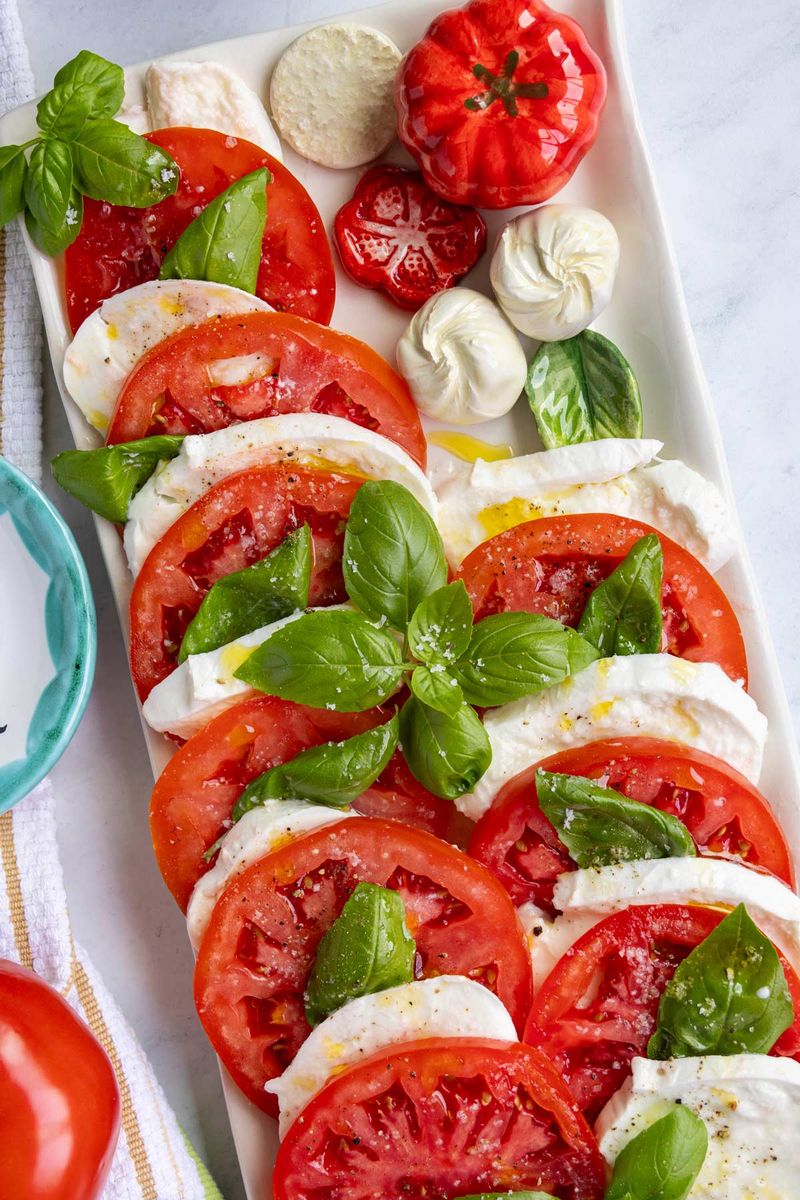
Born on the island of Capri, this salad shows off the colors of the Italian flag. Red tomatoes, white mozzarella, and green basil make a stunning plate.
With so few ingredients, quality matters. Summer tomatoes and whole, untorn basil leaves give the best results.
Layer everything, then add olive oil and flaky salt. Skip heavy dressings, since the basil already brings plenty of sweet, peppery personality.
15. Dill Salmon
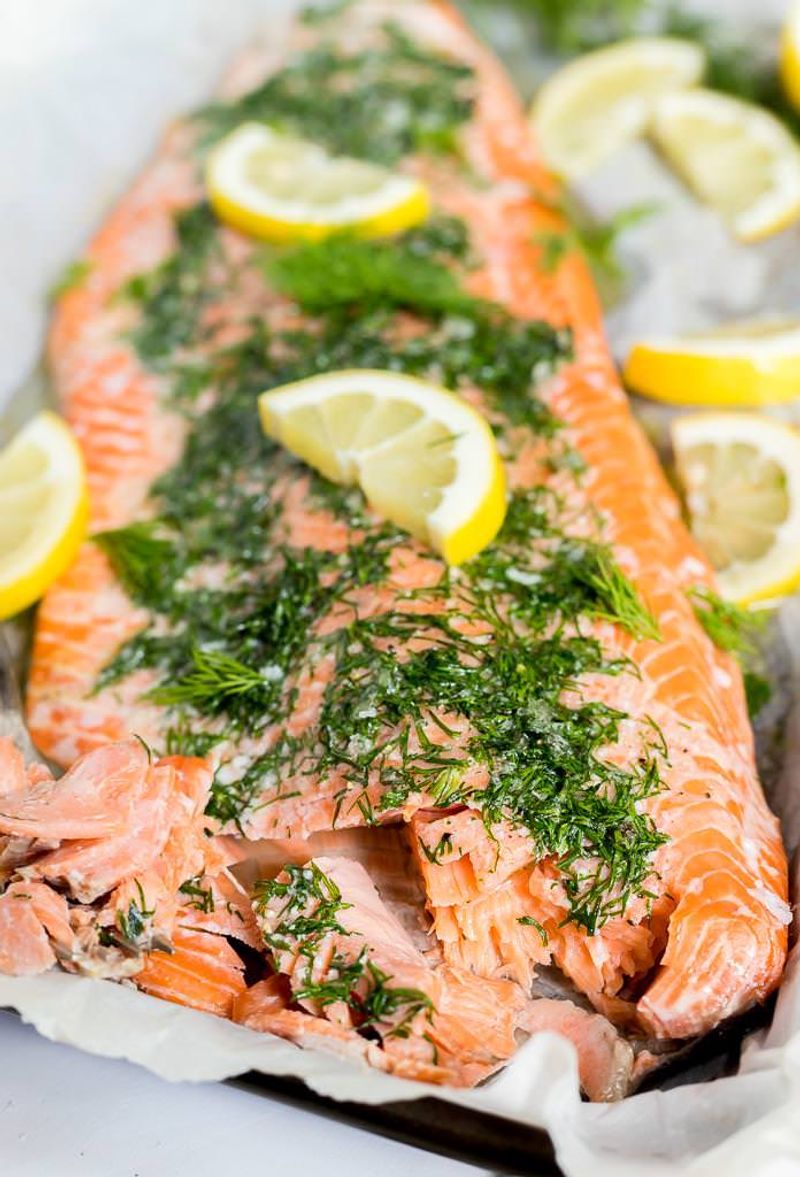
In Sweden and Norway, salmon and dill go together like peanut butter and jelly. The feathery herb cuts through the rich, oily fish beautifully.
Try this easy weeknight version. Lay a fillet on parchment, cover it with dill sprigs and lemon slices, then bake for about twelve minutes.
Fun fact: Scandinavians also cure raw salmon with dill, salt, and sugar to make gravlax, a holiday favorite.