
A few keys can change the way a whole song feels. In the hands of a bold musician, a piano, organ, or synthesizer can lead a band into completely new territory.
The artists below helped shape rock, soul, funk, jazz, and electronic music. Their stories show how curiosity and a fresh sound can leave a mark for generations.
1. Keith Emerson: Rock’s Fearless Keyboard Showman
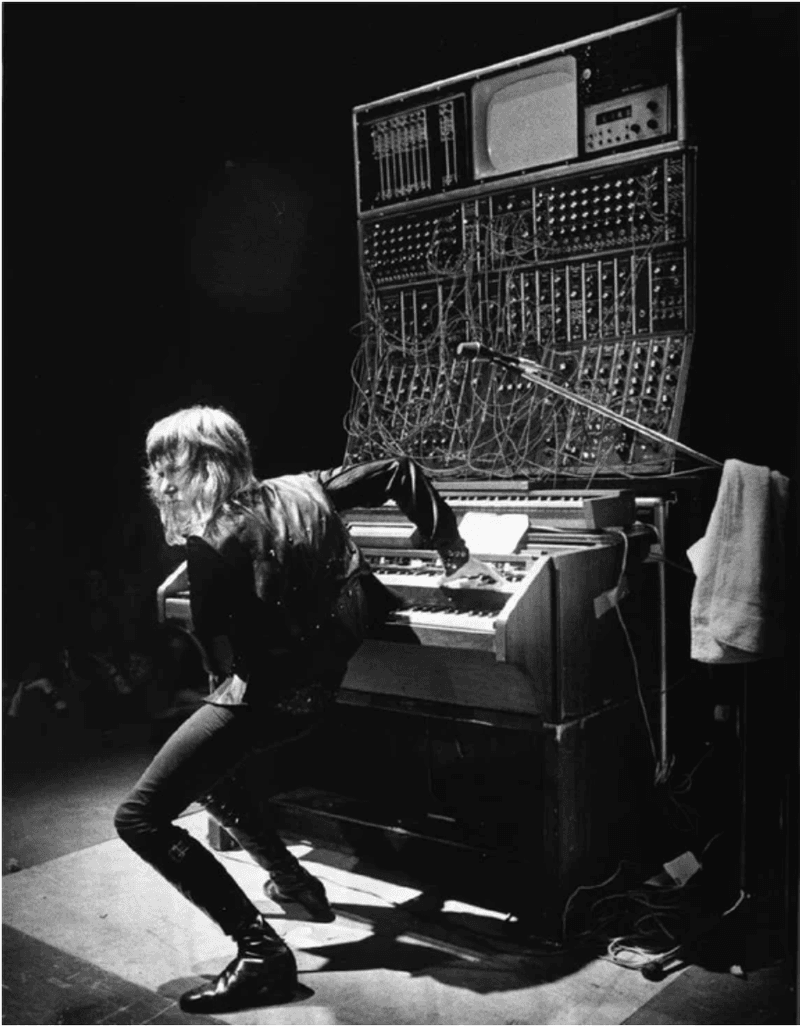
Forget the quiet pianist sitting politely in the corner. With The Nice and Emerson, Lake & Palmer, Keith Emerson made keyboards loud, daring, and impossible to ignore.
His playing mixed classical music with the force of rock.
Onstage, he turned the Hammond organ into a wild performance partner. Listen to Tarkus to hear how shifting rhythms and bold keyboard themes build a musical adventure.
His influence helped make ambitious instrumental playing central to progressive rock.
2. Rick Wakeman: Building Worlds With Keys
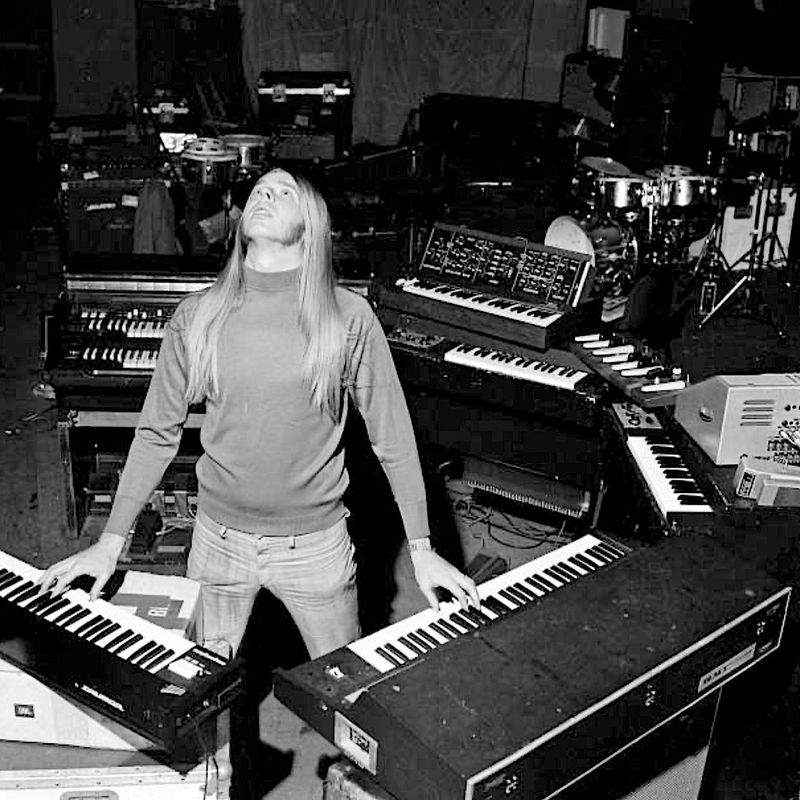
Surrounded by keyboards and dressed in flowing capes, this Yes musician looked ready to command a musical kingdom. Rick Wakeman used pianos, organs, Mellotrons, and synthesizers to give rock songs enormous depth and color.
His work on Fragile and Close to the Edge helped expand what a band could attempt. Try following one keyboard sound at a time while listening.
You will notice how his changing textures support the song rather than simply display speed.
3. Ray Manzarek: Two Hands, One Unmistakable Sound
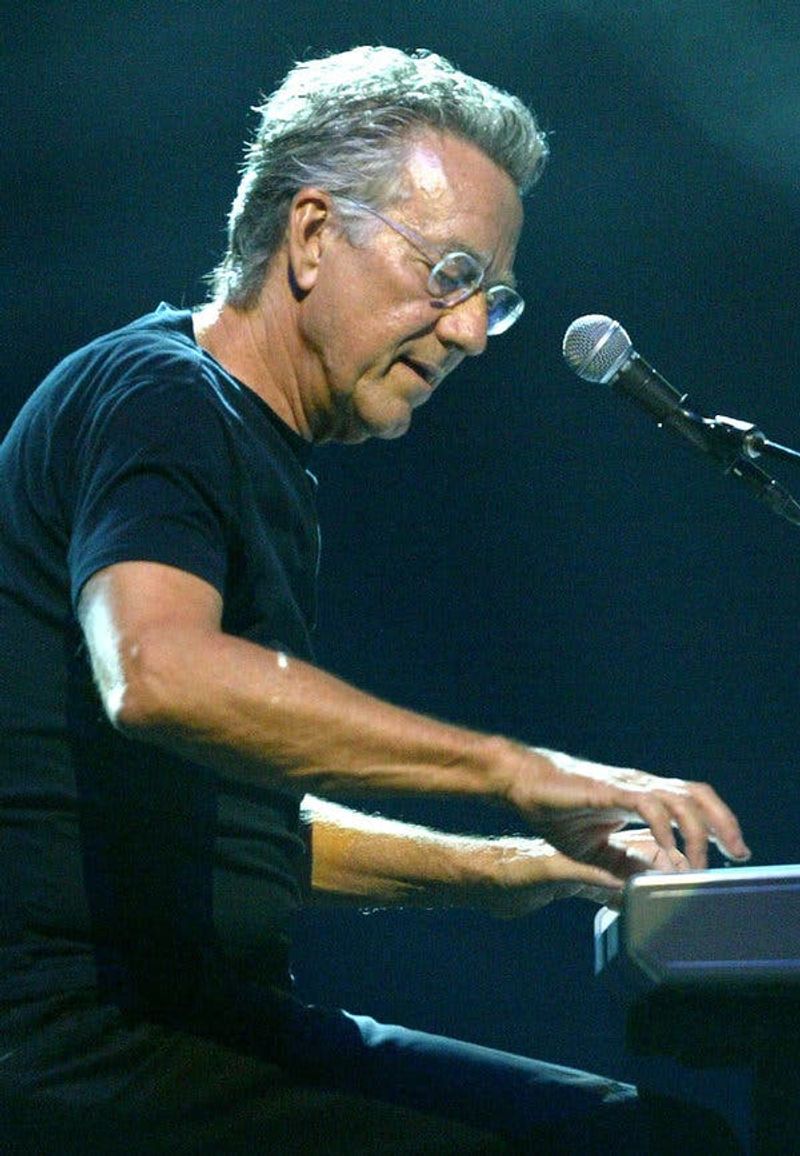
One hand could hold the groove while the other sent a melody swirling through the room. Ray Manzarek often played keyboard bass and organ together during Doors performances, helping fill the space without a regular live bassist.
Jazz, blues, and classical influences shaped his distinctive style. Hear the opening of Light My Fire, then notice the mood of Riders on the Storm.
Those sounds show how keyboards can give a band its entire musical identity.
4. Richard Wright: The Power of Atmosphere
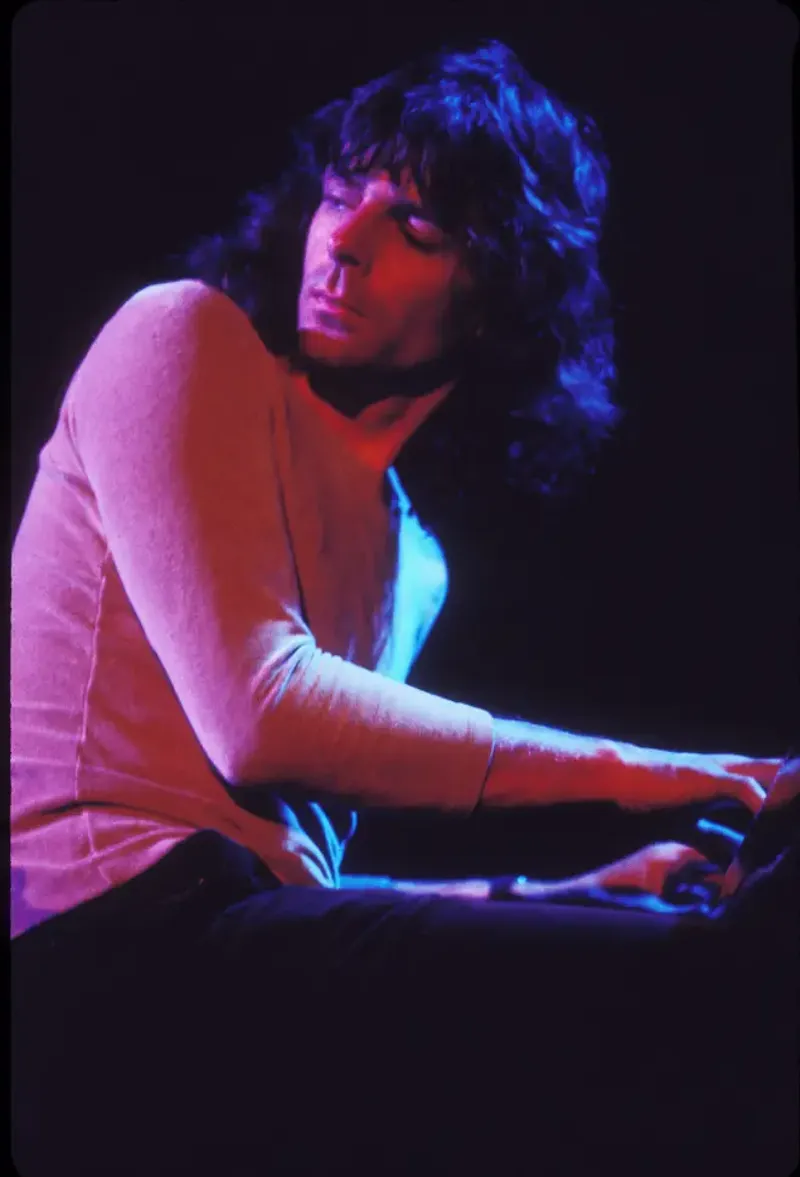
Sometimes the most powerful musician is the one who leaves room for everyone else. Richard Wright gave Pink Floyd warmth, mystery, and space through carefully chosen chords and keyboard textures.
He also helped write important songs, including The Great Gig in the Sky and Us and Them. Put on headphones and follow the keyboards beneath the vocals.
His work offers a useful lesson: supporting a song with feeling can matter more than playing countless notes.
5. Stevie Wonder: Soul Meets Electronic Invention
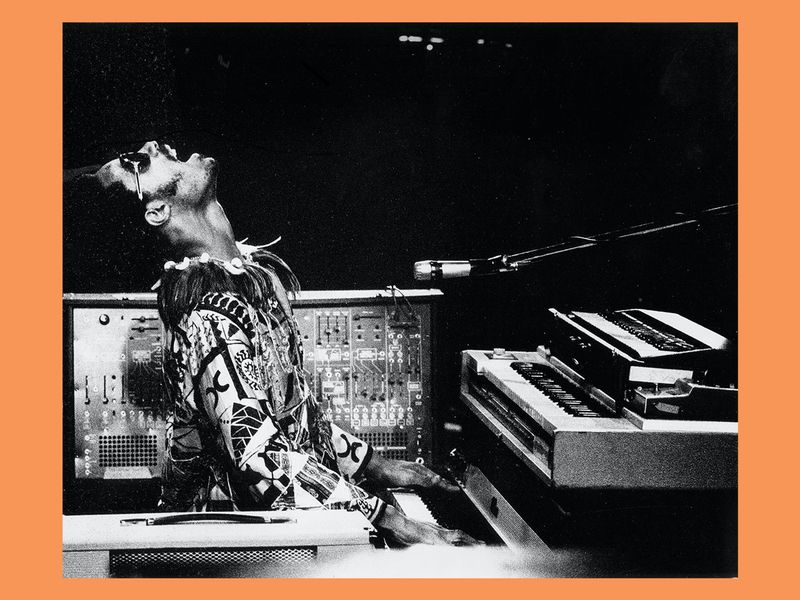
That sharp, bouncing groove in Superstition comes from a clavinet, not a guitar. Stevie Wonder turned keyboards into engines for songs that felt deeply human while exploring exciting electronic sounds.
During his celebrated 1970s run, he took major control of writing, arranging, producing, and performing. Living for the City shows his gift for storytelling alongside musical invention.
For a fresh listening challenge, separate the keyboard rhythm from the melody and hear how they work together.
6. Bernie Worrell: Funk From Another Planet
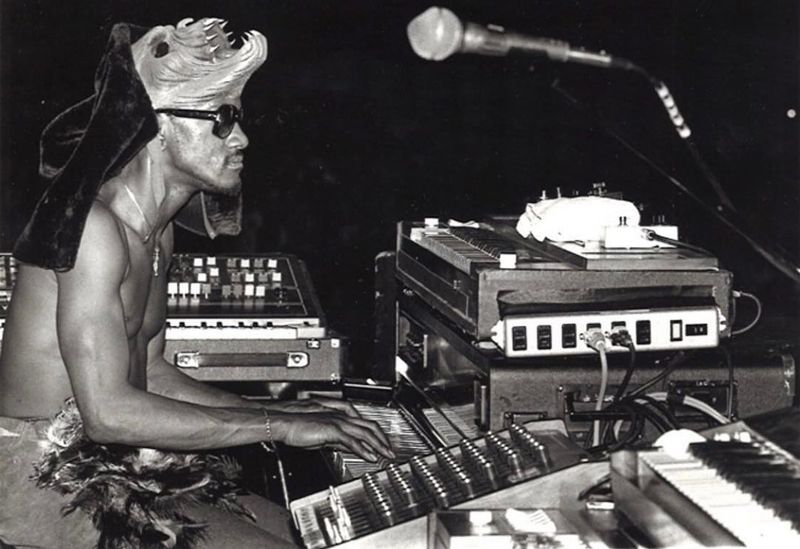
A bass line does not always need bass strings. Bernie Worrell proved that with the deep synthesizer groove on Parliament’s Flash Light, helping give funk a wonderfully strange new voice.
His classical background met fearless imagination in Parliament-Funkadelic, where keyboards could rumble, sparkle, or seem to speak. Follow the lowest notes when you listen to that track.
Worrell’s approach helped shape later electronic funk and the sounds sampled throughout hip-hop, especially its bold, rubbery bass.
7. Jon Lord: Making the Organ Roar
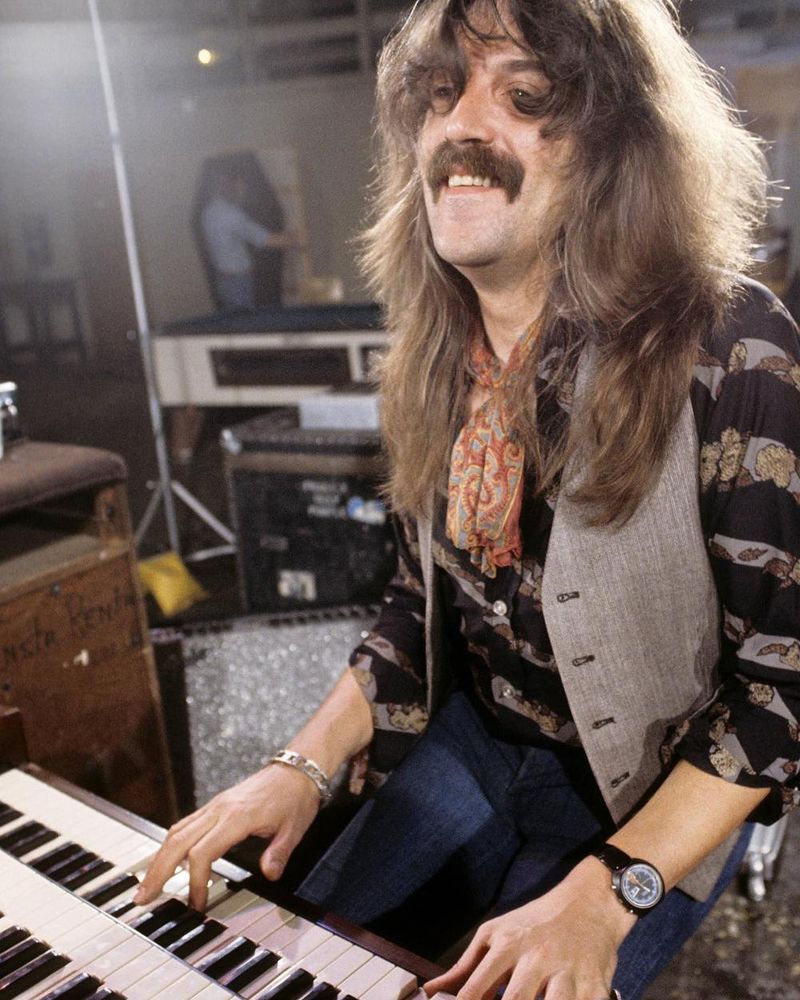
Heavy guitars had serious competition when Jon Lord stepped behind his Hammond organ. By pushing its sound through powerful amplification, he gave Deep Purple a gritty keyboard voice that could stand beside roaring electric guitars.
Classical ideas also shaped his playing and larger compositions. Start with Highway Star and listen for the organ solo’s driving patterns.
Lord showed that keyboards could carry hard rock’s weight while adding precision, drama, and a different kind of fire.
8. Elton John: Piano at Center Stage
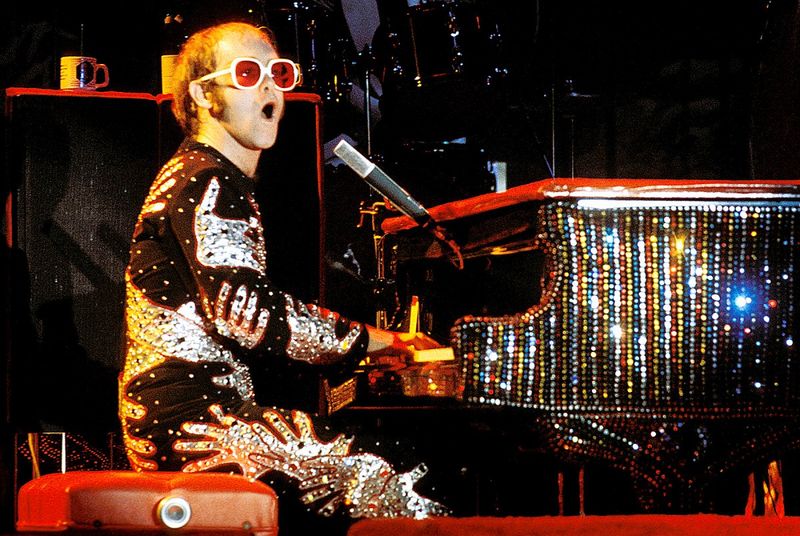
Glittering glasses might catch your eye first, but the piano keeps you listening. Elton John brought powerful rhythm, memorable melodies, and open emotion to the center of pop and rock.
Working closely with lyricist Bernie Taupin, he created songs that could feel intimate or fill an arena. Compare Your Song with Bennie and the Jets.
The contrast reveals how one instrument can support tender storytelling, playful swagger, and a connection that reaches listeners across generations.
9. Herbie Hancock: Jazz Without Fences
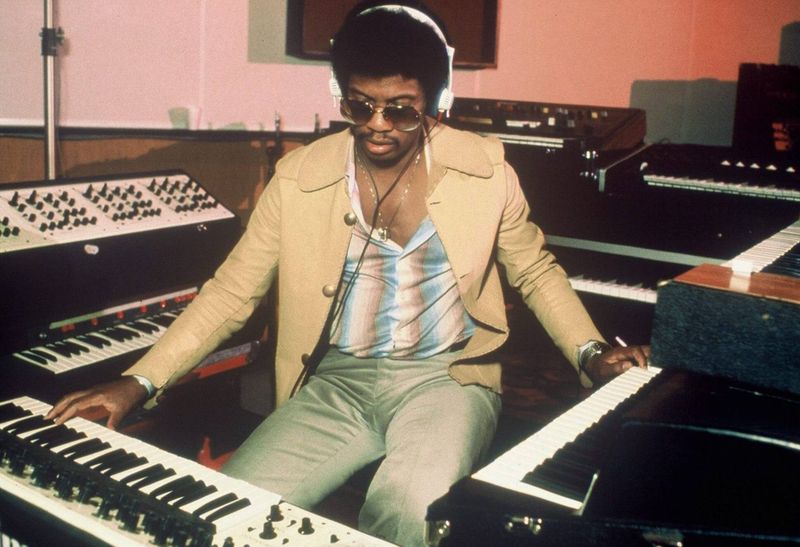
New technology was an invitation, not a threat, for this adventurous jazz pianist. Herbie Hancock moved between acoustic piano, electric keyboards, and synthesizers while keeping rhythm and curiosity at the heart of his music.
Head Hunters brought jazz and funk together for a wide audience. Later, Rockit connected electronic sounds with turntable scratching.
Listen to both to hear his range. Hancock’s career encourages musicians to explore unfamiliar tools without giving up their own musical voice.
10. Tony Banks: Genesis’s Musical Architect
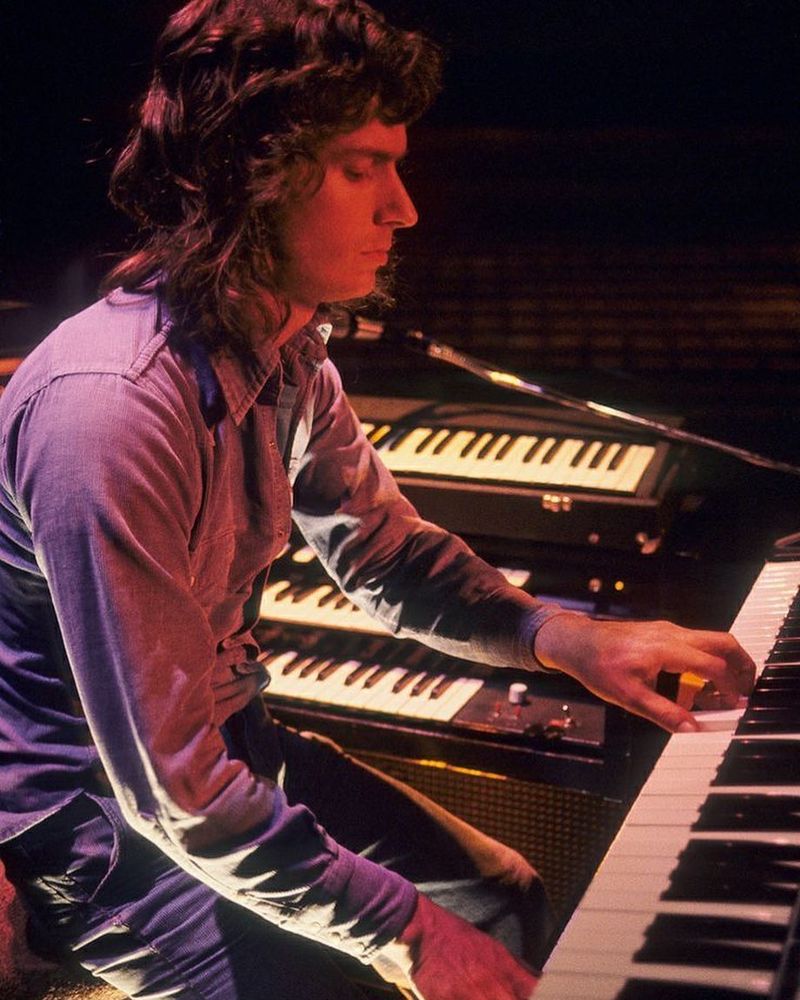
Behind many of Genesis’s dramatic turns sits a carefully shaped keyboard part. Tony Banks helped build the band’s sound through songwriting, rich chords, and a wide range of instruments.
His organ, Mellotron, synthesizer, and piano choices gave each passage its own character. Listen to the piano opening of Firth of Fifth, then follow the changes that come afterward.
Banks demonstrates how a strong musical structure can hold a long song together while still allowing surprising detours.
11. Billy Preston: Gospel Joy in Rock
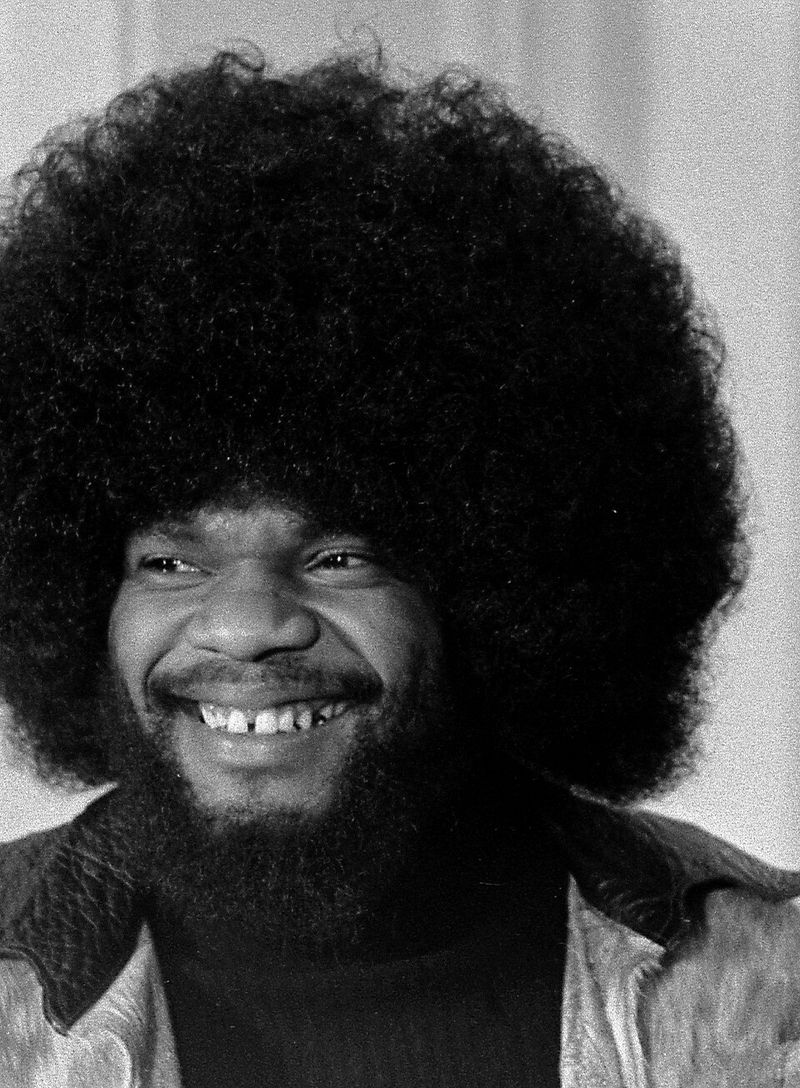
A few bright electric piano notes could lift an entire band when Billy Preston played. His gospel roots brought warmth, bounce, and a welcoming spirit to rock and soul recordings.
He joined the Beatles for their famous rooftop performance and worked with the Rolling Stones. Hear Get Back for a clear example of his lively touch.
His own hit Will It Go Round in Circles also shows that a supporting musician can become a star.
12. Brian Eno: Turning Sound Into Space
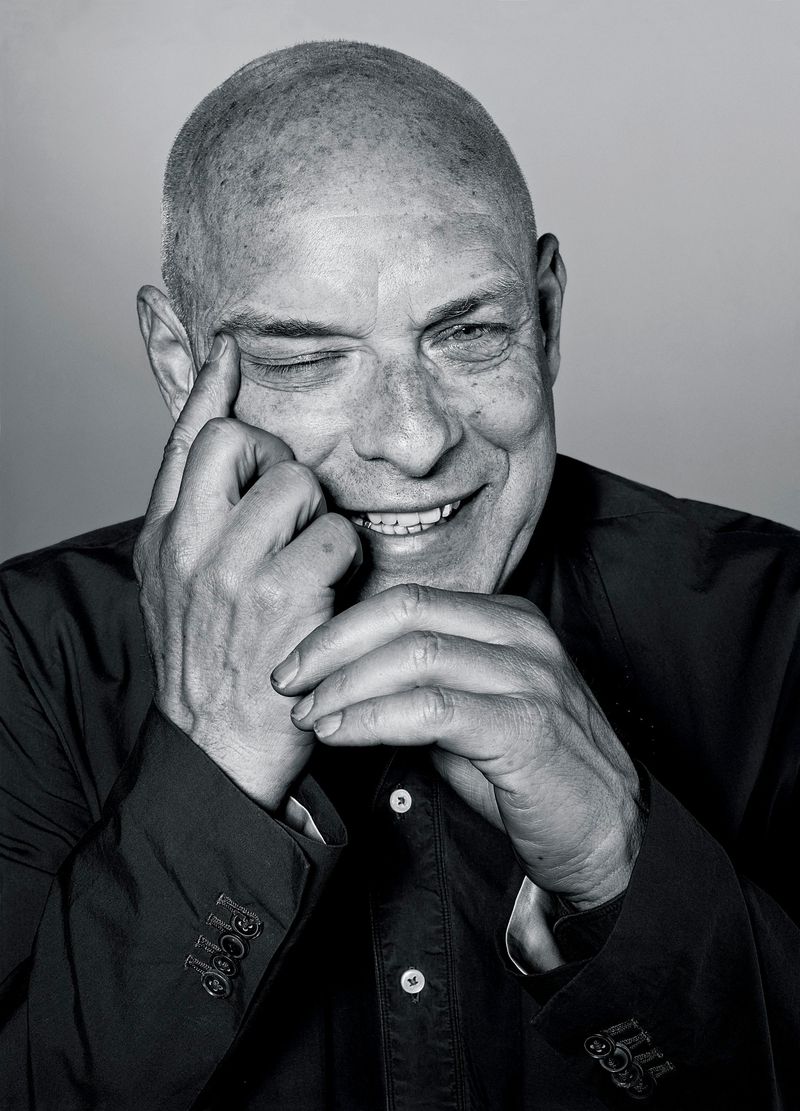
What if music could change a room without demanding all your attention? Brian Eno explored that idea through ambient recordings, treating sound as something listeners could enter rather than simply follow.
After experimenting with synthesizers in Roxy Music, he developed work built around texture, repetition, and space. Try Music for Airports during a quiet moment.
Notice how small changes affect the mood. His approach widened ideas about keyboards, production, and what a musical experience could be.
13. Joe Zawinul: A New Language for Jazz
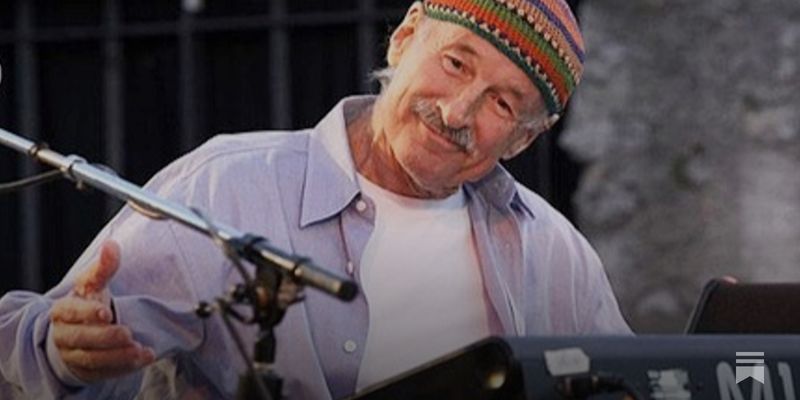
Electronic keyboards became a lively storytelling tool in Joe Zawinul’s hands. Through his work with Miles Davis and Weather Report, he helped move jazz toward electric sounds, strong grooves, and broader musical influences.
Birdland remains an inviting starting point, with a melody that feels bright and instantly memorable. Listen for how the keyboard lines interact with the band.
Zawinul’s music shows that technical skill becomes more powerful when it serves movement, character, and shared musical conversation.
14. Gregg Rolie: Organ With a Latin Pulse
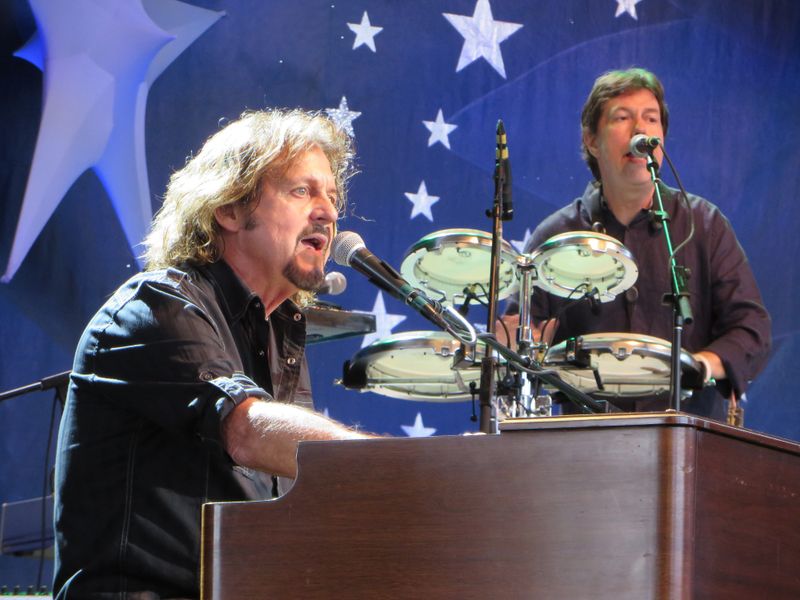
Percussion, guitar, and organ found an exciting meeting point in early Santana. Gregg Rolie’s keyboard playing helped connect rock energy with Latin rhythms, while his singing added another recognizable voice.
He later helped found Journey, extending his place in rock history. Play Santana’s version of Black Magic Woman and listen beneath the guitar.
The organ gives the music depth and momentum. Rolie’s contribution is a reminder that a band’s signature sound often comes from musicians working together.
15. Manfred Mann: Synthesizers With Rock Bite
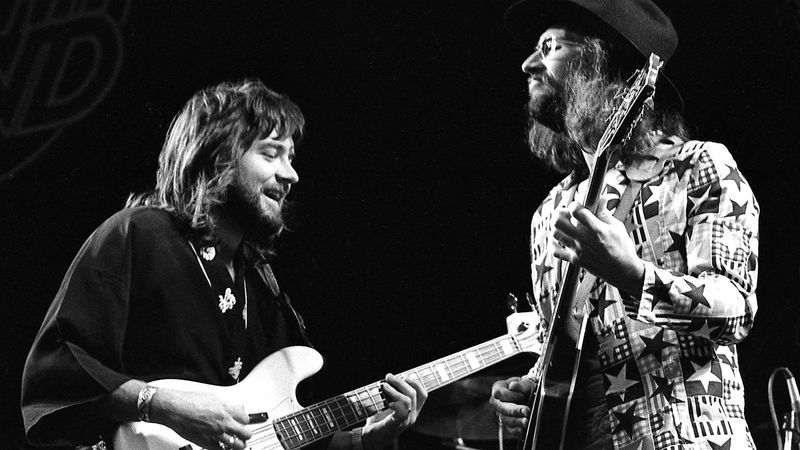
A familiar song could become something surprising once Manfred Mann brought his keyboards to it. After early pop success, he explored a bigger, more adventurous sound with Manfred Mann’s Earth Band.
His expressive Minimoog playing gave the group sharp leads and unusual colors. Compare Bruce Springsteen’s original Blinded by the Light with the Earth Band version.
You can hear how arrangement changes a song’s personality. Mann made the synthesizer feel like a rock voice with character.